BIOREFINA
BIOREFINA

Biorefinery of fertiliser products for self-consumption in fruit and vegetable farms

Biorefinery of fertiliser products for self-consumption in fruit and vegetable farms.

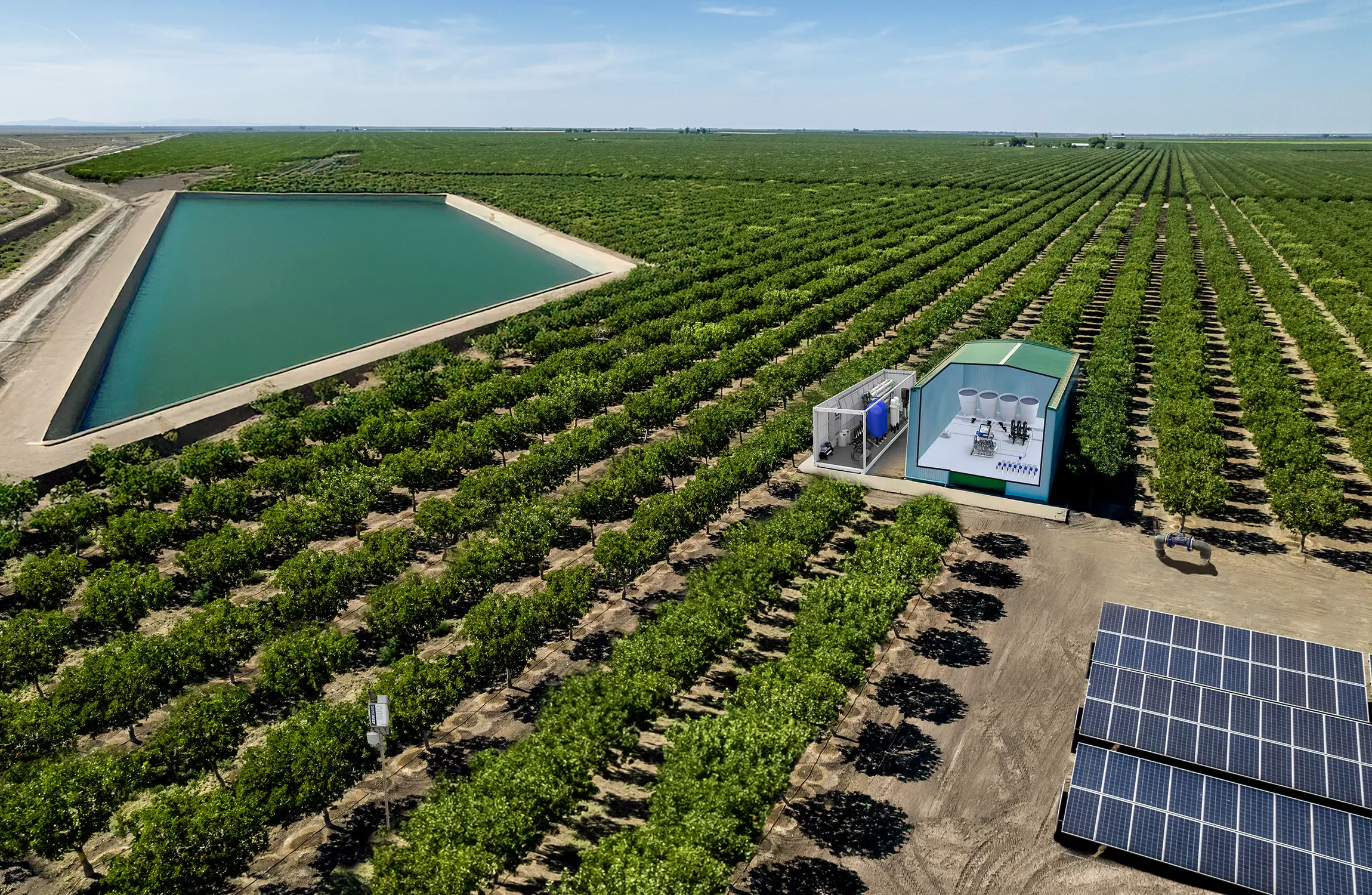
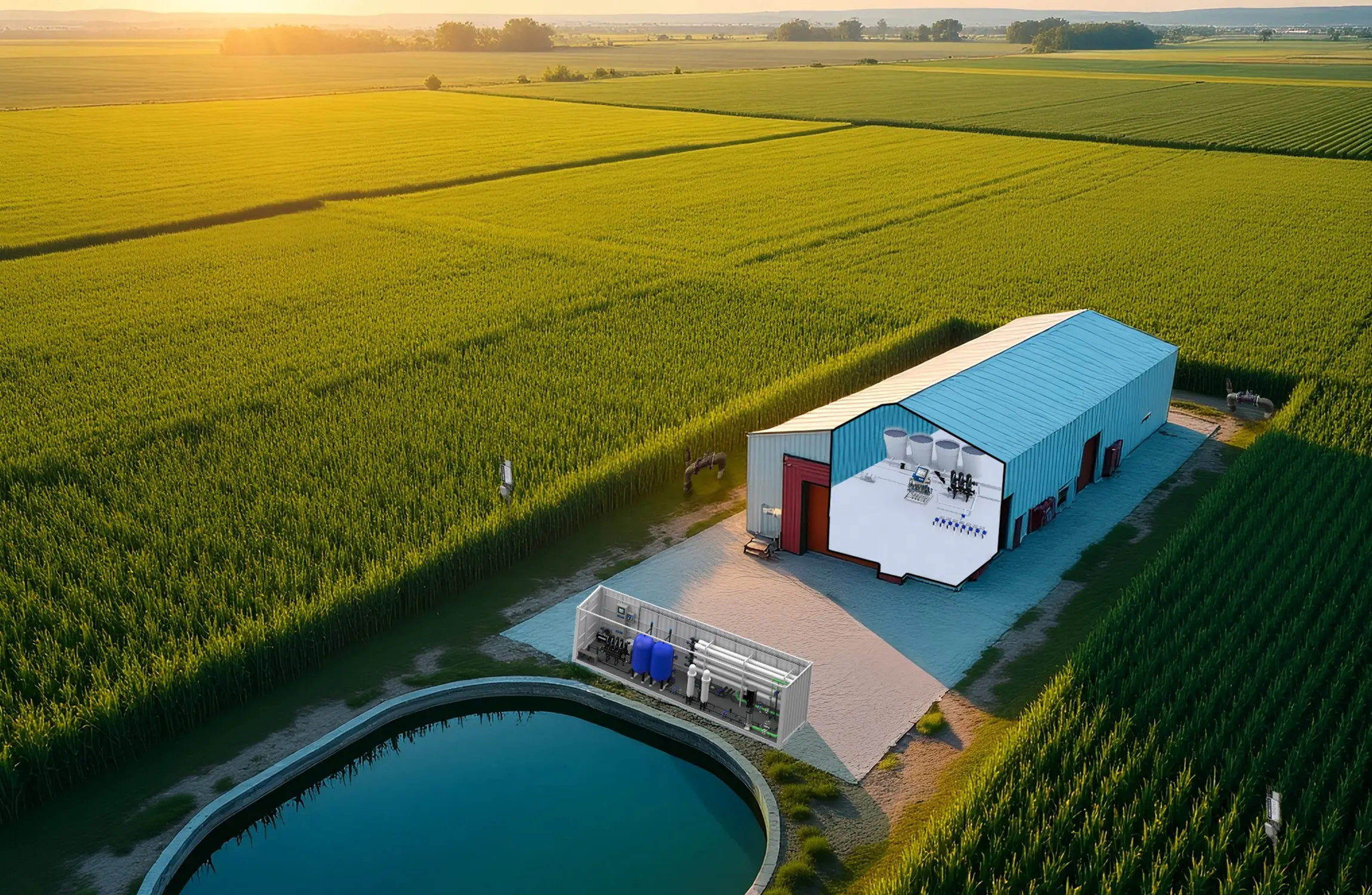
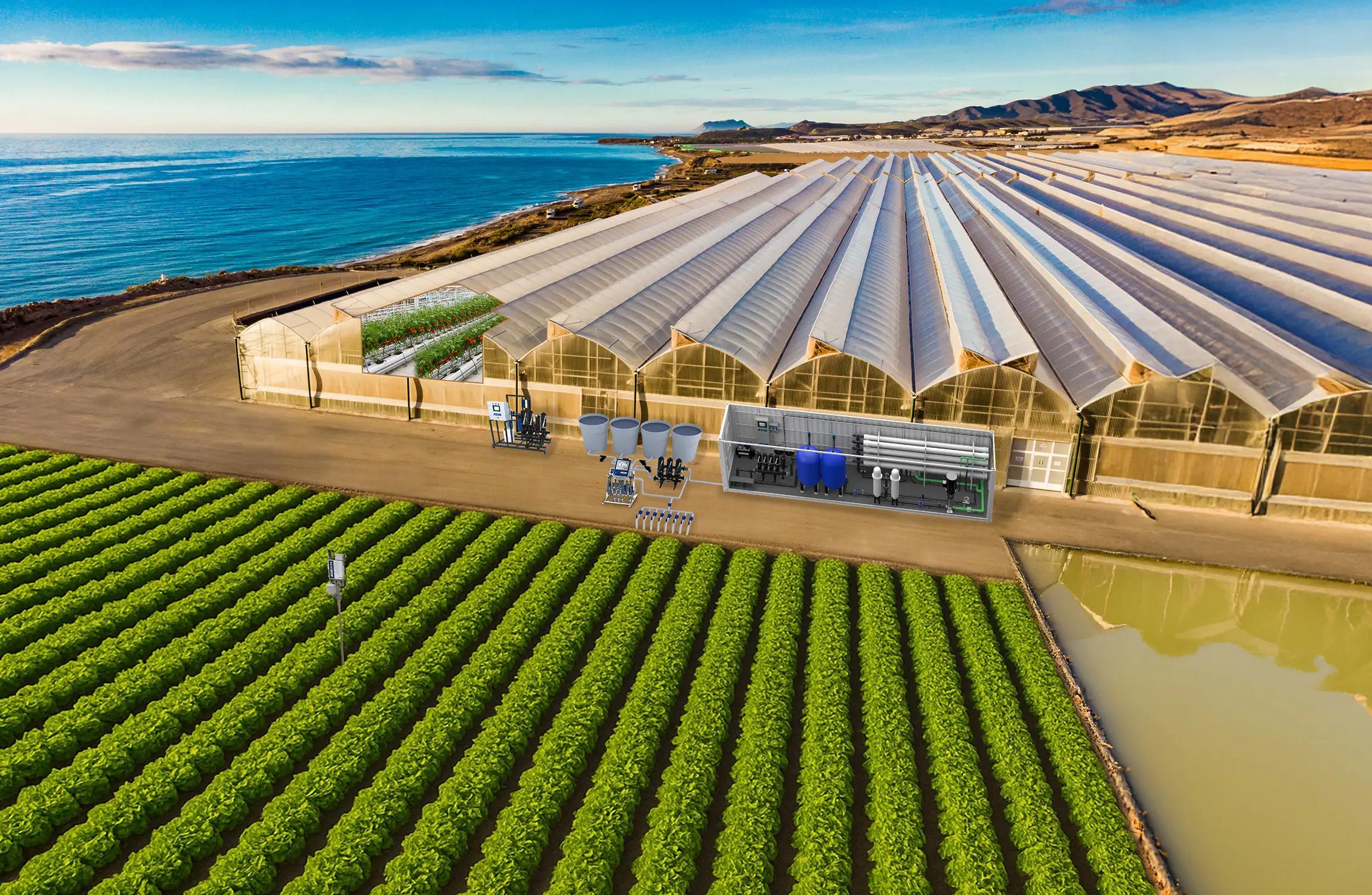
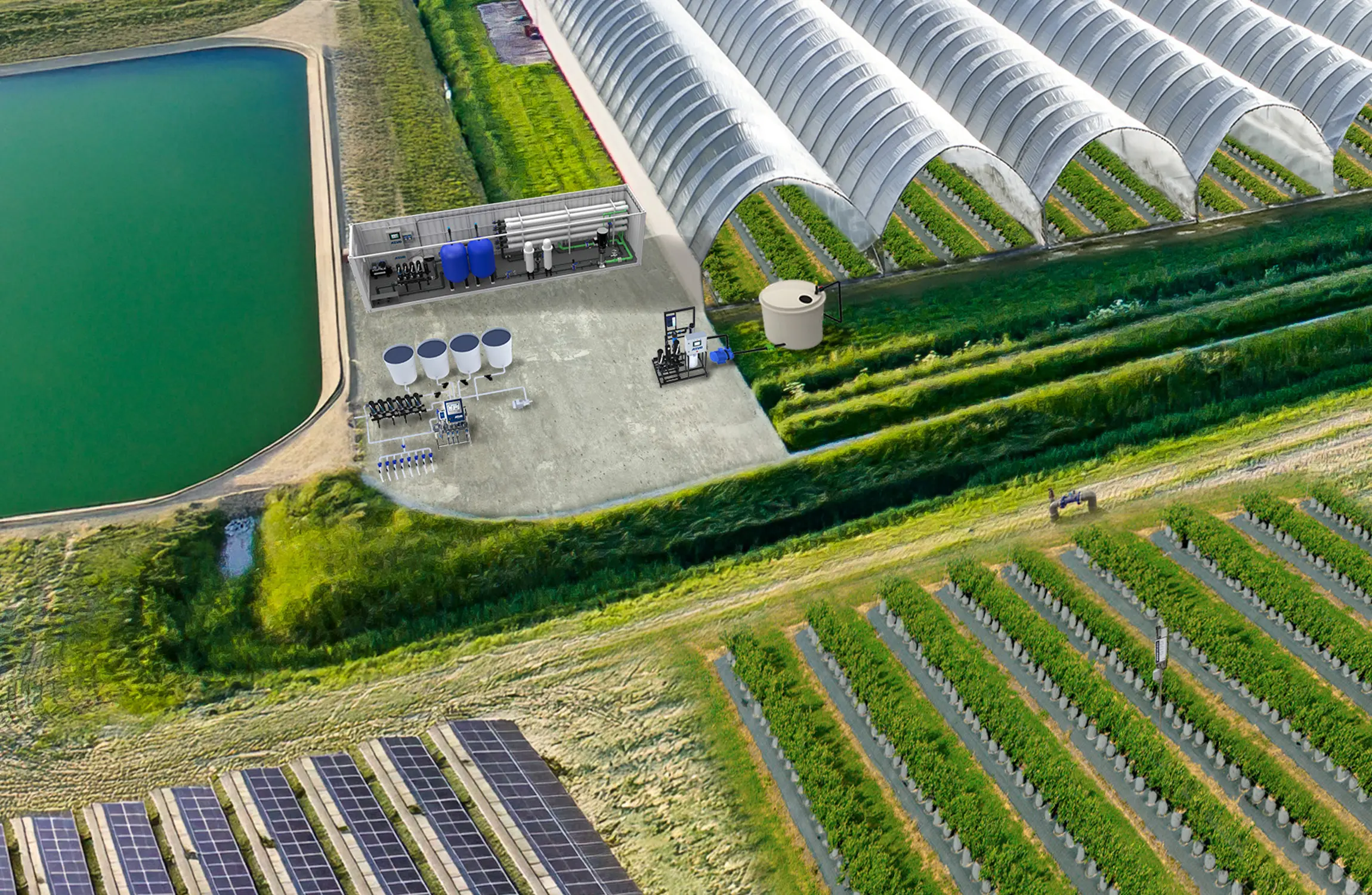
BioREFINA is developing a new circular model through a system of on-site production of three types of fertilisers obtained from its own waste biomass.

Biorefineries are facilities capable of transforming biomass into bioenergy and/or bioproducts in a sustainable way.

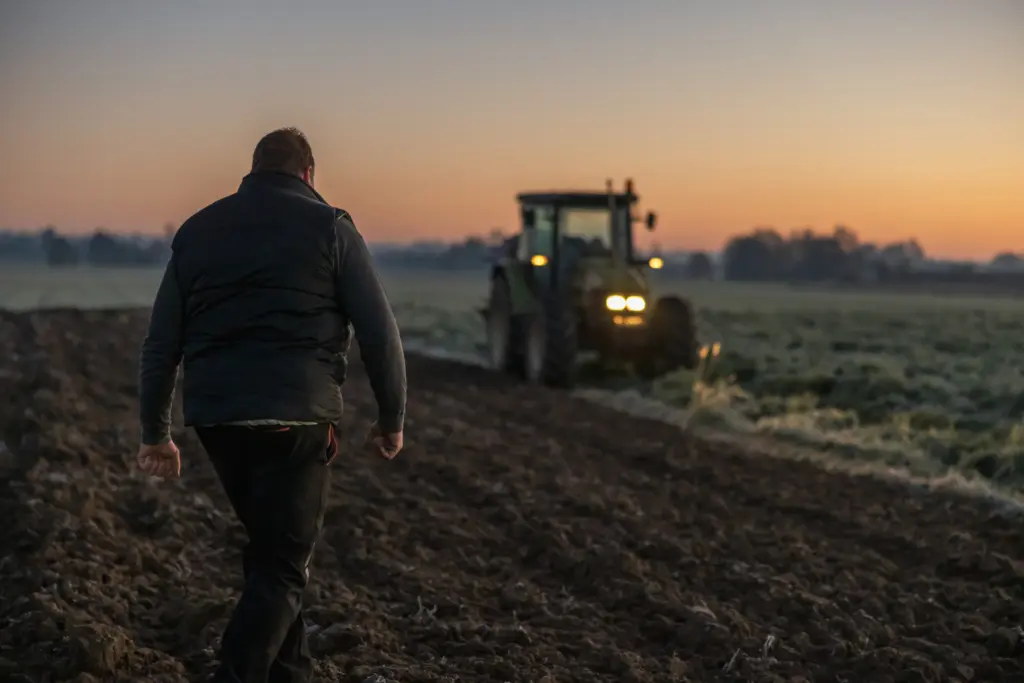
Biorefineries are facilities capable of transforming biomass into bioenergy and/or bioproducts in a sustainable way. The aim of the bioREFINA project is to transform in situ the vegetable waste generated on fruit and vegetable farms, such as crop residues, waste due to size or lack of quality or other organic waste, into three high-quality fertiliser bioproducts. In this way, a fruit and vegetable farm would go from buying fertilisers from third parties to producing its own biofertilisers made from its own vegetable waste, or from its immediate environment under a circular economy model.

Biorefinery processes begin with thermophilic anaerobic digestion, which stabilises organic matter and reduces the risk of microbiological contamination. The biogas produced is used as a source of renewable heat to provide energy self-sufficiency for the subsequent processes of transforming the digestate into fertiliser products.

The solid fraction of the digestate is used as a renewable heat source.

The solid fraction of the digestate is transformed by composting with other co-substrates into a functional organic amendment to improve soil quality and crop health; the water and nutrients (mainly nitrogen, phosphorus and potassium) present in the liquid digestate are used as liquid fertiliser in fertigation systems; furthermore, a fraction of the liquid digestate is used to cultivate microalgae and subsequently a microalgae-based biofertiliser rich in amino acids and plant hormones.
<p

The fertilisers obtained through the bioREFINA system stand out for their high hygienic quality and low carbon footprint, essential characteristics for fruit and vegetables sold in central and northern European markets, which are particularly demanding in this area.
The success of the project is due to the fact that the bioREFINA system has a high hygienic quality and a low carbon footprint, essential characteristics for fruit and vegetables sold in central and northern European markets, which are particularly demanding in this area.

The success of the bioREFINA R&D&I project lies in its total alignment with the new agricultural sustainability policies based on bioeconomy models, through the implementation of a circular economy process at agro-industrial farm level which, among other aspects, contributes to reducing the use of mineral fertilisers, improving energy management on farms, improving fruit and vegetable productivity, as well as the implementation of its own waste management and recovery system.

Let's work toward a a better future

A space for future collaborations that drive projects with an impact

Partners

Jointly with AZUD they participate in the bioREFINA project:

  • Miguel García Sánchez e Hijos, S.A.
  • Biorizon Biotech, S.L.
  • Bouzada Ingenieros, S.L.
  • Bouzada Ingenieros, S.L.

With the support of the following research centres:

  • University of Almeria
  • University of Almeria
  • .
  • Cajamar Foundation
  • Cajamar Foundation
  • AINIA Technological Centre

Funding

The project is being developed within the framework of the 2016 call for subsidies aimed at promoting regional cooperation in research and development, ERDF-INNTERCONECTA Programme, of the Centre for Technological and Industrial Development (CDTI), under the Ministry of Economy, Industry and Competitiveness, and co-financed with European Union Structural Funds within the Smart Growth Operational Programme 2014-2020.

The project is being developed within the framework of the ERDF-INNTERCONECTA Programme, of the Centre for Technological and Industrial Development (CDTI), under the Ministry of Economy, Industry and Competitiveness, and co-financed with European Union Structural Funds within the Smart Growth Operational Programme 2014-2020.

R&D&I Projects
Contact AZUD