With more than 30 years of experience, Latorre Aparicio Agricultural Supplies It has established itself as a leader in the agricultural sector.
Located in the town of Godelleta, in the Valencia Province, the company specializes in technical consulting, the sale of plant protection products and fertilizers, and the installation of drinking water and drip irrigation systems. It offers backhoe and rotary tiller services for trenching and earthmoving.
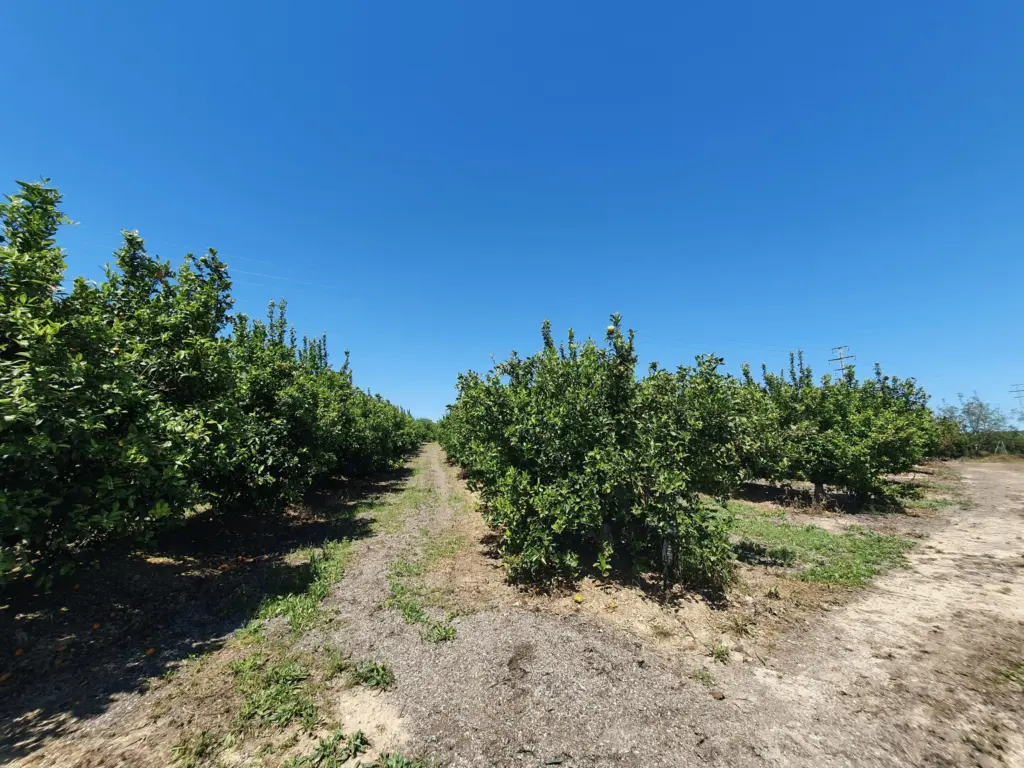
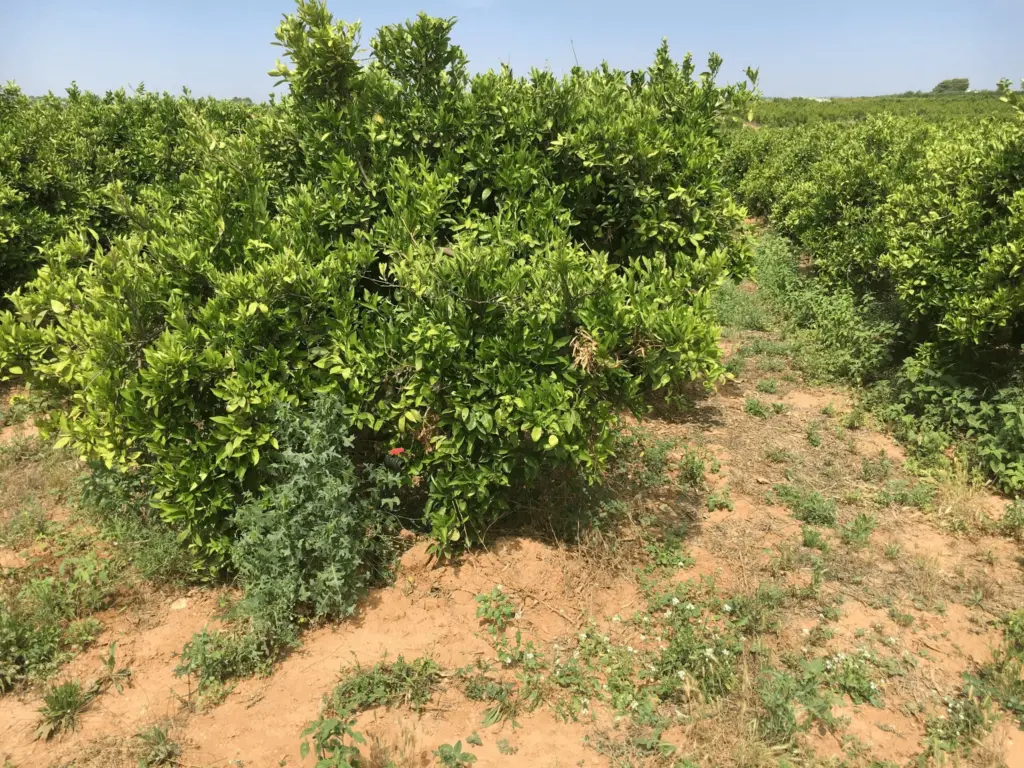
In addition to all this, the company is also a producer and owns farms where the area’s primary crop—oranges—is grown. Its largest customers are the irrigation districts and growers of these crops.
The company is recognized not only in Spain but also internationally, thanks to the expertise of Enrique Latorre, an agricultural engineer and co-manager of the company. Enrique specializes in citrus fruits and, more specifically, in the fruit enlargement of varieties such as Nadorcott and Tango, has raised the standards for quality and production. Its expertise and guidance extend beyond Spain’s borders, reaching citrus growers in South America, with a particularly strong presence in countries such as Chile and Peru, among others.

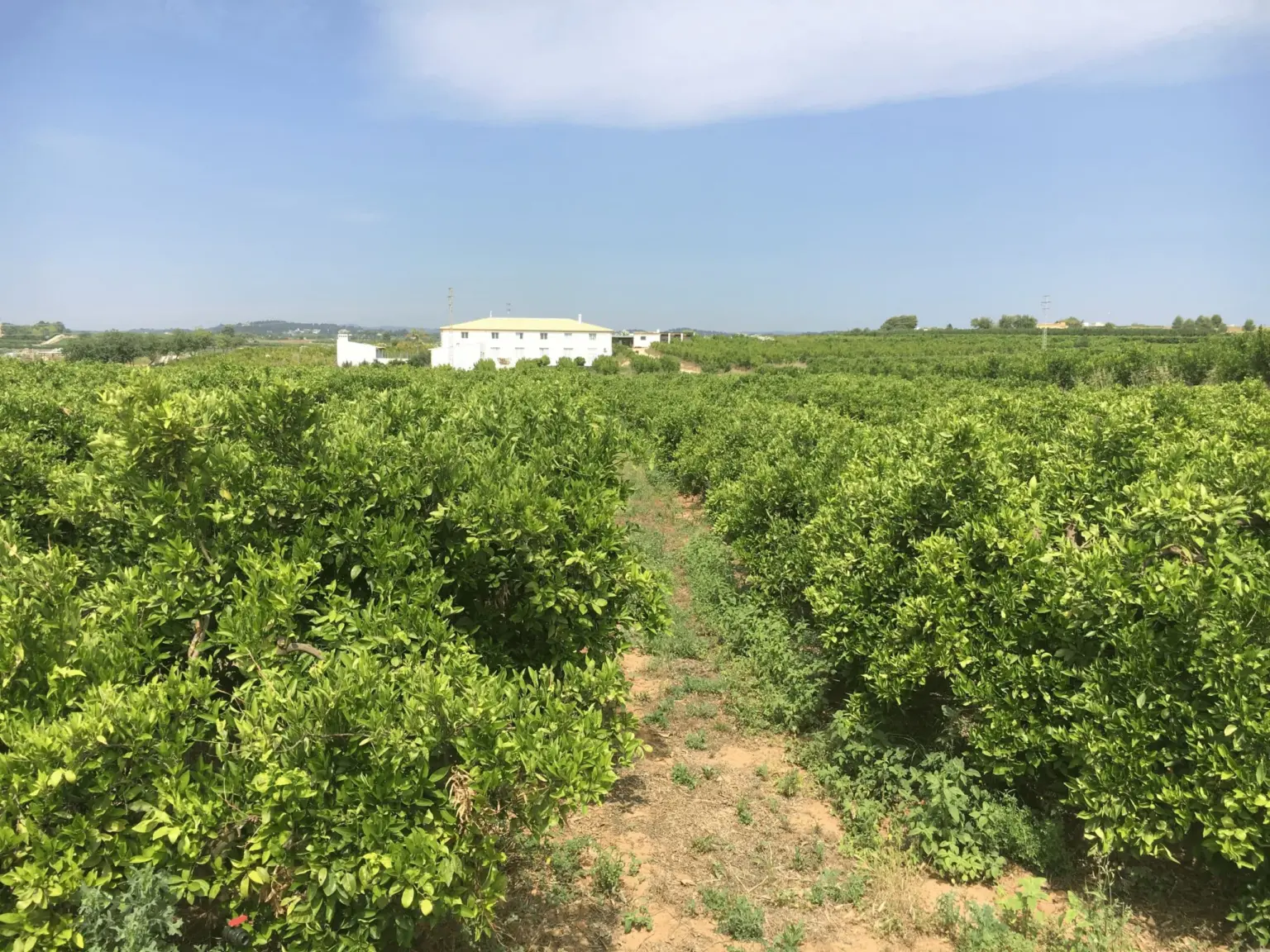
Located in a region traditionally known for orange cultivation, this farm in 5 hectares, with a 6×6-meter planting pattern, faced unique challenges with its Irrigation system.
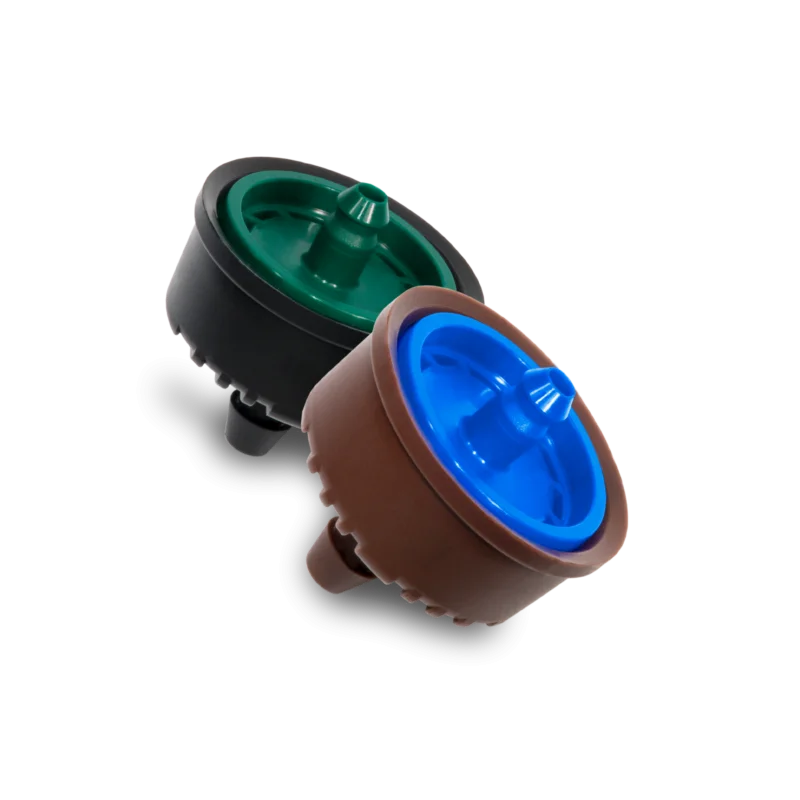
In this area, the traditional preference has always been for surface irrigation systems, with the use of 3.5-liter cylindrical drippers spaced 1 meter apart as the standard. However, this method had multiple problems on the farm: from frequent breakdowns to difficulties in weed control and high water consumption. In addition, the presence of horses on the farm caused constant damage to the exposed dripline systems.
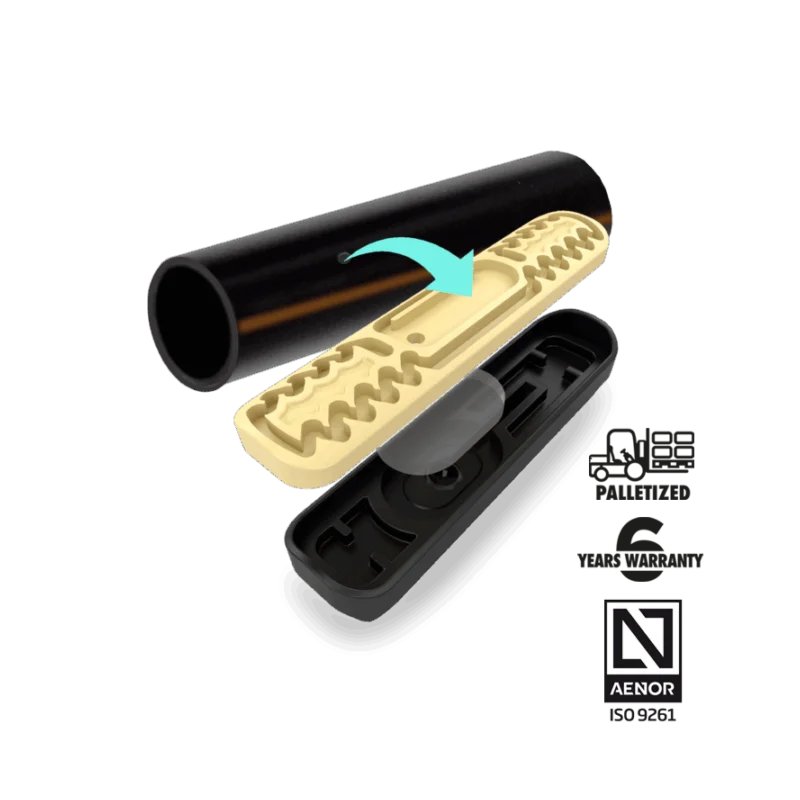
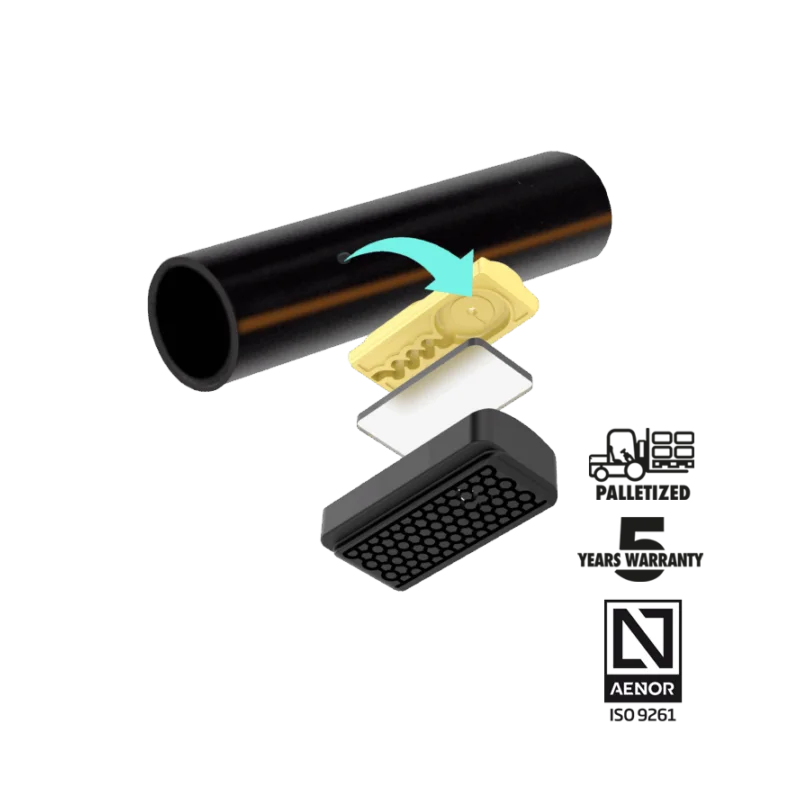
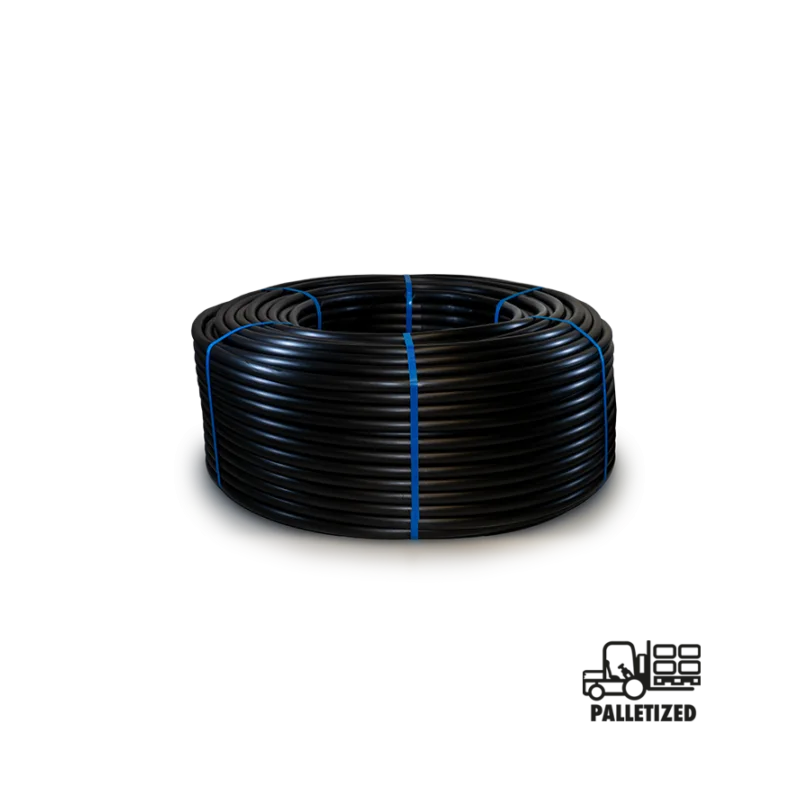
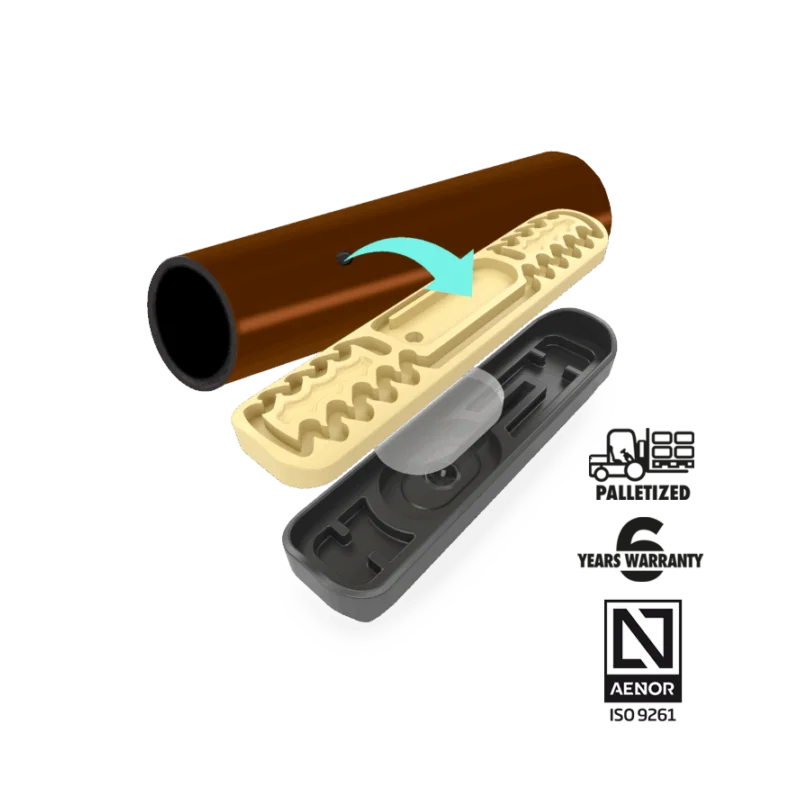
The implementation of the Sub-surface Drip Irrigation (SDI) It was seen not only as a solution to existing problems, but also as a step toward modernization and more efficient water use. This system not only eliminates the drawbacks of having dripline on the surface—such as accidental displacement by workers and damage caused by wildlife—but also promises a significant reduction in water consumption and better weed control.
In light of the specific challenges and issues our client was facing, a strategic decision was made to implement a system to Sub-surface Drip Irrigation (SDI).
First, the soil texture on the farm was ideal for this type of irrigation system, a crucial factor for the effectiveness of the RGS. In addition, we had the advantage of working with an end customer who possessed solid technical knowledge and a firm commitment to properly maintaining the system. Added to this was the installer’s extensive experience with RGS systems, which gave us high confidence in the installation’s success.
The root system Since the crop was already established, a test was conducted to determine the location of the roots, and it was decided to bury the dripline beneath the canopy, always performing the operation during the vegetative rest period. Since the crop was not planted in ridges, installation was simpler because the farm was flat; however, for a project involving ridges, it is necessary to determine where to place the dripline and when to install it to ensure the most efficient water application and promote root system development.
The implementation of the RGS in citrus orchards has yielded numerous benefits: more efficient and optimized water use, reduced labor requirements, easier management of the plant canopy, and, most importantly, a significant extension of the system’s service life.
In addition, a detailed study was conducted of the cultivation tasks the farmer would perform on the farm. Taking into account the soil texture, depth, and specific characteristics of the crop, it was decided to bury the dripline at a depth of approximately 25 cm. This strategic decision ensures the maximum water application efficiency and promotes optimal root system development.


The greatest benefit of an RGS system compared to other irrigation systems is the cost savings And in this case, switching from surface-level localized irrigation to underground localized irrigation was yielding the following cost savings:
We use first-party and third-party cookies for technical and personalization purposes, for analytics, and to show you personalized advertising based on a profile created from your browsing habits (for example, pages visited). You can accept all cookies by clicking the “Accept All” button, reject non-essential cookies by clicking “Reject All,” or configure them by clicking the “Cookie Settings” button. For more information, click HERE