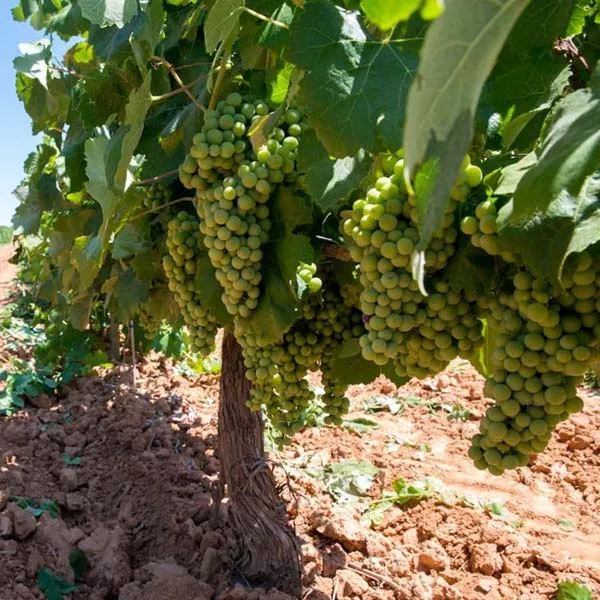
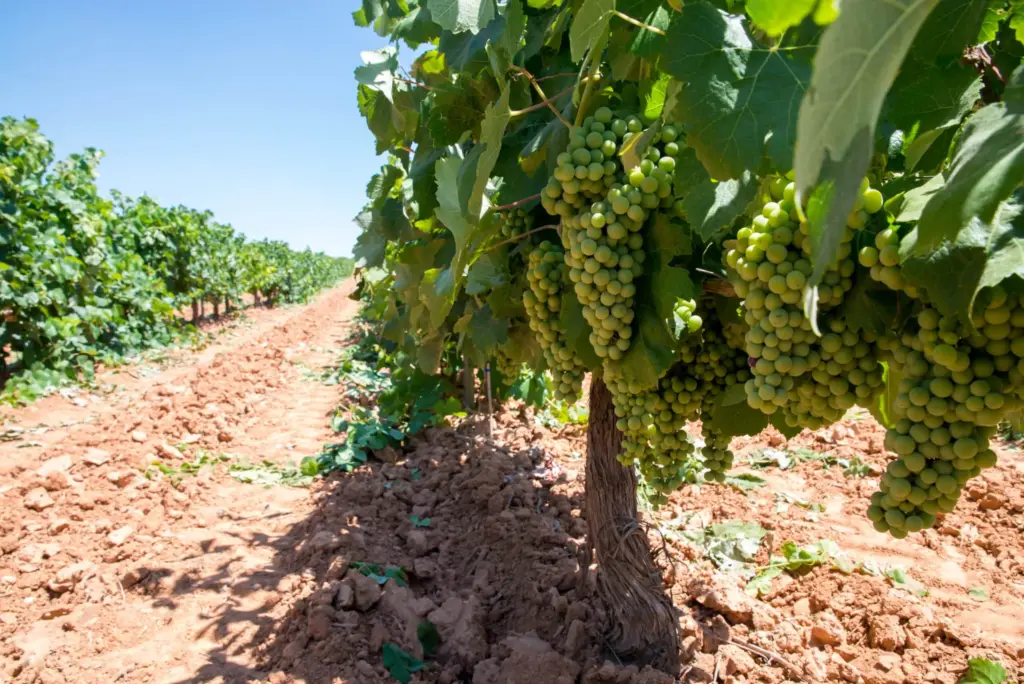
Planting density is influenced by factors such as the topography of the land, its potential, the vigor of the cultivar, Irrigation, the training system, fertilization, and pruning. The most commonly used layout in most vineyards in the major wine-producing countries is in rows. The recommended planting spacing is 2.5–3 m between rows and 0.5–1.5 m between plants, resulting in densities ranging from 4,000 to 2,200 plants per hectare. The recommended planting spacing for table grapes is 4×4 m, with a planting density of 625 plants per hectare.
It is recommended that rows always be oriented to face the prevailing winds in the area; a north-south orientation is best. Bare-root vines should be planted in the winter, while container-grown vines can be planted at any time of year.
The amount of water applied depends on the soil’s water-holding capacity, the efficiency of the irrigation system, and the depth of the roots.
Grapevines are highly resistant to long periods of drought because they have a deep root system. However, under conditions of severe drought, there may be a decline in yield and quality, so irrigation is essential.
Although grapevines are traditionally grown as rain-fed crops, irrigation in vineyards results in greater plant growth and increased production. Furthermore, it ensures that the plant is sufficiently prepared to guarantee next year’s production and prevents any type of stress on the vine that could lead to a decline in yield. Irrigation has beneficial effects as long as it is managed properly; to do so, it is necessary to know how much and when to irrigate. Among the favorable effects, the following are particularly noteworthy:
Significant increase in early shoots and the percentage of clusters.
Increases the number of leaves and prevents them from falling prematurely.
It accelerates the growth of the vine and, consequently, the start of production.
It promotes flower bud formation.
Increased yield due to heavier weigth and a higher number of grapes.
Improving fruit quality through proper irrigation.
The yields obtained from crops irrigated by a well-designed drip irrigation system are much higher (sometimes even double) than those of rain-fed crops in very dry environments. With the right temperature and humidity, yield increases of around 20% can be achieved. An average yield can be estimated to be in the range of 9–12 metric tons per hectare.
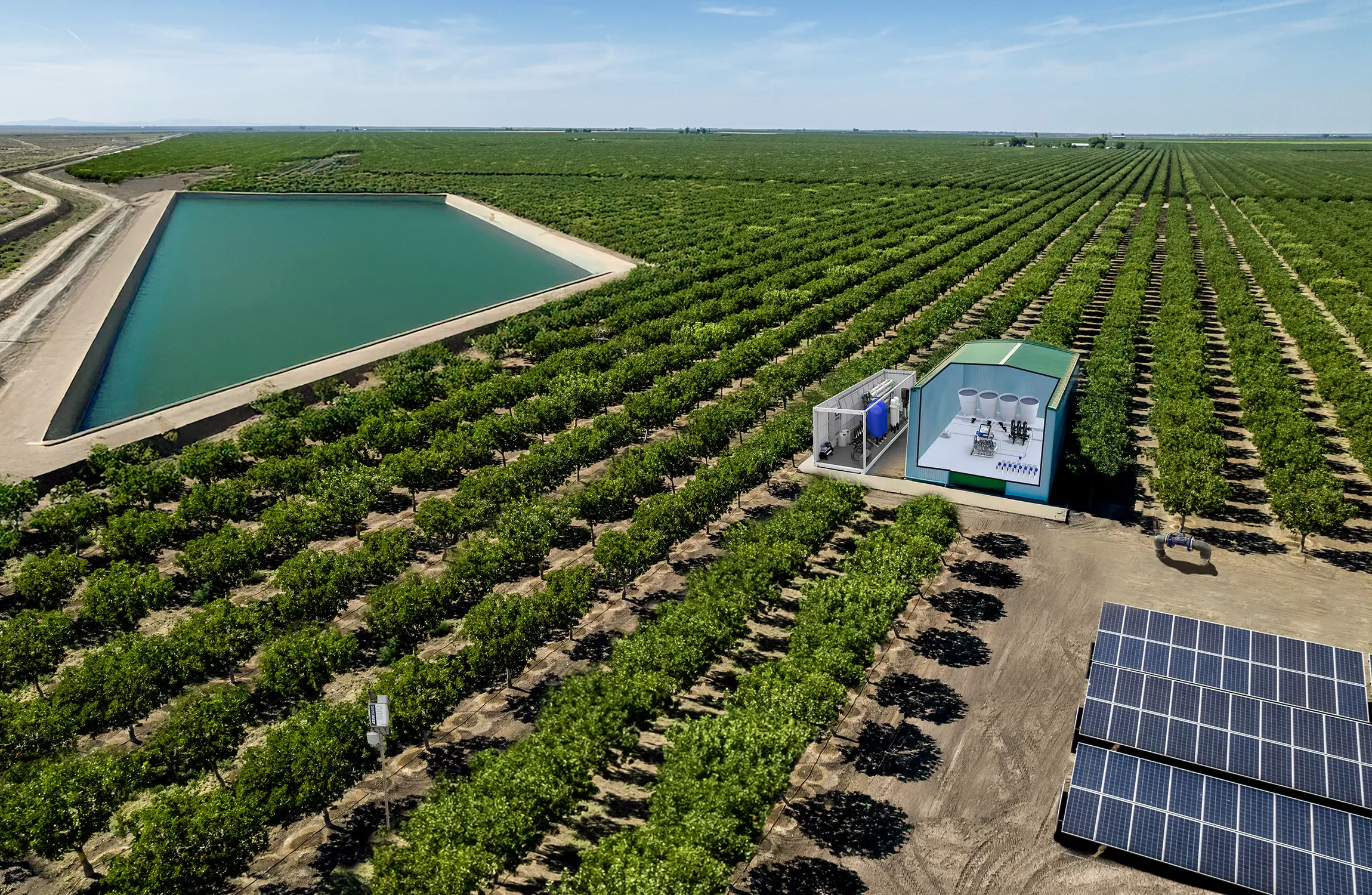
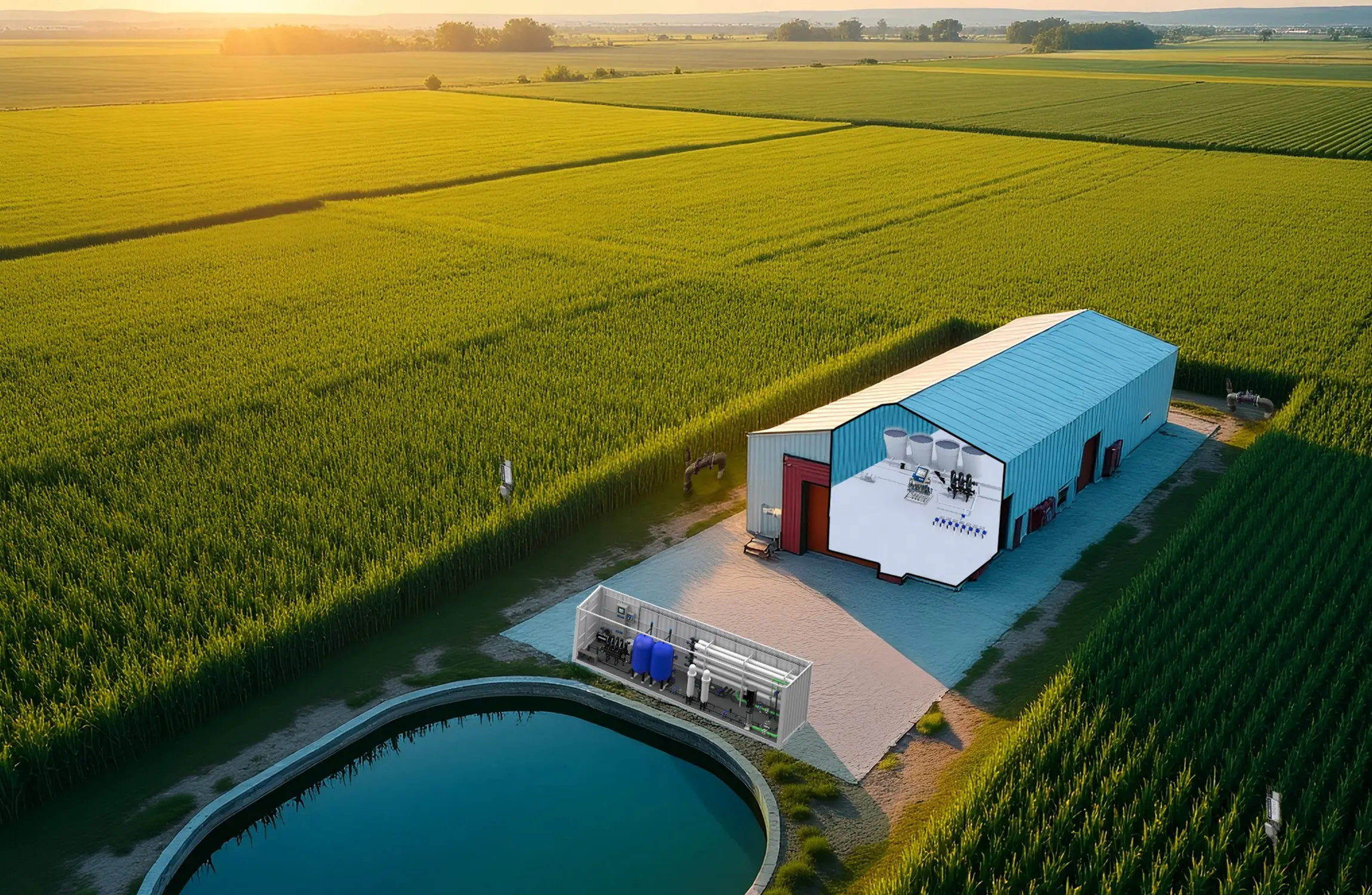
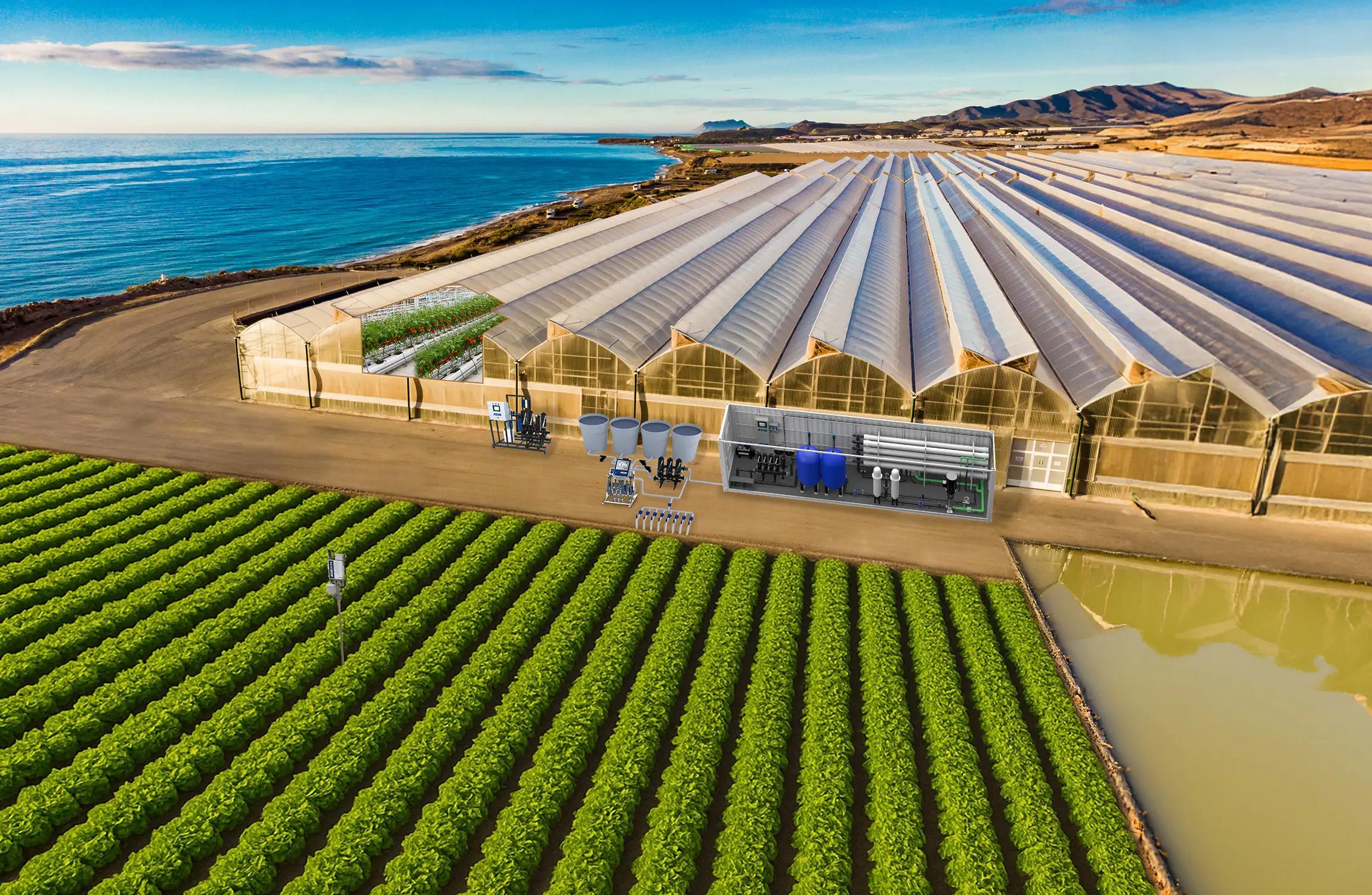
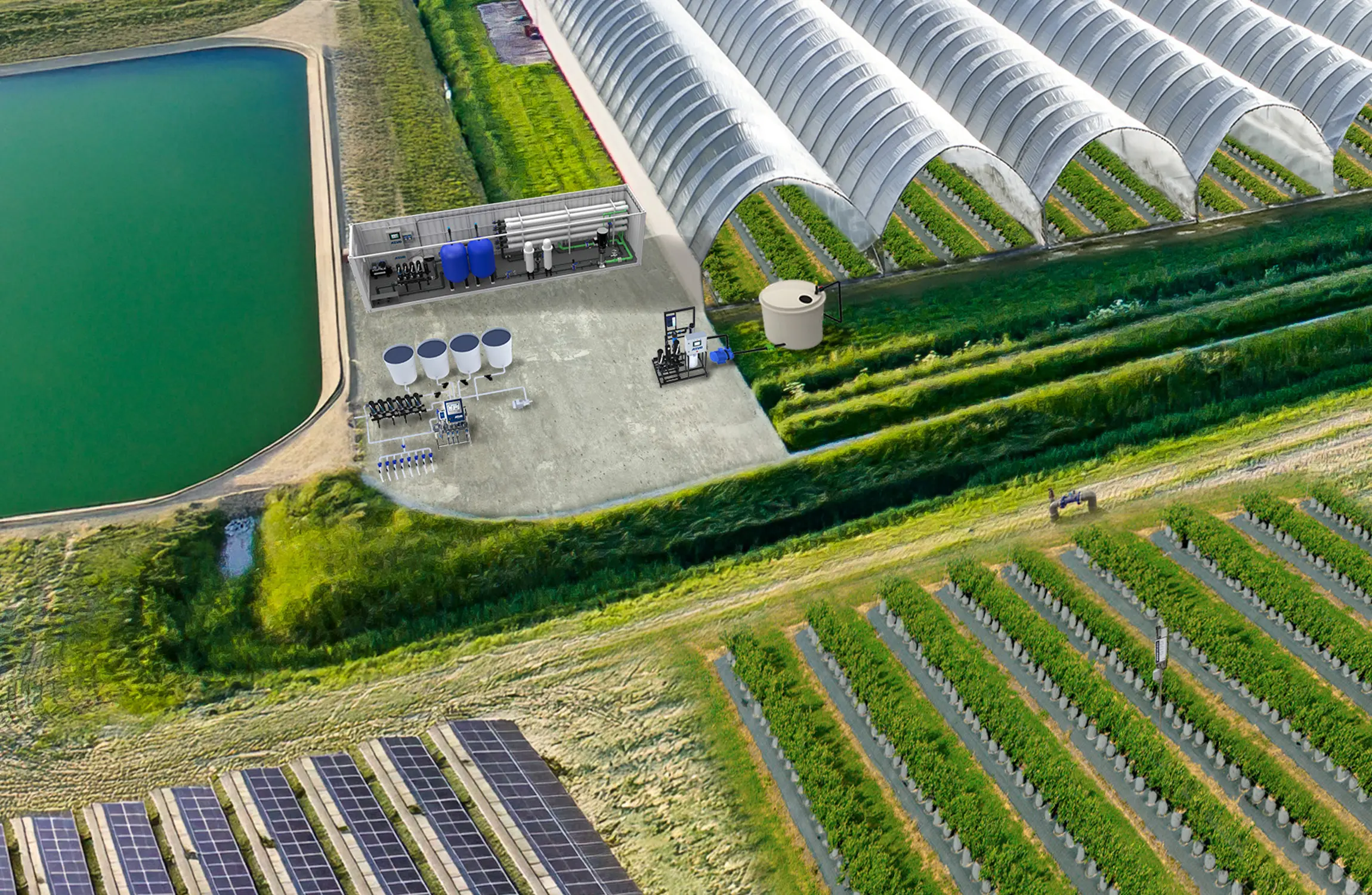
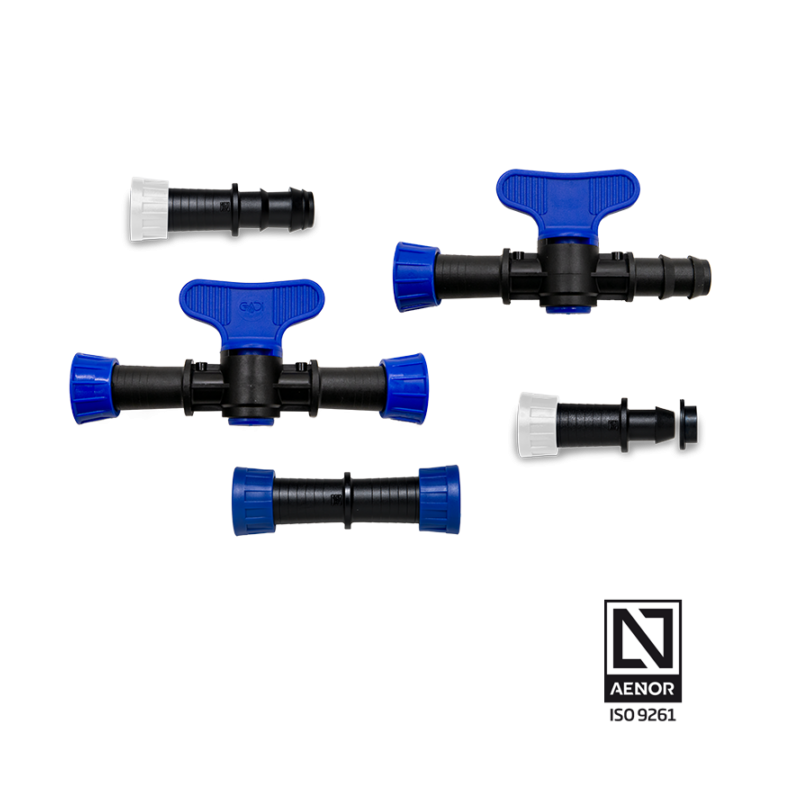
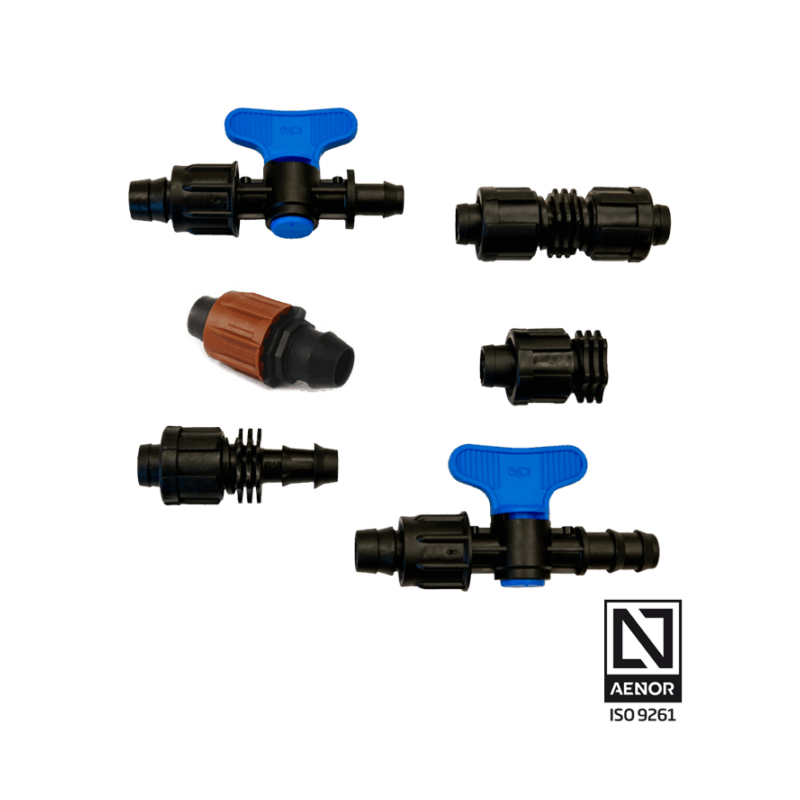
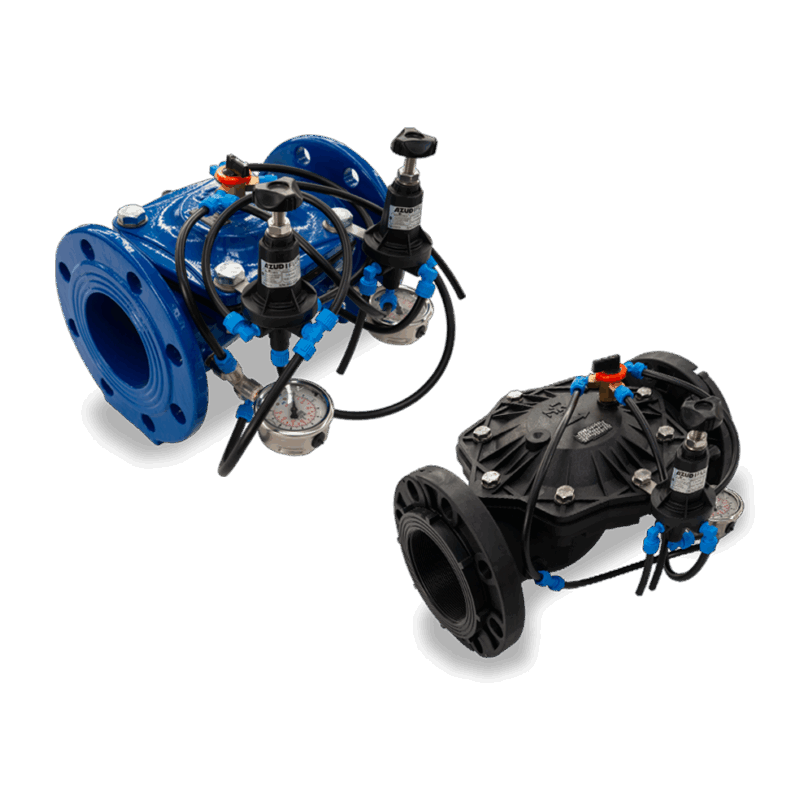
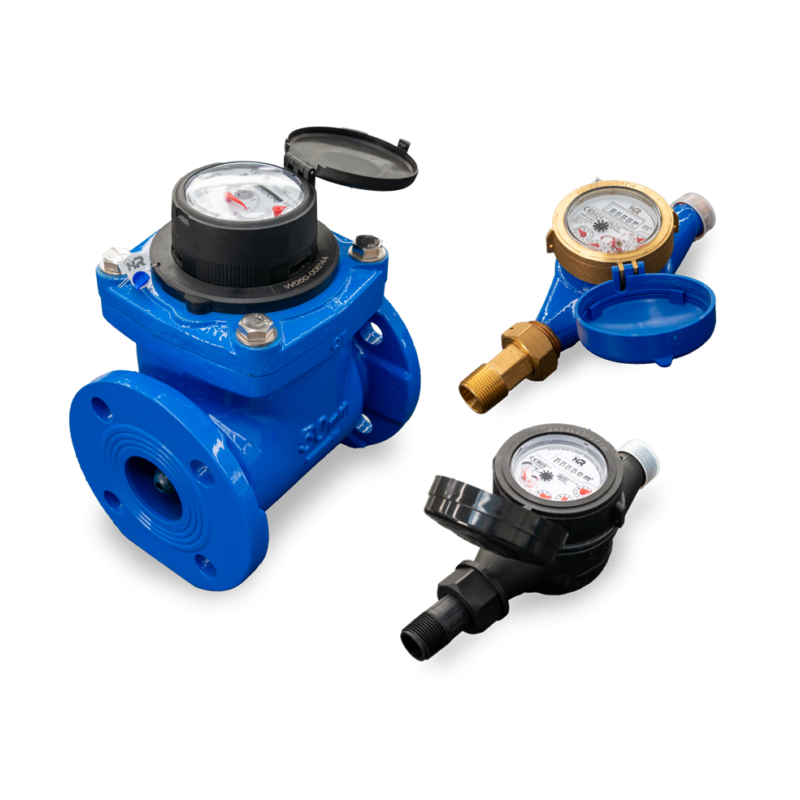
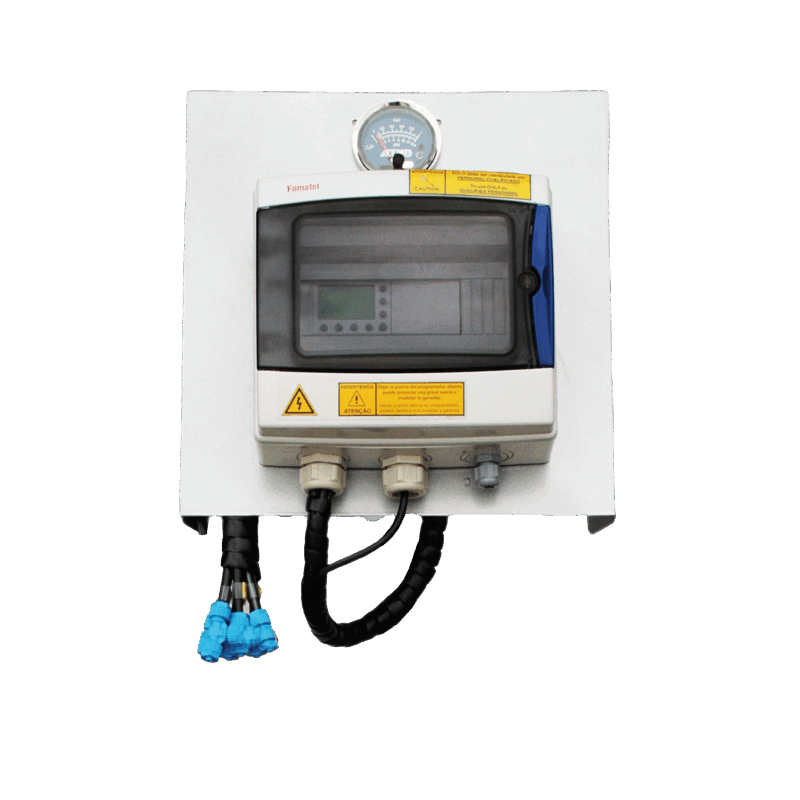
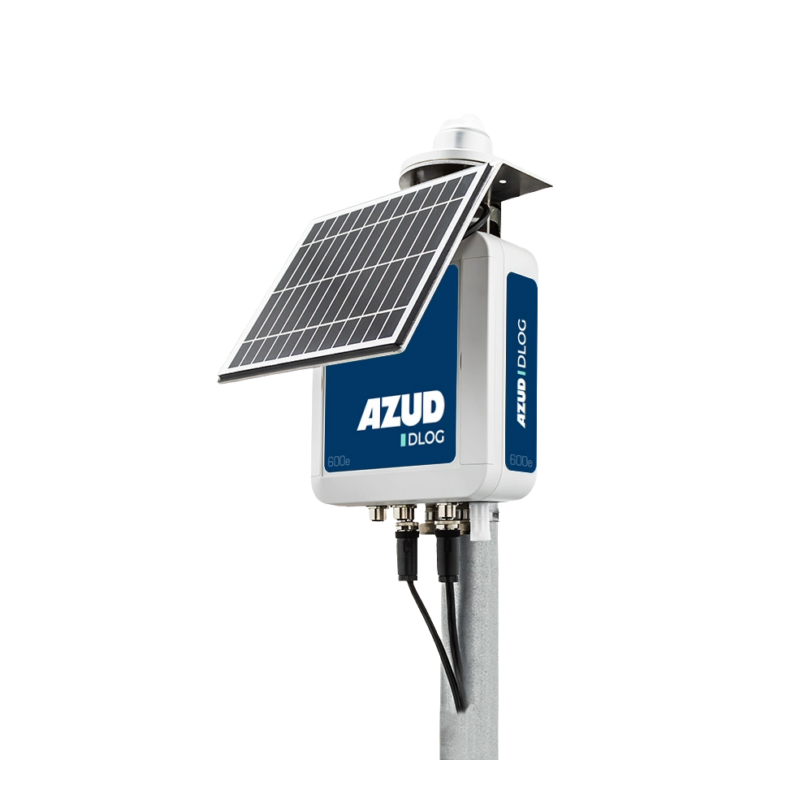
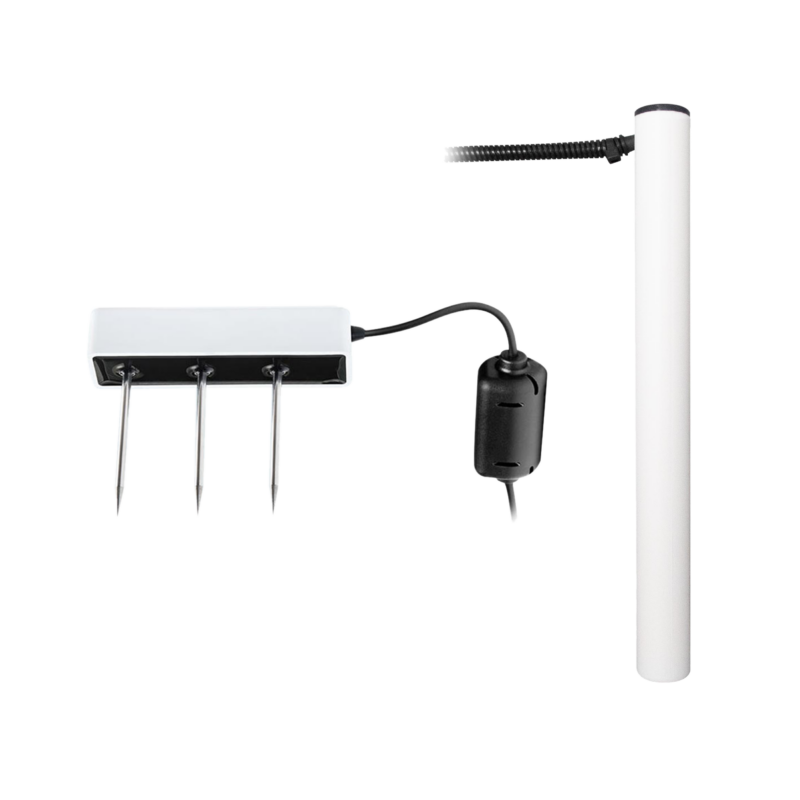
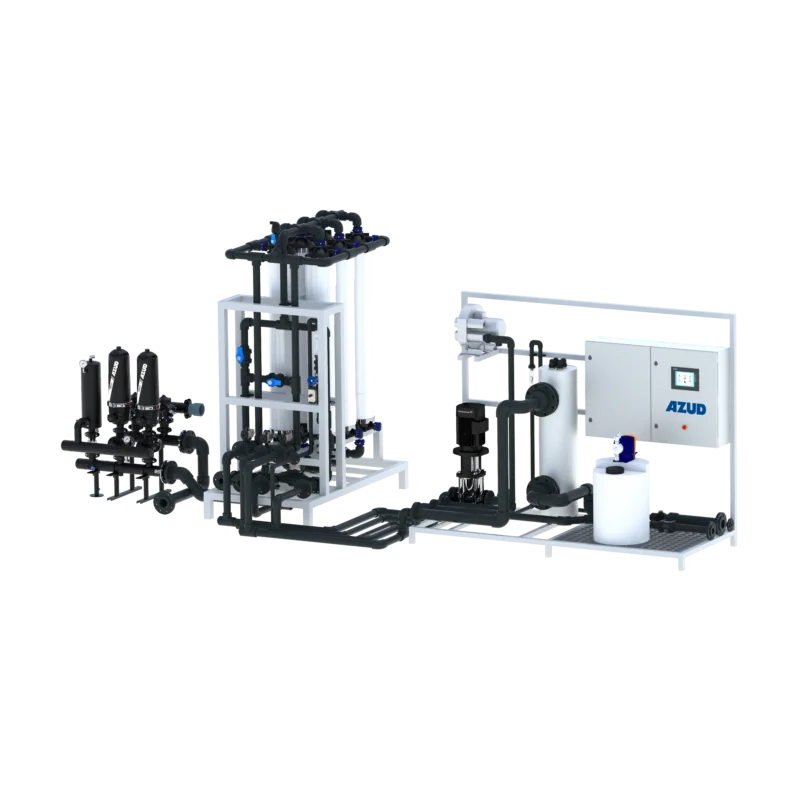
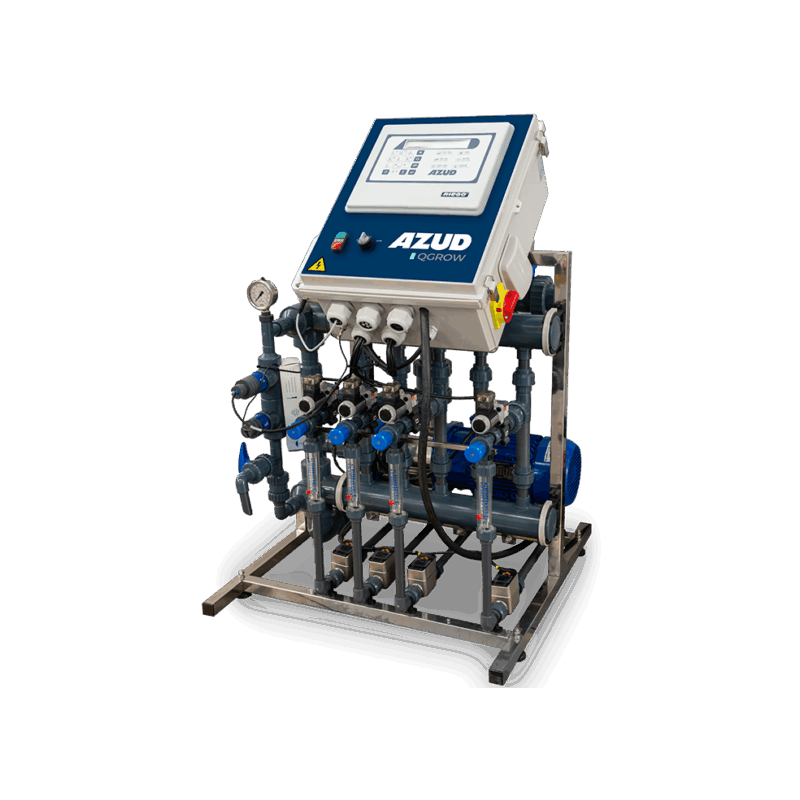
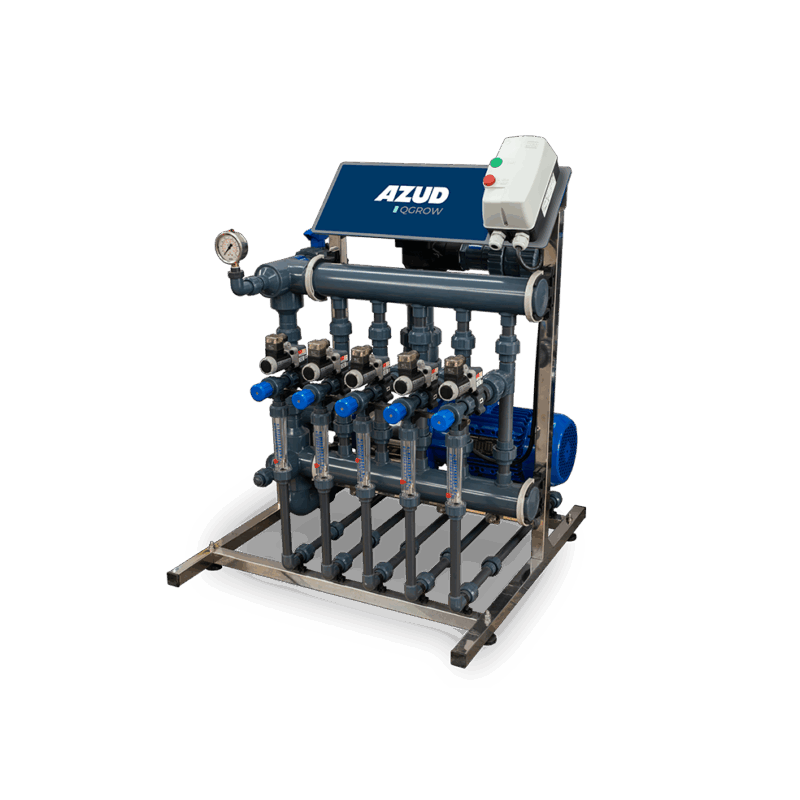
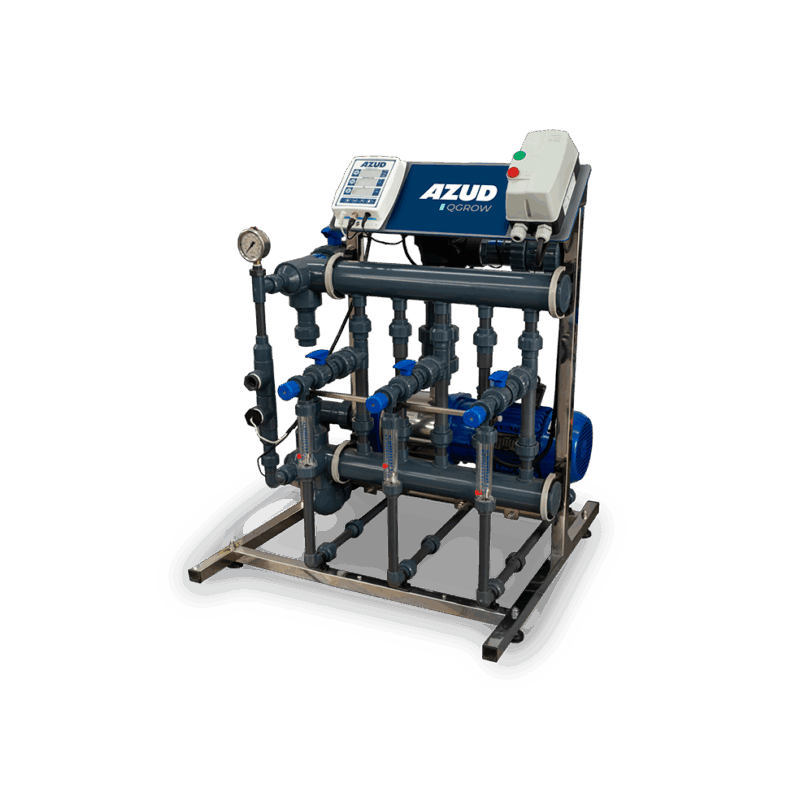
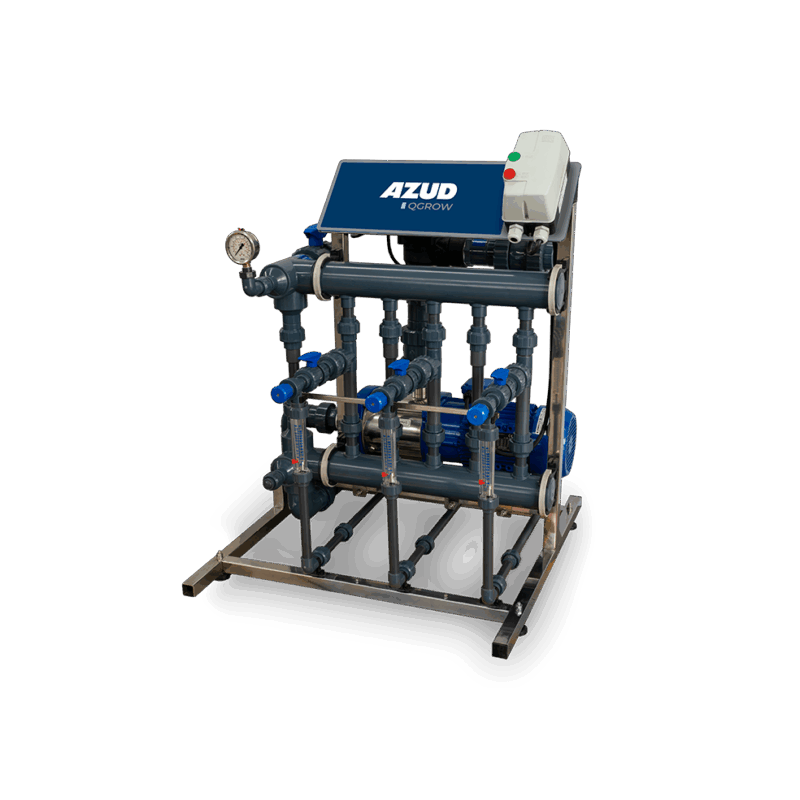
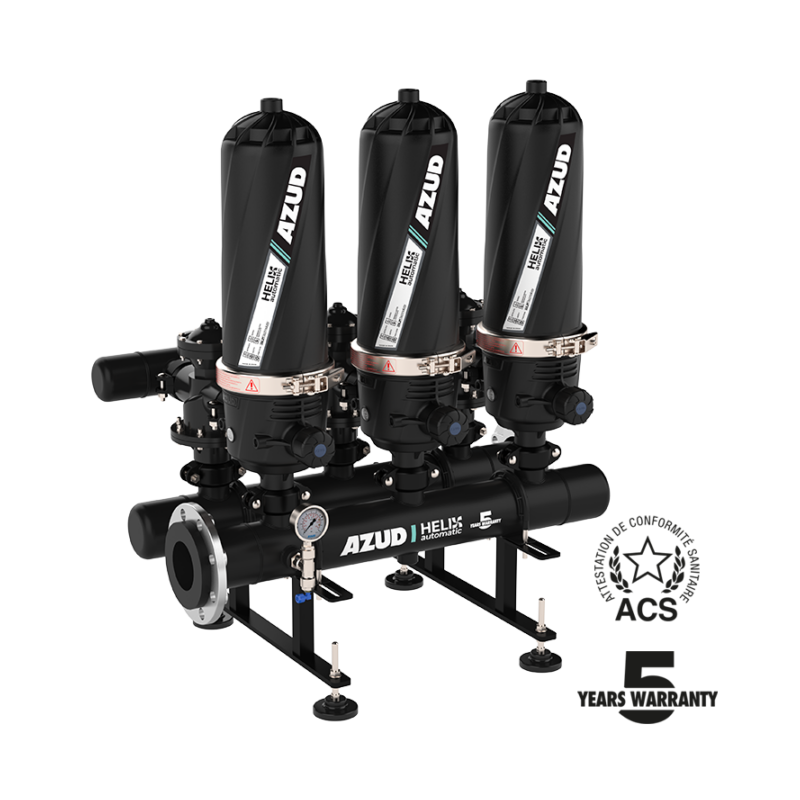
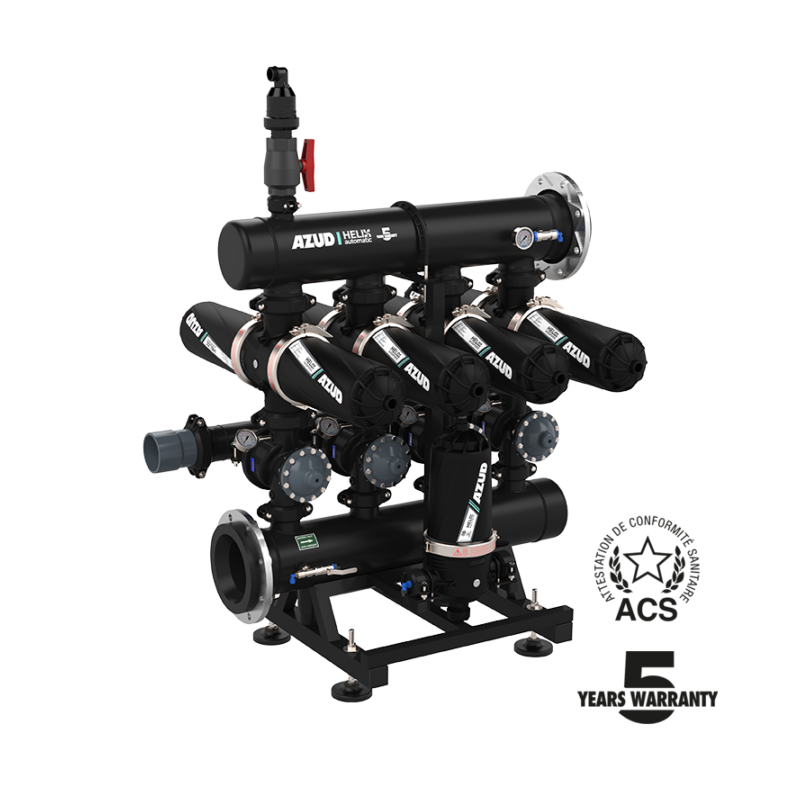
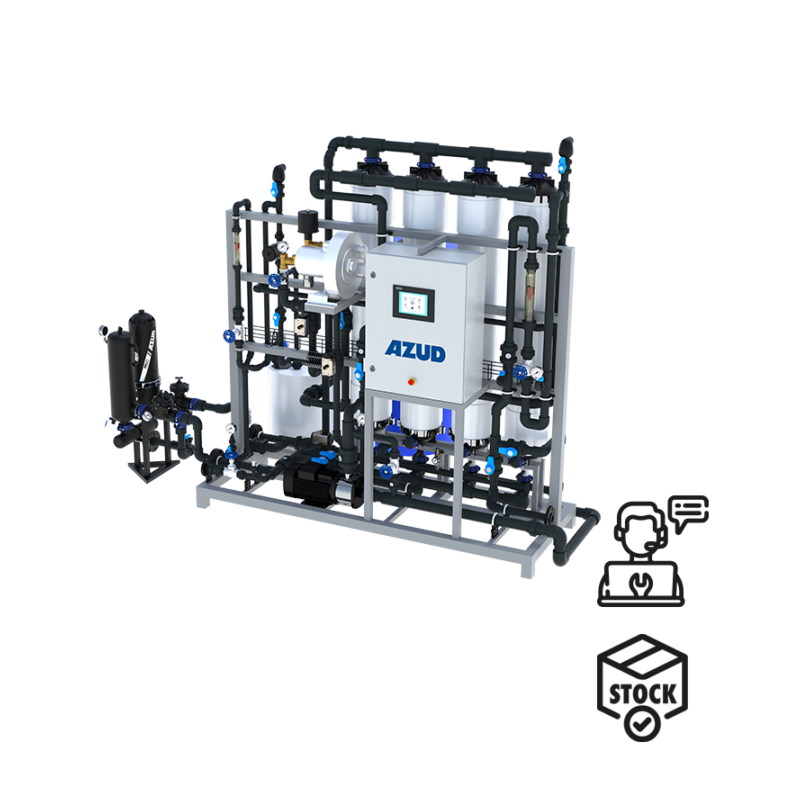
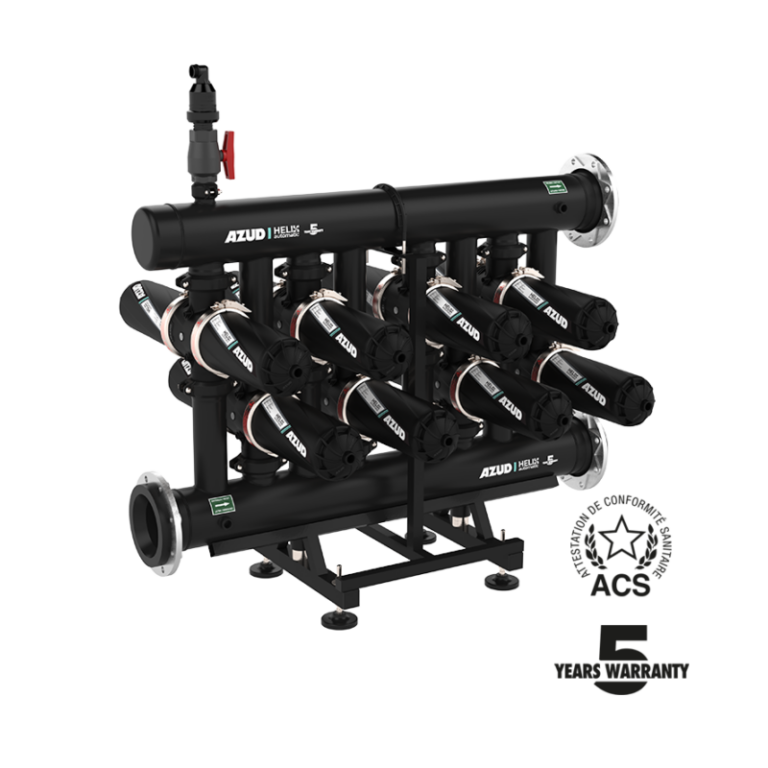
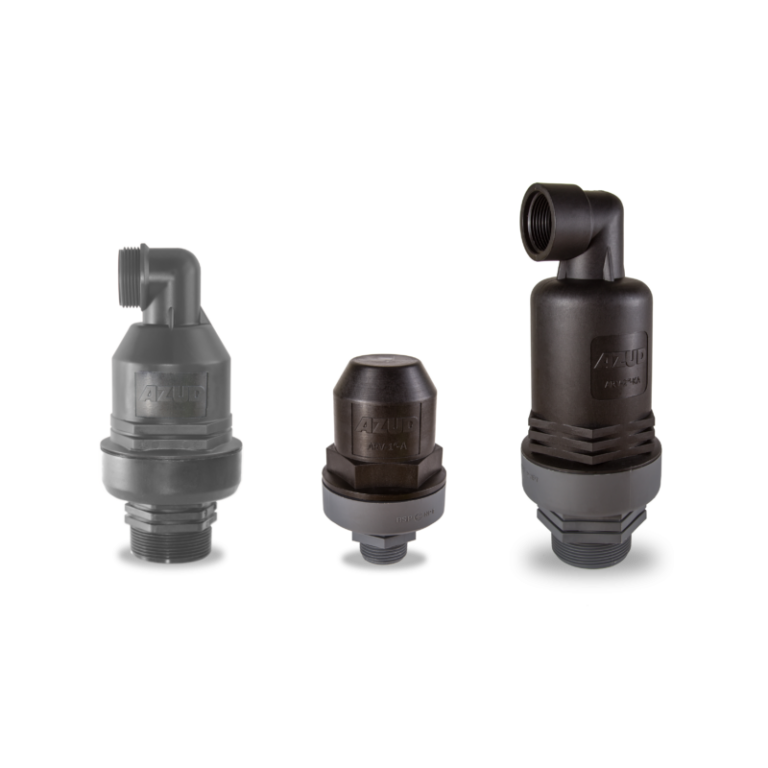
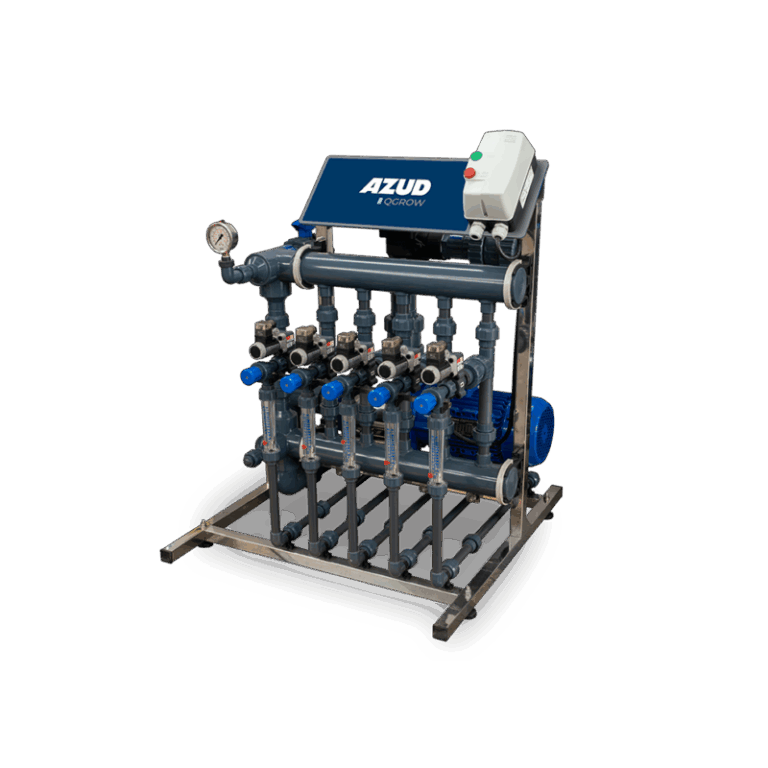
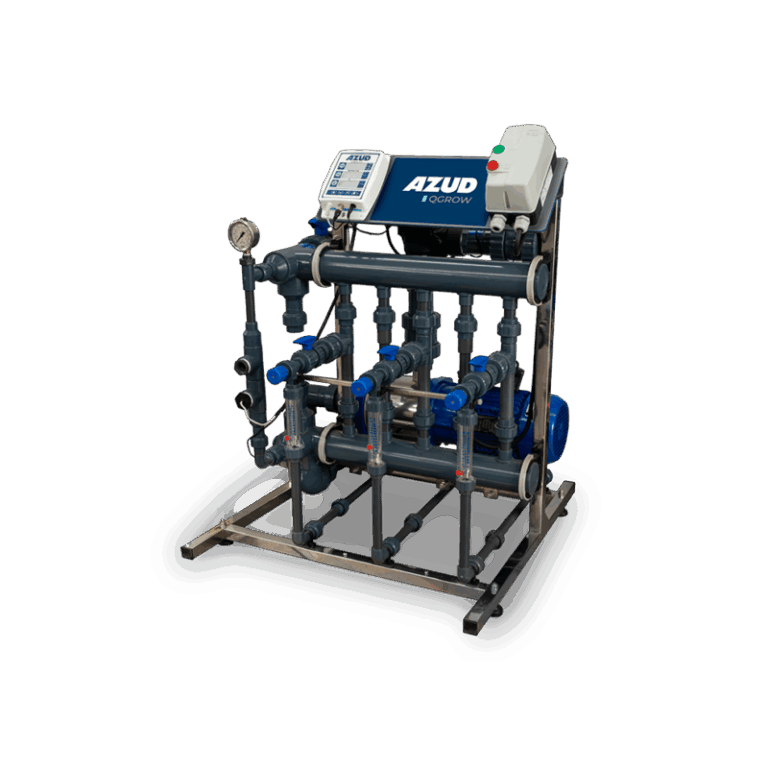
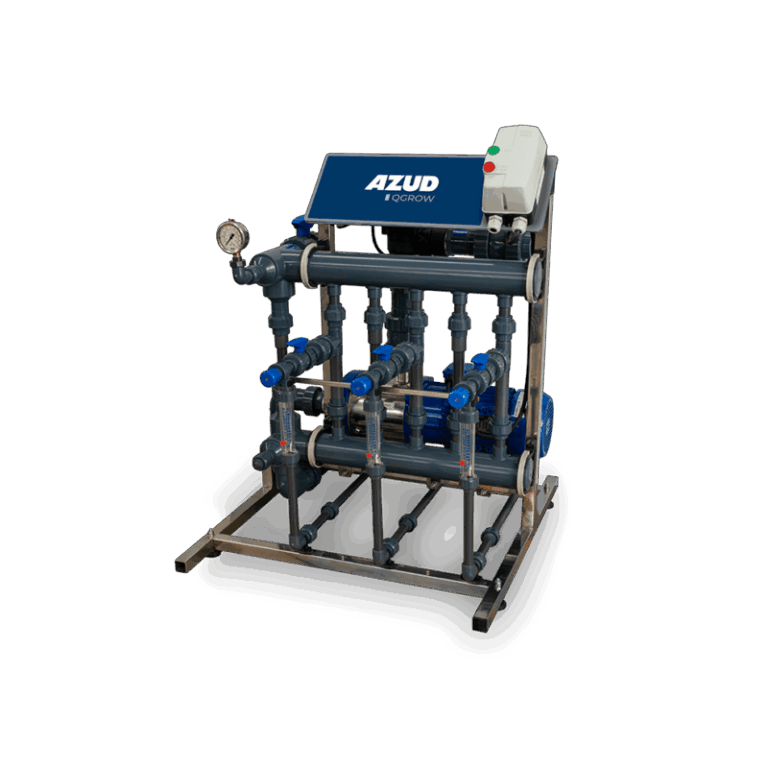
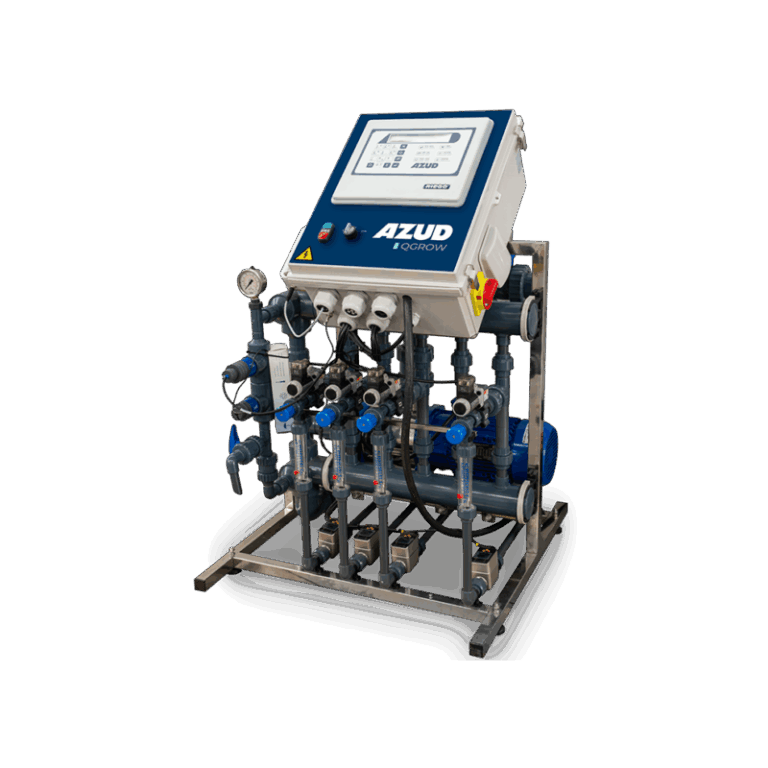
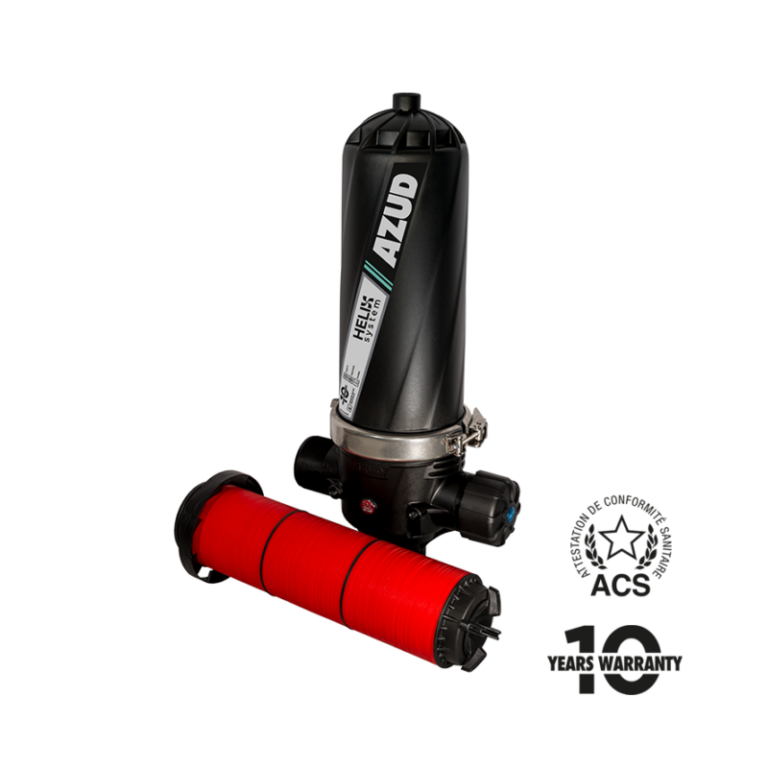
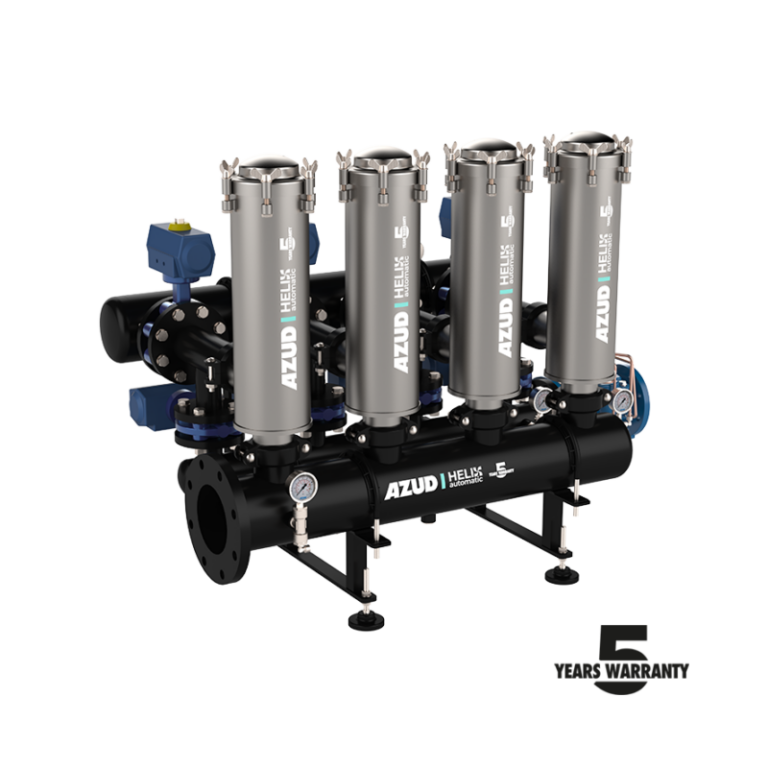
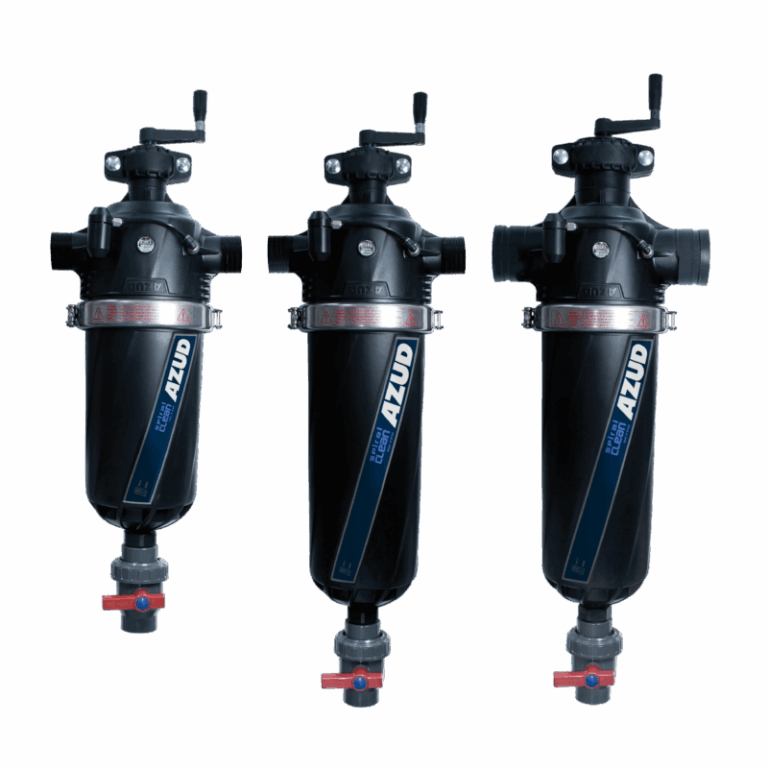
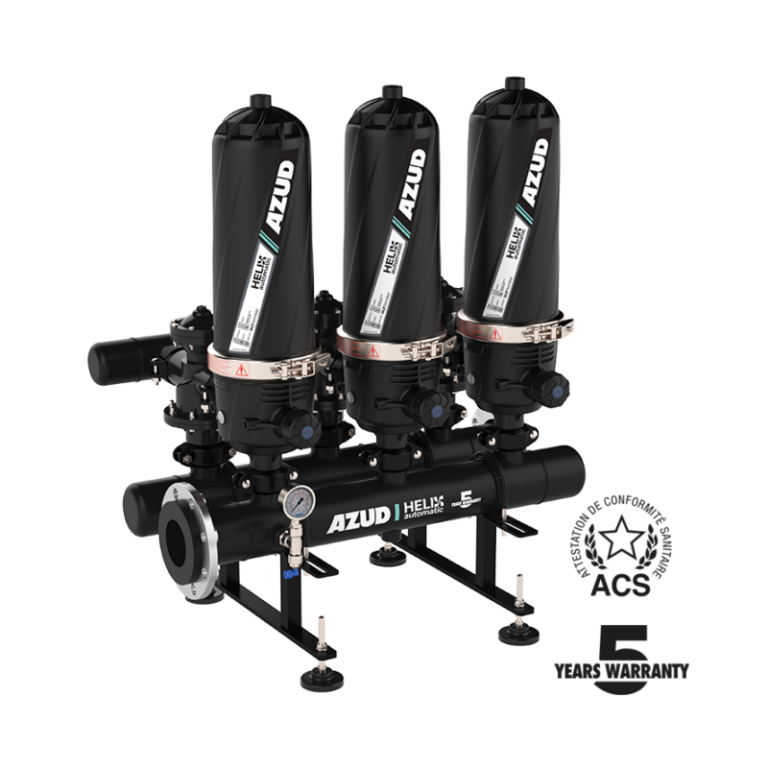
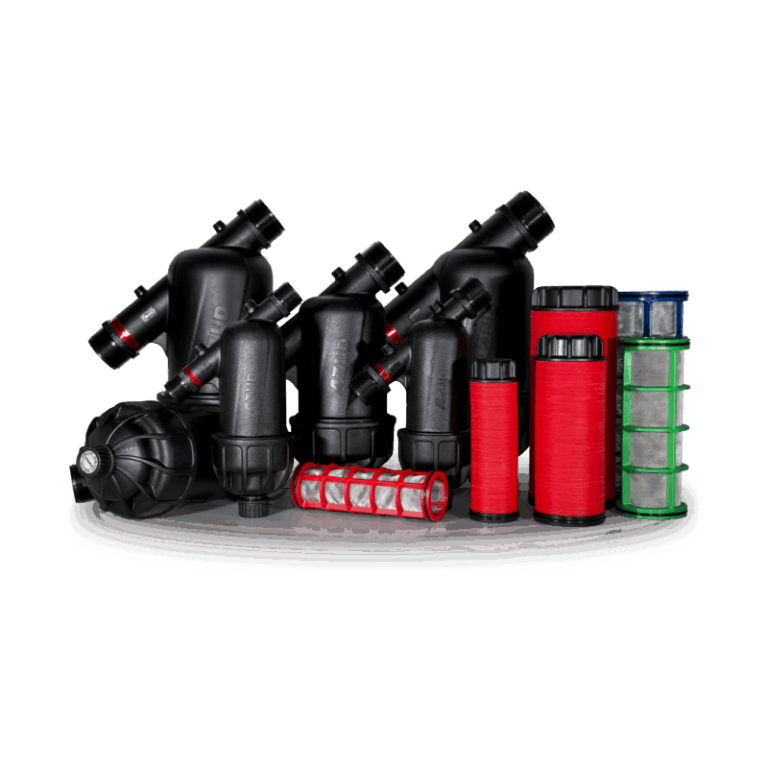
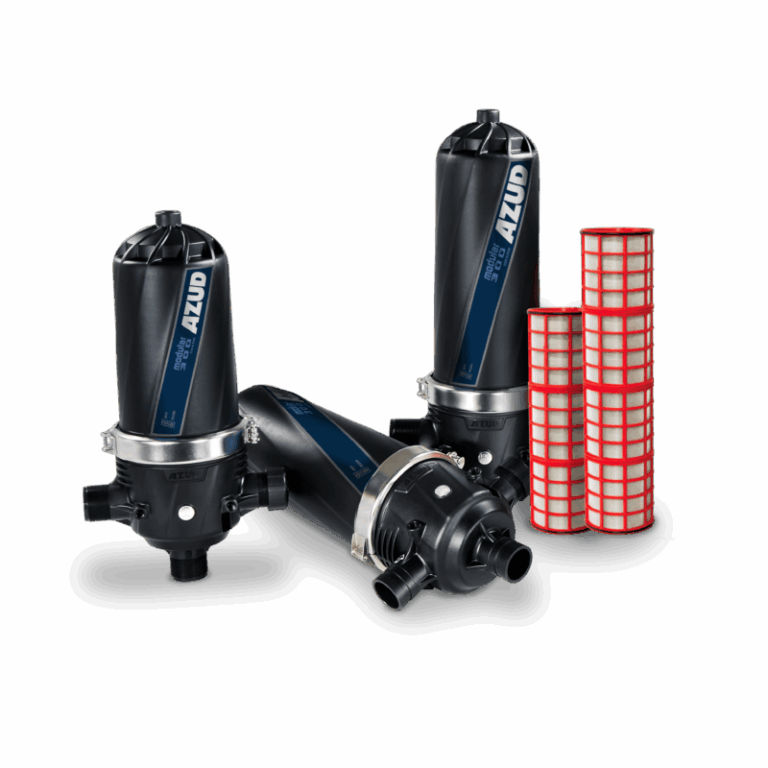
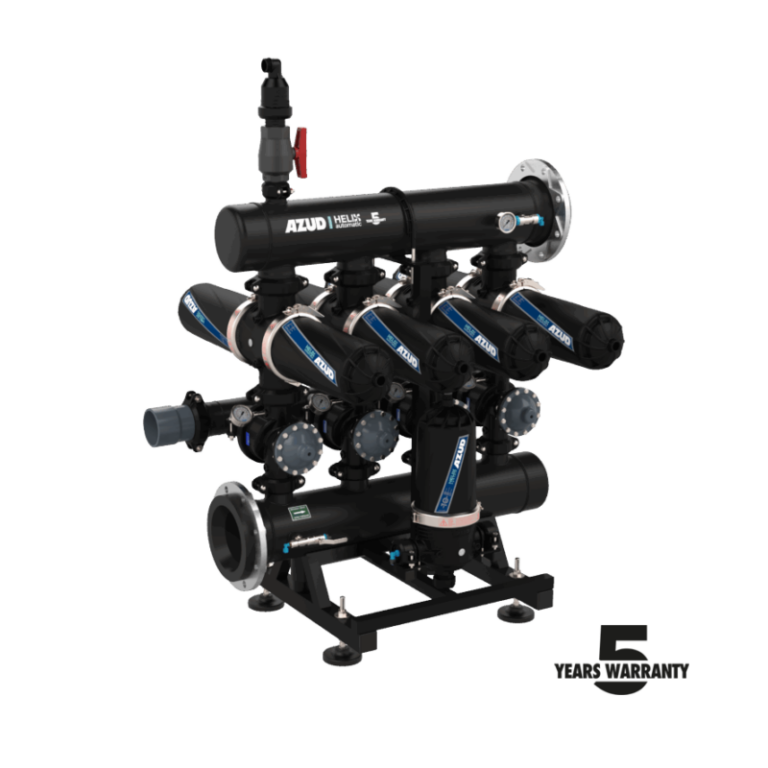
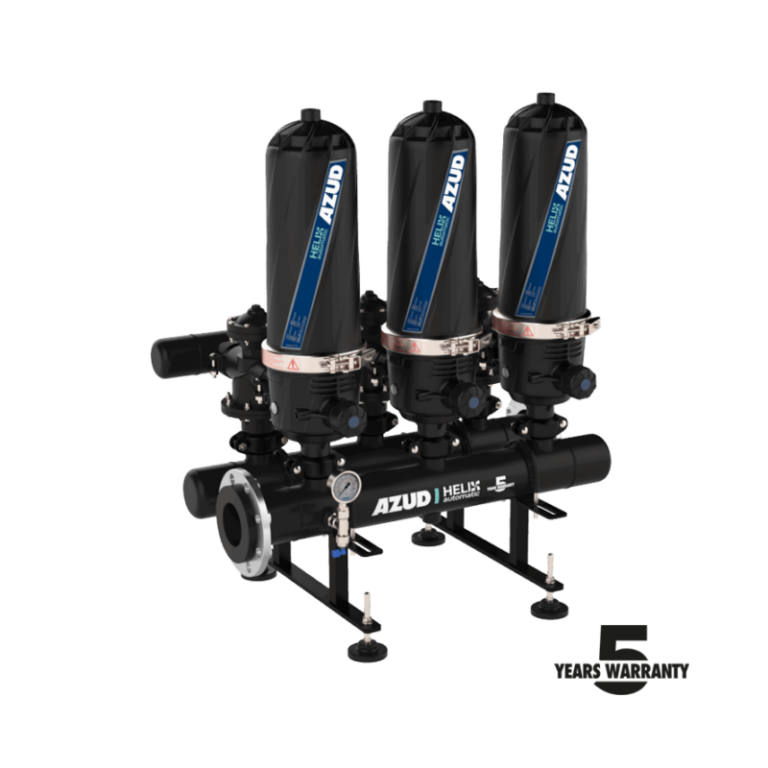
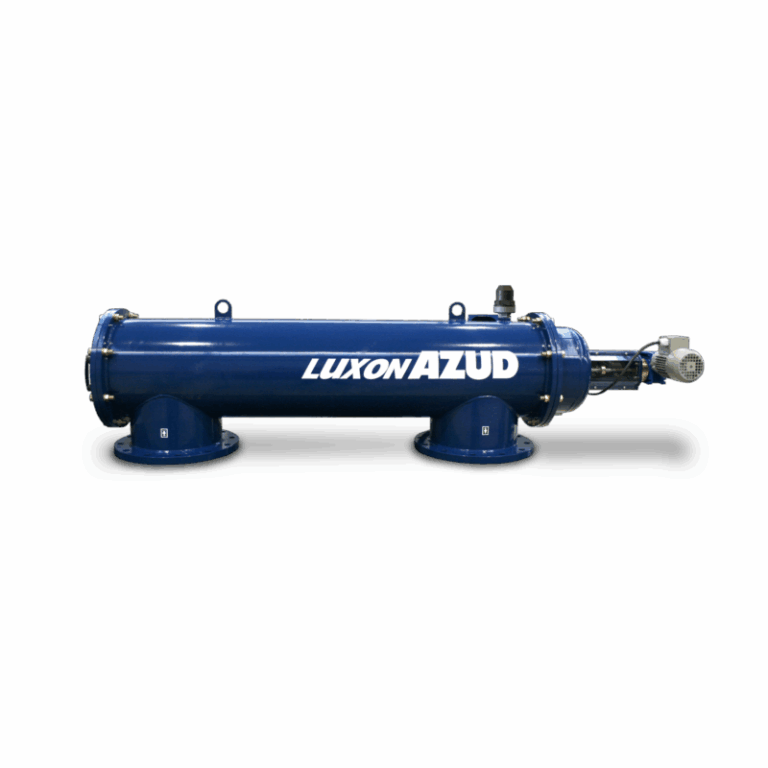
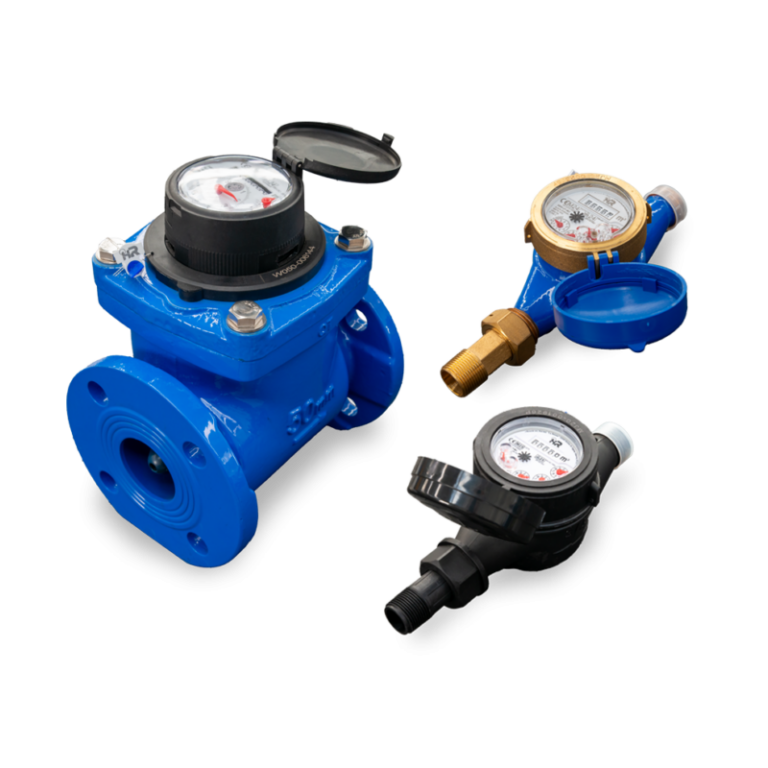
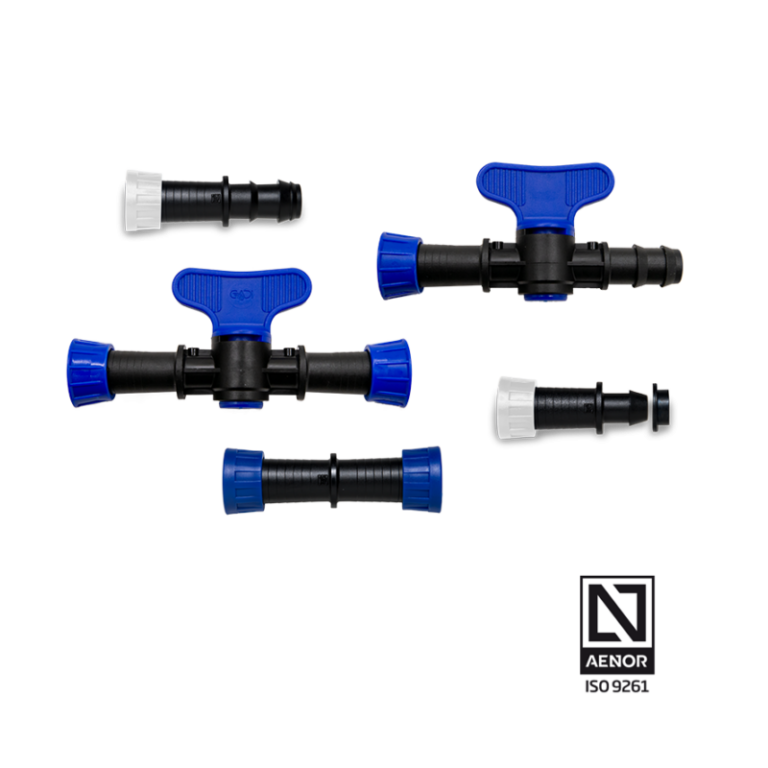
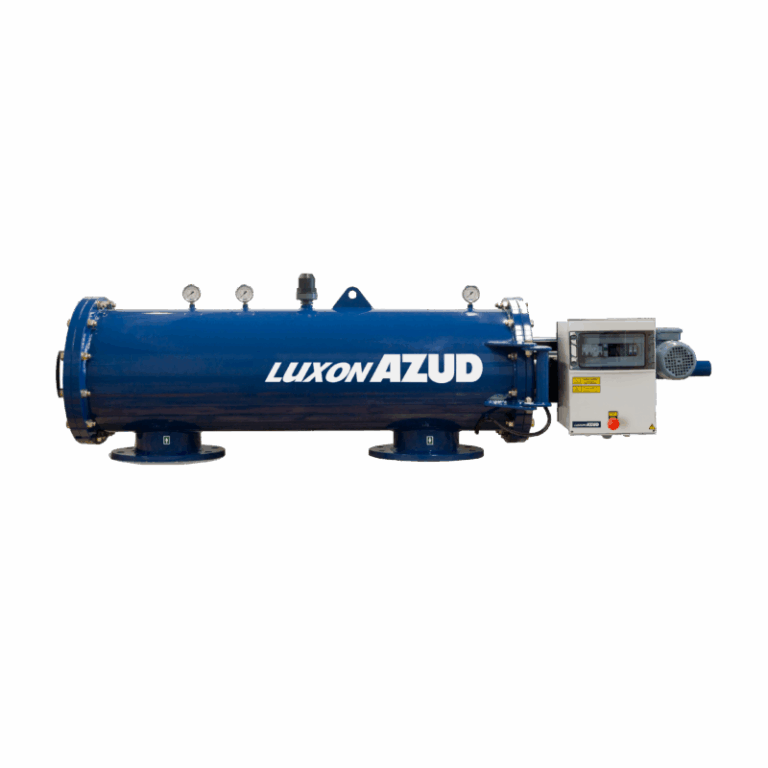
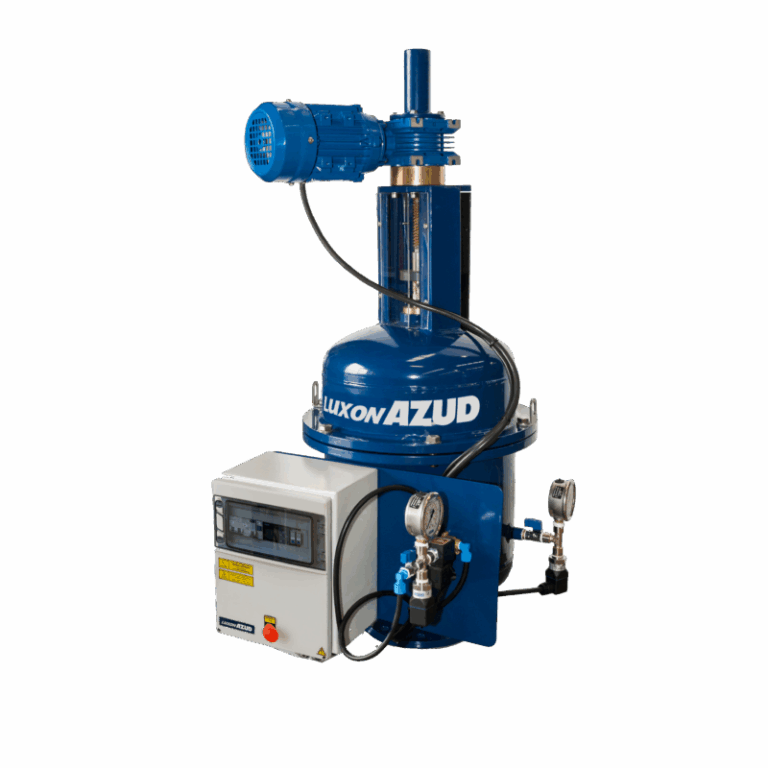
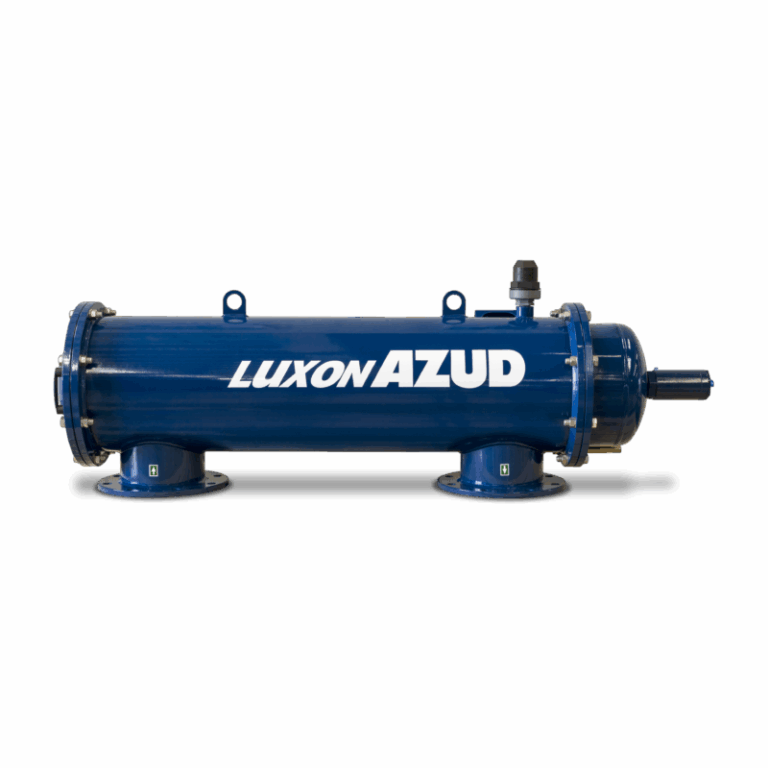
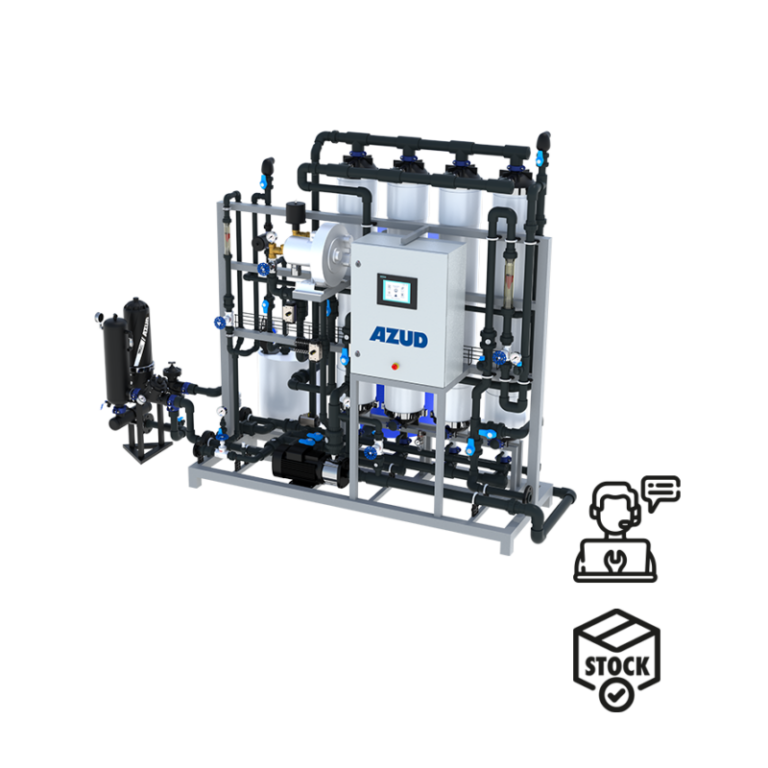
The selection of the discharge pipe and the use of equipment AZUD QGROW It enables precise management of irrigation and nutrition. Based on data from soil, plant, and weather sensors, these systems ensure optimal water and nutrient inputs, balancing quantity and quality throughout the growing cycle. Specific irrigation practices, tailored to the type of vineyard and available water conditions, are essential to the success of the crop.
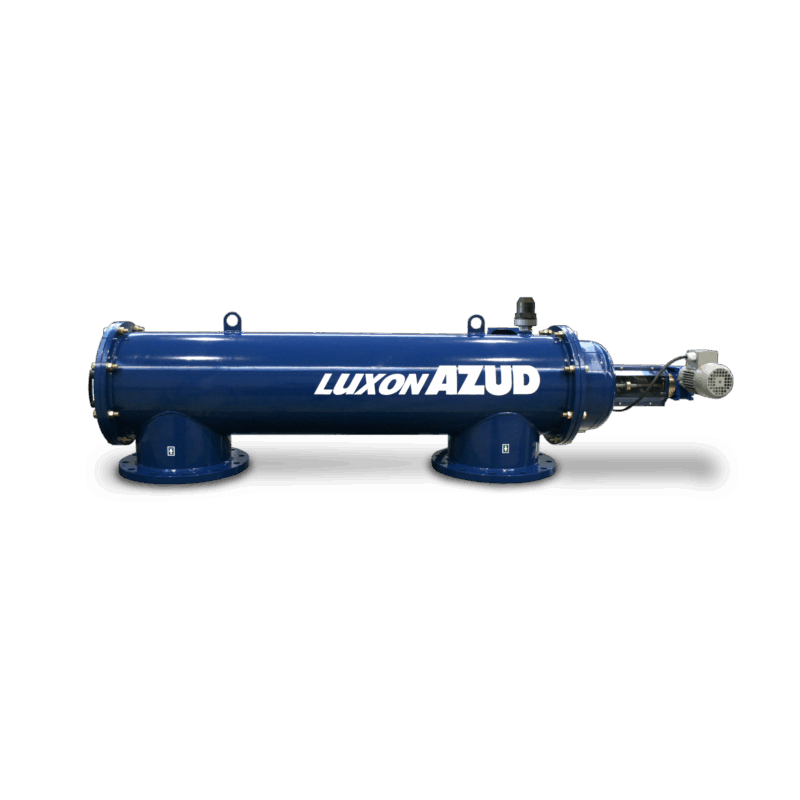
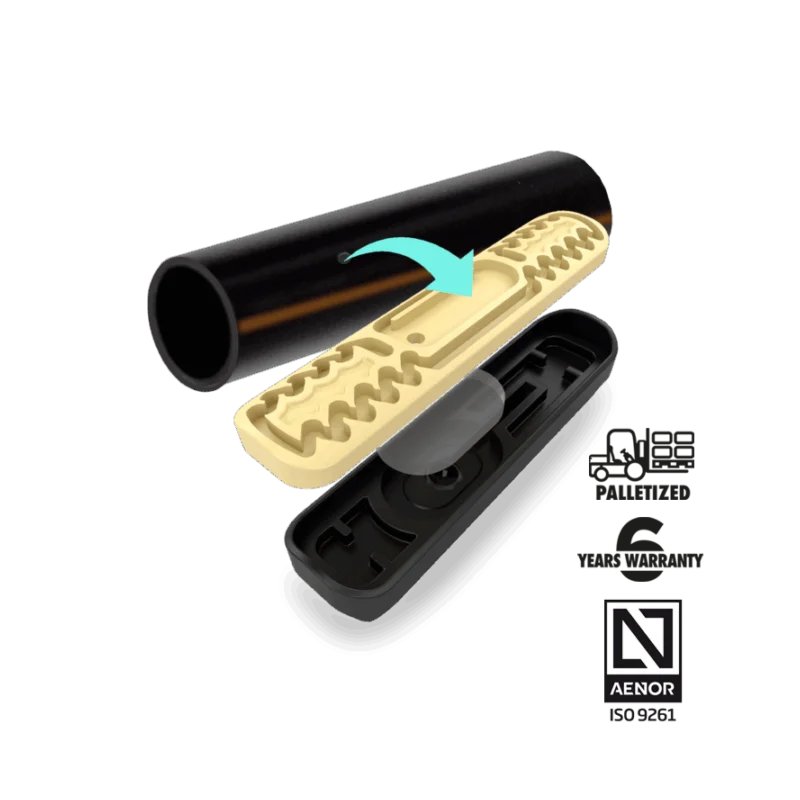
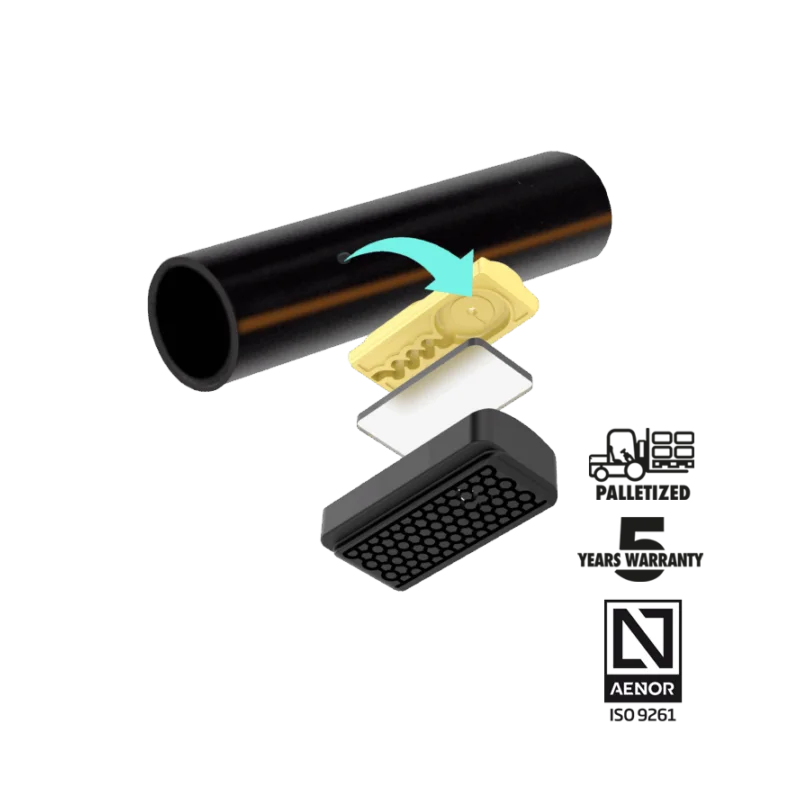
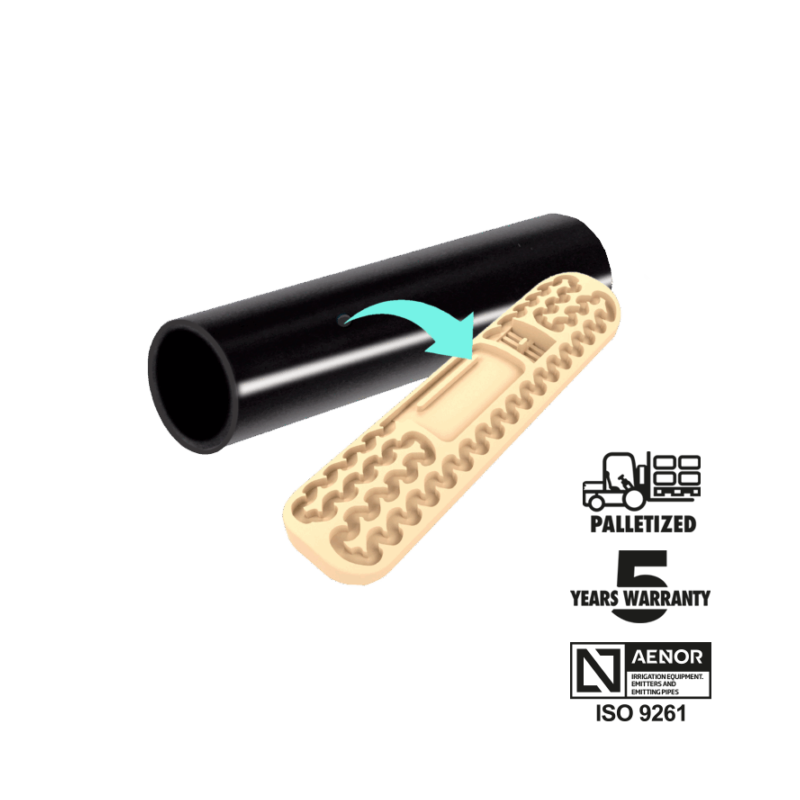
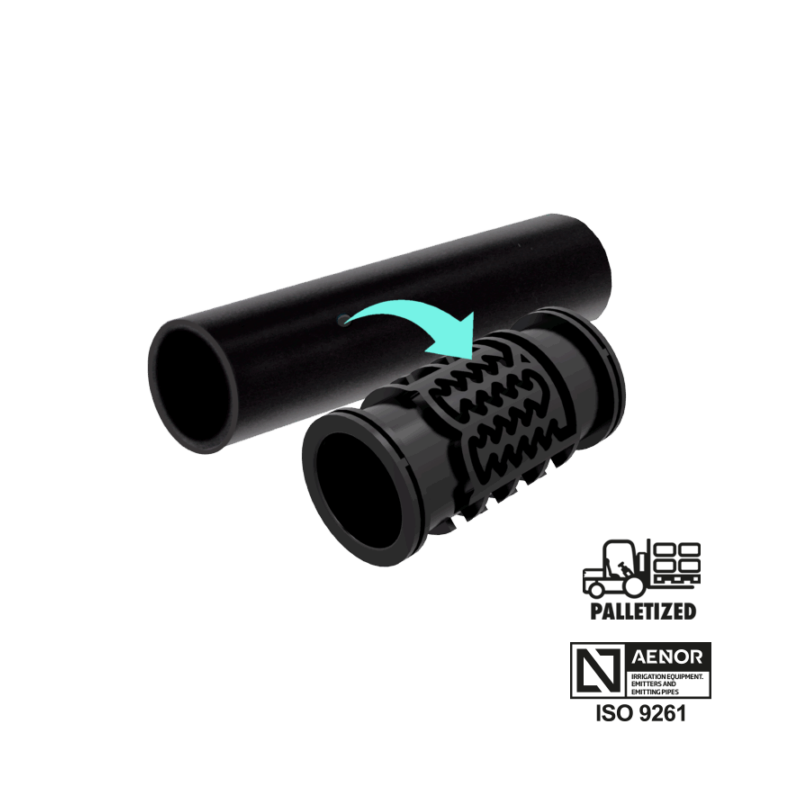
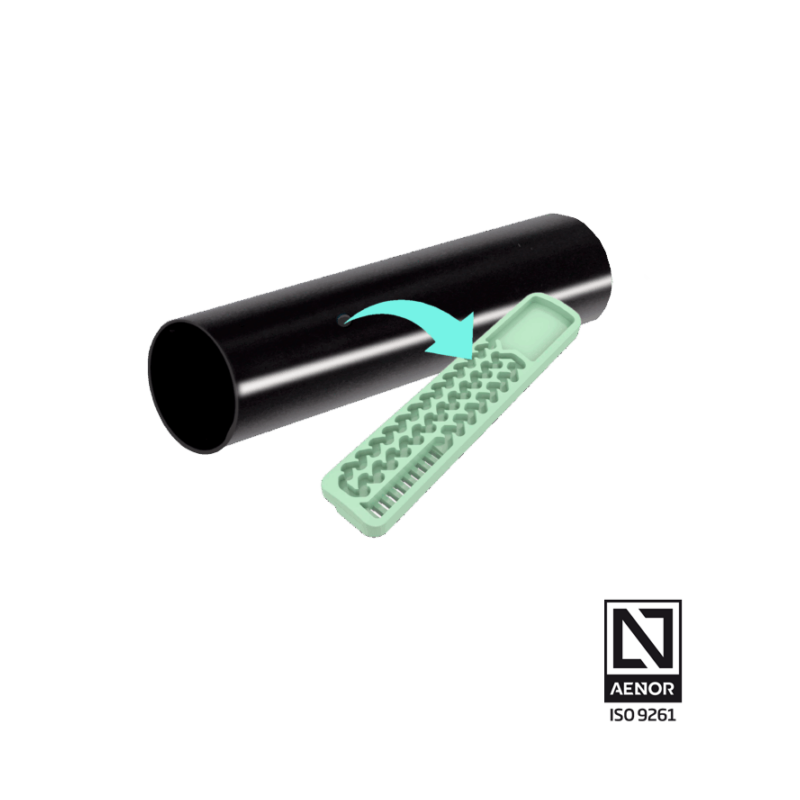
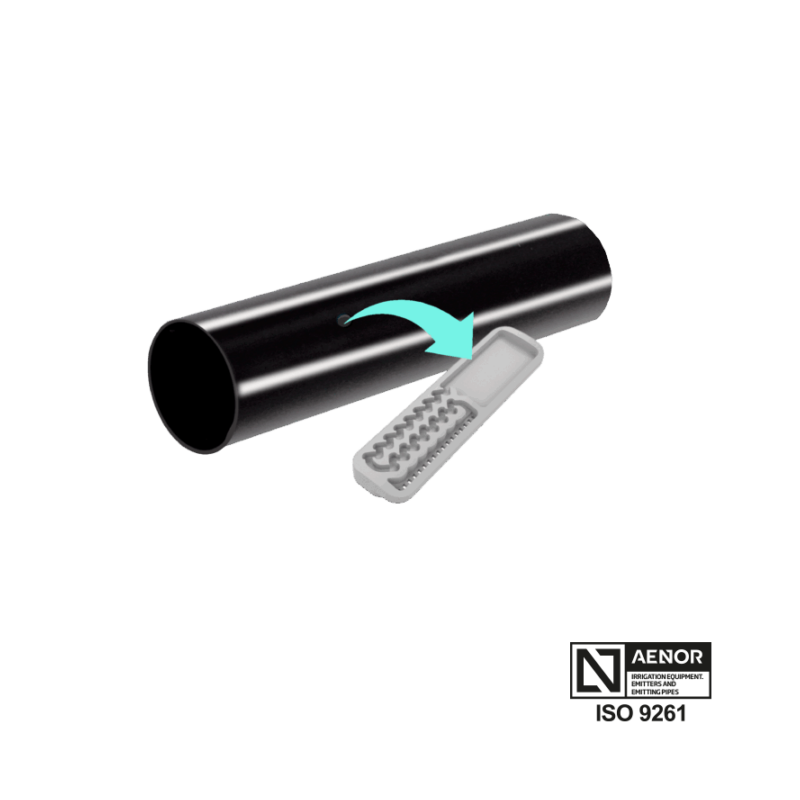
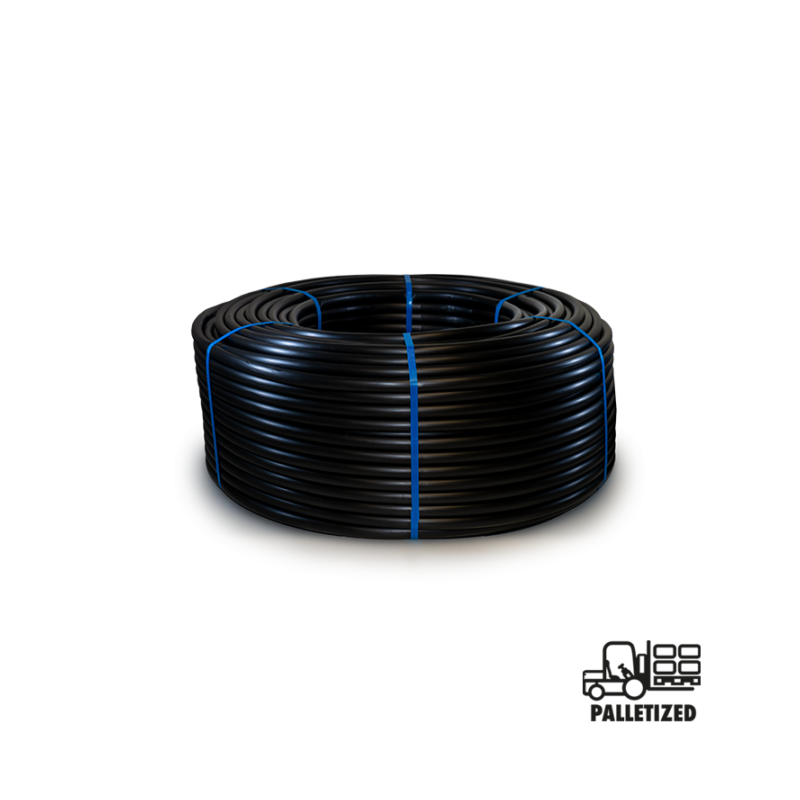
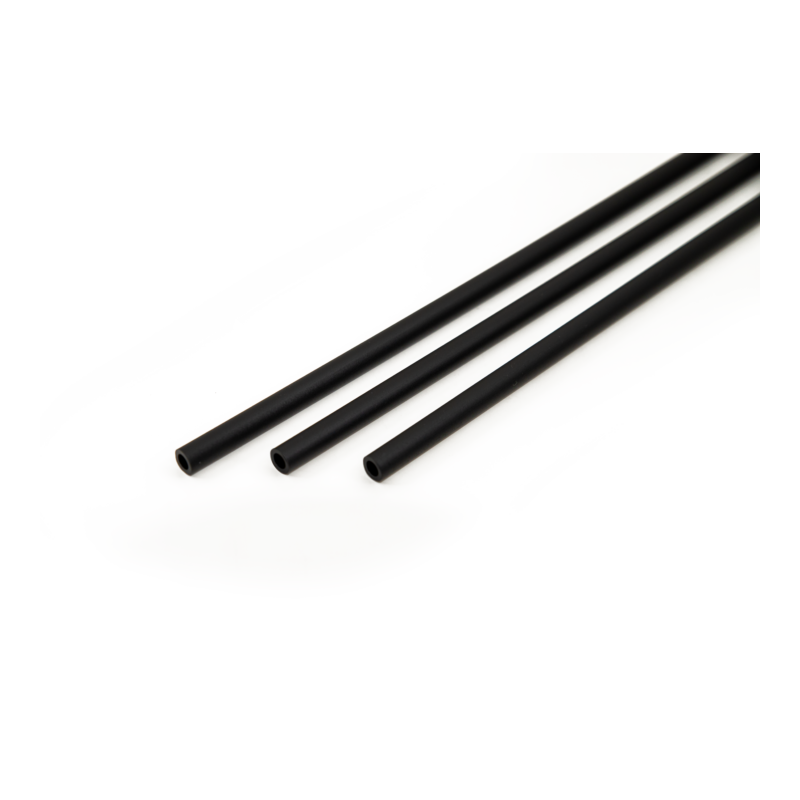
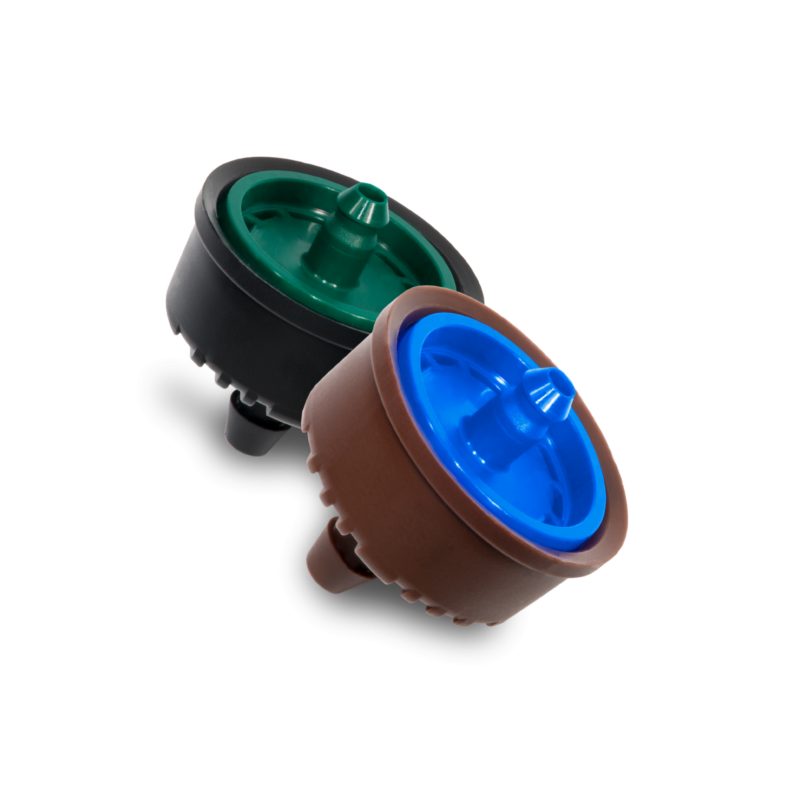
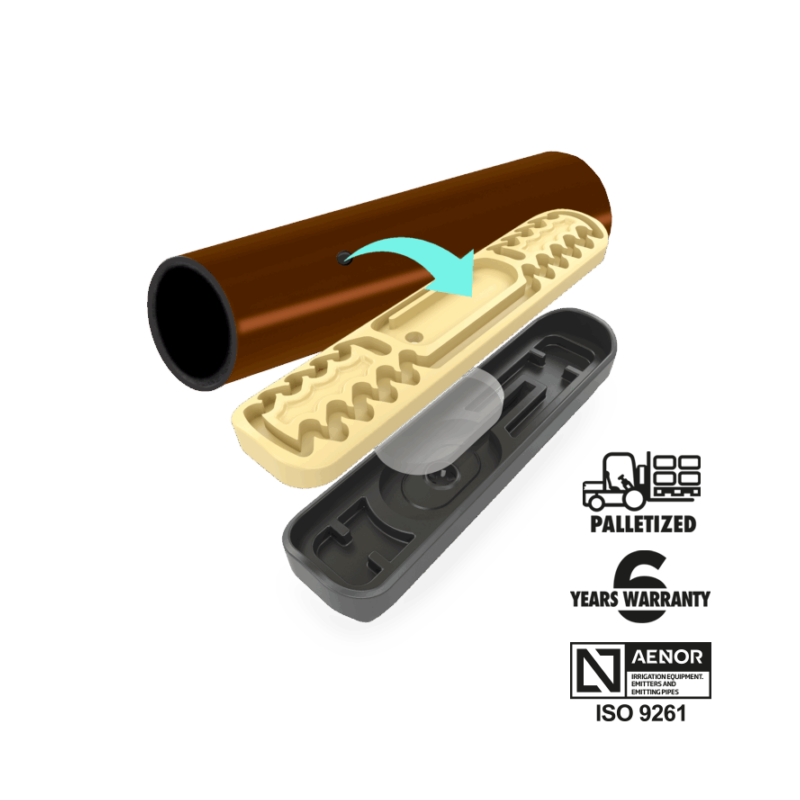
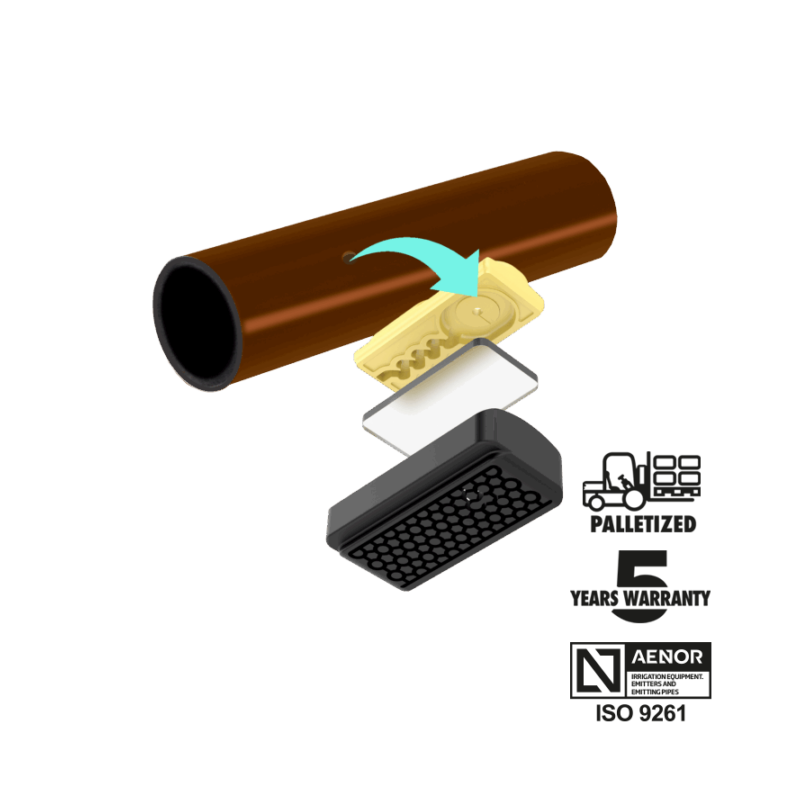
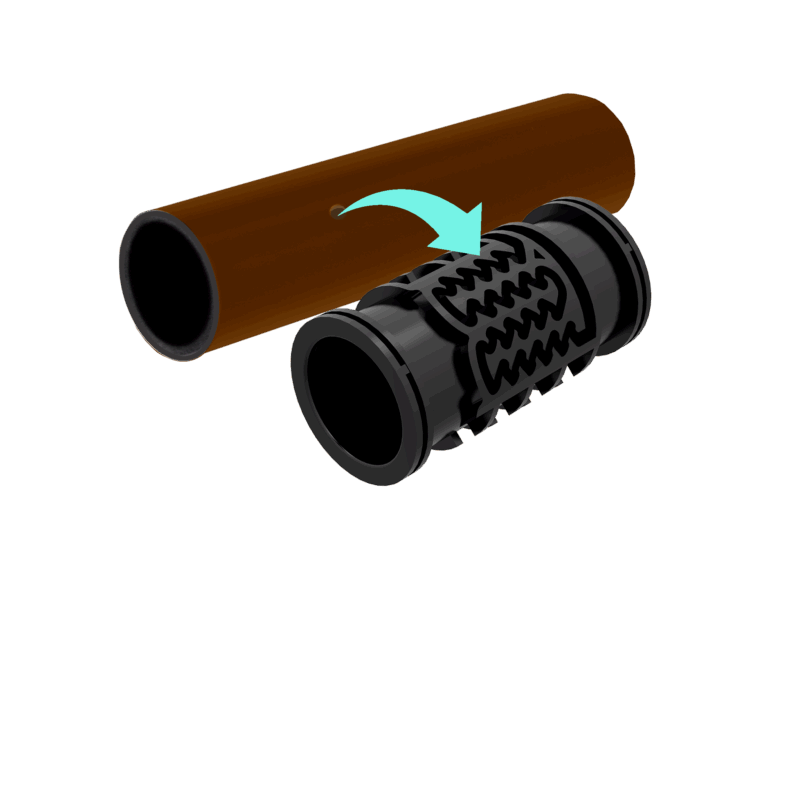
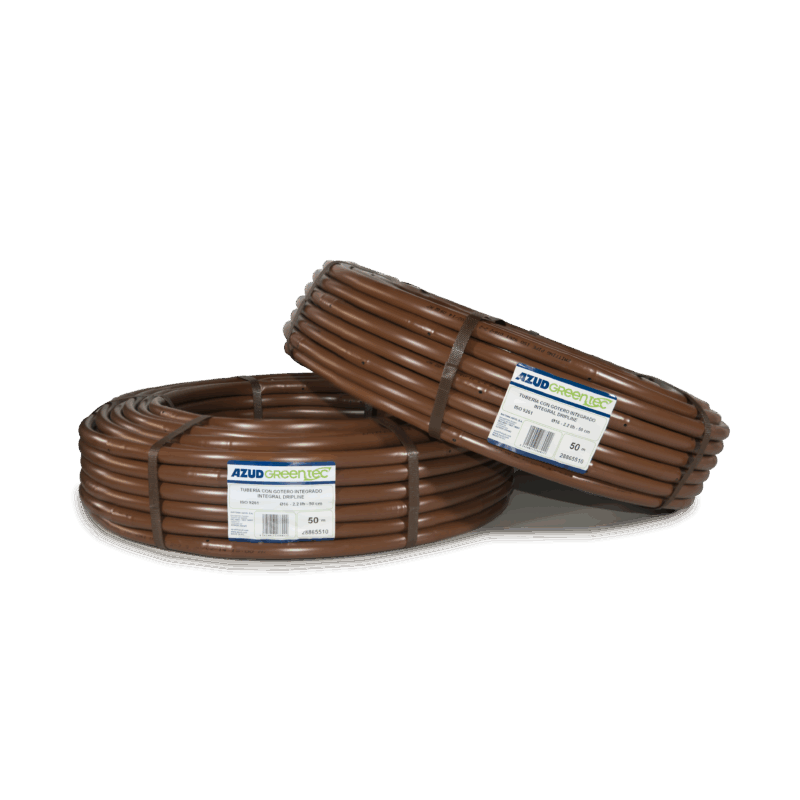
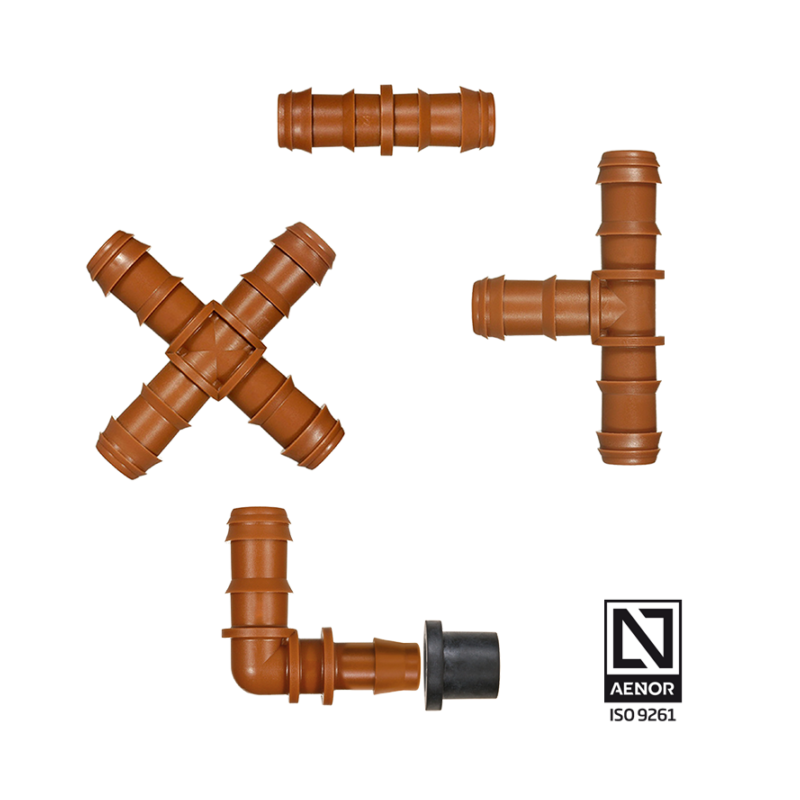
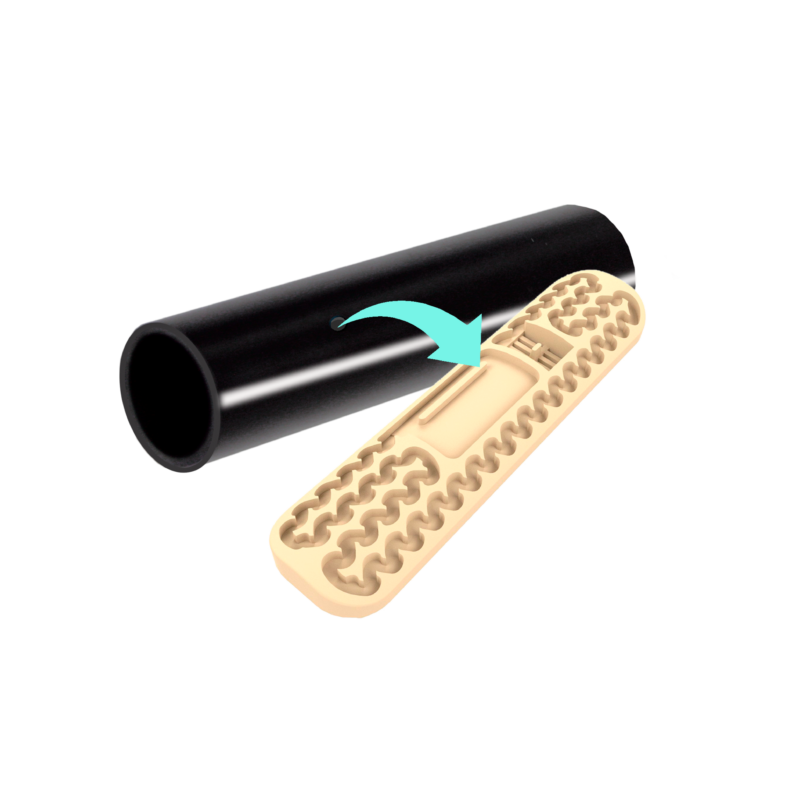
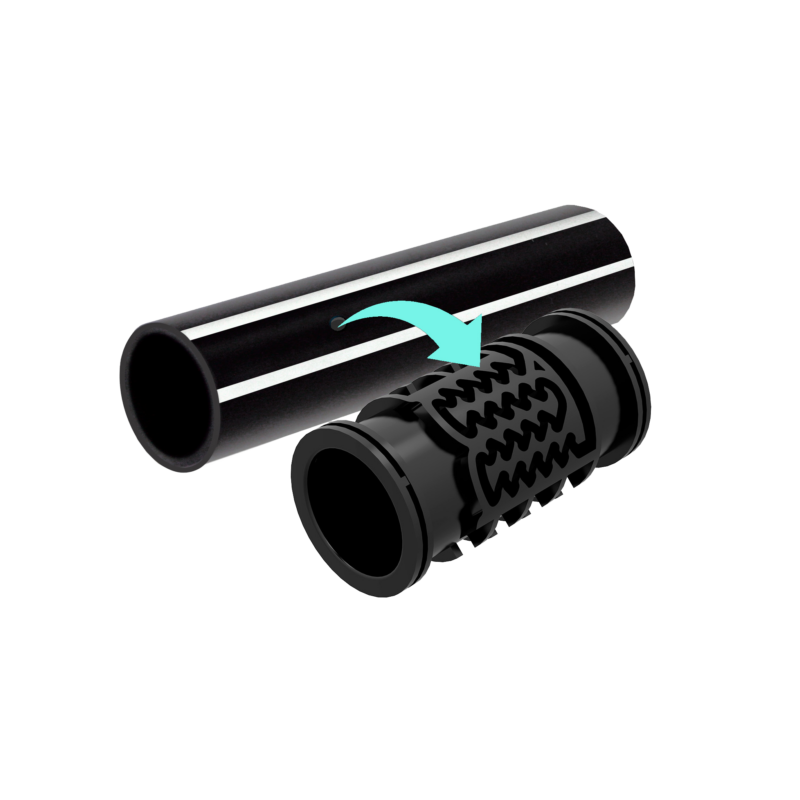
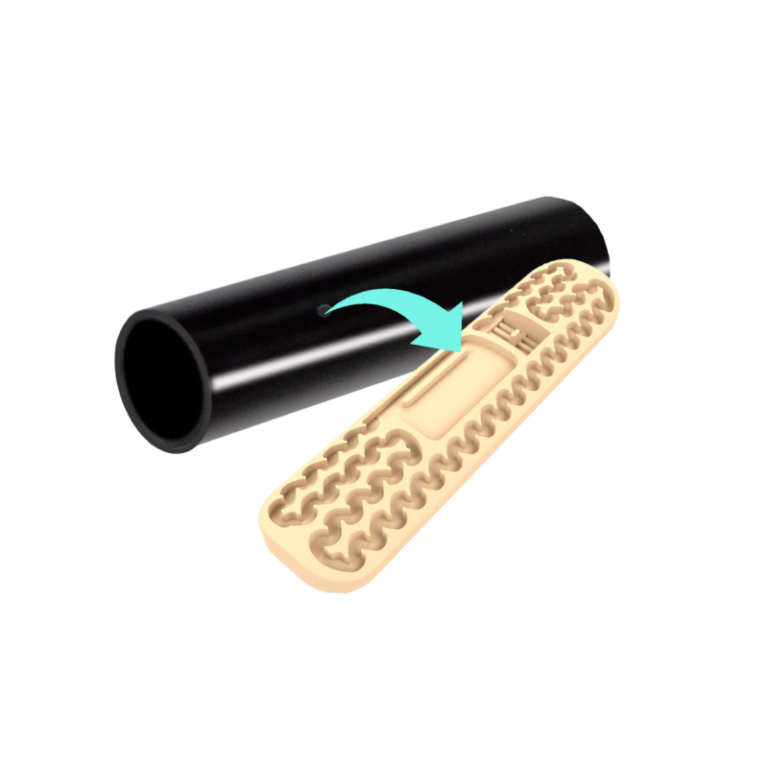
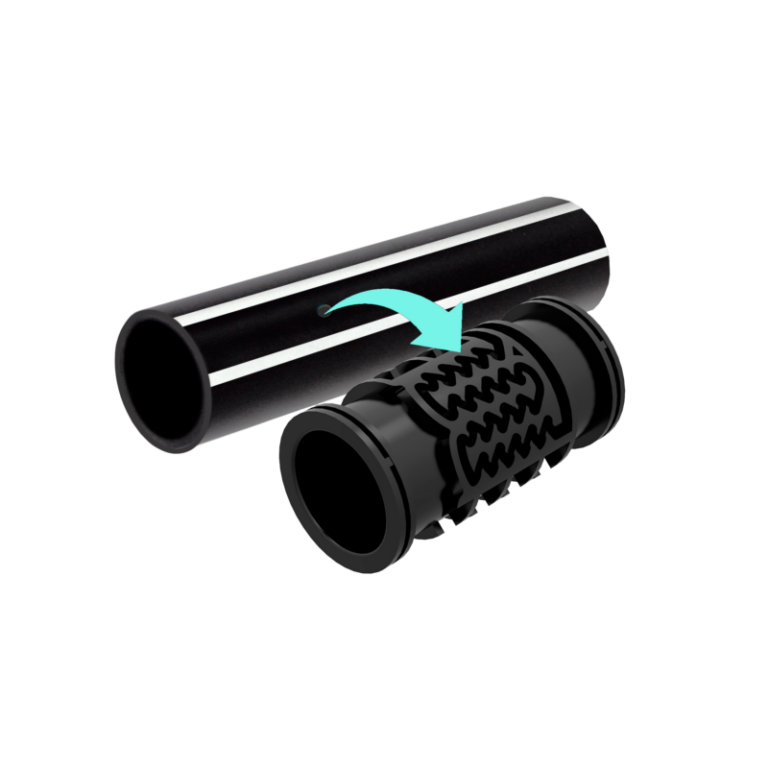
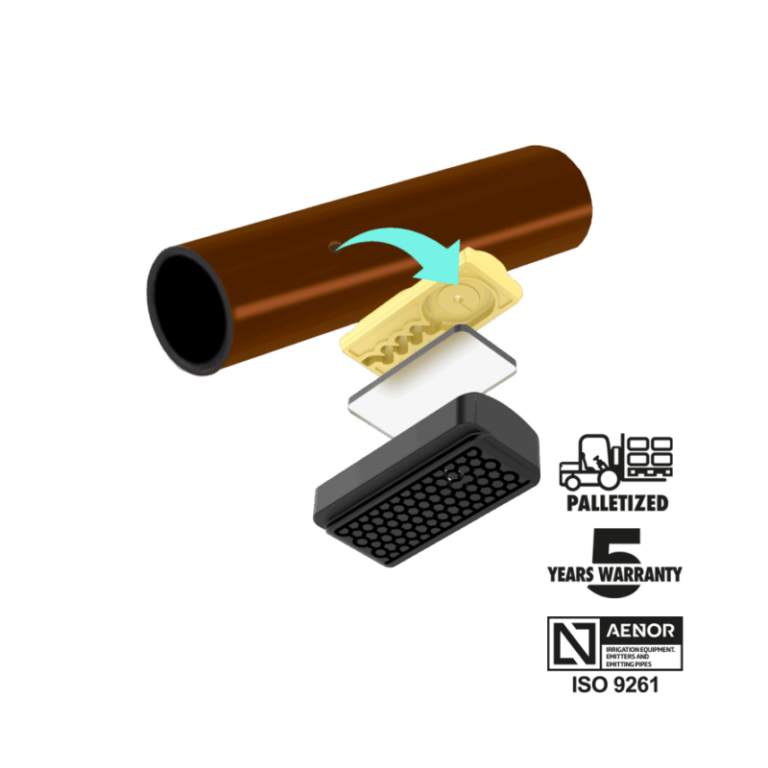
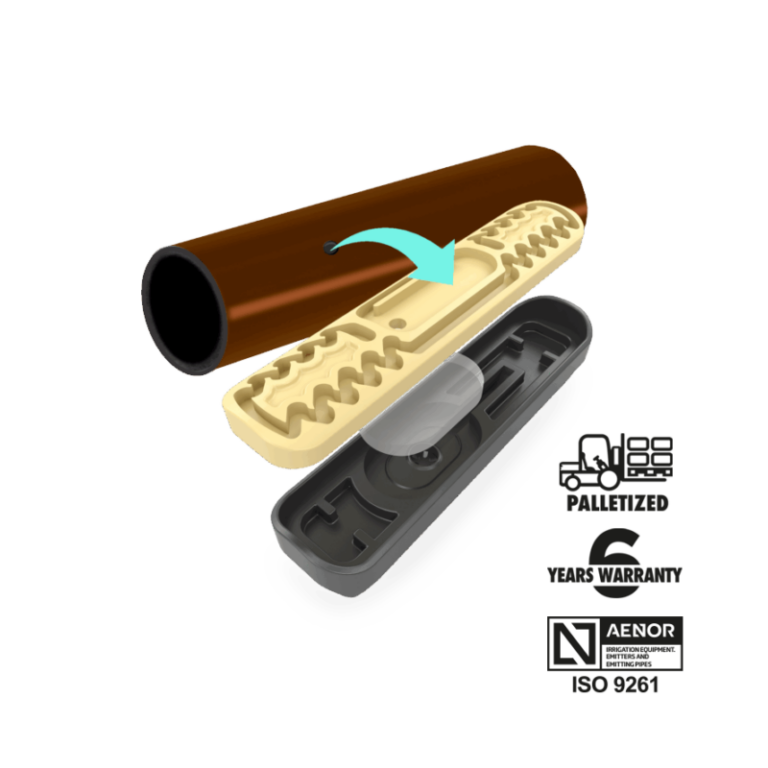
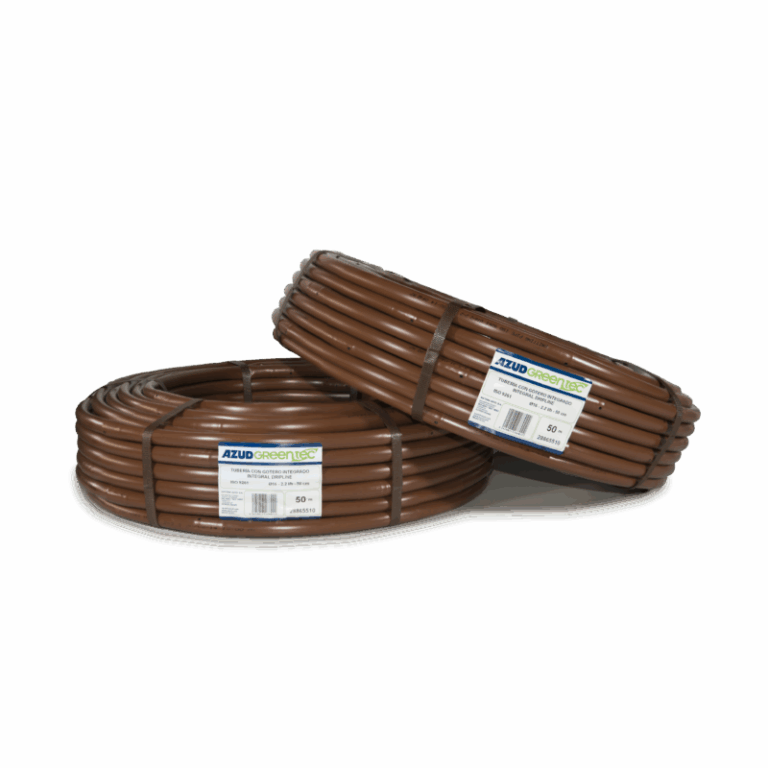
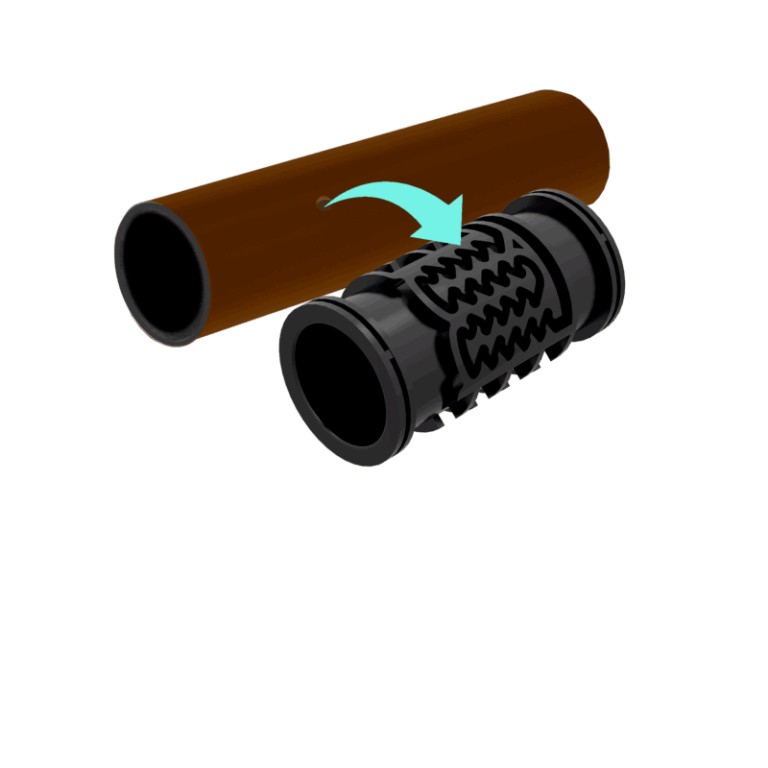
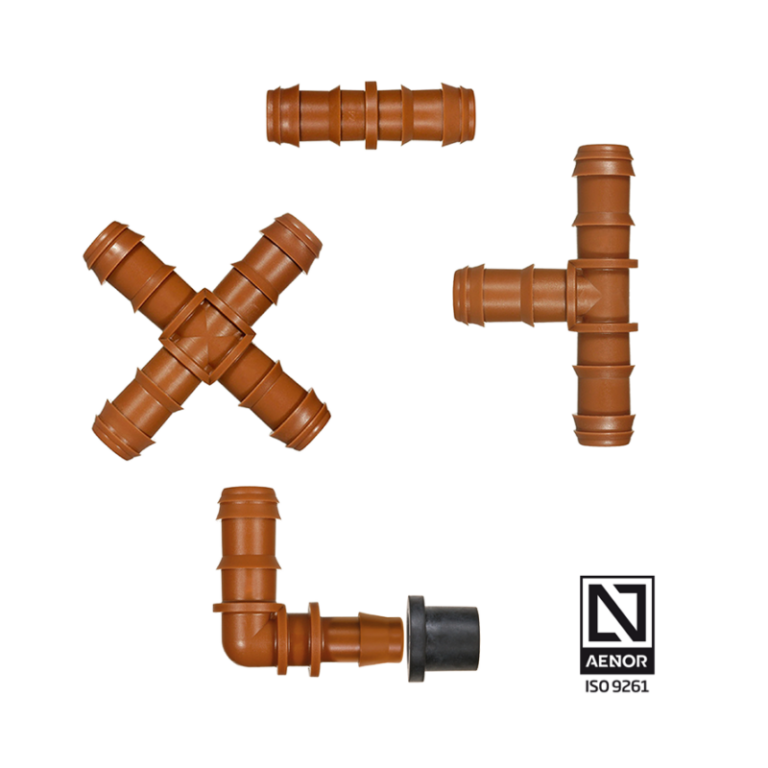
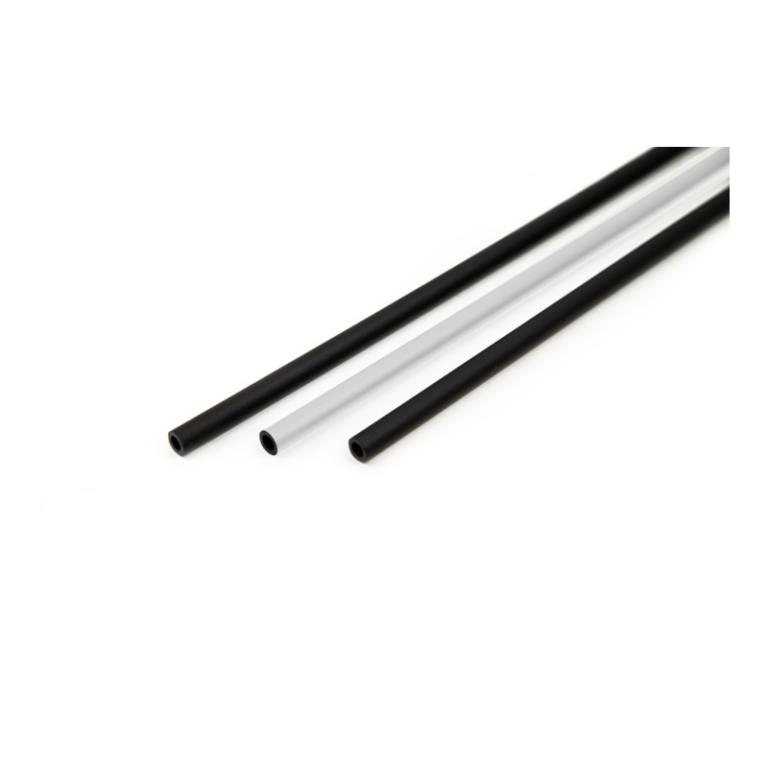
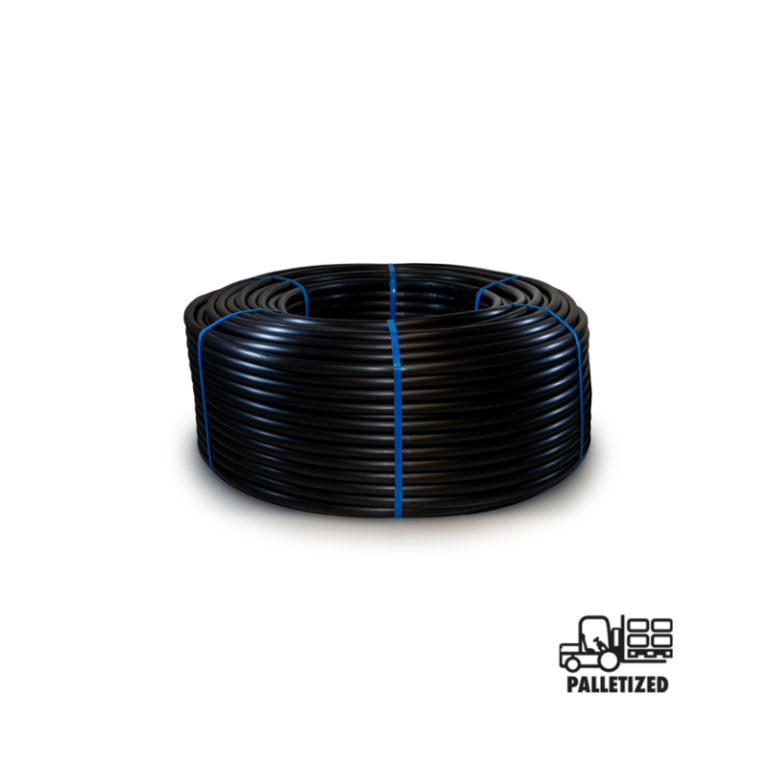
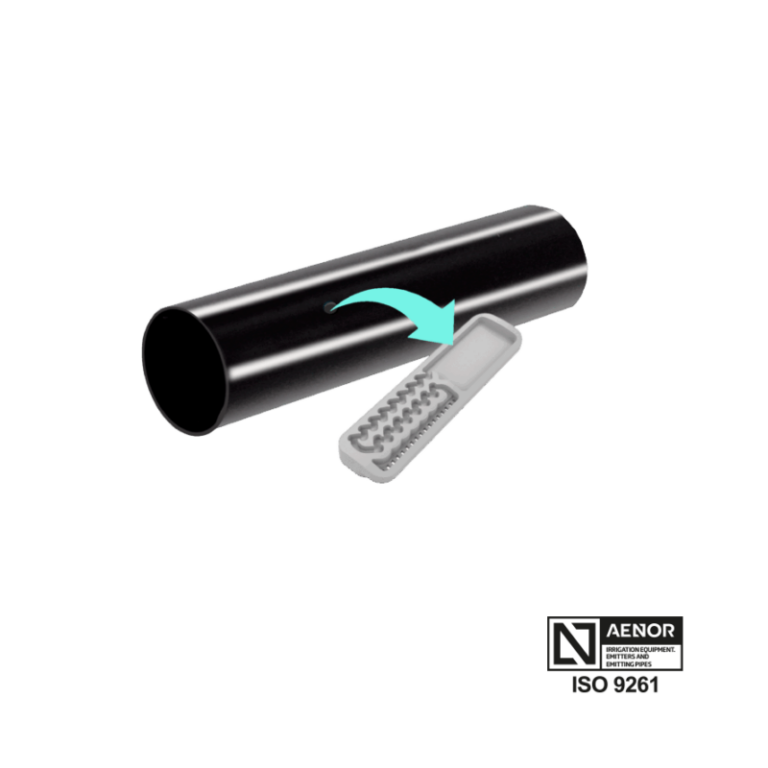
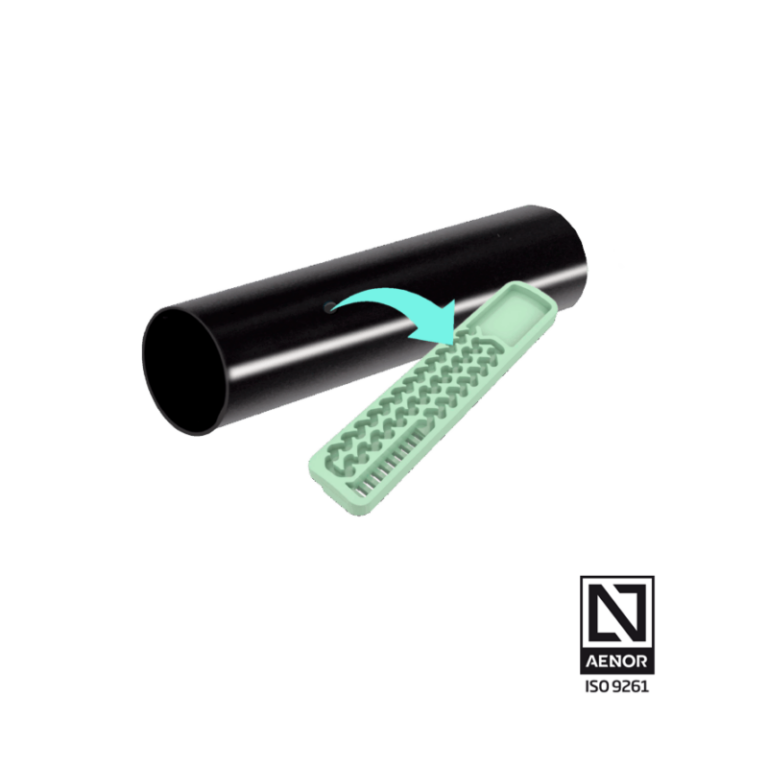
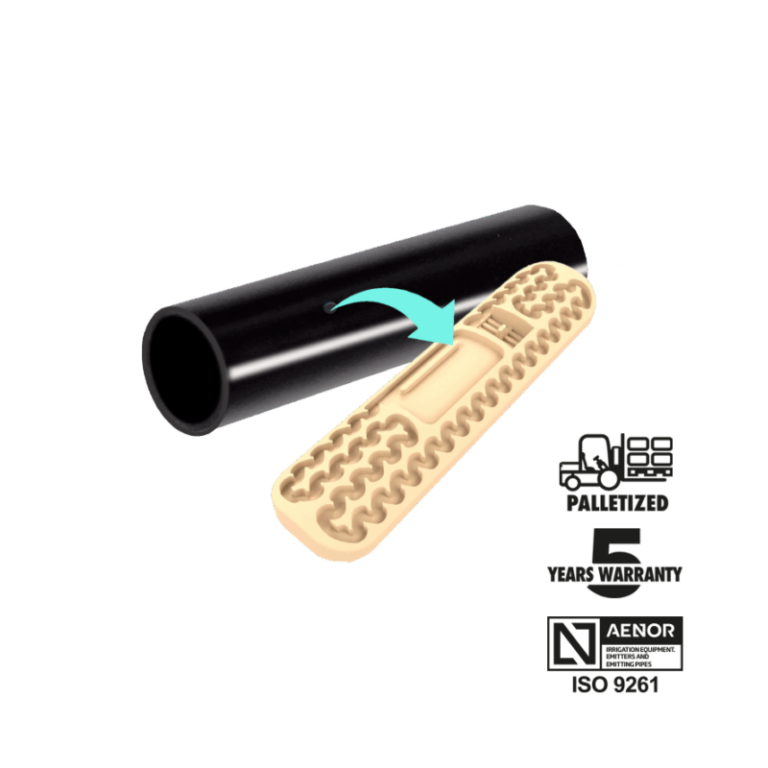
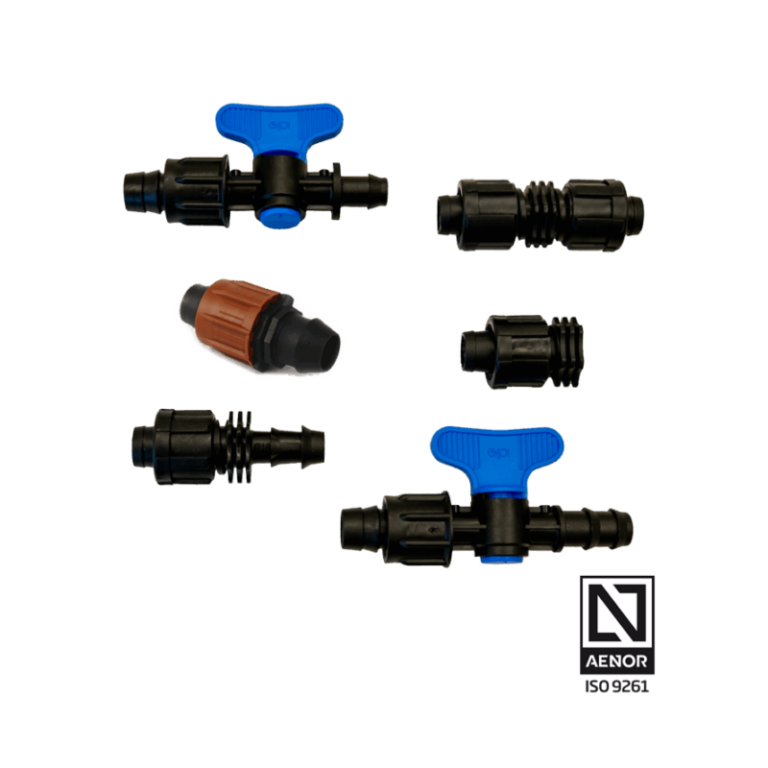
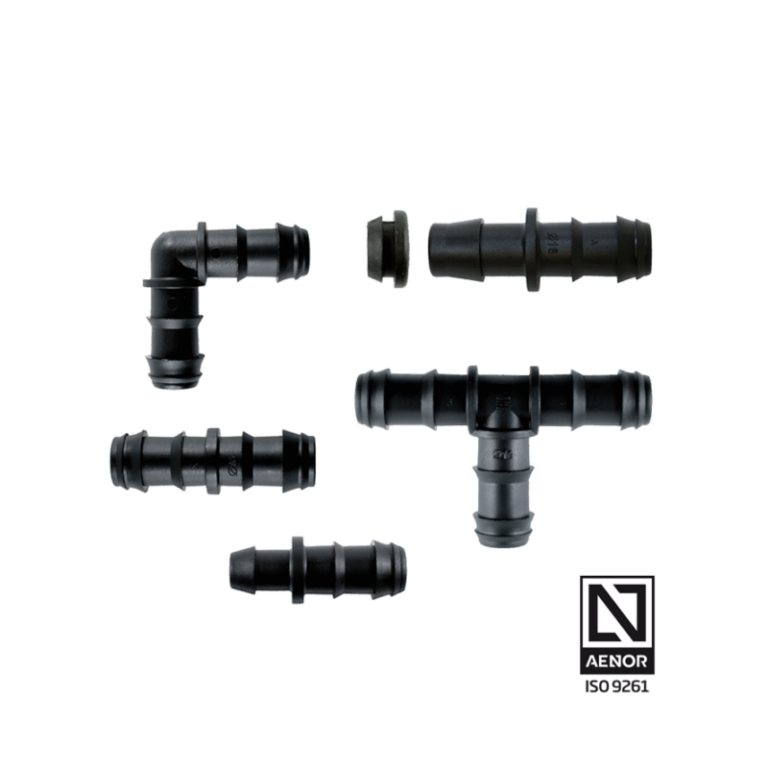
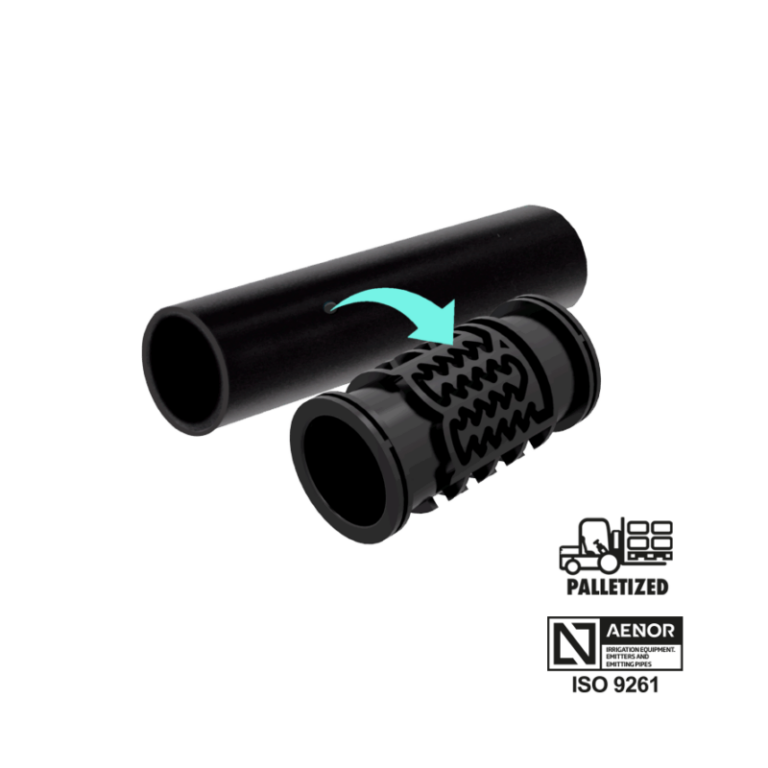
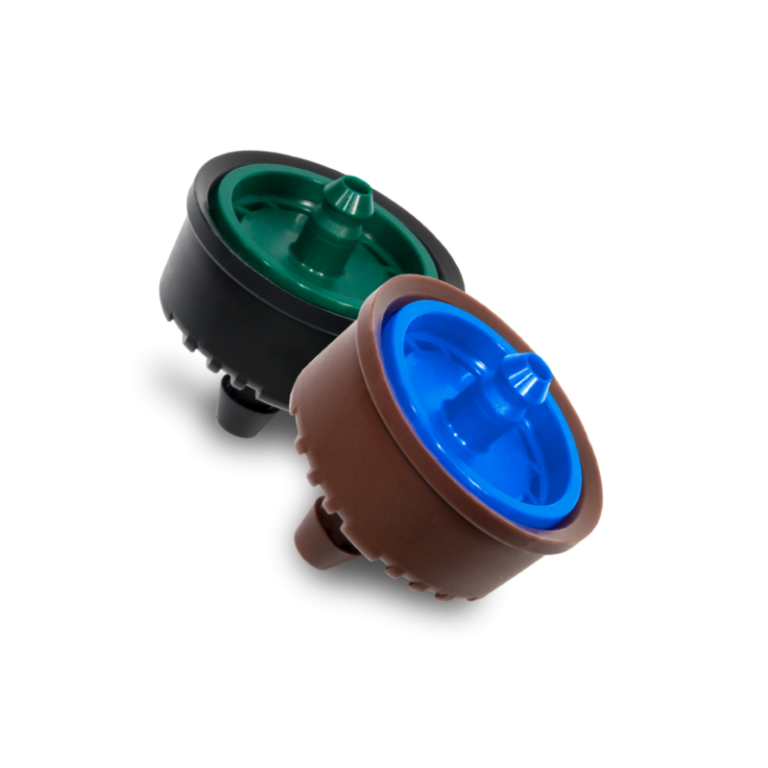
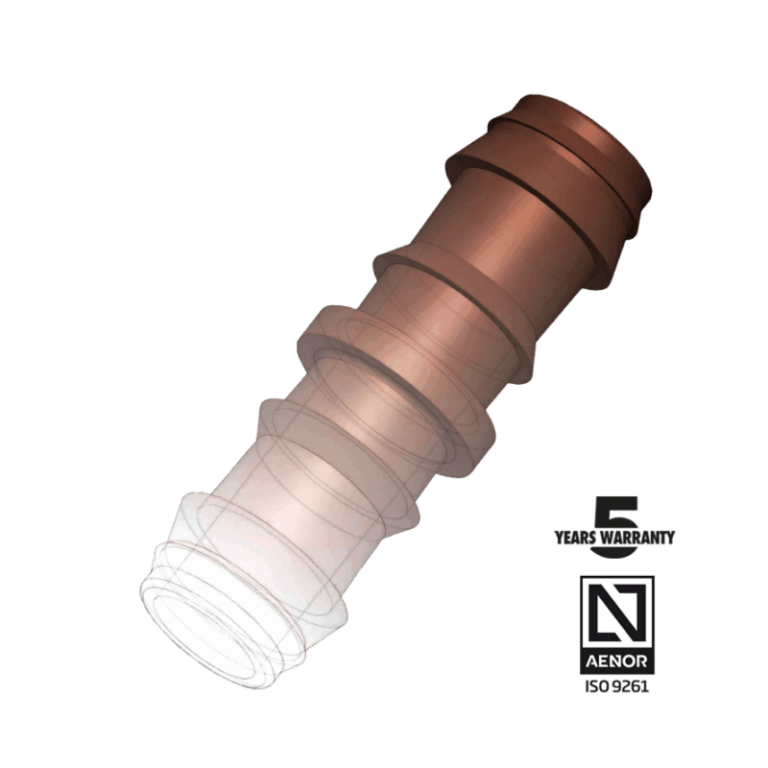
Selecting the dripline: A wide range of options ensures the proper selection of dripline tubing. The combination of emitter model, flow rate per emitter, and spacing between emitters not only ensures the delivery of the water rates specified in the irrigation strategy but also guarantees a large volume of moist soil available for root development in both surface-level localized irrigation and RGS systems.
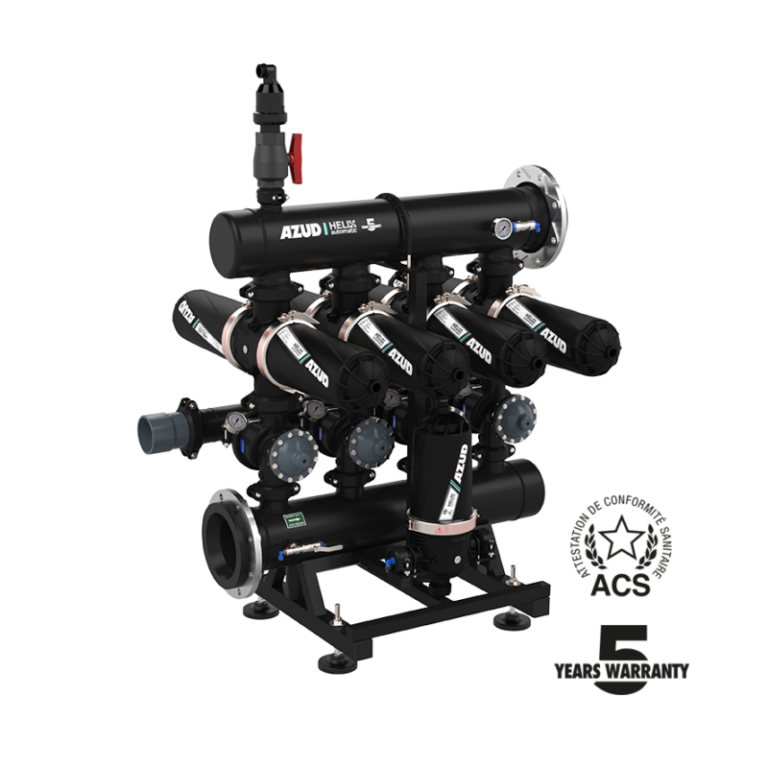
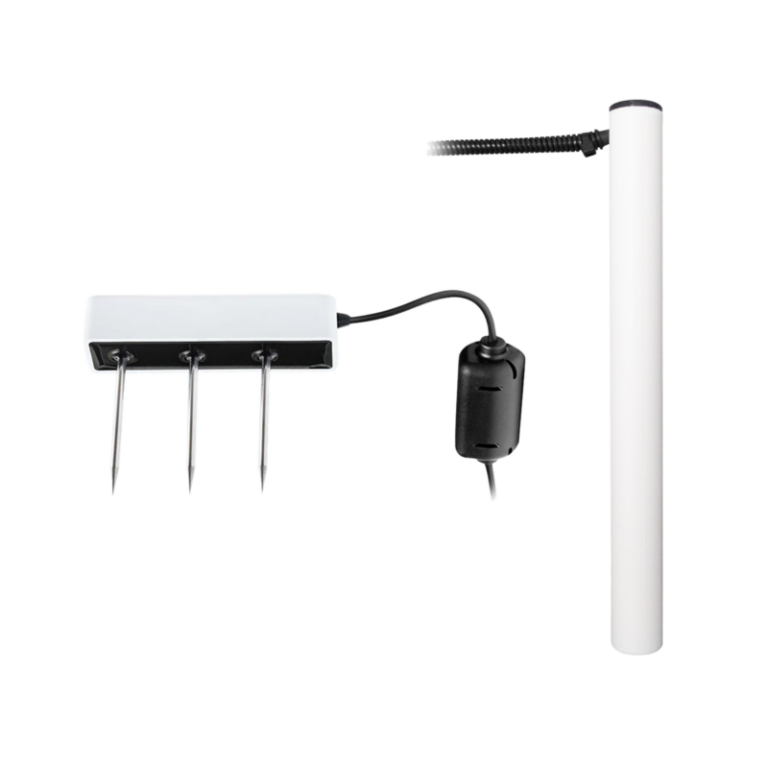
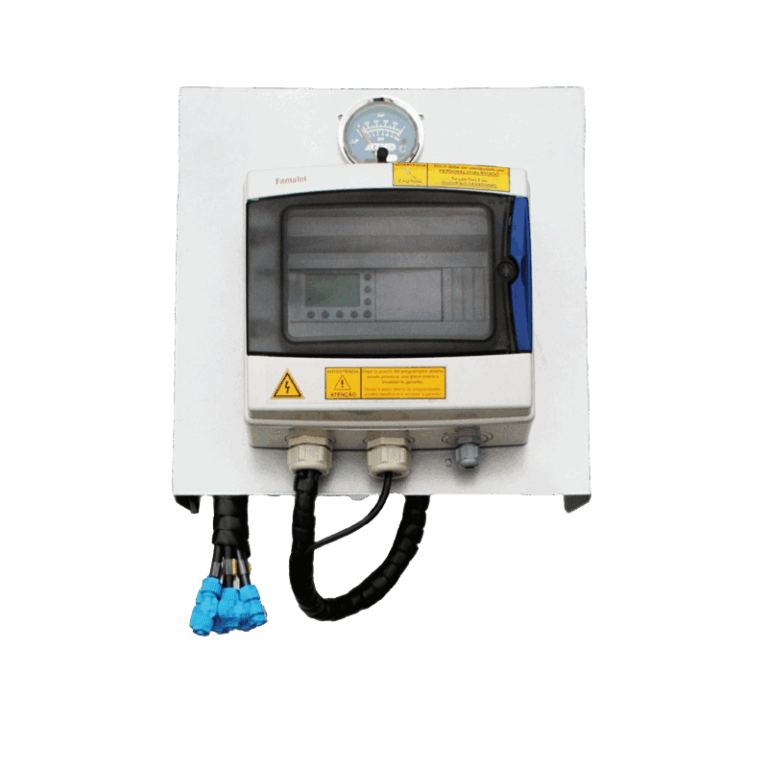
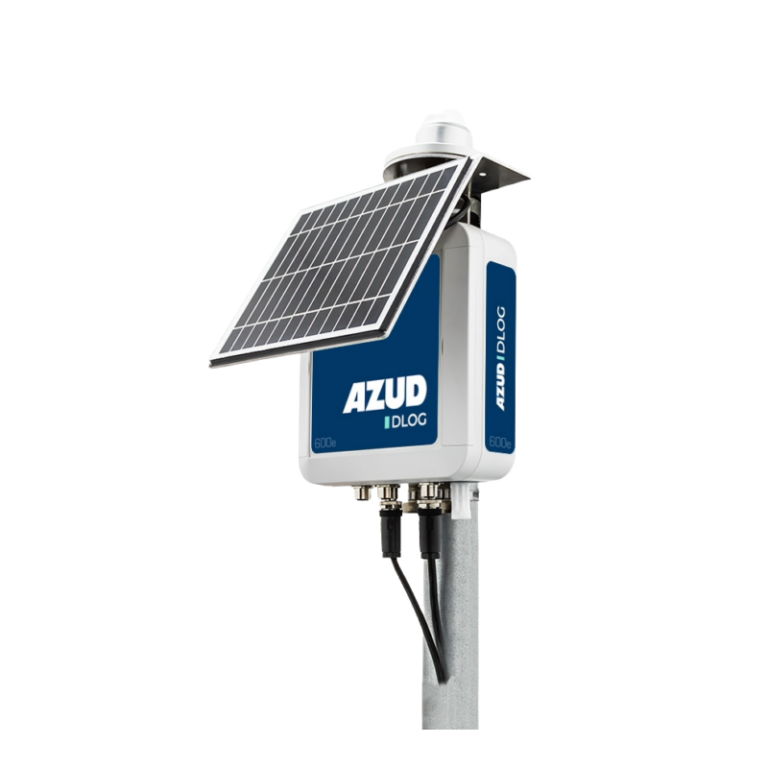
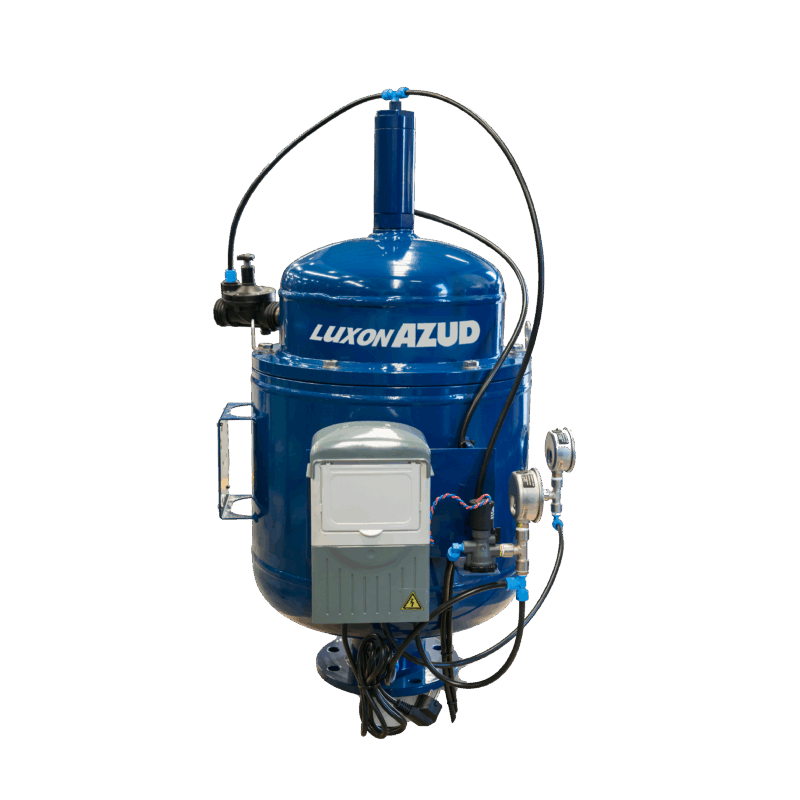
Digital Farming: In addition to selecting the appropriate dripline tubing, the use of AZUD QGROW equipment for the precise management of water and nutrient inputs—based on data from soil, plant, and weather sensors—enables:
At AZUD, we offer customized irrigation solutions for each vineyard and are experts at tailoring our solutions to each specific situation. Our SUB-SURFACE DRIP IRRIGATION system is ideal for a variety of soil types and climates, minimizing evaporation and ensuring that water reaches the roots directly.
This approach is particularly effective in areas with high temperatures and strong winds, where surface irrigation may be less efficient. We tailor the system to the specific characteristics of each vineyard—such as soil type, topography, and grape variety—in order to to ensure maximum yield and crop quality.
An efficient irrigation system is essential for improving both the quantity and quality of grapes. At AZUD, we have found that well-managed irrigation optimizes vine health and grape quality, resulting in higher-quality grapes and greater yields.
Precisely controlling the amount of water supplied and maintaining an appropriate balance of nutrients in the soil are key to preventing water stress during critical stages such as flowering and fruit set, which affects the flavor and quality of the grapes. Our systems are designed to be adjustable, allowing winegrowers to adapt to changing weather conditions and the specific needs of their crops.
Absolutely. Our systems can be adjusted to accommodate different weather patterns, ensuring the right amount of water for the vines in all conditions.
Utilizamos cookies propias y de terceros para fines técnicos, de personalización, analíticos y para mostrarle publicidad personalizada en base a un perfil elaborado a partir de sus hábitos de navegación (por ejemplo, páginas visitadas). Puede aceptar todas las cookies pulsando el botón “Aceptar todas”, rechazar las no necesarias pulsando “Rechazar todas” o configurarlas clicando el botón “Configuración de Cookies”. Para más información haga clic AQUÍ