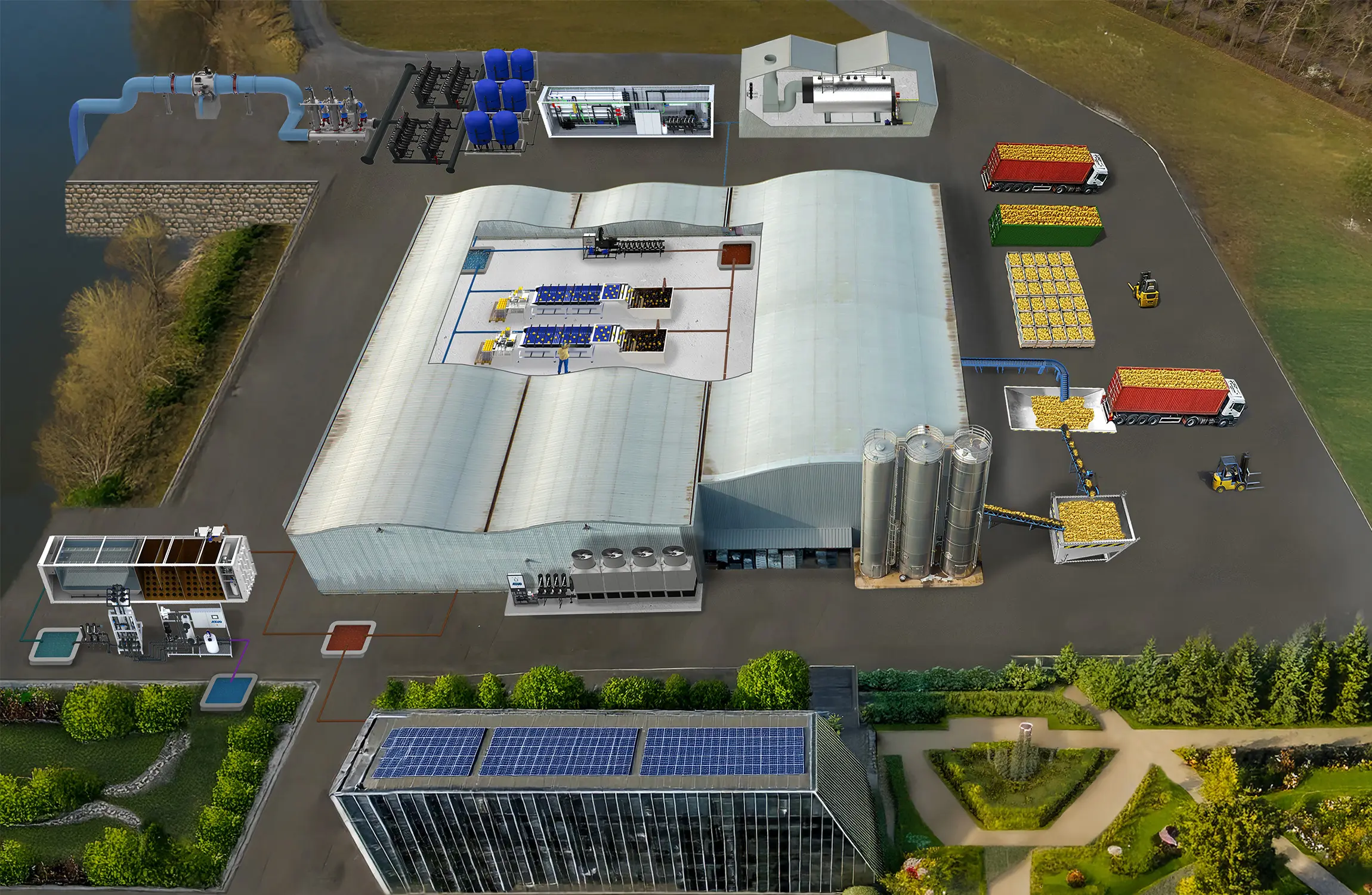
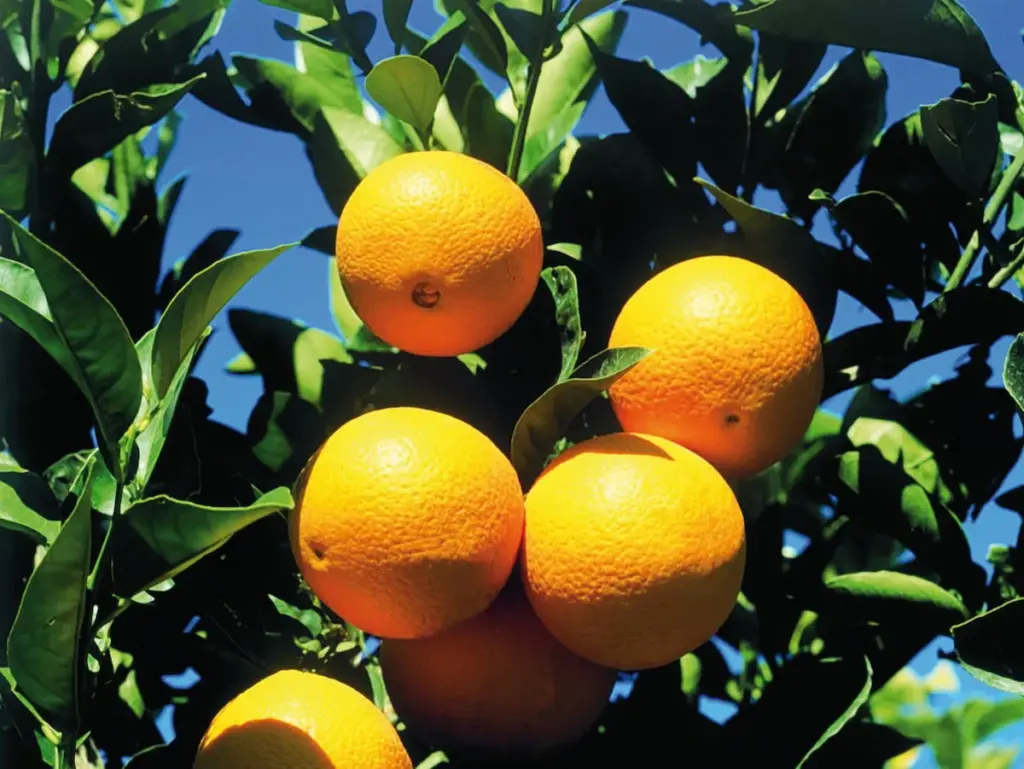
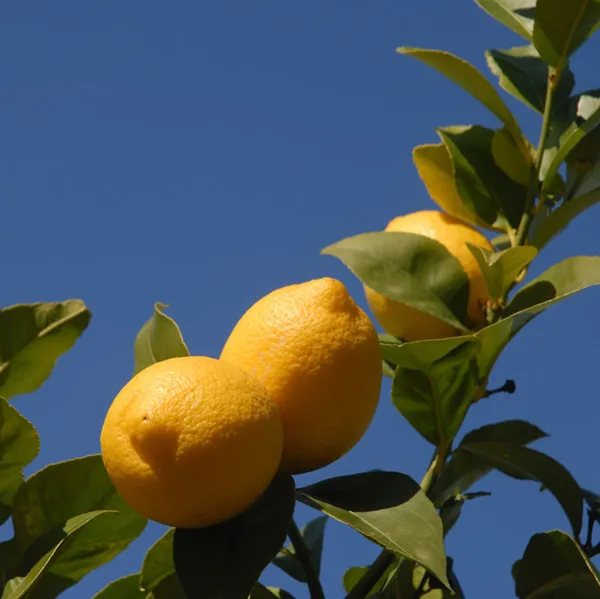
Citrus cultivation (oranges, tangerines, lemons, limes, and grapefruits) is currently one of the most important commercial crops worldwide.
Citrus fruits are grown in almost every region of the world, in tropical and subtropical areas within the band bounded by the 40° parallel north and south. The world’s largest producer of citrus fruits is China, followed by Brazil and the United States.
Citrus fruits are considered among the fresh fruits with the highest nutritional value. This is due to their balanced content of water, sugars, acids, minerals, fiber, and vitamins, and their high vitamin C content is indisputable. They are consumed fresh as seasonal fruit for consumption, used to extract juice for direct consumption or as a dressing or condiment, and utilized in the food industry to produce soft drinks, liqueurs, jams, pectins, jellies, and confectionery products.
Temperature is the most important component of the climate, as it is essential for vegetative growth, flowering, fruit set, and fruit quality. The plant has low cold tolerance; temperatures below -3°C have a significant impact on the flowers, fruit, and foliage.
Relative humidity is another important factor in citrus production; fruit set depends on moderate relative humidity, and the appropriate range for relative humidity is considered to be between 35% and 70%.
With the proper selection of rootstocks and cultural practices, citrus trees can be successfully grown in a wide variety of soil textures, although they prefer deep, light soils—such as sandy loam, loam, or clay loam—with good drainage and aeration.
Citrus fruits thrive in a wide pH range from 4 to 9; however, the optimal pH range is considered to be between 5.5 and 6.
Nutrient uptake by citrus trees is not constant throughout the year. This process reaches its lowest levels during the winter, increases in the spring, and peaks at the end of the spring, coinciding with the fruit-setting period.
During the summer, it remains at high levels and gradually decreases during the fall. The greatest increase in uptake coincides with the period of highest consumption by the plant, which is flowering and fruit set.
The most common micronutrient deficiencies in citrus crops are boron, zinc, manganese, and copper in alkaline soils; therefore, a good strategy is to maintain the pH between 6.5 and 7.0.
Citrus trees are perennial plants with a large leaf area and, therefore, a high evapotranspiration rate. The water requirements of citrus trees, ranging from 6,000 to 9,000 m³/ha, are determined by soil and climate factors, the specific requirements of the cultivated species (species and variety-rootstock combination), other factors related to plantation characteristics and cultivation practices (planting density, pruning), and the desired production goal—a balance between quantity, quality, and the timing of the harvest.
The characteristics of its root system, combined with the plant’s susceptibility to disease due to high soil moisture content—especially near the trunk—make a dual irrigation system with low flow rates per line the best option.
The controlled deficit irrigation (DIC) is an alternative irrigation practice used when water availability is limited, with the goal of achieving a good crop response based on a thorough understanding of the agronomic needs at each stage of the crop cycle.
The SUB-SURFACE DRIP IRRIGATION (RGS) is a cultivation practice with numerous economic and agronomic benefits. In citrus crops, it also offers advantages related to a lower incidence of diseases caused by moisture near the trunk or in direct contact with the fruit.
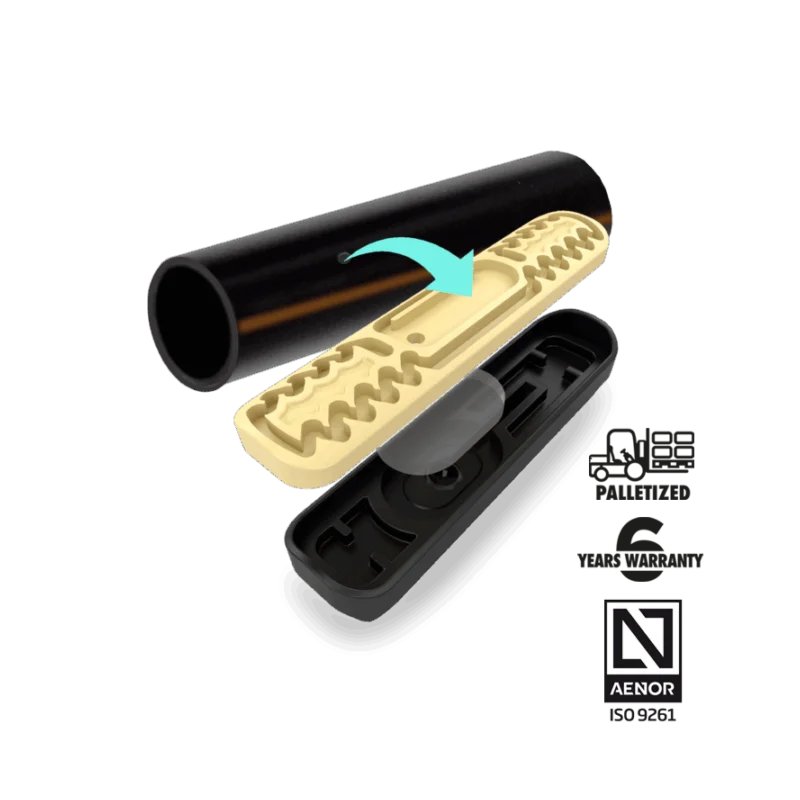
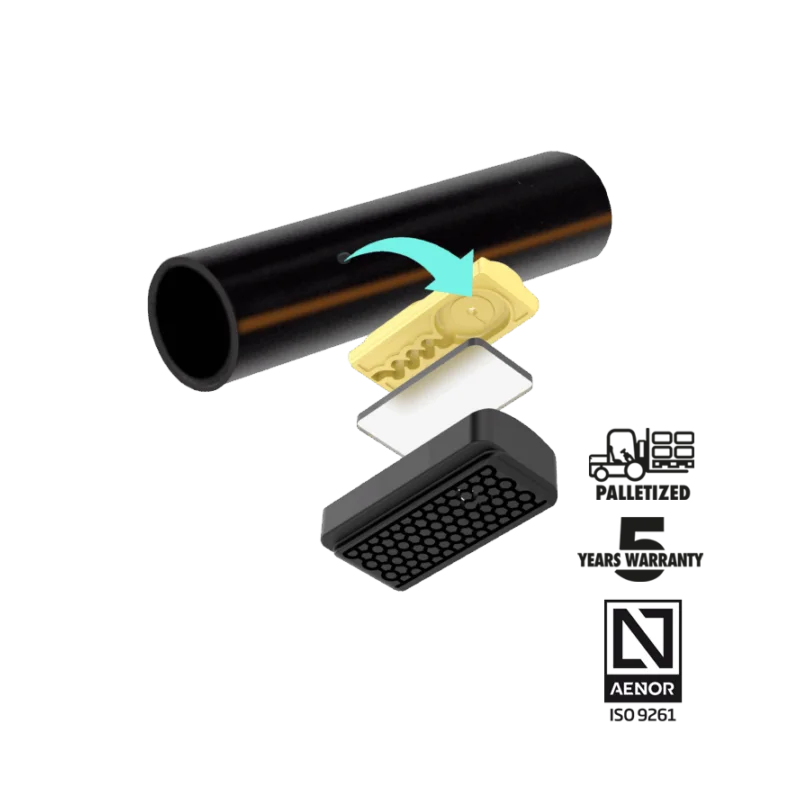
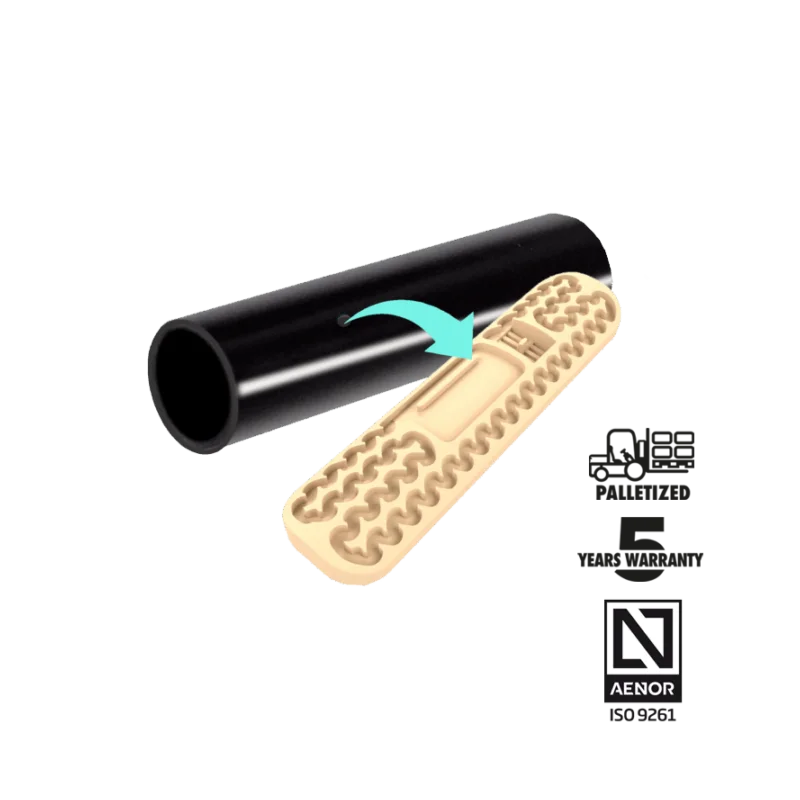
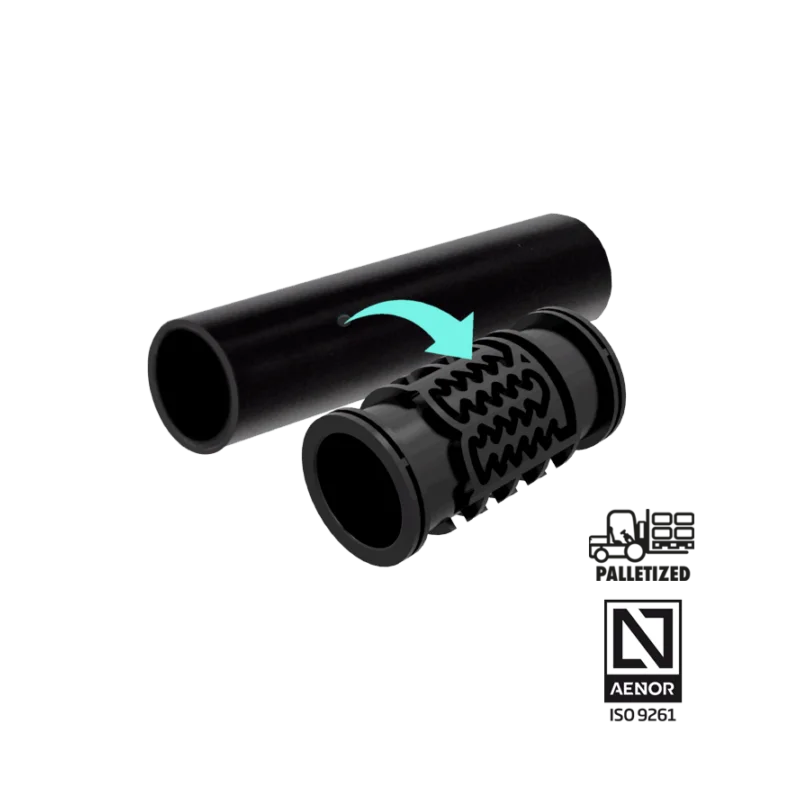
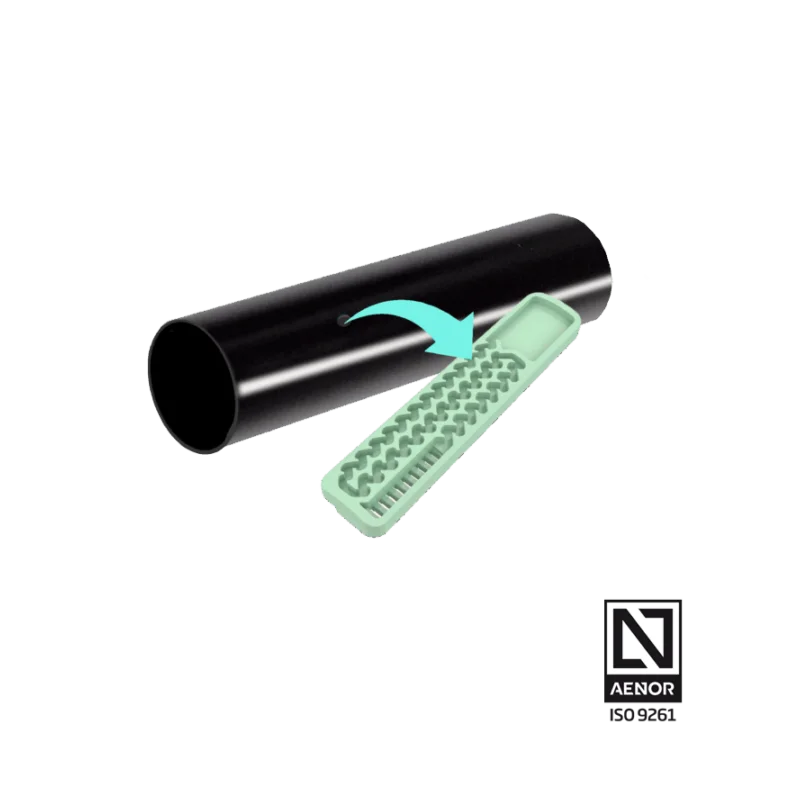
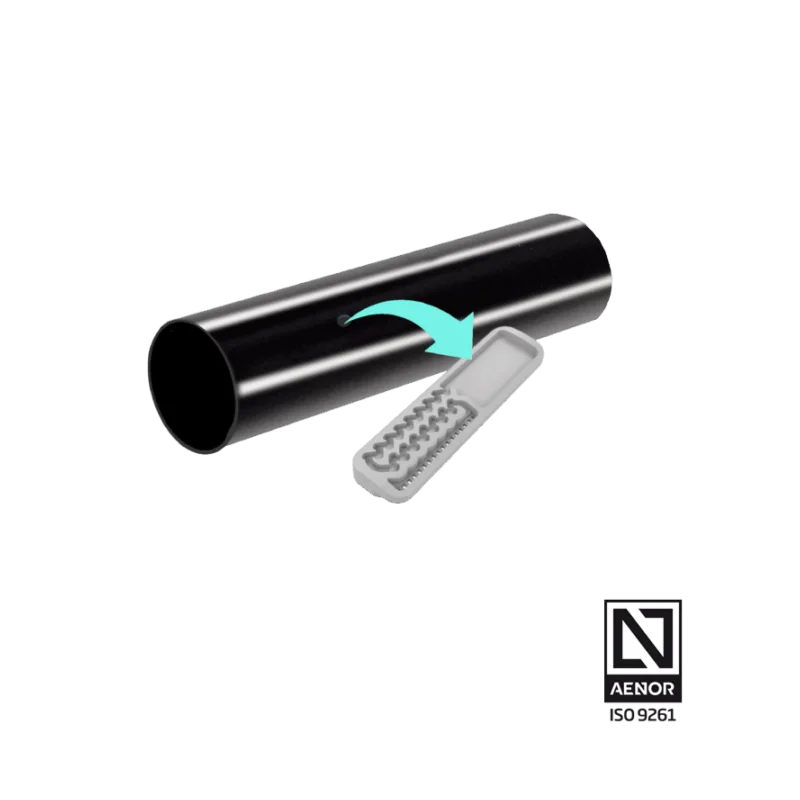
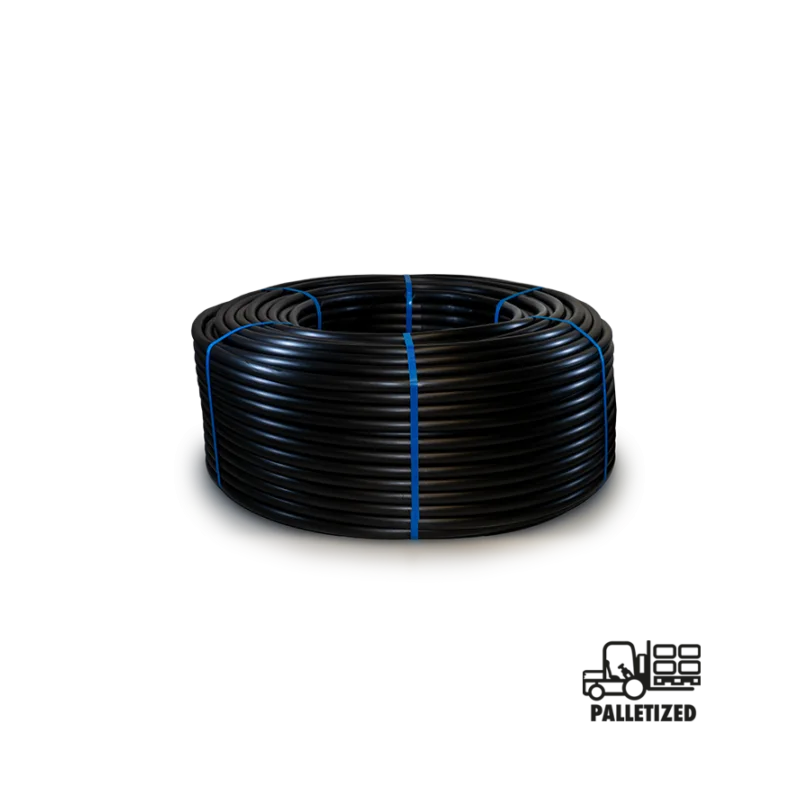
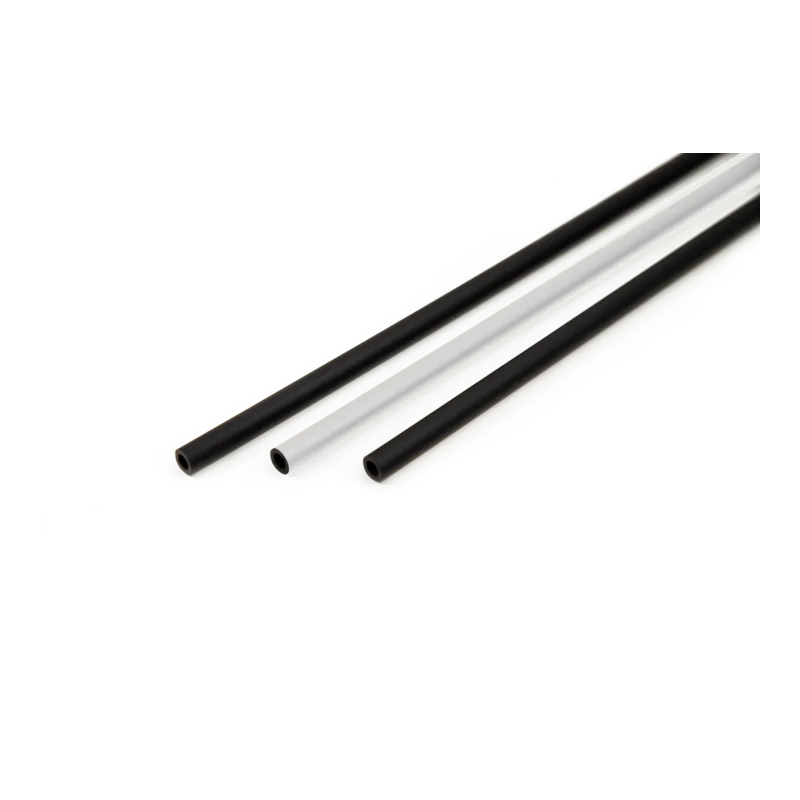
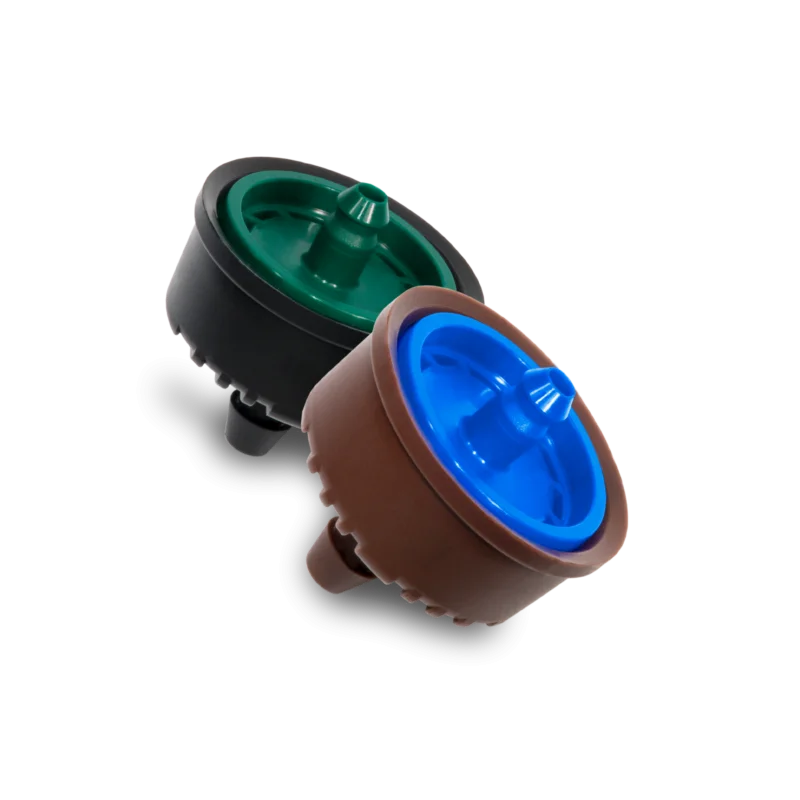
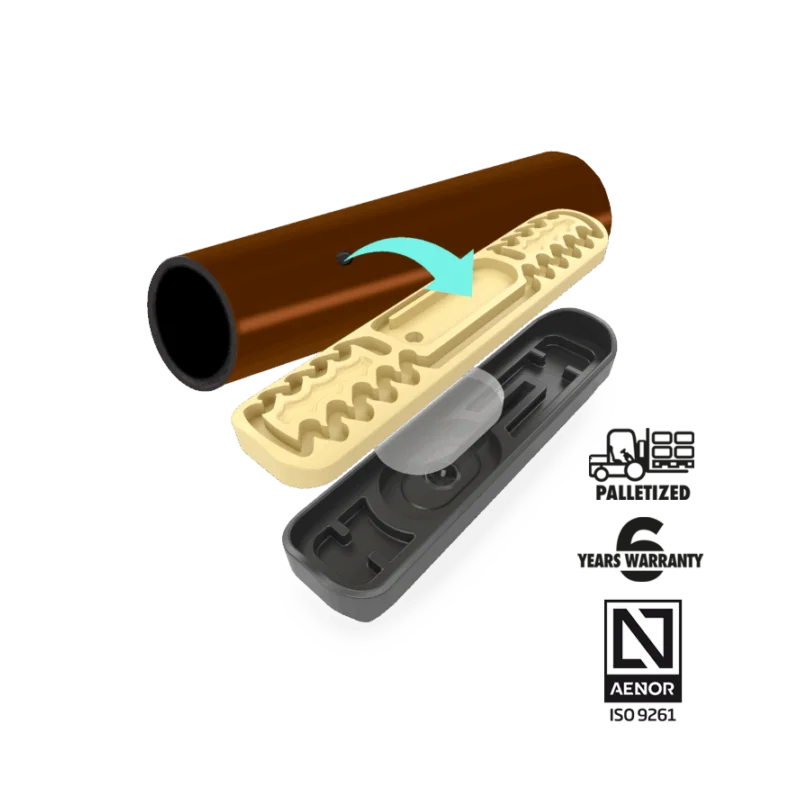
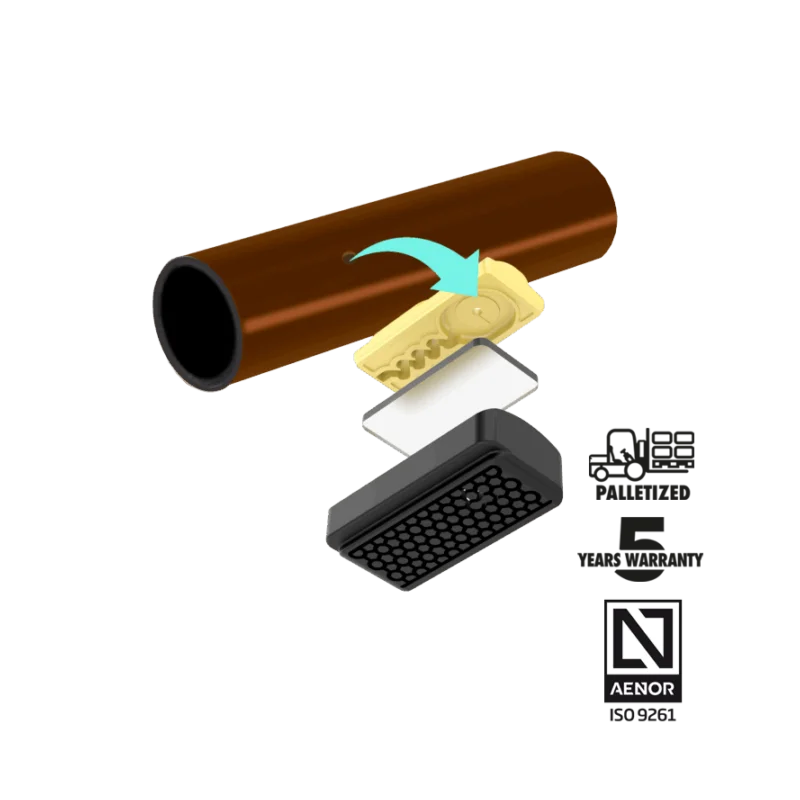
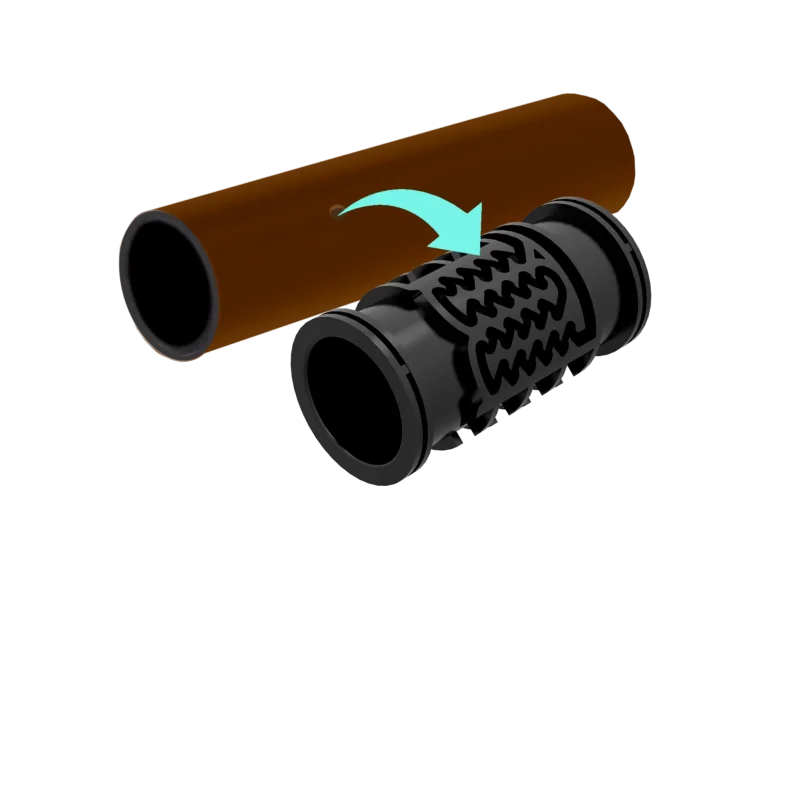
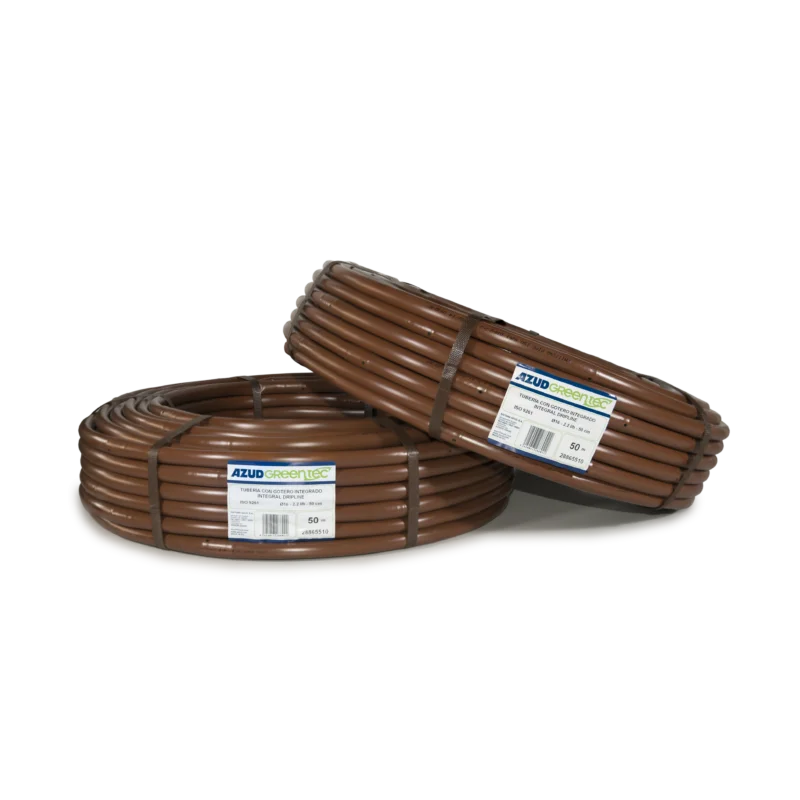
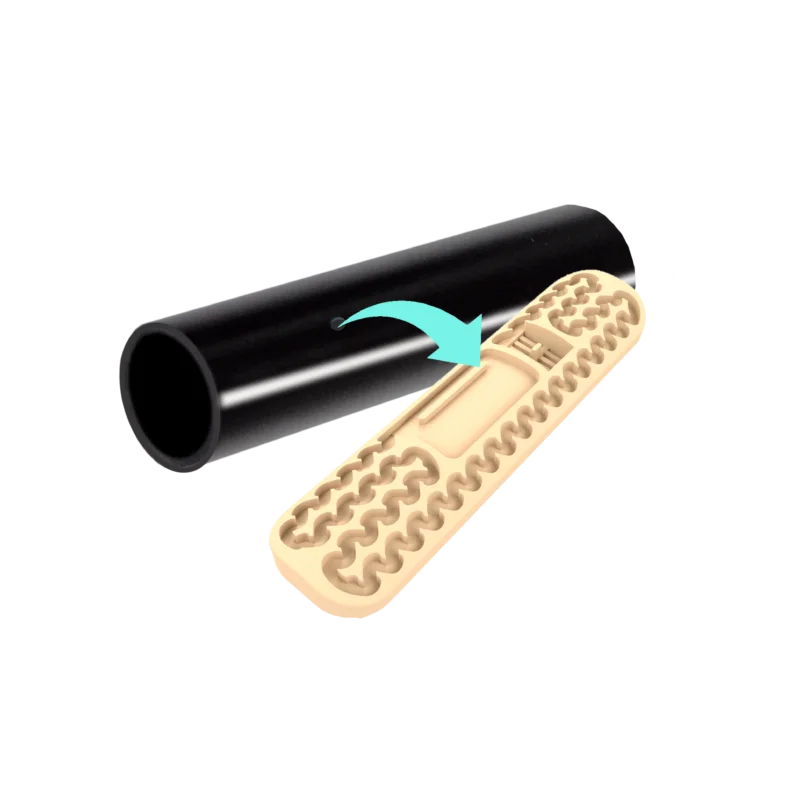
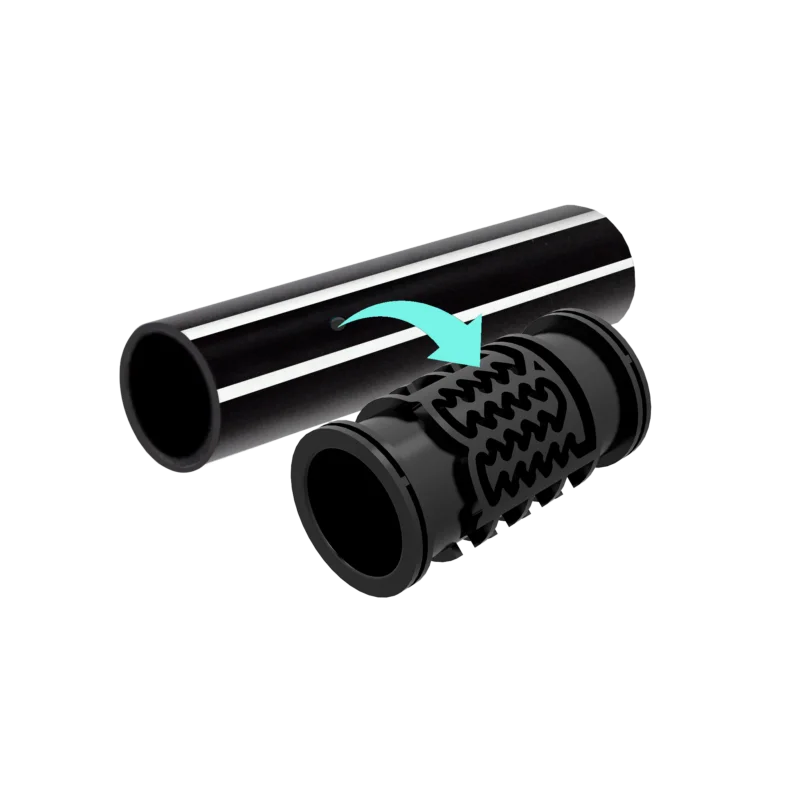
Selecting the dripline: A wide range of options ensures the proper selection of dripline tubing. The combination of emitter model, flow rate per emitter, and spacing between emitters not only ensures the delivery of the water rates specified in the irrigation strategy but also guarantees a large volume of moist soil available for root development in both surface-level localized irrigation and RGS systems.
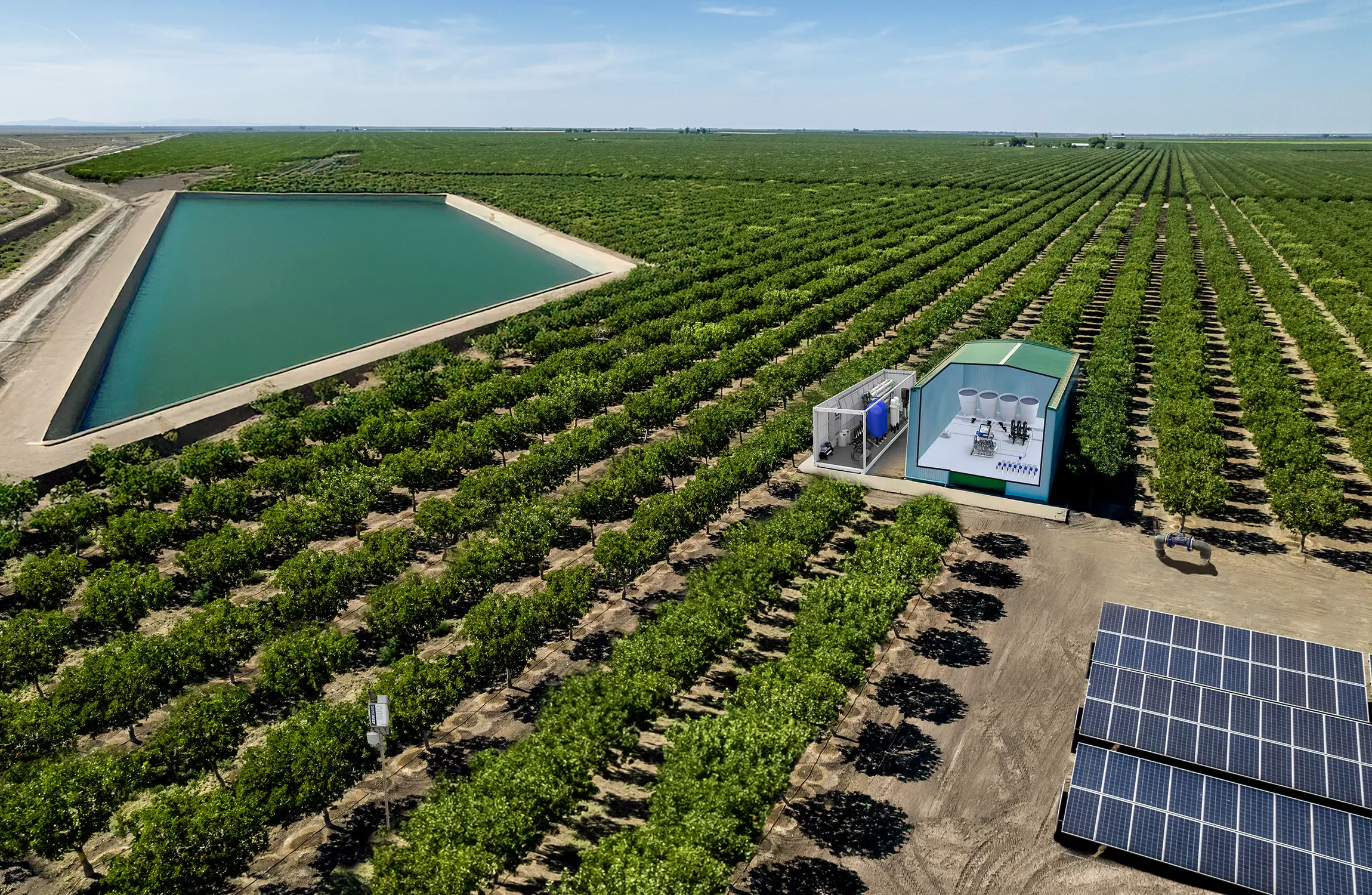
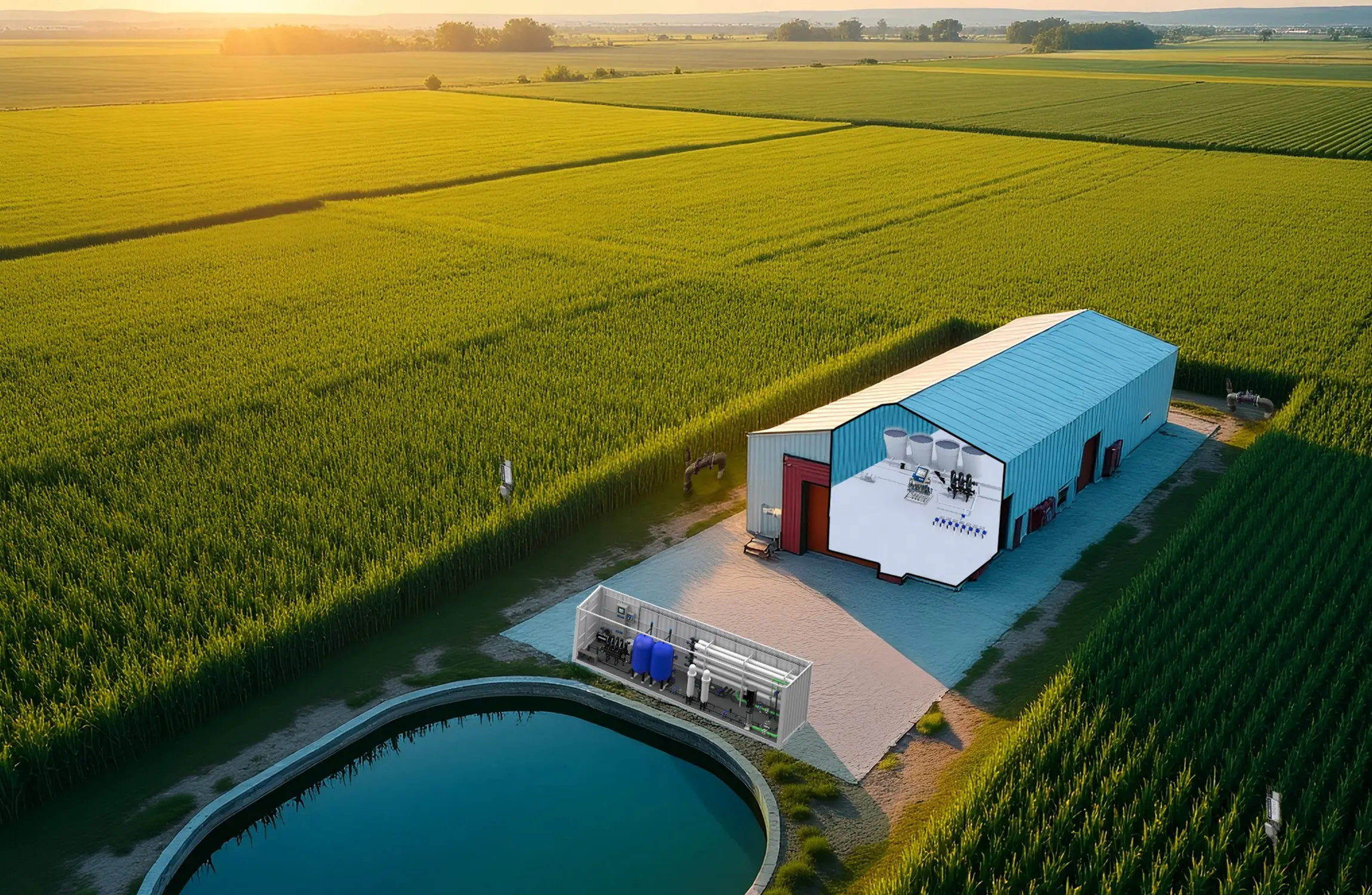
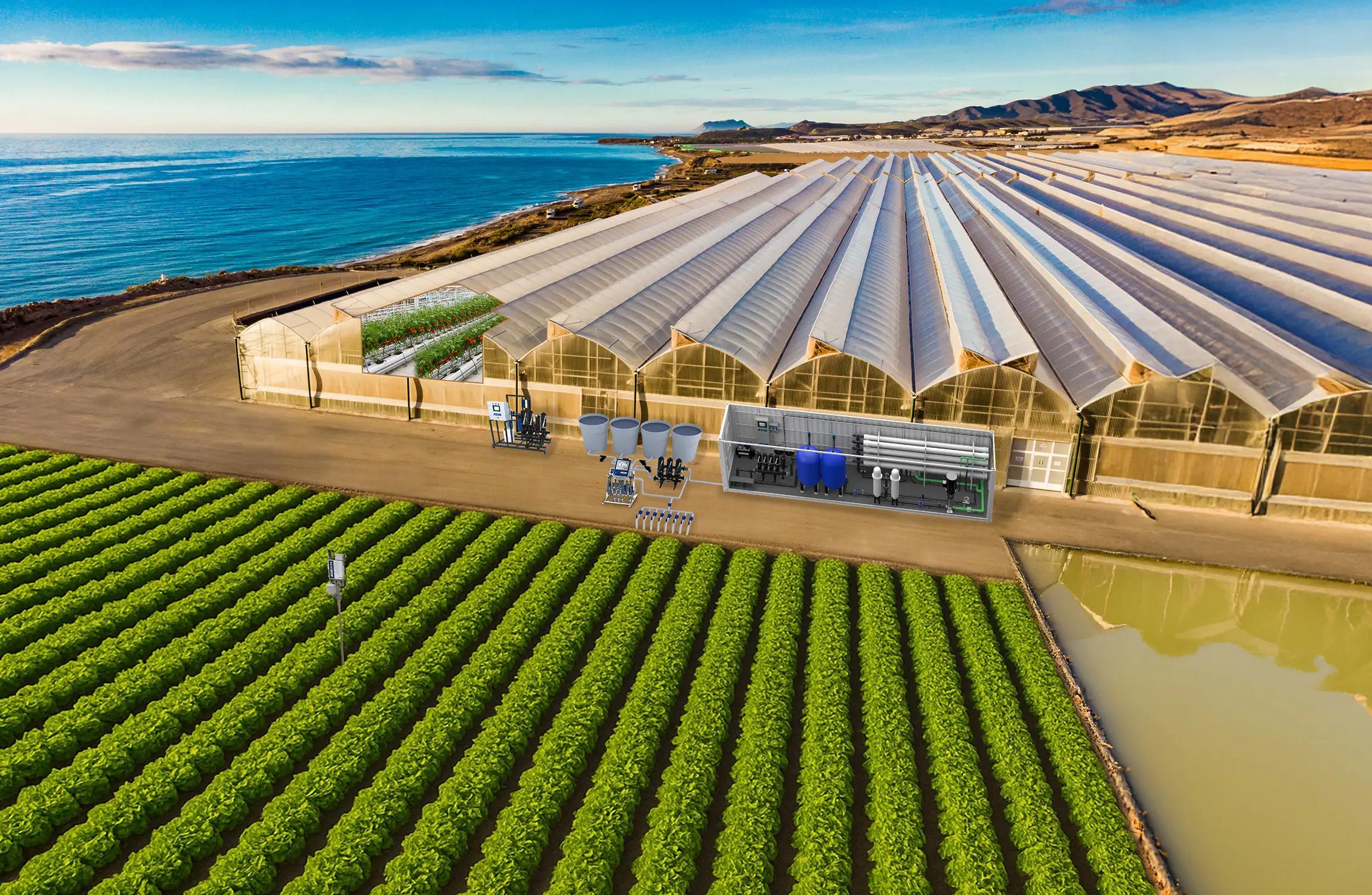
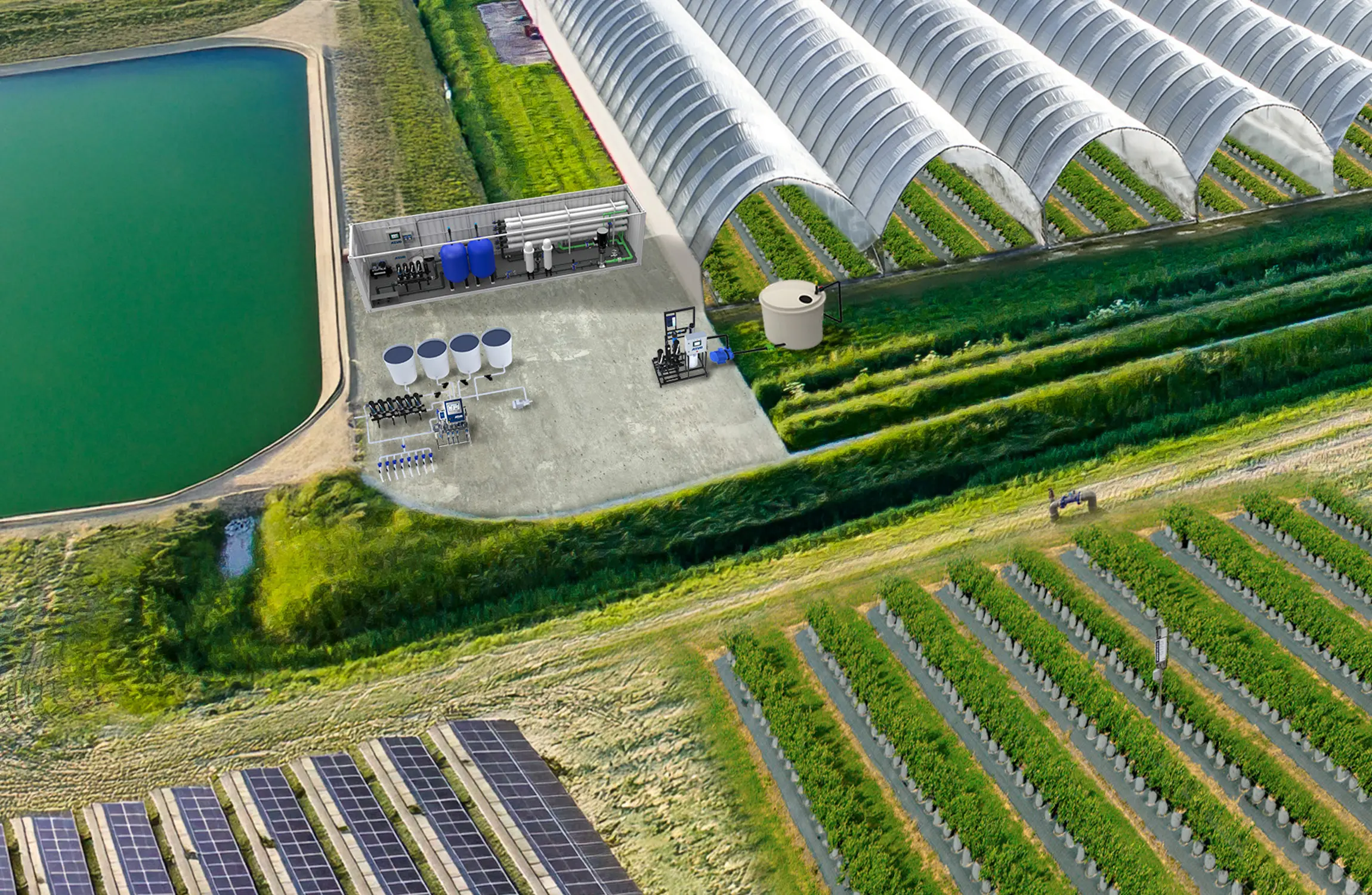
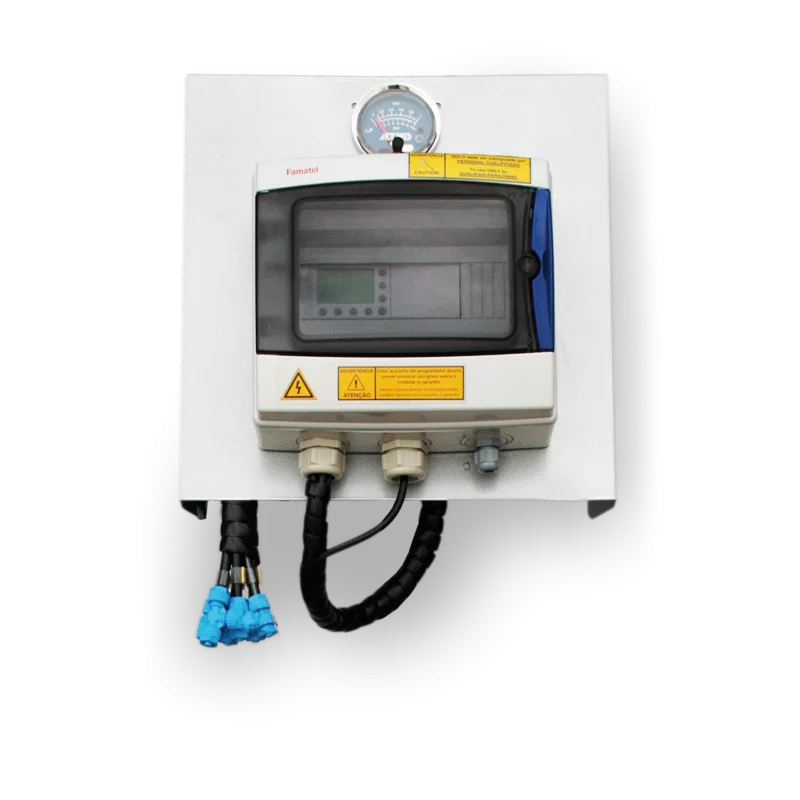
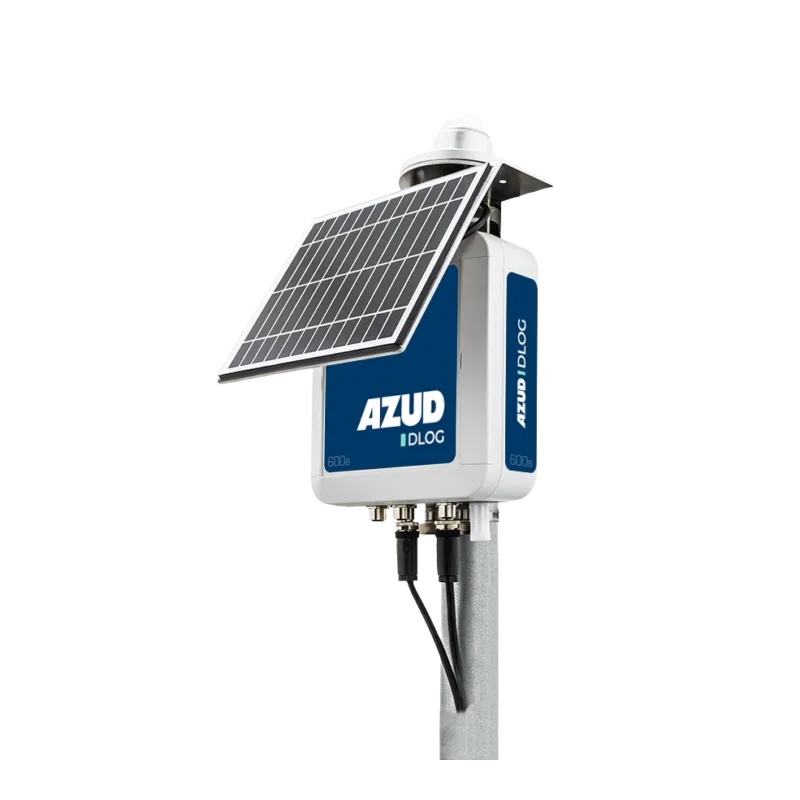
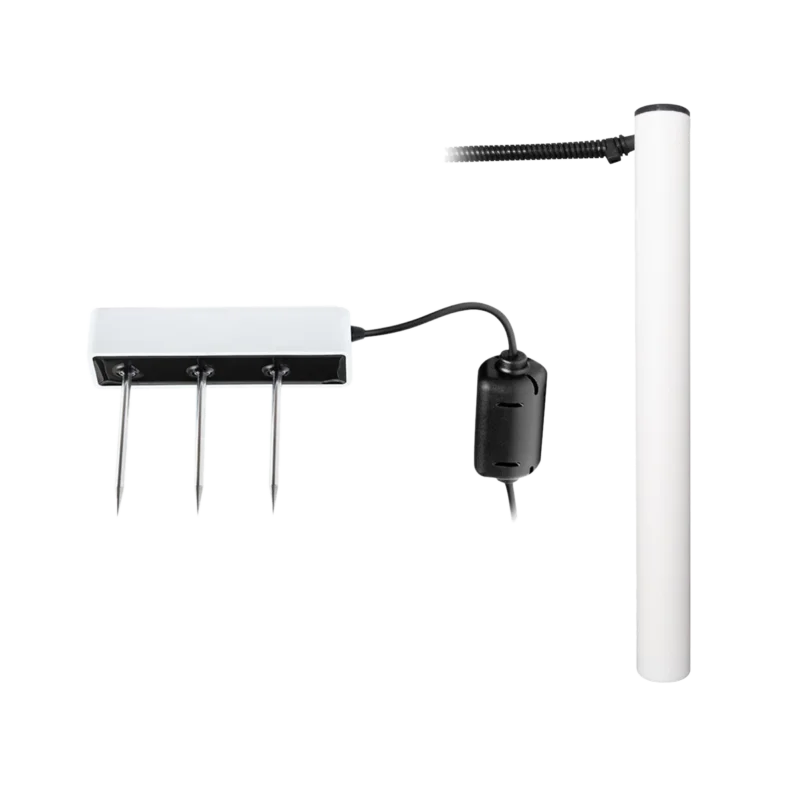
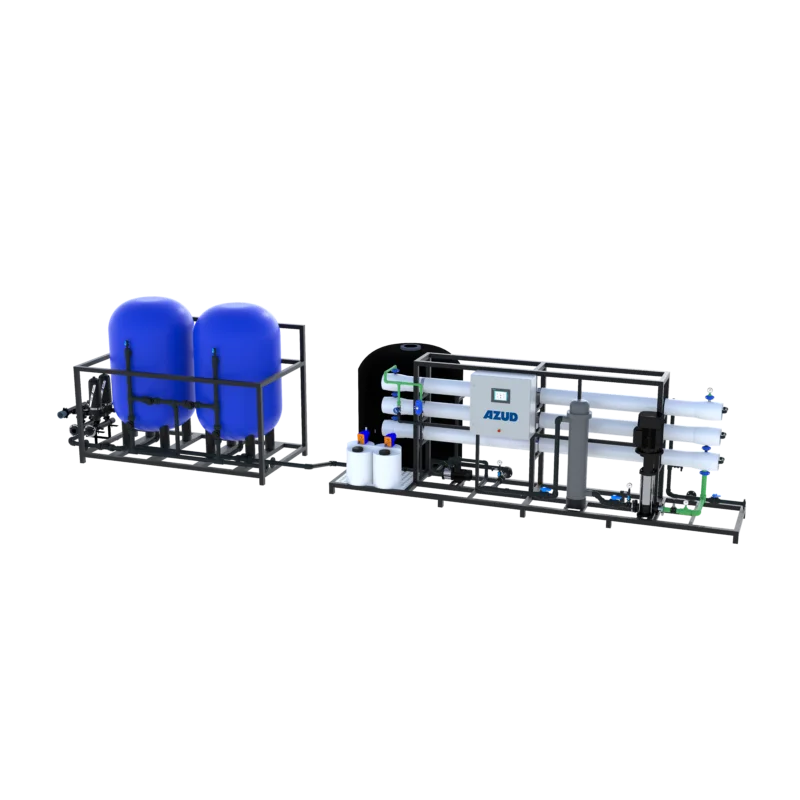
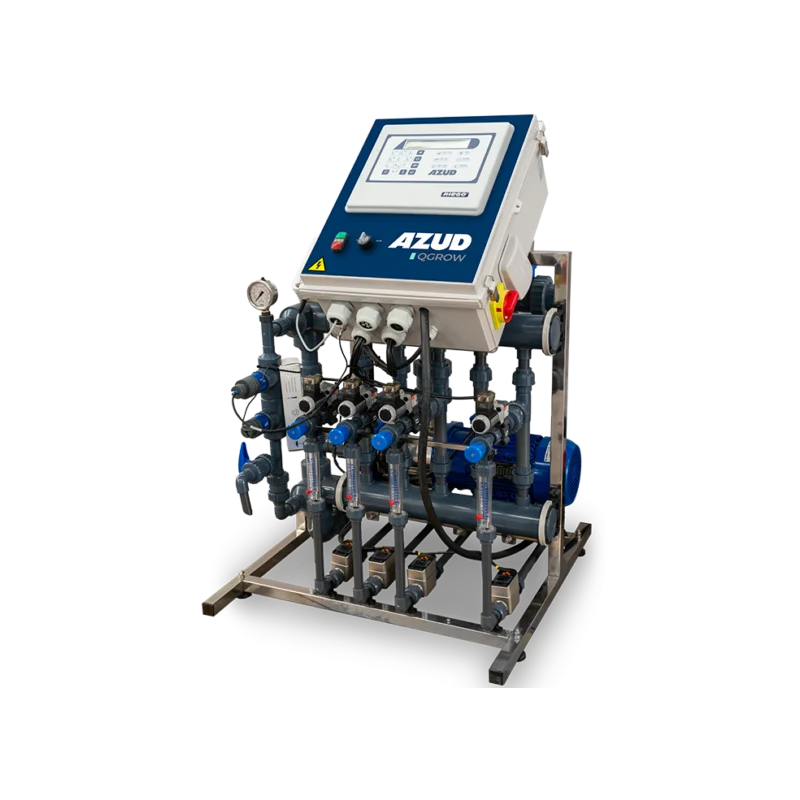
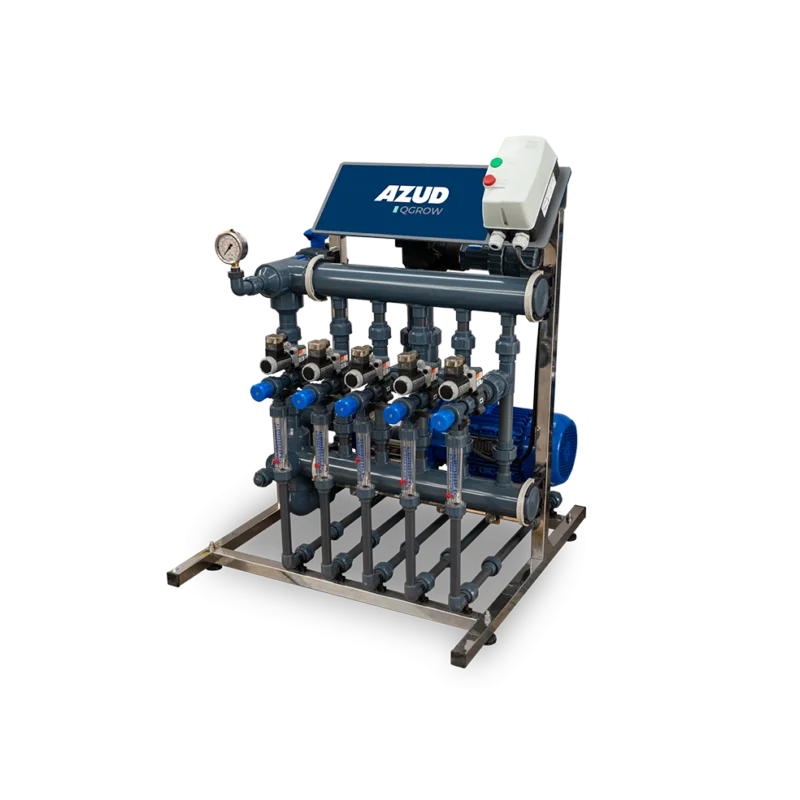
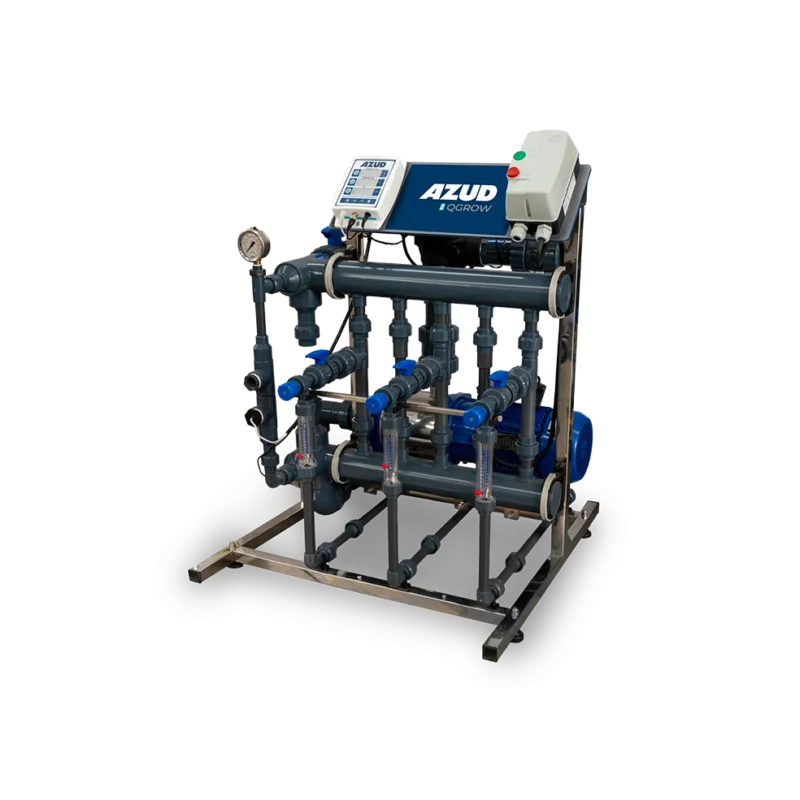
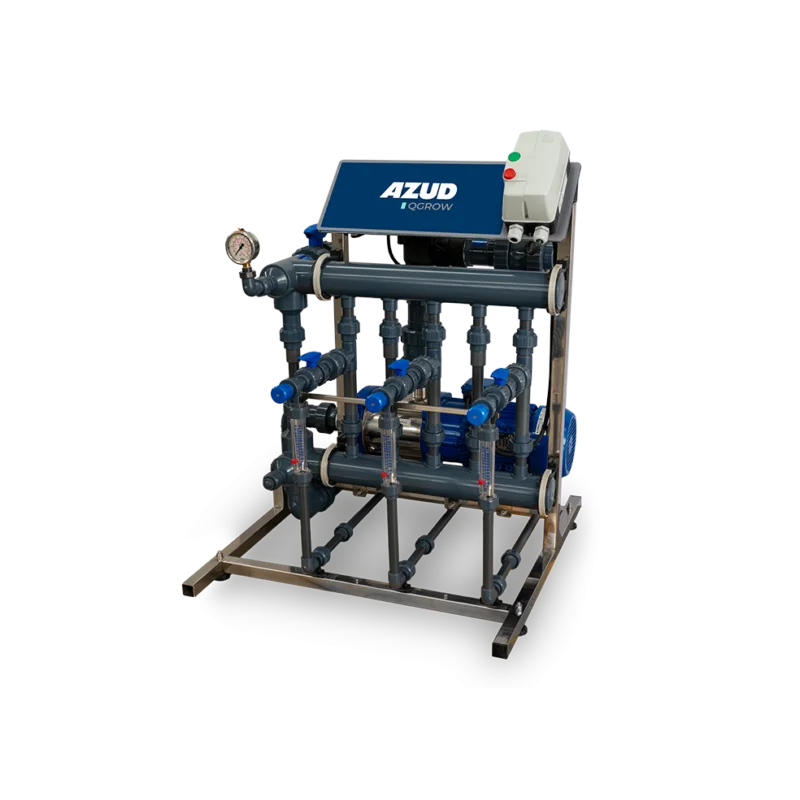
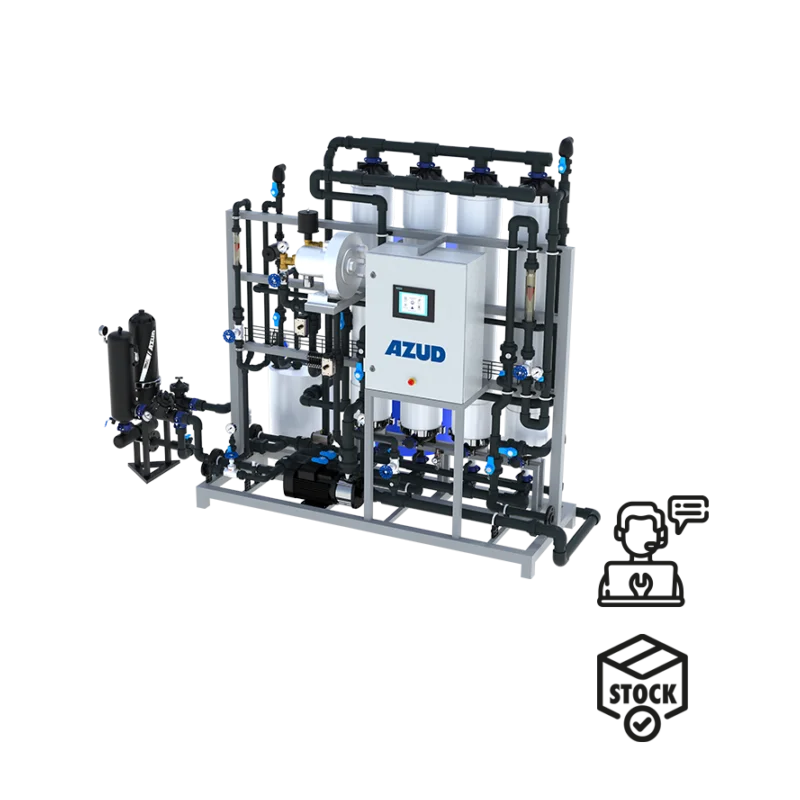
Digital Farming: In addition to selecting the appropriate dripline tubing, the use of AZUD QGROW equipment for the precise management of water and nutrient inputs—based on data from soil, plant, and weather sensors—enables:
The latest innovations in citrus cultivation include advanced drip irrigation systems, crop monitoring using sensors and drones, and precision agriculture techniques to optimize resource use and increase productivity.
Utilizamos cookies propias y de terceros para fines técnicos, de personalización, analíticos y para mostrarle publicidad personalizada en base a un perfil elaborado a partir de sus hábitos de navegación (por ejemplo, páginas visitadas). Puede aceptar todas las cookies pulsando el botón “Aceptar todas”, rechazar las no necesarias pulsando “Rechazar todas” o configurarlas clicando el botón “Configuración de Cookies”. Para más información haga clic AQUÍ