About the cultivation of the Almond Tree

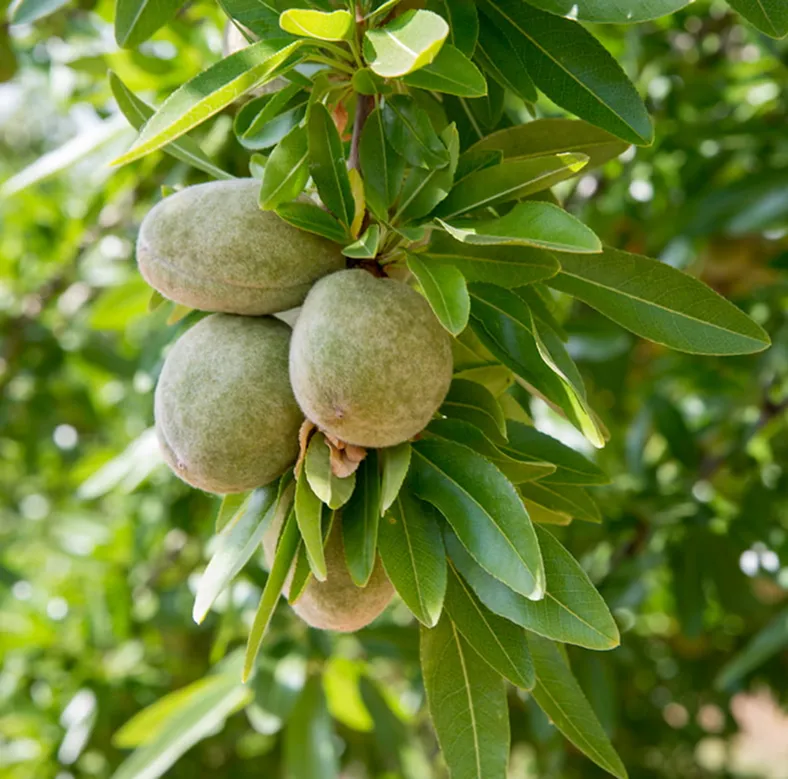
The almond tree is a member of the Rosaceae family and is native to the Middle East. Almonds are very popular because they are high in vitamin E and low in saturated fat. The tree bears many similarities to the peach tree; like the peach tree, its flowers form around the vegetative shoots, and it can grow up to 6 meters tall with a diameter of up to 4 meters. The world’s largest producers are the United States, Spain, Italy, Iran, and Morocco (source: FAO).

It is a fruit tree native to warm regions and highly sensitive to humidity, so it has low cold tolerance and does not grow in humid climates. It responds very well to water shortages.
As a hardy species, it can grow in all types of soil, even in shallow, calcareous soils. The optimal pH is 7.0 to 8.0, and the best soils are loose and sandy, although they also grow in loam. Soils saturated with Waterlogged conditions are detrimental to it, as it cannot tolerate root asphyxia.
What Is Drip Irrigation in Almond Cultivation?

Planting spacing varies depending on ecological and soil conditions, the variety and rootstock, the type of mechanization, the harvesting method, and whether the plantation is rain-fed or irrigated.

The most commonly used spacing patterns are 7 x 5 and 6 x 4. For less vigorous varieties, planting spacing of 6×6 or 6×5 may be used.

Almond trees are usually grown without irrigation, even though the new crops are irrigated using drip irrigation. The most critical time to irrigate almond trees is during kernel filling in the spring, as this will affect future yields. Irrigation during the 15 to 20 days before harvest helps the almond shells detach.

Irrigation Solutions for farmers and gardeners

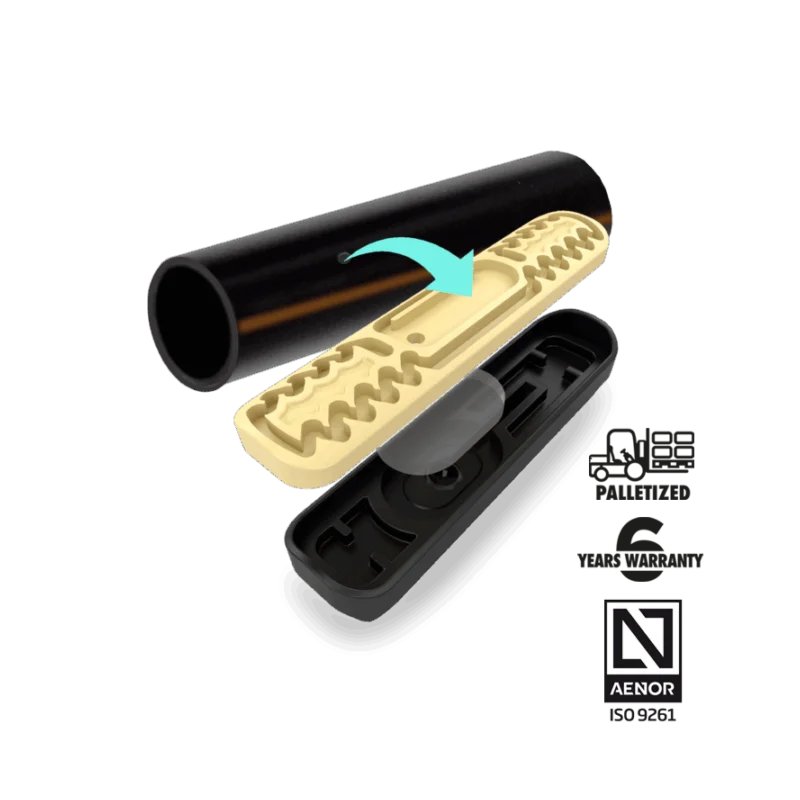
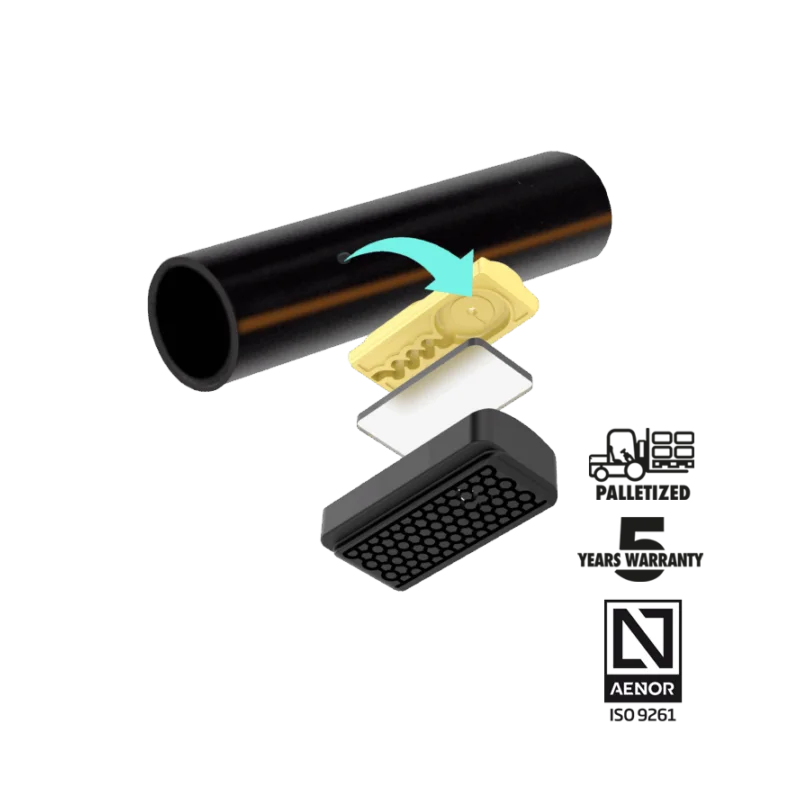
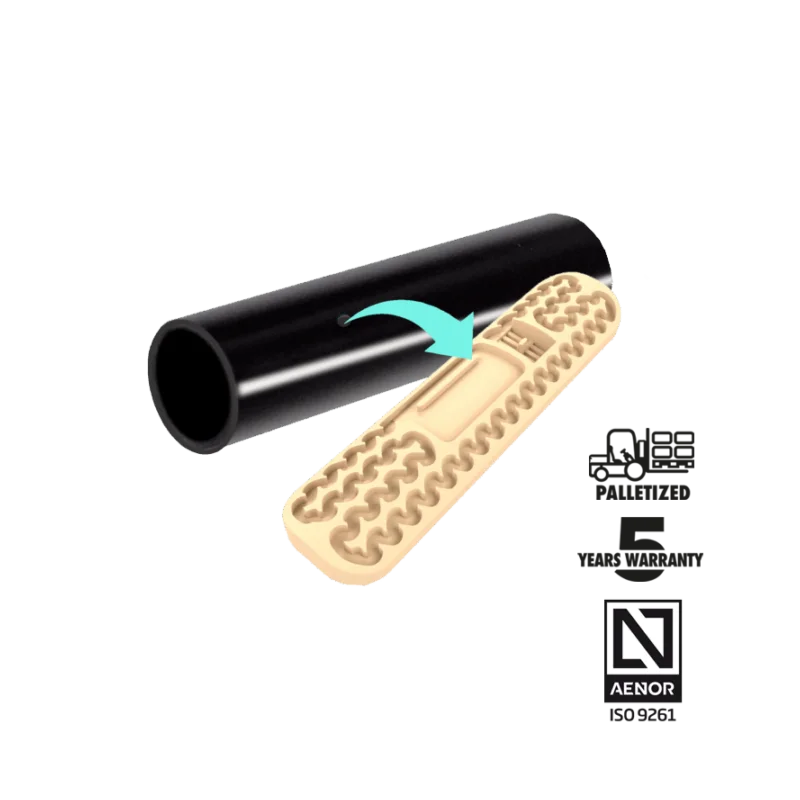
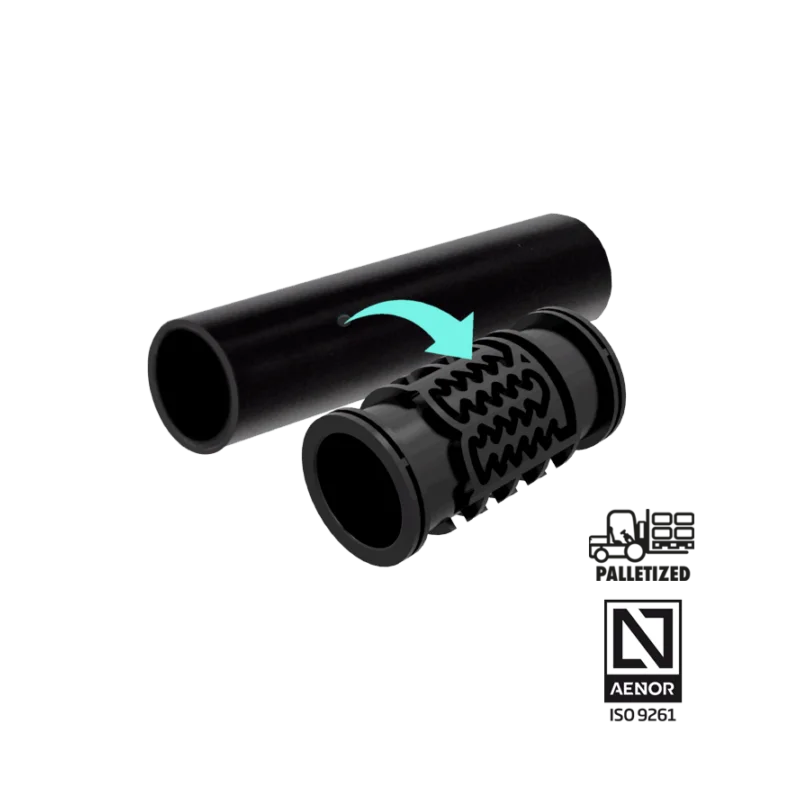
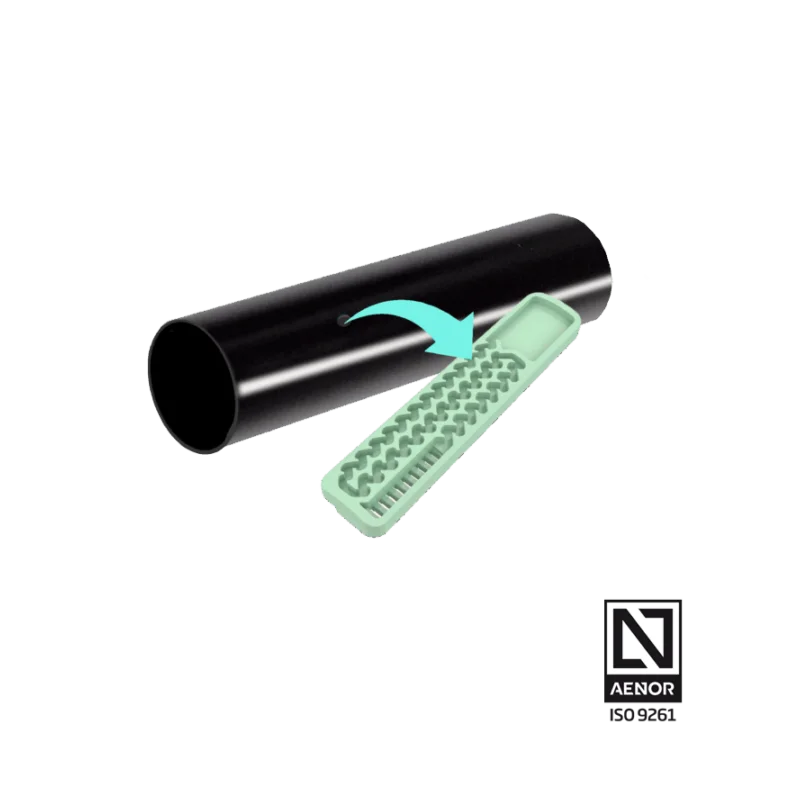
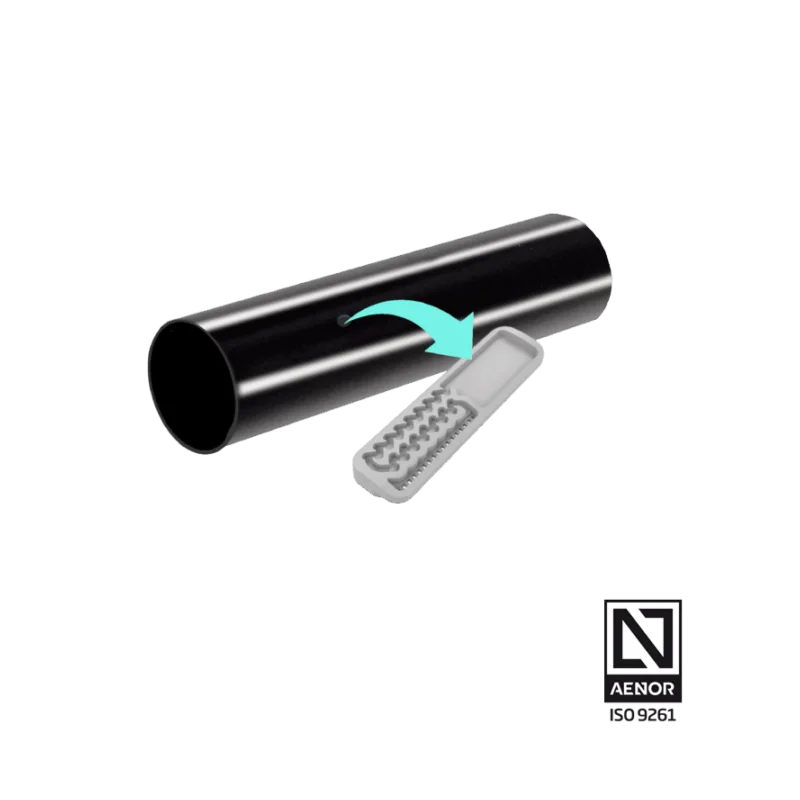
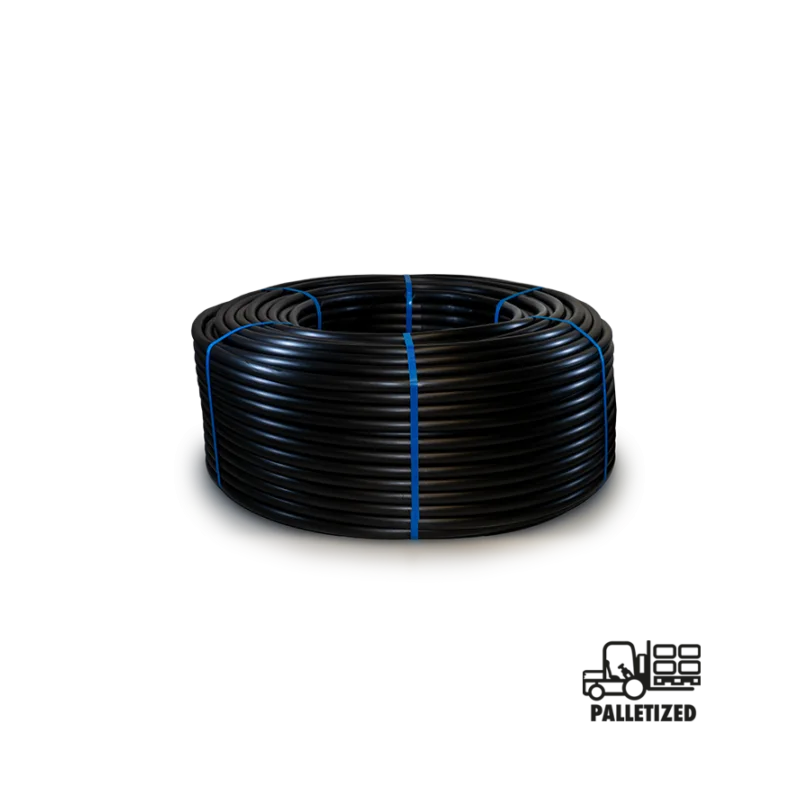
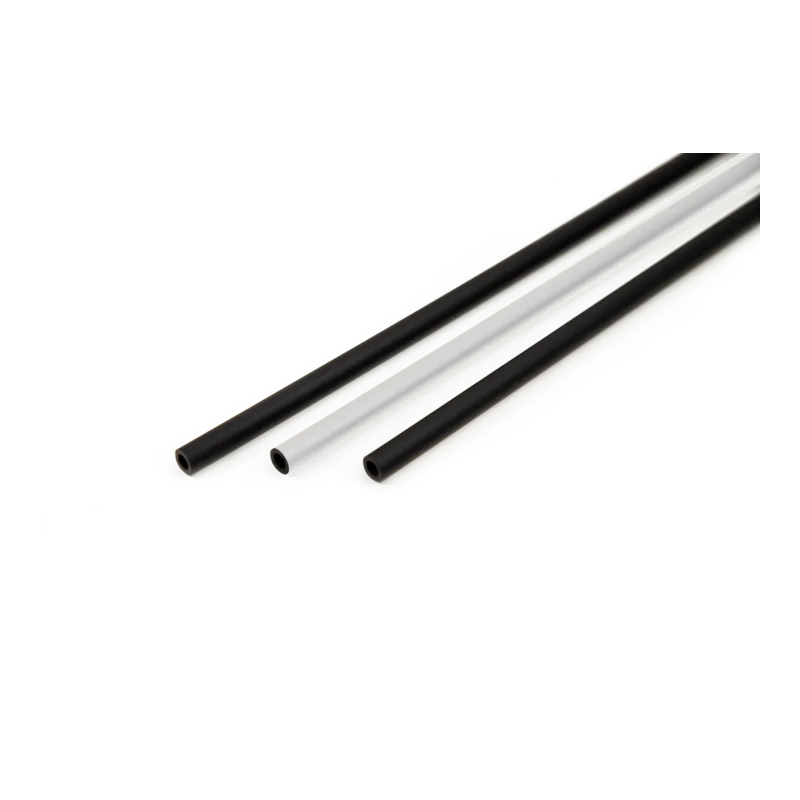
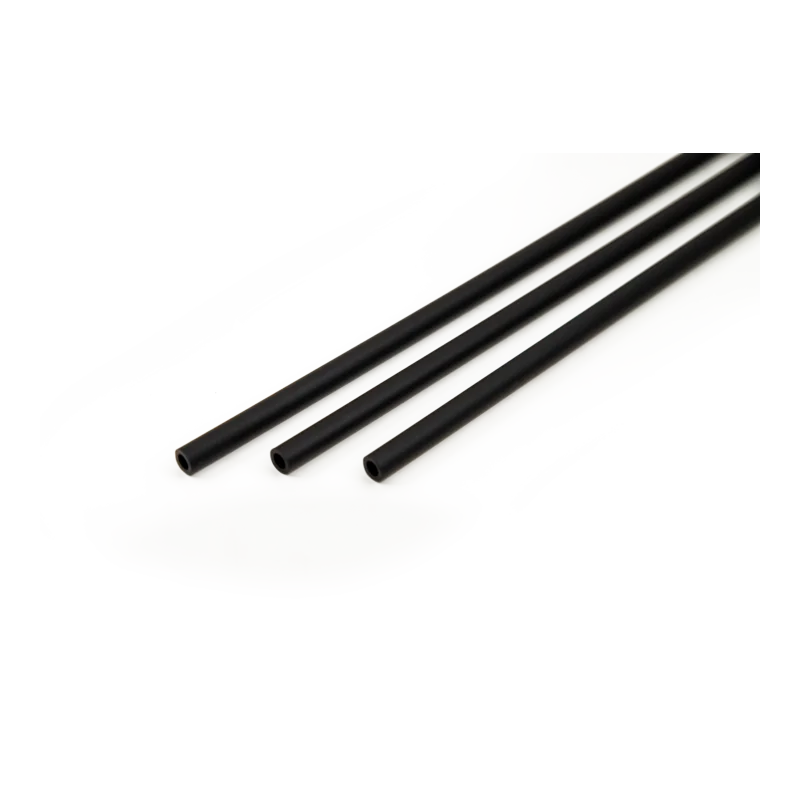
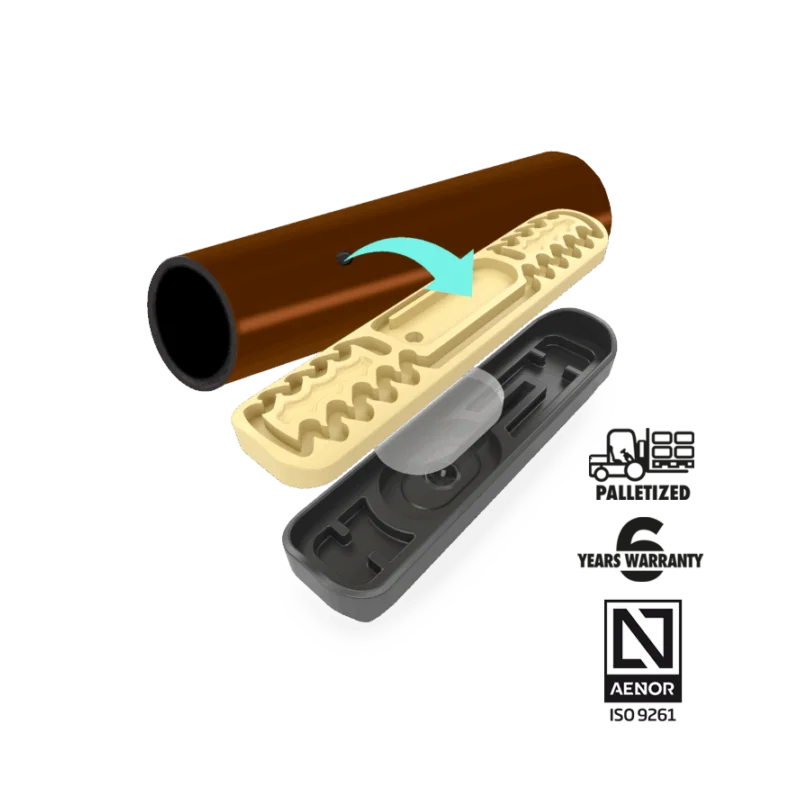
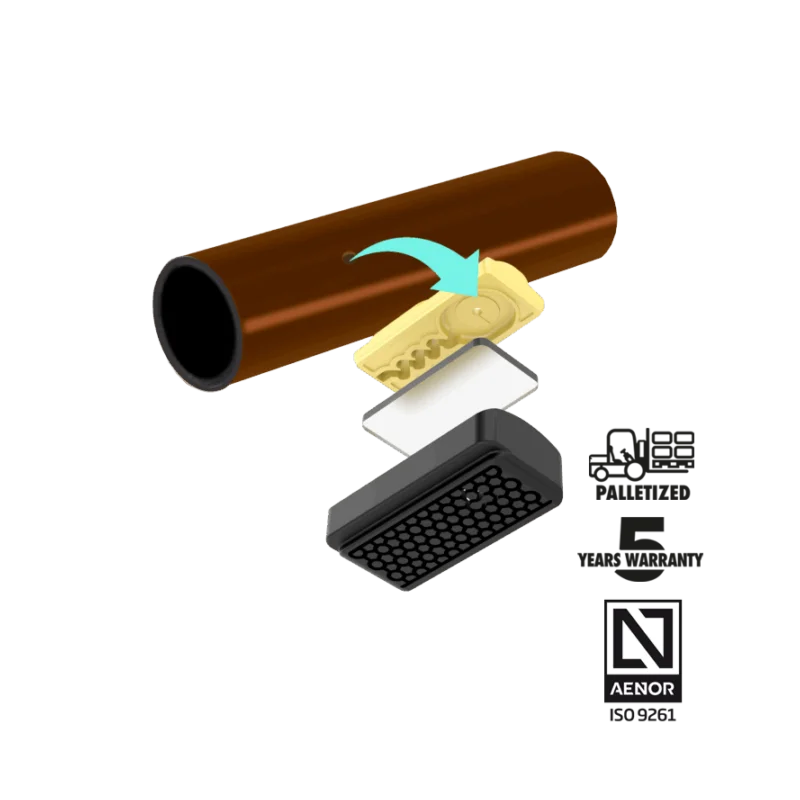
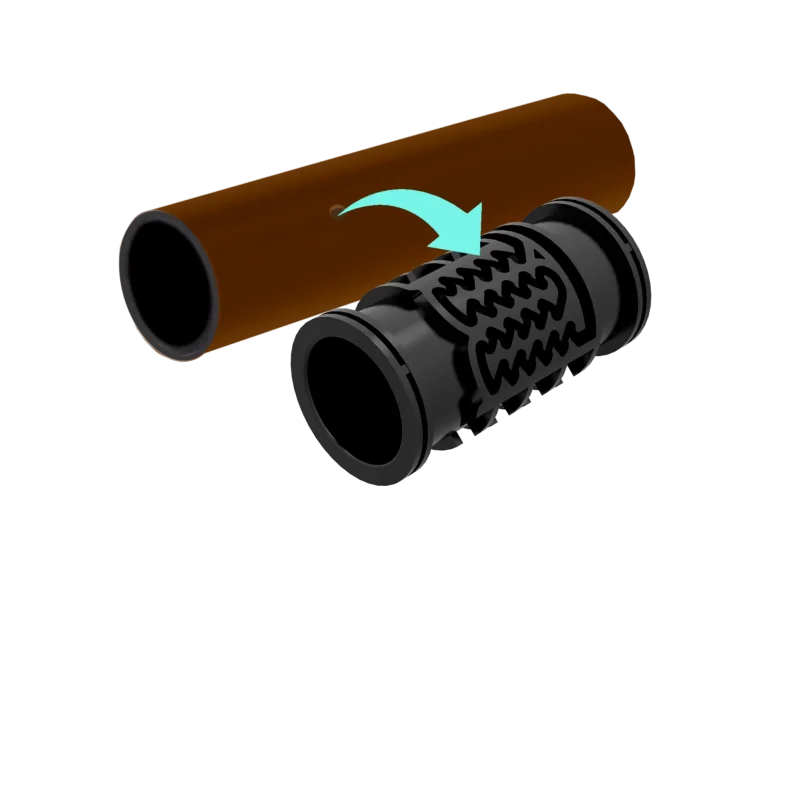
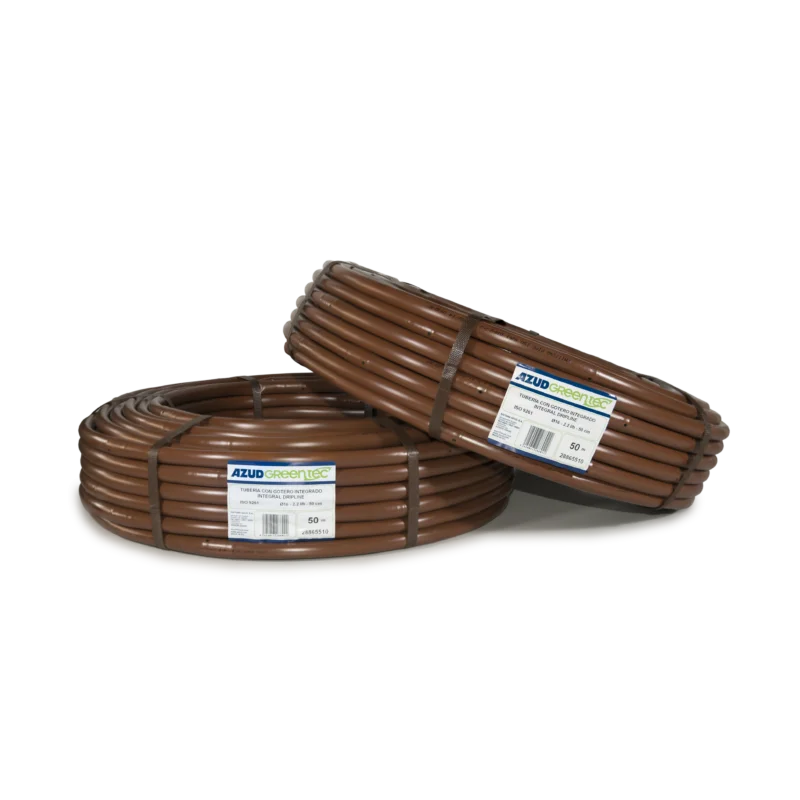
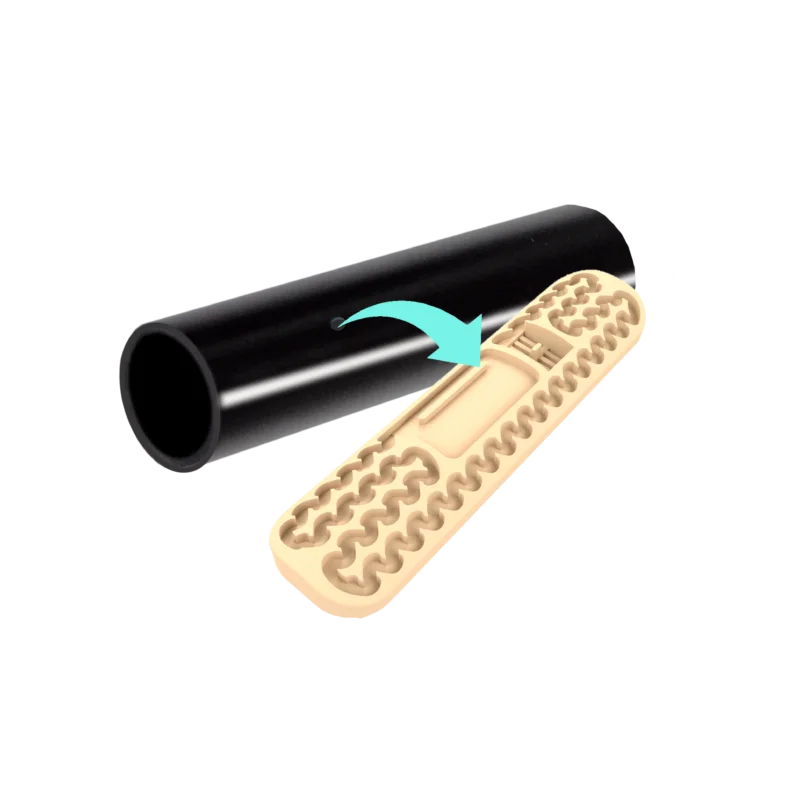
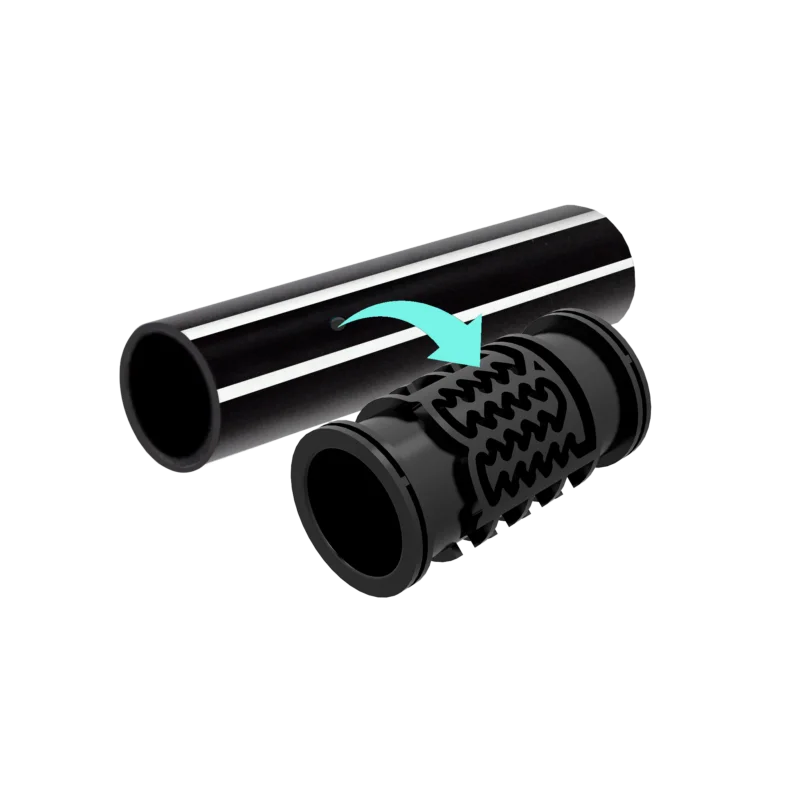
Selecting the dripline: A wide range of options ensures the proper selection of emitter tubing. The combination of emitter model, flow rate per emitter, and spacing between emitters not only ensures the delivery of the irrigation rates specified in the irrigation strategy, but also it also ensures a large volume of moist soil is available for root development in both surface-level localized irrigation and sub-surface drip irrigation (SDI).

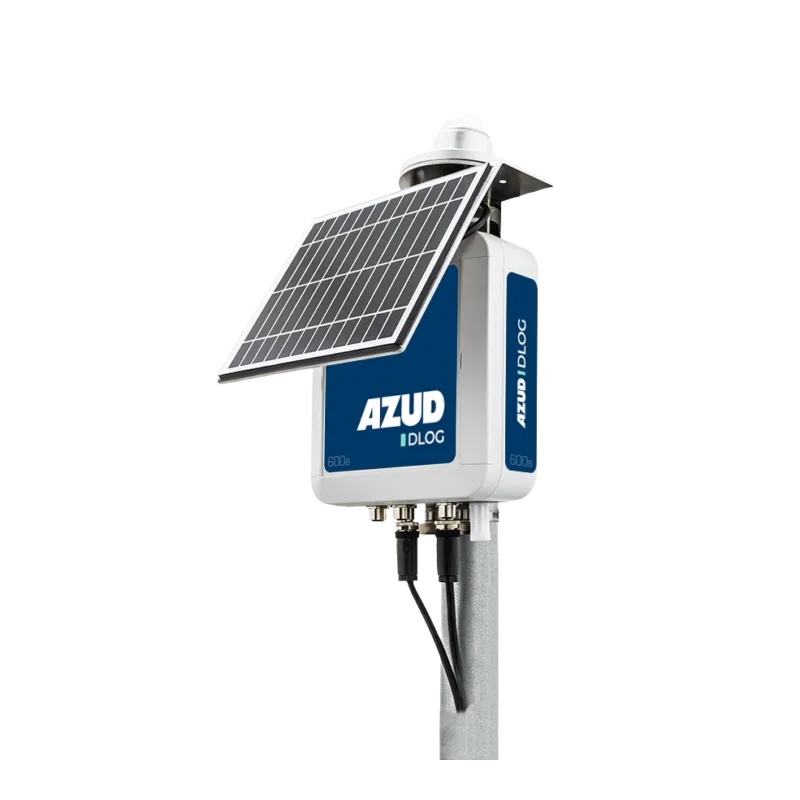
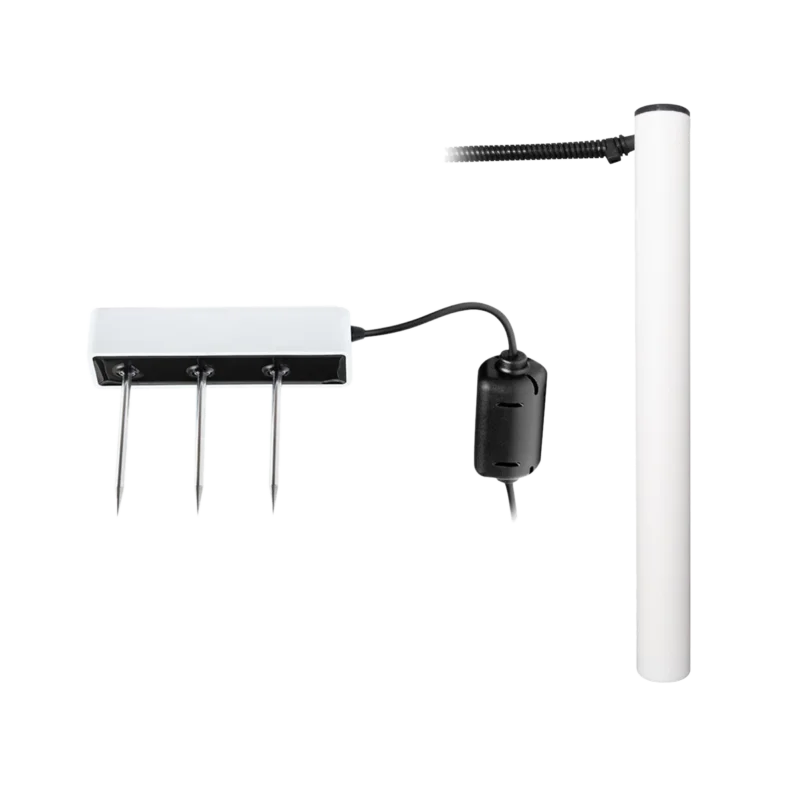
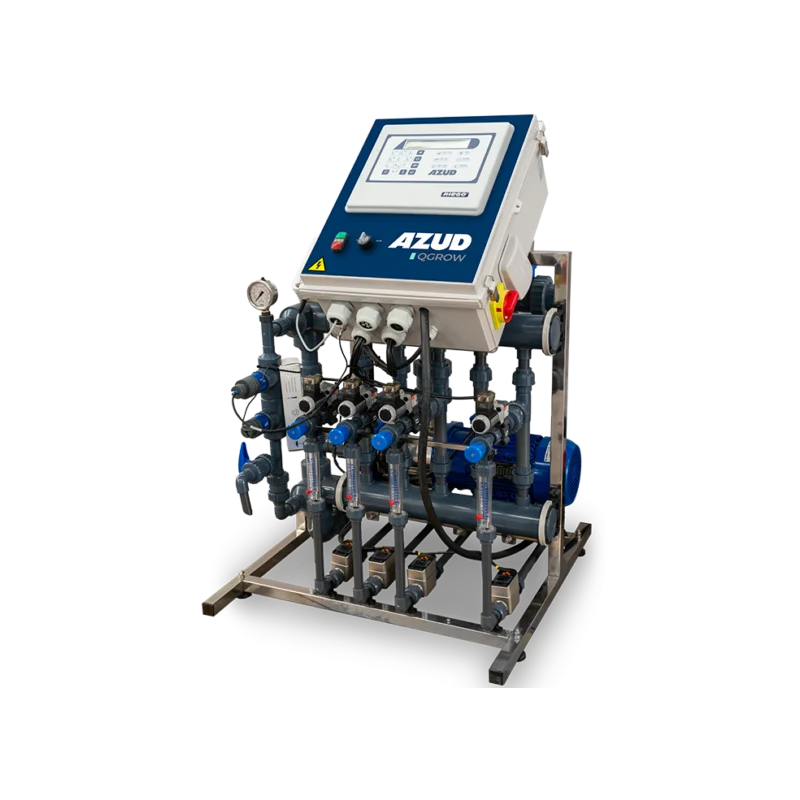
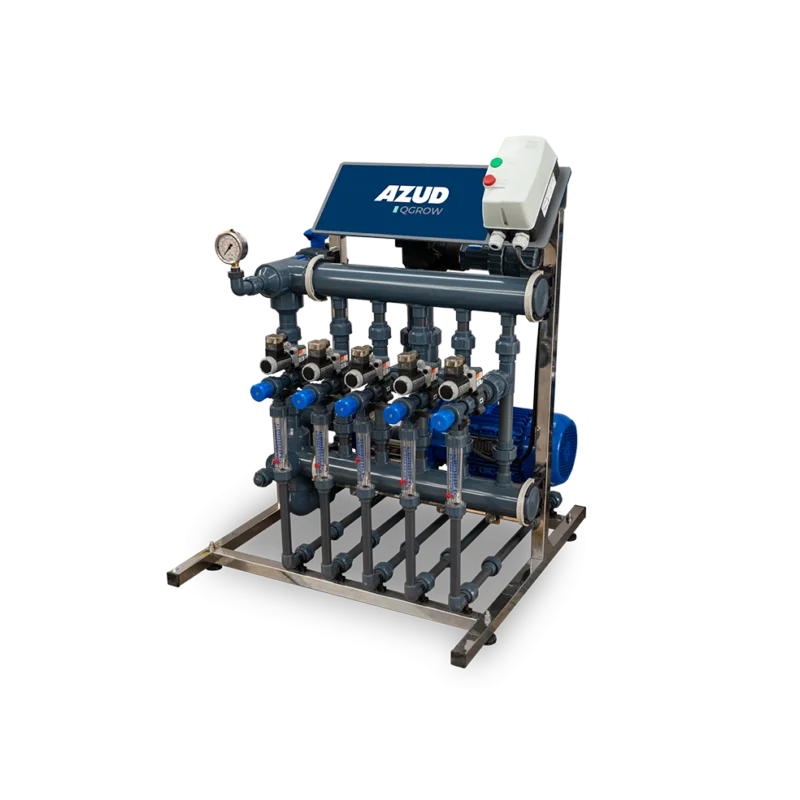
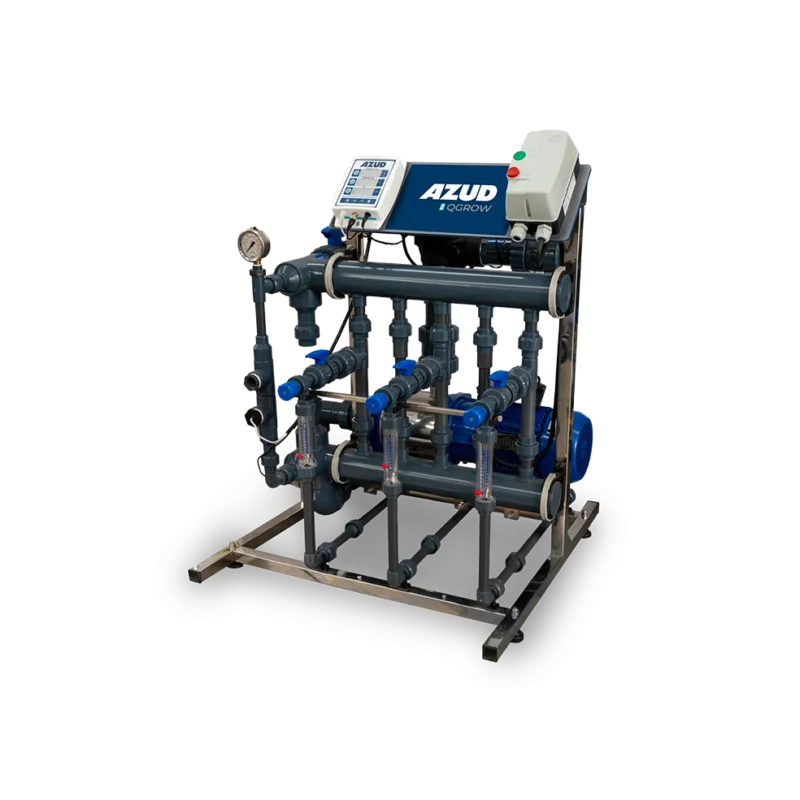
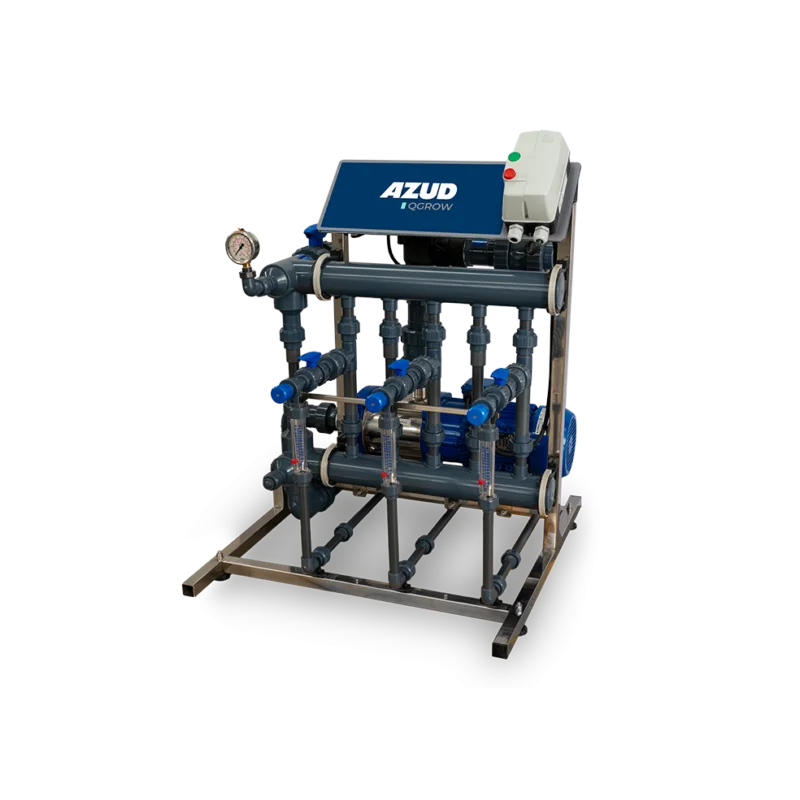
Digital Farming: Along with the proper selection of dripline tubing, the use of AZUD QGROW equipment for the precise management of water and nutrient inputs—based on data from soil, plant, and weather sensors—enables:

  • Good root system development during the early stages of the crop’s growth and proper Irrigation practices once the crop begins producing.
  • Avoid high soil moisture levels, to which the almond tree is highly sensitive.
  • Ensure the supply of water and nutrients necessary to achieve high production and high yield (the percentage of kernel contained in a sample of almonds in shell) under existing soil and climate conditions.
  • Independently implement specific irrigation practices based on the type of irrigation (surface-level localized irrigation or RGS) and in the face of limited water availability (supplemental irrigation, Controlled Deficit Irrigation, etc.).

Frequently Asked Questions

Although there are several systems available, drip irrigation is particularly recommended for almond trees because of its precision and water use efficiency, which is crucial in areas prone to drought.
Key considerations include assessing soil type, terrain topography, the water needs of the almond trees, and the layout of the irrigation lines to ensure complete and efficient coverage.
We offer specialized consulting, custom system design, and after-sales support to ensure that each irrigation system is tailored to the specific needs of the crop and provides the greatest possible benefits.
Success Stories
Related Products
Contact AZUD