Origin of the Potato

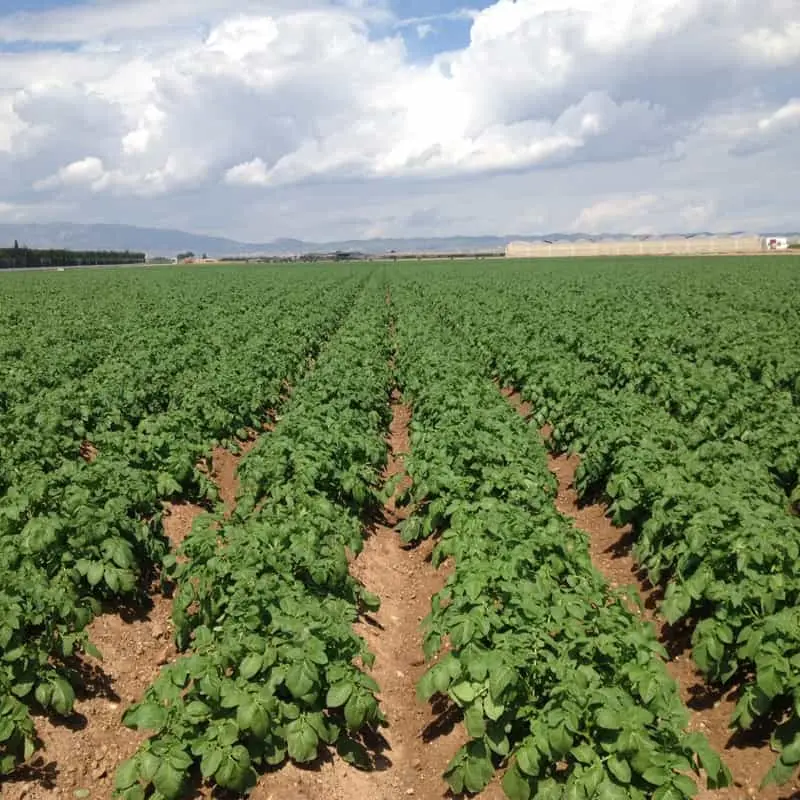
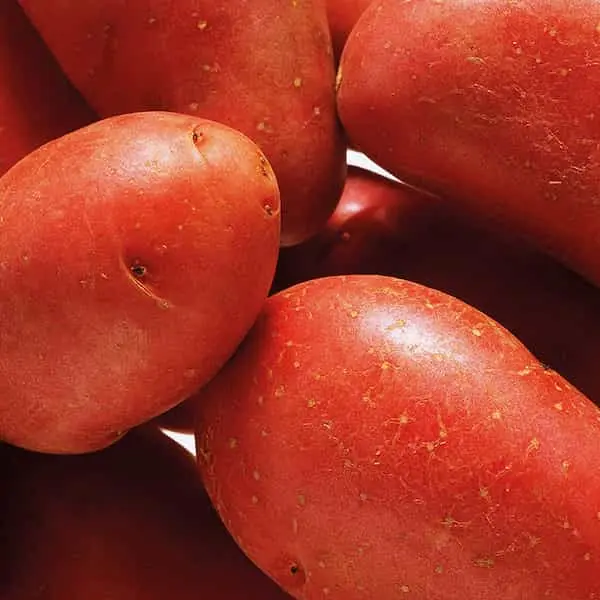
The potato originated in the Andes and is one of the most important crops worldwide. The potato was introduced to Europe in the sixteenth century via Spain in 1570 and the British Isles between 1588 and 1593, from where it spread throughout Europe. Current production stands at 300 million metric tons of fresh potatoes, grown on 19.5 million hectares of cultivated land. Asia and Europe are the world’s leading producing regions, accounting for more than 85% of global production. Today, China is the largest producer. Asian consumption accounts for nearly half of global consumption; however, given its large population, annual per capita production was modest.

It is a plant that thrives in a temperate climate, and the ideal temperatures for growing it are around 20°C. Very high temperatures affect tuber formation and promote the development of pests and diseases. Temperatures that are too cold have a negative effect, as the tubers remain small and underdeveloped.

Light is one of the key factors in potato cultivation because it induces tuber formation. Short photoperiods are more favorable for tuber formation, while long photoperiods induce growth. In addition to influencing the final crop yield, long photoperiods promote growth, while short photoperiods are more favorable for tuber formation. Light intensity not only influences photosynthetic activity but also promotes flowering and fruit set.

 

Irrigation and Nutrition Techniques for Potatoes

The tubers are planted in the furrows at a distance of 0.5 m, with 0.3 m between each tuber, resulting in an approximate planting density of 35,000 tubers/ha. If the crop is irrigated, higher densities can be achieved.


The choice of planting pattern has no direct impact on overall yield, although if the density is very high, it can result in smaller tubers due to increased competition for light, water, and nutrients.


This crop has high water requirements, and from the time of planting, soil moisture levels have a direct impact on the crop’s development.
Drip Irrigation Systems for potato farming

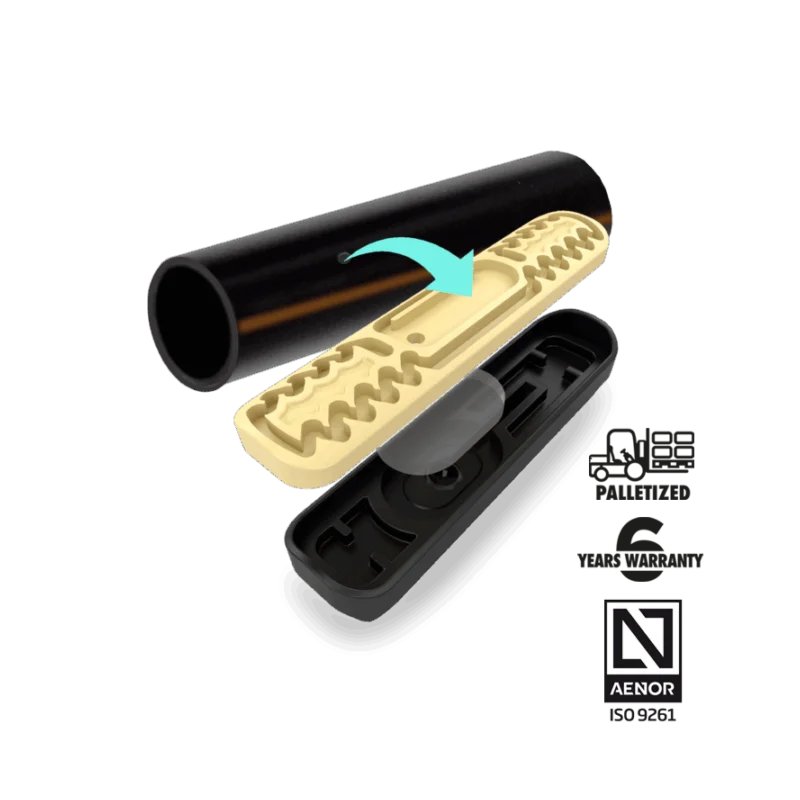
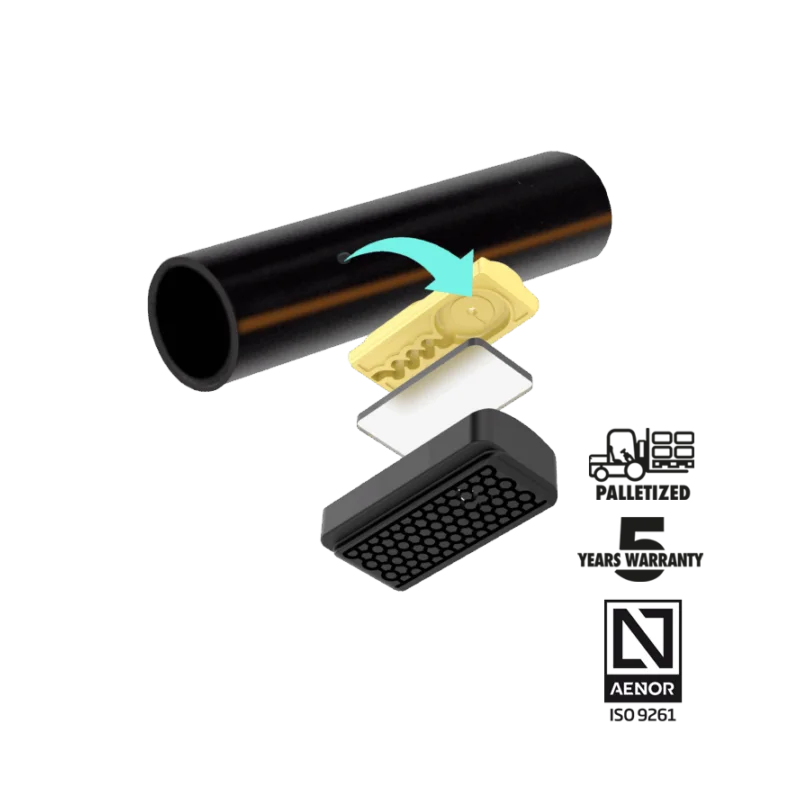
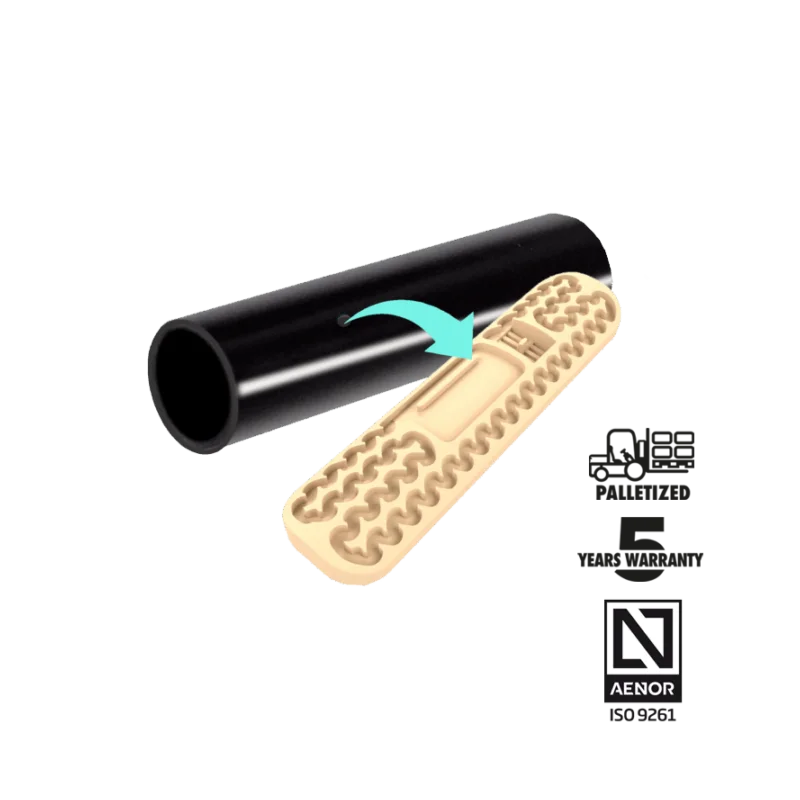
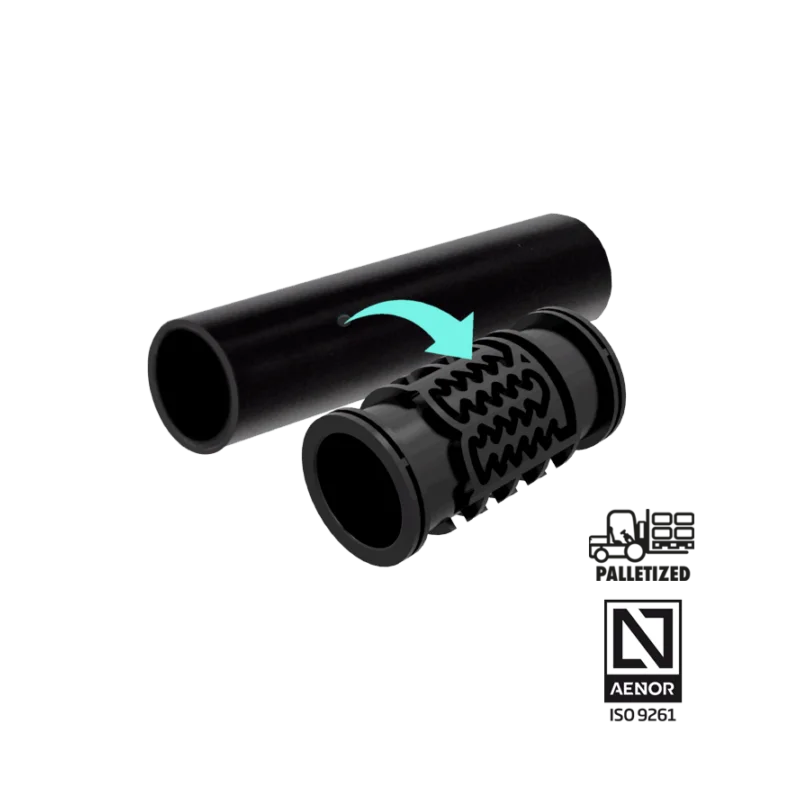
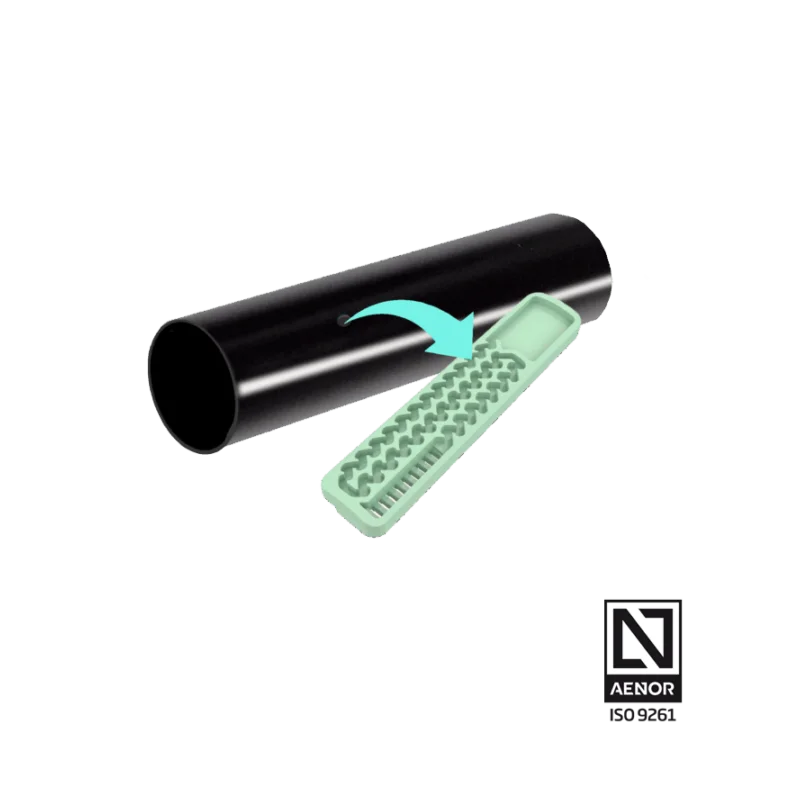
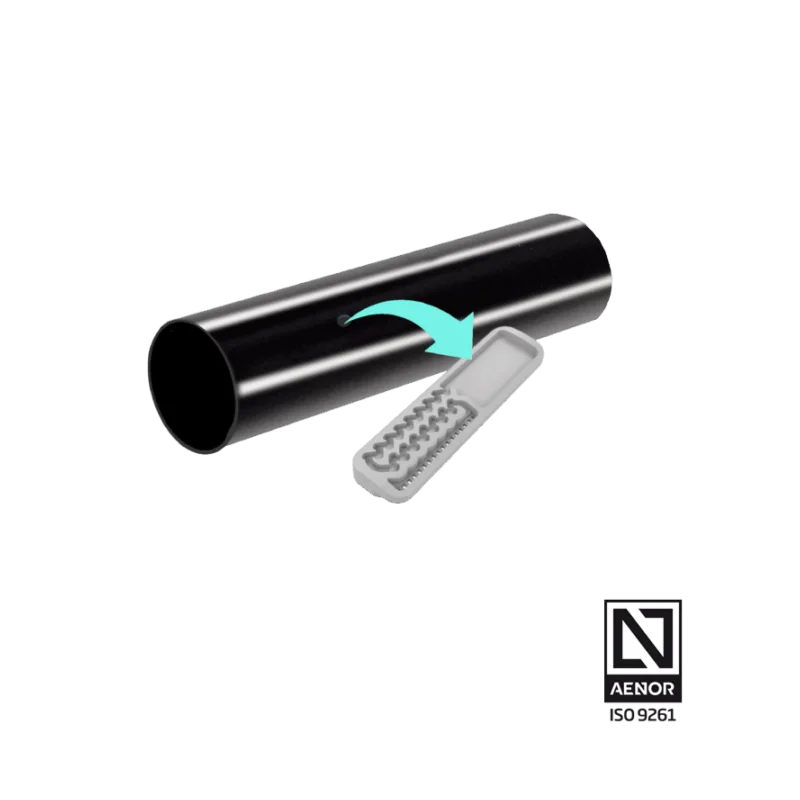
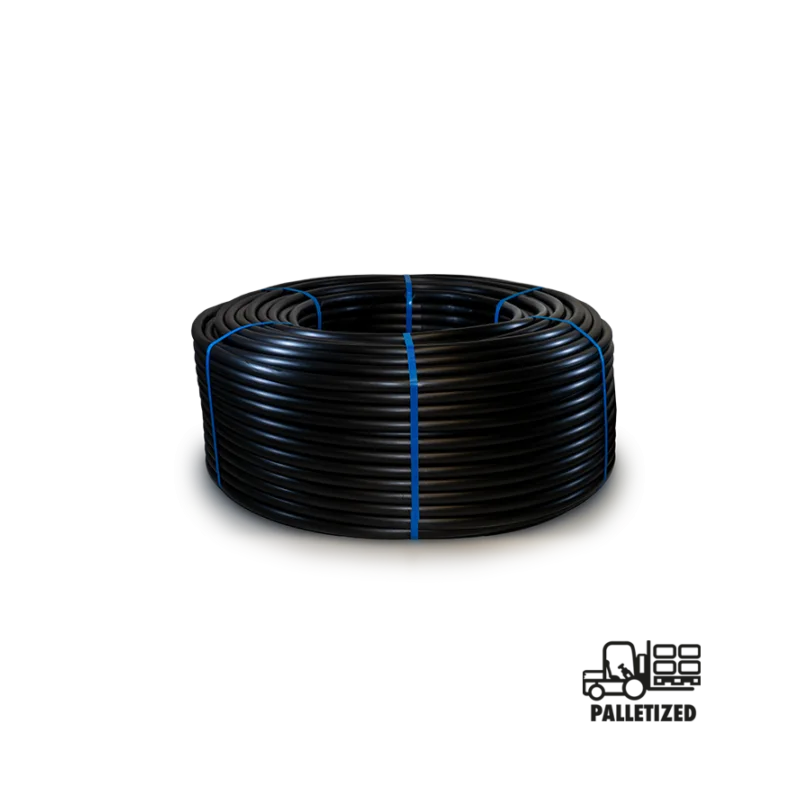
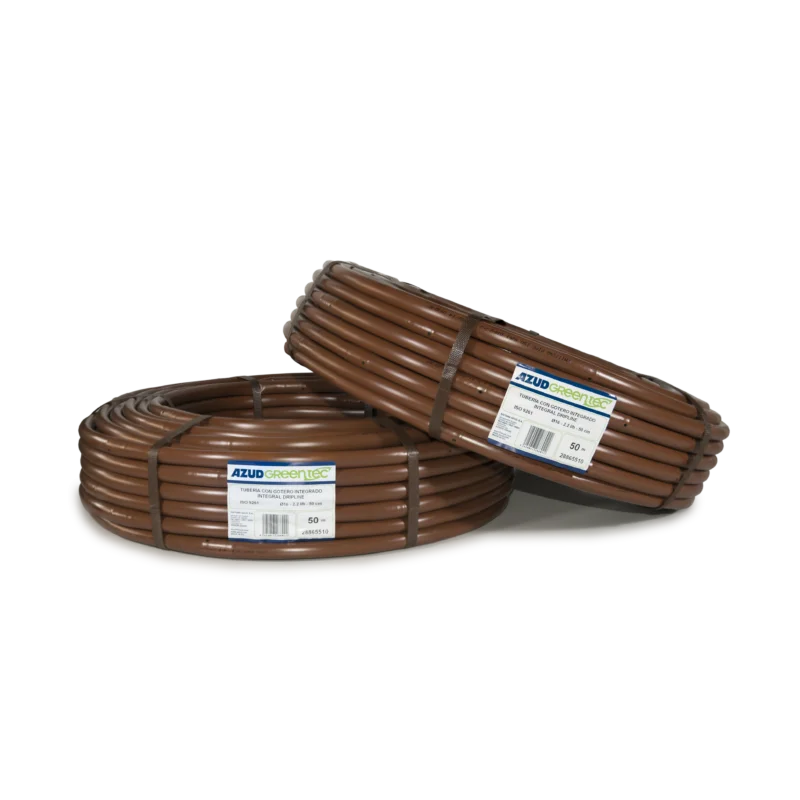
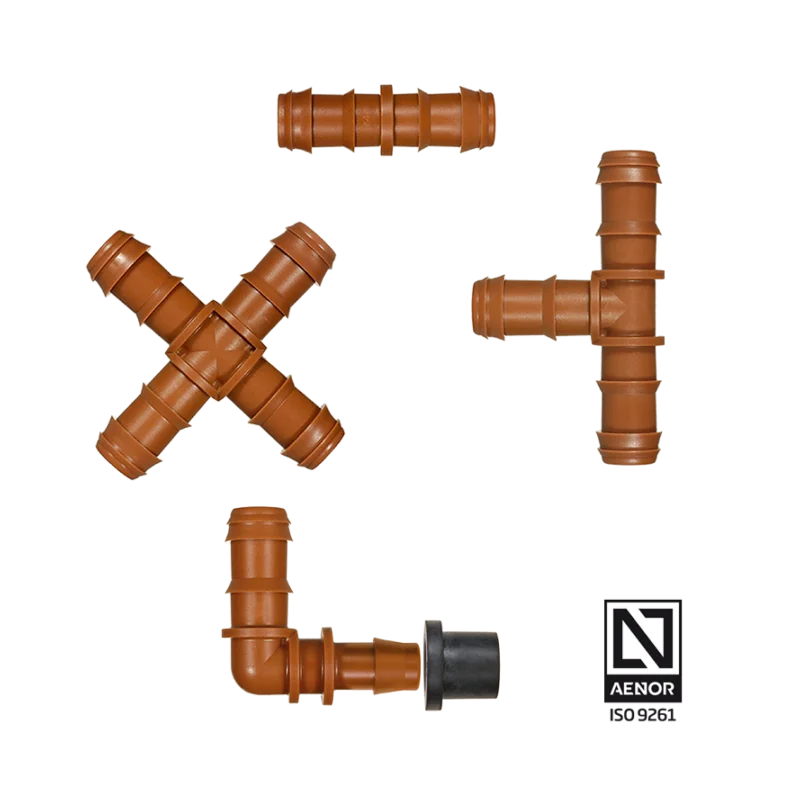
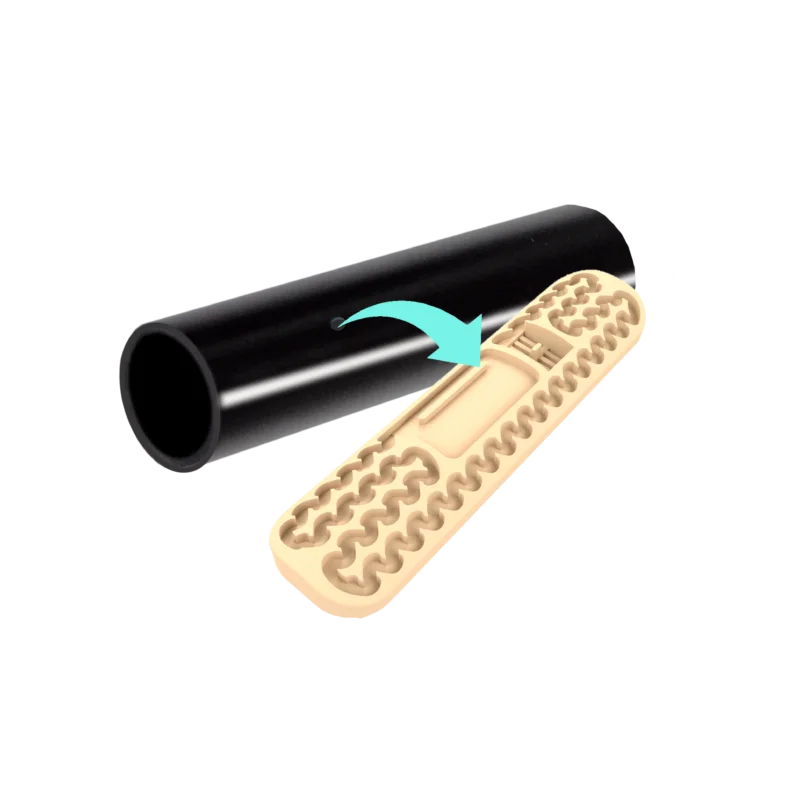
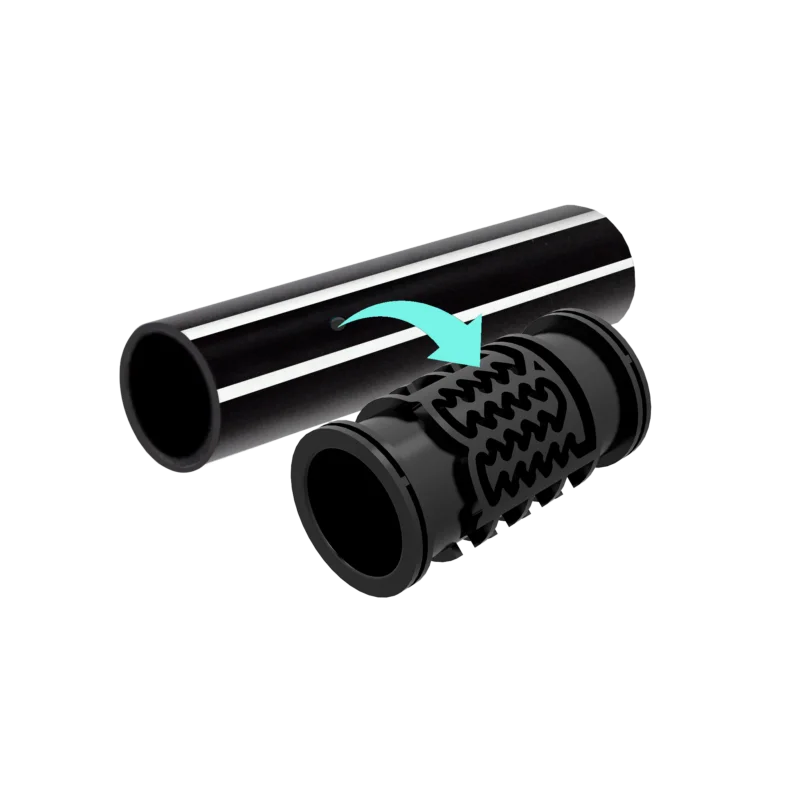
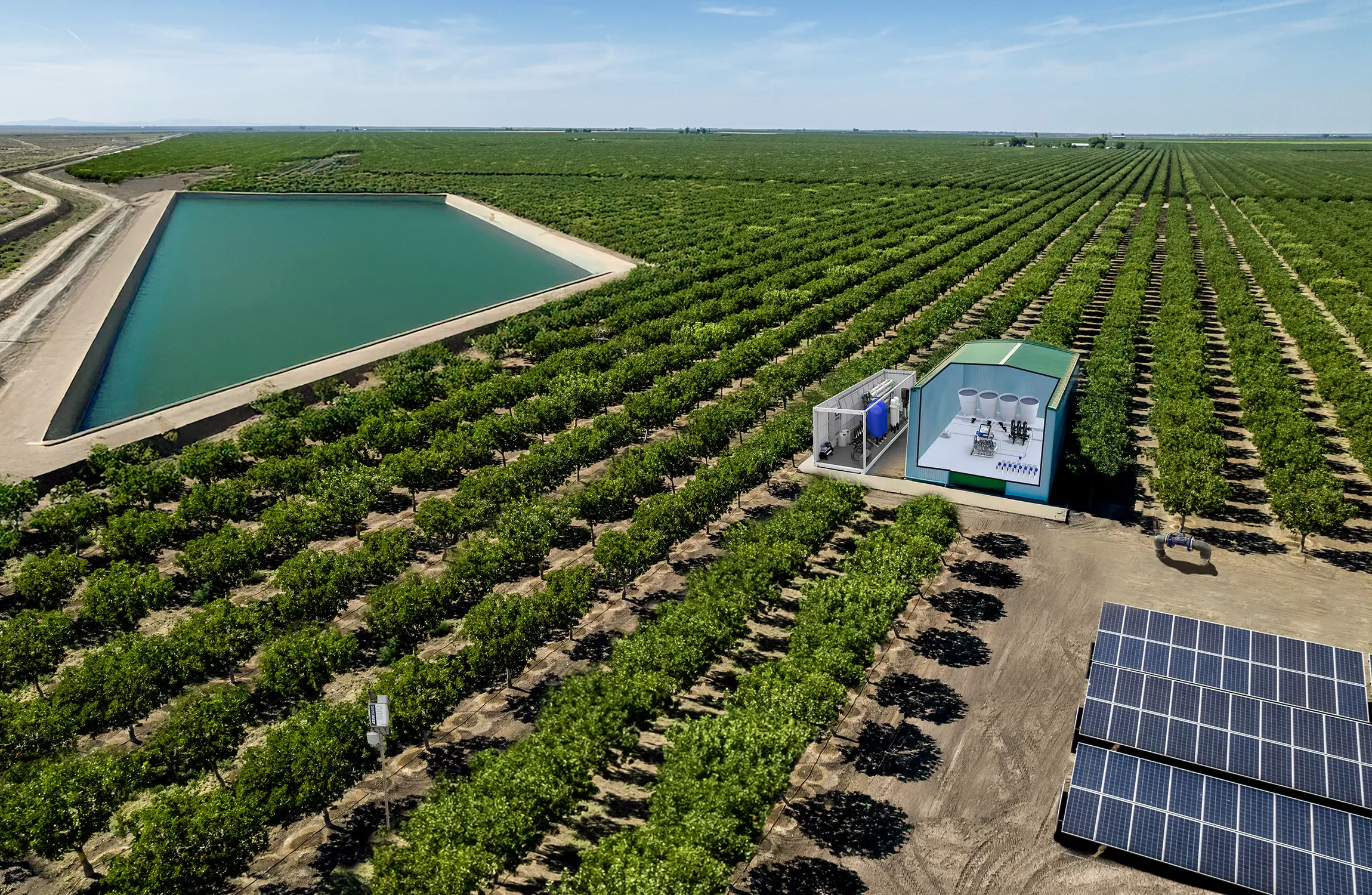
The drip irrigation It is an innovative technique designed to optimize the delivery of water directly to plant roots. For potato cultivation, drip irrigation systems offer a specialized solution that ensures uniform water distribution, thereby improving crop health and yield. These systems are specially designed to meet the needs of potatoes, ensuring that each plant receives the exact amount of water necessary for optimal growth.
Benefits of Drip Irrigation for Potatoes

The implementation of drip irrigation systems in potato cultivation offers numerous advantages that result in significant improvements in both crop yield and sustainability.

Improvements in Potato Production

Drip irrigation can significantly increase potato productivity by providing a constant, controlled supply of water. This method ensures that the plants do not suffer from water stress, resulting in more vigorous growth and an increase in the quantity and quality of the harvested tubers. The precision of drip irrigation also reduces the incidence of diseases caused by excess moisture on the foliage.

Significant water savings

Drip irrigation is known for its water use efficiency. Unlike other irrigation methods, drip irrigation minimizes evaporation and runoff, ensuring that water reaches the plants’ roots directly. This not only reduces water consumption but also contributes to the sustainability of potato farming by conserving this vital resource.

Frequently Asked Questions

Drip irrigation improves potato yields by providing constant and uniform moisture, which optimizes the growth and development of the tubers. This method ensures that the potatoes receive the right amount of water without wasting resources.

Drip irrigation can save up to 50% of water compared to traditional irrigation methods. These significant savings are achieved by minimizing evaporation and runoff, delivering water directly to the potatoes’ roots.

When choosing a drip irrigation system for potatoes, you should consider the size of your field, the soil type, water availability, and the specific needs of your crop. It is also important to select a system that is easy to install and maintain.

Success Stories
Related Products
Contact AZUD