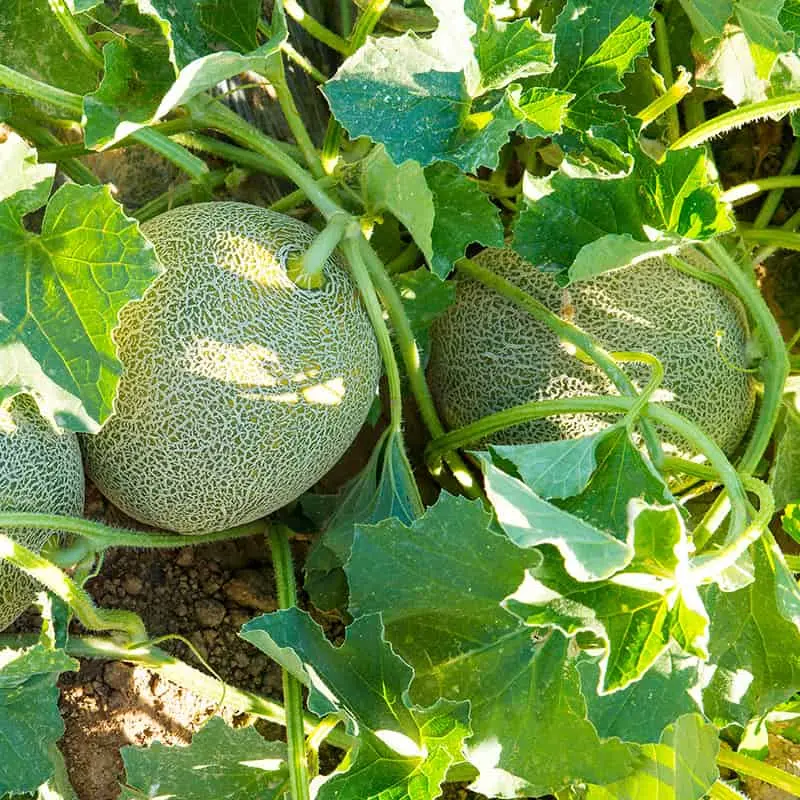
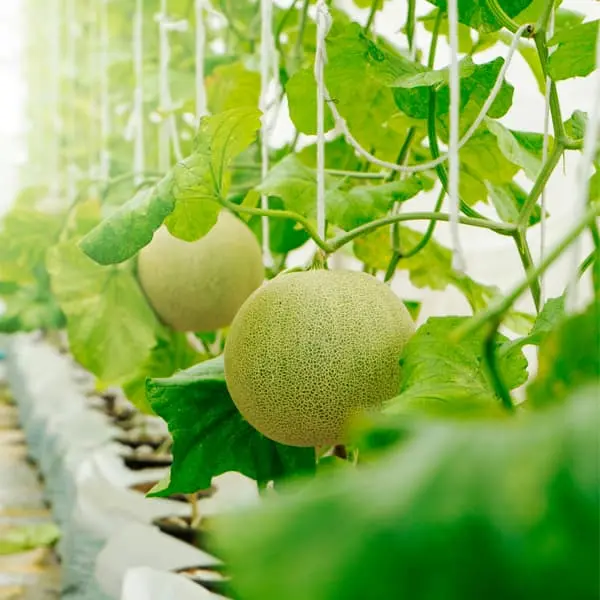
The melon is a summer crop native to Africa. There are various varieties of melon that differ in size, color, and flavor. The development of new varieties has made it possible to produce melons with improved organoleptic characteristics.
Its shape varies depending on the variety (spherical, elliptical, oval, etc.), and the skin can be green, white, or yellow. It is important that the placenta containing the seeds be small so that it does not take away from the fruit’s pulp.
Melons are a crop suited to semiarid climates with sunny days, warm nights, and dry air. In humid regions with little sunlight, the ripening process and fruit quality are affected.
They adapt to various soil types, although the ideal soils are well-drained and not too acidic (pH = 6). Melons are sensitive to deficiencies in soil micronutrients and macronutrients. Soils with high salinity negatively affect production.
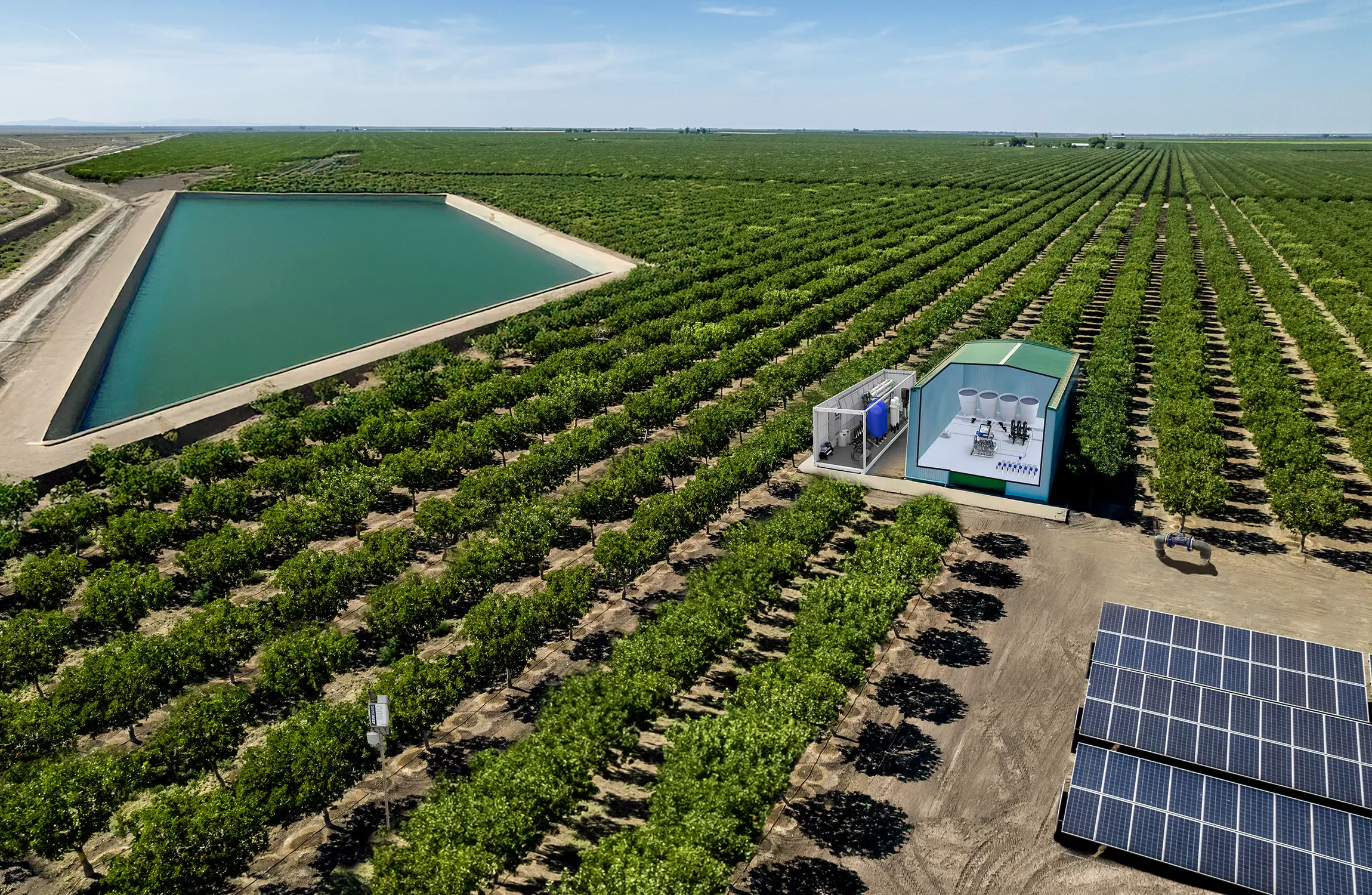
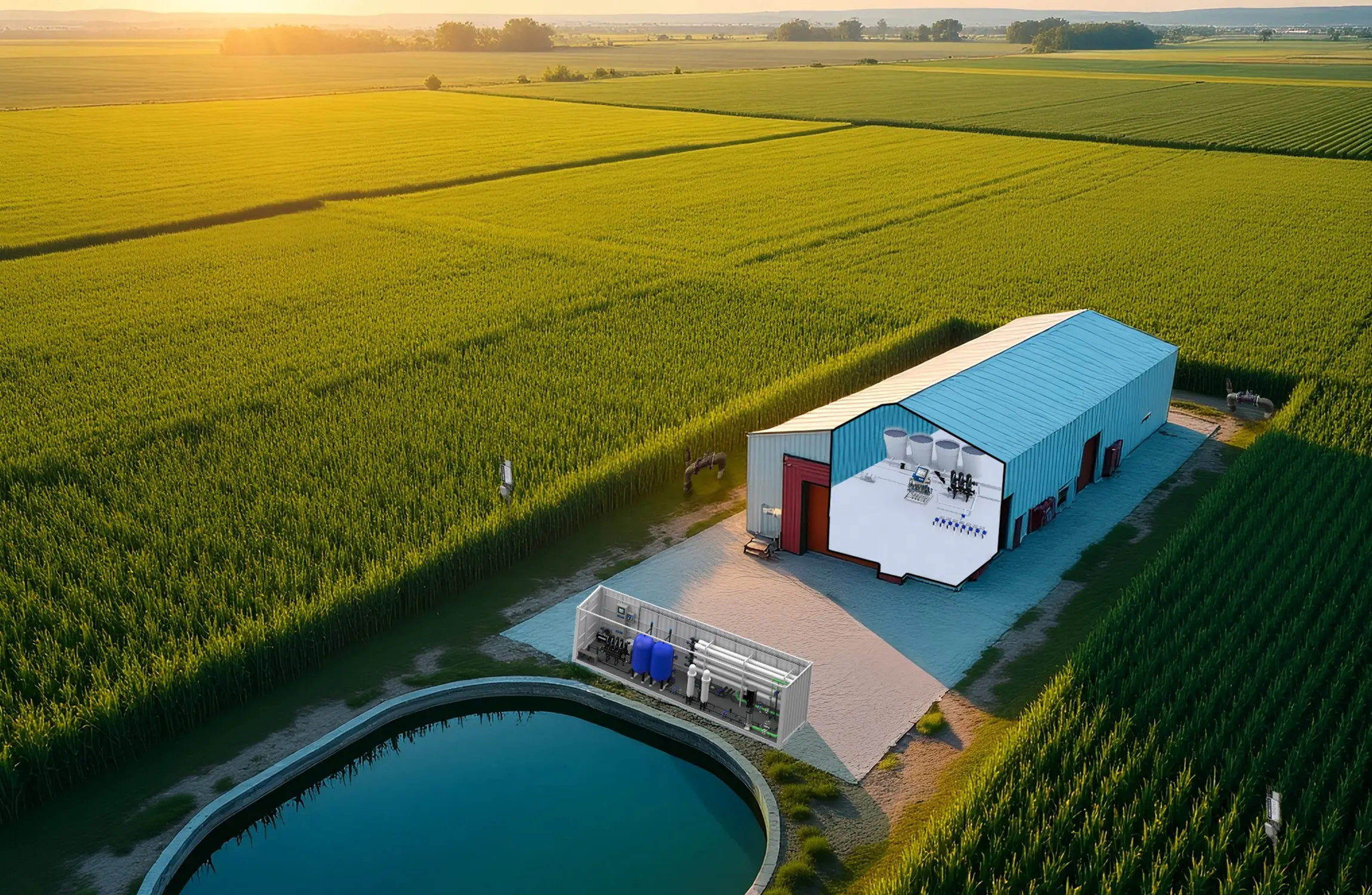
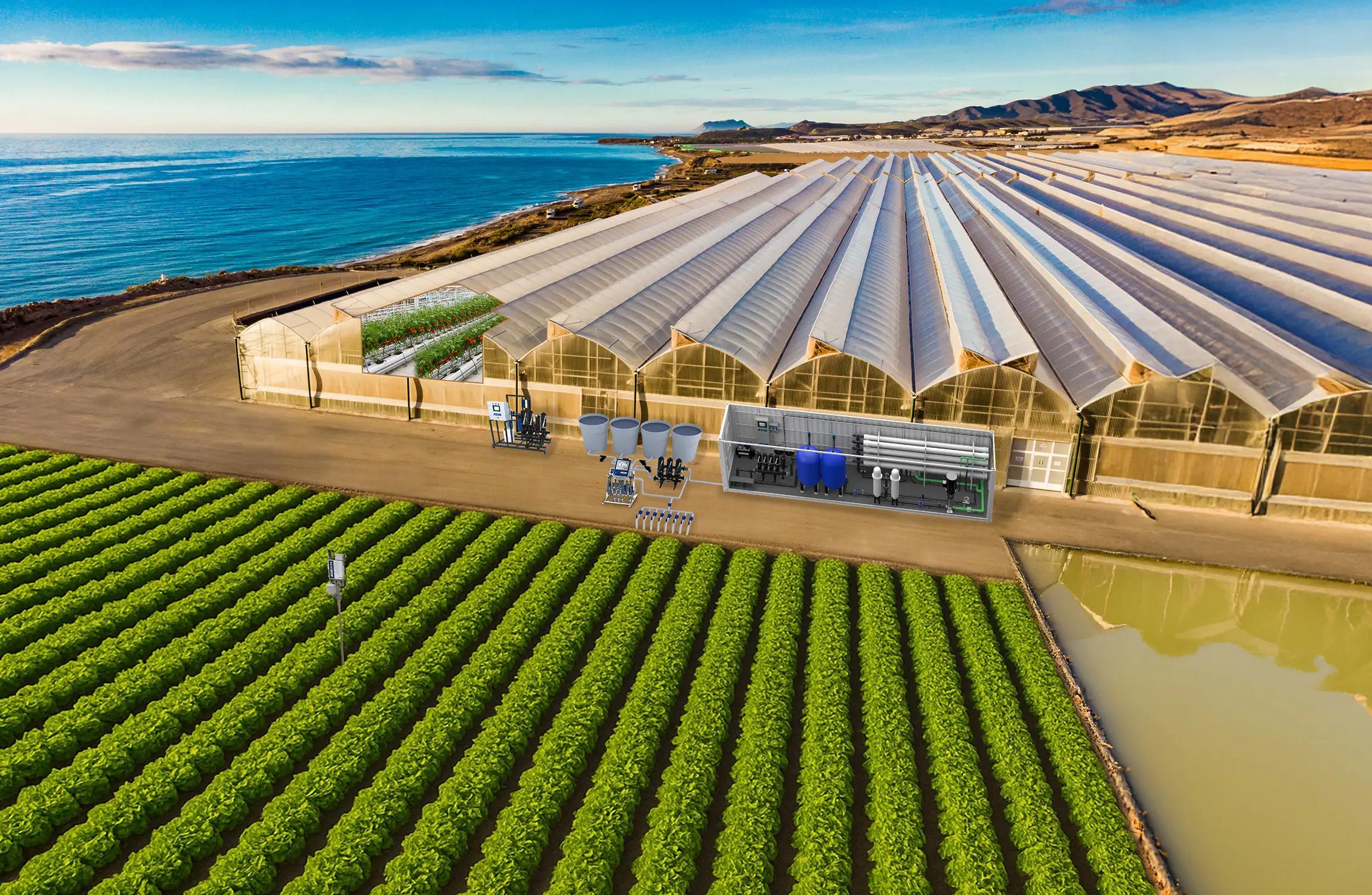
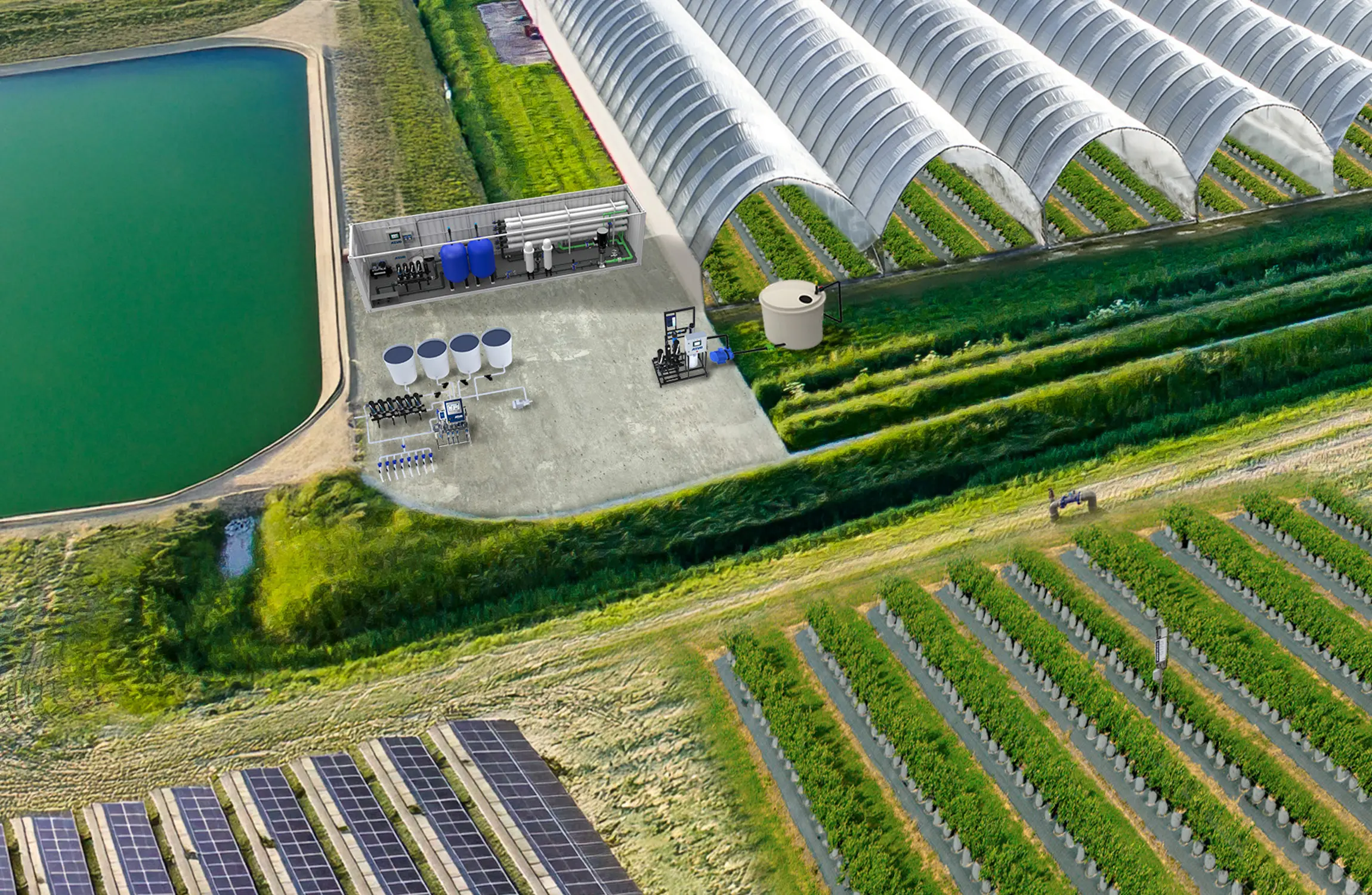
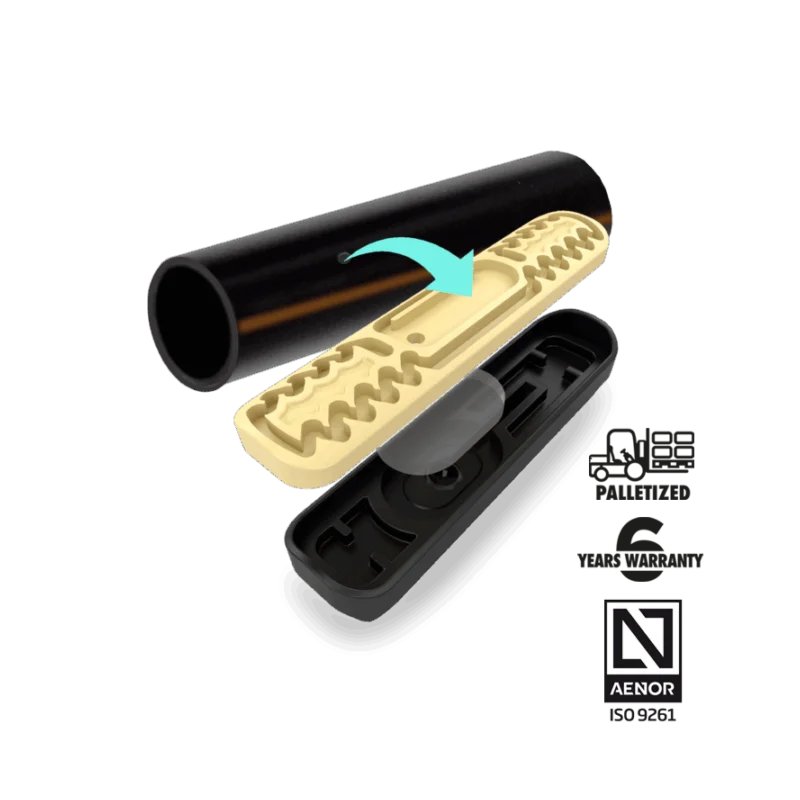
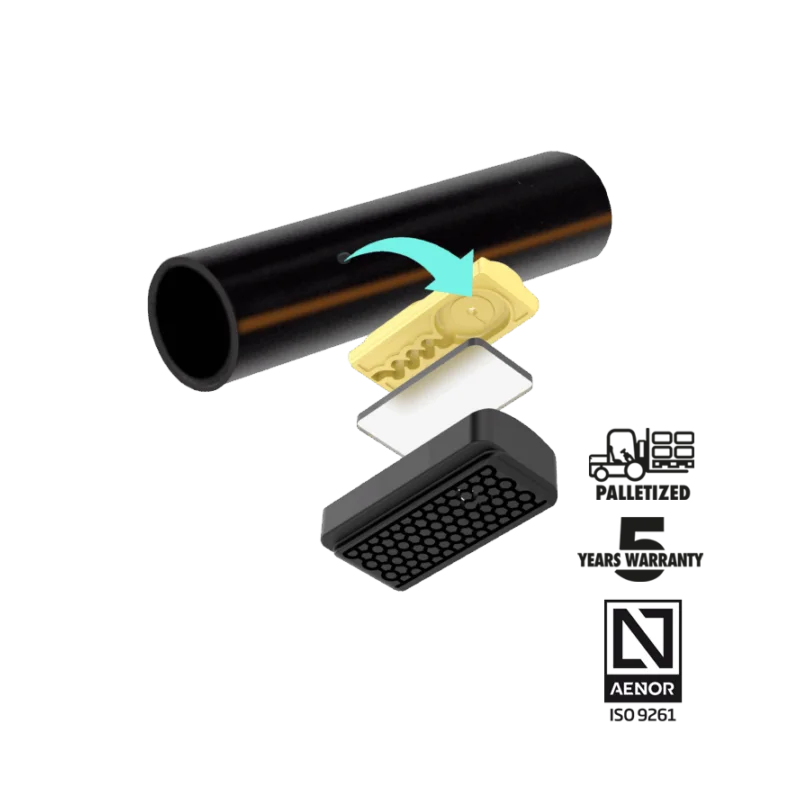
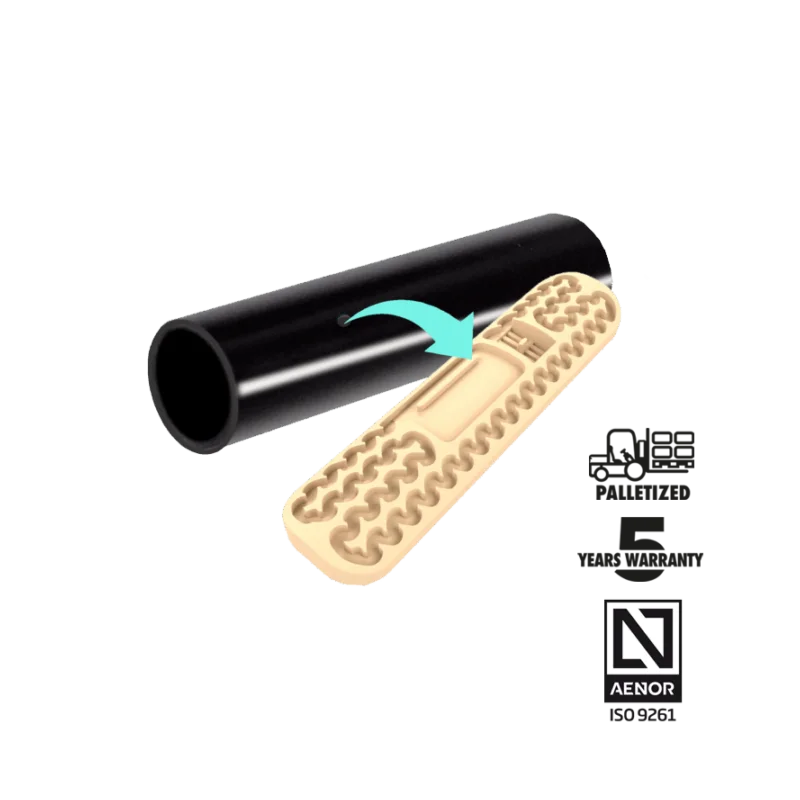
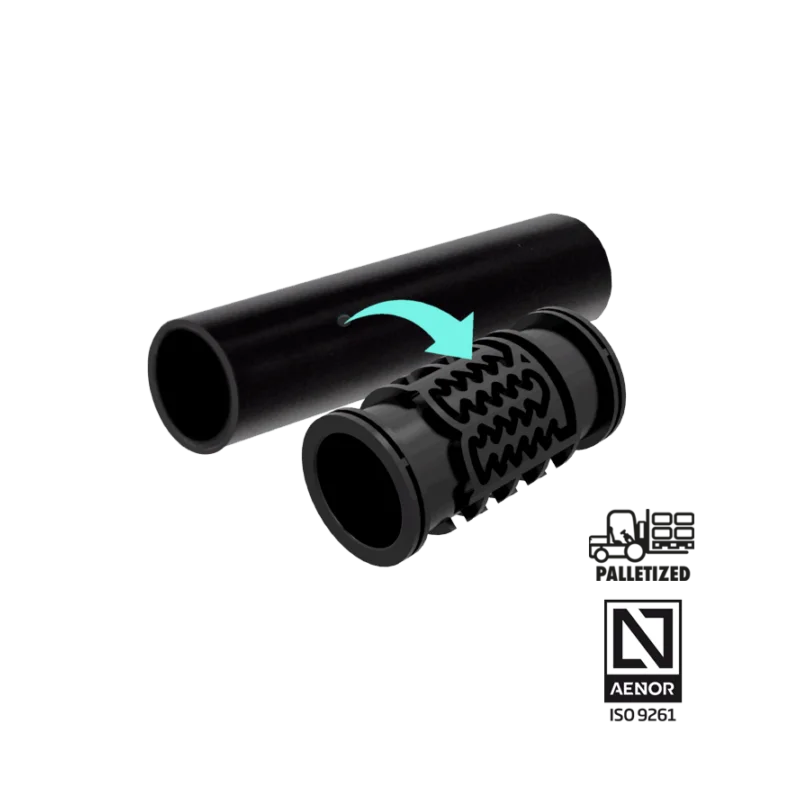
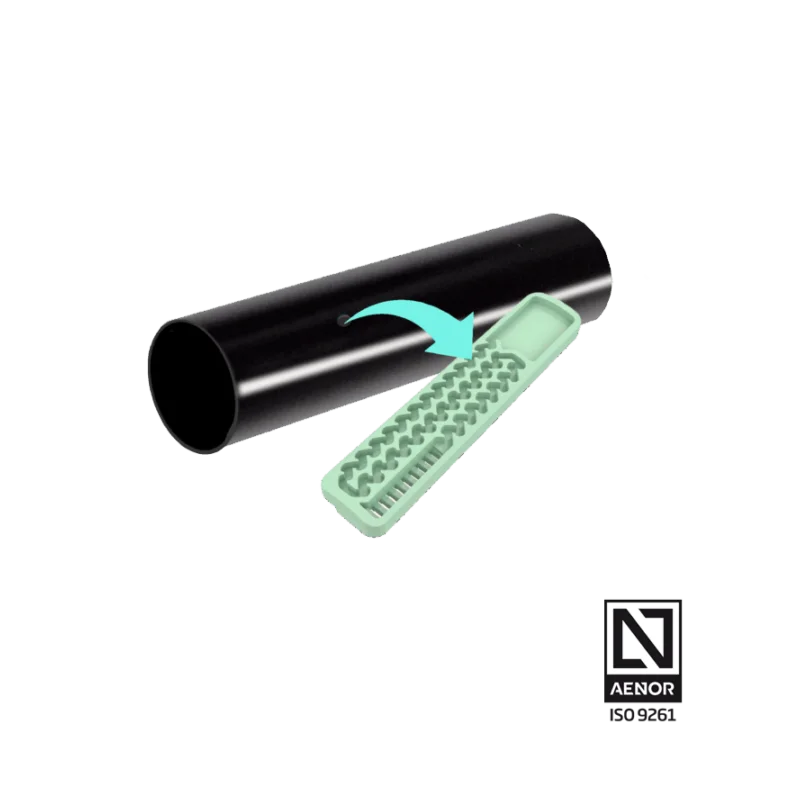
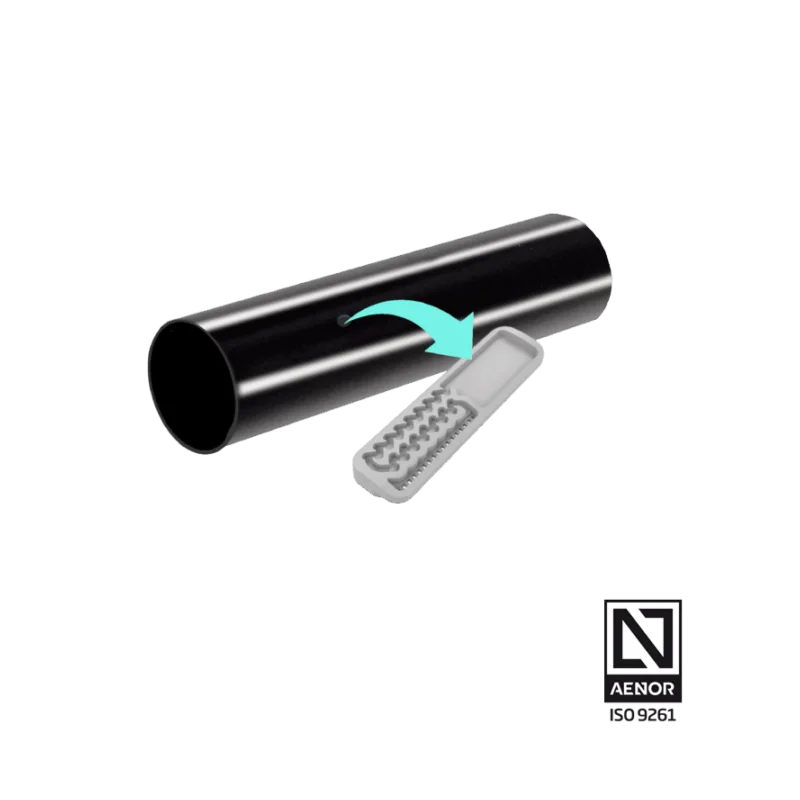
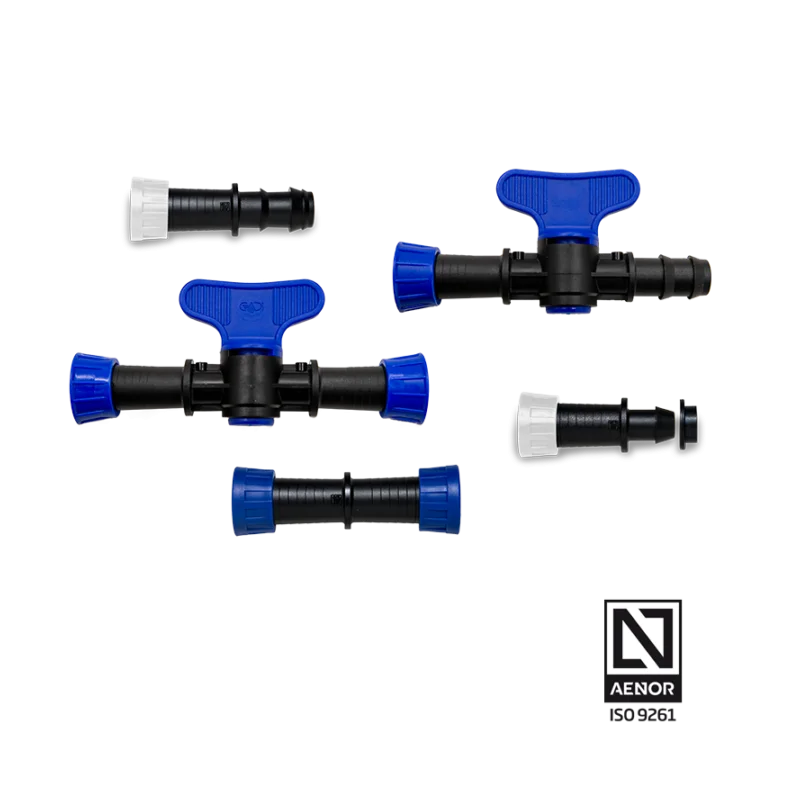
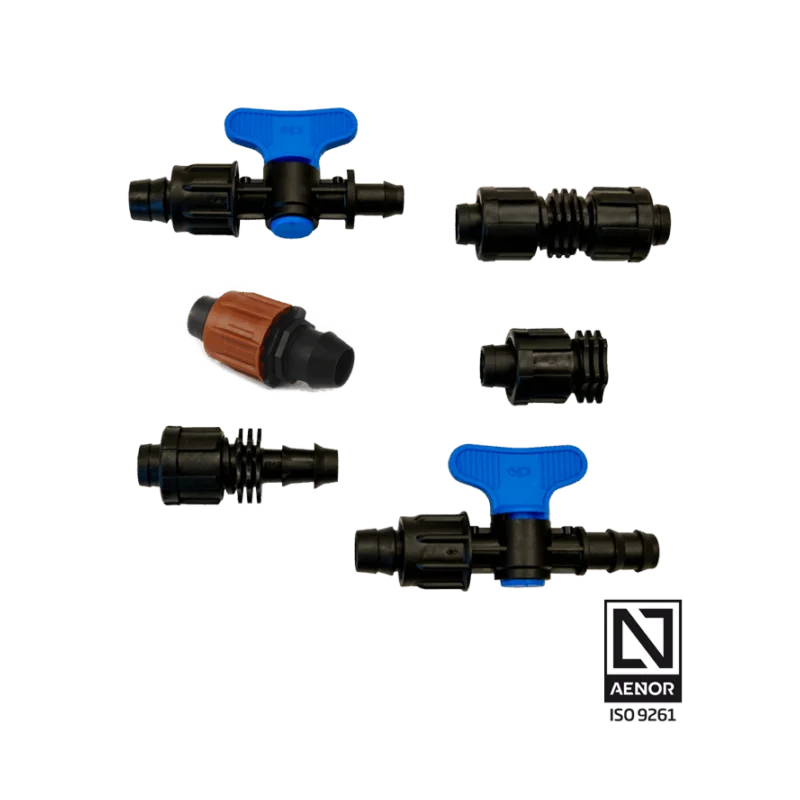
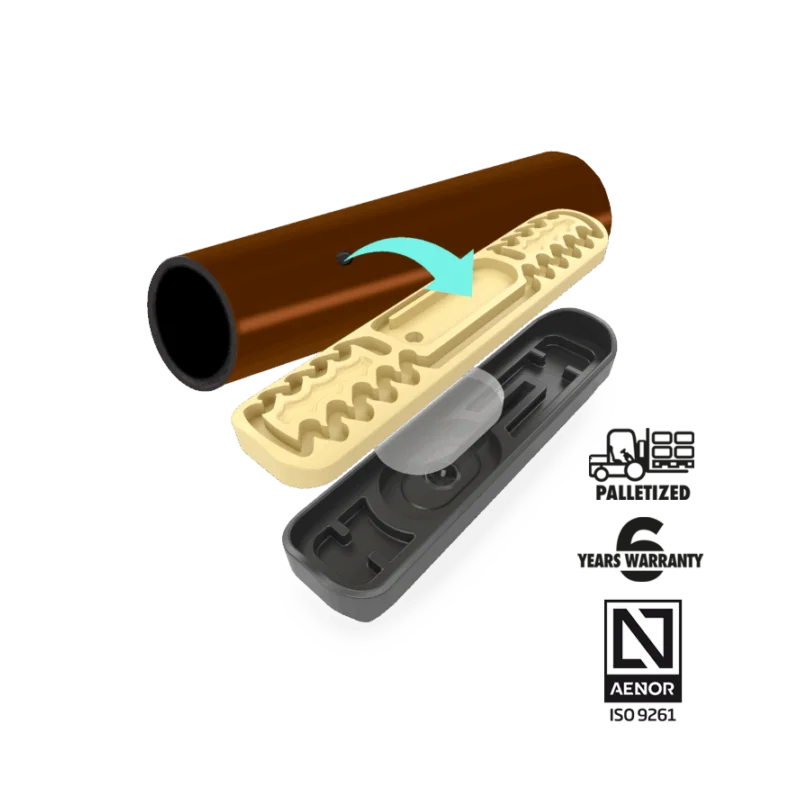
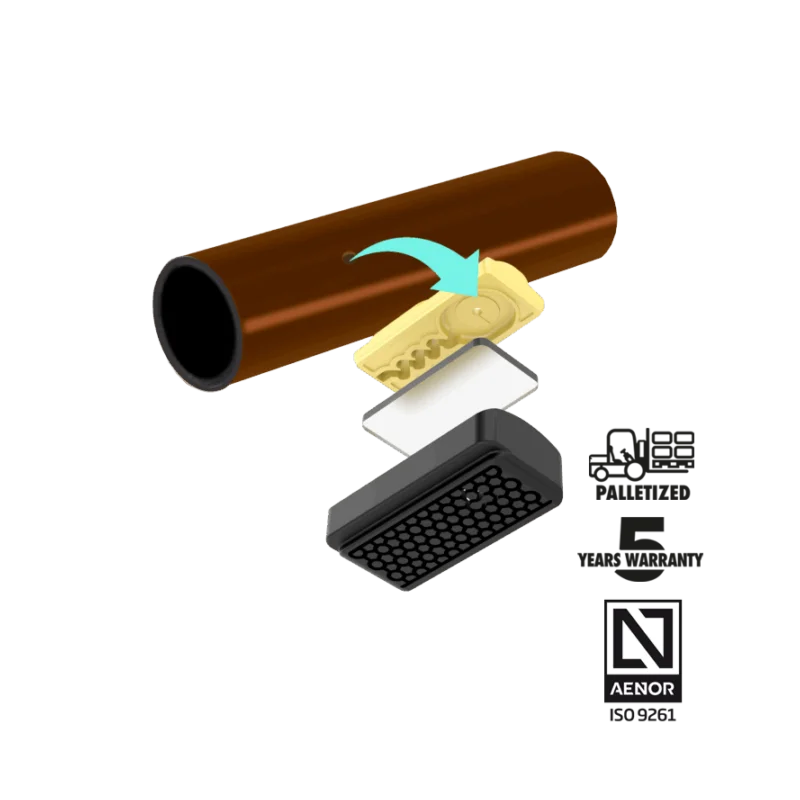
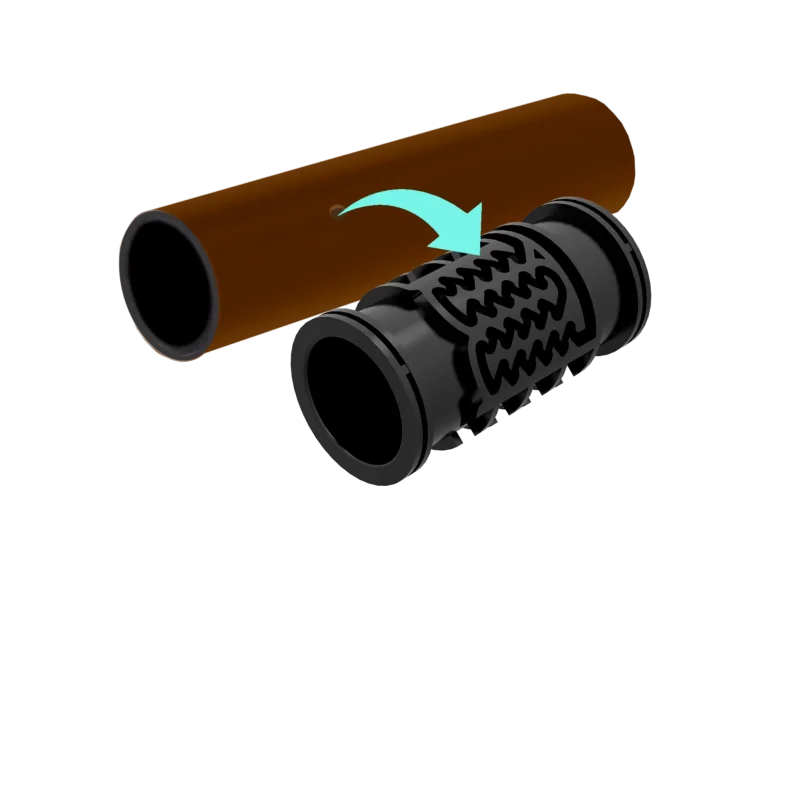
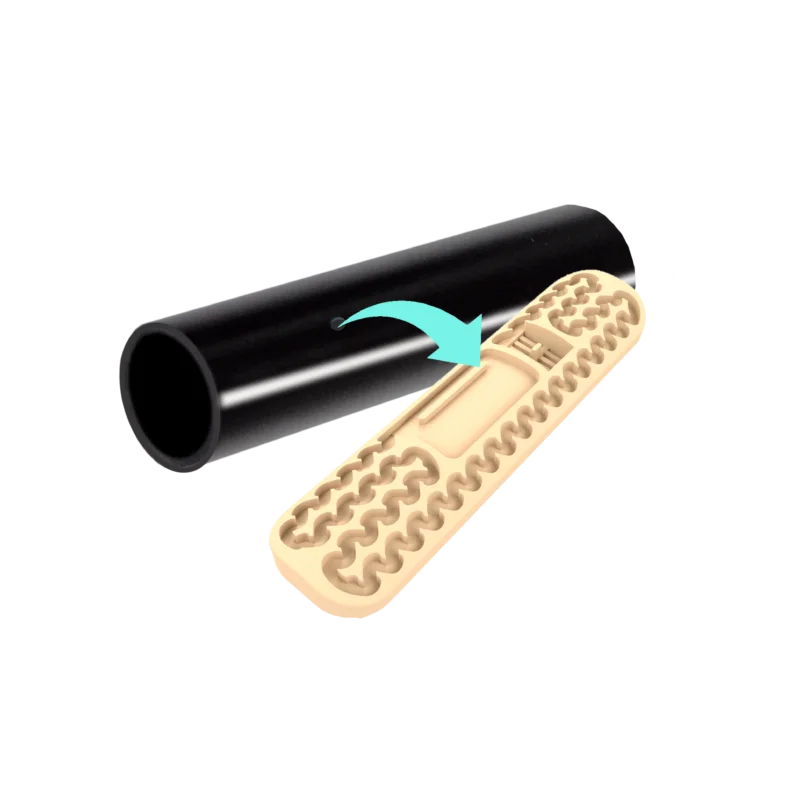
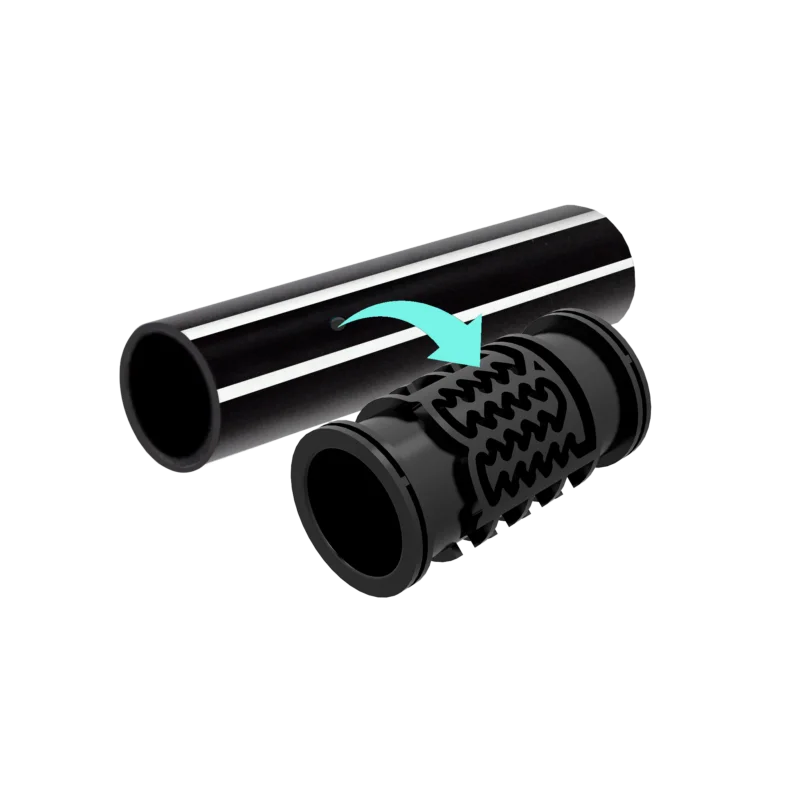
AZUD offers several irrigation system options for melon cultivation, but the most effective ones include drip irrigation and SUB-SURFACE DRIP IRRIGATION. Each of these systems offers unique benefits to ensure uniform water distribution and reduce waste.
Planting density depends on the variety and the size of the fruit we intend to market. The most common practice is to plant with a row spacing of between 1.5 and 2 meters.
The crop’s water requirements depend on environmental conditions, with a crop coefficient of approximately 0.8. Irrigation during the final days of the growing season is not recommended, as it has been shown that this stress leads to higher sugar concentrations in most melon varieties.
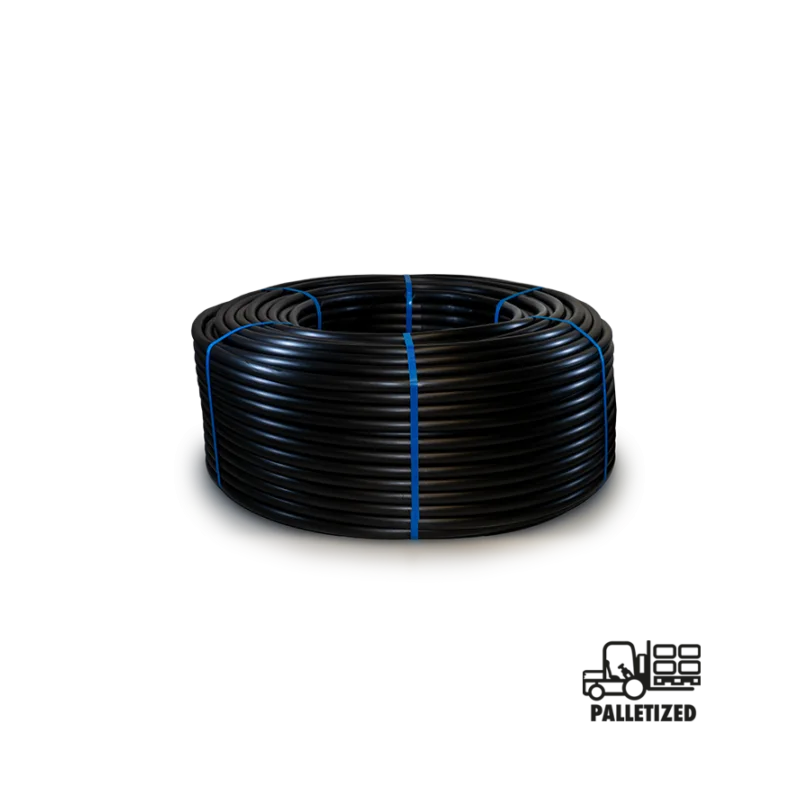
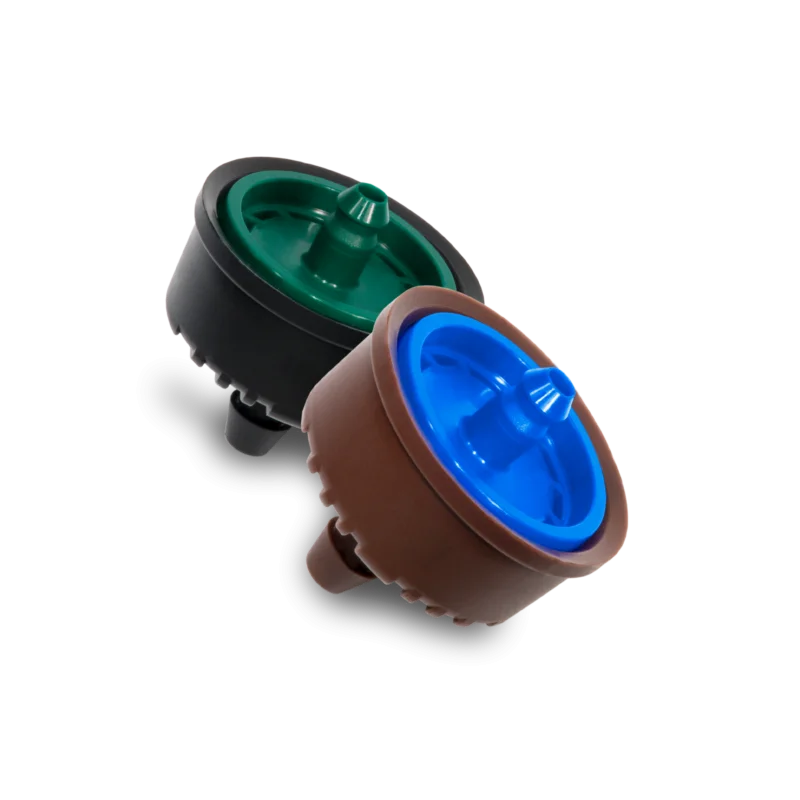
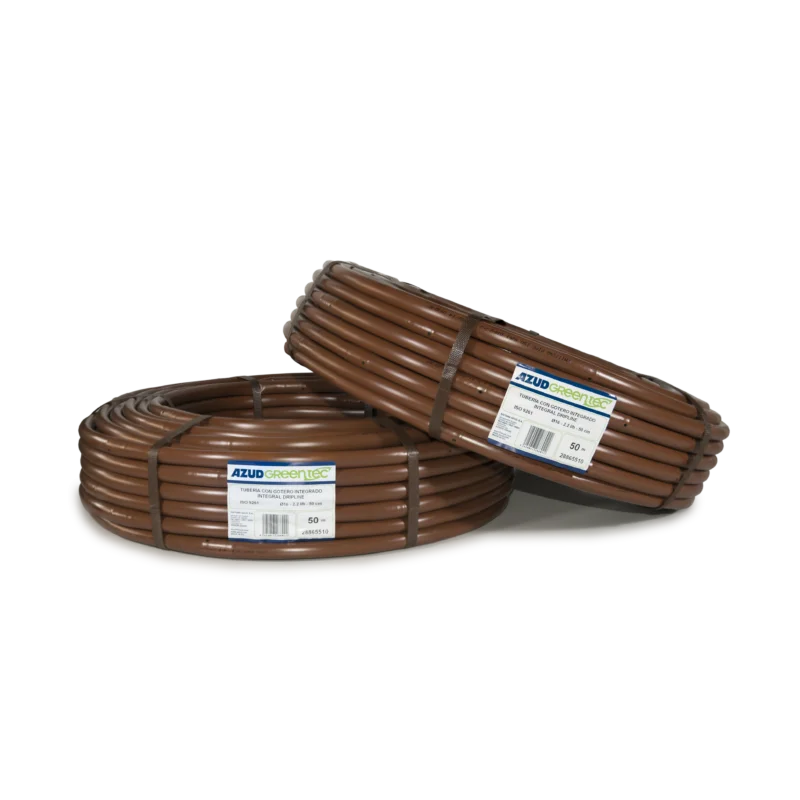
The best irrigation system for melons is drip irrigation, with one dripper per row. The spacing between drippers depends on the soil texture, with the most common spacing ranging from 20 to 30 cm. Drip lines are usually installed under the plastic mulch.
Optimizing irrigation in melon cultivation not only improves plant yield but also contributes to water conservation and higher fruit quality. Proper irrigation helps prevent water stress and ensures that plants receive the exact amount of water they need at each stage of their development.
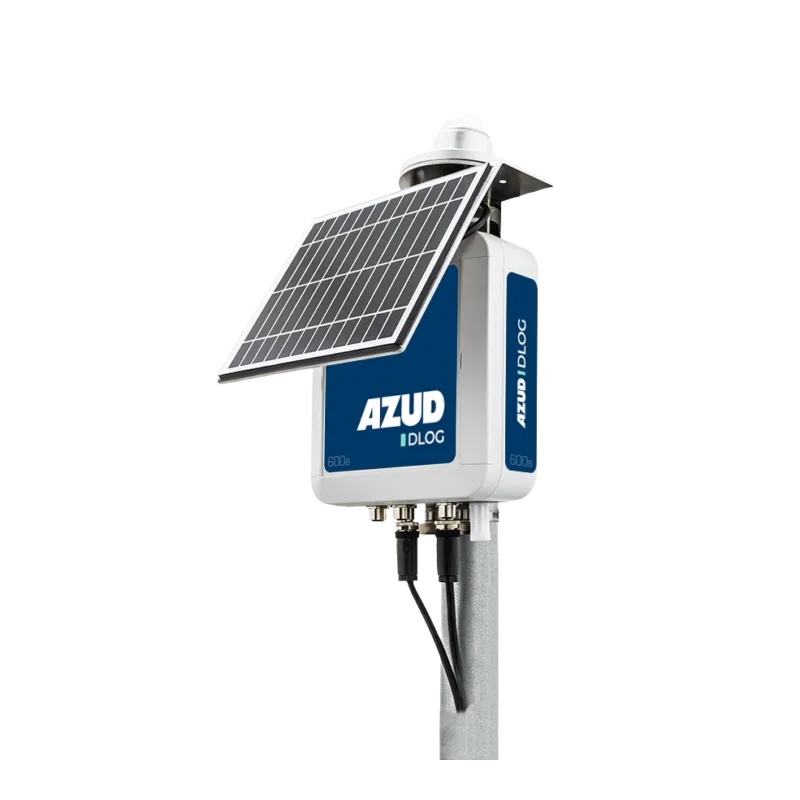
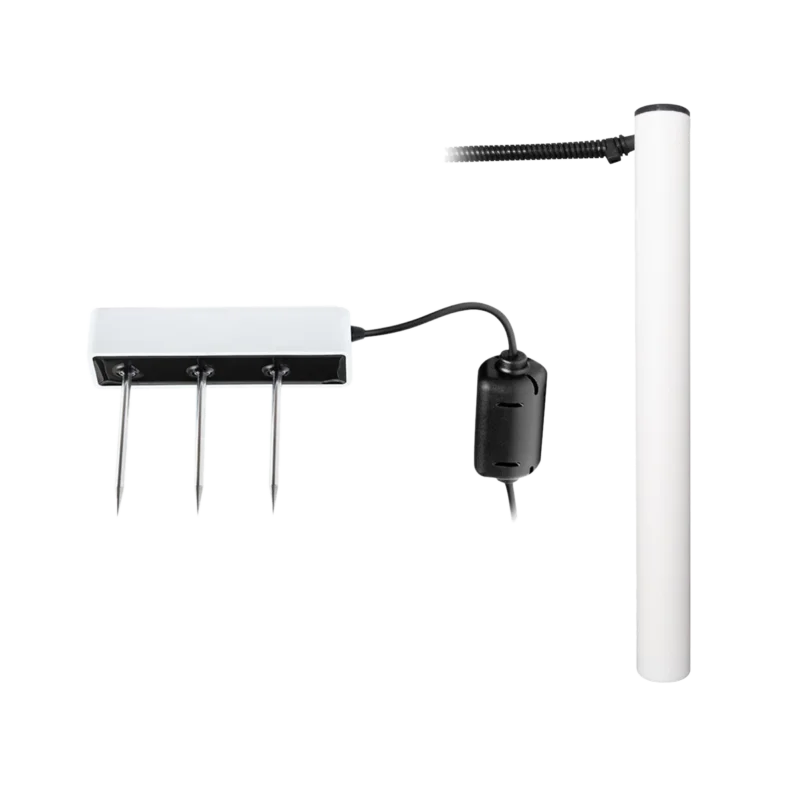
Innovation in irrigation systems has led to the development of advanced technologies, such as soil moisture sensors and automated irrigation solutions. These technologies not only ensure more efficient water use, but also give growers greater control over their crops, making the most of every drop of water used.
To produce high-quality melons, it is crucial to combine efficient irrigation with proper plant nutrition. Drip irrigation, in particular, allows for Fertigation, a method that delivers dissolved fertilizers along with irrigation water, ensuring that plants receive essential nutrients at the right time.
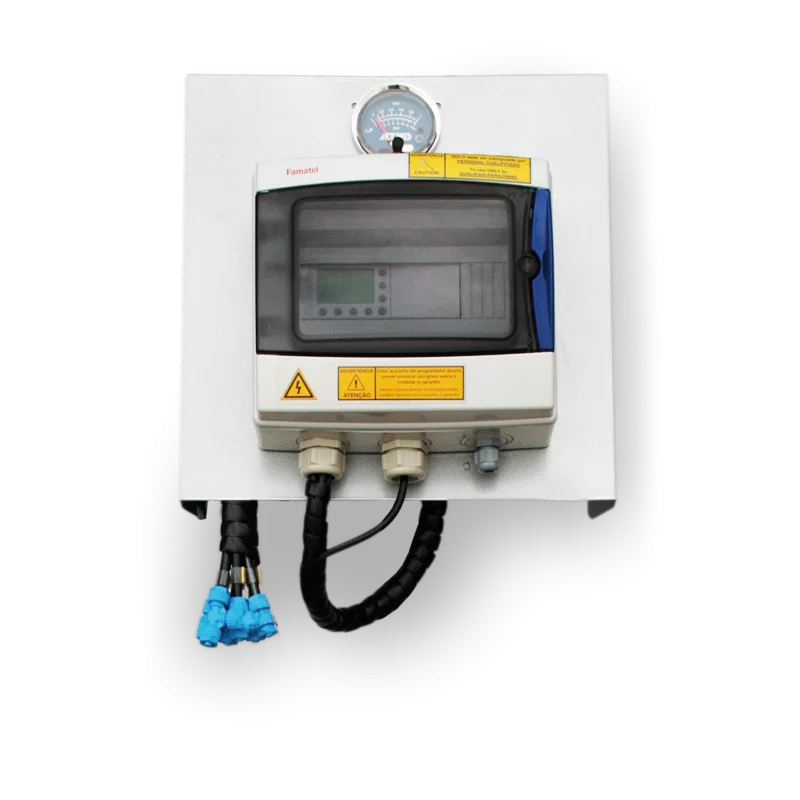
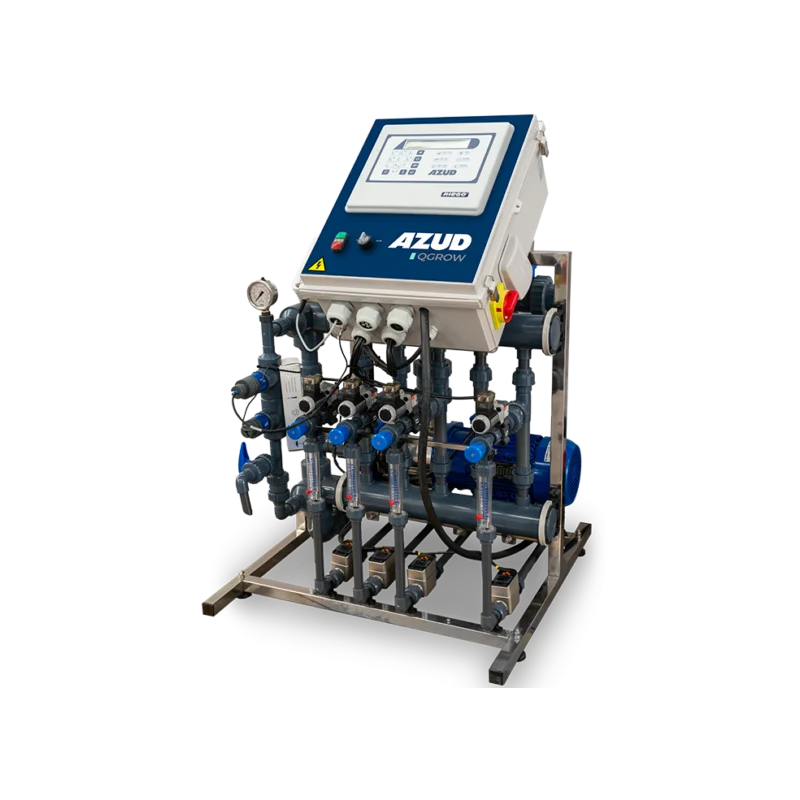
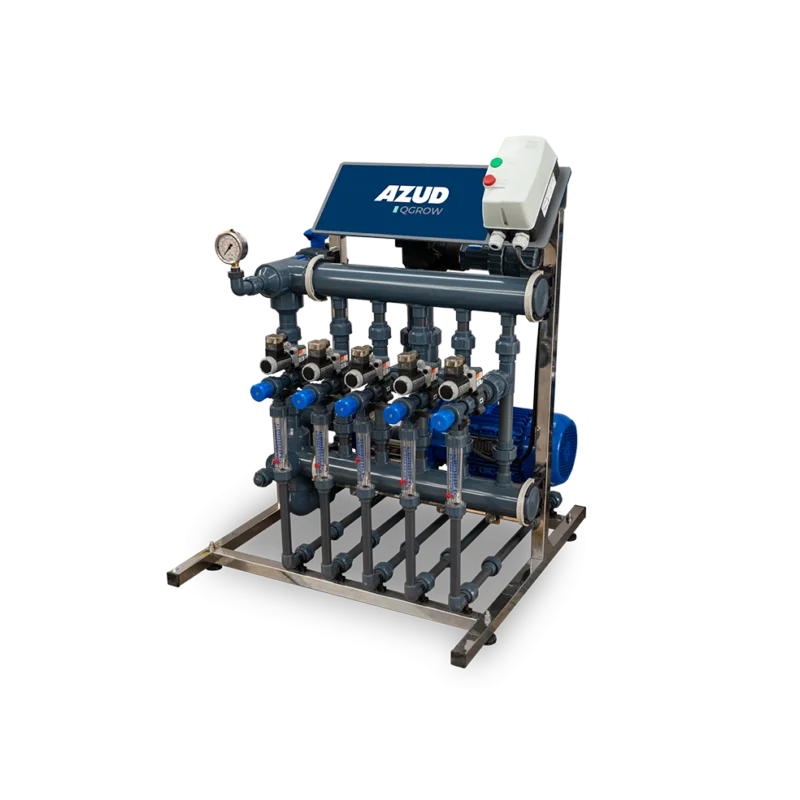
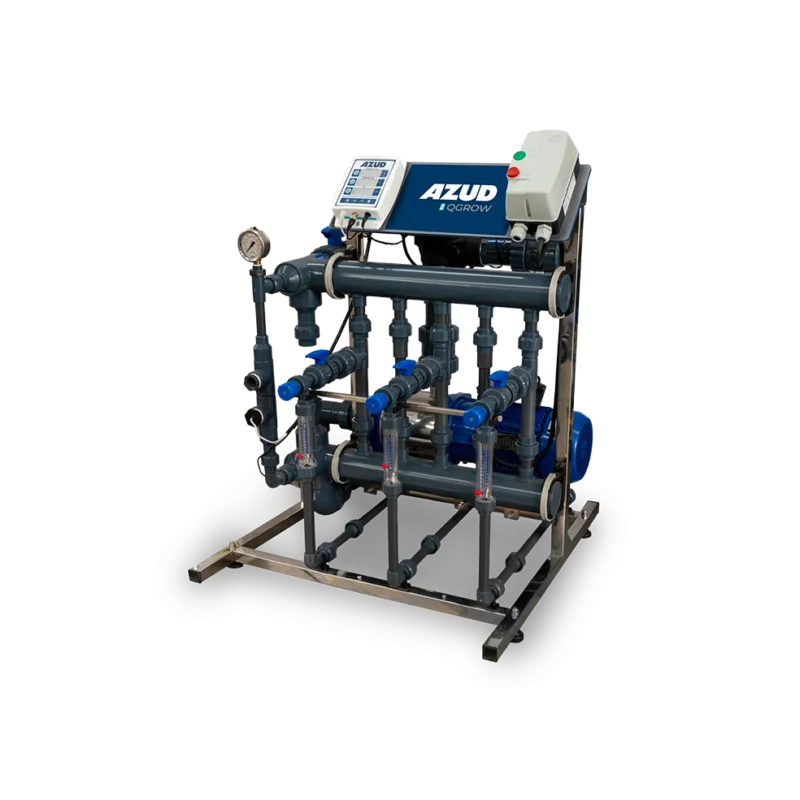
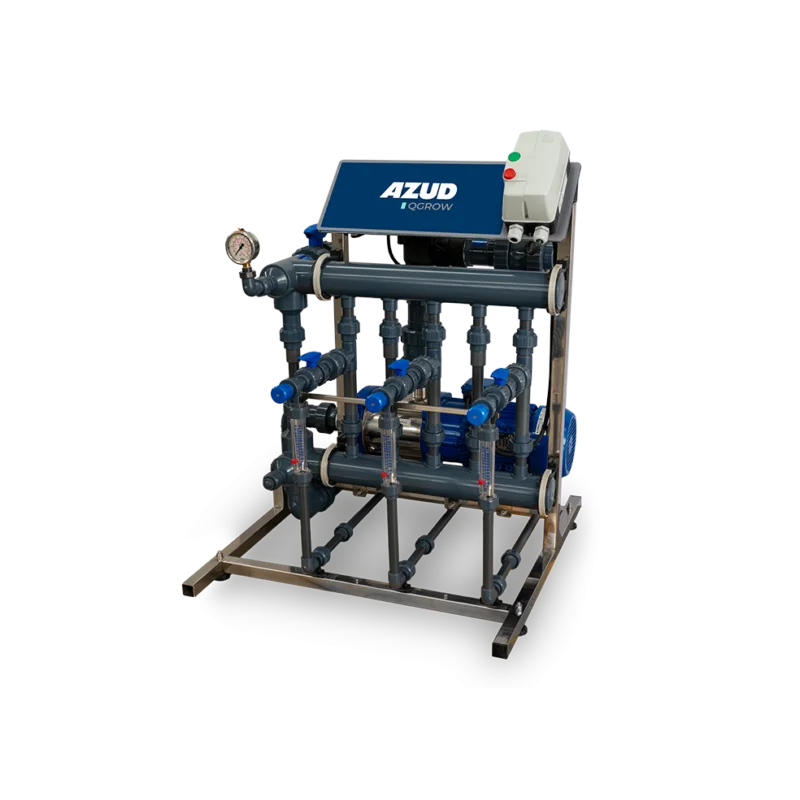
The Teams AZUD QGROW They go a step further by offering precise irrigation and nutrition management, using data collected from soil, plant, and weather sensors. This provides detailed control that facilitates optimal root development during the early stages of the crop and ensures precise irrigation once the crop begins producing. In addition, AZUD solutions help prevent excess soil moisture, which can be harmful to crops under certain conditions.
Thanks to this technology, growers can ensure that their crops receive the necessary water and nutrients, optimizing both the quantity and quality of the harvest, even under limited weather conditions or when water availability is restricted. AZUD systems also allow for autonomous adjustment of irrigation based on the type of irrigation used—whether surface or subsurface—and enable the implementation of strategies such as controlled deficit irrigation in situations where water is a scarce resource.
The main irrigation systems used for melon cultivation include drip irrigation, sprinkler irrigation, and sub-surface drip irrigation. Each of these systems offers specific advantages, such as water use efficiency and improved plant growth.
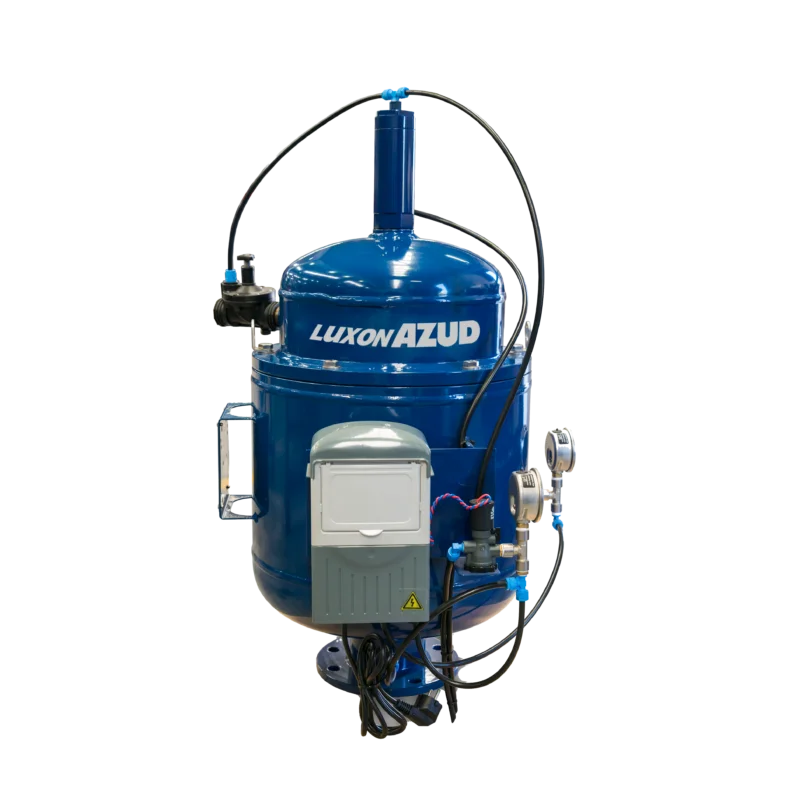
Soil type affects the choice of irrigation system because different soils have different water retention and drainage capacities. For example, sandy soils require more frequent irrigation but in smaller amounts, while clay soils retain more water and may require less frequent but more abundant irrigation.
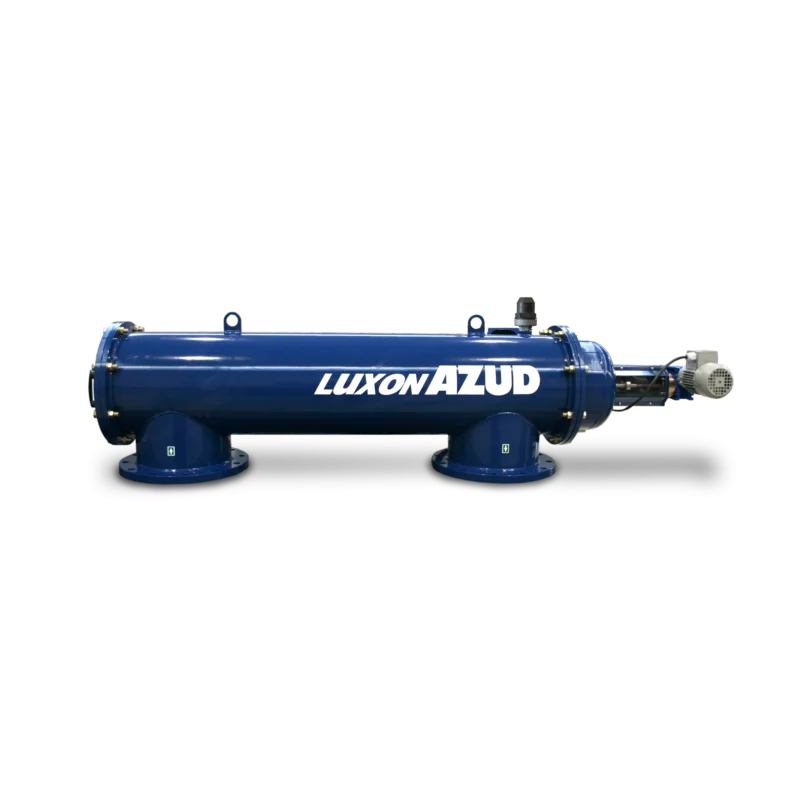
When choosing an irrigation system for your melons, you should consider the soil type, weather conditions, water availability, field size, and budget. It is also important to evaluate the system’s efficiency and its ability to provide uniform irrigation.
Utilizamos cookies propias y de terceros para fines técnicos, de personalización, analíticos y para mostrarle publicidad personalizada en base a un perfil elaborado a partir de sus hábitos de navegación (por ejemplo, páginas visitadas). Puede aceptar todas las cookies pulsando el botón “Aceptar todas”, rechazar las no necesarias pulsando “Rechazar todas” o configurarlas clicando el botón “Configuración de Cookies”. Para más información haga clic AQUÍ