Sugar Cane

Sugarcane is a plant that absorbs solar radiation very well, with an efficiency of nearly 2% in converting incident energy into biomass. This ability to absorb energy increases the commercial potential for utilizing the numerous products that can be extracted from it, many of which have greater added value and economic importance than sugar.

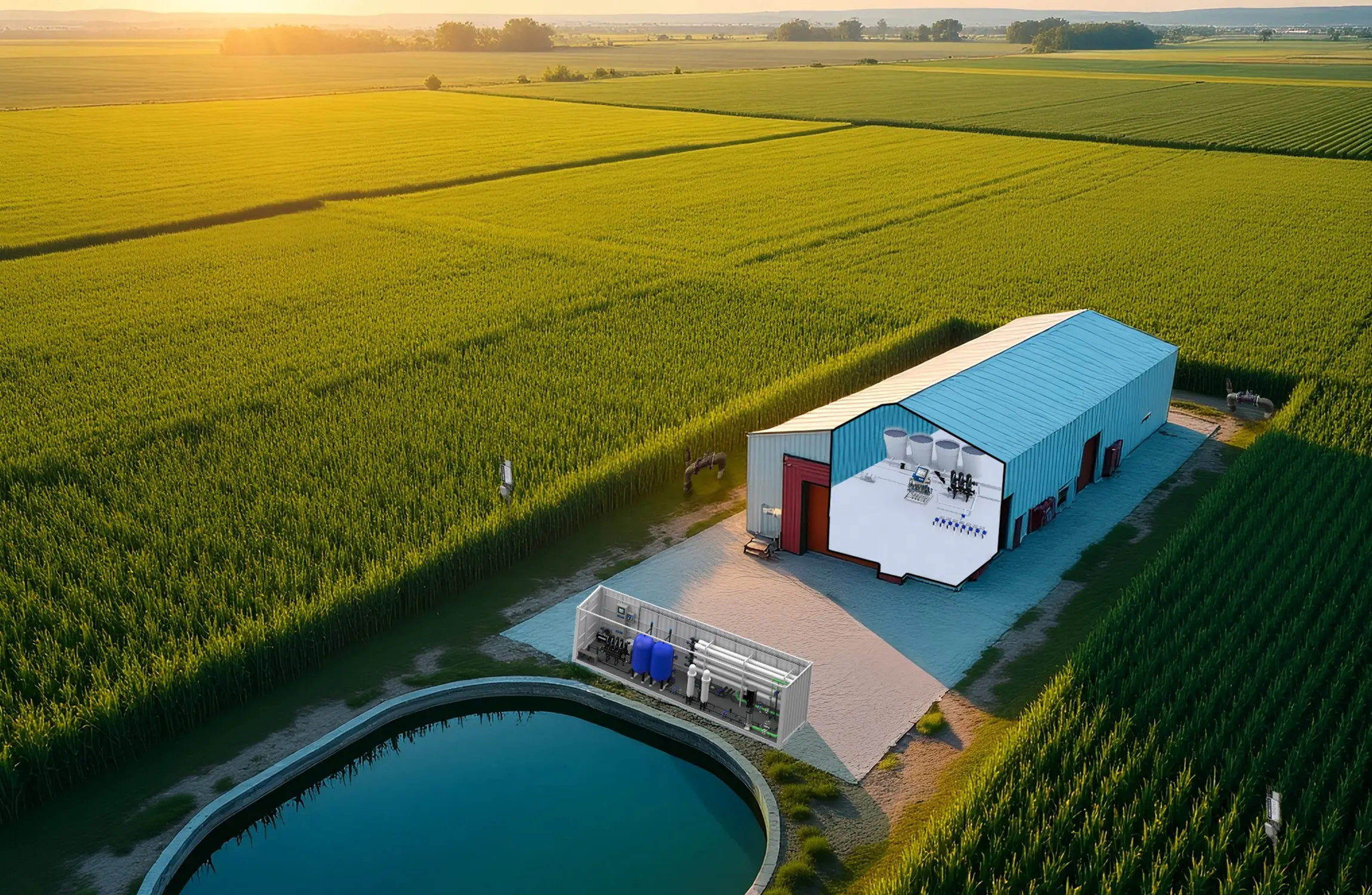
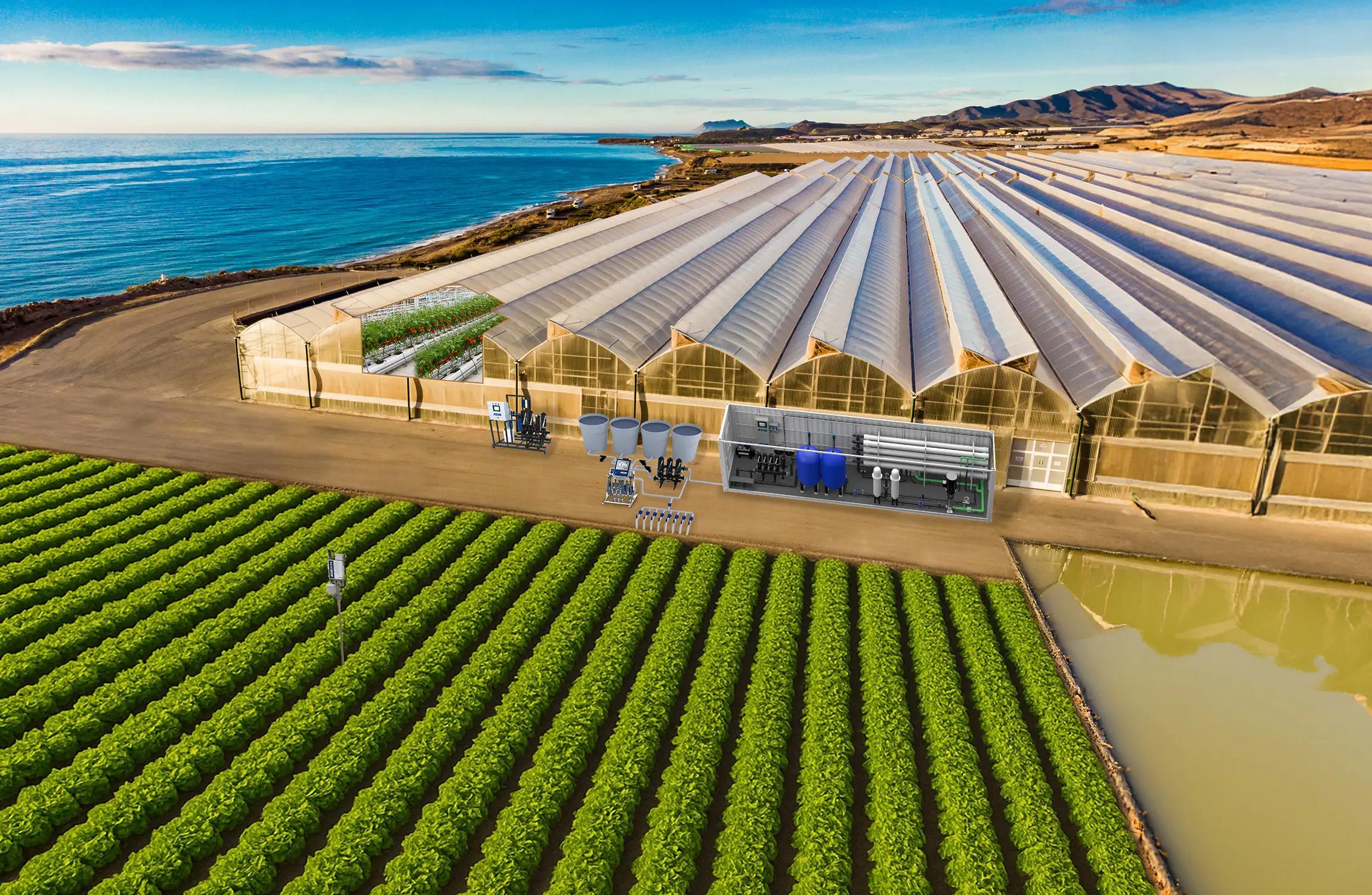
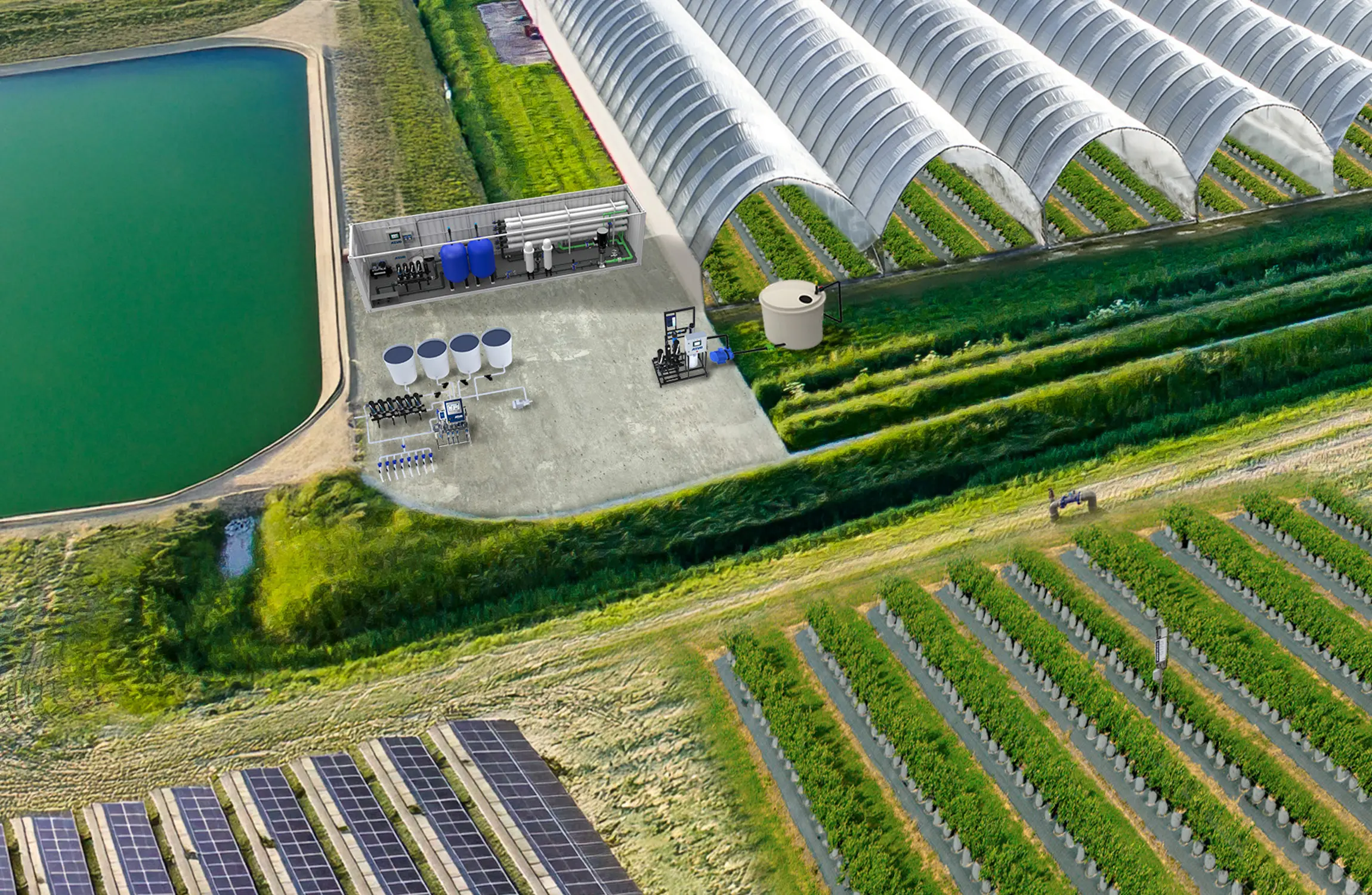
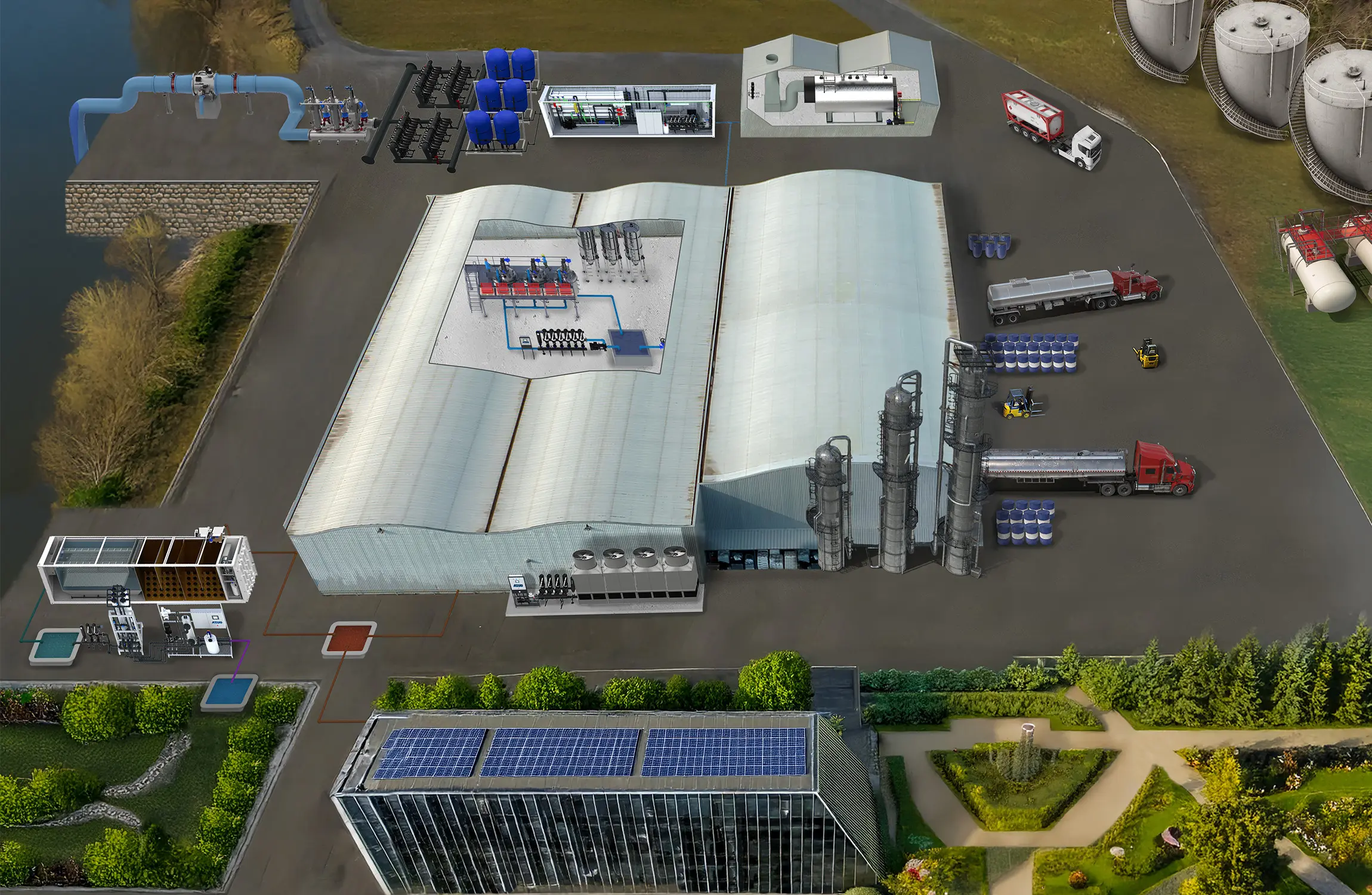
Sugarcane cultivation presents itself as an opportunity with high added value compared to other types of crops; however, this crop is not immune to the current problem of water scarcity. Given this reality, and considering the efficiency and advantages of drip irrigation mentioned above, this method is an excellent way to improve farms where sugarcane is already being grown, as well as the ideal option for new farms dedicated to this crop.

Sugarcane cannot tolerate temperatures below 0 °C, although it can occasionally withstand temperatures as low as –1 °C, depending on the duration of the frost. It requires minimum temperatures of 14 to 16 °C to grow. The optimal growing temperature appears to be around 30 ºC, with high relative humidity and an adequate water supply.

It adapts to almost all types of soil, growing best and producing the most sugar in light soils, provided there is adequate water and fertilization. On heavy, difficult-to-manage soils, it is often the only profitable crop. It causes serious problems only in acidic soils, which are generally not found in the areas where sugarcane is grown in Spain.


Irrigation and Nutrition Techniques for Sugarcane


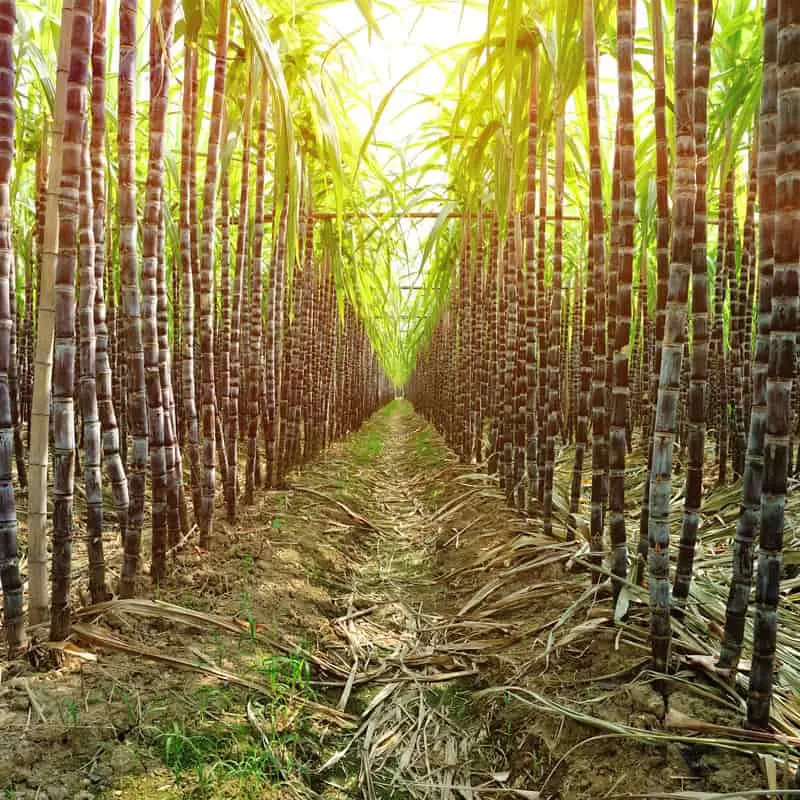
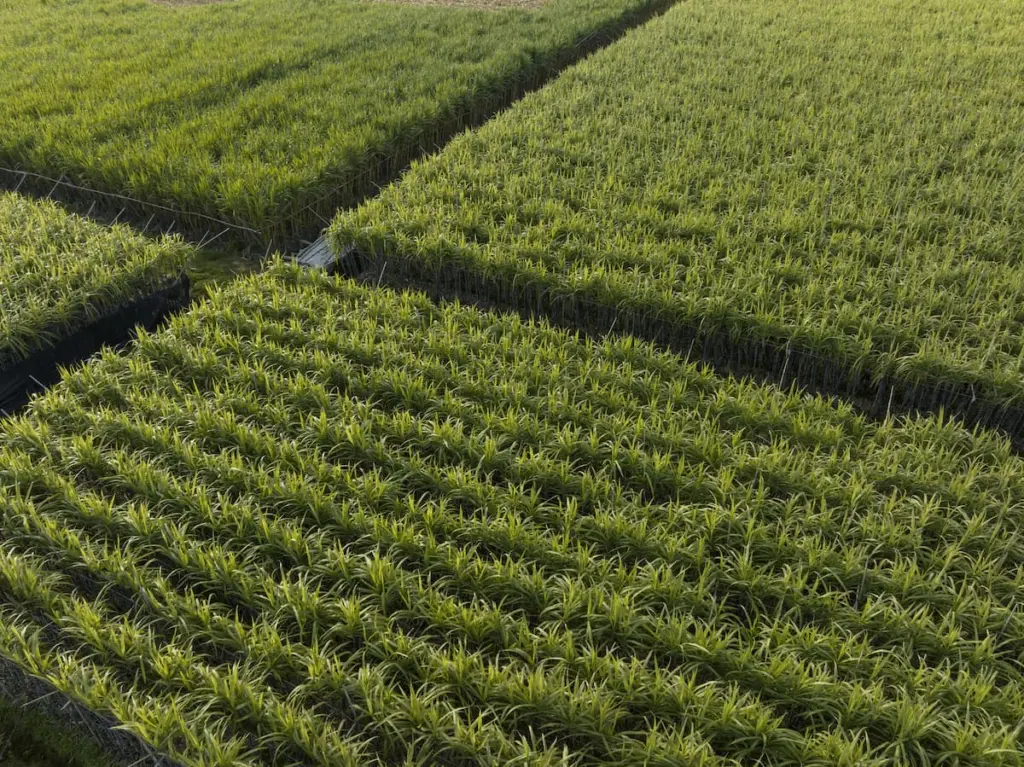
Two basic models are commonly used: single rows spaced 125–150 cm apart, or double rows, with a spacing of 90 cm within each pair and 180–210 cm between pairs.

Sugarcane requires abundant water and nitrogen, phosphorus, potassium, and certain trace elements for fertilization. Irrigation eliminates the uncertainty typically associated with agricultural activities that depend on water from natural sources. However, the traditional irrigation practices used in commercial sugarcane cultivation do not allow for the full realization of the crop’s high genetic potential for biomass production and reduce the efficiency with which available human and natural resources are utilized.

Irrigation Practices for Sugarcane:

Establishing the crop: Maintain appropriate moisture levels around the seed cane to promote bud germination, ensuring uniform sprouting and a high population of stems (shoots) per unit area.

Shoot Formation and Growth:
Irrigation practices must ensure—through proper system design and the appropriate selection of irrigation frequency and duration—a high moisture content in the top 40 cn, since this is where the highest root density is found. The shape and extent of the moisture zone must ensure proper root development with sufficient available soil volume and adequate moisture content.

Ripening, sugar accumulation, and harvest:
The irrigation system must allow for control of soil moisture levels in order to induce stress in the crop that slows vegetative growth and promotes sugar accumulation and ripening.

 

Advanced irrigation systems for sugar cane

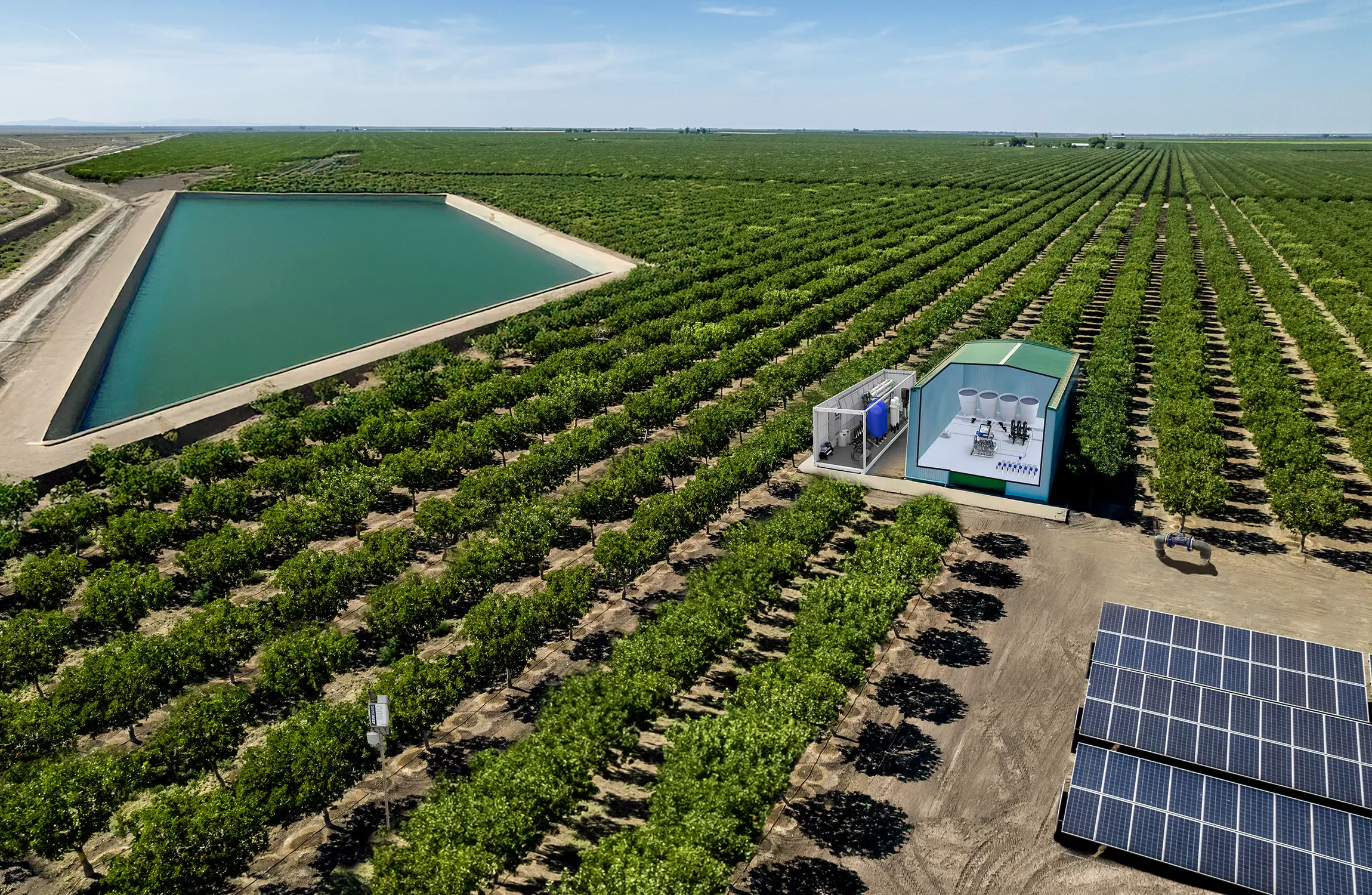
Sugarcane cultivation requires meticulous water management, and precision irrigation systems are a crucial tool for optimizing it. The implementation of drip irrigation, which is characterized by its precision and efficiency, allows water to be delivered directly to the root zone, reducing evaporation and waste. This is especially important in regions with water shortages or soils with rapid percolation.
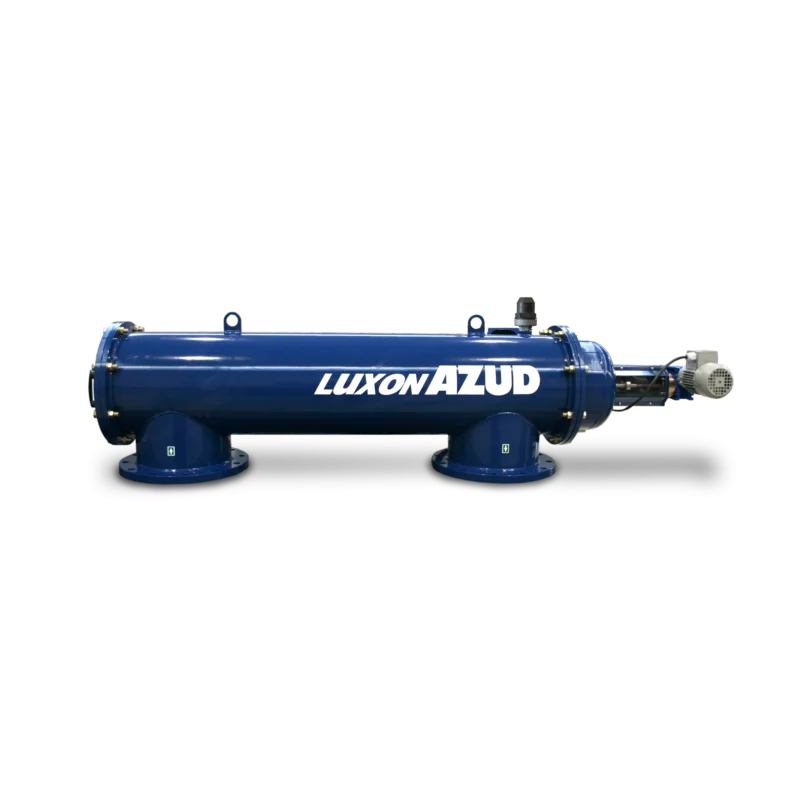
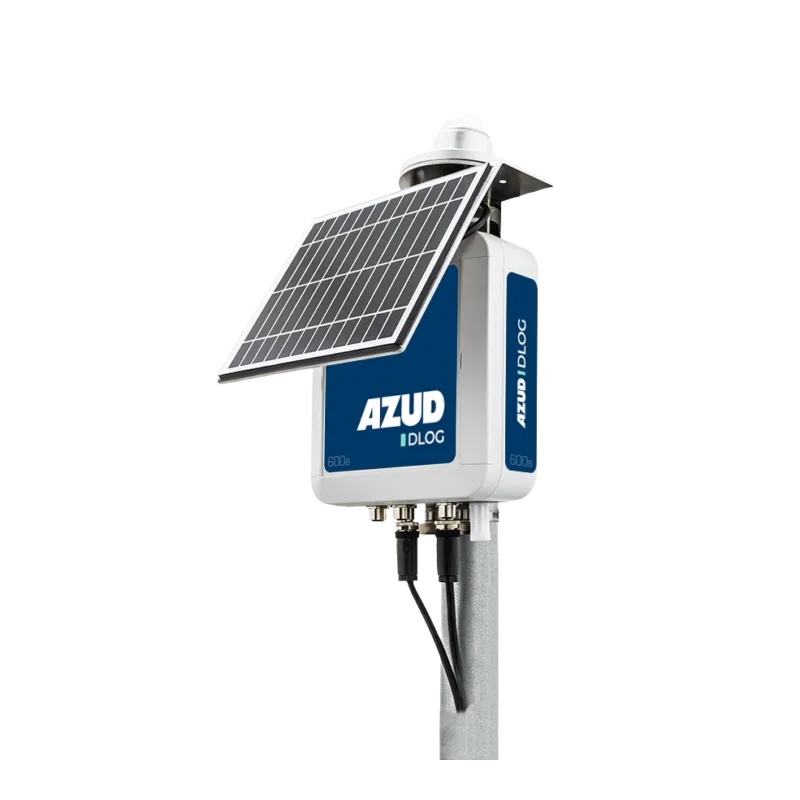
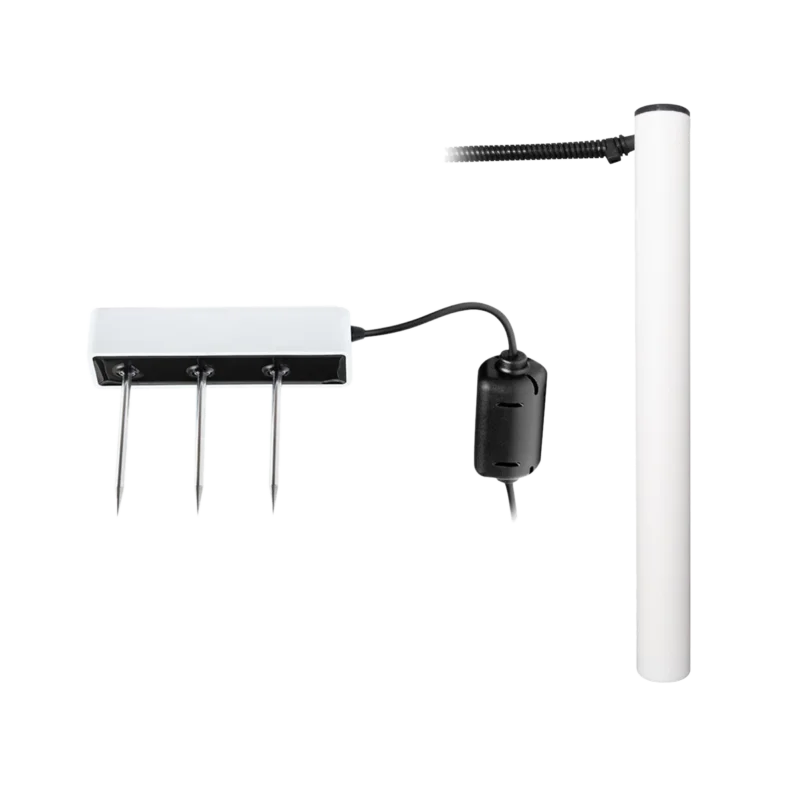
The integration of technologies such as soil moisture sensors, combined with automated programming, enables real-time monitoring of a crop’s water needs, adapting to variations in climate and soil conditions. These innovations not only ensure the health of sugarcane but also represent a step toward sustainable agriculture.

Cost Savings and Yield in Your Sugarcane Crop

Striking a balance between conserving resources and maximizing yield is key in sugarcane cultivation. Efficient irrigation not only results in a reduction in water and energy consumption, but also in a significant increase in sugar production per hectare.

The adoption of localized irrigation systems, such as the drip irrigation, allows for more precise water application, preventing water stress in plants and promoting healthier and more uniform growth. This effective management results in larger sugarcane stalks with higher sucrose content, leading to increased profitability for the farmer. Furthermore, water use efficiency contributes to the conservation of this vital resource, aligning with more sustainable and environmentally responsible agricultural practices.

Customized irrigation solutions for every crop

Recognizing that every sugarcane plantation has its own unique characteristics, it is essential to tailor irrigation solutions to each specific situation. Customizing irrigation begins with a comprehensive soil analysis, which determines the soil’s capacity to retain water and nutrients. Combined with a study of local climate patterns and the specific characteristics of the sugarcane varieties planted, irrigation strategies can be designed that specifically address the needs of each field.

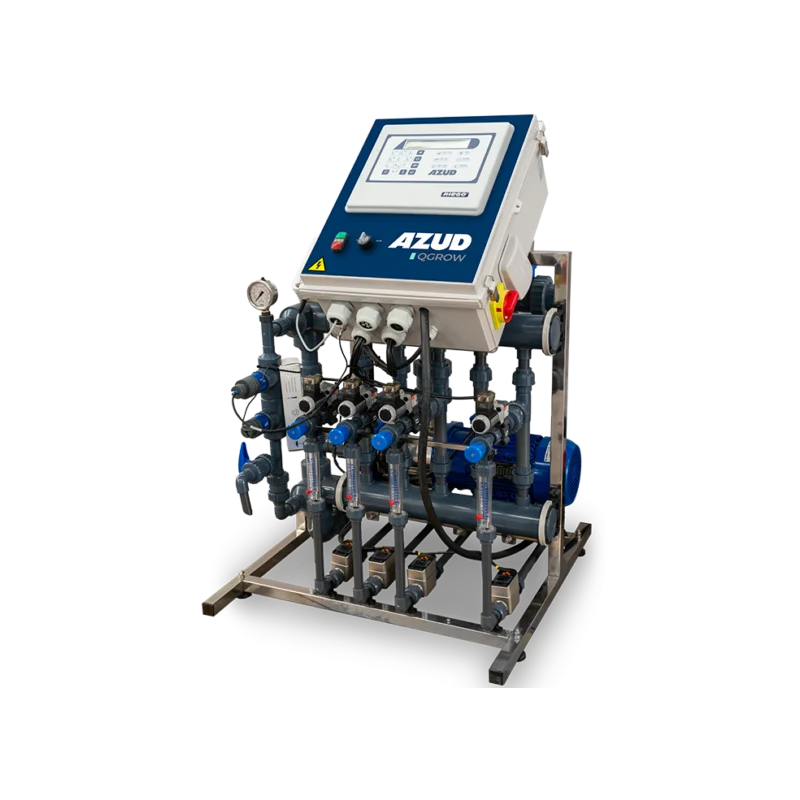
The implementation of smart systems, which automatically adjust irrigation based on real-time data on soil moisture and weather conditions, enables highly efficient water management. This personalized approach not only ensures that each plant receives the amount of water necessary for optimal growth, but also maximizes water use efficiency, which is crucial in times of increasing water scarcity.

Frequently Asked Questions

Our systems are designed to adapt to a variety of climatic conditions, ensuring effective irrigation in both dry and humid climates and optimizing water use as needed.

Yes, our systems can be integrated with various smart farming technologies, including soil moisture sensors and data management systems, to improve efficiency.

Yes, we provide a comprehensive service that includes professional advice, customized installation, and after-sales support to ensure that our customers get the most out of their irrigation systems.

Success Stories
Related Products
Contact AZUD