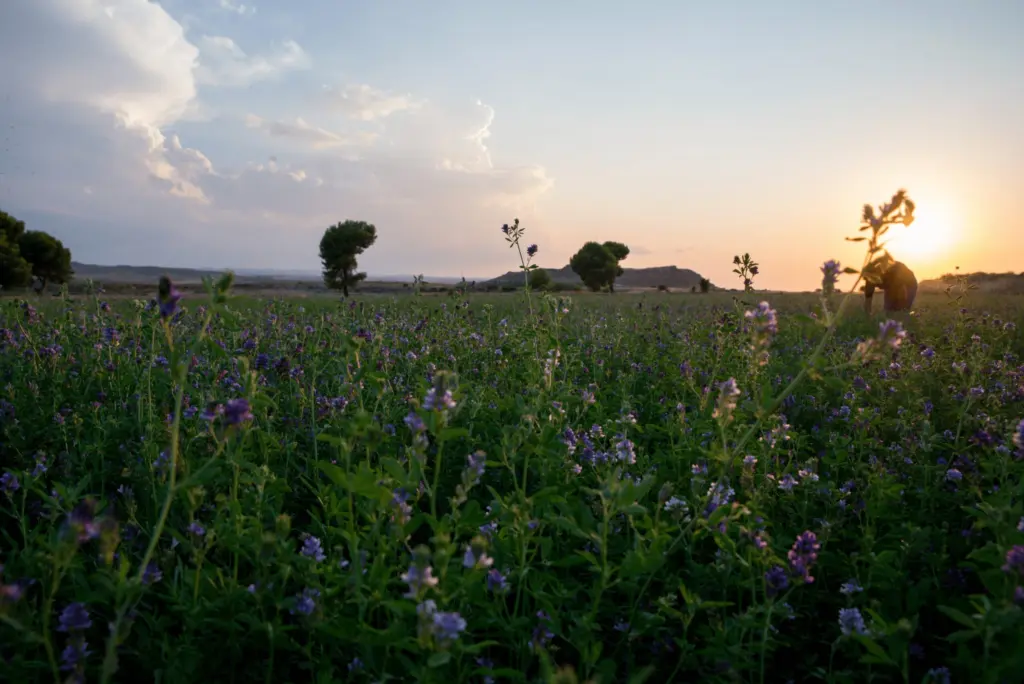
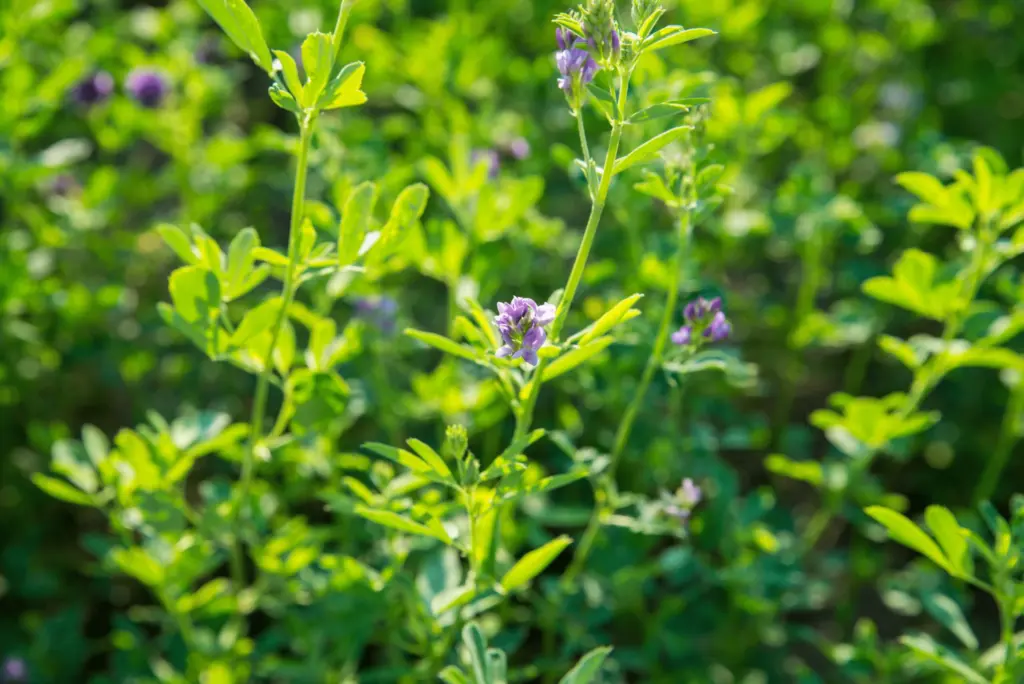
Cultivation of Alfalfa

Alfalfa belongs to the legume family, and its scientific name is Medicago sativa. It is a perennial, hardy plant with an upright growth habit. It is one of the most widely grown forage crops in countries with a temperate climate.

Intensive livestock farming, due to its consistently high demand for feed, has created a significant need for the industrial-scale cultivation of this crop, driving its further development, the primary purpose of which is to supply the feed industry. It is also used in other areas and applications, such as landscaping and as a conservation crop for wildlife. The main importers of alfalfa are Japan, the United Arab Emirates, China, and South Korea.

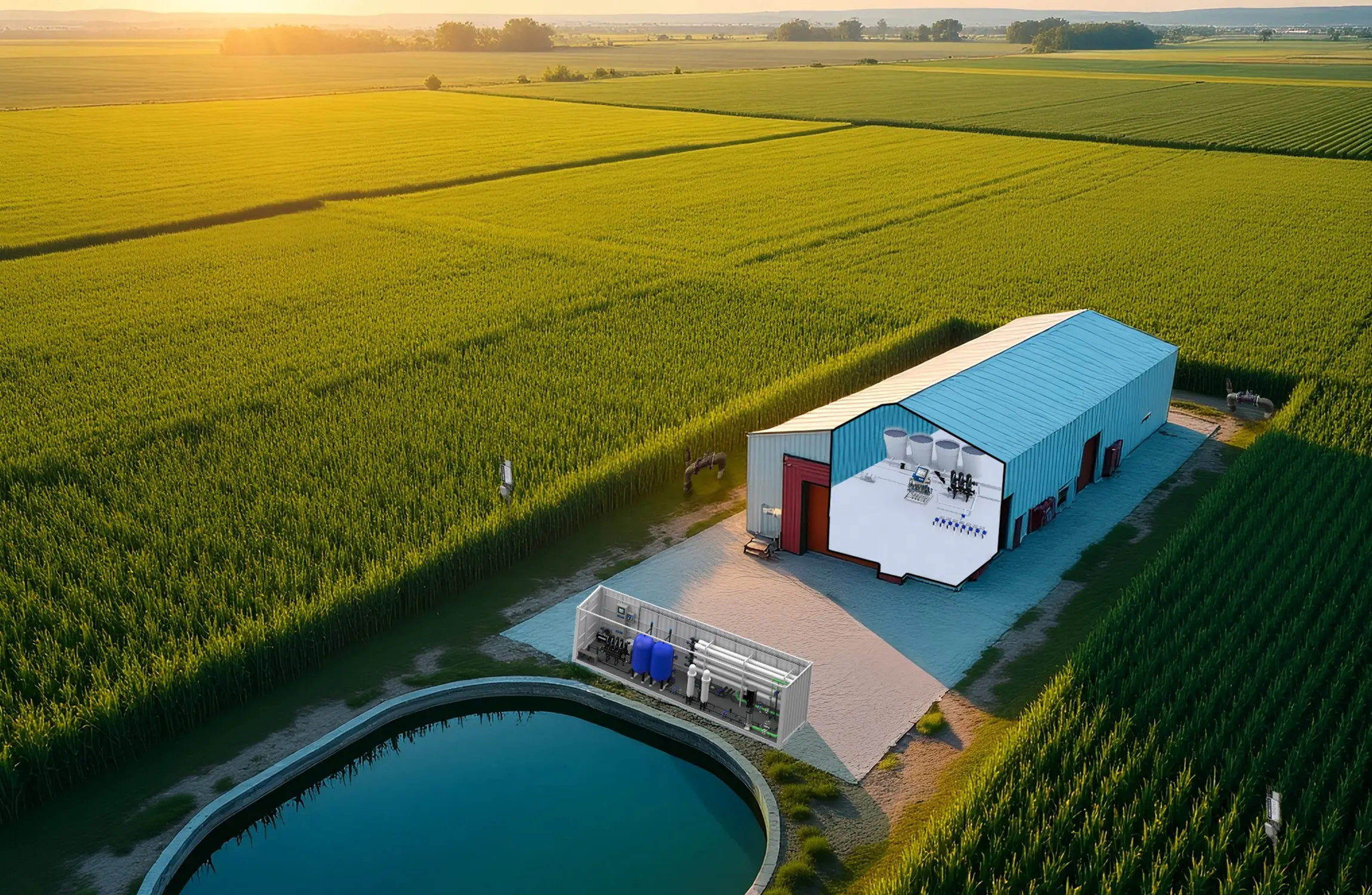
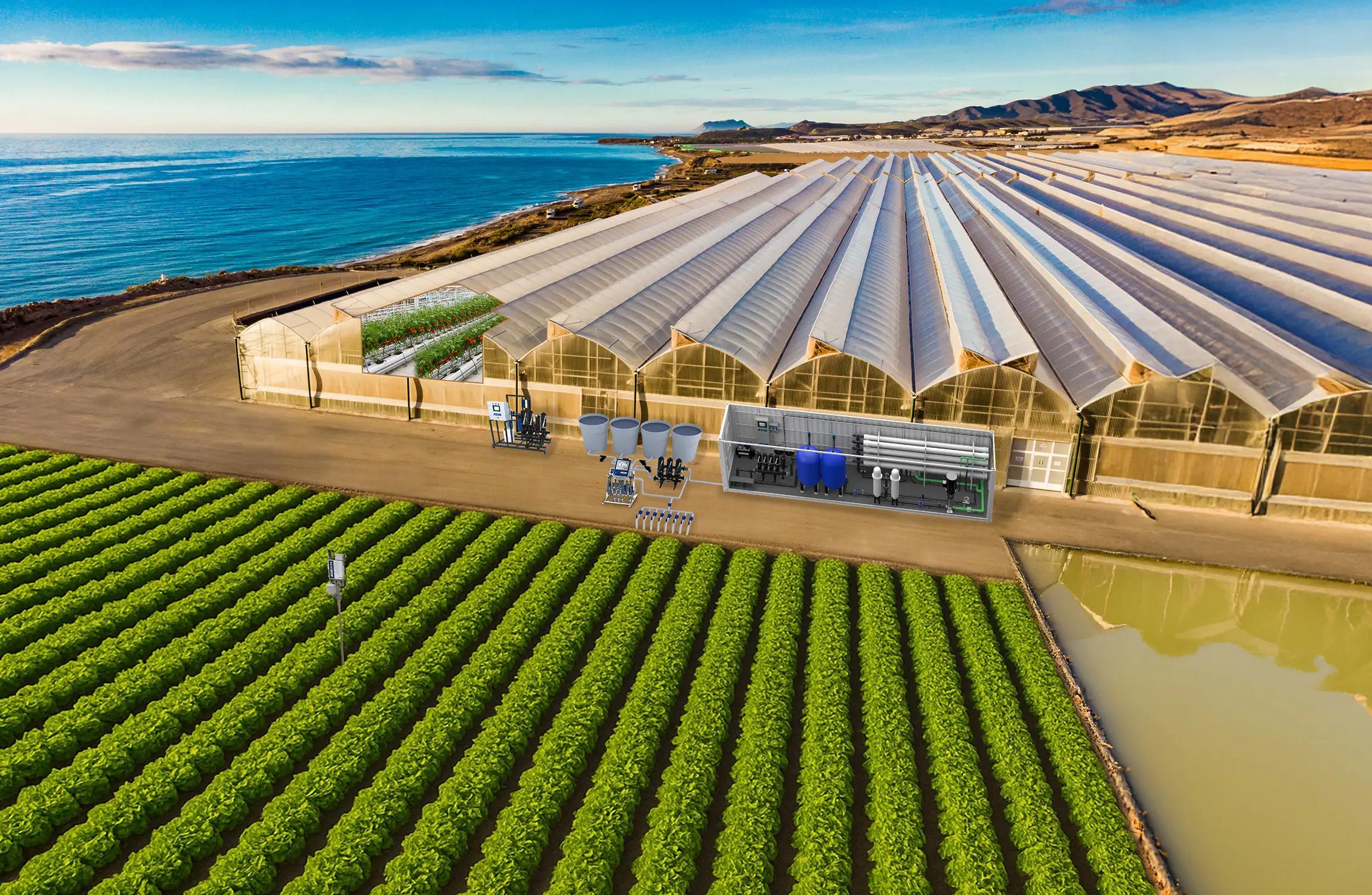
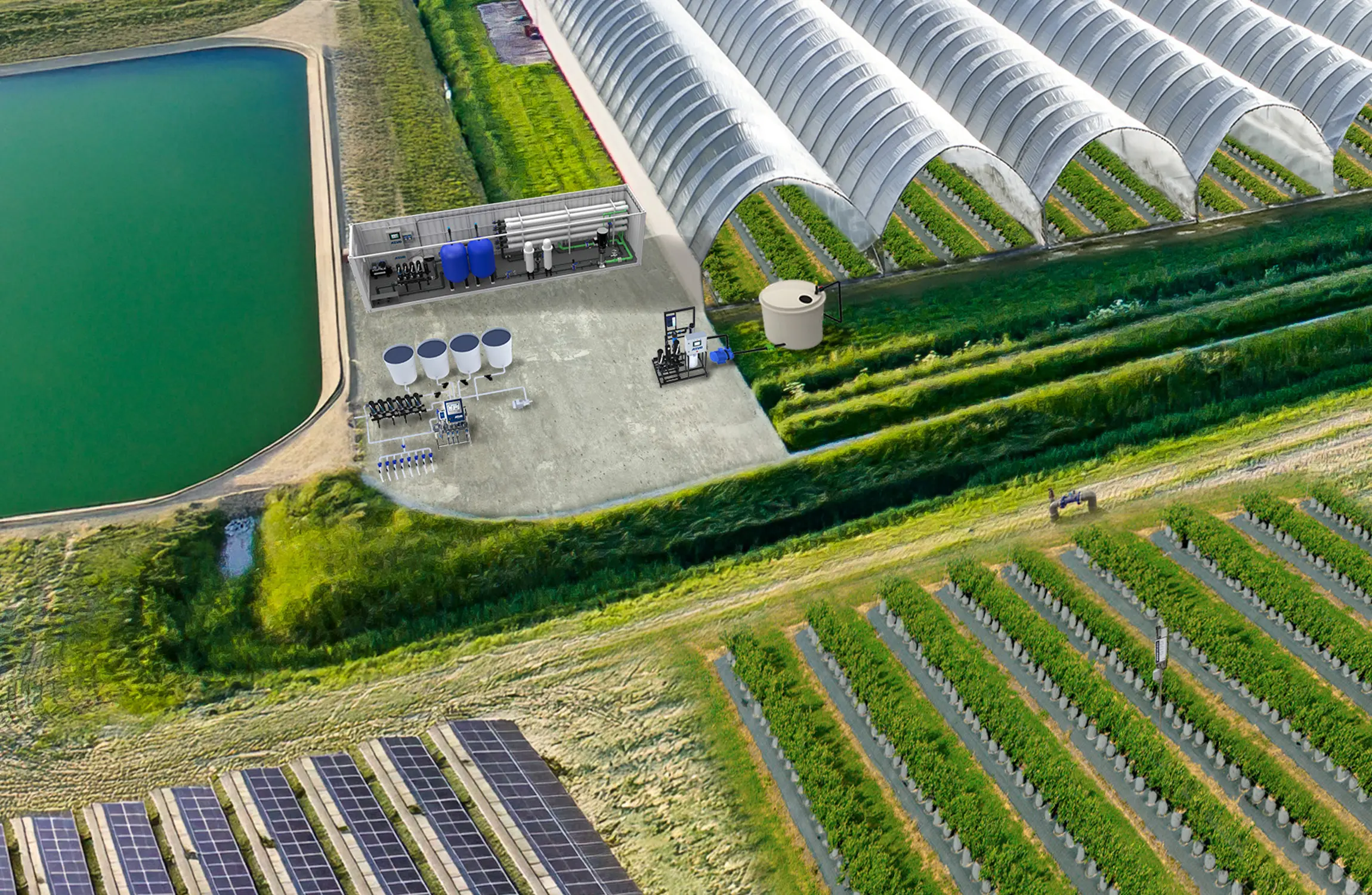
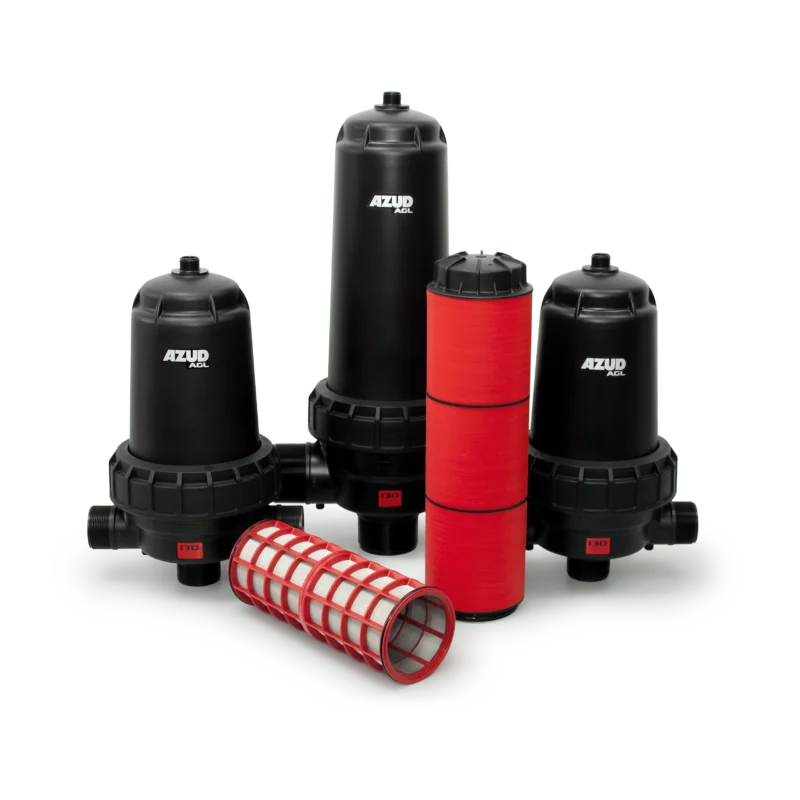
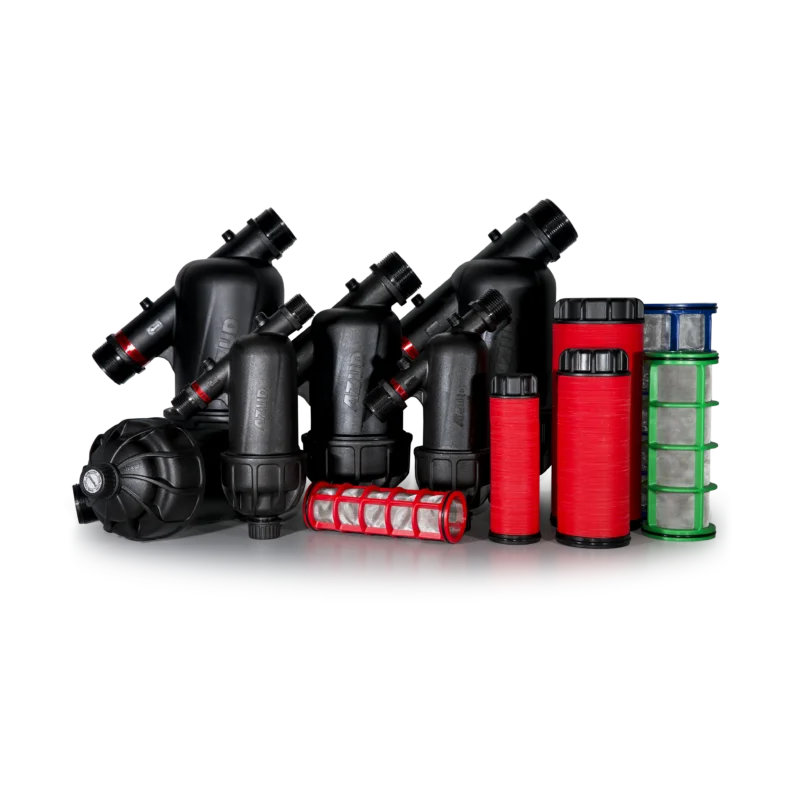
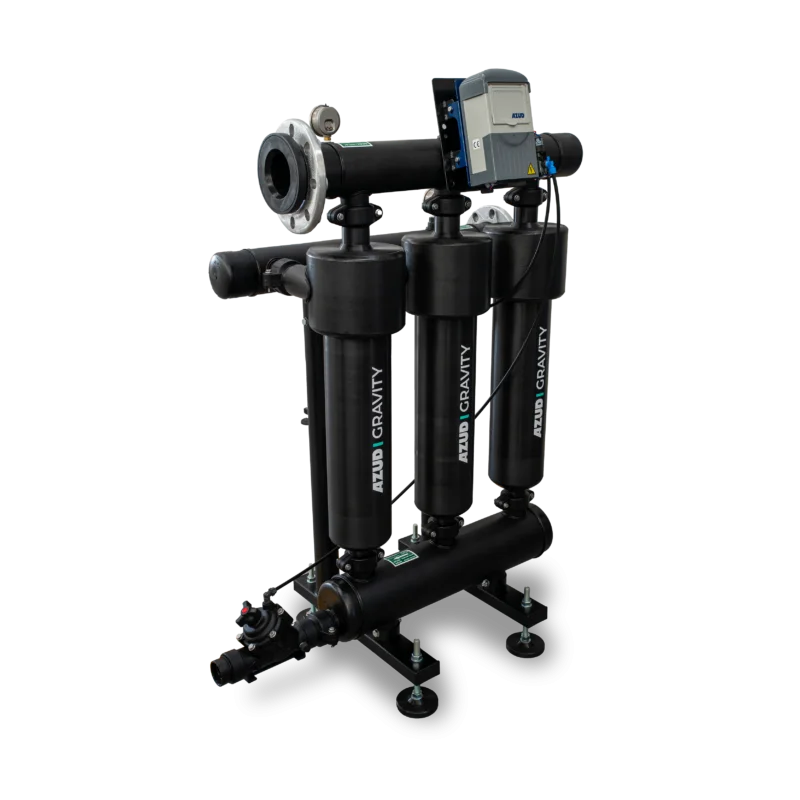
Thanks to its extensive experience, AZUD provides farmers with the most efficient agronomic solution to ensure higher productivity in alfalfa cultivation, taking into account the specific needs and available resources in each case.

Alfalfa is a highly adaptable species that thrives in regions ranging from semiarid to humid. Solar radiation is a very important factor that positively influences alfalfa cultivation.

Alfalfa adapts to a wide range of temperatures; some varieties can withstand temperatures as low as 10°C below zero. Production begins to increase at 10°C, with the most favorable range falling between 15 and 28°C, depending on the variety.

It requires deep, well-aerated soils. Although it is grown in a wide variety of soils, it is very sensitive to waterlogging. Soils less than 60 centimeters deep are not recommended for this crop. The optimal soil should have high moisture-holding capacity, good drainage, and be free of compacted layers.

The limiting soil factor in alfalfa cultivation is acidity. It performs best at pH levels above 6.5. It has high requirements for calcium, sulfur, and phosphorus. This legume does not grow well in soils with high salinity or alkalinity and electrical conductivities greater than 8 mmhos/cm, which reduce yields by 50 to 65 percent.

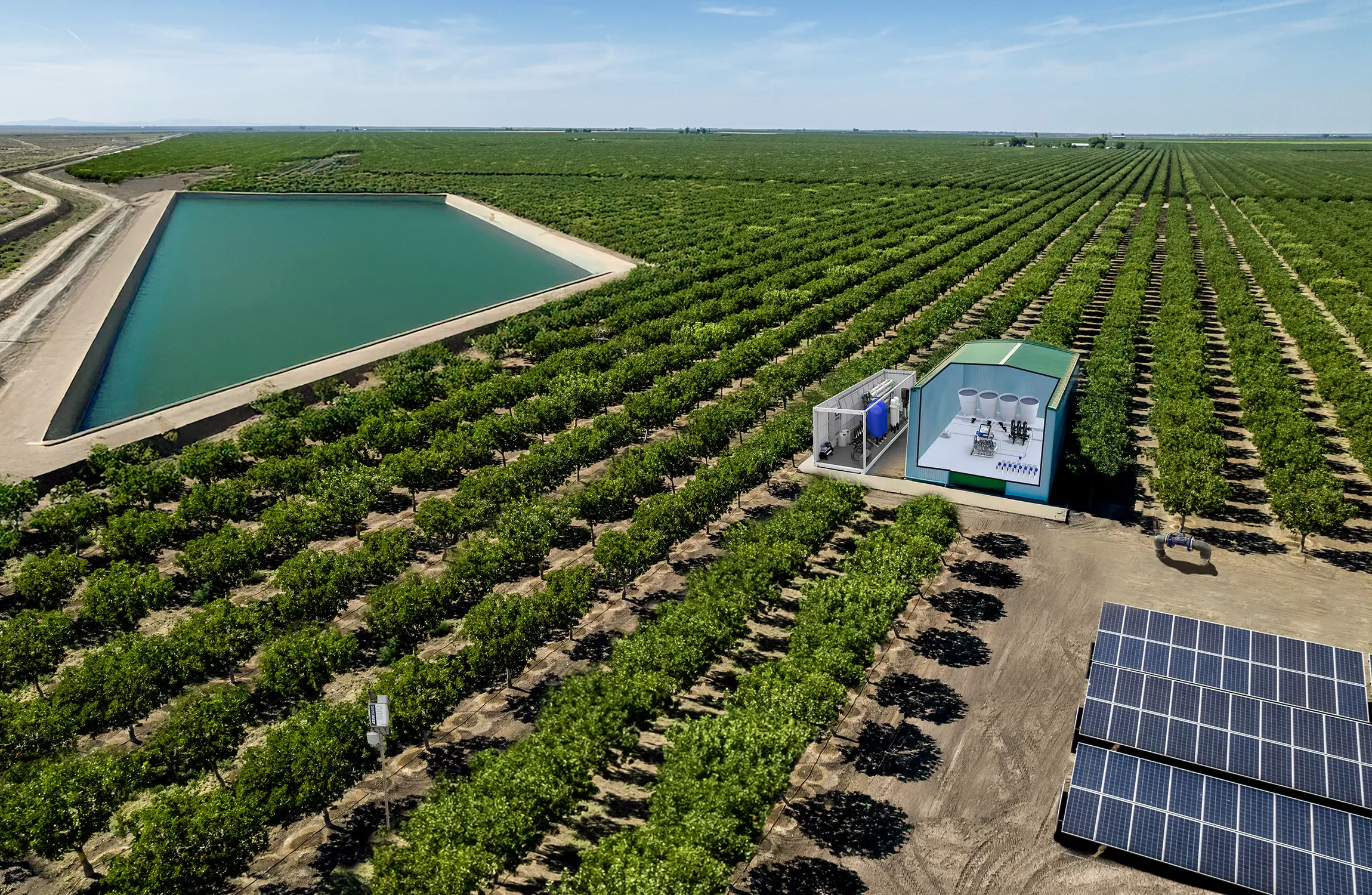
 

Specialized irrigation systems for alfalfa cultivation

The seedbed must be free of weeds, have adequate moisture, a low level of crop residue, and a firm surface.

Alfalfa germinates at temperatures between 5 and 35°C, although the optimal temperature for germination is around 25°C. It is important to select seeds with high physical and genetic quality in advance.

The amount of water applied depends on the soil’s water-holding capacity, the efficiency of the irrigation system, and the depth of the roots.

Alfalfa requires water to be applied in multiple applications, as its water needs vary throughout the production cycle. If water supply exceeds alfalfa’s needs, the efficiency of available water use decreases. It is morphologically and physiologically adapted to withstand prolonged water deficits, as its roots can penetrate deeply into the soil profile.

Alfalfa’s water requirements over the entire growing cycle range from 700 to 900 mm of water.


Benefits of Modernizing Your Irrigation System at alfalfa crops

  • Increased water use efficiency: Modern irrigation systems, such as drip irrigation, allow for a more precise and controlled distribution of water. This reduces water loss due to evaporation and runoff, ensuring that more water reaches the plants’ roots directly.
  • Improved crop yield: With adequate and efficient irrigation, alfalfa plants can grow healthier and more robust. This results in more abundant and higher-quality harvests, which is crucial for farmers who rely on the sale of alfalfa as forage.
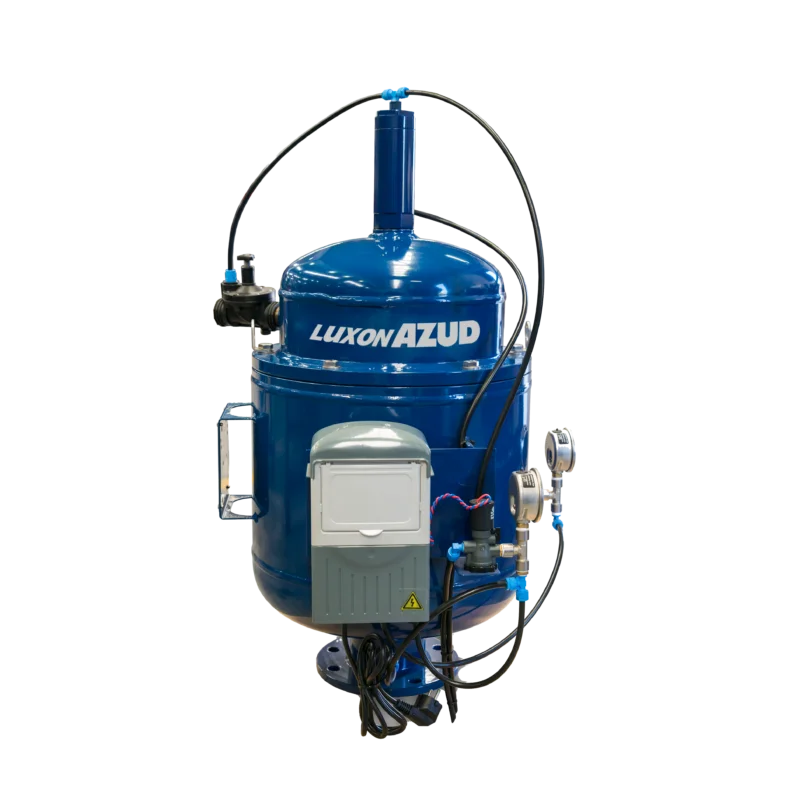
  • Reduction in operating costs: Although the initial investment in a modern irrigation system can be substantial, the long-term savings in water consumption and maintenance more than make up for it. In addition, many modern systems include automated technologies that reduce the need for labor.
  • Contribution to environmental sustainability: Using water more efficiently helps conserve this vital resource and reduces the environmental impact of agricultural practices, in line with global trends toward more sustainable agriculture.


How to Choose an Irrigation System for Alfalfa

Choosing the right irrigation system for alfalfa depends on several factors, including the climate, the topography of the land, and the available resources. Below is a guide to selecting the most appropriate system:

  • Site Assessment: It is important to consider the slope and texture of the soil, as these factors affect water absorption and Irrigation efficiency.
  • Local Climate Analysis: The type of irrigation may also depend on the climate. For example, in areas with high temperatures and low humidity, drip irrigation can minimize evaporation.
  • Consult with the experts at AZUD: Working with agronomists or consultants who specialize in irrigation can provide valuable information based on science and practical experience.
  • Consideration of the scale of cultivation: The size of the alfalfa field influences the choice of system.
  • Available budget: Finally, budget is a decisive factor. It is crucial to balance the initial cost with the long-term benefits of increased efficiency and higher production.

Frequently Asked Questions

The recommended irrigation systems for alfalfa include drip irrigation, sprinkler irrigation, and flood irrigation, since alfalfa requires water to be applied in multiple applications, as its needs vary throughout the production cycle. This allows us to adapt to different soil and climatic conditions, optimizing alfalfa growth and production.


Choosing the right irrigation system for your alfalfa depends on several factors, such as field size, soil type, local climate, and available water resources. Considering these factors will help you choose a system that maximizes irrigation efficiency and crop yield.


When implementing sprinkler irrigation for alfalfa, it is crucial to consider the system’s irrigation uniformity, the required water pressure, and the irrigation frequency. It is also important to adjust the amount of water applied according to the alfalfa’s growth stage to prevent waterlogging and ensure optimal growth.

 
Success Stories
Related Products
Contact AZUD