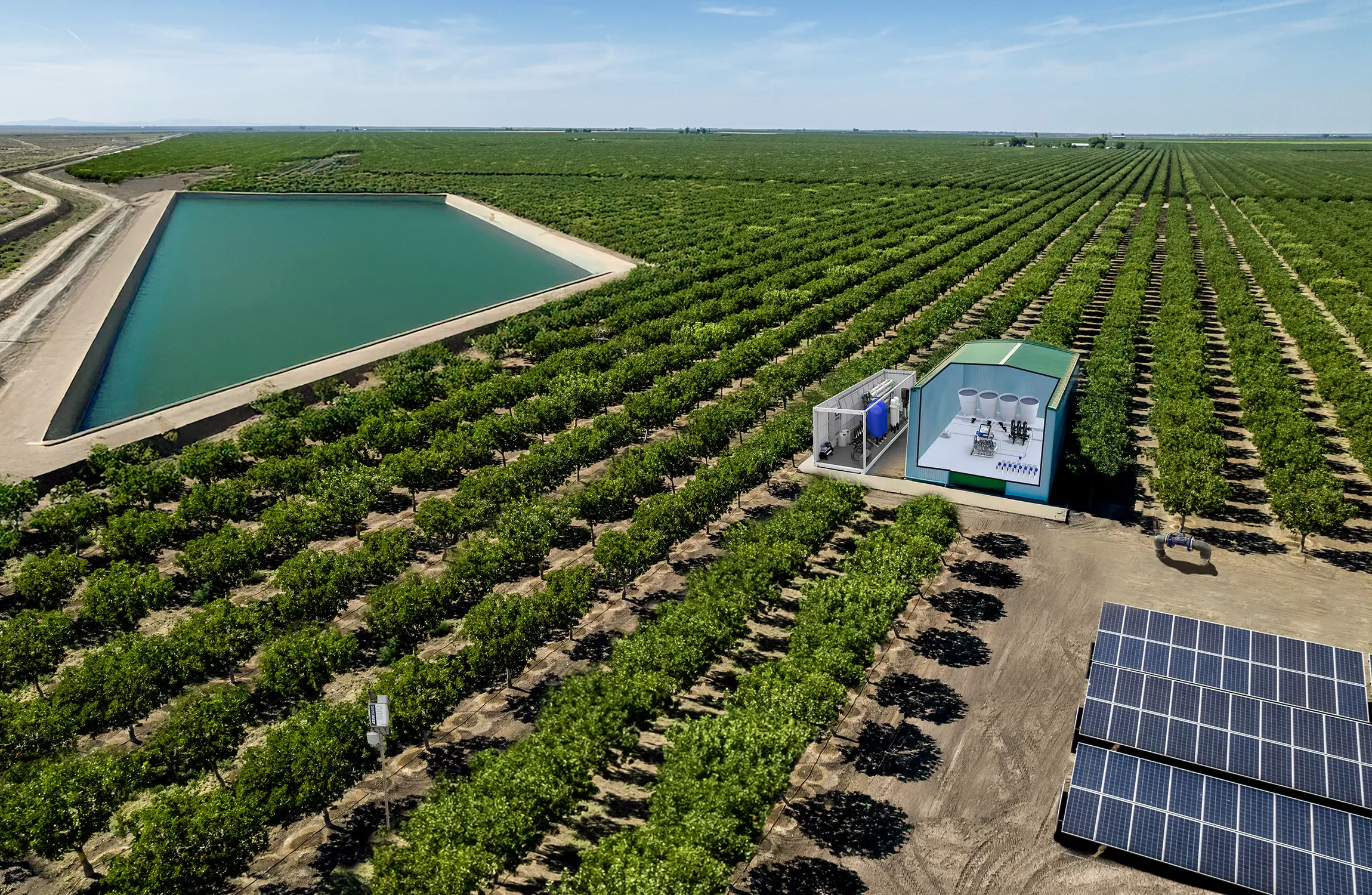
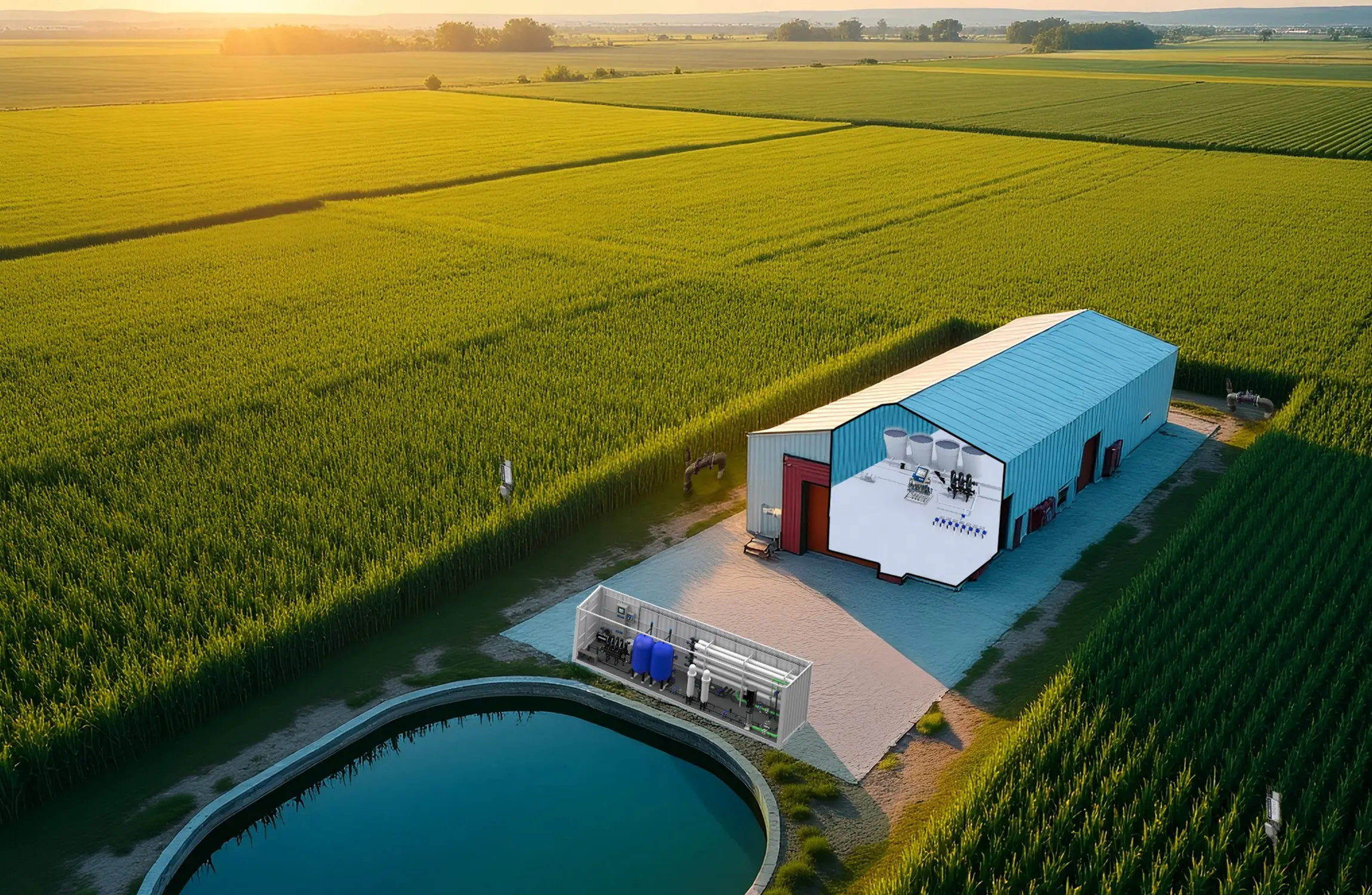
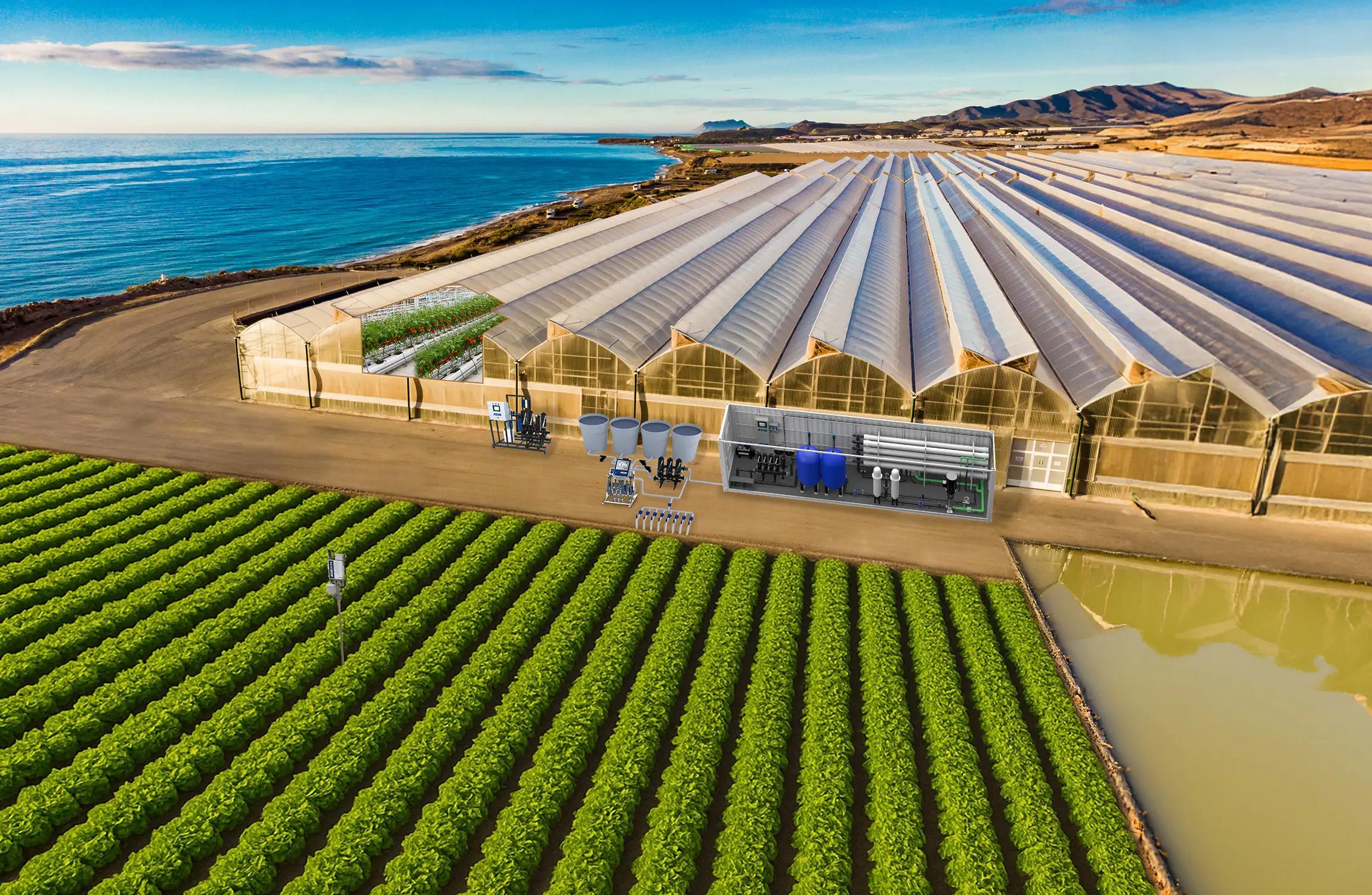
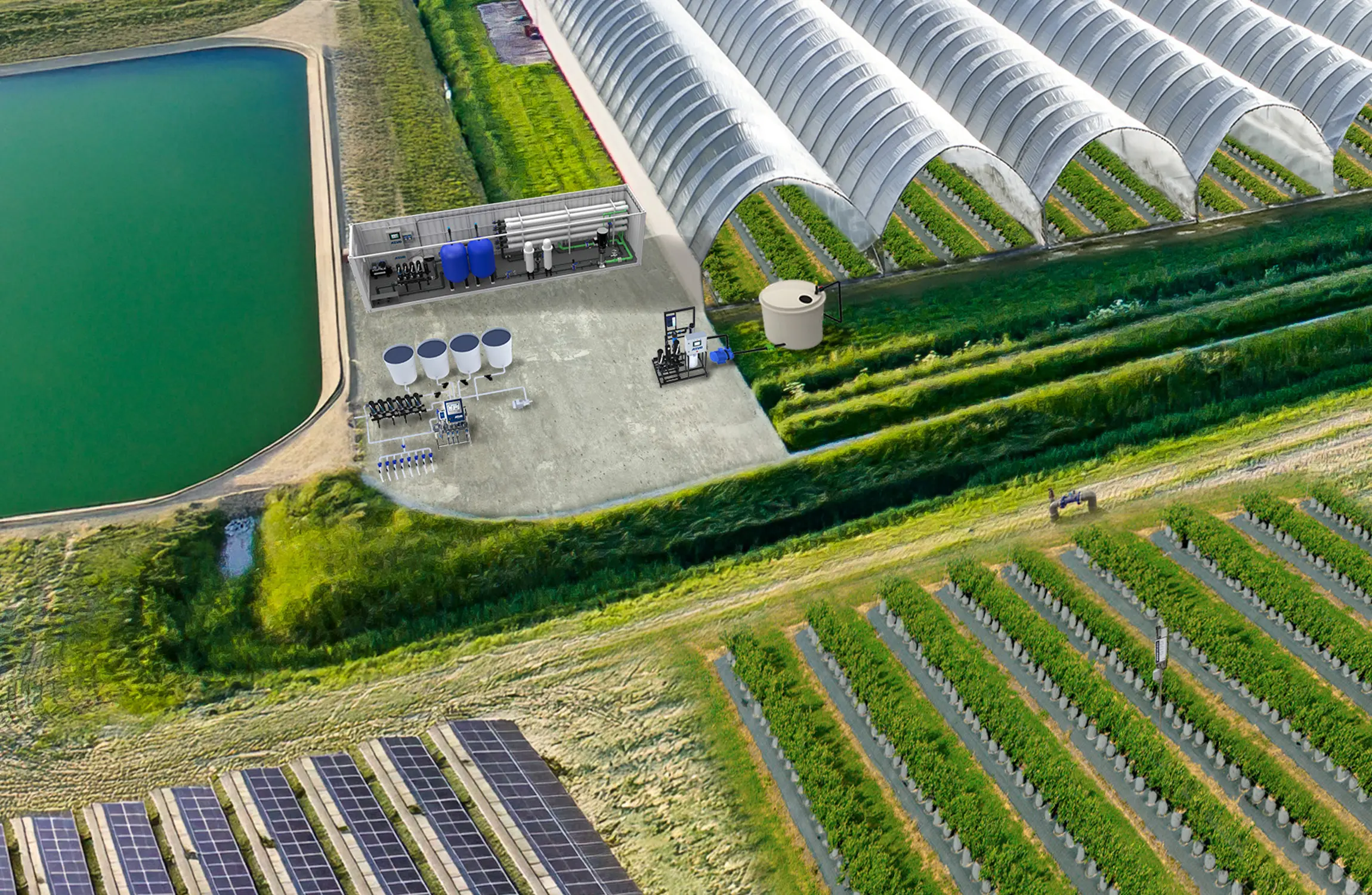
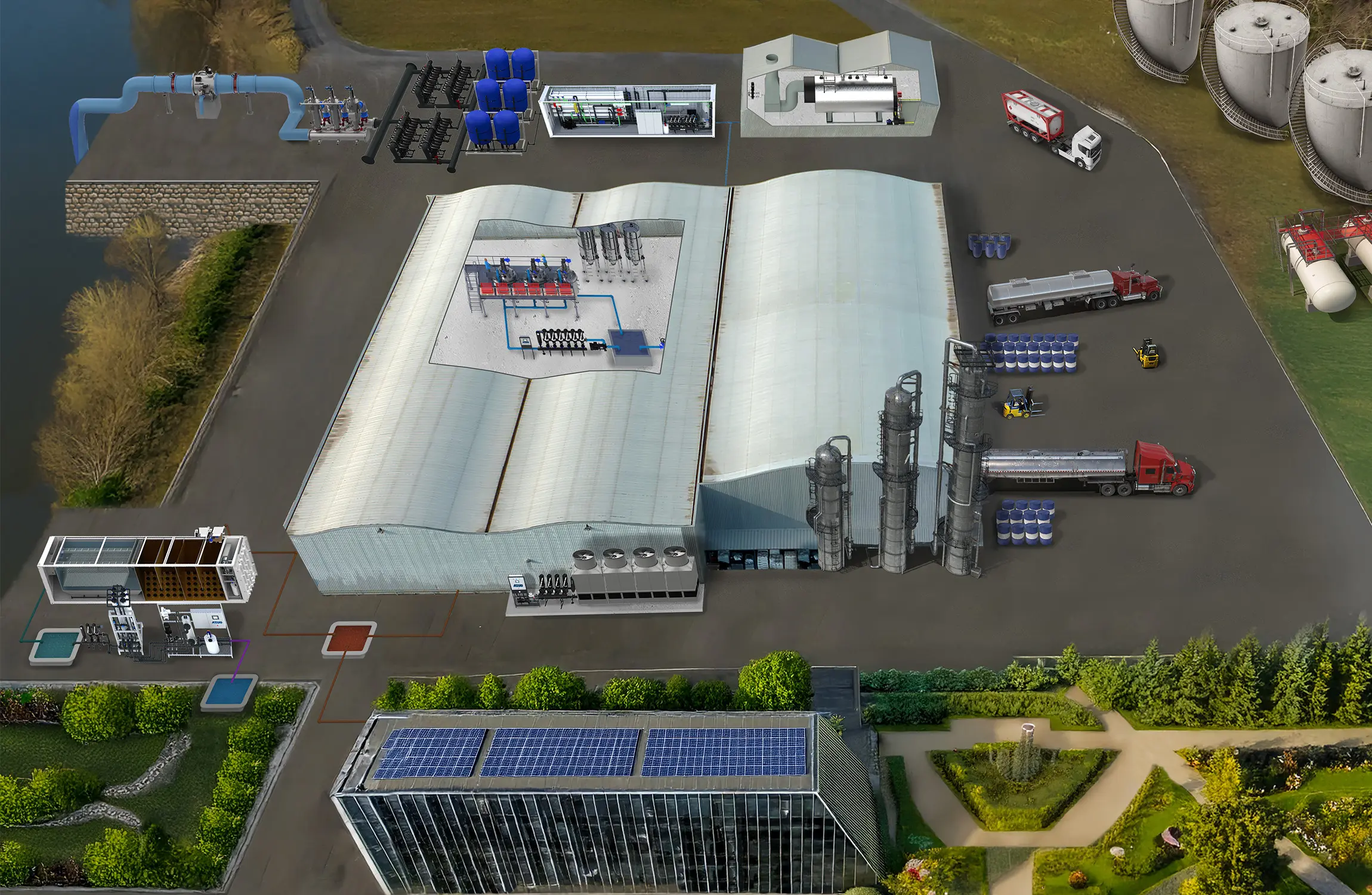

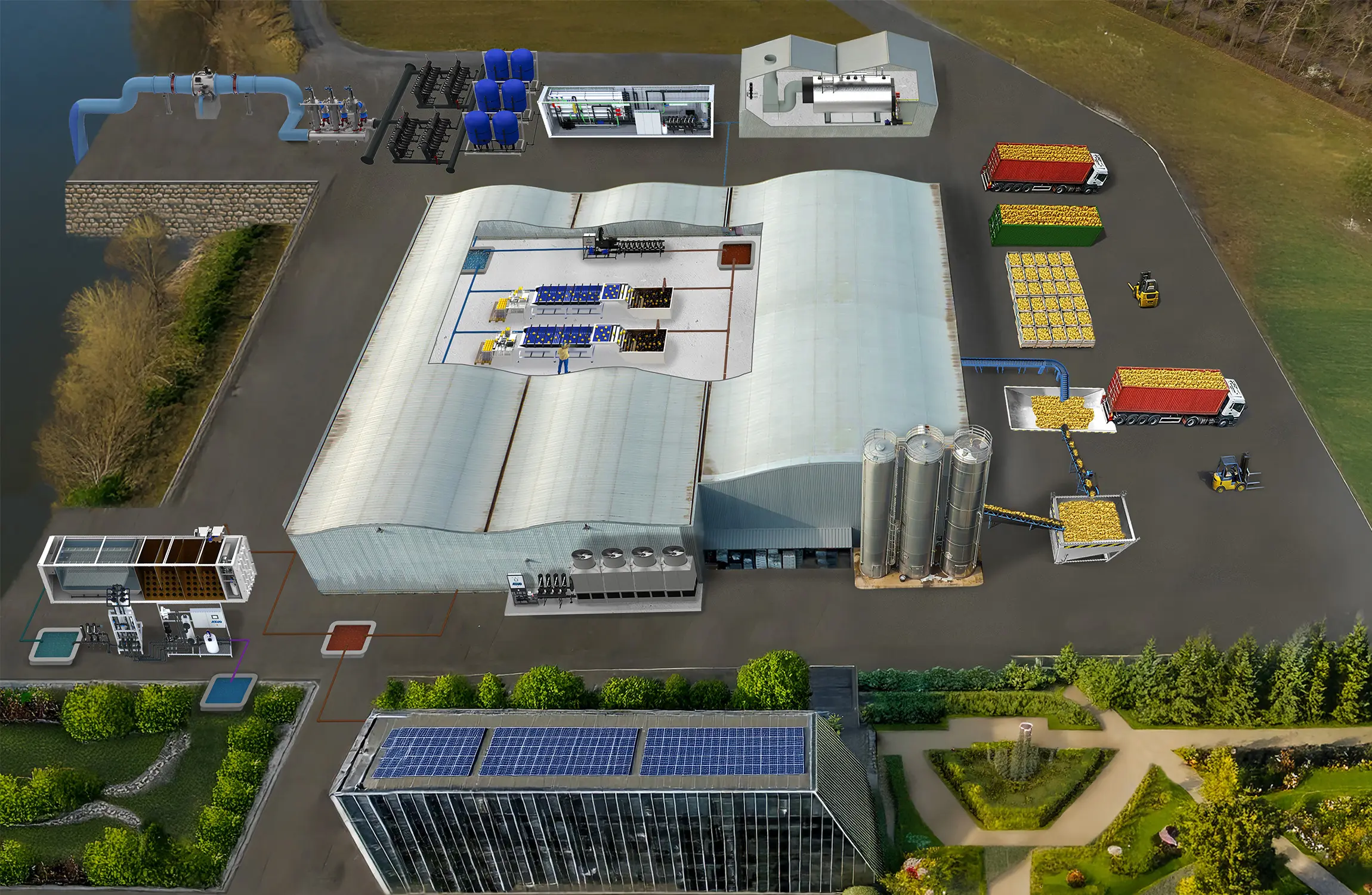
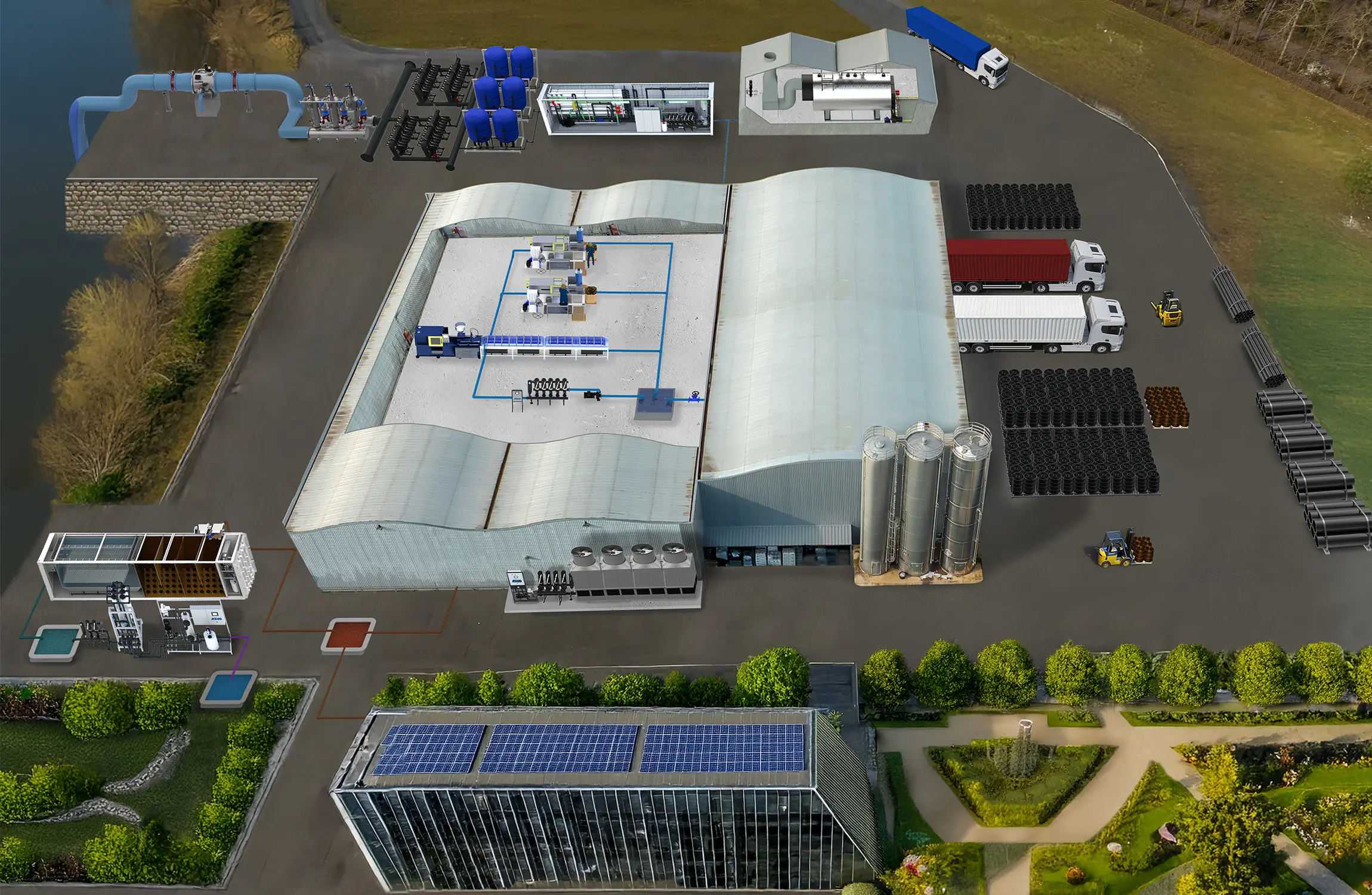





















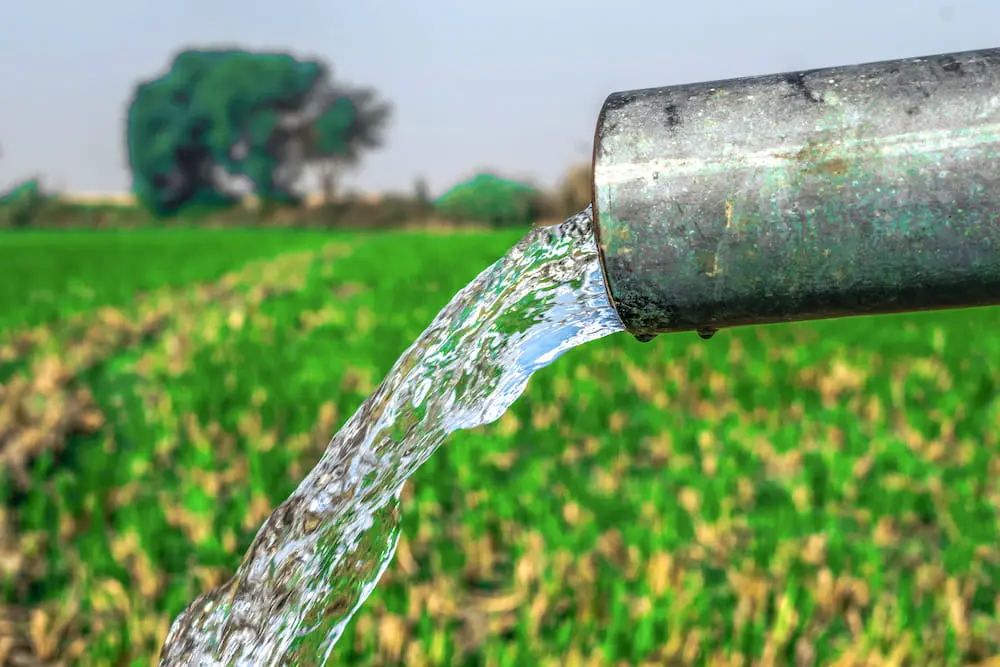
In irrigated agriculture, “water quality” is a critical factor that significantly affects crop success. This article will thoroughly explore the importance of water quality in irrigated agriculture, focusing on the keywords: water quality in irrigation, irrigation water, irrigation, and agriculture.
Water Quality in Irrigation Agriculture
Irrigation agriculture relies on the controlled supply of water to crops, making it a fundamental practice for global food production. However, it is not just about the quantity of water provided; water quality plays an equally essential role.
The Importance of Water Quality in Irrigation
Water quality in irrigation is crucial because of its impact on many aspects:
- Water Quality in Healthcare: Microbiological purity and the absence of contaminants are essential to prevent crop damage and ensure food safety.
- Agronomic Water Quality: The chemical composition of water, including its pH and ion levels, can affect plant growth and development.
- Quality in Water Application Engineering: Suspended and dissolved solids, as well as the presence of organisms, can affect the efficiency of irrigation systems.
Impact on Agriculture and Recommendations
Water quality is a valuable resource in irrigation agriculture. Ignoring it or failing to understand its importance can lead to:
- A decline in the quantity and quality of production.
- Rising costs of irrigation and equipment maintenance.
- Reduced service life of irrigation system components.
Best Practices for Improving Water Quality in Irrigation Agriculture
To optimize irrigation water quality and maximize agricultural productivity, the following recommendations can be followed:
- Conduct regular water tests to assess water quality and take corrective action as needed.
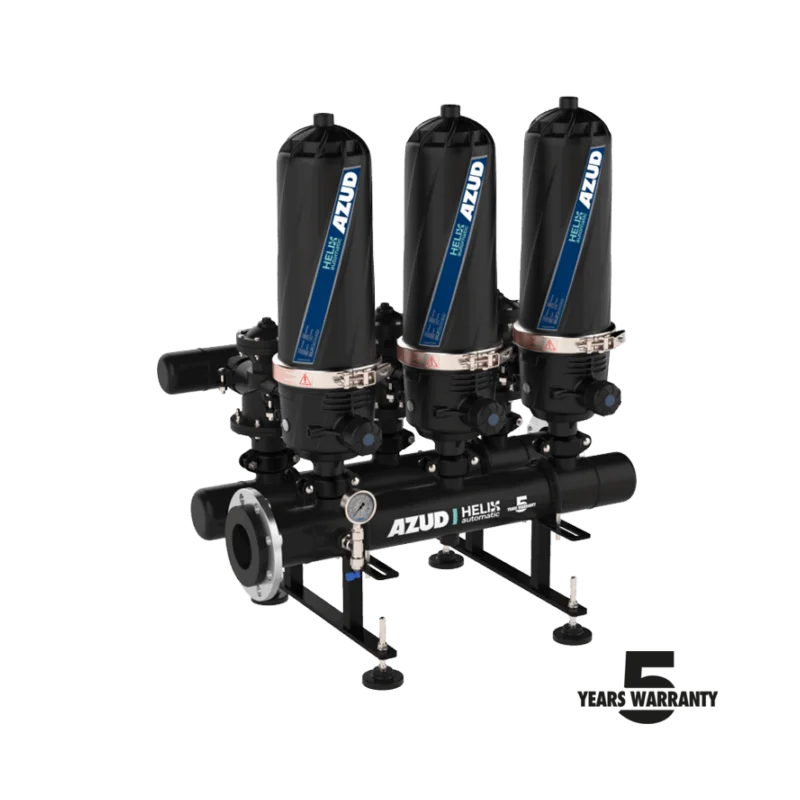
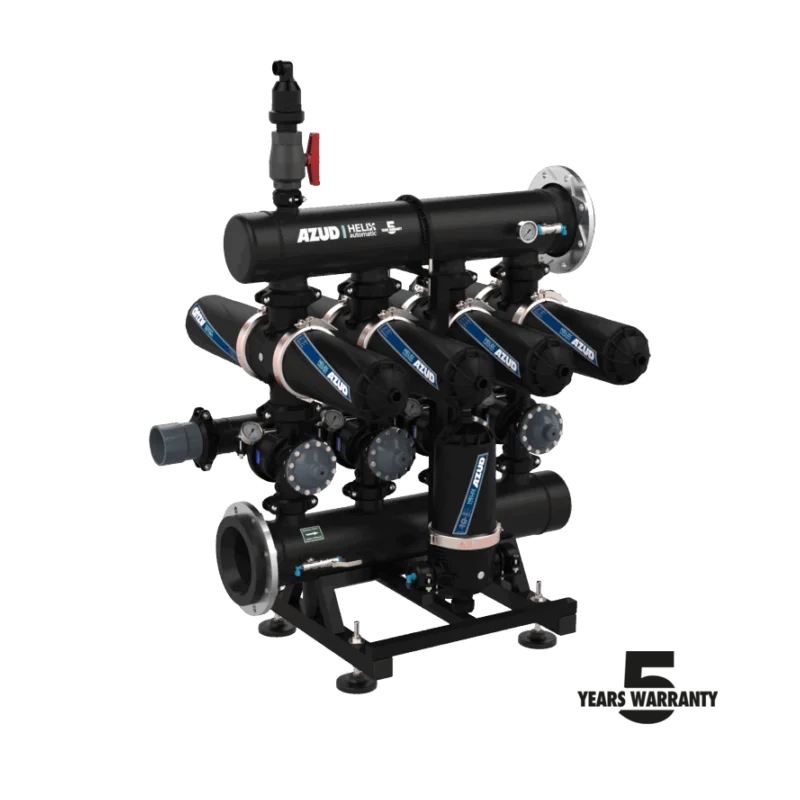
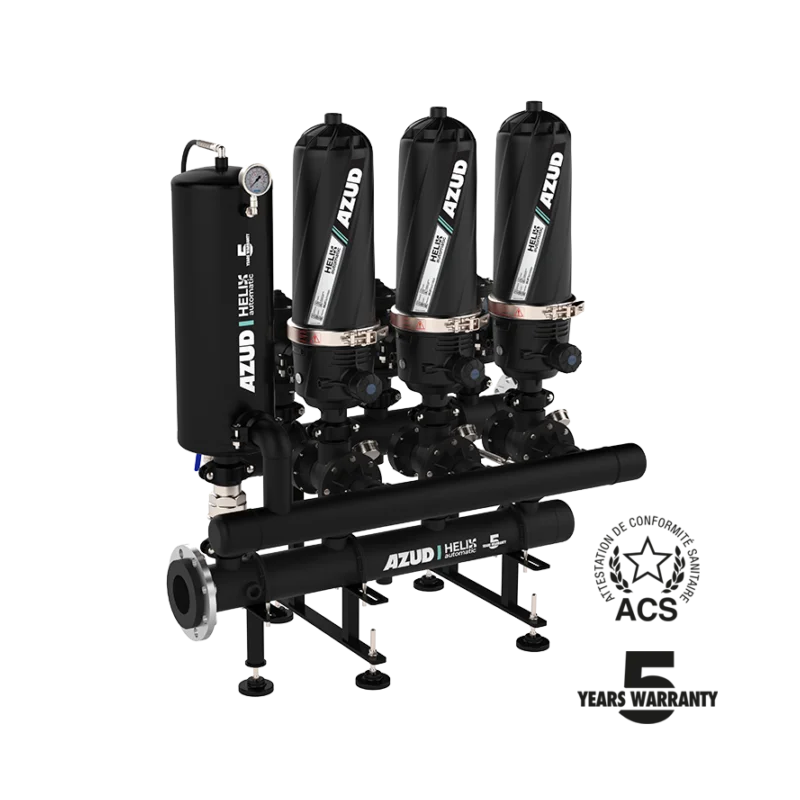
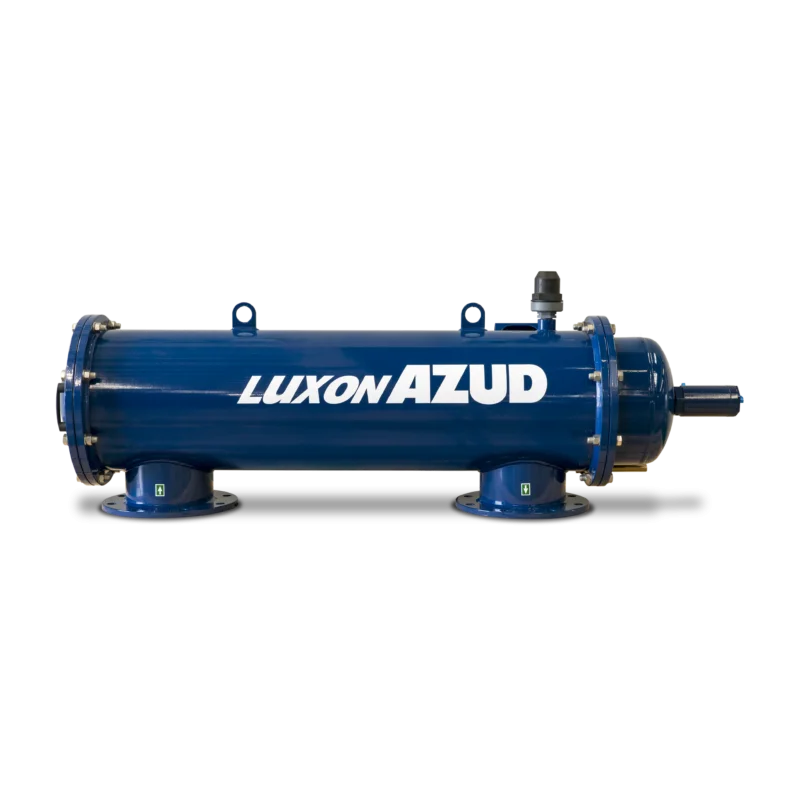
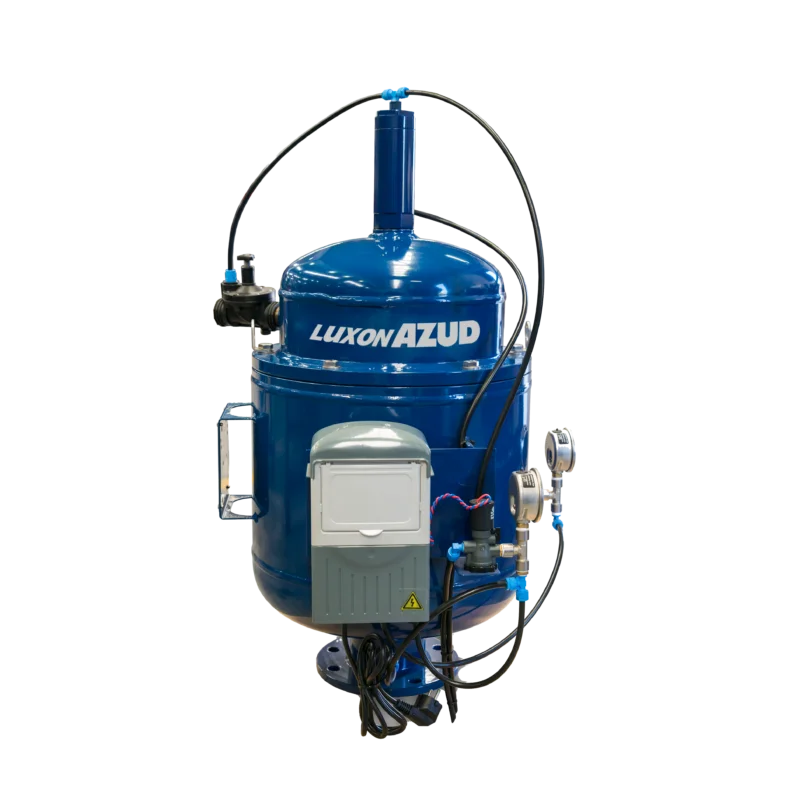
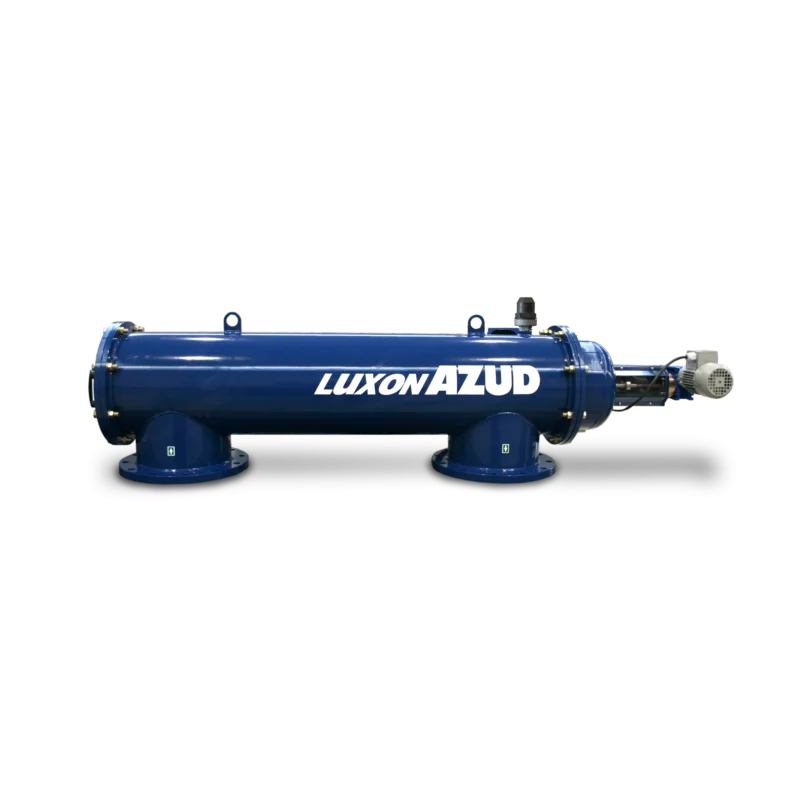
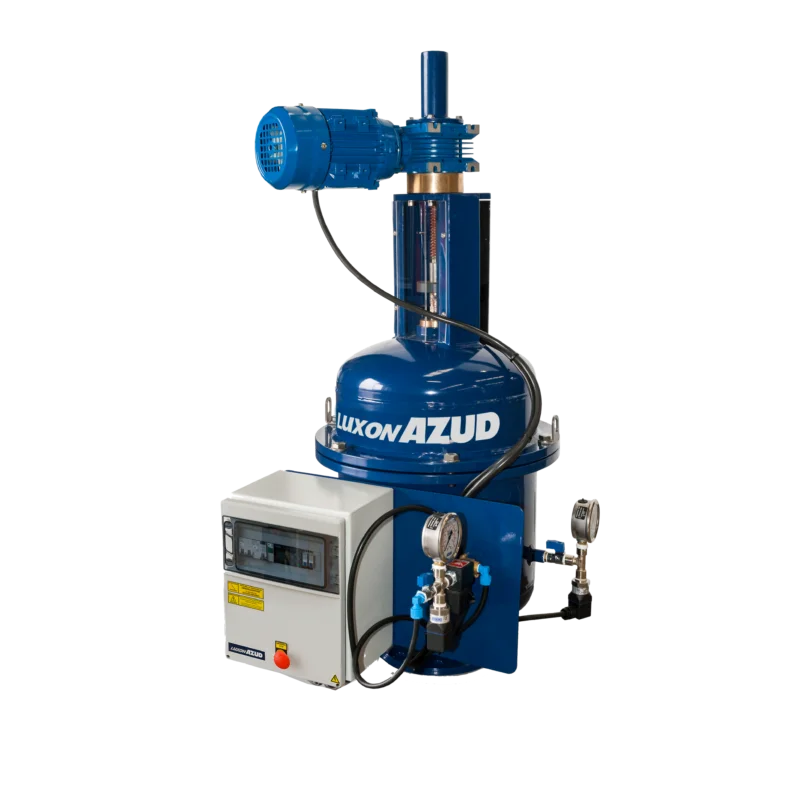
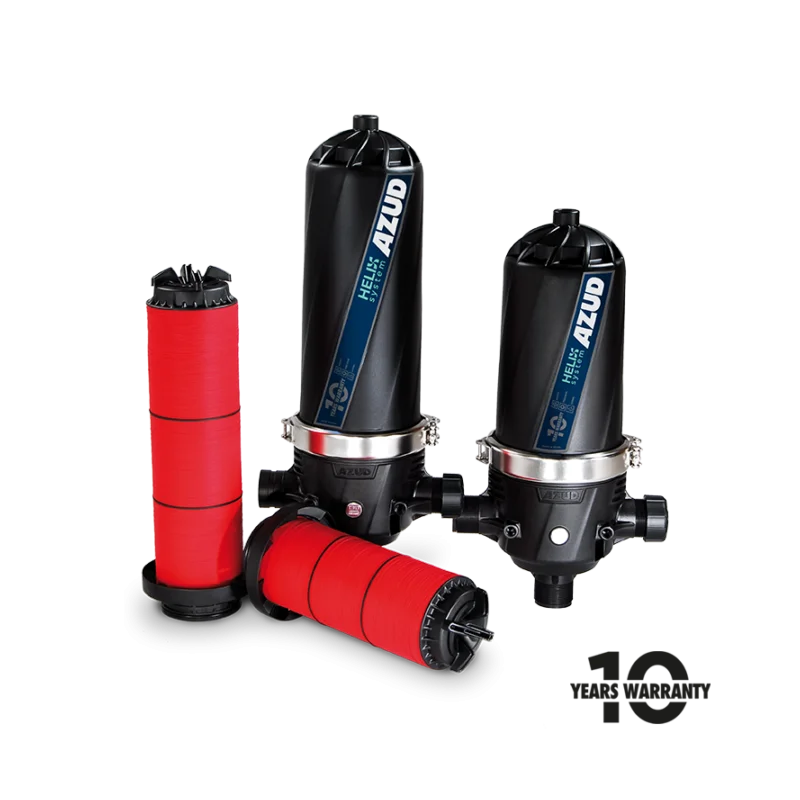
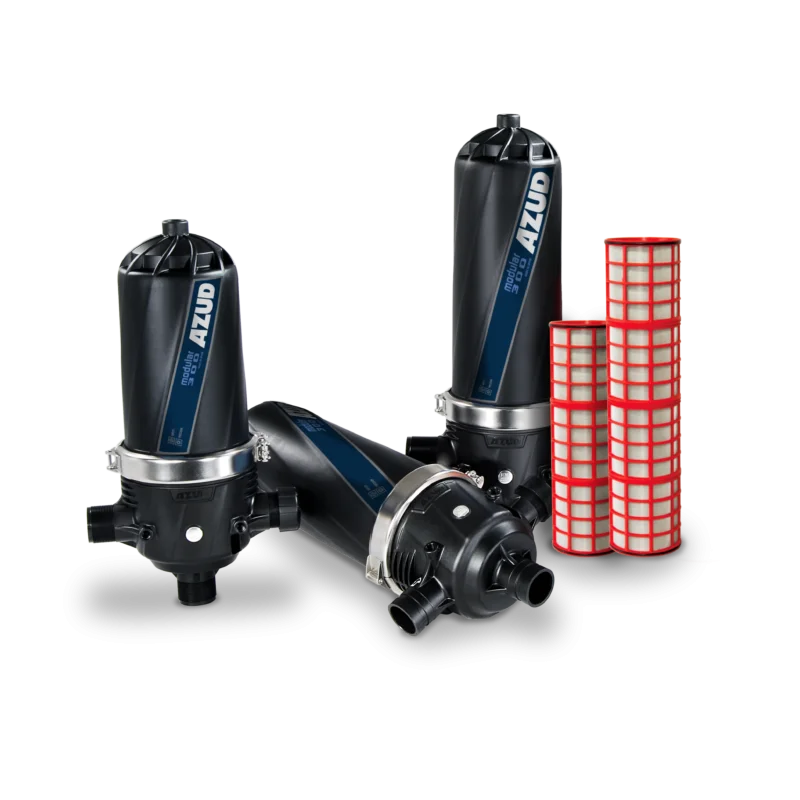
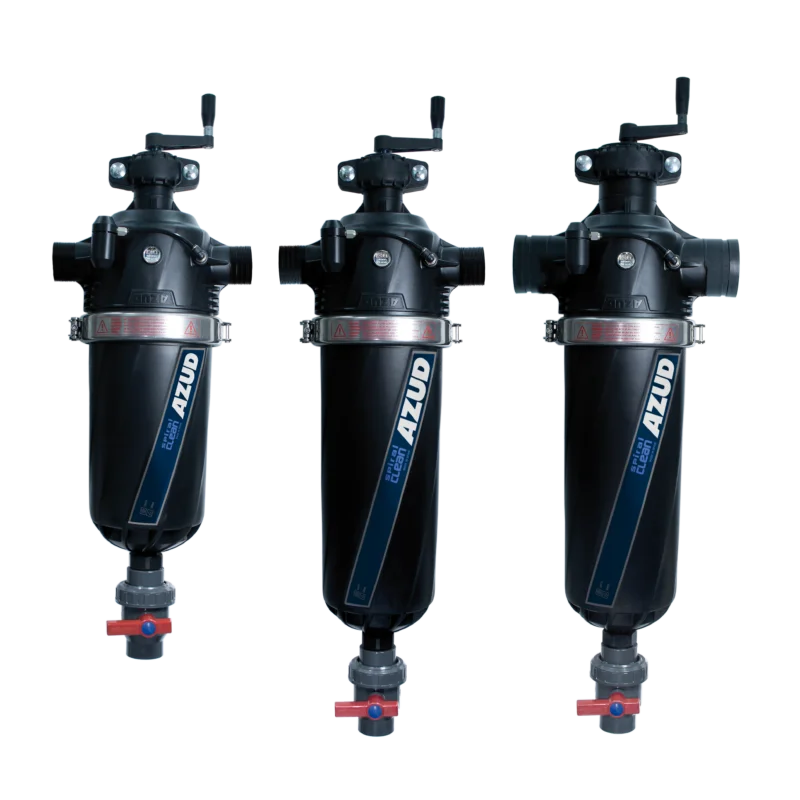
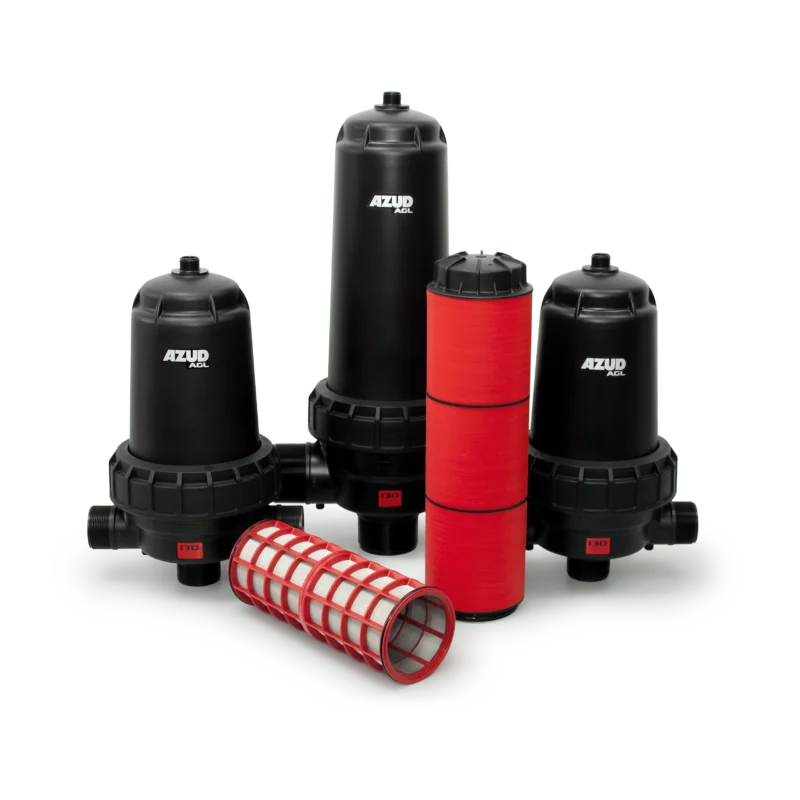
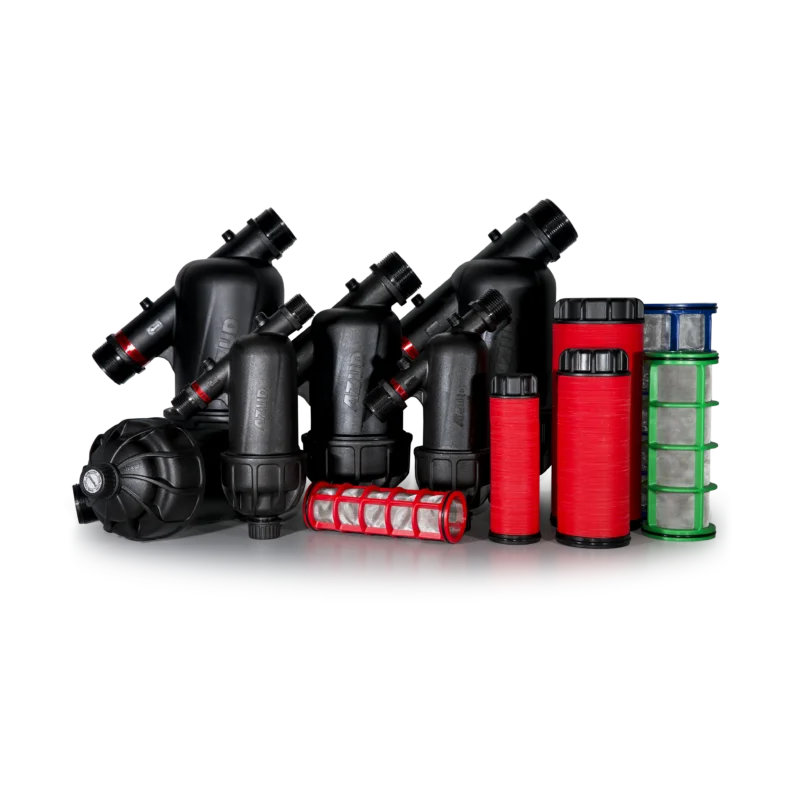
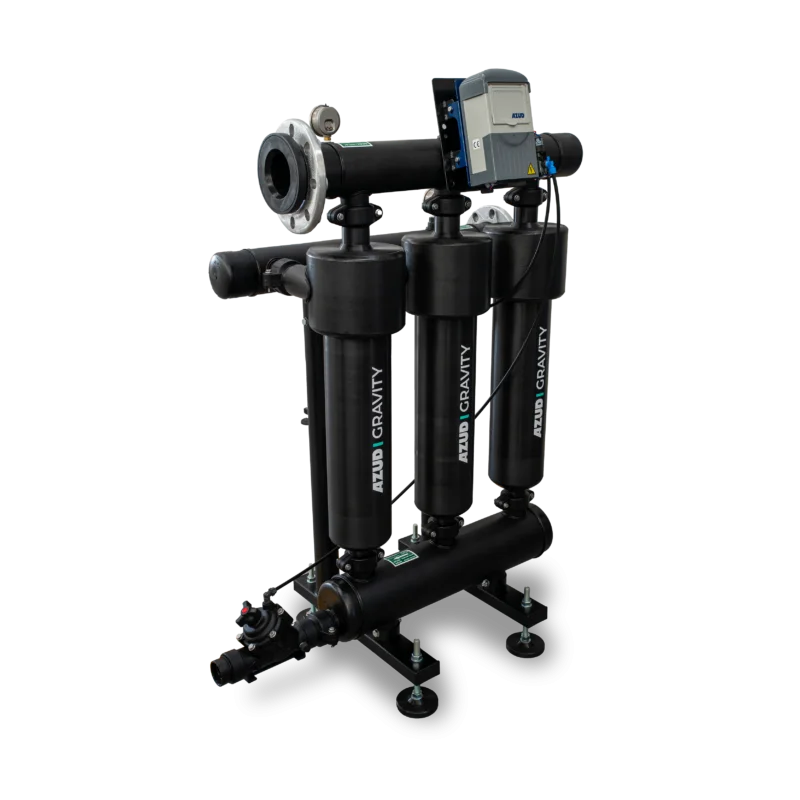
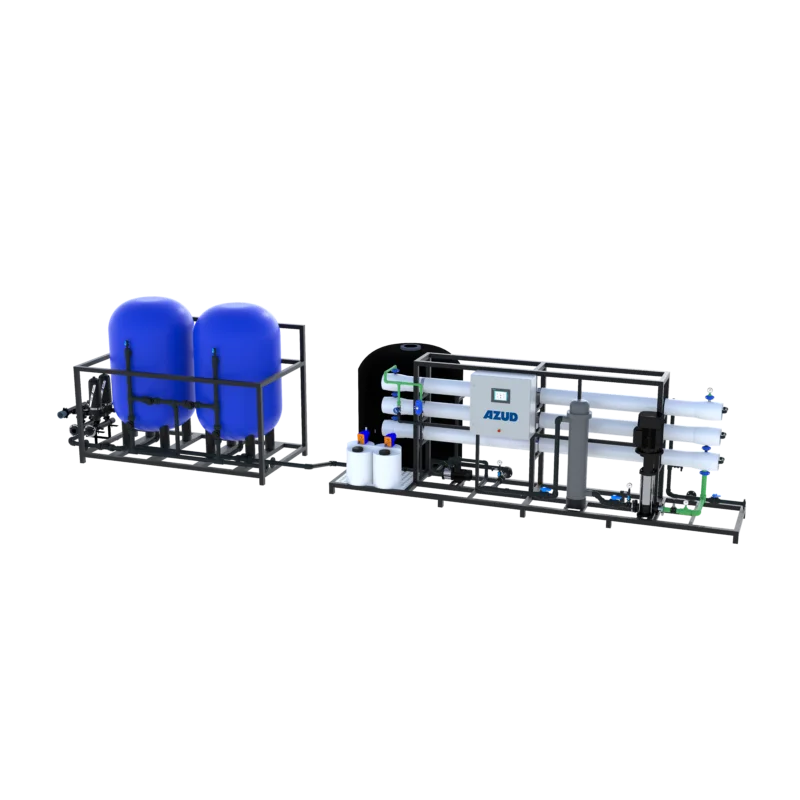
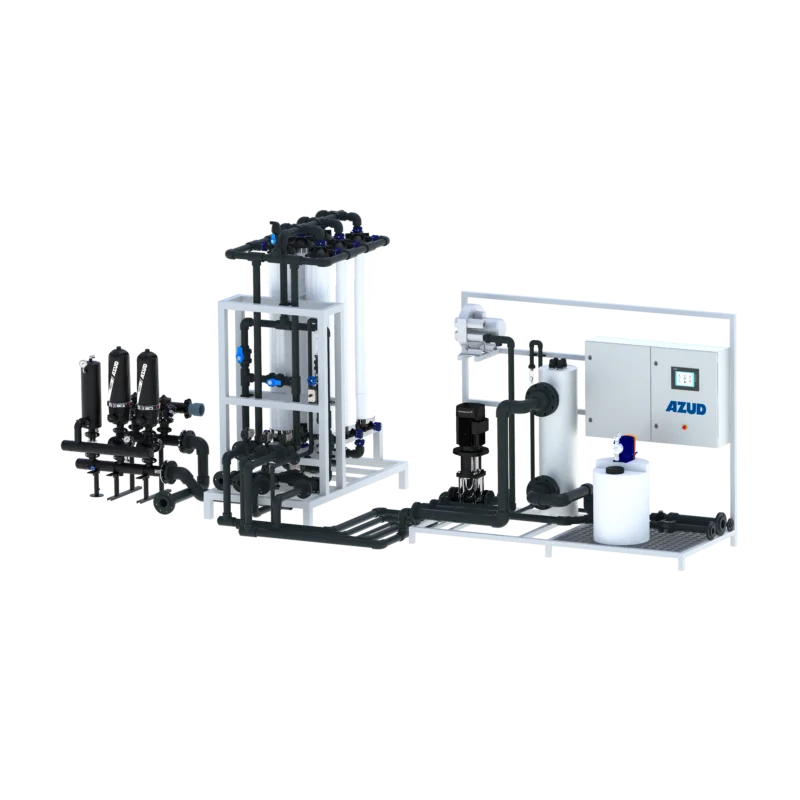
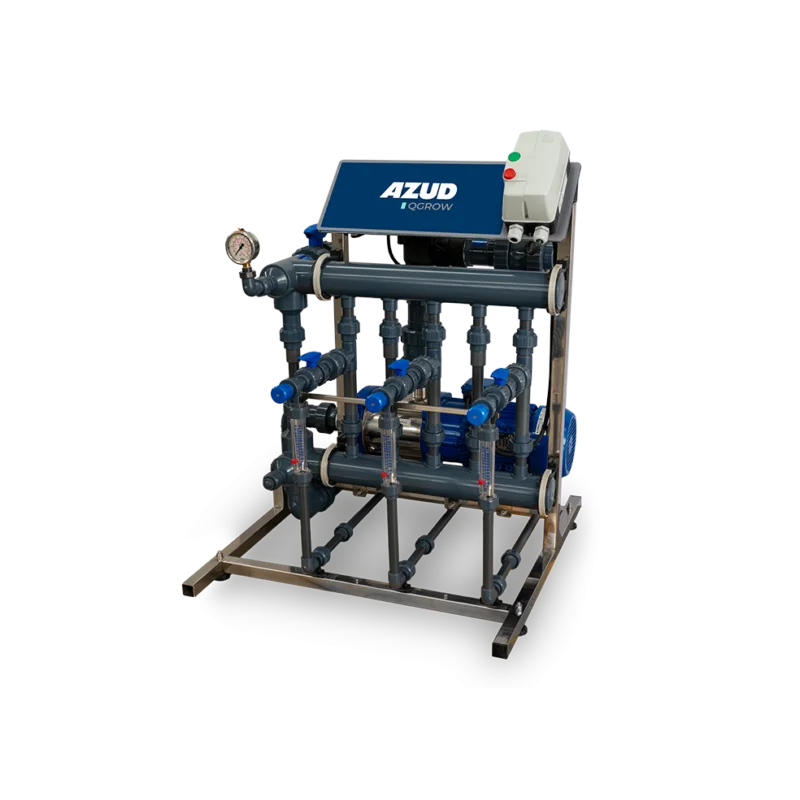
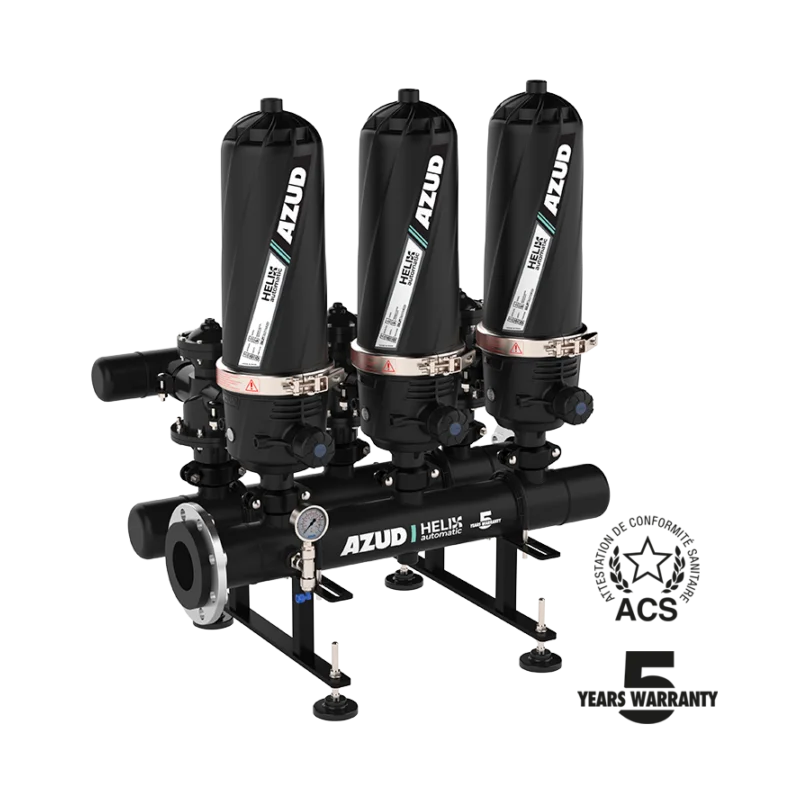
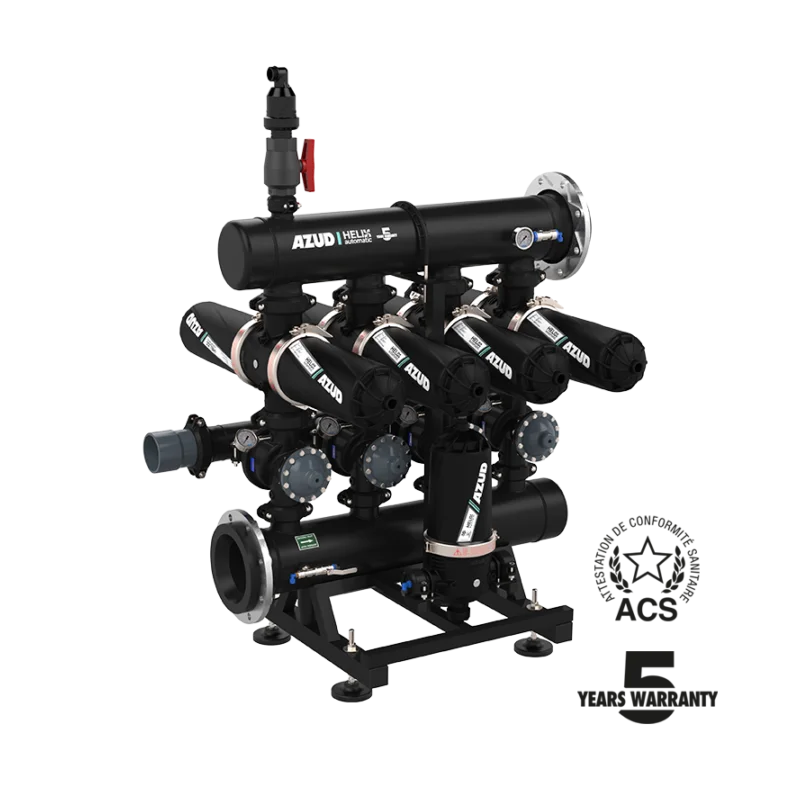
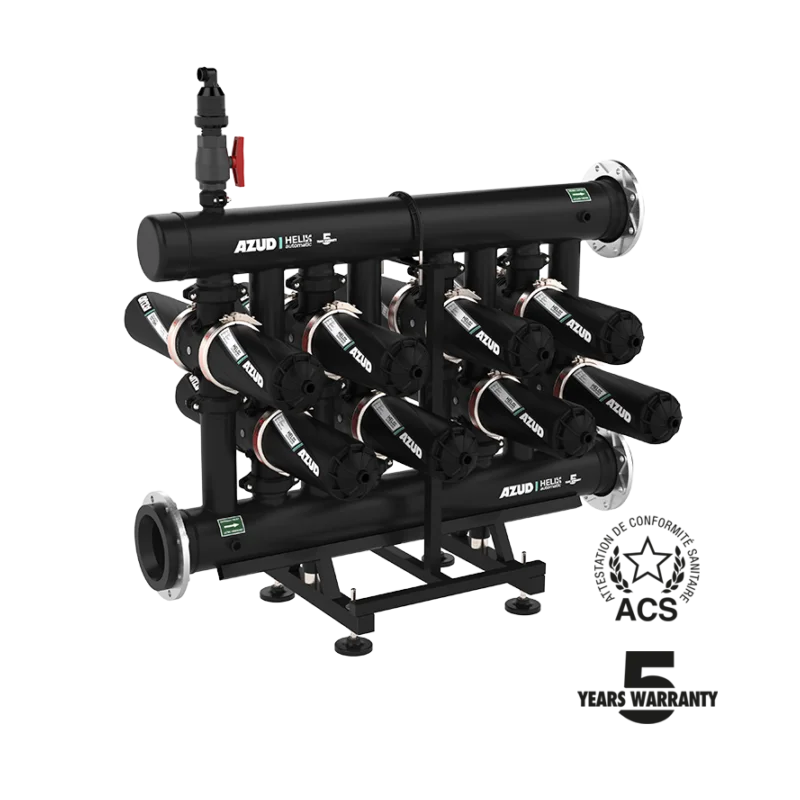
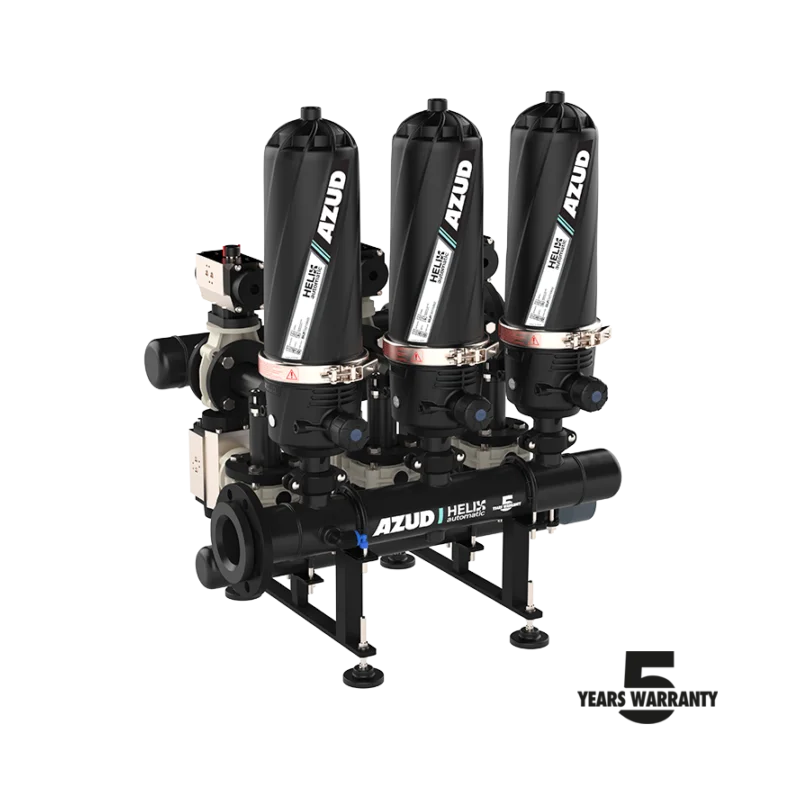
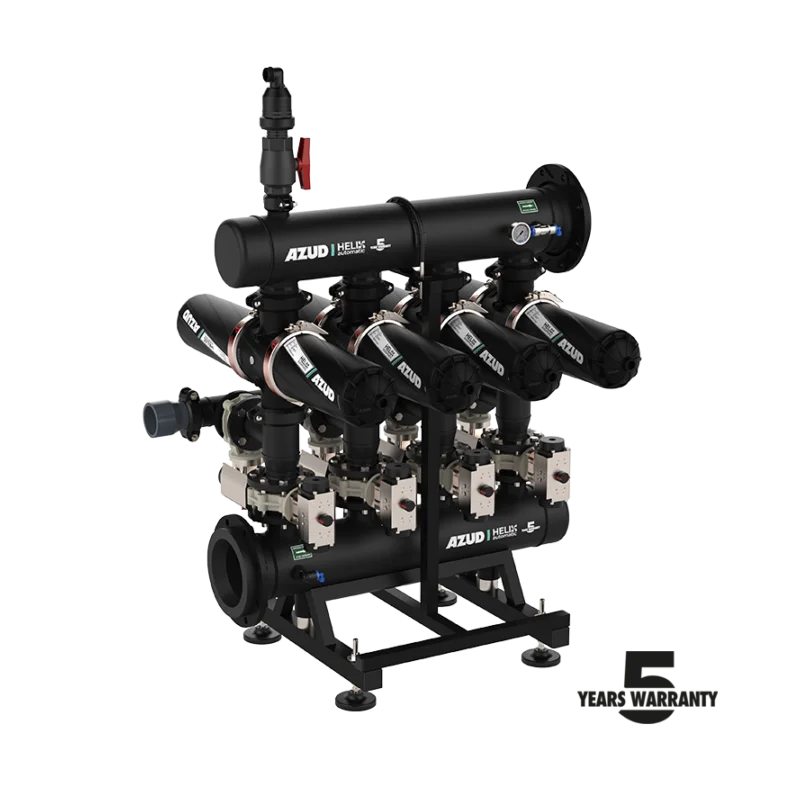
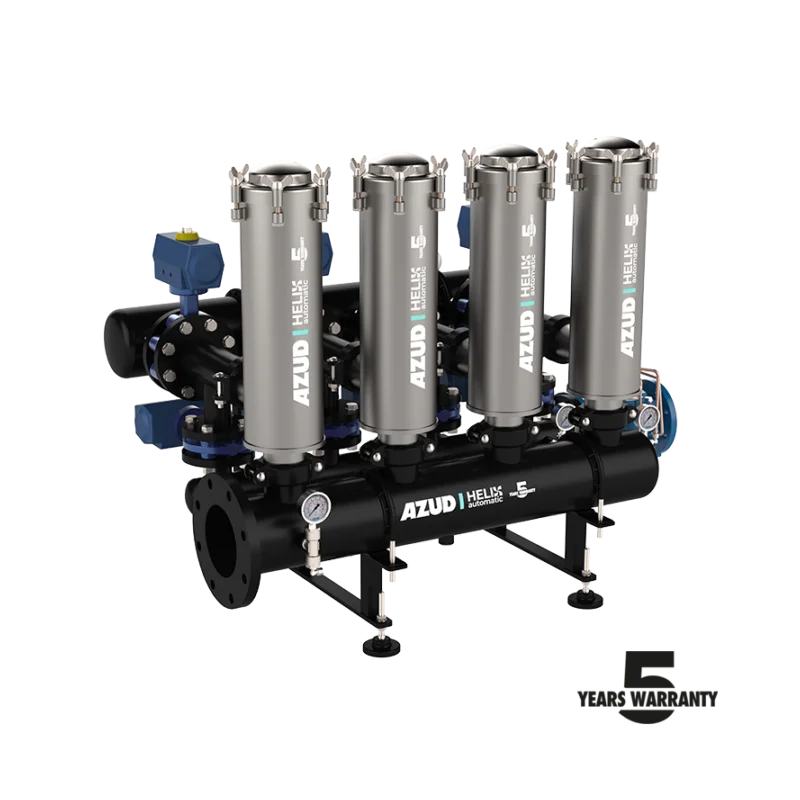
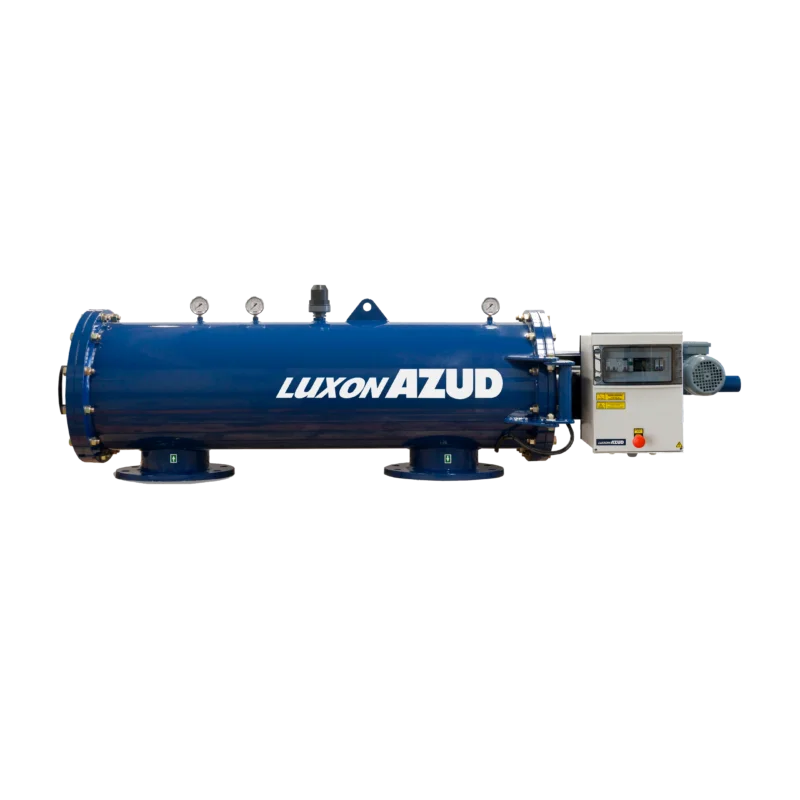
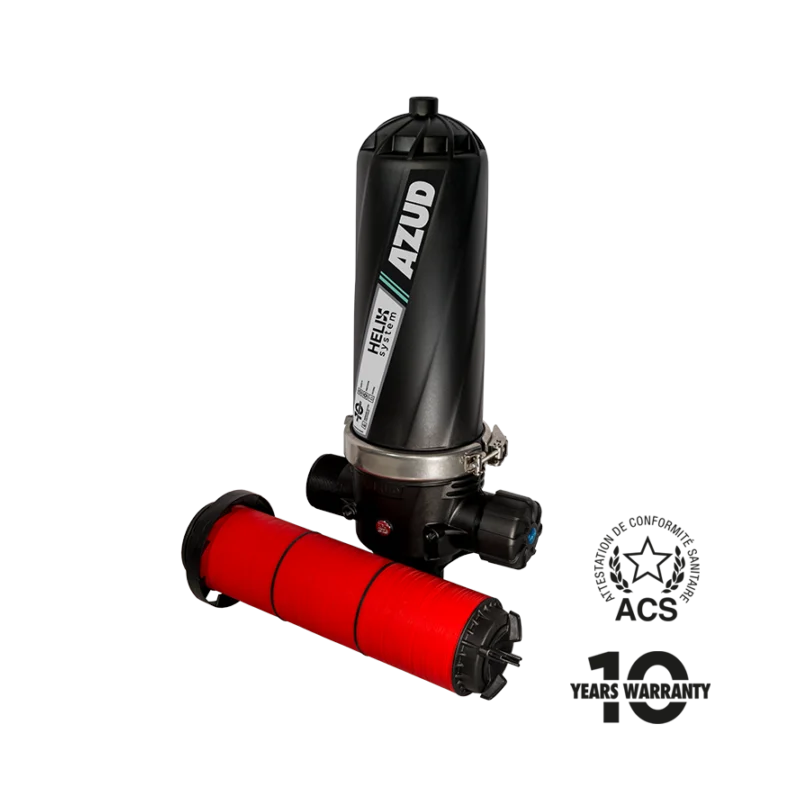
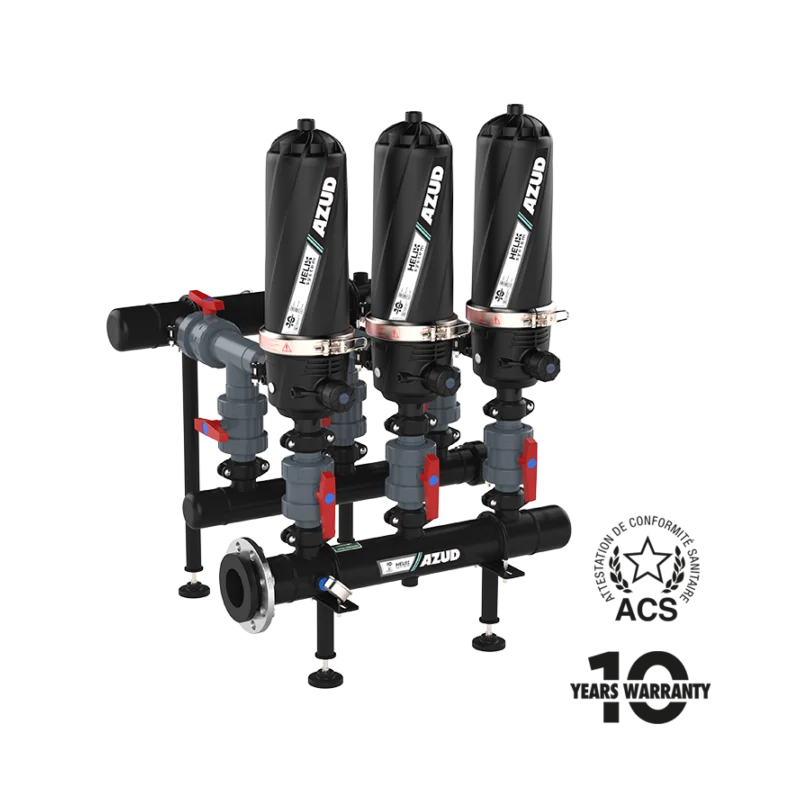
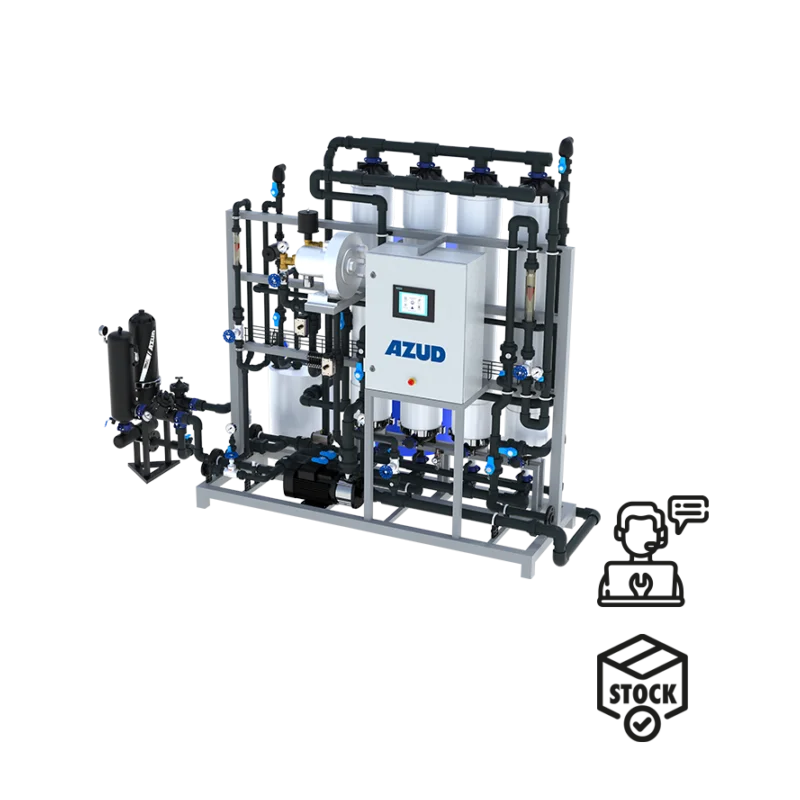
- Implement appropriate filtration systems to remove suspended solids and improve water quality.
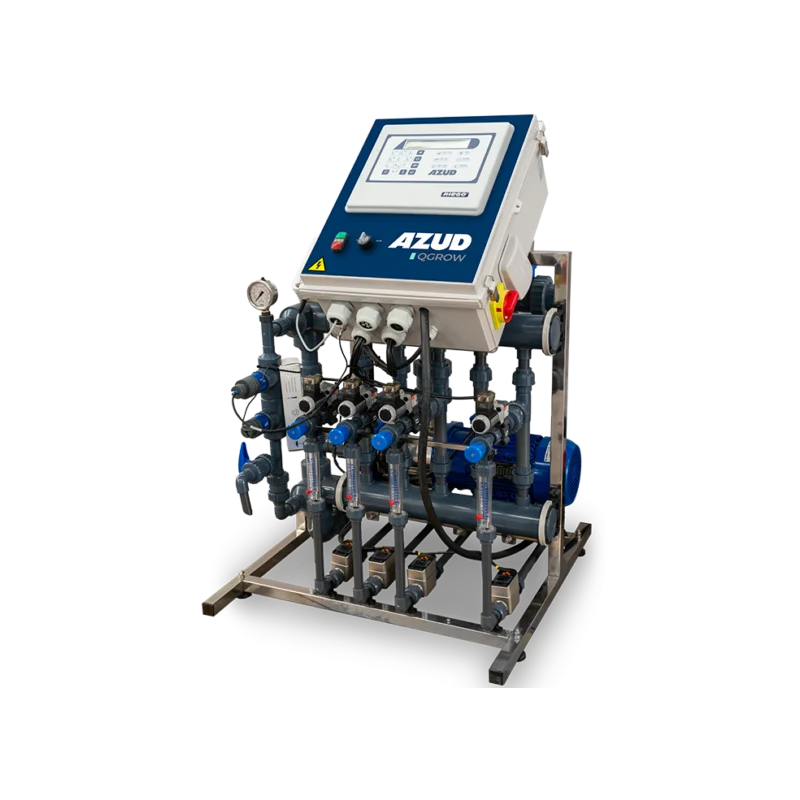
- Monitor and adjust the pH of the water as needed to meet the specific needs of the crops.
- Consider using chemical treatments to reduce the microbial load and control the growth of harmful bacteria.
Conclusions
In summary, water quality in irrigated agriculture is a key factor in crop success and agricultural sustainability. Assessing and maintaining water quality is essential for optimizing production and minimizing risks. From sanitary quality to chemical composition and its impact on irrigation systems, every aspect must be considered and managed effectively to achieve successful irrigated agriculture.
This article has addressed the relevance of irrigation water quality, irrigation water, irrigation, and agriculture in the context of irrigated agriculture, highlighting their importance for farmers and global food security. Proper water quality management is essential to ensuring a sustainable global food supply.