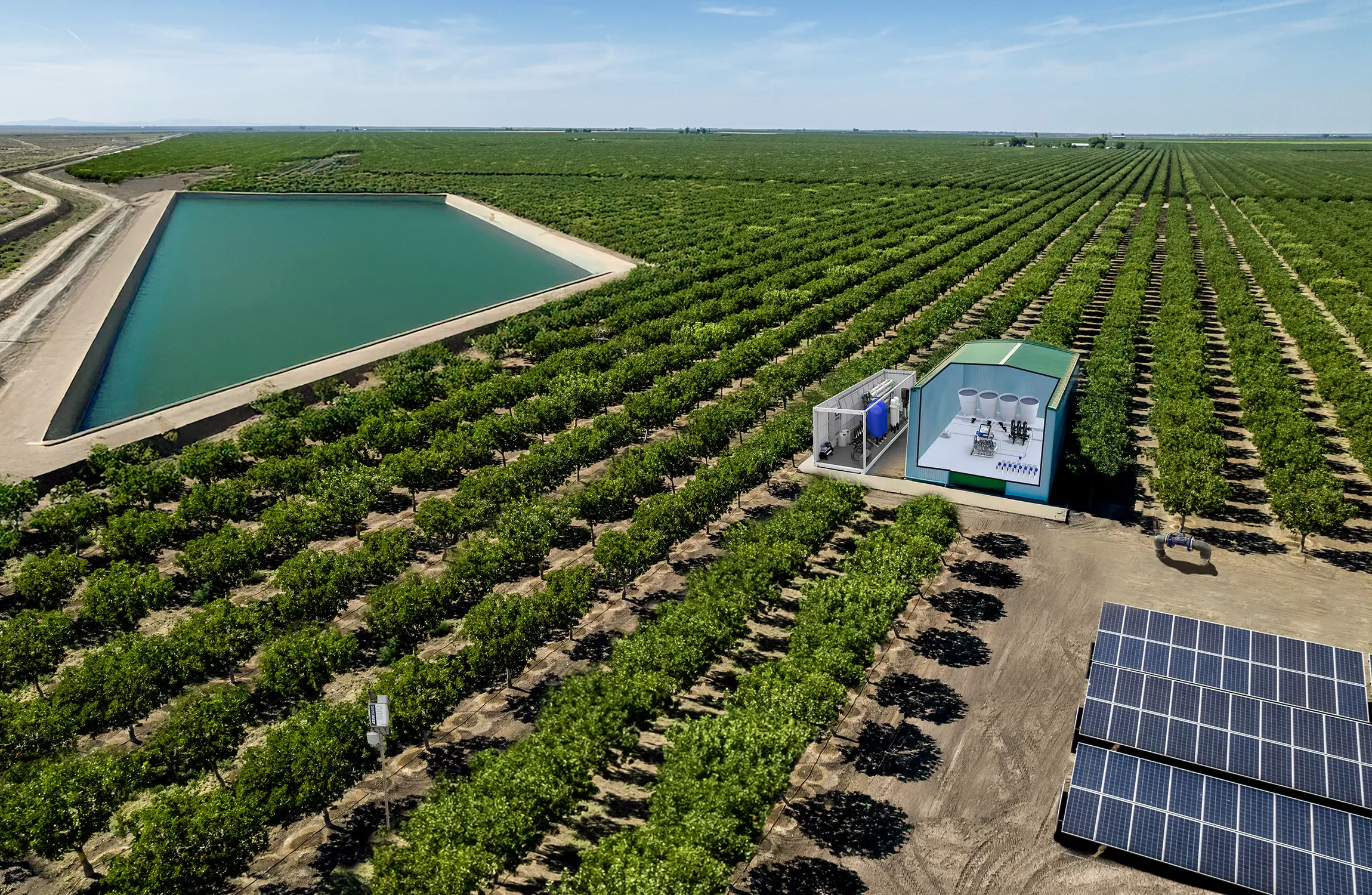
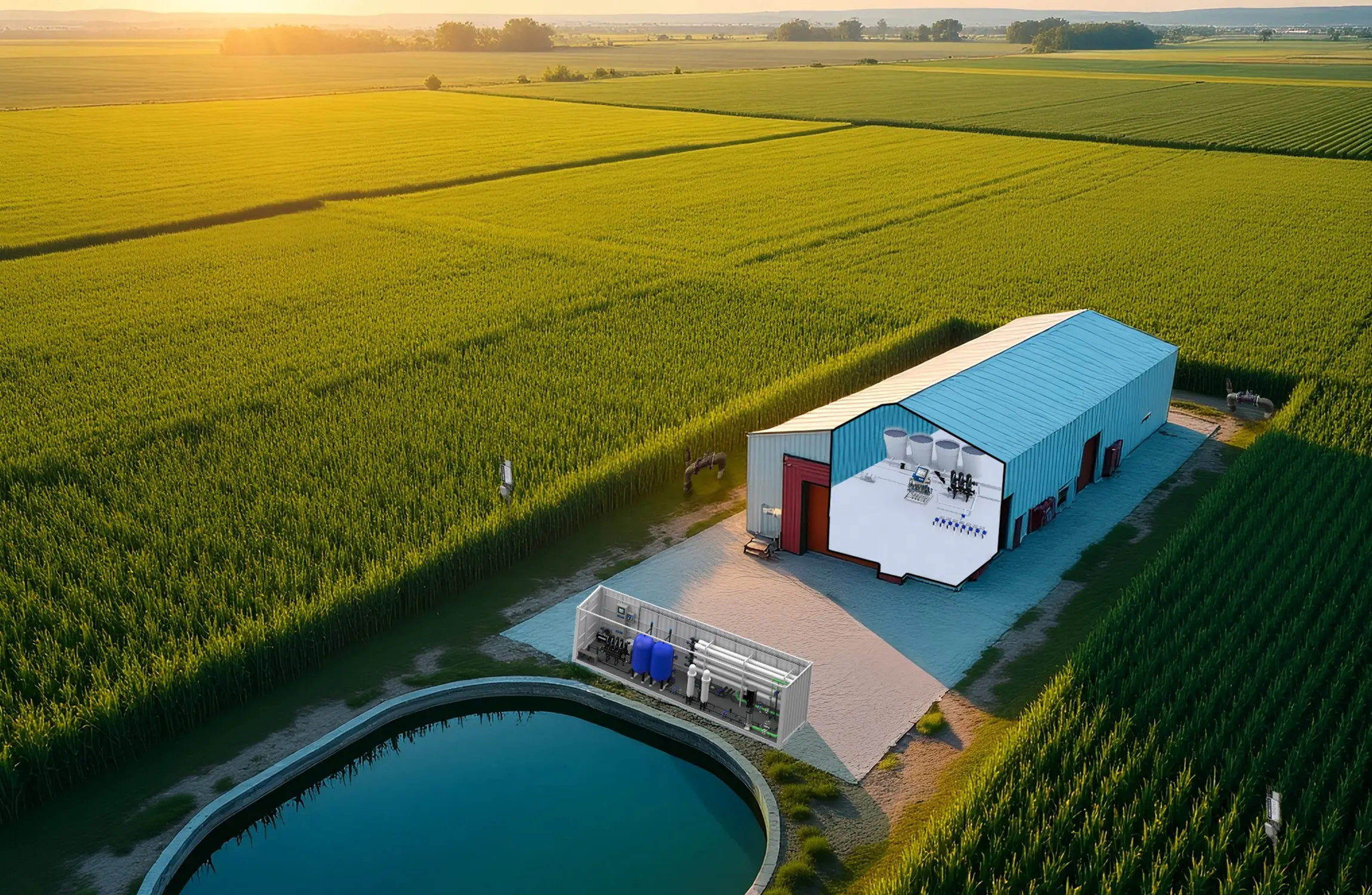
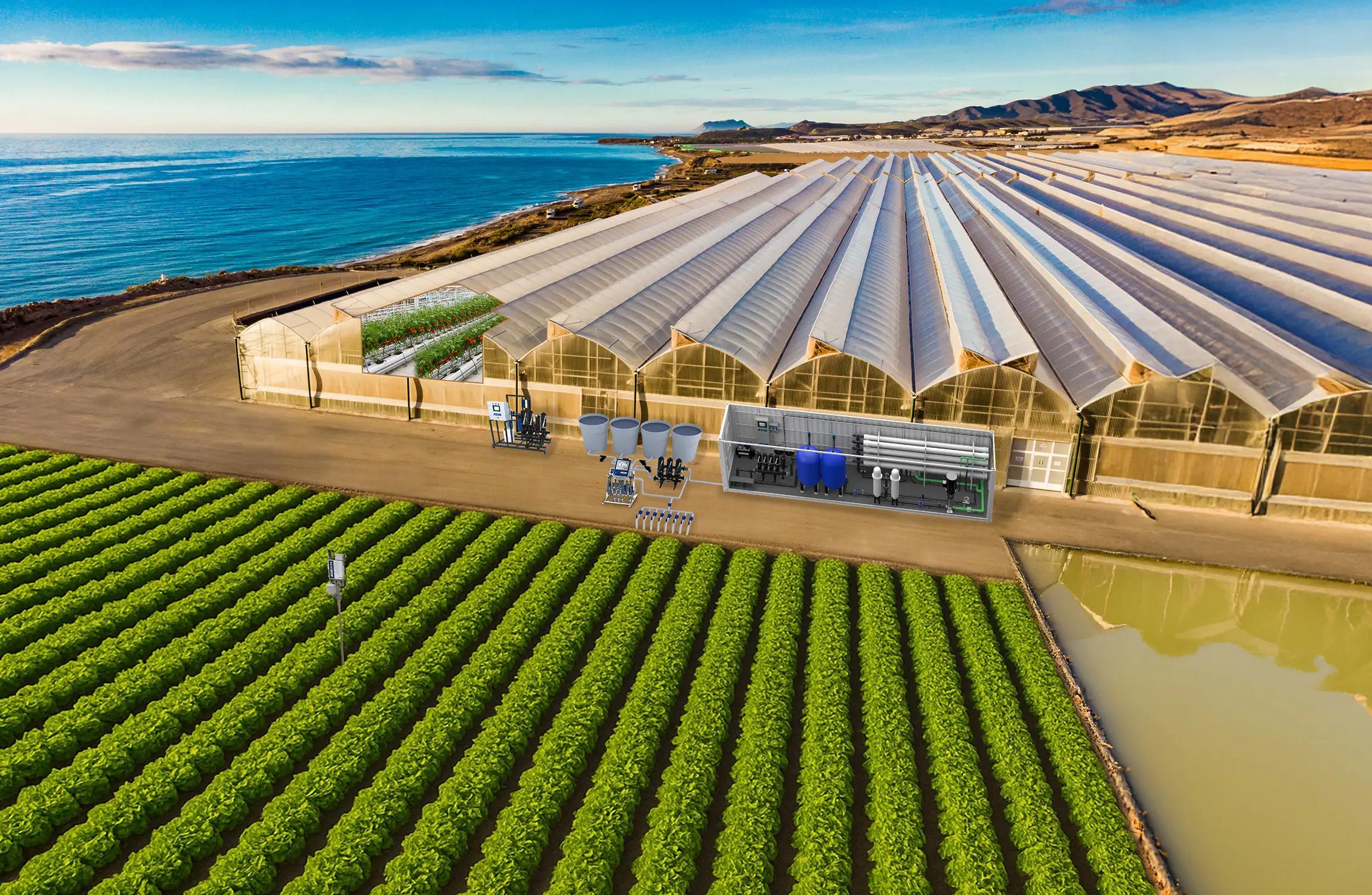
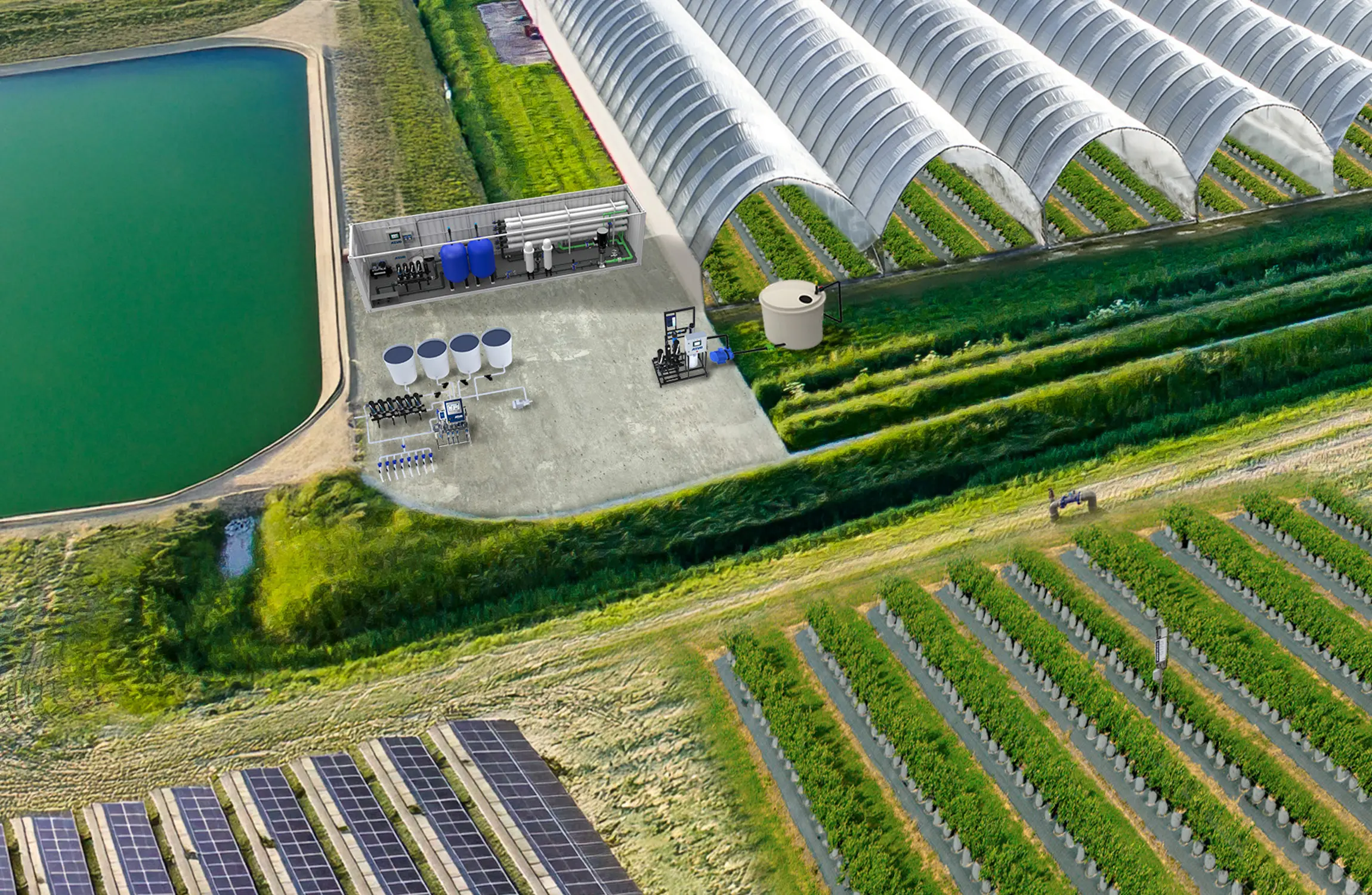

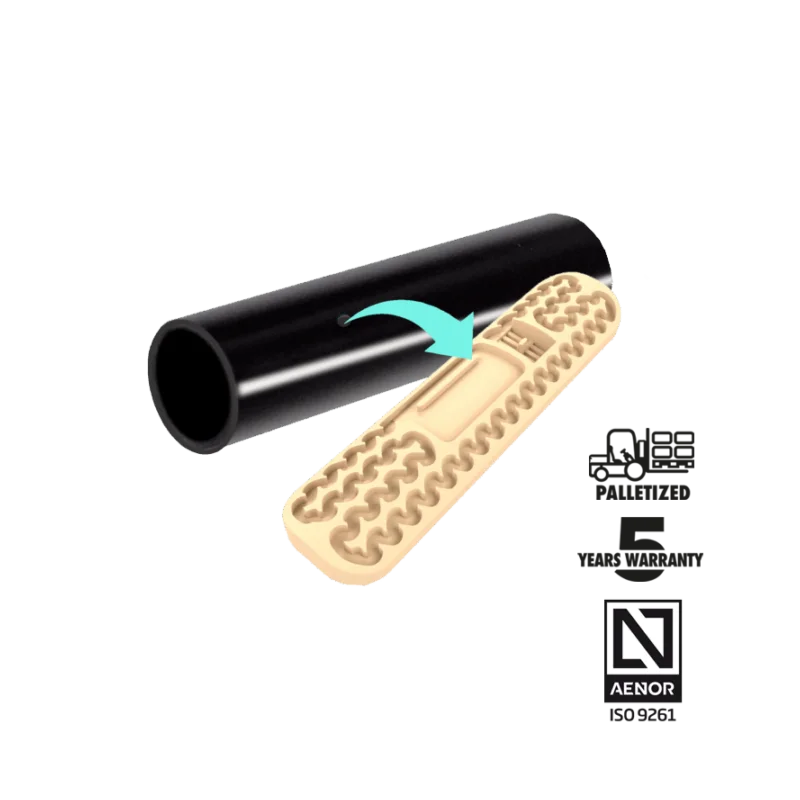
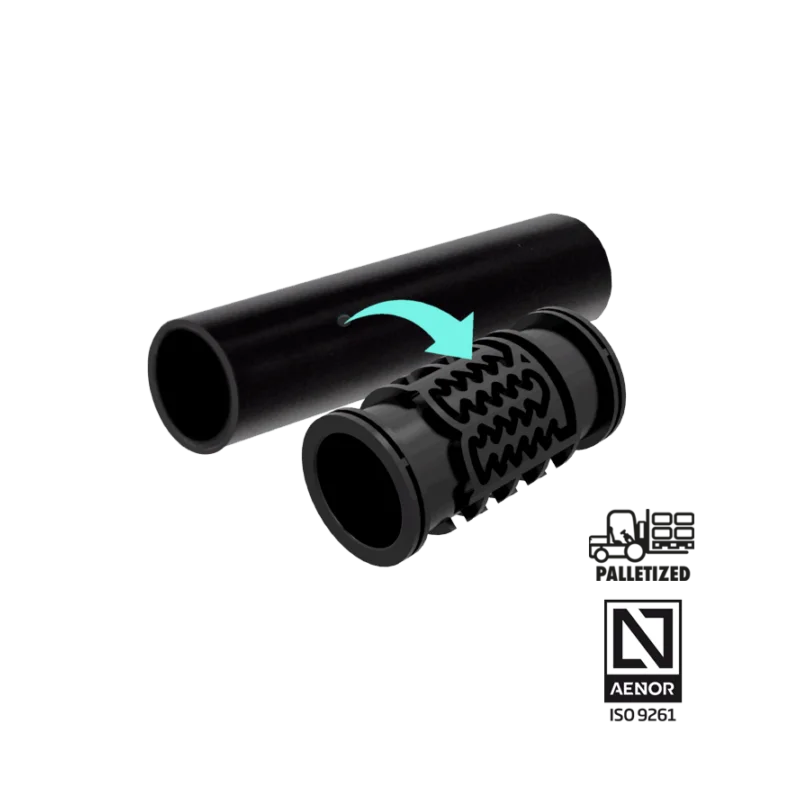
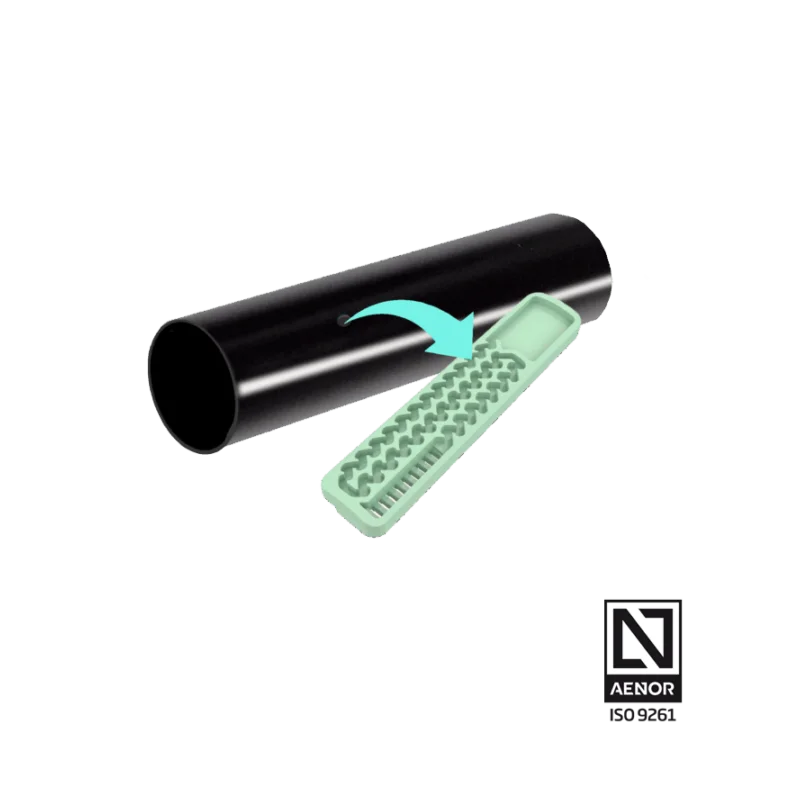
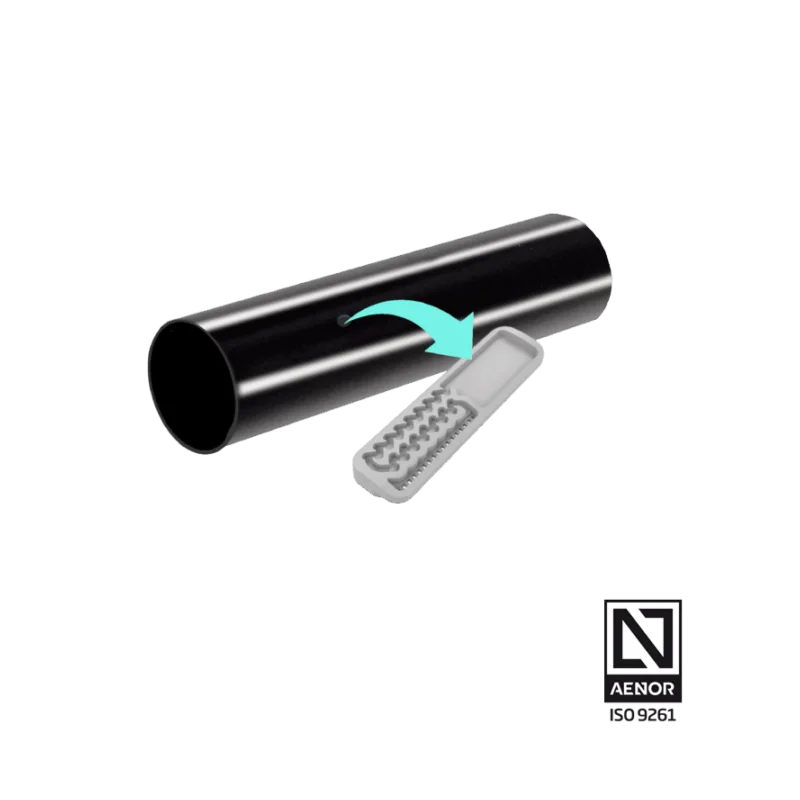
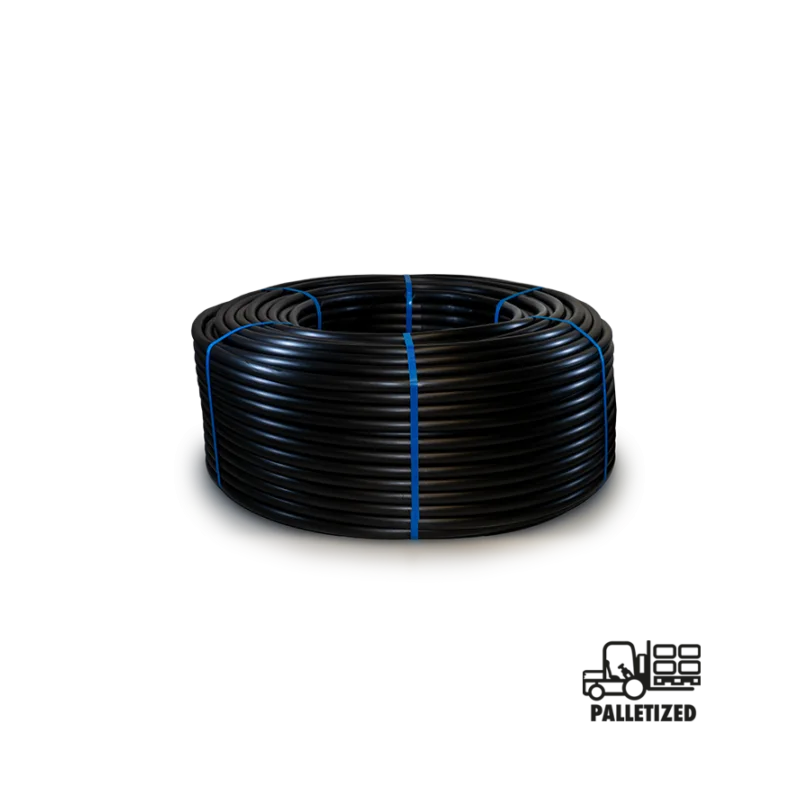
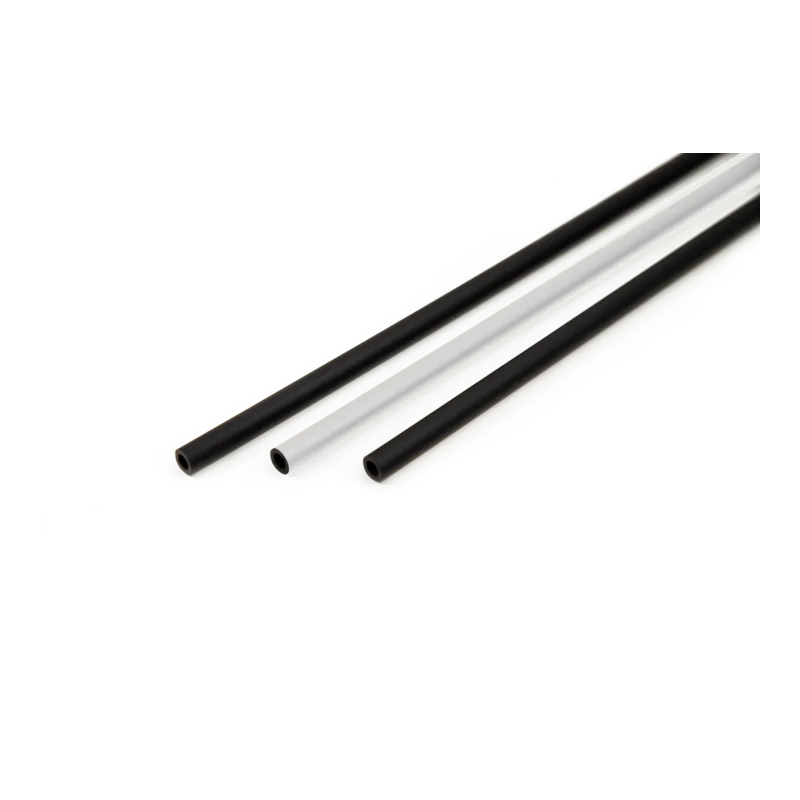
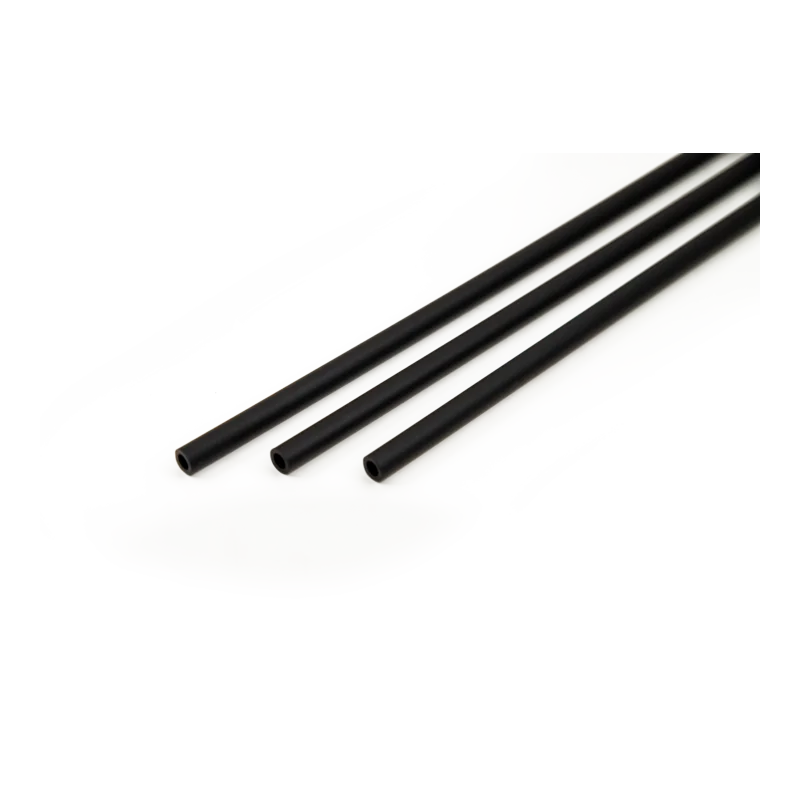
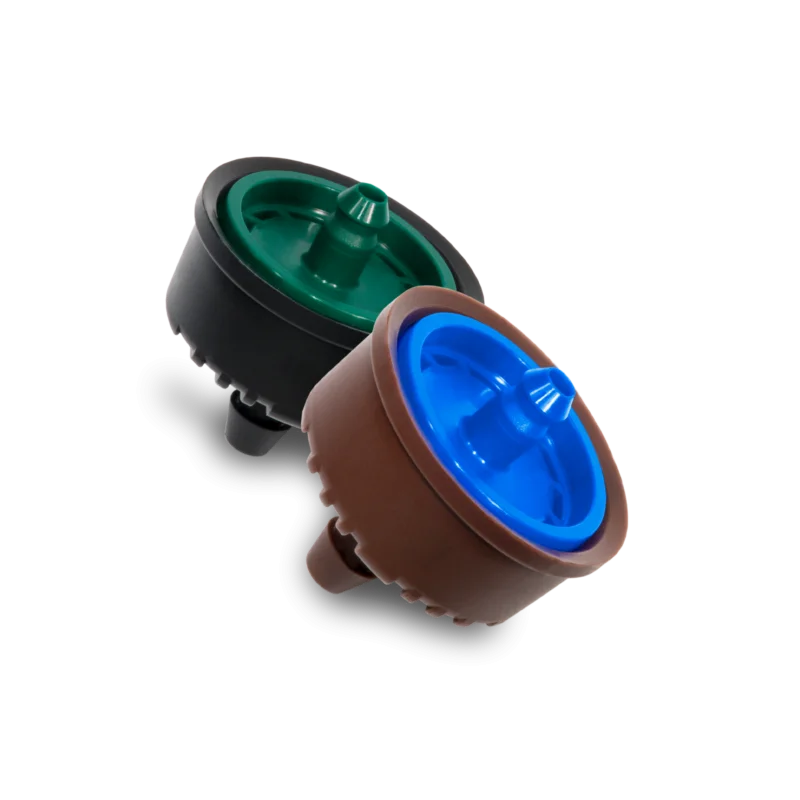
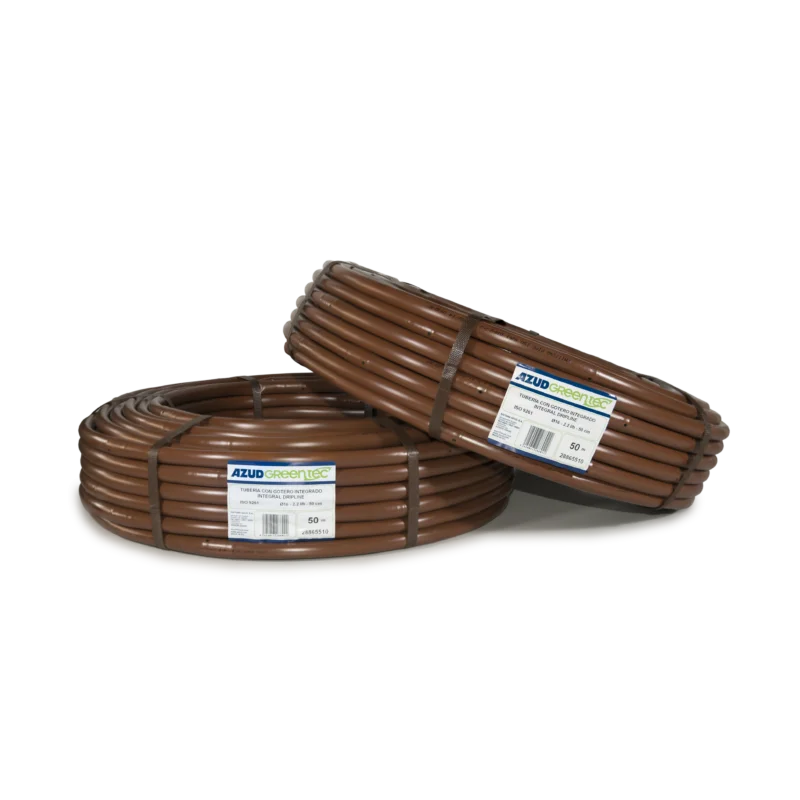
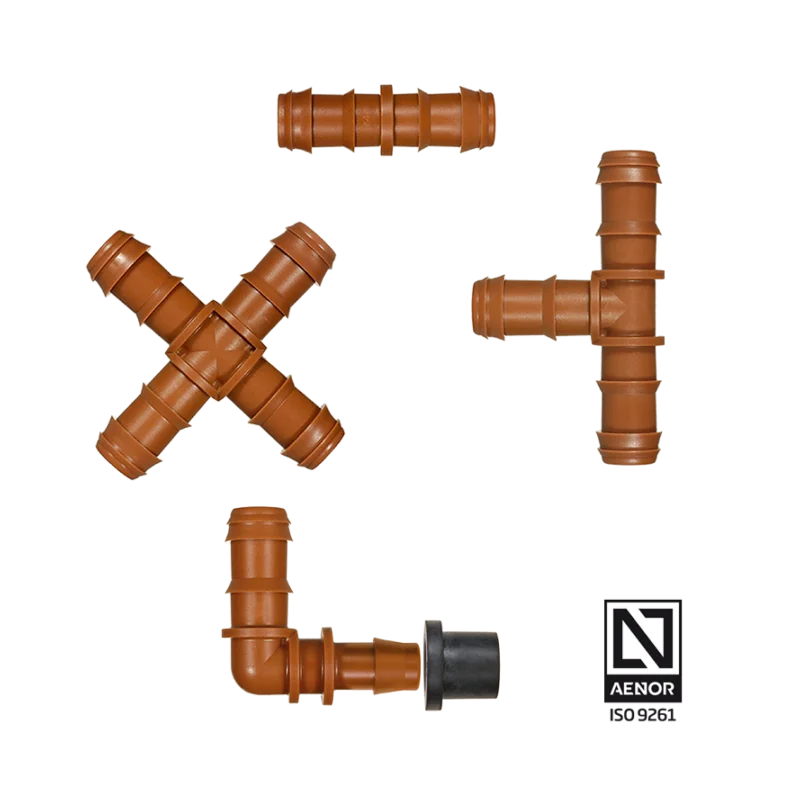
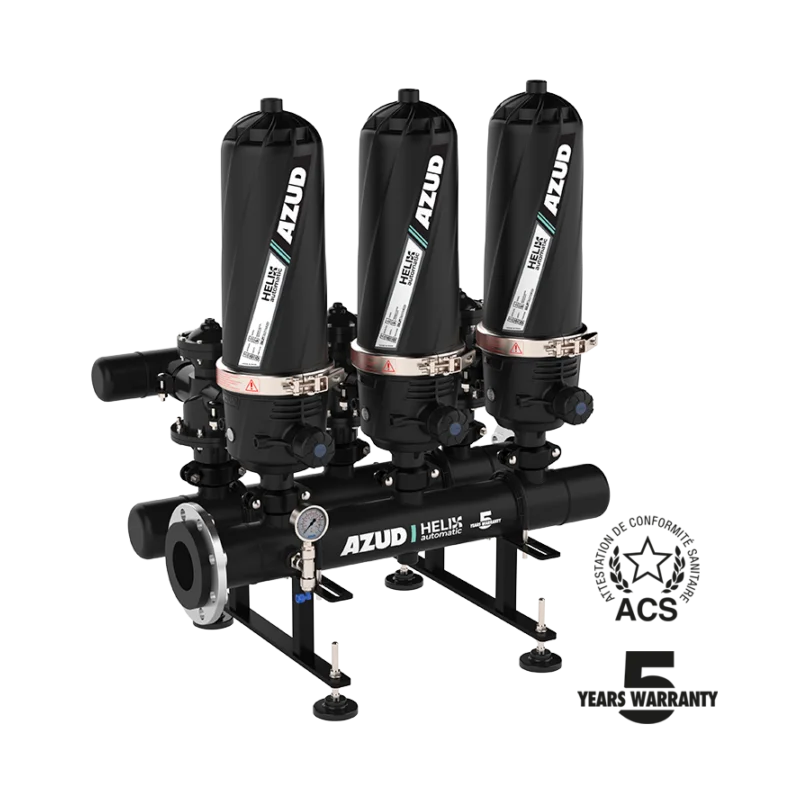
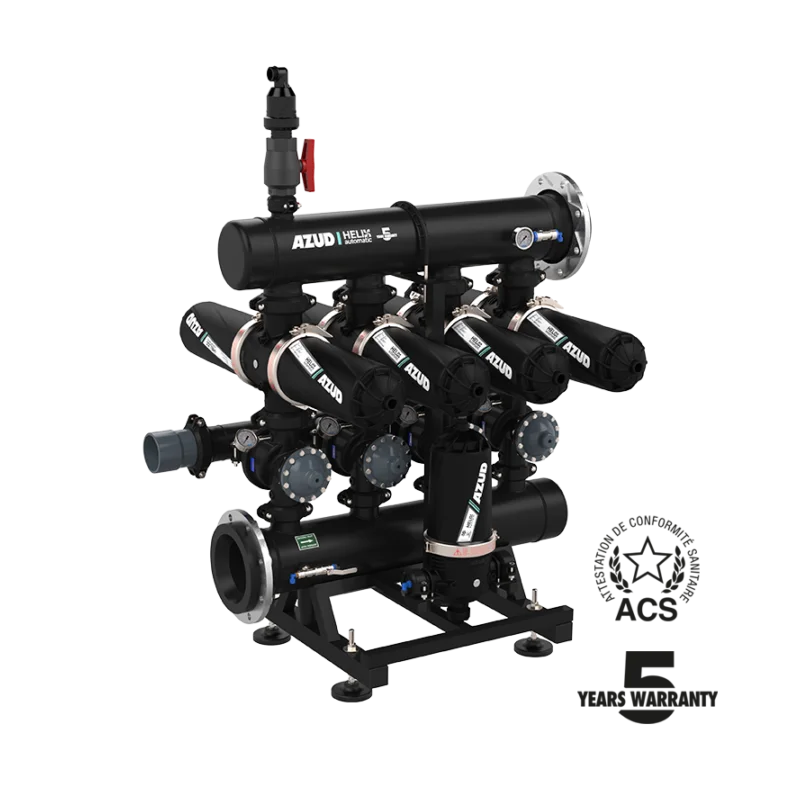

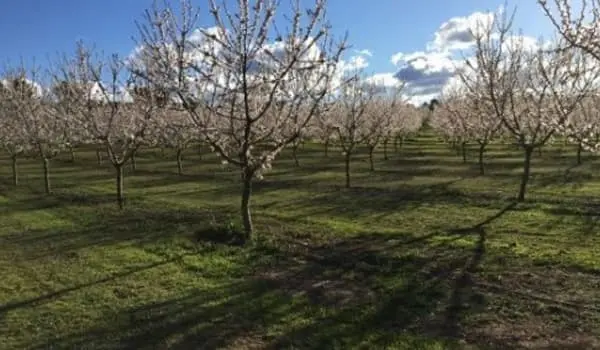
There are several approaches to RGS depending on the different types of crops depending on where we apply it and on the system’s service life, which is related to that of the crop.
SUB-SURFACE DRIP IRRIGATION for Woody Crops and Its Application
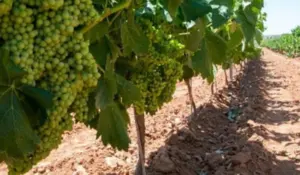
The Vine and the Olive Tree These are the two pioneering crops in Spain and the ones that account for the largest area under cultivation using this system worldwide; more than 100,000 hectares are planted using the RGS system.
Currently, the crops where the sub-surface drip irrigation (SDI) system is being implemented most widely—with significant benefits and high yields—are nuts, such as almonds, walnuts, hazelnuts, and/or pistachios.
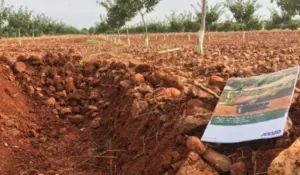
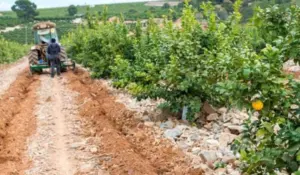
The cherry, peach, apple, and pomegranate These are some of the fruit trees that were added later, but have now gotten off to a good start. The same is true of the orange and lemon trees in eastern Spain, which are also facing water shortages, and where the RGS is the ideal system for addressing this situation.
SUB-SURFACE DRIP IRRIGATION in Extensive Crops and Its Application
Extensive rotational cropping and long-life facilities:
These are long-lasting systems (>20 years) that use an irrigation system consisting of heavy-wall dripline, pivot irrigation, or full-coverage sprinkler irrigation, where crop rotations are practiced with legumes, grains, sunflowers, and even alfalfa crops—which are then harvested to make way for other crops.
They are designed to provide full moisture coverage, allowing for sowing regardless of the setup and ensuring trouble-free germination because the humidity on the surface can reach 100%.
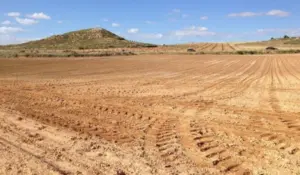
Extensive cropping systems without crop rotation, with a half-life of:
In order to to moisten specific areas of cultivated soil without seeking to promote sprouting, such as corn, asparagus, sorghum, sugarcane, etc.
For crops with a strong root system, such as the alfalfa and sugarcane, the use of mediumwall-thickness discharge pipes requires a lower level of investment than that required for thick-walled pipes.
Annual vegetable crops:
It is used on thousands of hectares of annual vegetable crops such as lettuce, tomatoes, potatoes, and artichokes. The RGS system for these crops is very Easy to implement, cost-effective, and significantly improves performance.
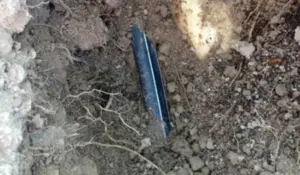
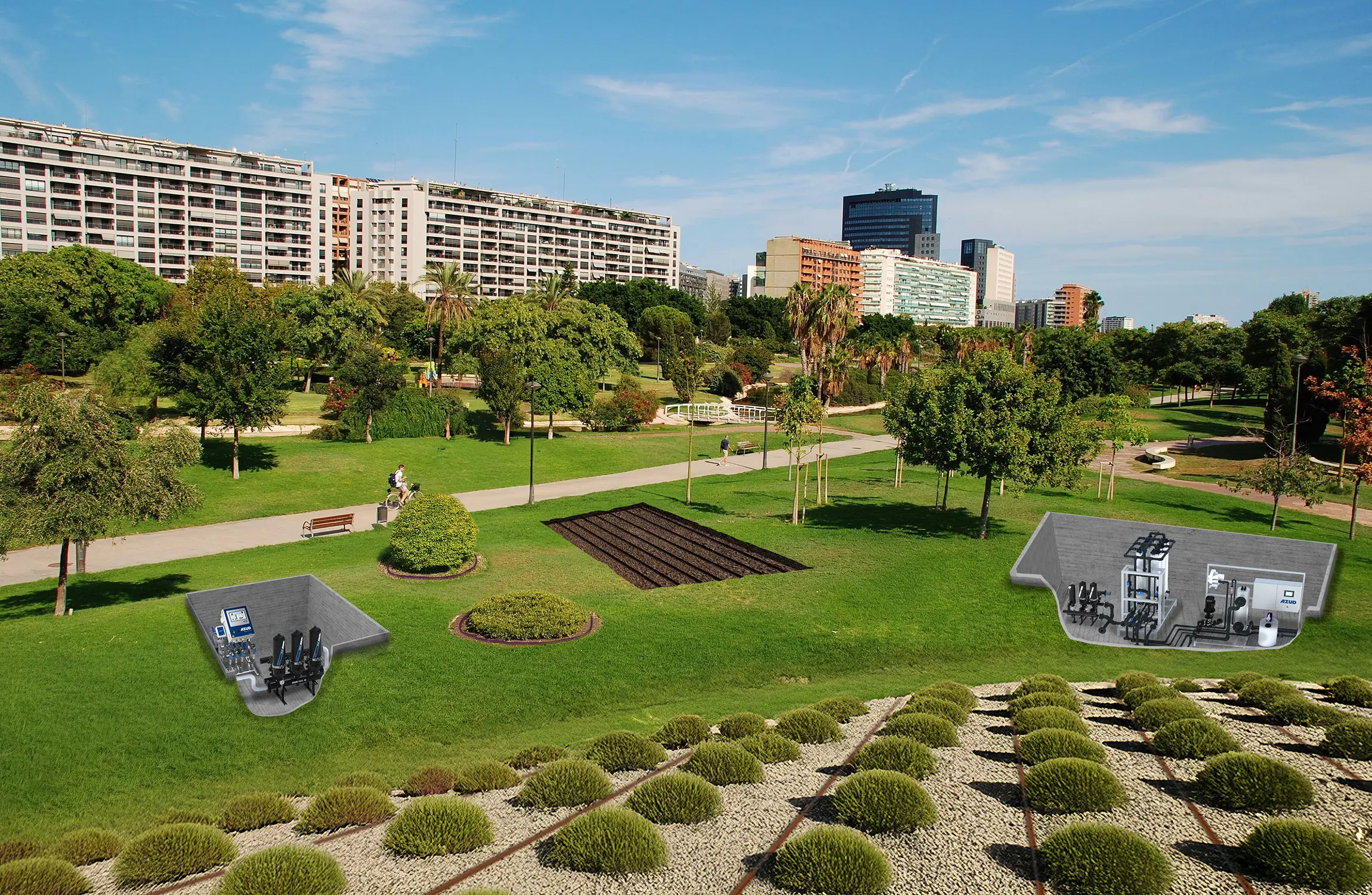
SUB-SURFACE DRIP IRRIGATION in Gardening and Landscaping and Its Application:
We have many years of experience installing lawns, hedges, flower beds, and median strips featuring all kinds of ornamental shrubs and trees.
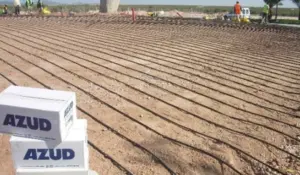
Benefits of SUB-SURFACE DRIP IRRIGATION in Current Agricultural Trends
The main advantages of sub-surface drip irrigation (SDI) vary depending on the specific crop and growing region, but they can be divided into two categories of benefits: environmental and economic.
Environmental benefits of the RGS:
- Water conservation: Given the growing scarcity of water resources, this is the main advantage of this irrigation system.
- Fertilizer savings: The system allows you to apply the right amount of fertilizer to the plants at the optimal time. This is the best way to optimize fertilization without contaminating the soil and underground aquifers.
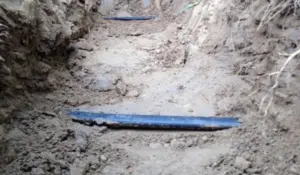
- Herbicide savings: Cover crop farming is on the rise, and the ability to control weeds is one of the main reasons for choosing RGS, as it makes weeding easier without damaging irrigation systems.
- Savings on plant protection products: Deep irrigation reduces moisture at the soil surface, which in turn reduces the use of plant protection products to control crop diseases.
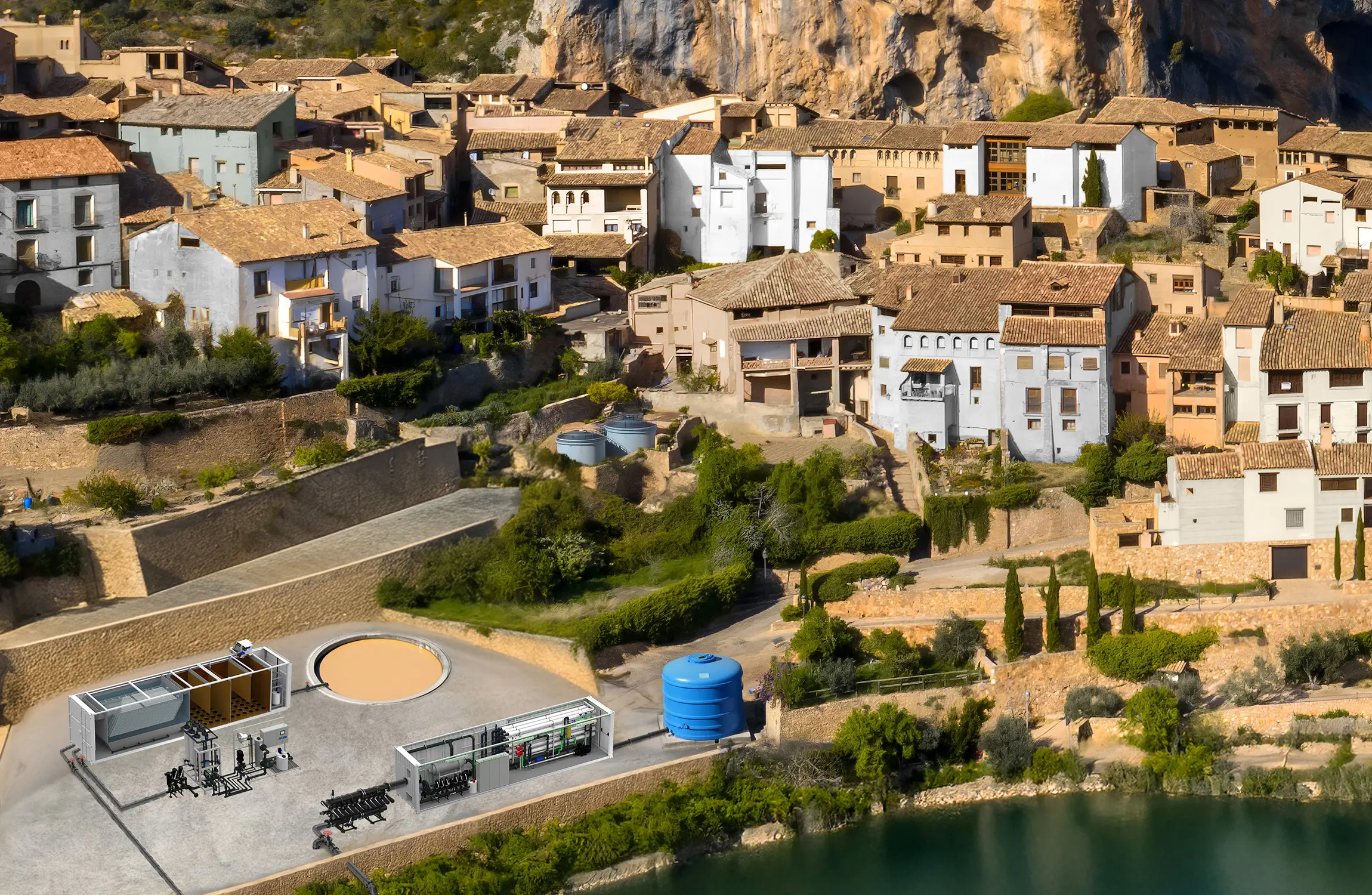
- Wastewater Reuse: The possibility of using this water with complete food safety assurance.
Advantages of the RGS in terms of profitability:
With the RGS, profitability is enhanced through cost optimization and improved production efficiency. Farmers who use AZUD’s RGS system have reported actual cost savings and yield improvements over the years, among which the following are worth noting:
- Water conservation by 30–40%.
- Fertilizer savings by 10–30%.
- The frequency of phytosanitary treatments is lower.
- Reduced use of herbicides.
- Reduces facility maintenance, because rodents, predators, etc., cause fewer problems.
- Yields per unit (kg of production per m³ of water consumed by the irrigation system) are the highest.
Other major advantages:
In the case of nuts, since many users prefer to pick the fruit off the ground, SUB-SURFACE DRIP IRRIGATION is the only system that allows this to be done without interfering with the process and enables it to be carried out more efficiently, which is the main reason for choosing it.
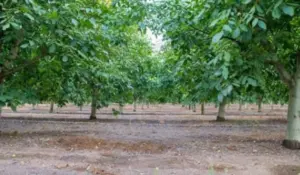
On the other hand, with the the rise of organic farming and minimal/no-till farming, always directly, the RGS is a system that is much better suited to this type of agriculture because it does not use herbicides, improves soil structure through capillary irrigation, allows for the use of organic fertilizers, etc.
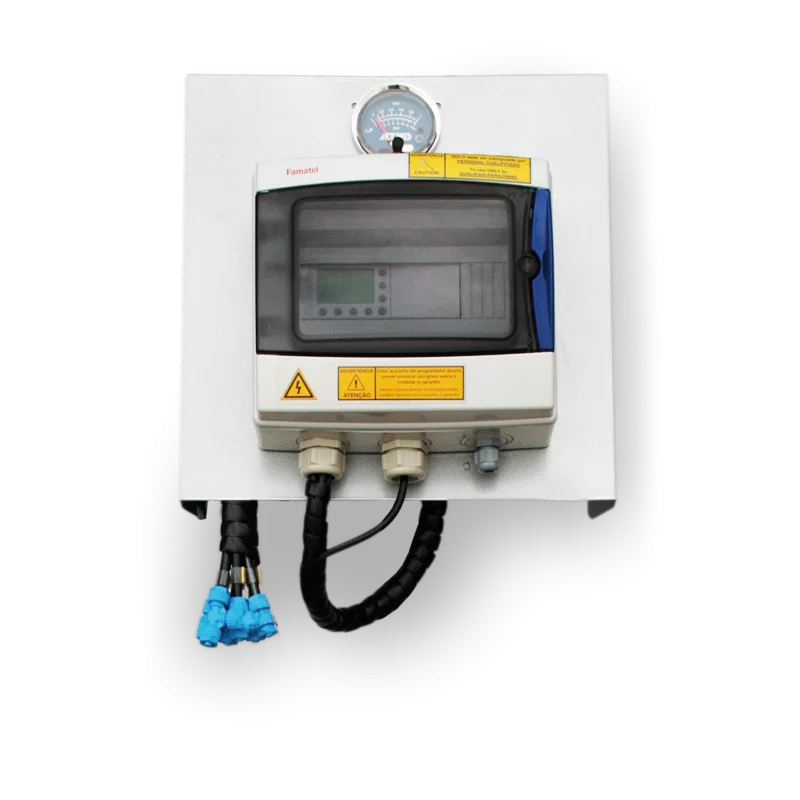
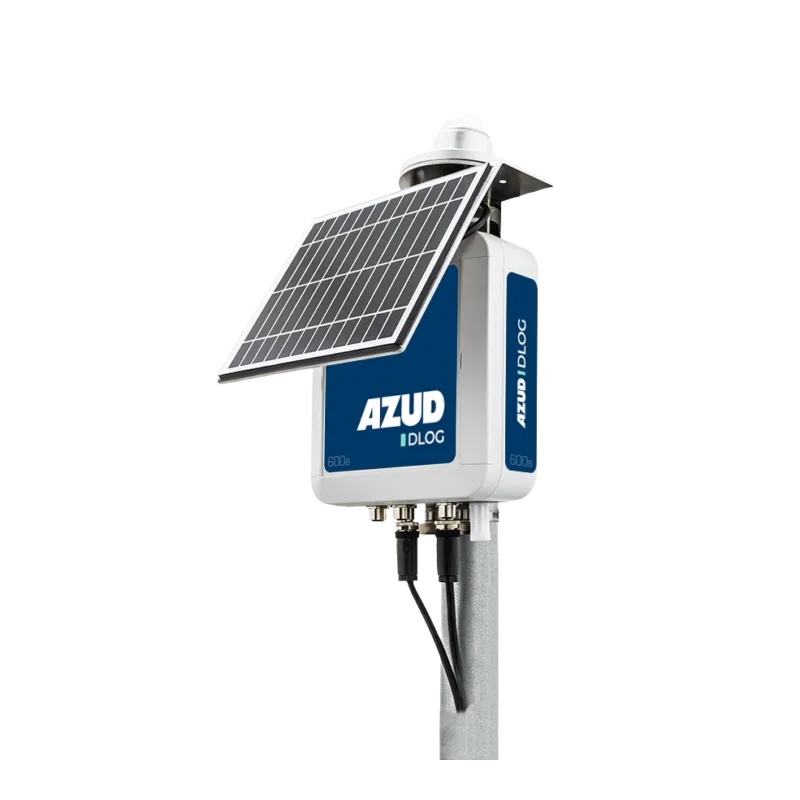
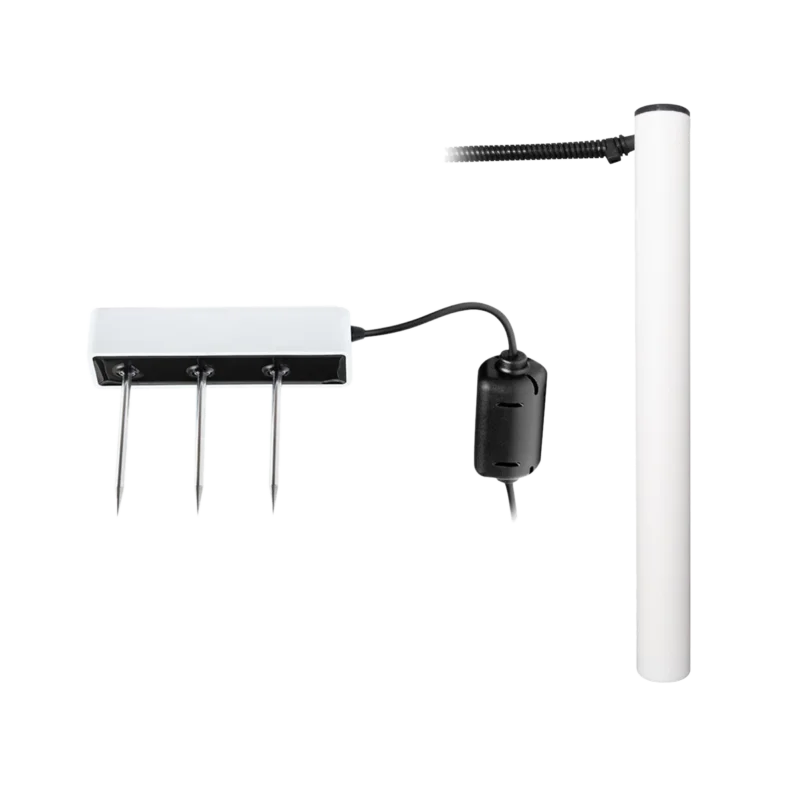
The development of agricultural technology When applied to the system, this helps alleviate users’ fear of “not seeing the irrigation water.” Advances in irrigation automation and moisture sensors have improved the oversight and management of RGS. This allows users to monitor what is happening at the facility, particularly in the soil-crop-irrigation system.
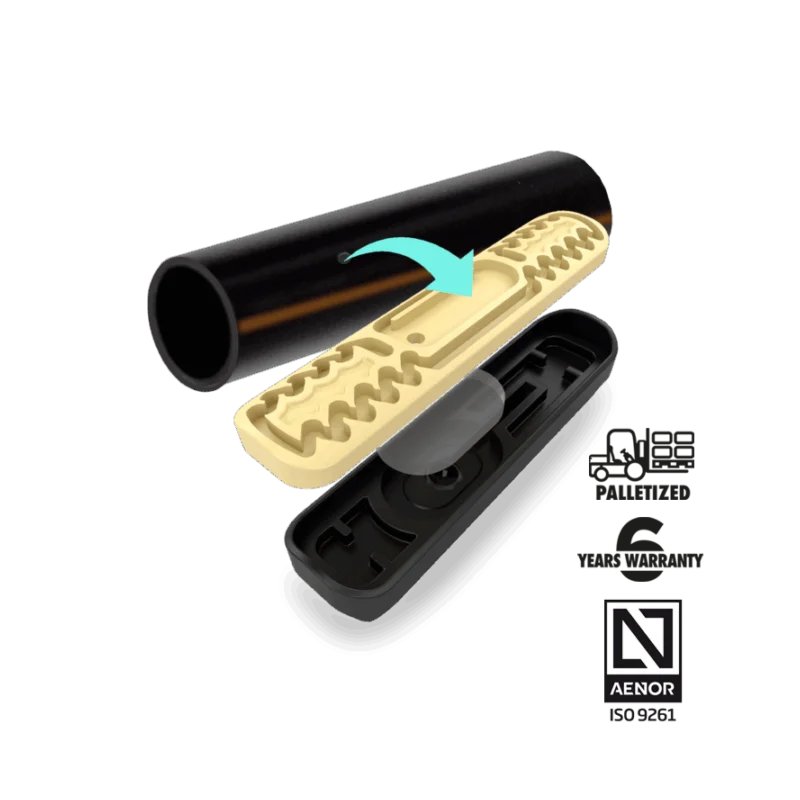
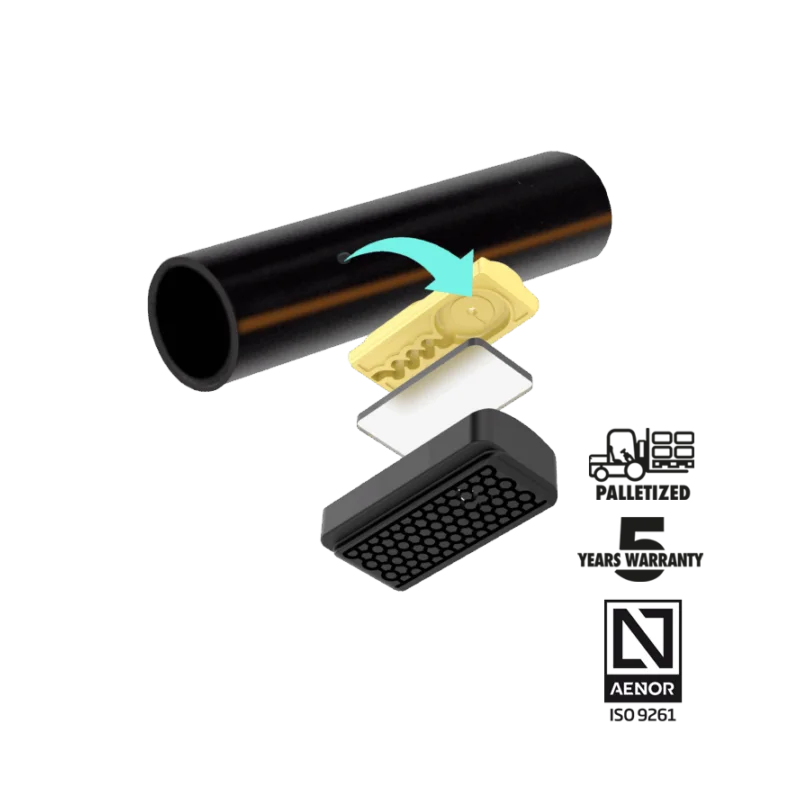
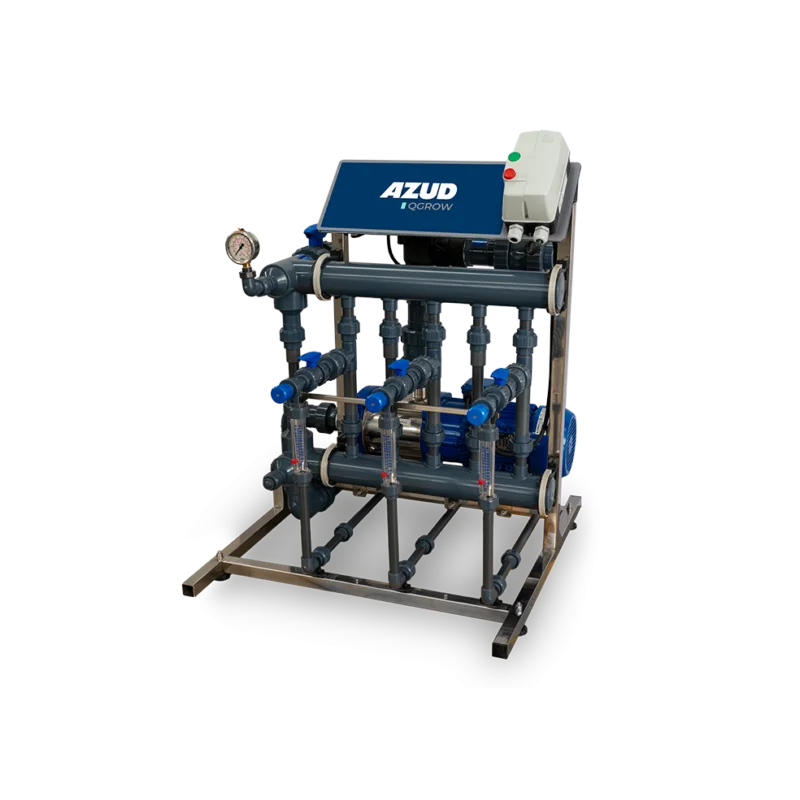
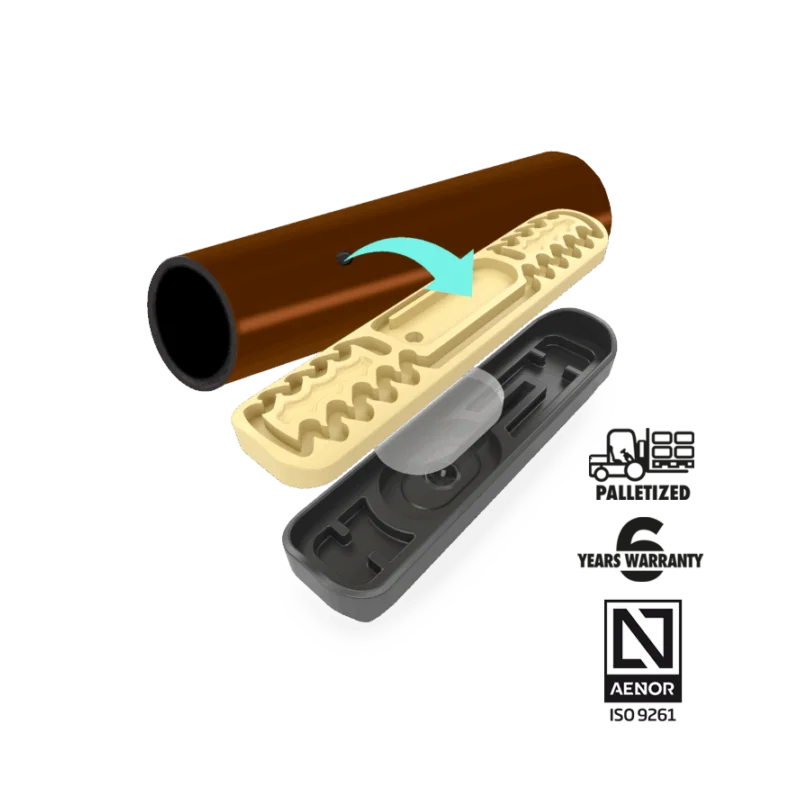
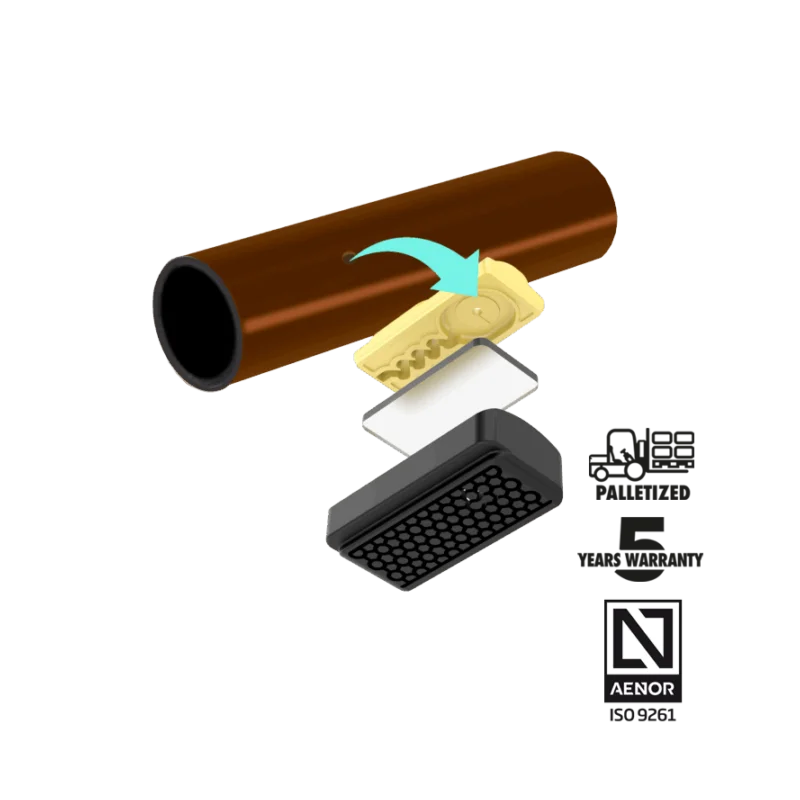
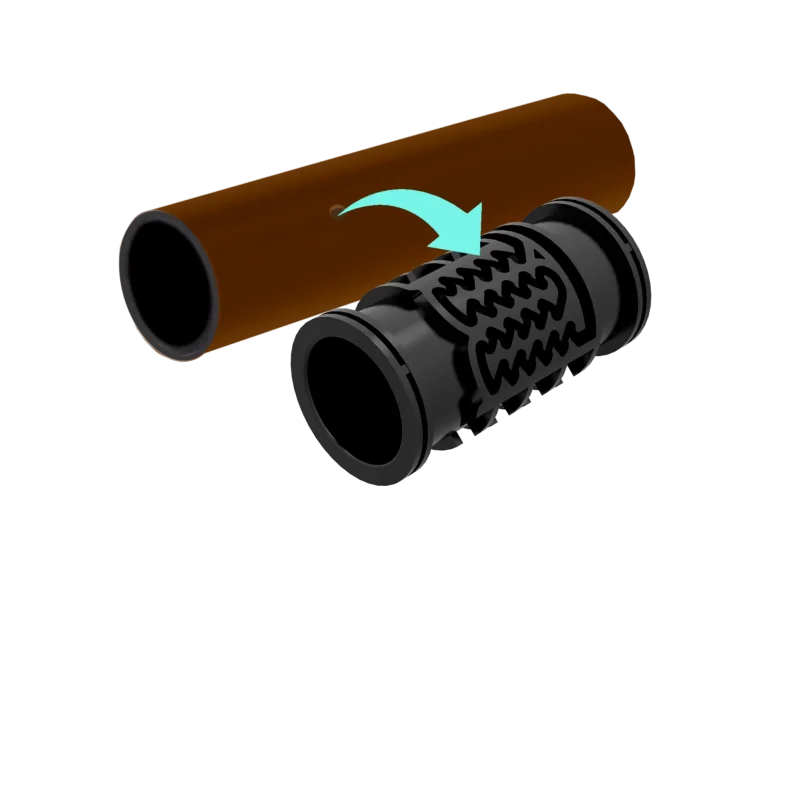
Thanks to the development of specific technical products for subsurface drip irrigation (SDI), references covering thousands of hectares and different crops, the management of thousands of users worldwide, the expertise of companies like AZUD in its use, and the trend toward water scarcity, SUB-SURFACE DRIP IRRIGATION is establishing itself as an irrigation system with a long-term future and, in many cases, as the best Irrigation option.
Want to know if SUB-SURFACE DRIP IRRIGATION is the best option for your crop?
Learn more about our SUB-SURFACE DRIP IRRIGATION solution here.