











What Is Plant Nutrition?
Plant nutrition encompasses the processes by which Plants obtain and use the nutrients they need for their growth, development, and reproduction.
For a successful crop, it is essential that the plants receive a complete and balanced nutrition. Essential nutrients include carbon (C), oxygen (O), hydrogen (H), nitrogen (N), phosphorus (P), potassium (K), calcium (Ca), magnesium (Mg), sulfur (S), iron (Fe), manganese (Mn), zinc (Zn), copper (Cu), boron (B), molybdenum (Mo), and Chlorine (Cl).
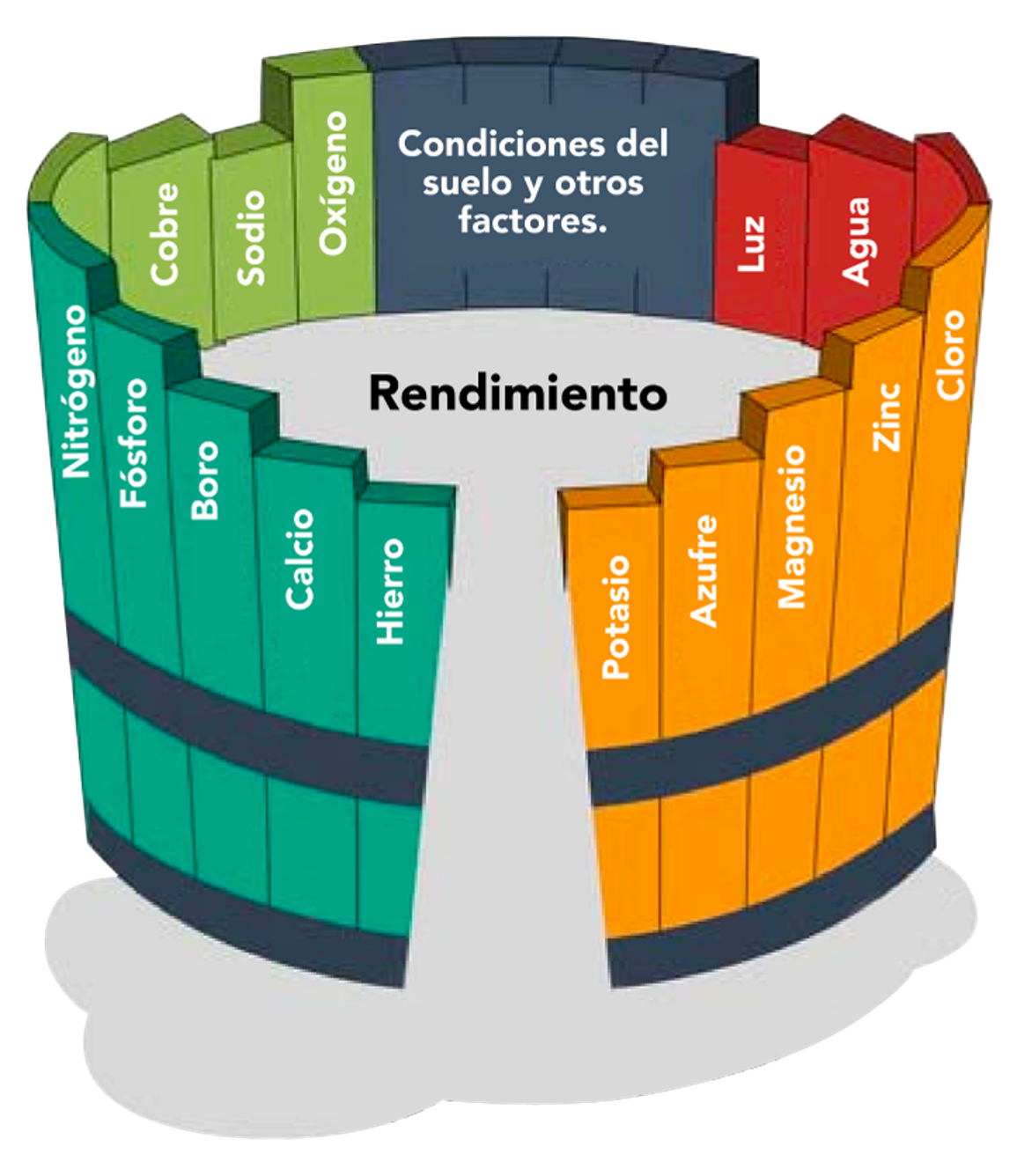
The Liebig’s Law of the Minimum It states that crop yield is limited by the nutrient present in the smallest amount, and an excess of any other nutrient cannot compensate for that deficiency. Furthermore, an excess of certain nutrients can have negative effects on plant development and crop yields.
Factors to Consider for Proper Plant Nutrition
To ensure proper plant nutrition, it is essential to consider several factors. These include soil pH, electrical conductivity, irrigation water, and the specific characteristics of the crops.
The soil pH affects the availability of nutrients to plants, since it affects the solubility of salts and, therefore, the availability of nutrients. The electrical conductivity The salinity of the soil and irrigation water is an indicator of salinity, and an increase in salinity can hinder the roots’ ability to absorb water and nutrients. In addition, it is necessary to soil and water analysis to determine the physical, chemical, and microbiological characteristics of the soil, and thereby identify the crops’ fertilization needs.
The Importance of Soil pH in Plant Nutrition
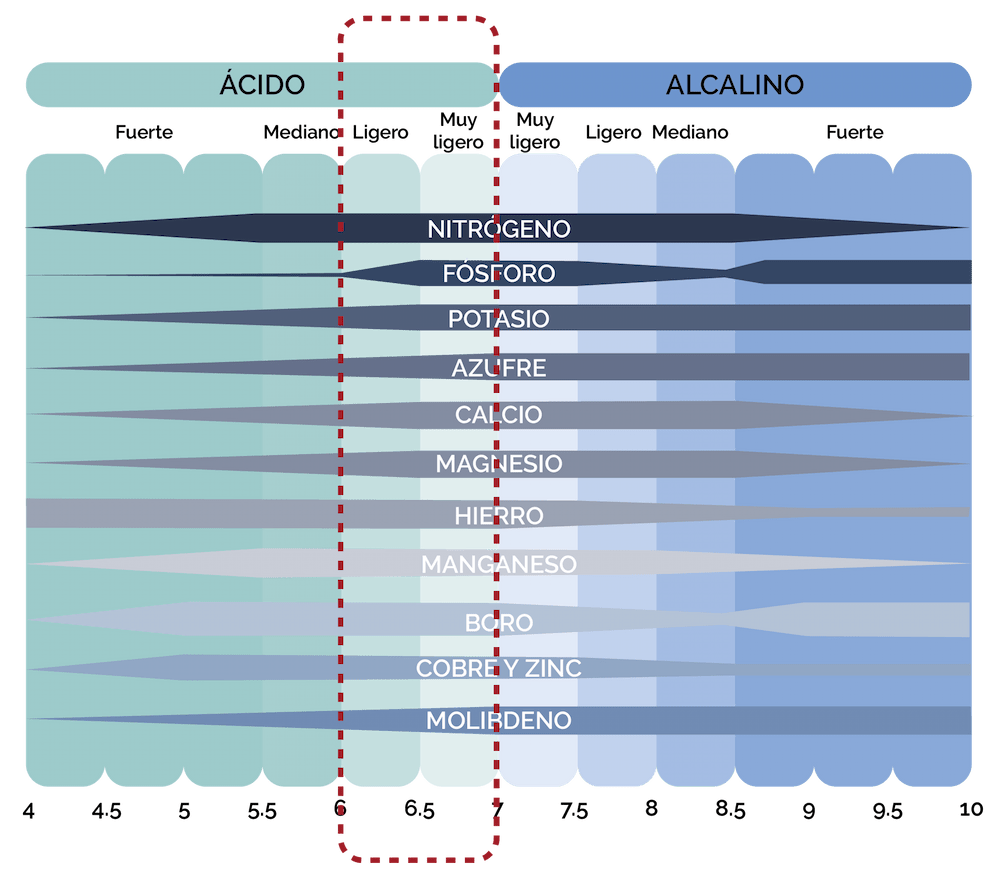
Soil pH has a significant impact on the availability of nutrients to plants. The acidity Soil pH or alkalinity affects the solubility of salts and, therefore, the availability of nutrients. Fertilizers are most soluble within a soil pH range of 6 to 7, which corresponds to slightly acidic soils.
The Importance of Electrical Conductivity in Plant Nutrition
The electrical conductivity of soil and irrigation water is a key factor in plant nutrition. An increase in soil salinity, indicated by a rise in electrical conductivity, hinders the roots’ ability to absorb water and nutrients. It is important to monitor electrical conductivity to prevent salinity problems, especially those caused by ions such as sodium, Chlorine, and sulfur.
The Importance of Water, Soil, and Plant Variables for Proper Plant Nutrition
Plant nutrition requires a comprehensive approach that takes into account not only nutrients, but also the characteristics of the soil, water, and crops. It is essential to conduct soil and water analyses to determine their fundamental physical and chemical characteristics. In addition, analyzing soil solution and leaf samples allows us to assess whether nutrients are reaching the parts of the plant where they are needed. In the case of organic fertilization, it is also important to consider the microbiological aspects of the soil.
Fertilizers Groups for Plant Nutrition
There are three main groups of fertilizers based on their state and form: solid fertilizers (water-soluble), liquid fertilizers (solutions), and organic fertilizers.
- The solid fertilizers They can be granular, pelletized, or simple or compound crystals, and are usually salts.
- The fliquid fertilizers They are solutions resulting from the dissolution of solid fertilizers in water; they are also salts.
- The organic fertilizers They are made from organic matter of animal or plant origin and can be in solid or liquid form.
Plant nutrition techniques
In modern agriculture, nutrients are primarily applied through fertilizers, and there are several application techniques used on a farm. These techniques include the scattered, the localized application, the foliar application and the Fertigation. These techniques are complementary and can be used simultaneously on the same farm.
Fertigation: The Best Plant Nutrition Technique
Fertigation stands out as one of the best plant nutrition techniques. This technique offers several significant advantages.
First, it allows for a efficient nutrient absorption by the plant roots. By delivering nutrients close to the roots, absorption is more efficient and nutrients are distributed evenly among all plants.
In addition, Fertigation enables high-frequency feeding during the plant’s active periods, which is particularly beneficial. The technique also reduces limitations related to soil fertility, since it allows for the adjustment of fertilizer and nutrient concentrations, maintains an optimal range of pH and electrical conductivity in the soil, and enables the continuous application of fertilizers during irrigation.
Fertigation also provides cost savings associated with application equipment and is considered a sustainable technology which prevents environmental pollution.
Multi-channel or multi-injection fertigation
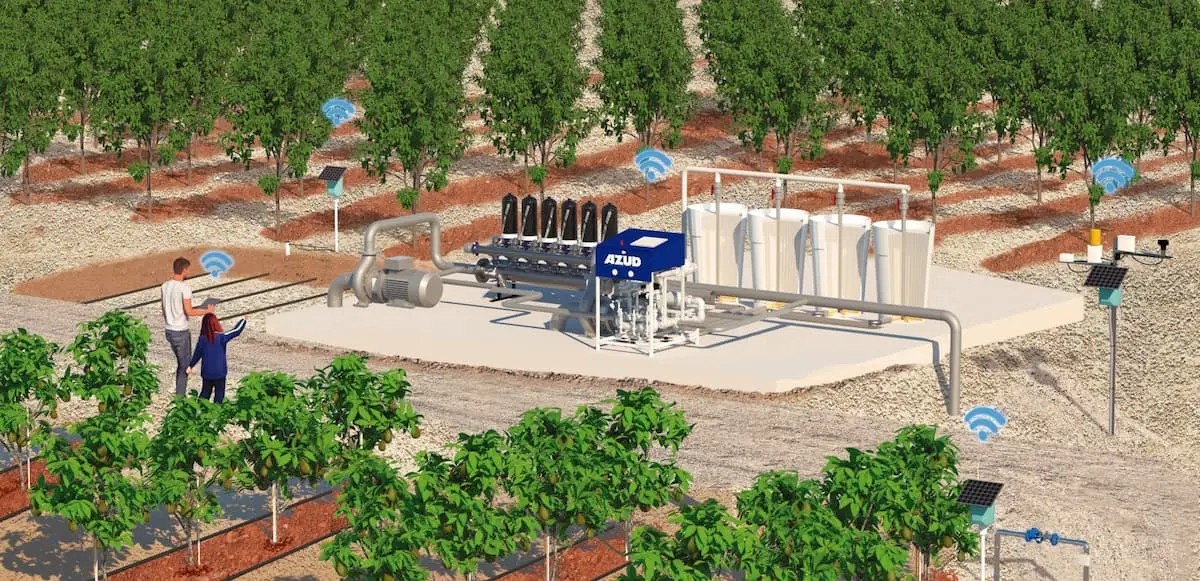
Multichannel fertigation is a highly beneficial practice in which simultaneously supply various fertilizers, acids, bases, and biostimulants, among others, during irrigation. This ensures a balanced nutrient solution and optimizes pH and salinity conditions to stimulate beneficial soil microorganisms.
To achieve multi-injection, it is necessary to select a technology that prevents incompatibilities between fertilizers and allows for rapid dissolution in the irrigation water.
In addition, it is important to consider the maintenance and care of the irrigation emitters, which can be carried out using the technique of chemicalization.
Dosing Technologies in Multichannel Fertigation
There are two types of dosing methods used in multichannel Fertigation: hydraulic and electrical.
The hydraulic metering It relies on mechanisms powered by water from the irrigation system, which does not require an electrical installation.
On the other hand, the electrical metering It uses mechanisms driven by an electric motor and offers greater precision and proportionality in dosing. Although electric dosing involves a higher initial investment and requires additional technical expertise, it also offers greater potential for the automation and digitization of Fertigation processes.
AZUD’s Plant Nutrition Solutions
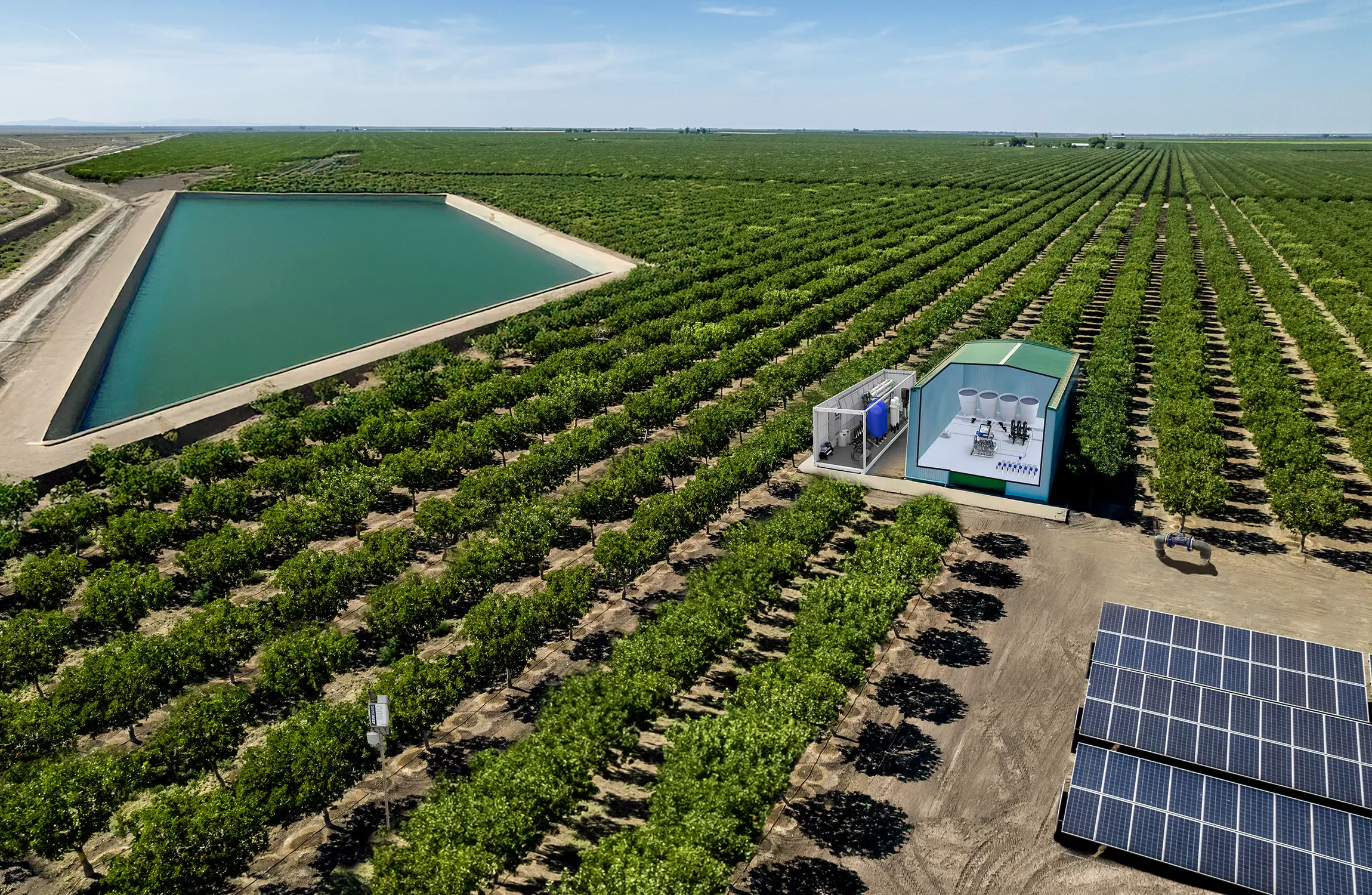
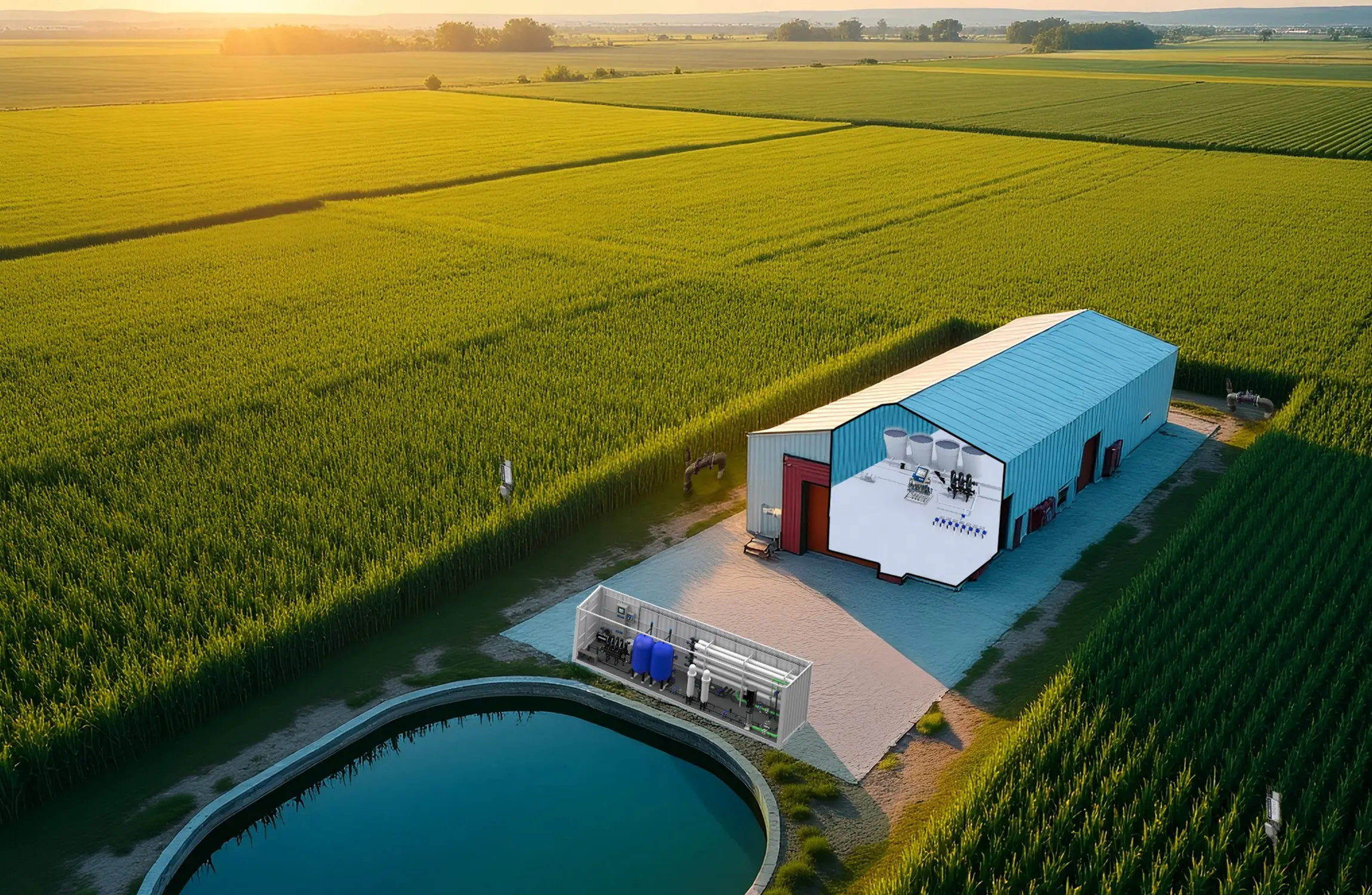
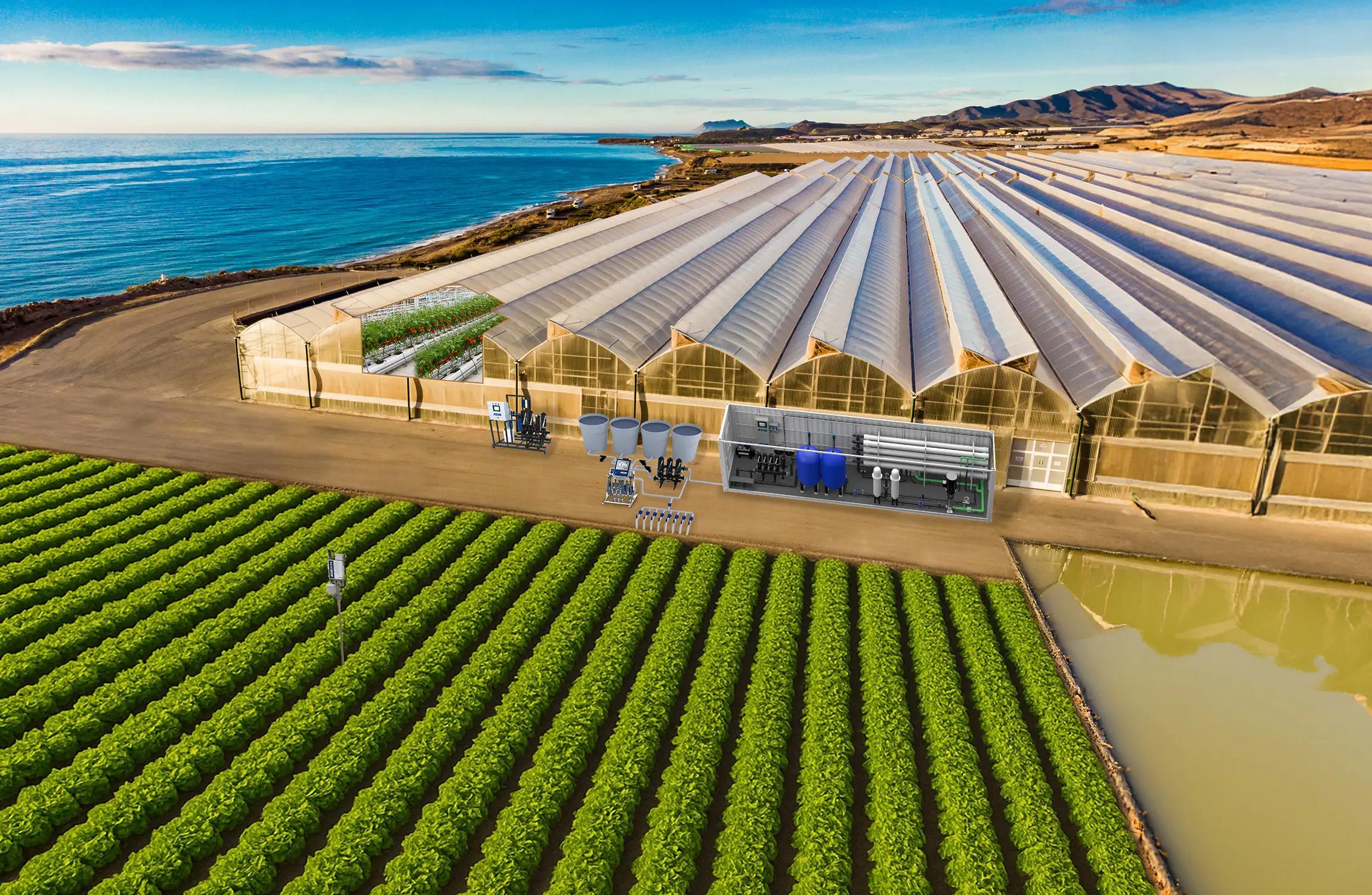
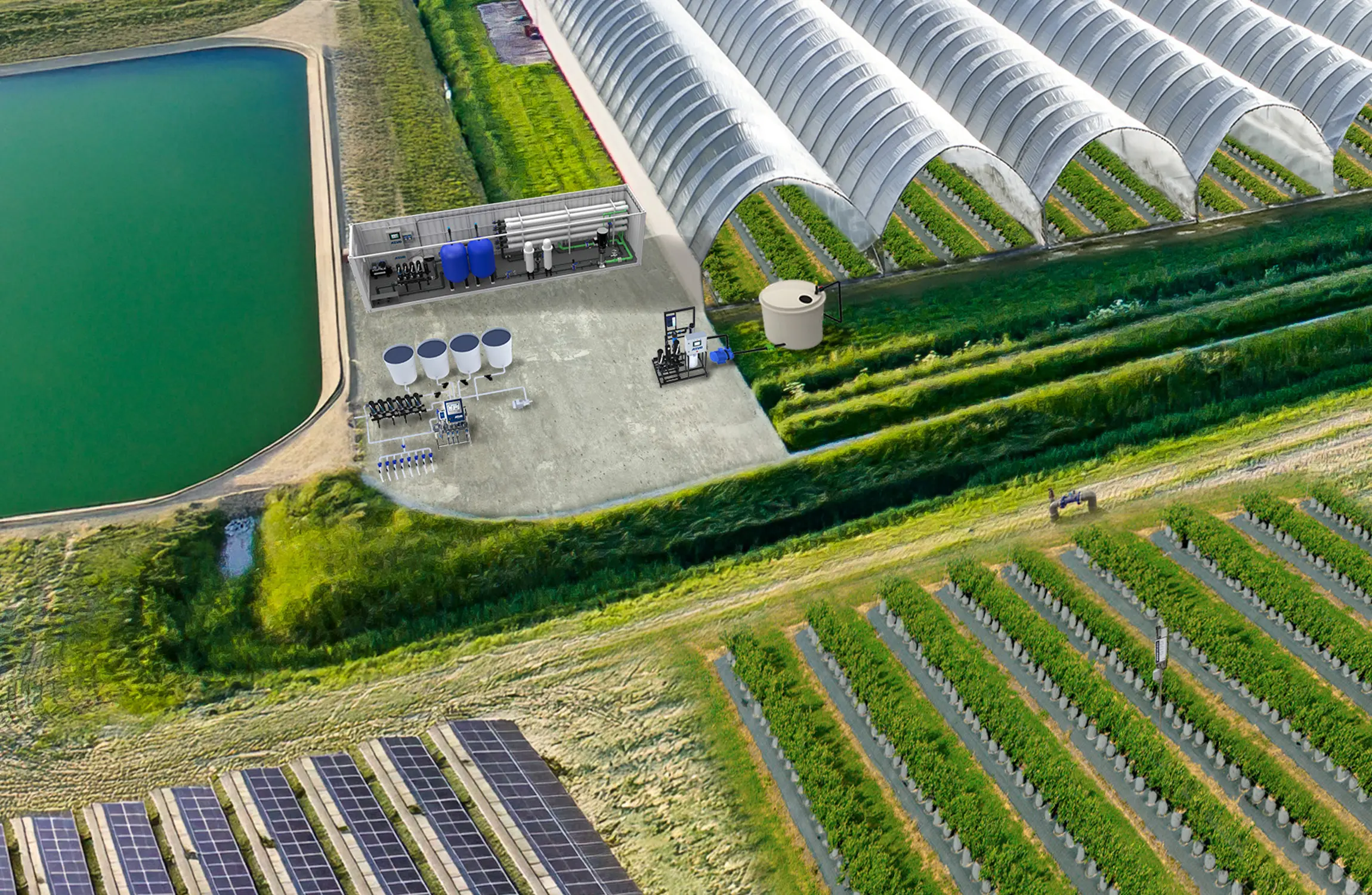
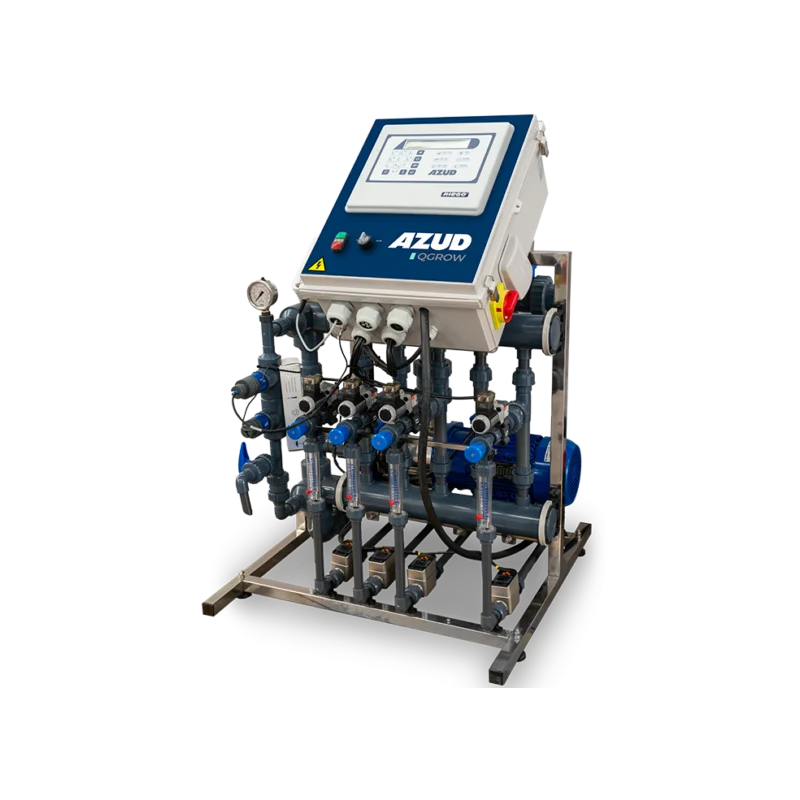
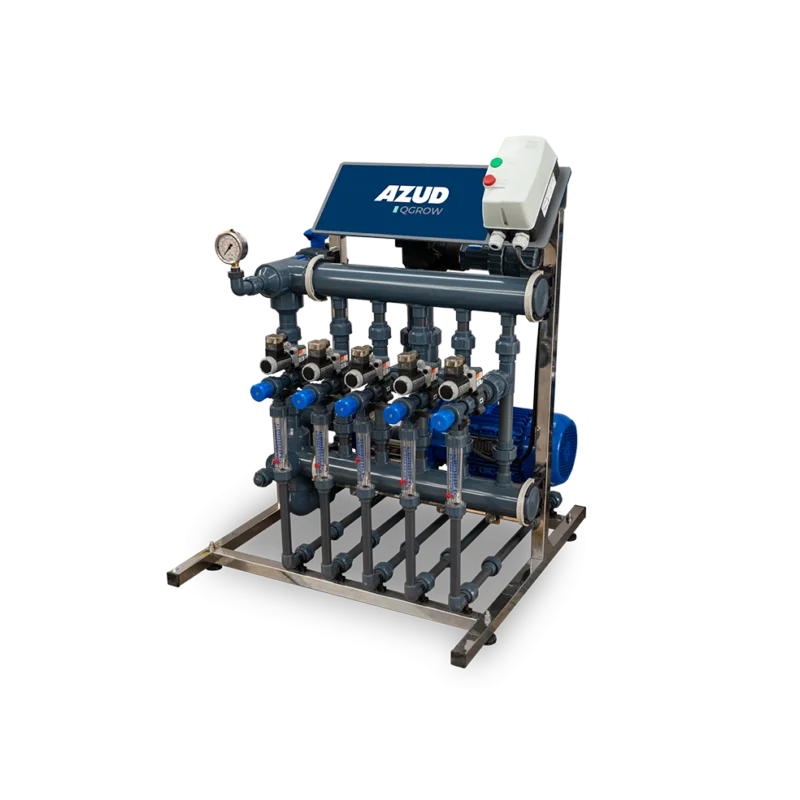
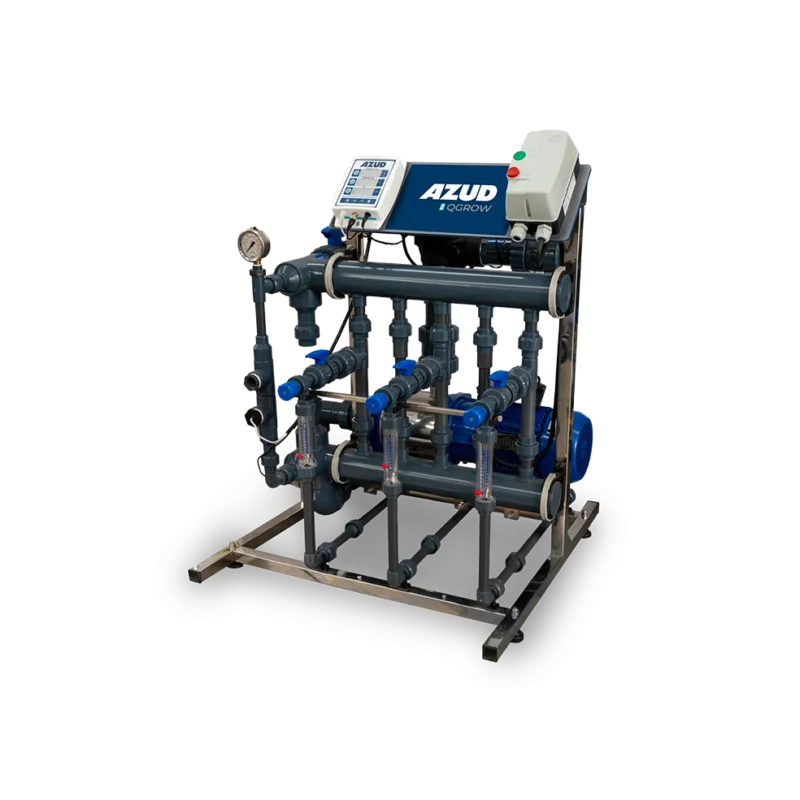
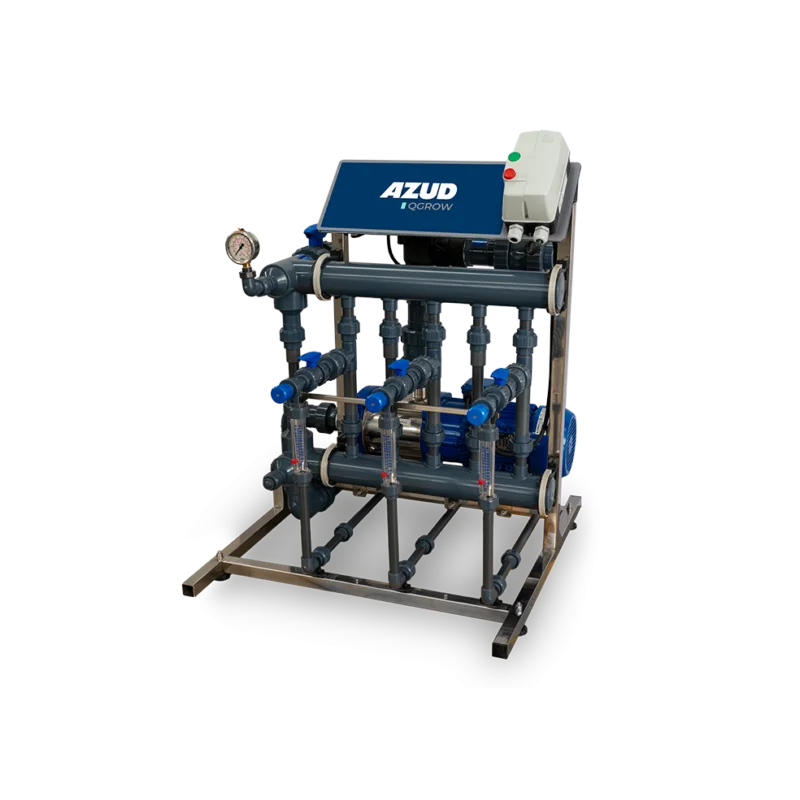
AZUD is a company committed to Fertigation and offers advanced solutions in plant nutrition. Its electric multi-injection technology, such as the AZUD QGROW BS and the AZUD QGROW V, allows for precise and balanced application of fertilizers, facilitating efficient crop nutrition.
AZUD QGROW BS
A multi-channel fertigation system that allows for the simultaneous and precise dosing of multiple fertilizers using Venturi injectors.

AZUD QGROW V
Multi-channel fertigation system with displays for temperature, pH, and conductivity. Like the AZUD QGROW BS, it allows for the simultaneous and precise dosing of multiple fertilizers using Venturi injectors.

Why Choose AZUD for Proper Plant Nutrition in Your Crops
Choosing AZUD ensures optimal plant nutrition for your crops for the following reasons:
- Versatility: AZUD offers versatile solutions that can be tailored to the specific needs of each facility, ranging from simple options to more complex, digitized systems.
- Ergonomics and customization: AZUD equipment is designed with user comfort and ease of use in mind, allowing for both manual operation and automation.
- Extensive knowledge of Irrigation: As a manufacturer and integrator of irrigation solutions, AZUD has in-depth knowledge of the needs of irrigation systems, ensuring the efficient use of technology.
- Maintenance and Technical Support: AZUD offers high-quality technical and training services, providing advice both before and after the sale. In addition, its AZUD QGROW solution optimizes the maintenance of dripline pipes, ensuring the system operates properly.
- Commitment to sustainability: AZUD prioritizes sustainability by reducing fuel consumption and environmental pollution. It also offers renewable energy options for remote rural areas.
- Experience and Guarantee: With extensive experience in the field of plant nutrition, AZUD is a reliable choice for ensuring proper nutrition for your crops.