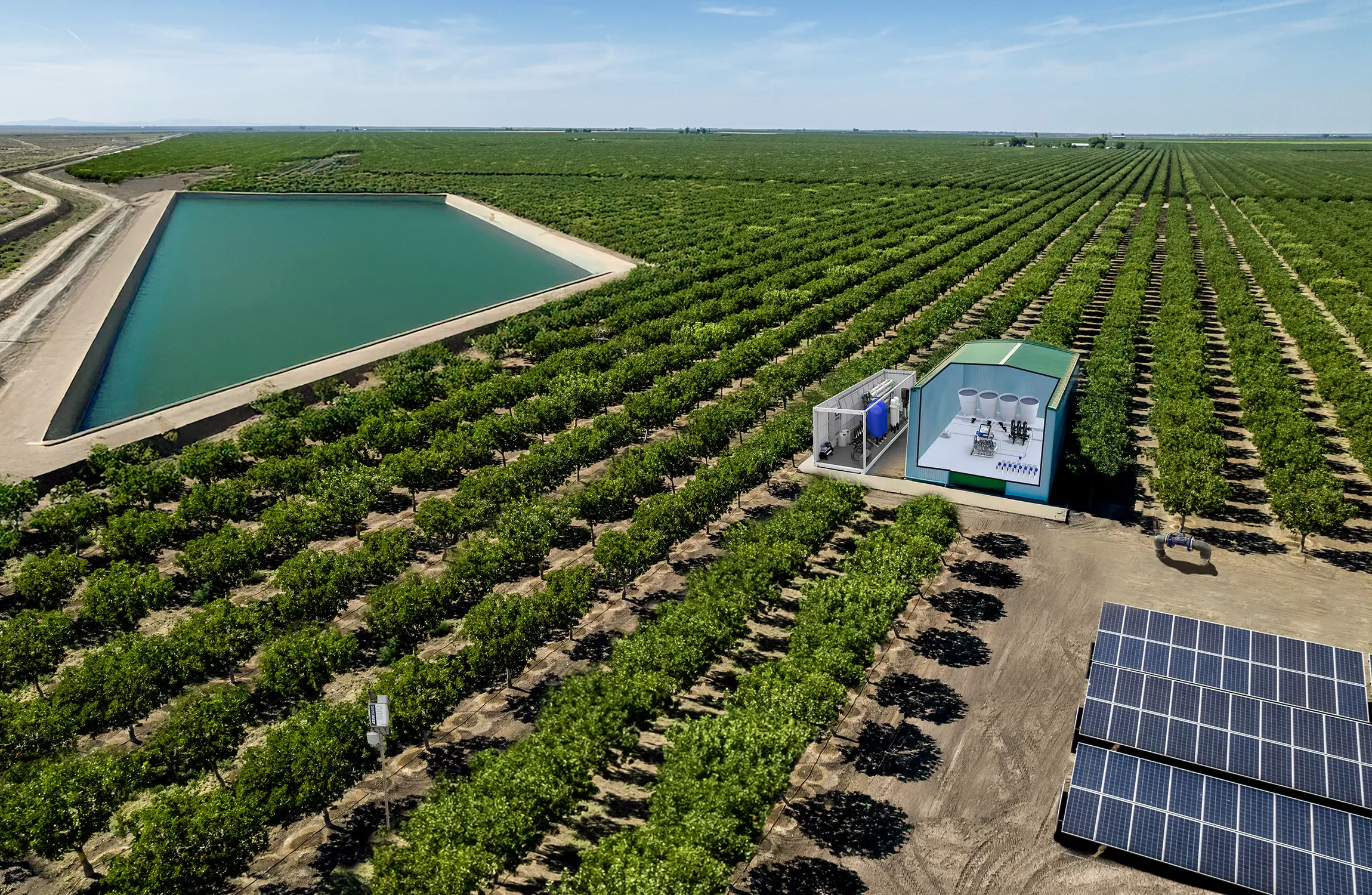
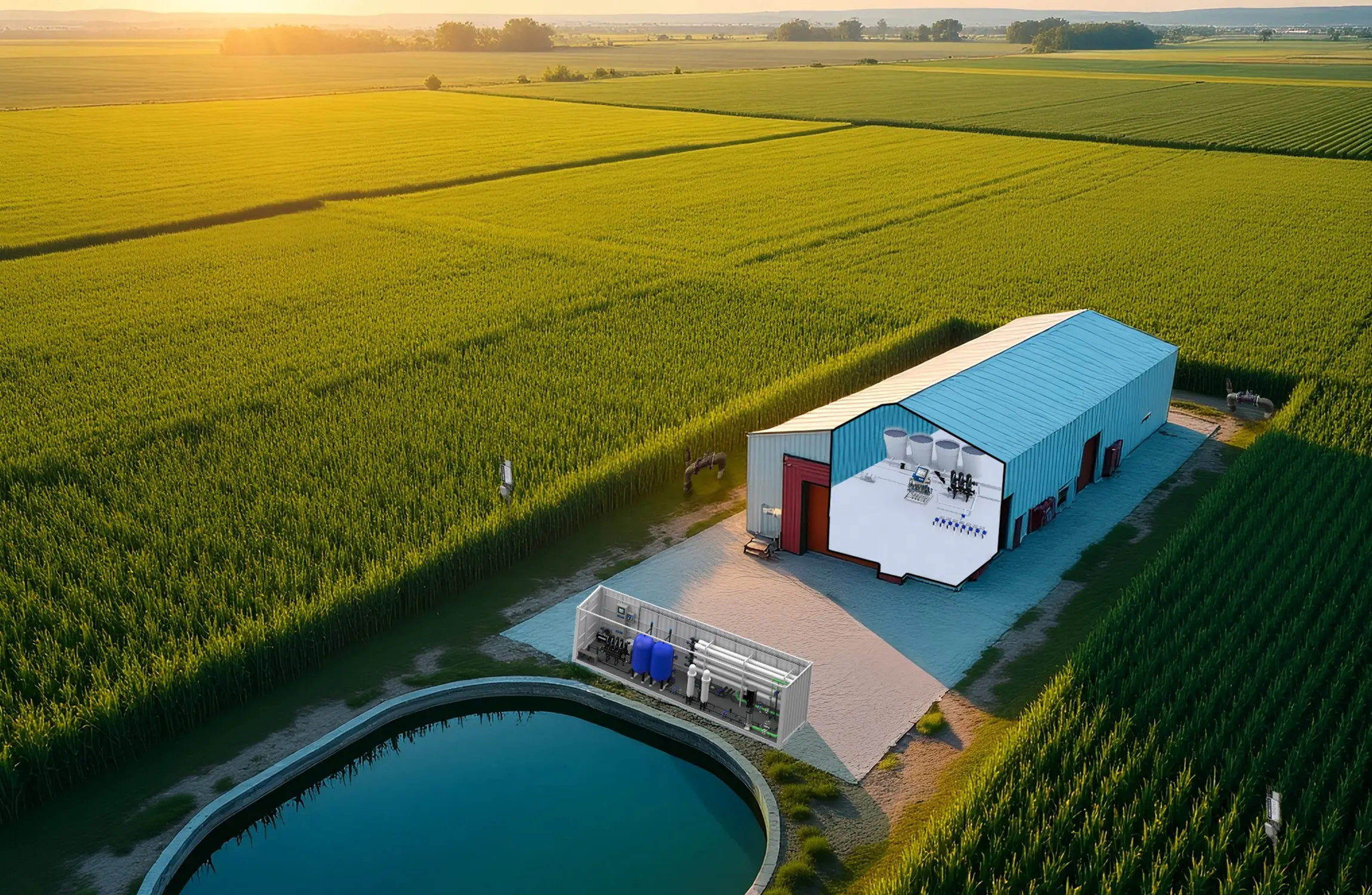
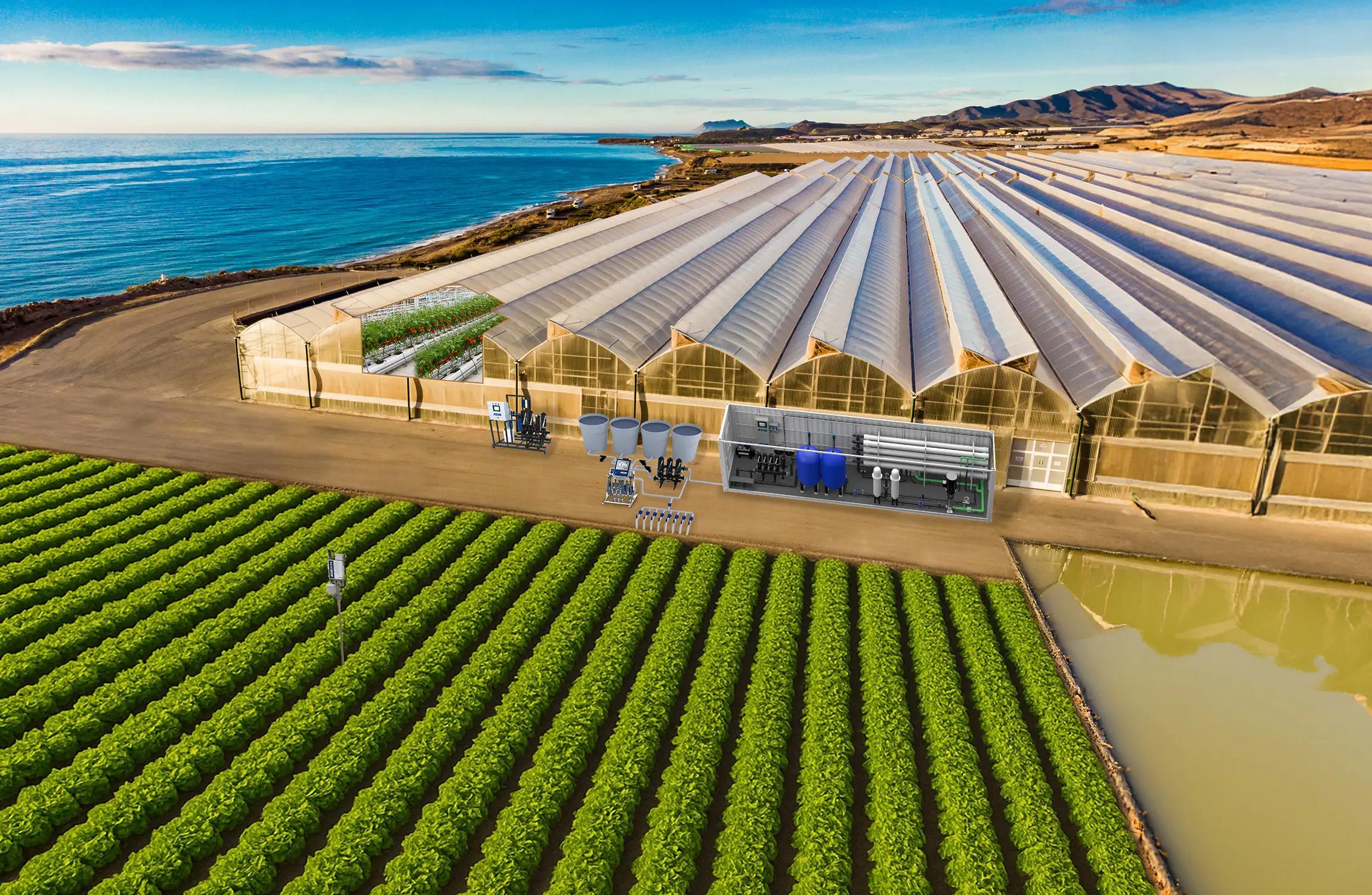
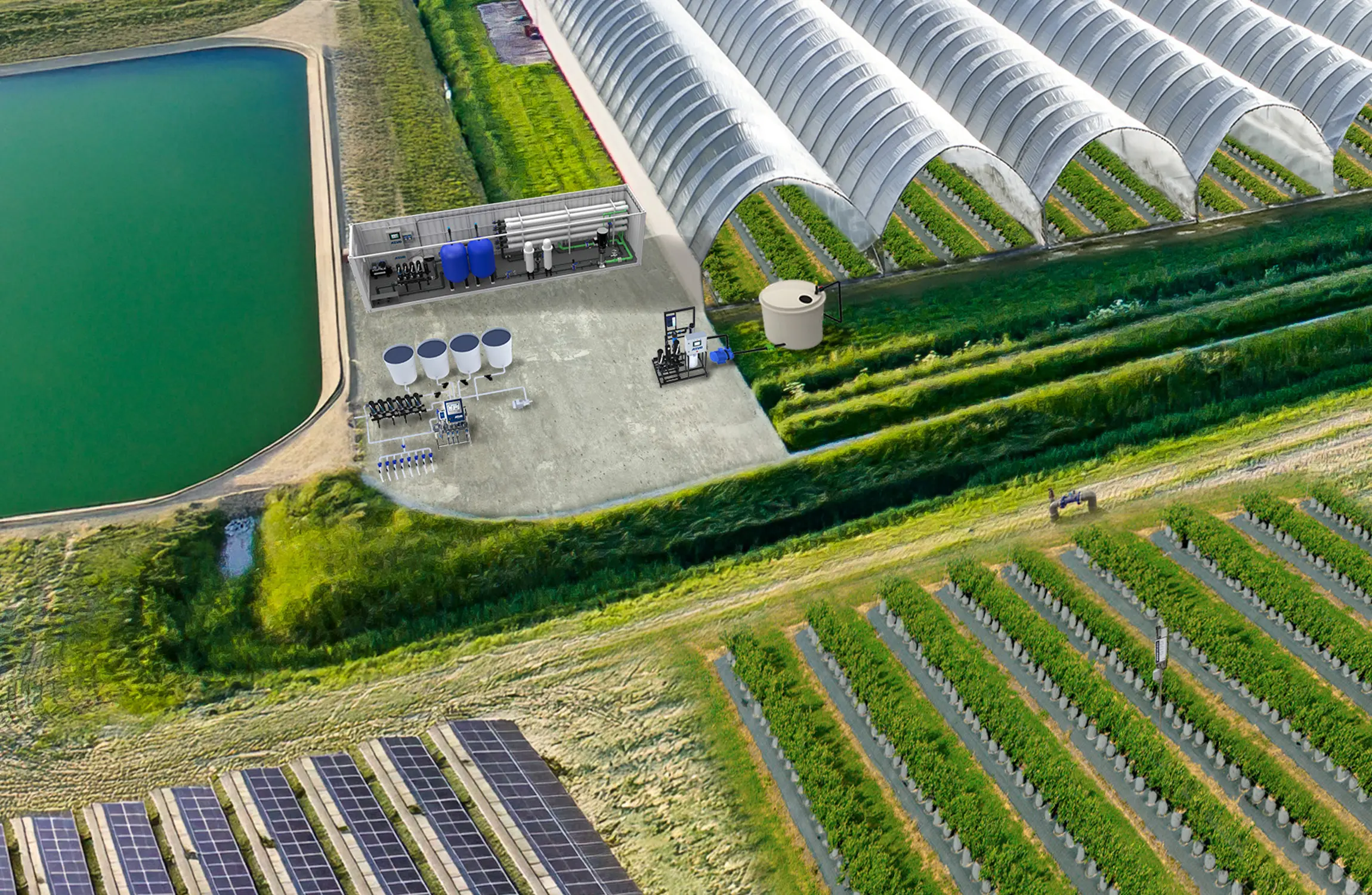




Toward a More Precise and Efficient Irrigation System
Agriculture is the economic activity that places the greatest pressure on water resources worldwide. The transportation, distribution, and supply of water for agricultural activities require a high level of energy, which is a major component of the financial costs necessary to ensure production.
The greater environmental awareness, the rise in electricity prices in the rates and the decline in water quality and quantity have led to the search for solutions that promote the efficient use of water and energy in various agricultural irrigation applications and systems.
Water and Energy Use Efficiency It is defined as “the ability to use as little water and energy as possible to achieve specific production goals.” Greater efficiency in the production system makes it possible to achieve the same result with fewer resources.
“The localized irrigation “It is the irrigation system that yields the highest productive and economic returns and, therefore, the one that provides the best values for the indices associated with productive activity.”
In the agricultural sector, design criteria for irrigation systems They must take a more proactive approach to considering the availability of new materials and products, knowledge of their application, and environmental awareness in order to boost productivity in water and energy use.
There is no point in using a more efficient irrigation system if the most appropriate criteria are not taken into account during the system’s design phase, irrigation practices, and system maintenance.
Criteria from an applied engineering perspective:
- Design of the Hydraulic Frame that allows for a high degree of spatial and temporal homogeneity.
- Reduction in operating pressure requirements, thereby reducing the energy used for the transportation, distribution, and delivery of the irrigation water.
- Achieving a high degree of uniformity in the spatial distribution of pressure within the irrigated area, ensuring that the plant receives a uniform amount of water.
- Irrigation Based on Design Nominal Values avoiding deviations that would affect the uniformity of the water as determined during the design phase.
- Maintenance of the irrigation system through an inspection protocol. Ensure that all functional components meet the performance standards and operating conditions defined during the Irrigation system’s design phase through the necessary maintenance.
Failure to meet these criteria results in uneven spatial and temporal application across each plot. This leads to a strategic decision to Establish irrigation schedules.
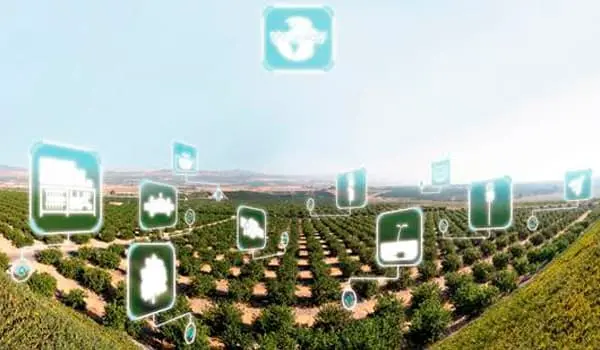
A decision must be made as to whether to supply water directly to the areas with the most favorable water supply or to increase that supply to the entire Irrigation sector so that the areas receiving less water do not experience water shortages. monitoring using digital tools or drones, along with sensors and probes, provide insight into the spatial distribution of crop water status and health.
These tools not only enable the diagnosis of conditions in irrigated areas, but should also be used as a design tool to identify and combine areas with similar characteristics and create new design guidelines that ensure a uniform water supply to the crop.
It is the shared responsibility of all professionals in this industry to raise awareness among all those involved regarding the efficient use of resources in production activities, as well as to inform consumers about the resources used in production so that they can make decisions regarding their impact on the water footprint and carbon footprint.
Interested in learning more? Check out our Precision irrigation solution here.