



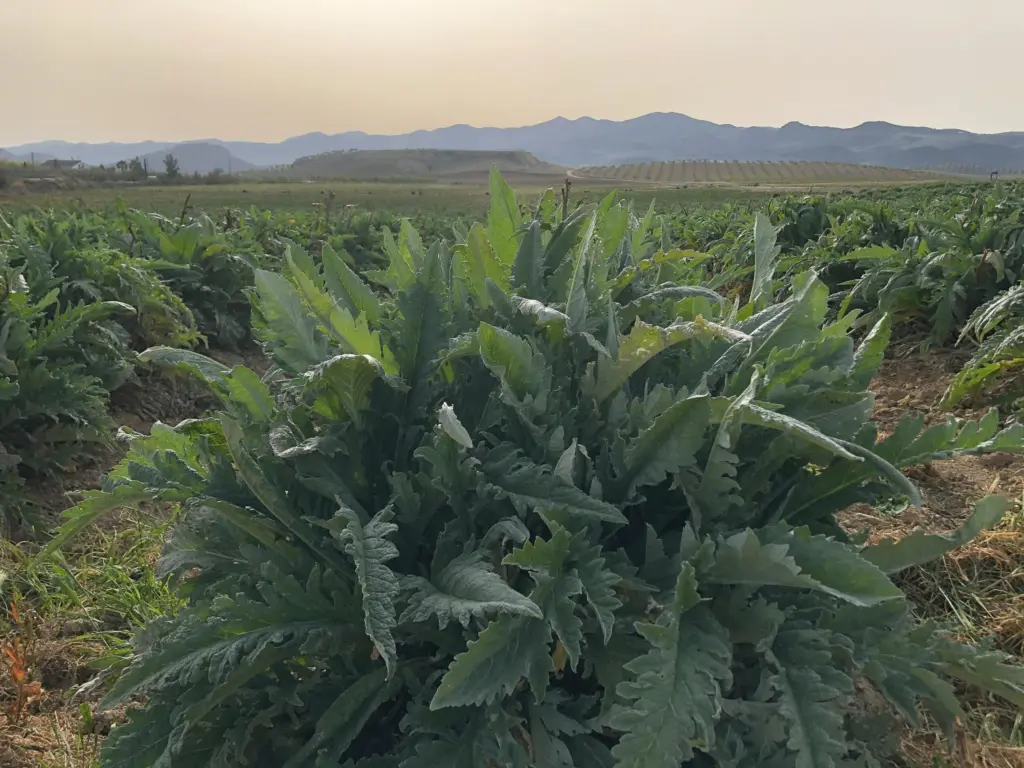
The artichoke It is one of the most prized vegetables in global cuisine, noted not only for its distinctive flavor but also for its numerous nutritional and medicinal benefits. Native to the Mediterranean, this plant has spread to various regions around the world, especially in areas with temperate climates and fertile soils. However, success in growing artichokes is not achieved simply by choosing the right soil; irrigation management is key to ensuring high-quality production.
The artichoke is a perennial plant, although in modern agriculture it is often grown as a biennial or triennial. It has a strong, deep root system, which allows it to adapt to various soil types. However, for best results, it is recommended to grow it in well-drained, sandy soils rich in organic matter.
Climate is one of the determining factors in artichoke cultivation. This plant thrives in temperate climates with mild winters and moderate summers. Optimal temperatures for its growth range from 7°C to 29°C, and frosts—which can ruin the crop—must always be avoided.
The Importance of Irrigation in Artichoke Cultivation

Irrigation is perhaps the most critical agricultural practice in artichoke cultivation. Although this plant is relatively drought-tolerant, the quality and yield of the crop depend largely on an adequate and consistent water supply. During germination and seedling establishment, regular irrigation is essential for developing a strong root system. As the plant grows and develops its foliage, it continues to need water to avoid water stress, which can compromise yield.
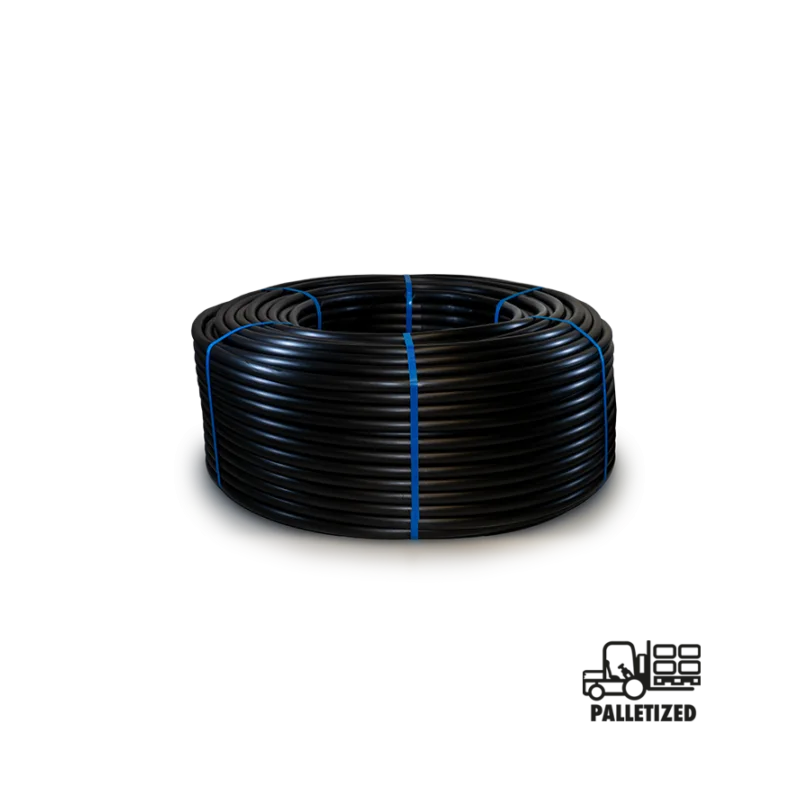
The drip irrigation It stands out as the most efficient method for growing artichokes. This system delivers water directly to the roots, minimizing evaporation and reducing the risk of leaf diseases, which can be caused by excessive moisture on the leaves. In addition, drip irrigation contributes to more rational use of water, an increasingly scarce and valuable resource.
The frequency of irrigation should be adjusted according to weather conditions and soil type. It is essential to keep the soil uniformly moist, avoiding both excess and insufficient water. It is recommended to irrigate in the early morning hours to minimize evaporation and ensure that the plants absorb moisture efficiently.
AZUD’s Recommendations for Artichoke Irrigation

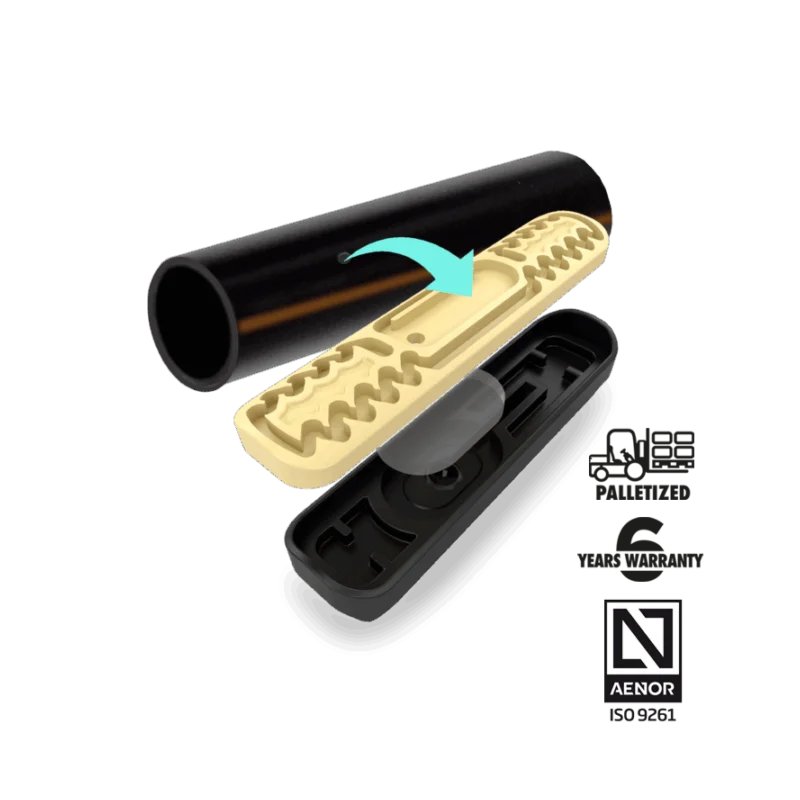
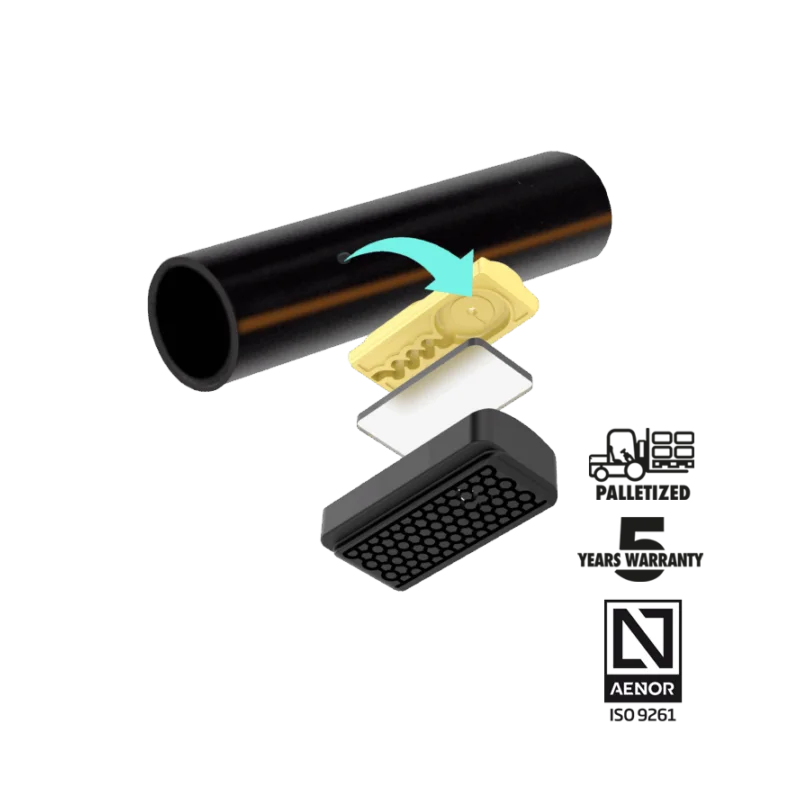
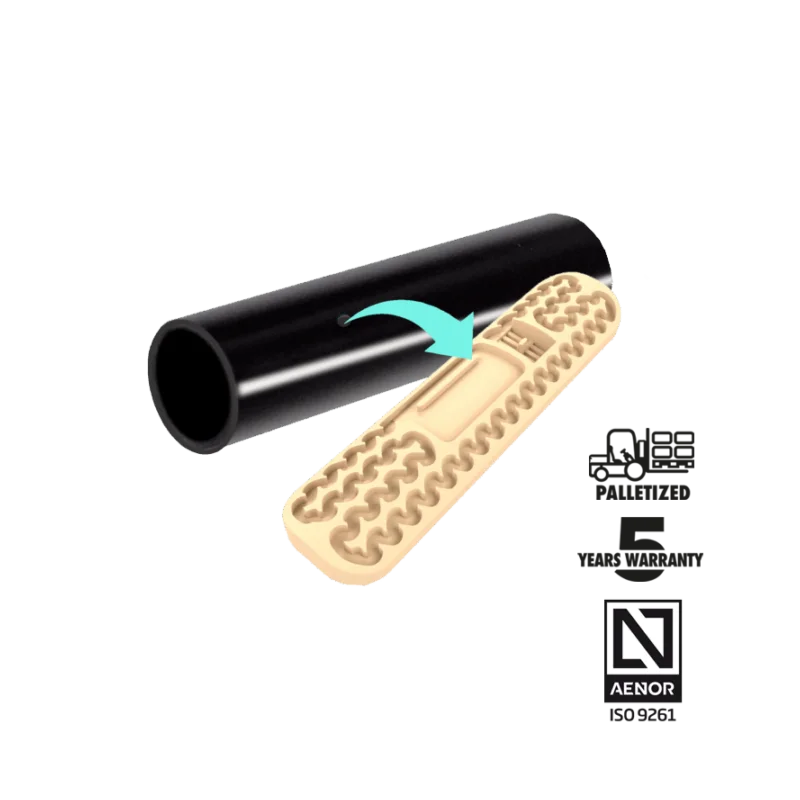
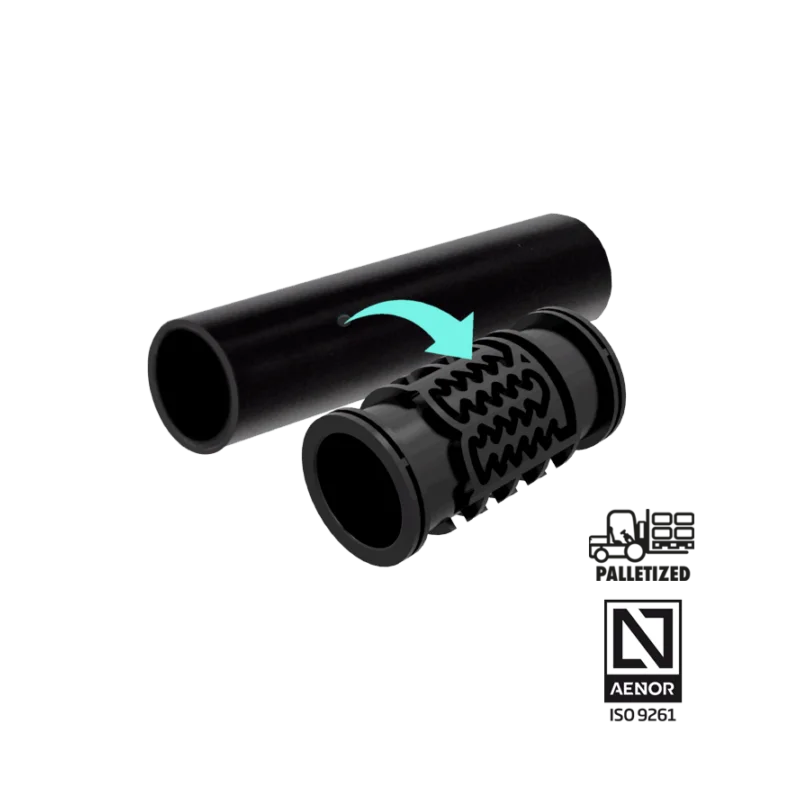
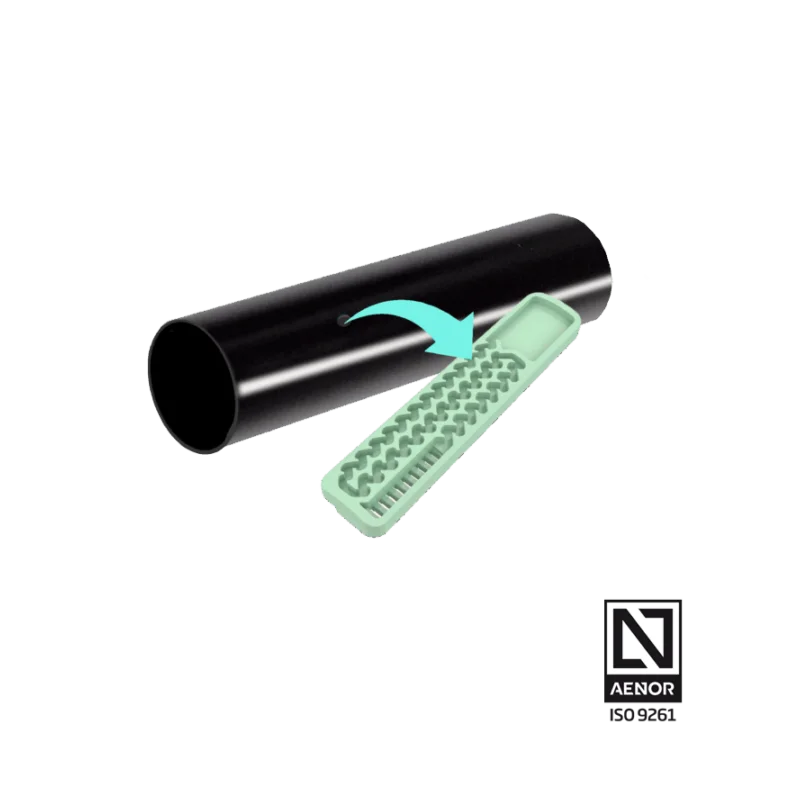
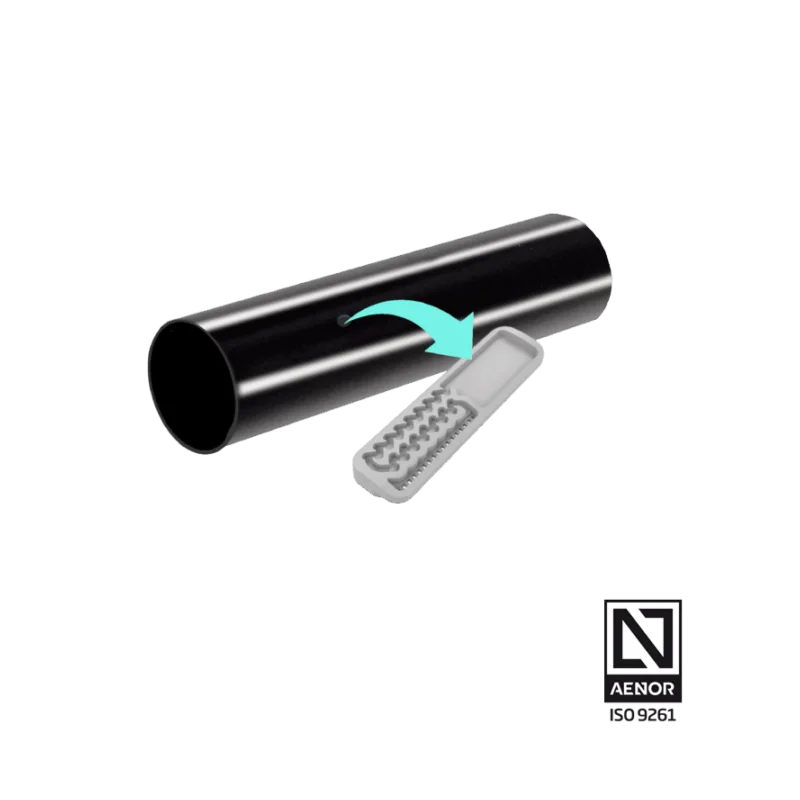
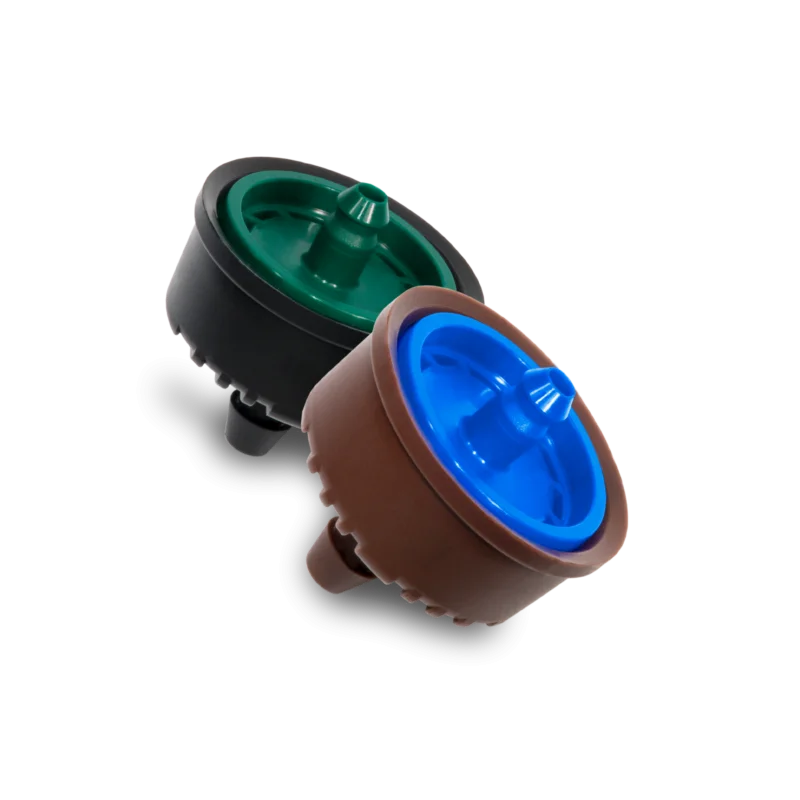
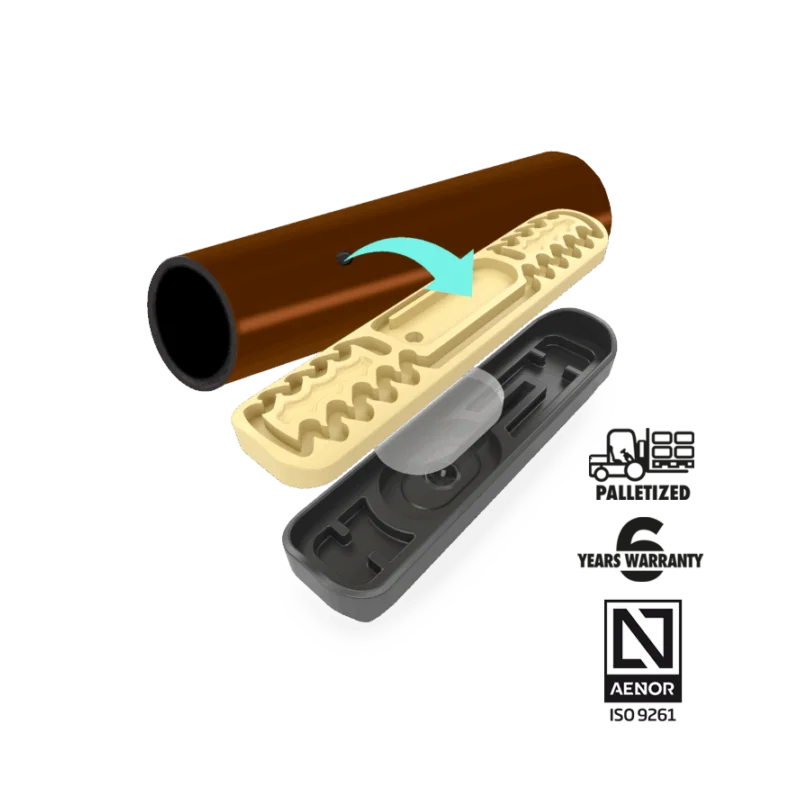
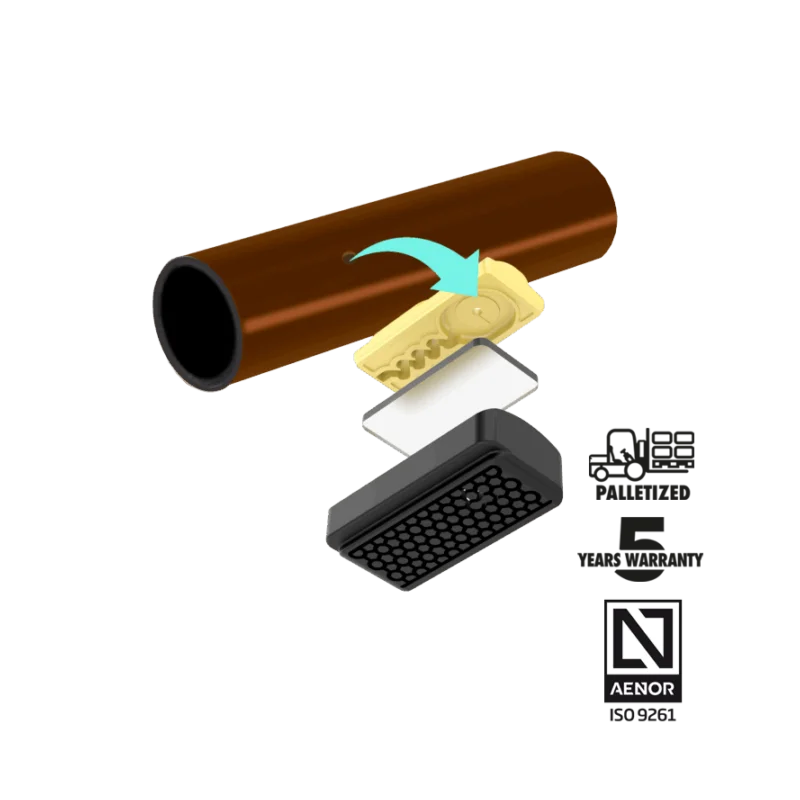
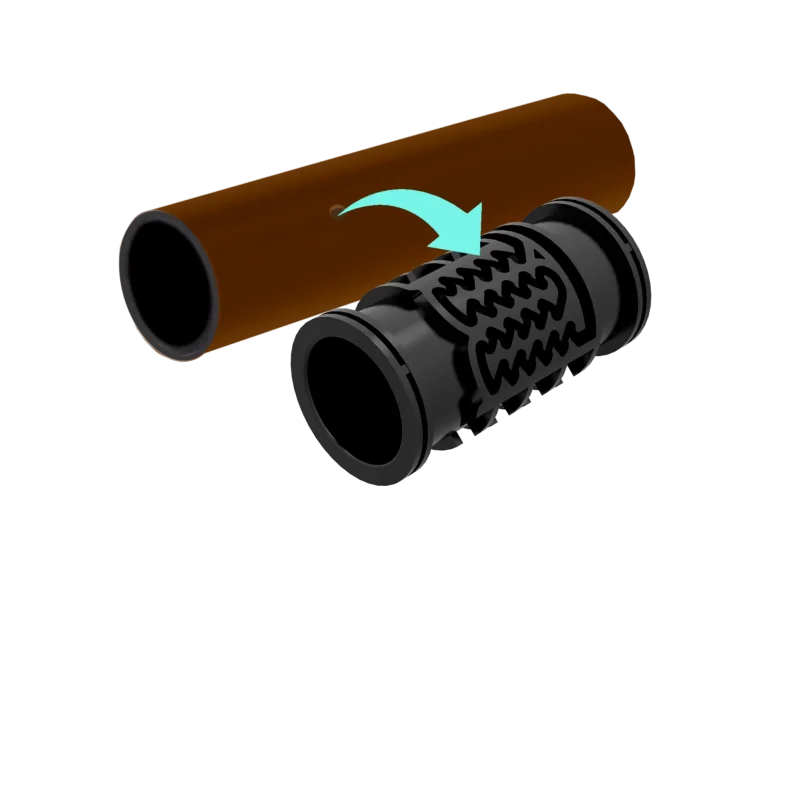
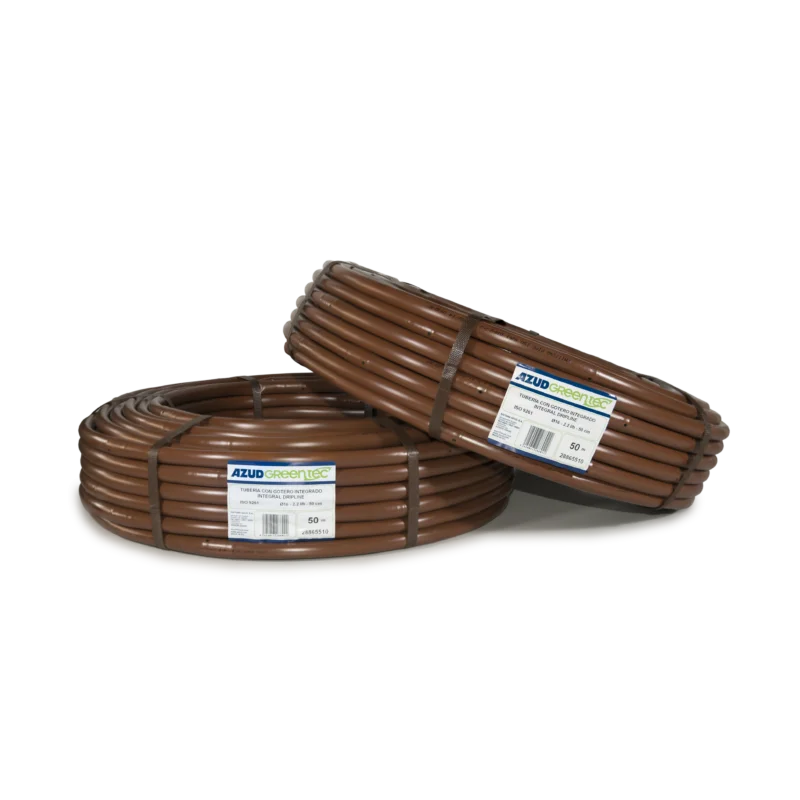
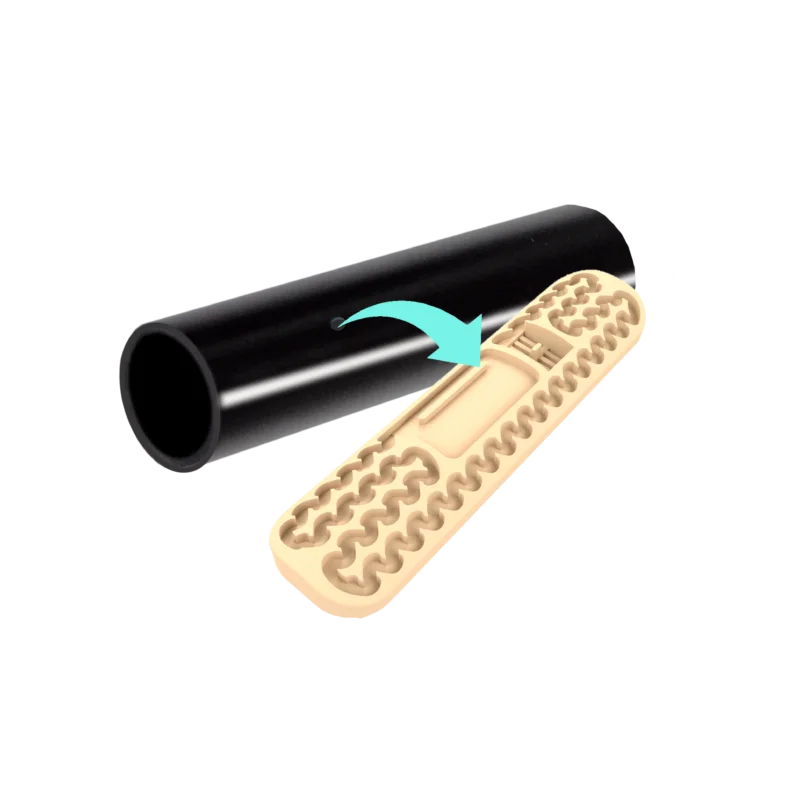
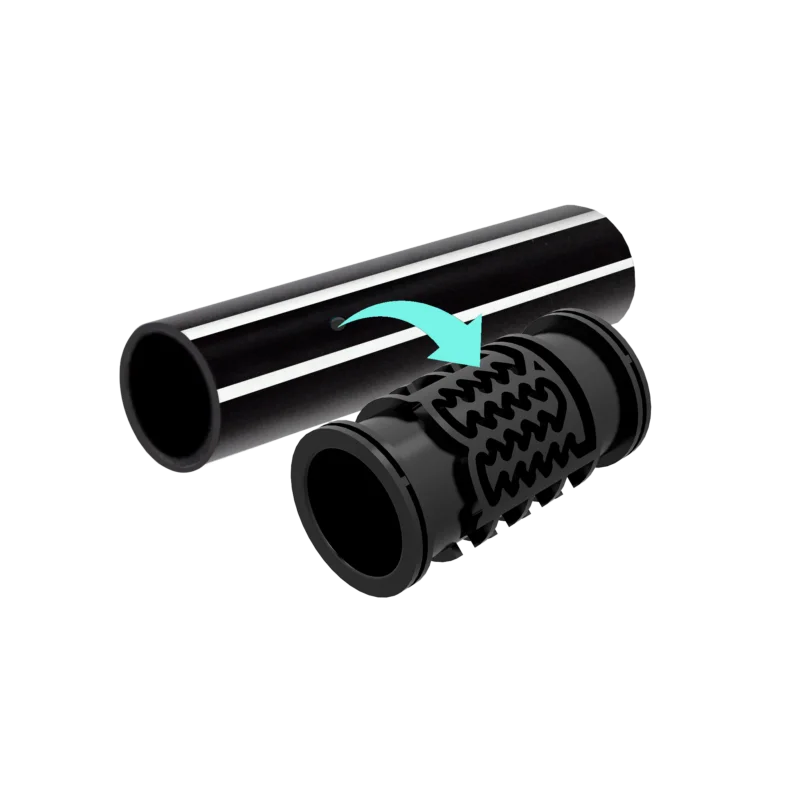
To maximize production and ensure the quality of the harvest, it is crucial to ensure uniform irrigation. In this regard, irrigation driplines with pressure-compensating drippers AZUD GENIUN It is an ideal solution, especially on sloped plots or when the lateral lengths are significant. These emitters ensure that each plant receives the same amount of water, regardless of its position in the field, which is essential for maintaining crop uniformity.
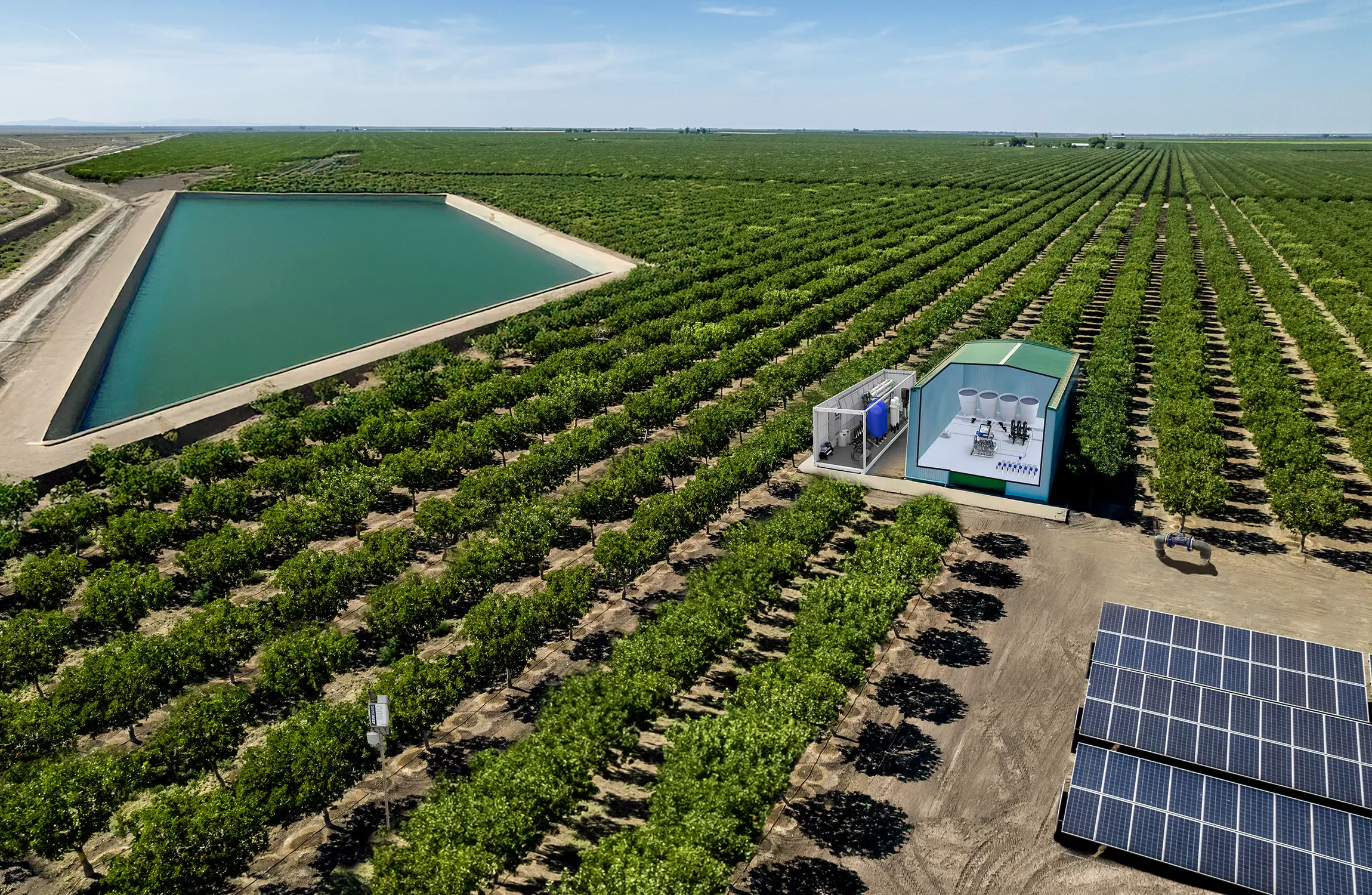
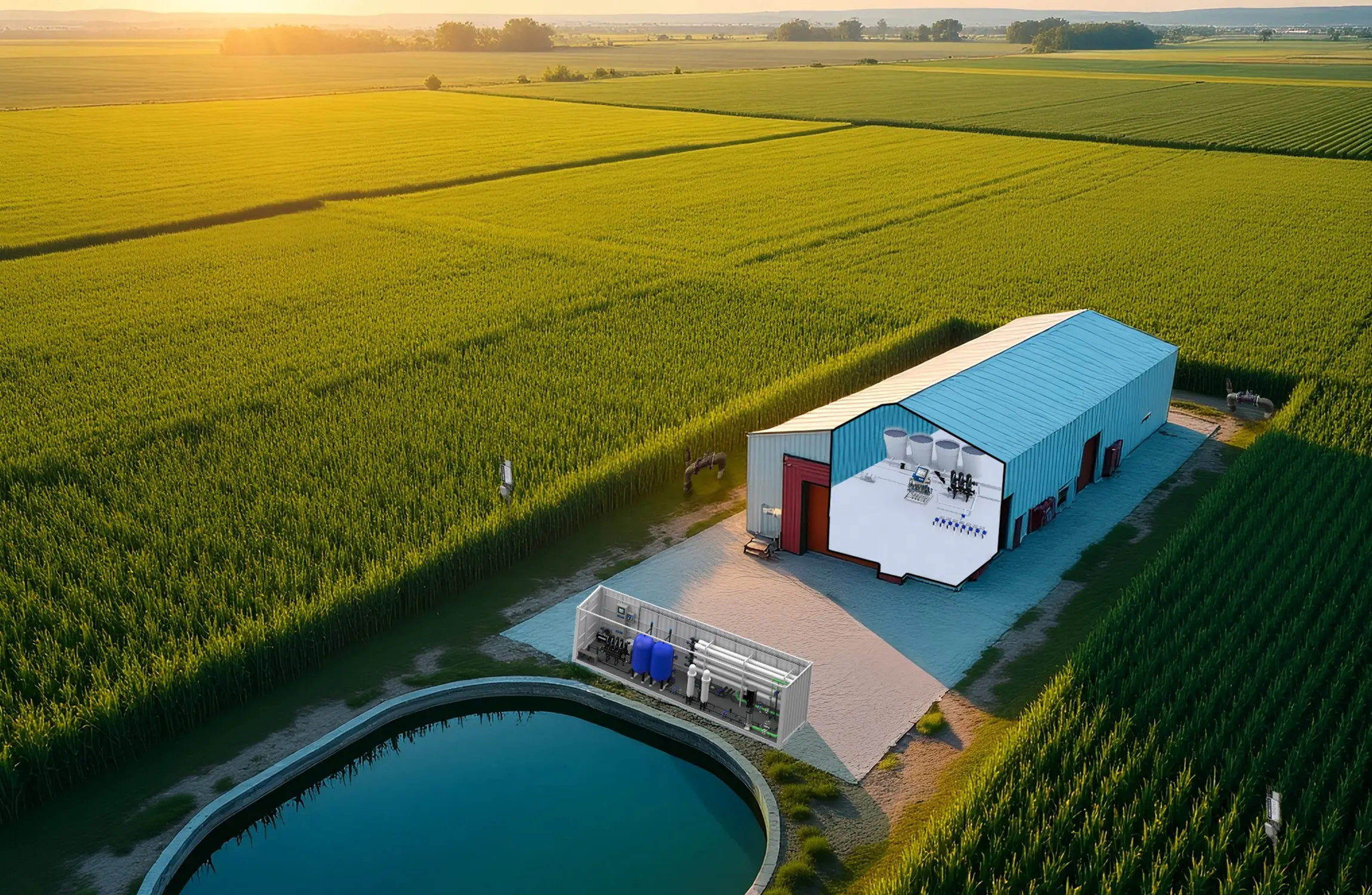
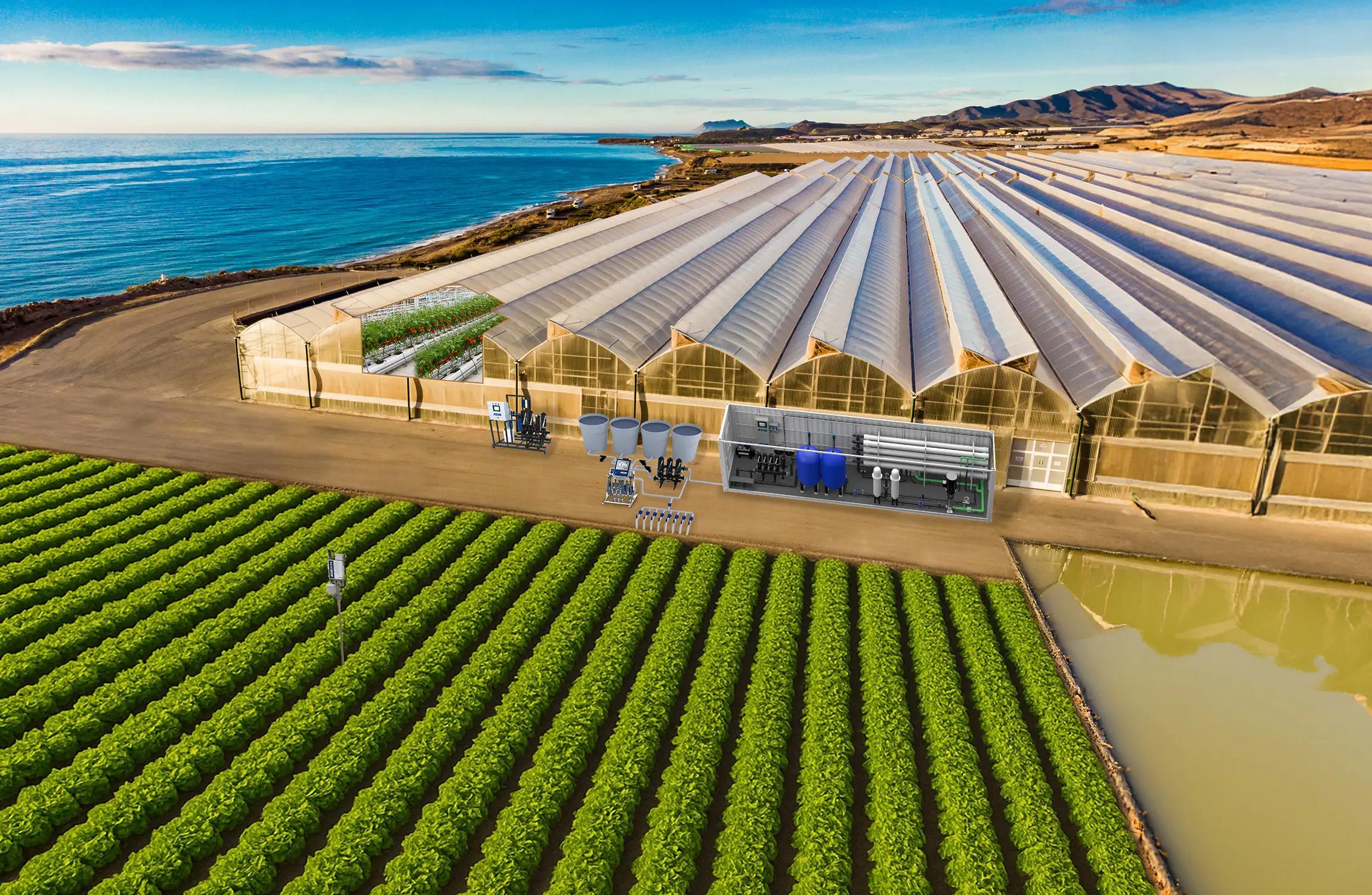
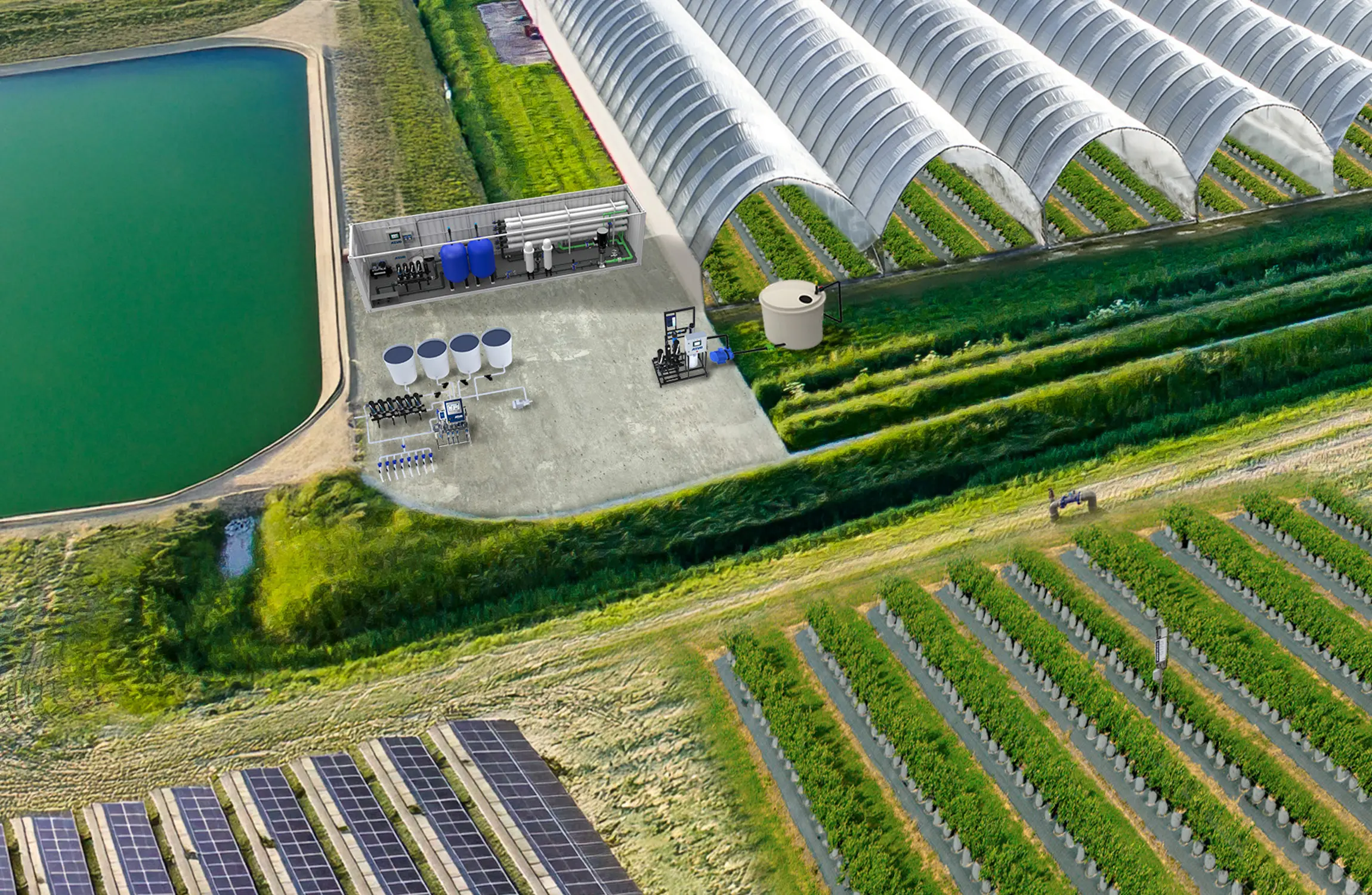
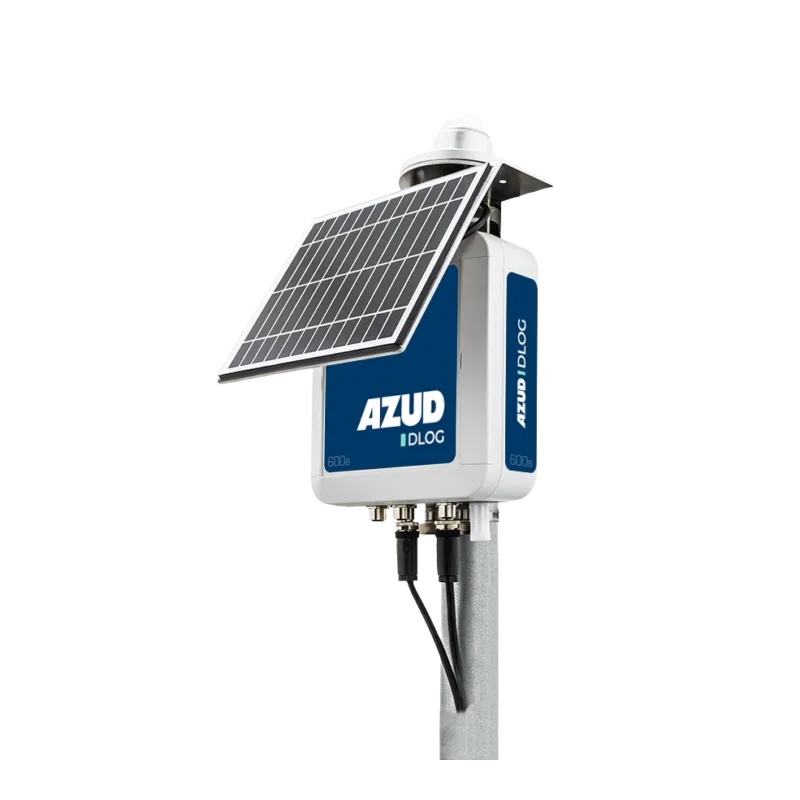
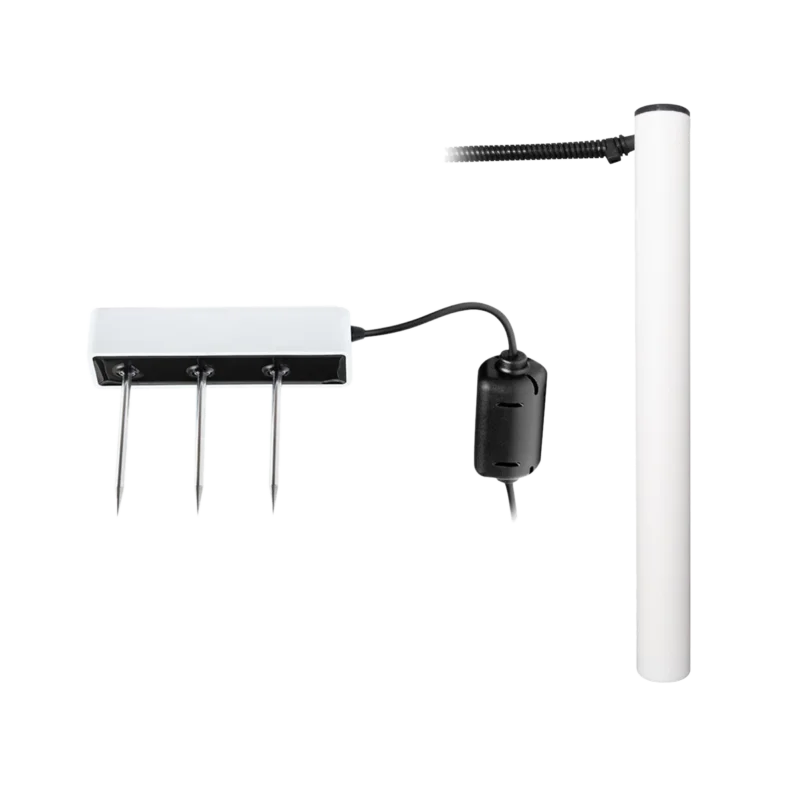
In addition, AZUD experts recommend a monitoring station to facilitate moisture and depth control through SOIL PROBES, which are sensors for the precise measurement of soil moisture content, temperature, and electrical conductivity, enabling informed decisions regarding crop irrigation and plant nutrition. This solution is designed to ensure the availability of water and nutrients for the plant, prevent salt accumulation, and preserve the soil and its environment.
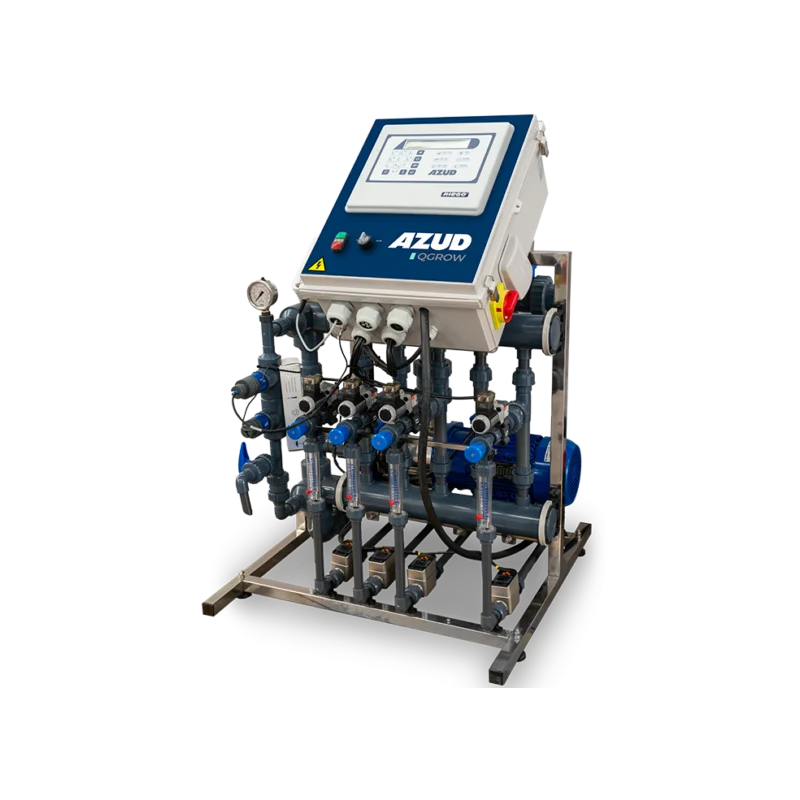
Irrigation uniformity also has a direct impact on artichoke harvesting, which takes place in several phases during the winter and spring months, depending on the region of the world. Proper irrigation and fertilization management can improve the uniformity of the artichoke heads, allowing for maximum yield during each harvest pass. This not only improves the quality of the final product but also optimizes resources and increases the efficiency of the harvesting process.
Water Quality and Its Impact on Crops
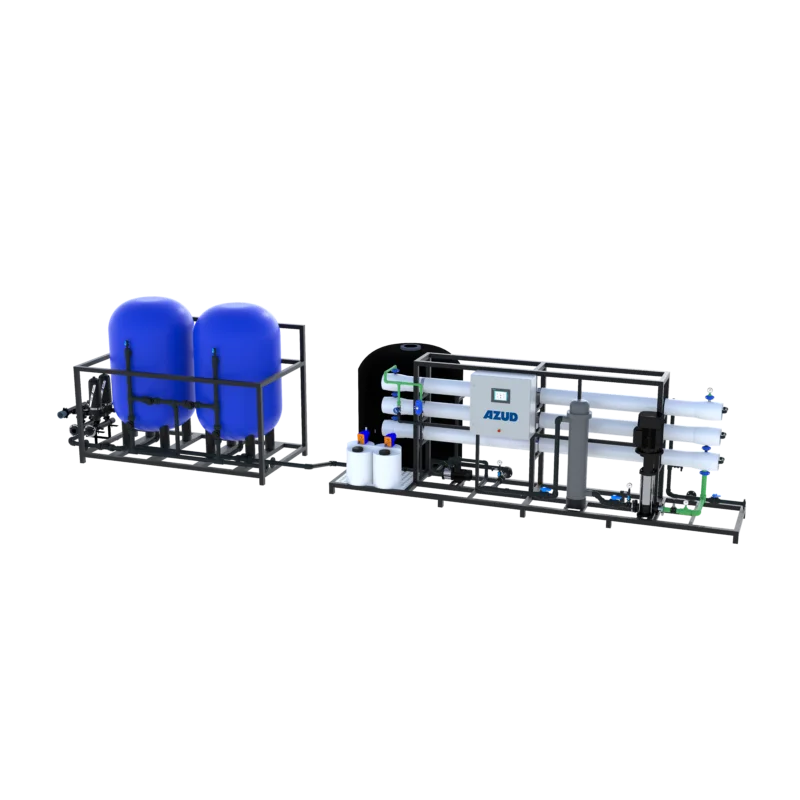
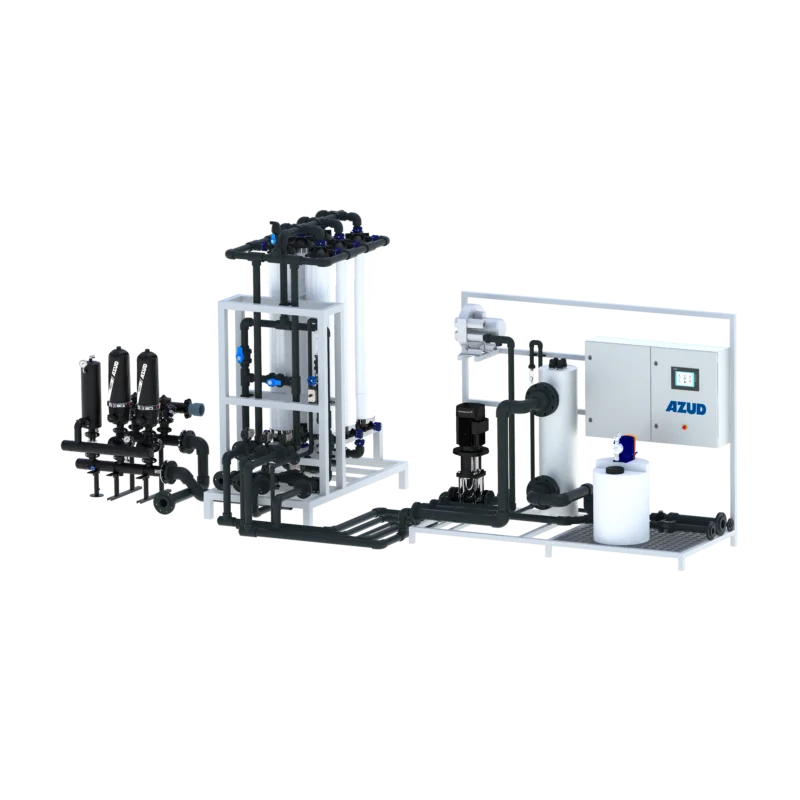
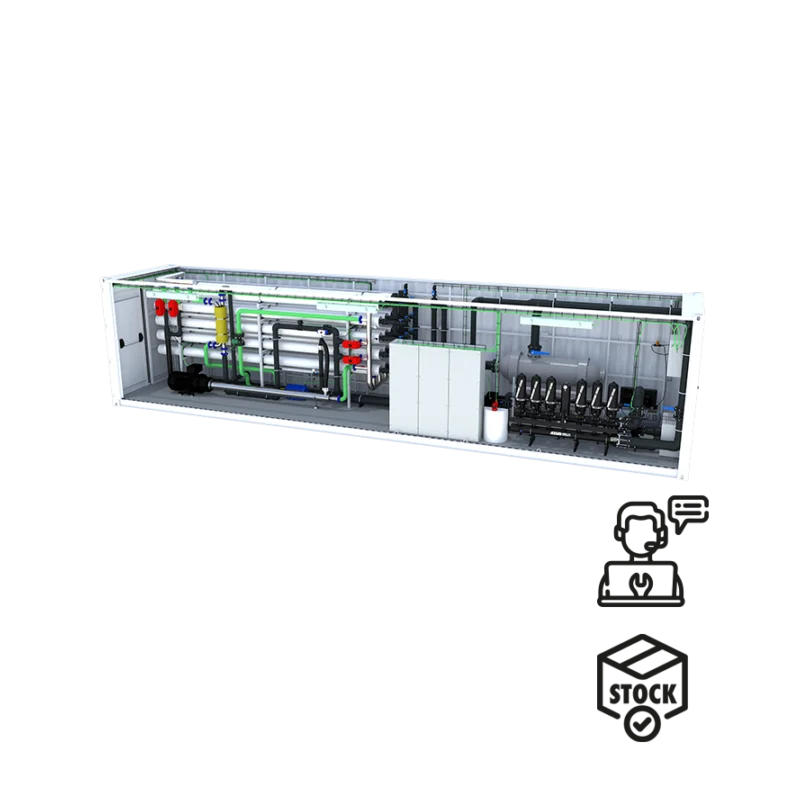
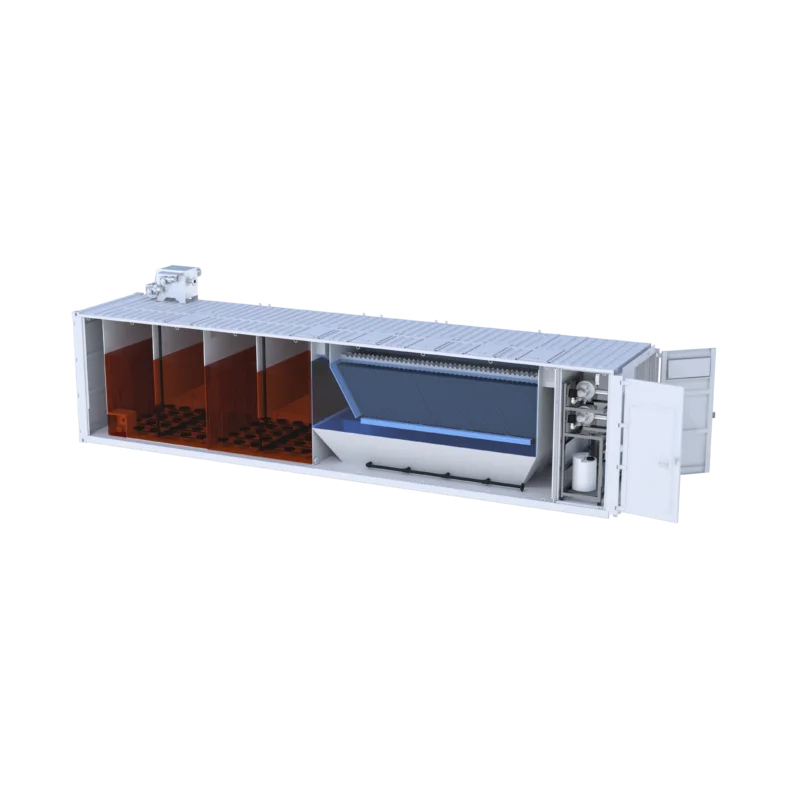
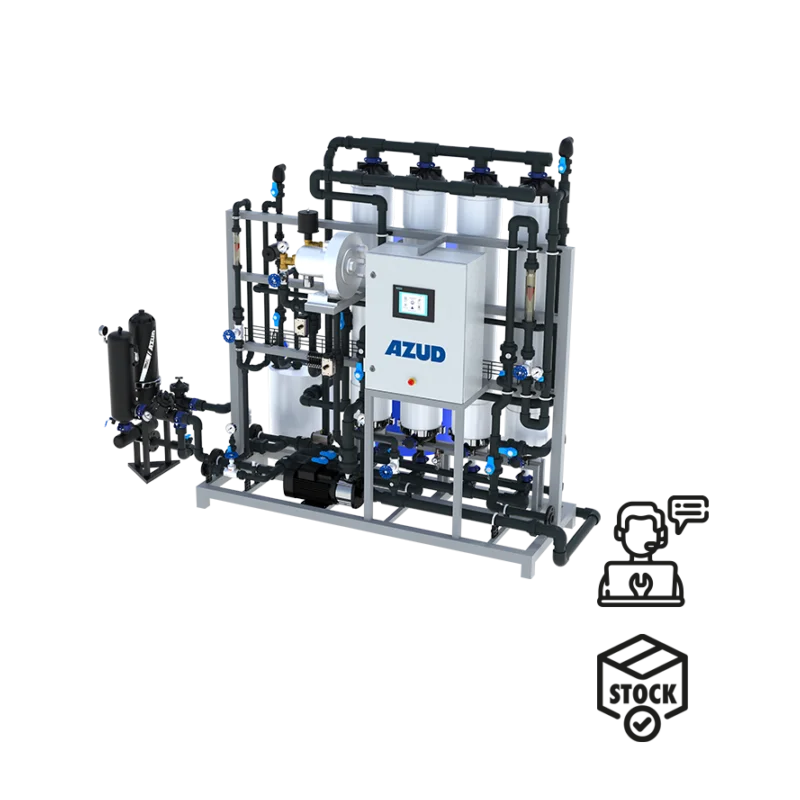
 The quality of irrigation water is another aspect that should not be overlooked. Artichokes are relatively tolerant of salinity, but excessive salts in the water can promote the onset of diseases. Therefore, it is important to test the quality of the water used for irrigation and, if necessary, implement corrective measures.
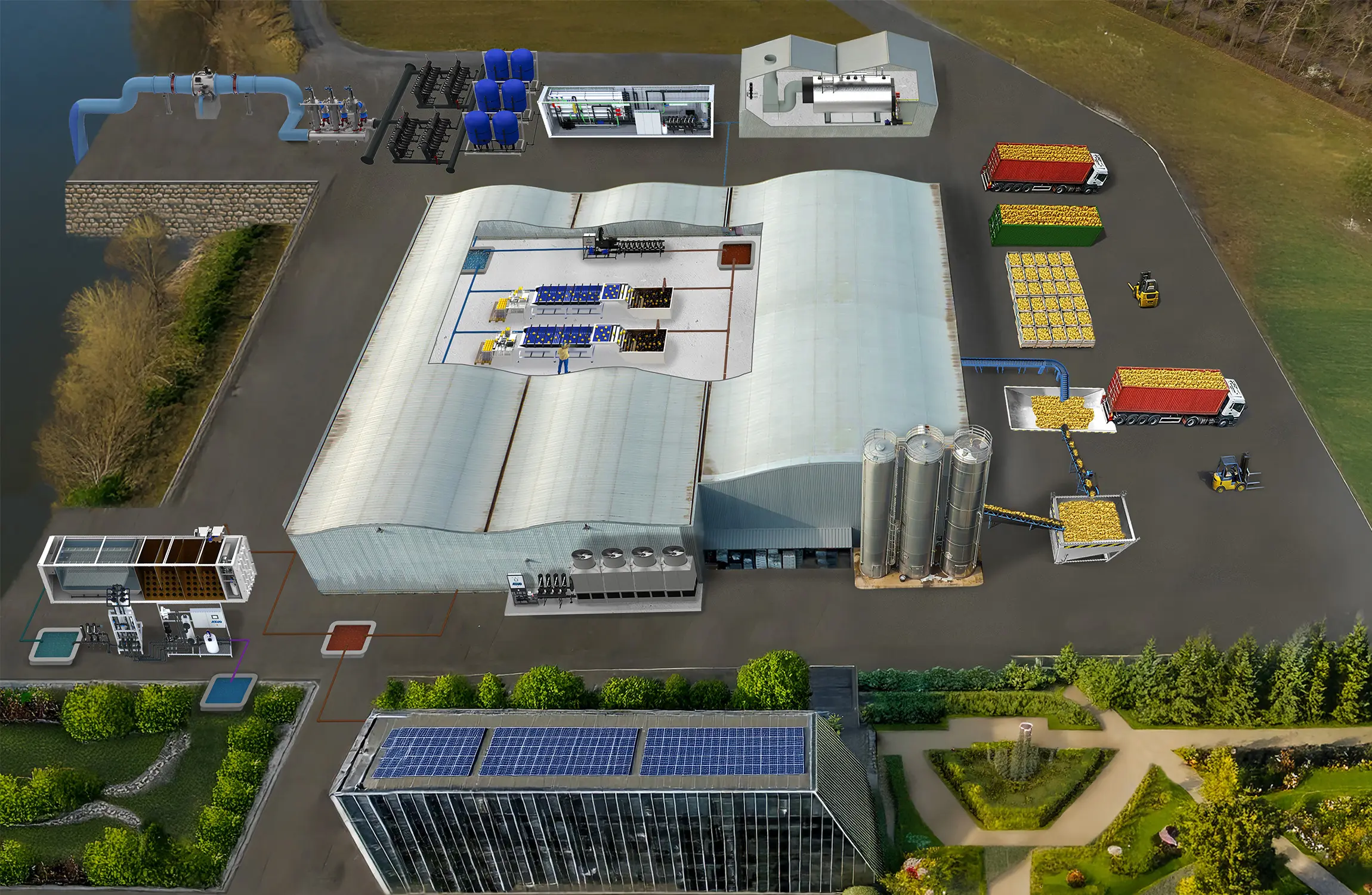
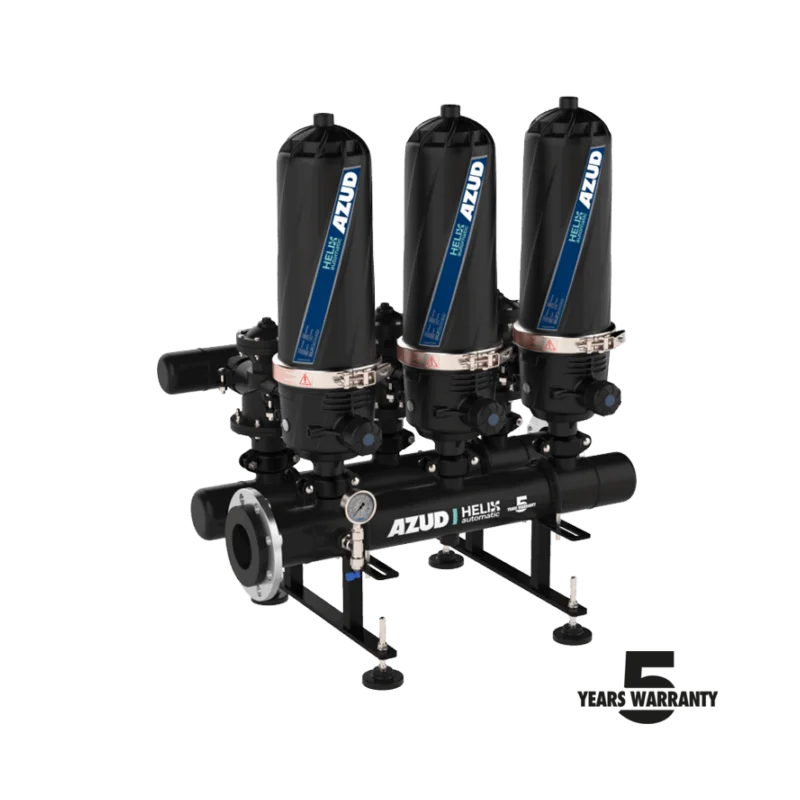
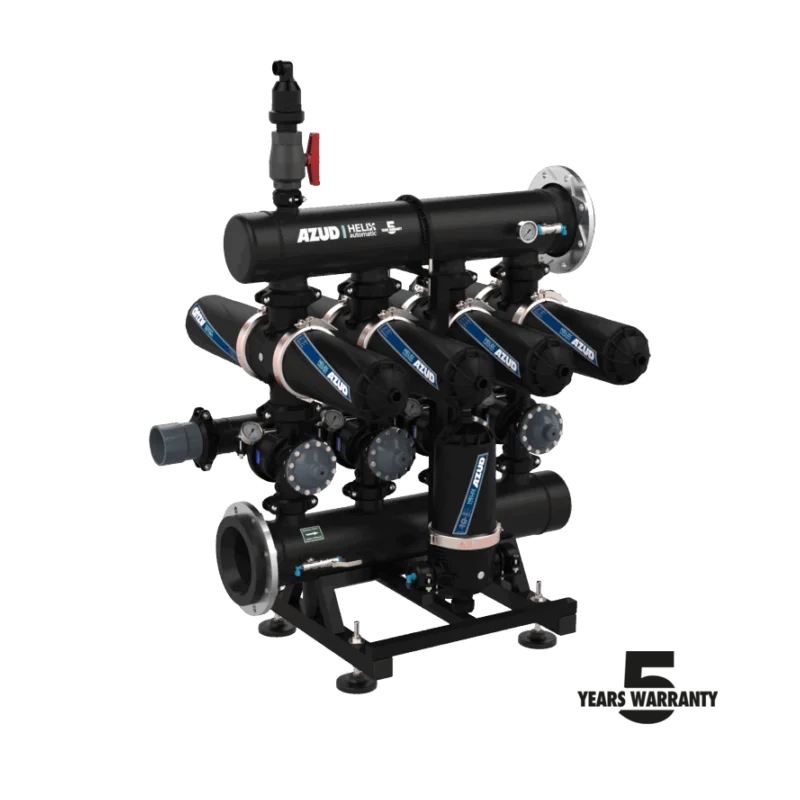
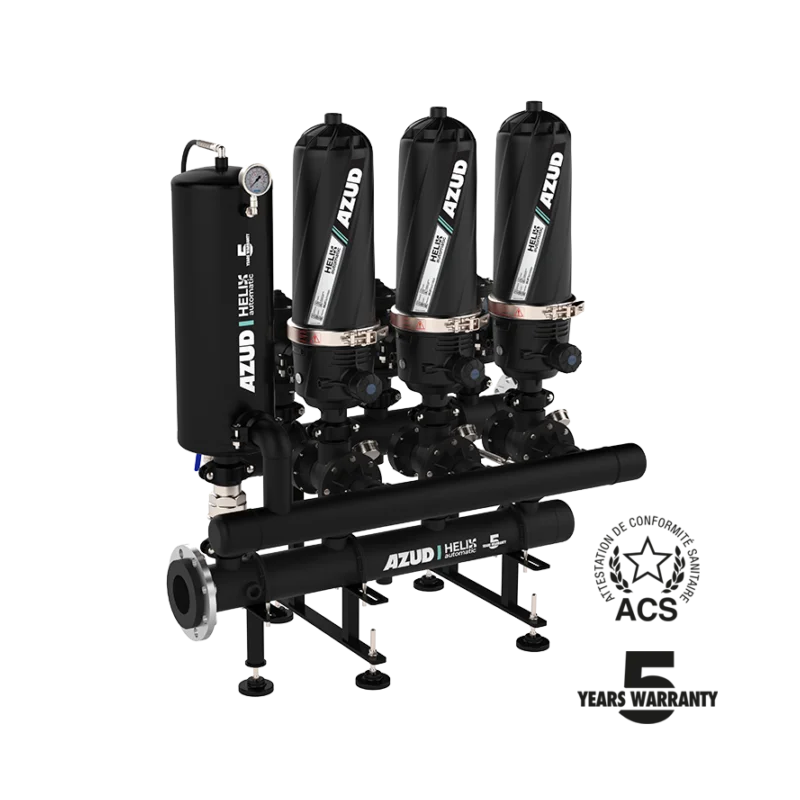
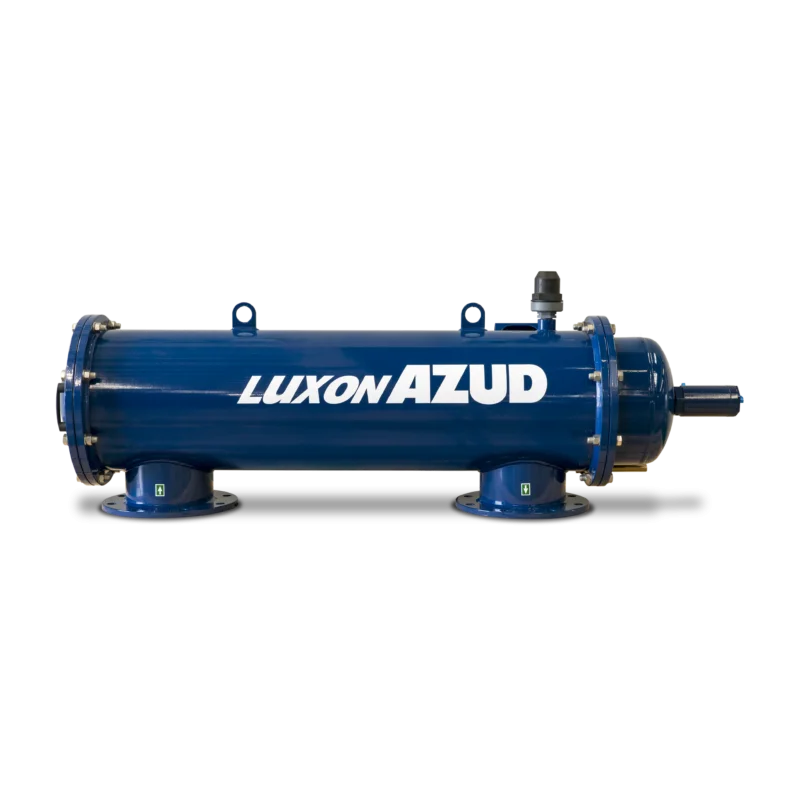
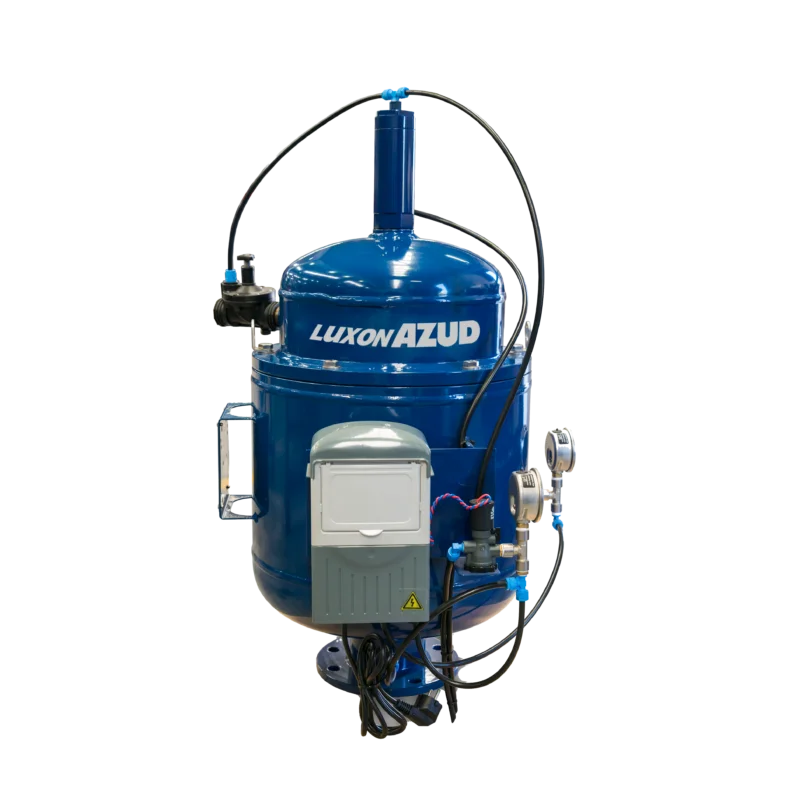
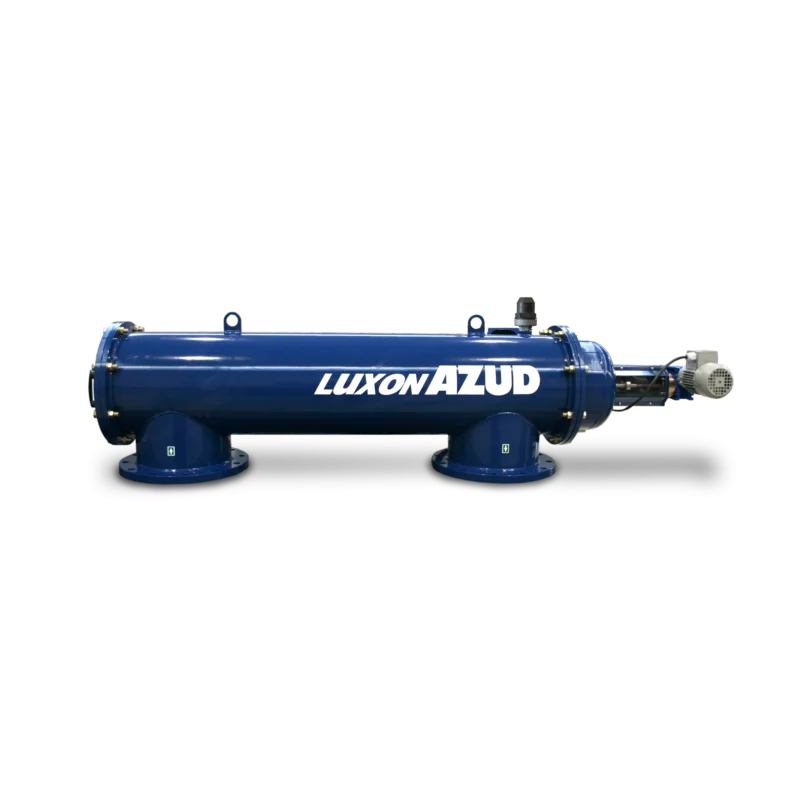
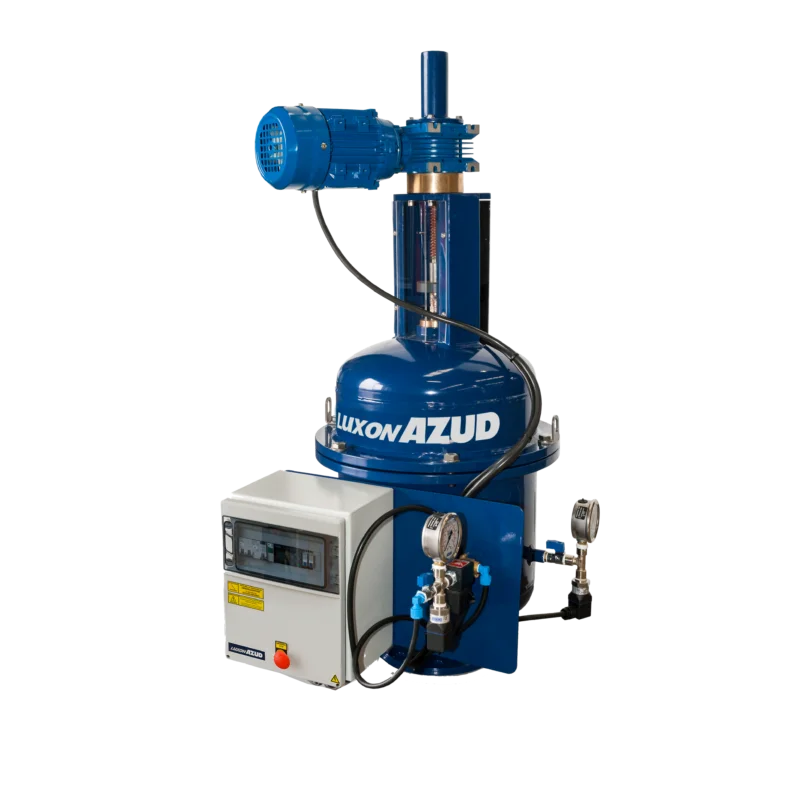
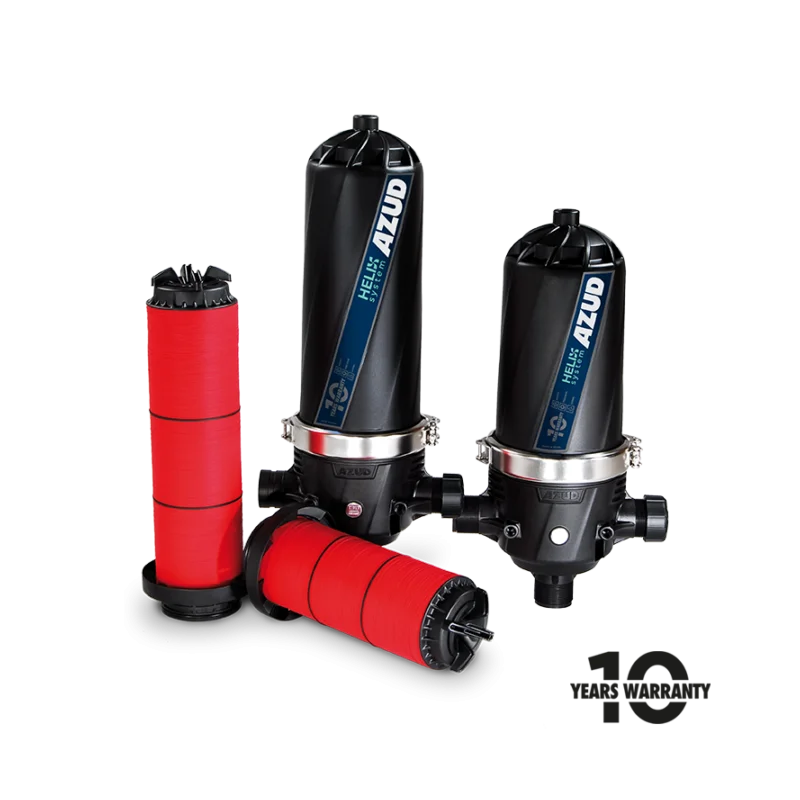
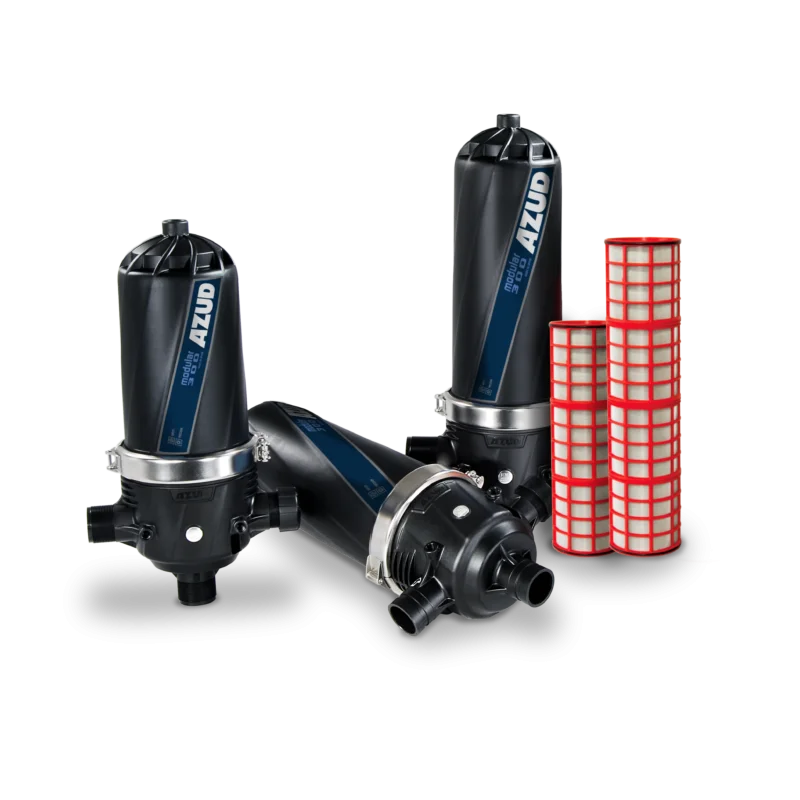
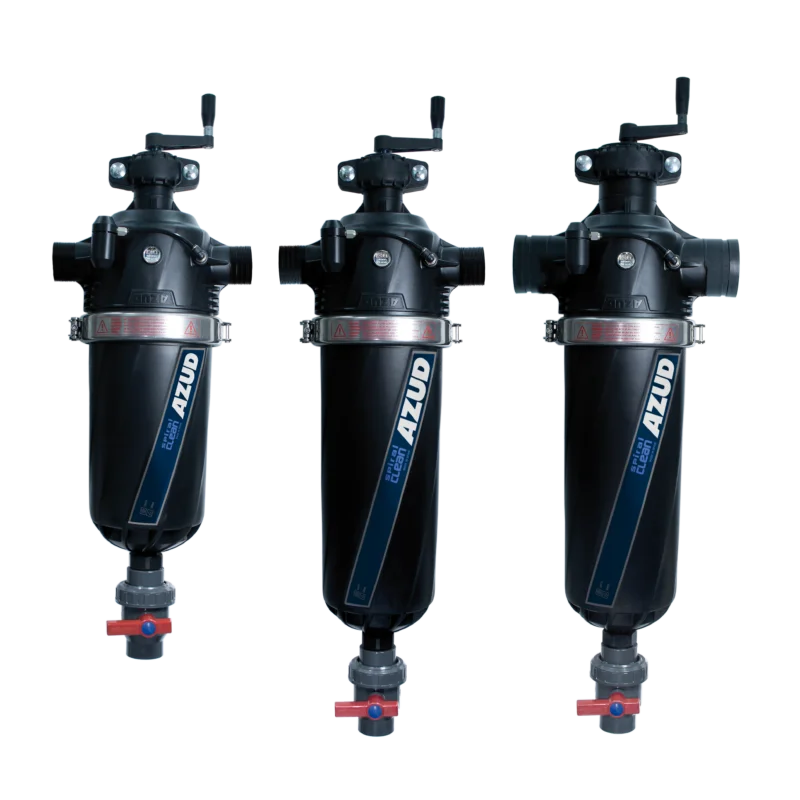
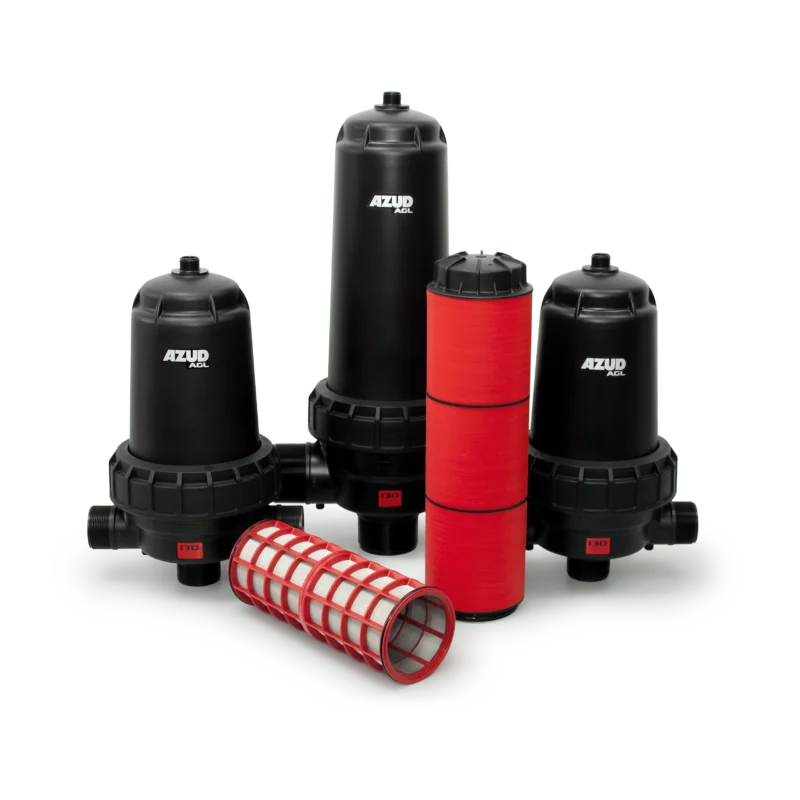
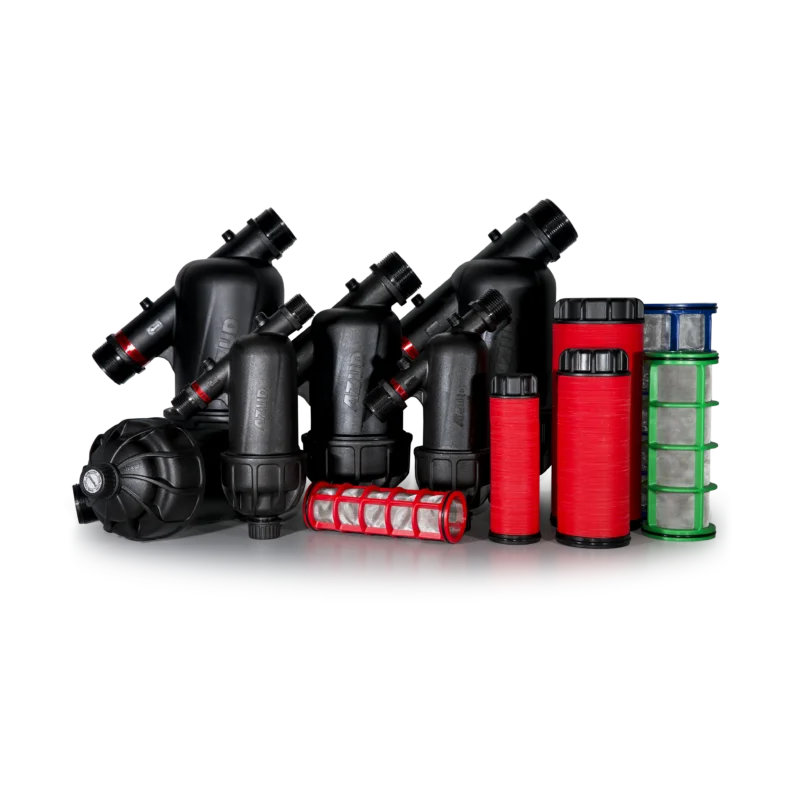
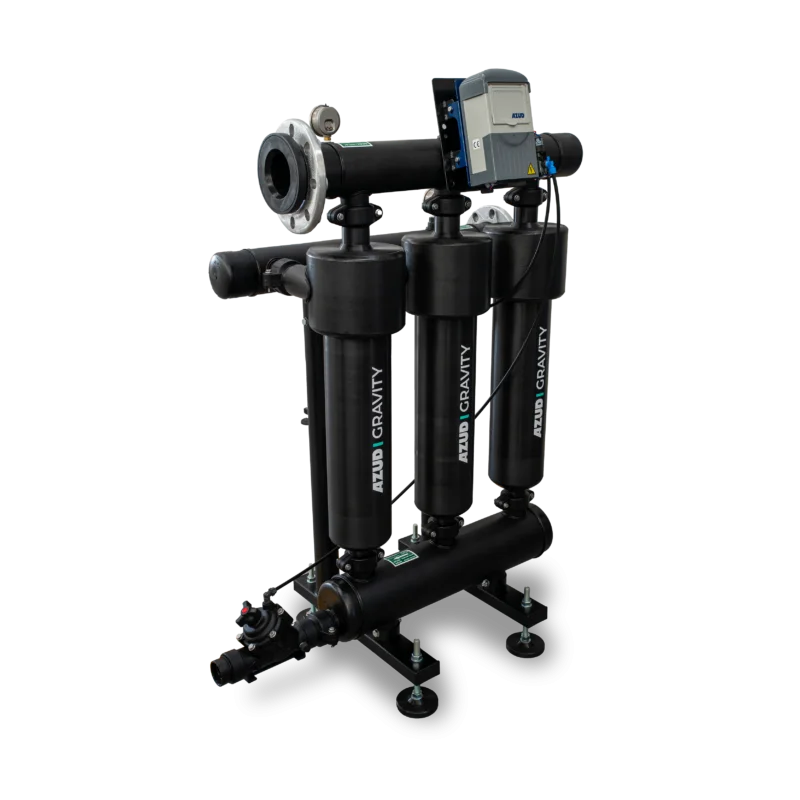
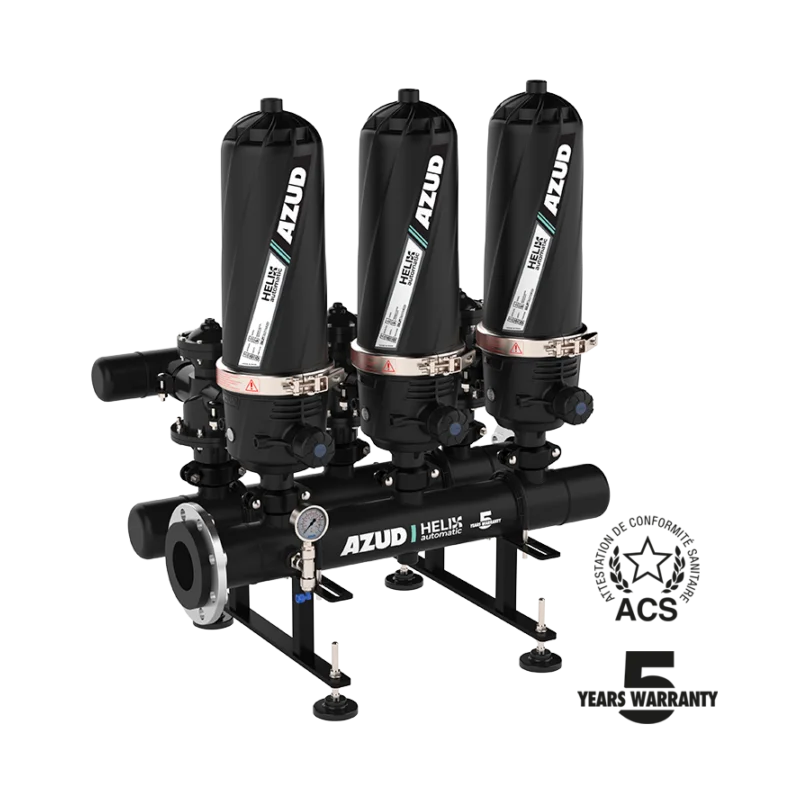
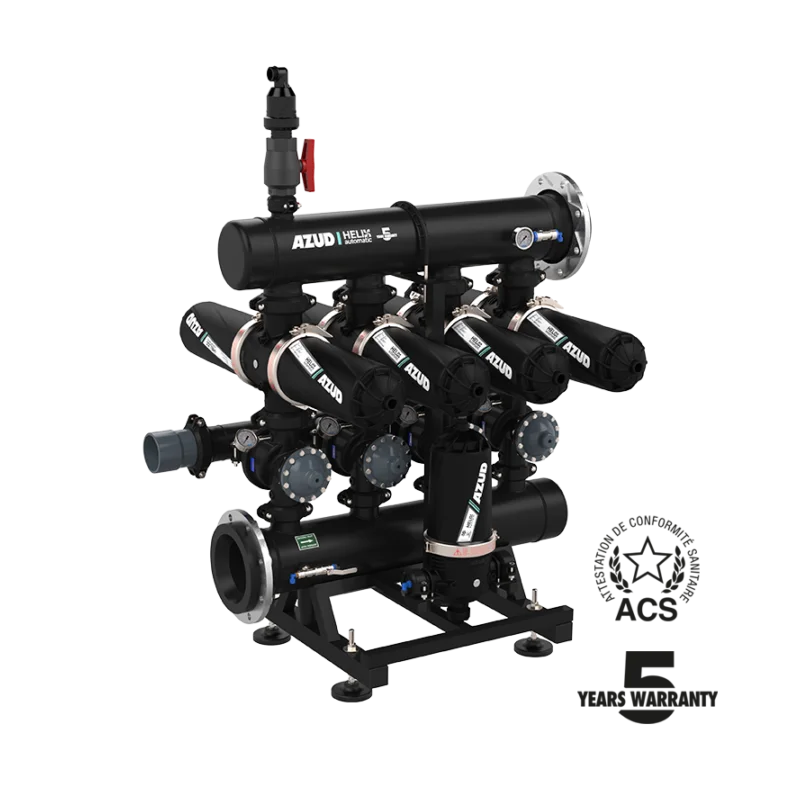
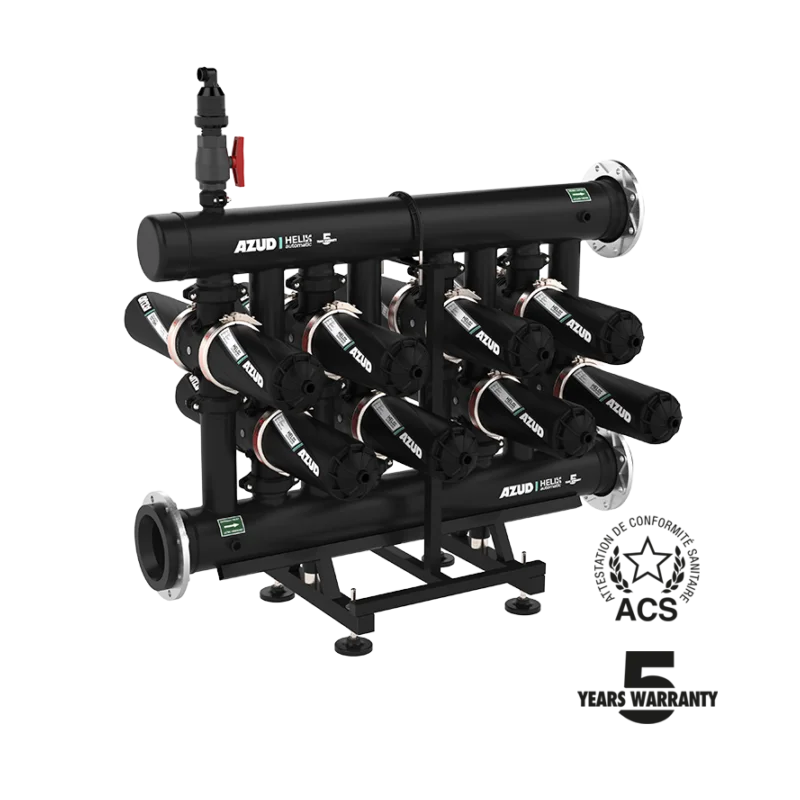
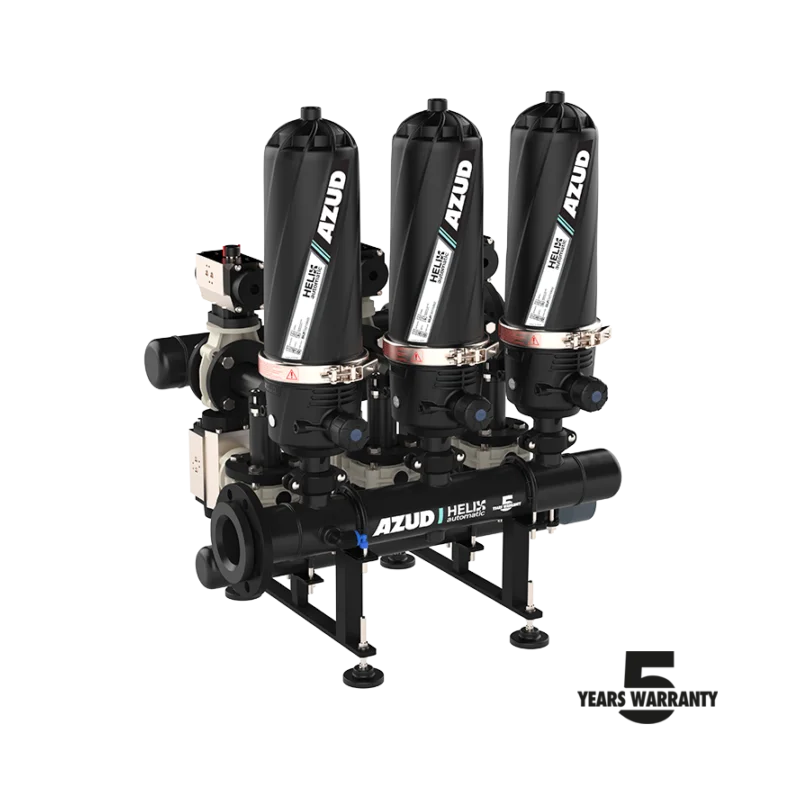
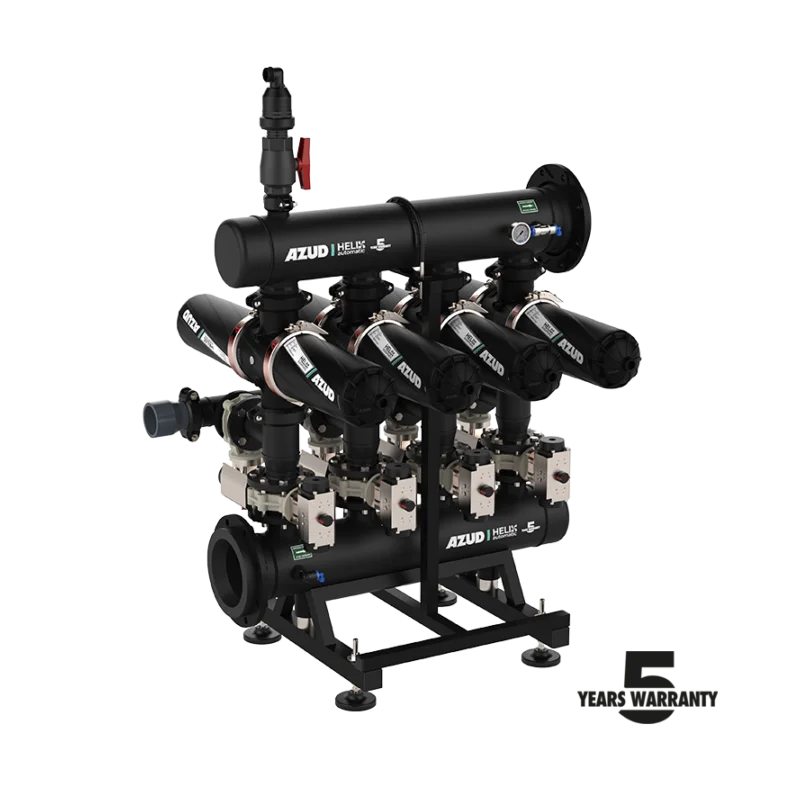
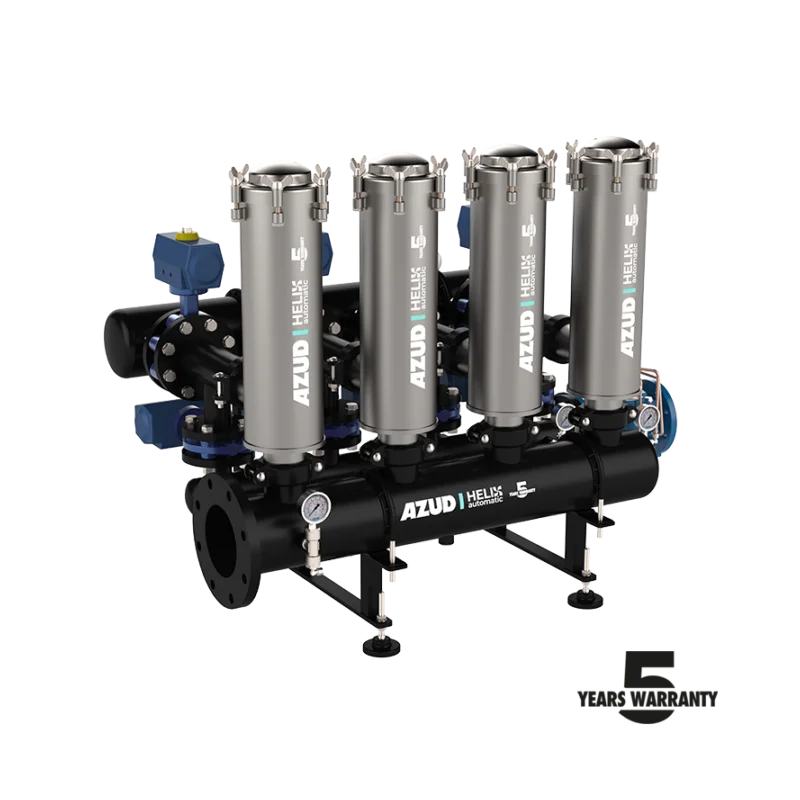
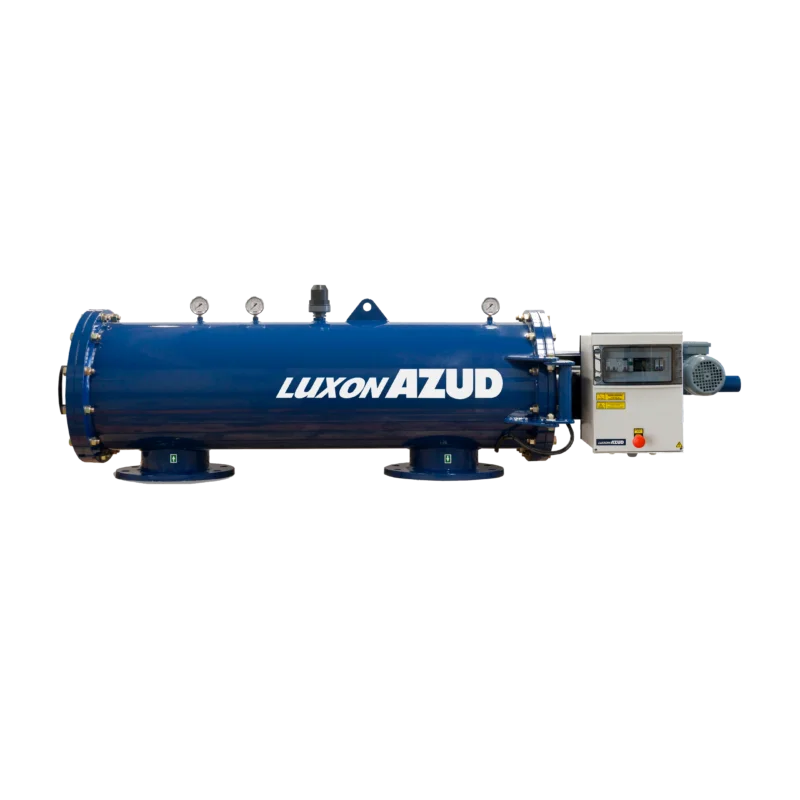
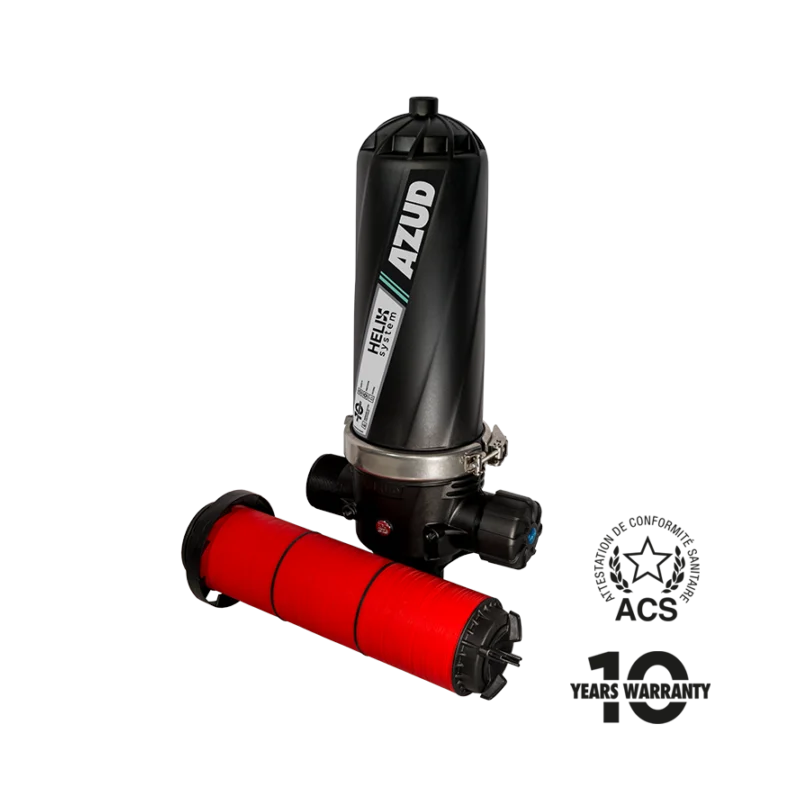
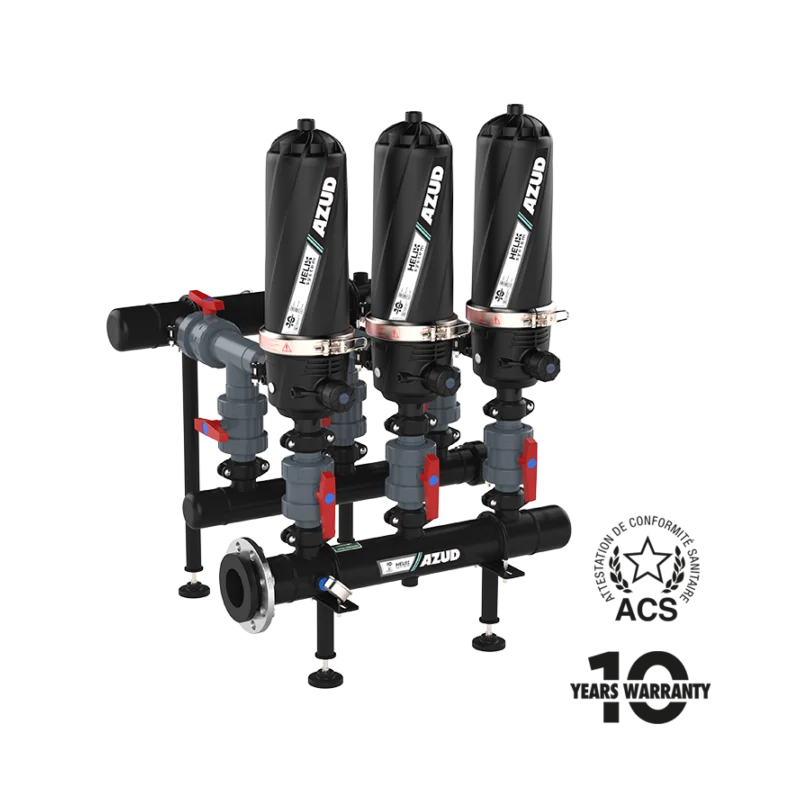
To address these challenges, AZUD has developed specific technologies that ensure water quality in high-precision irrigation systems. In particular, self-cleaning disc filtration systems AZUD HELIX AUTOMATIC It has become one of the most advanced options for water management in artichoke cultivation.
AZUD HELIX AUTOMATIC It is a technological solution designed to optimize water use in demanding agricultural conditions. This filtration system is based on a set of discs that retain suspended particles—both inorganic and organic—and are automatically cleaned through a sequential backwash process. What makes it particularly efficient is its ability to maintain a continuous, uninterrupted supply of filtered water, even during the cleaning process.
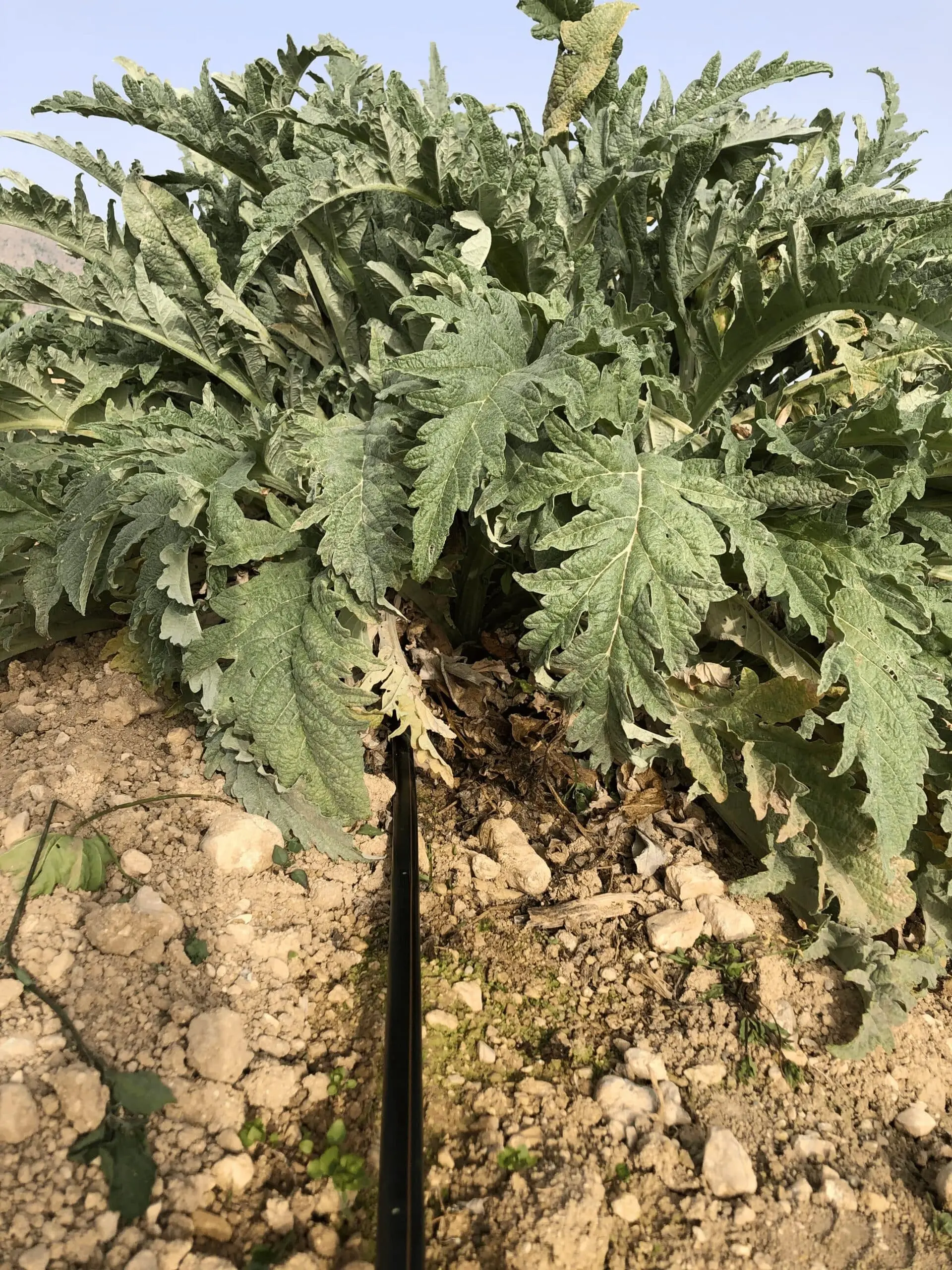
Growing artichokes, while challenging, can be highly rewarding if proper agricultural practices are followed, especially when it comes to Irrigation. Efficient water management, combined with the use of advanced technologies such as the AZUD GENIUN pressure-compensating dripper-equipped irrigation driplines, not only improves the quality of the artichokes but also contributes to the sustainability of the crop—an increasingly important aspect of modern agriculture. With the right techniques and care, the artichoke can remain a star vegetable on our tables, appreciated both for its flavor and its health benefits.