Electricity prices in recent months are proving to be a a significant increase in production costs in the agricultural sector, directly affecting the profitability of farms and jeopardizing the viability of many of them.
In light of this situation, Efficiency is key.
Since prices are not expected to change in the short to medium term, here are some tips to help you to reduce electricity consumption of your irrigation system.
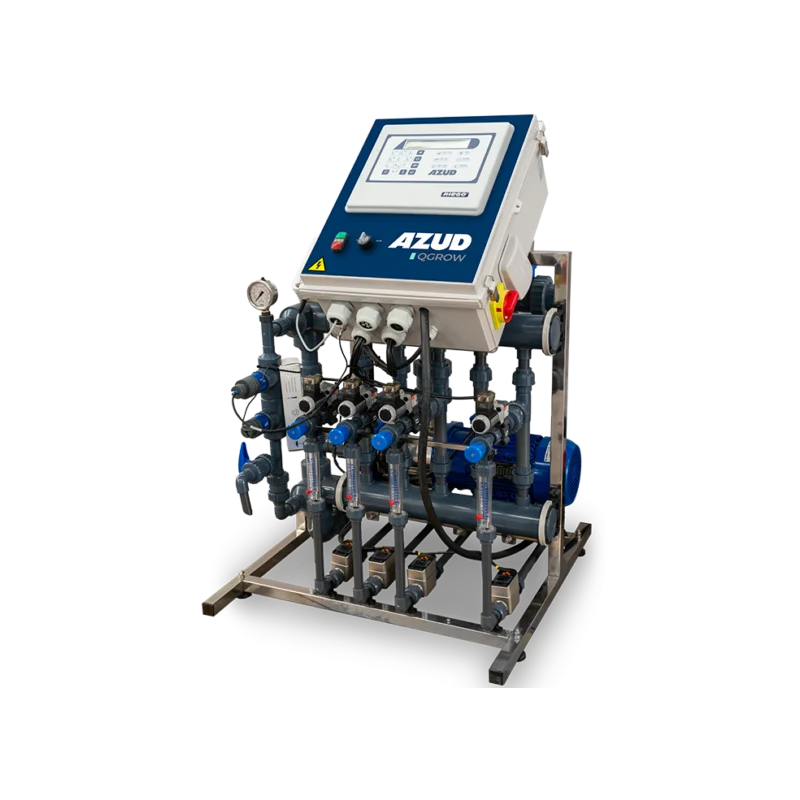
Automate the installation of an irrigation system
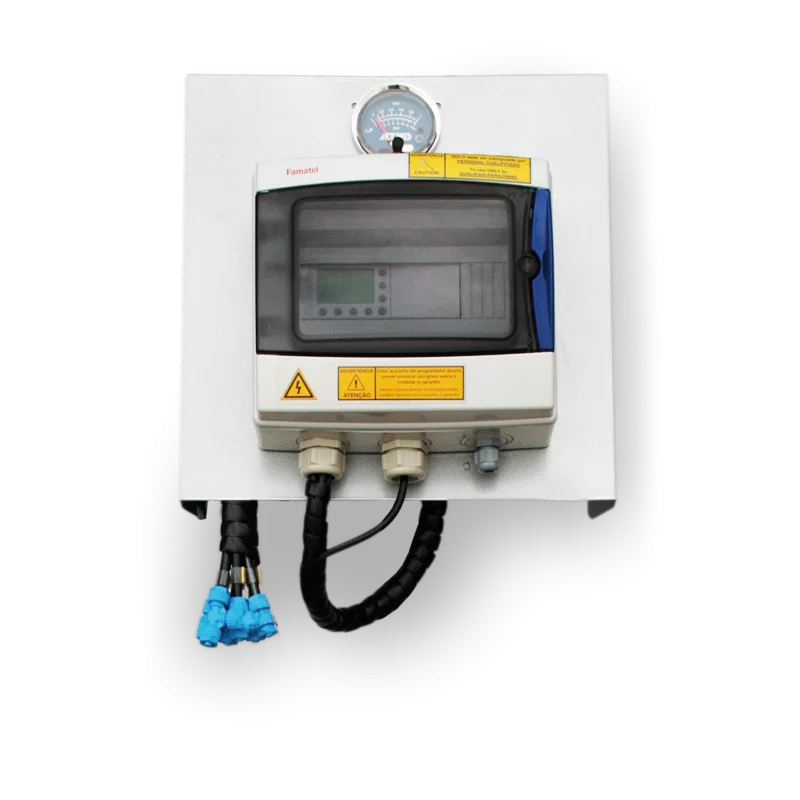
An automated irrigation system allows you to start and stop irrigation without requiring someone to go to the facility, so we can choose to water at night, when electricity rates are generally lower than during the day.
By implementing this measure, we can achieve a Savings on your electricity bill of up to 40%.
Adjust the system pressures
We recommend reviewing the technical specifications of the emitters and adjust the pressures in the irrigation systems to the minimum requirements as recommended by the manufacturer.
In this way, we reduce the supply pressure to the irrigation system until it reaches the minimum pressure required at the most unfavorable point in the system, which consequently results in energy savings.
Use emitters with low flow rates
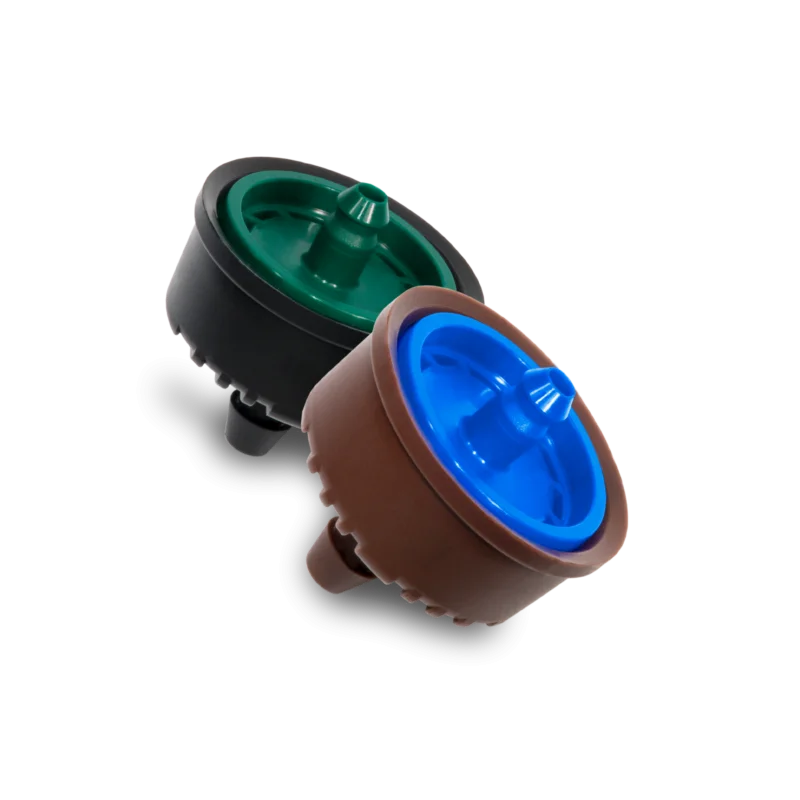
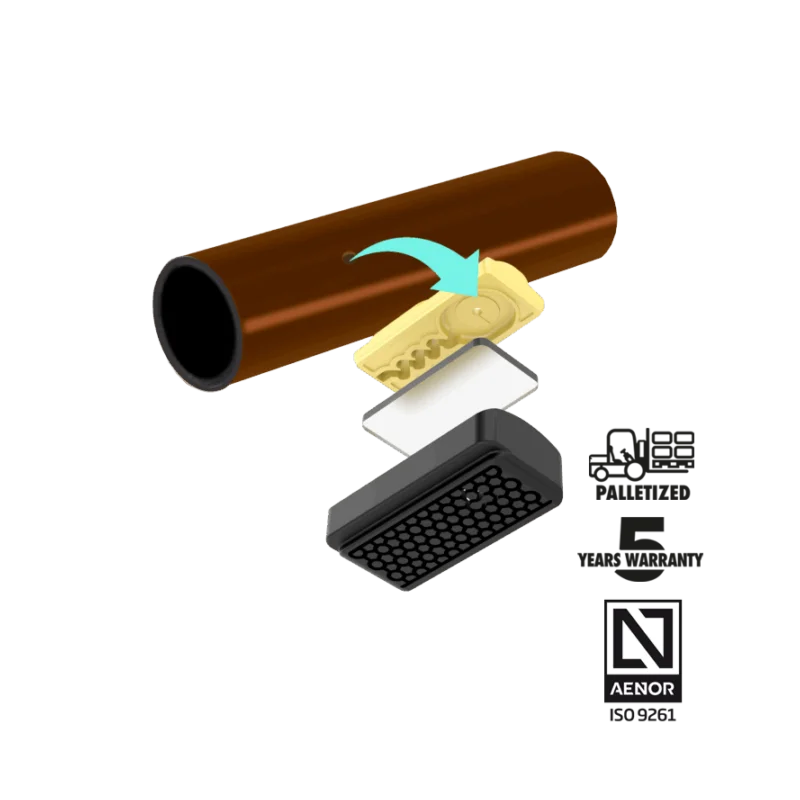
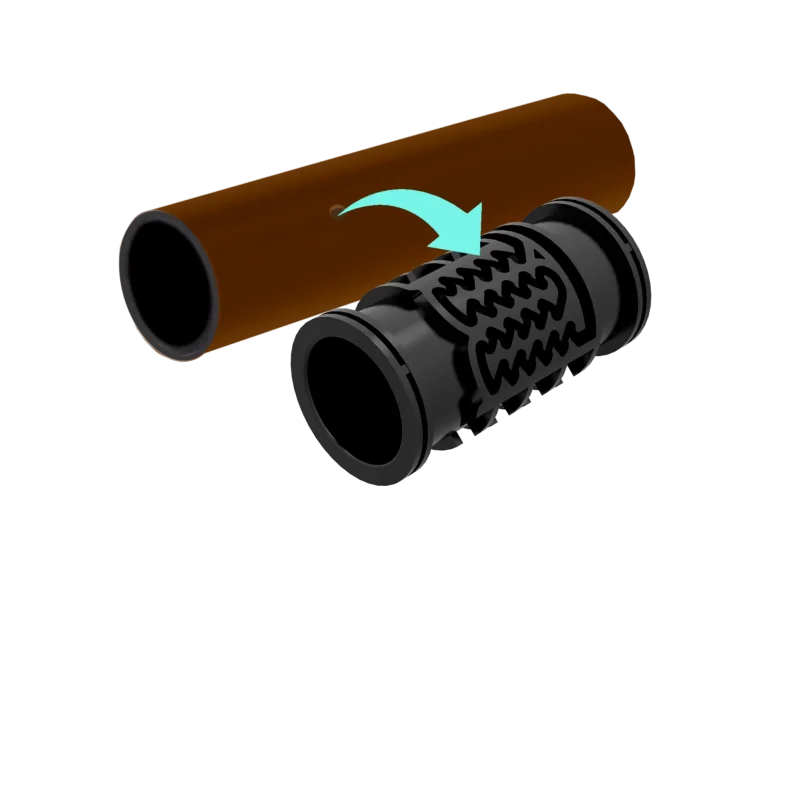
Using low-flow drippers reduces the nominal flow rate of the irrigation system, allowing the use of lower-powered pumping equipment and reducing electricity consumption.
Divide the installation into sections
A good choice sector sizing It allows for a reduction in the required flow rate. The most advantageous option would be to size the zones to take advantage of all available off-peak hours.
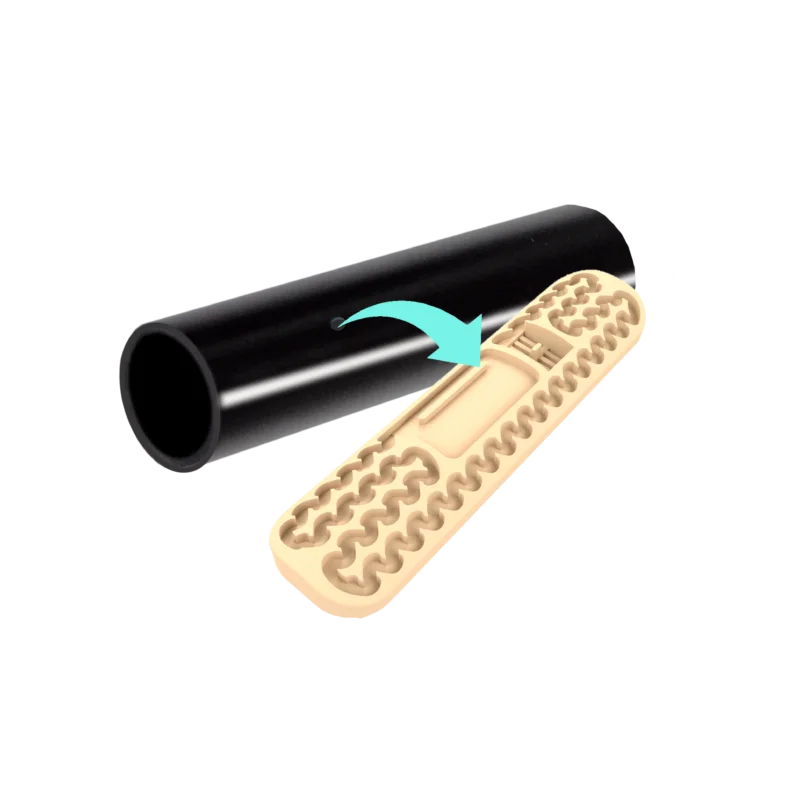
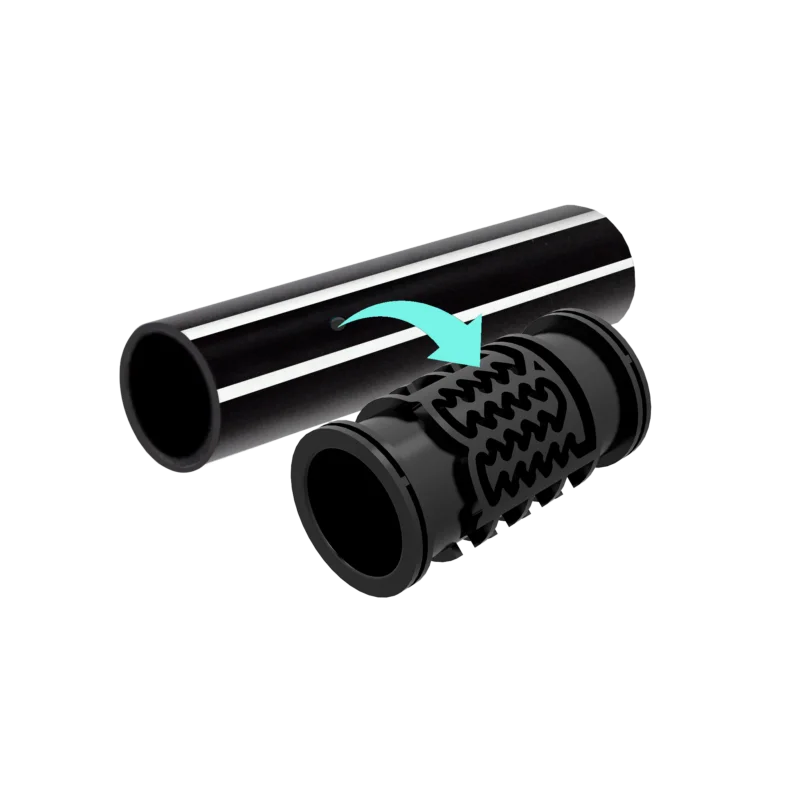
Check the length of the drip line branches
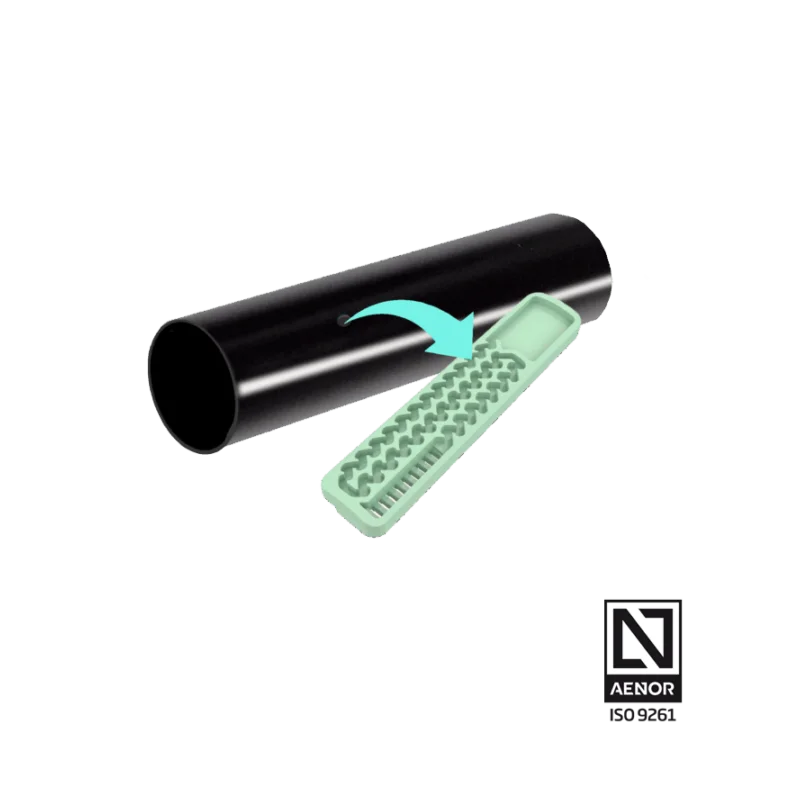
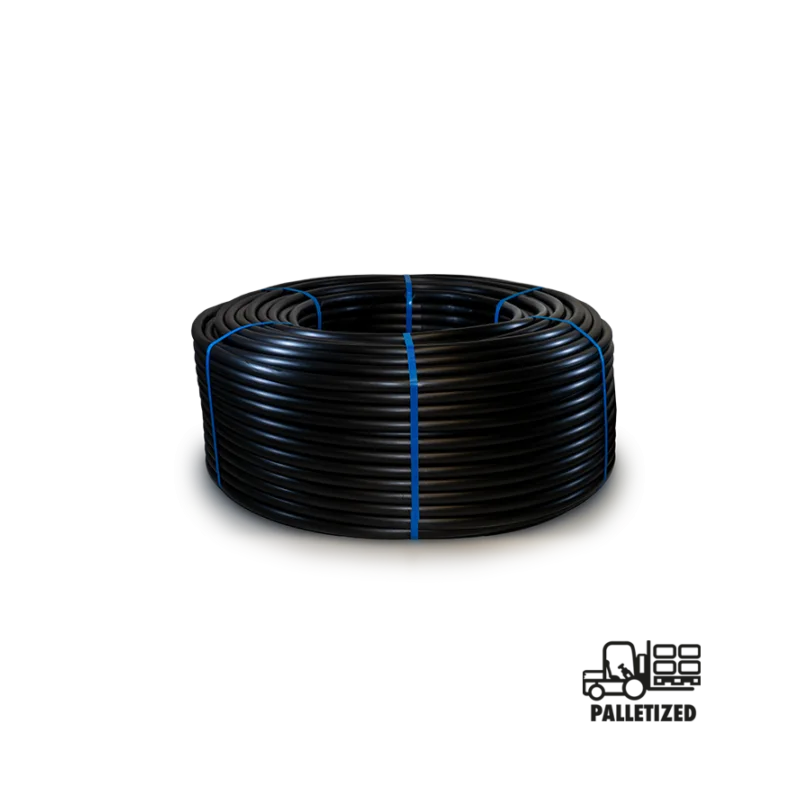
We often come across irrigation systems in which the lengths of the drip line branches are close to or equal to the maximum values recommended by the manufacturers.
However, we must keep in mind that, although That design results in a lower initial investment cost but entails additional energy costs This is important in the medium and long term, since the energy required to achieve operating pressures in the final sections of the dripline pipes is much greater.
Use driplines with a larger diameter
Using irrigation branch diameters, branch-carrying dripline pipes, tertiary, secondary, and primary dripline pipes pressure loss is reduced online and is achieve greater uniformity, thereby reducing energy consumption.
It uses variable-frequency drives and variable-speed pumping equipment
A variable-frequency drive is an electronic device that regulates the power supply to the pump system, adjusting the pump’s speed to the system’s needs at any given time.
With this system Consumption peaks are avoided and the pump’s characteristic curve is adjusted, resulting in a significant energy savings.
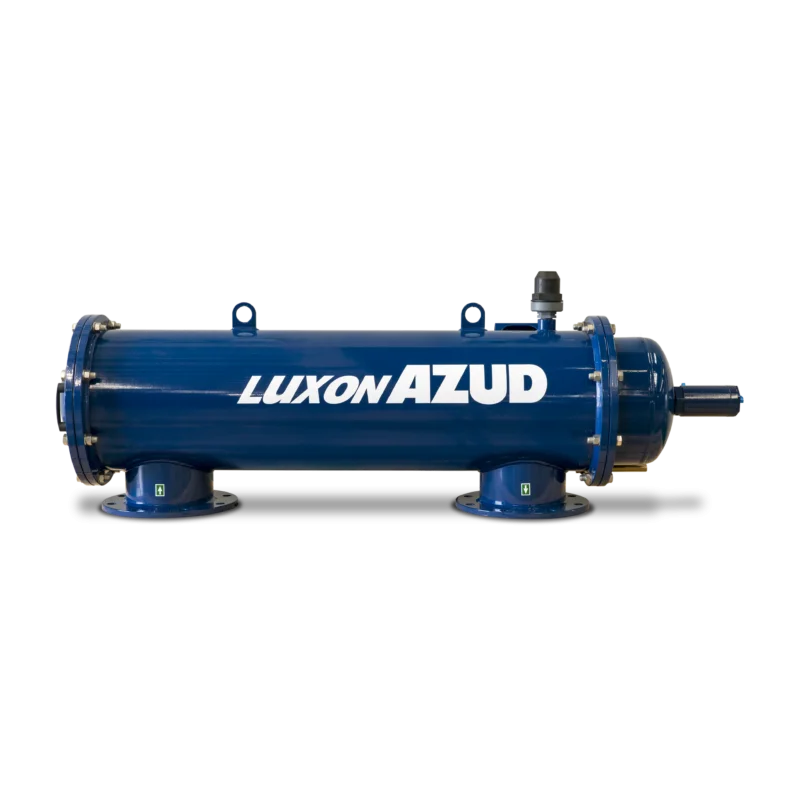
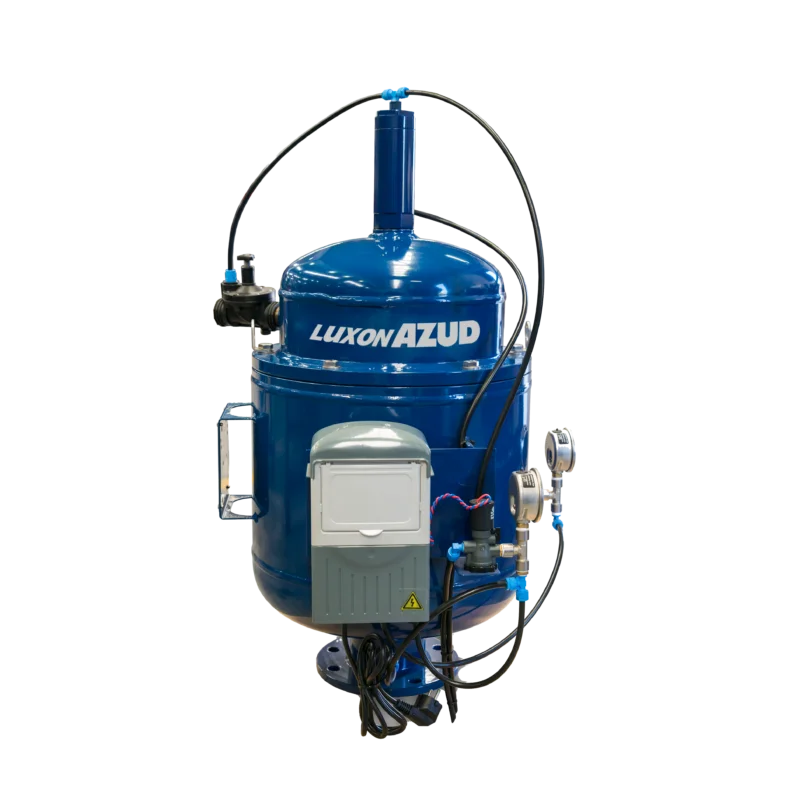
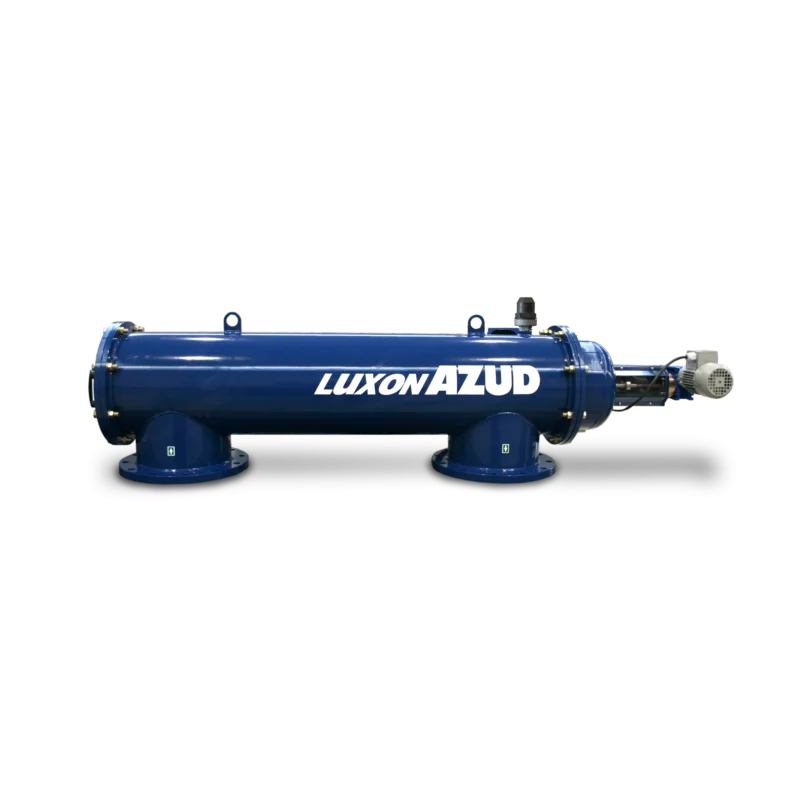
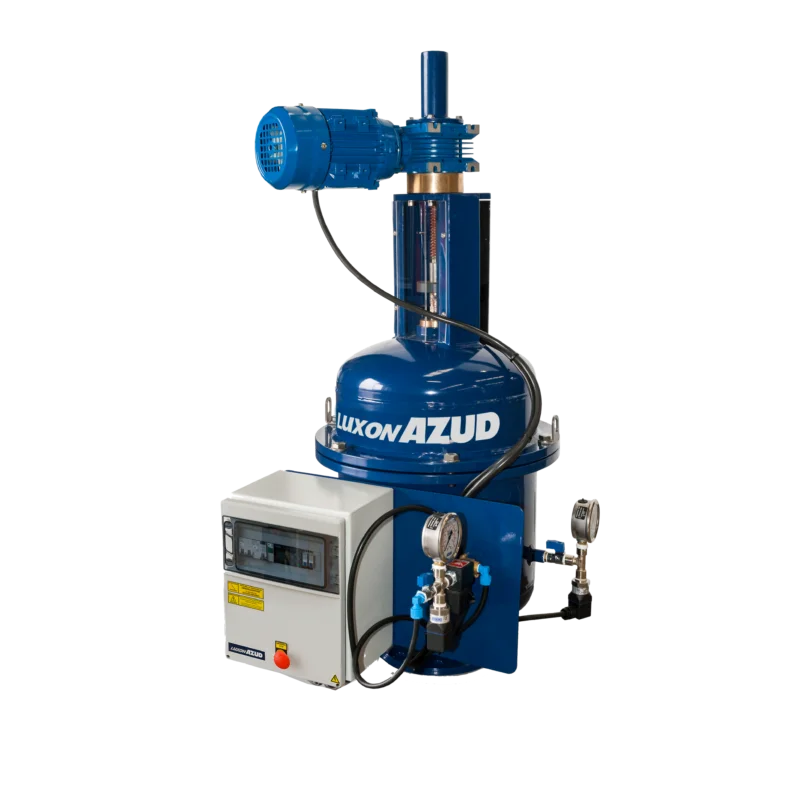
Install automatic, low-pressure filtration systems
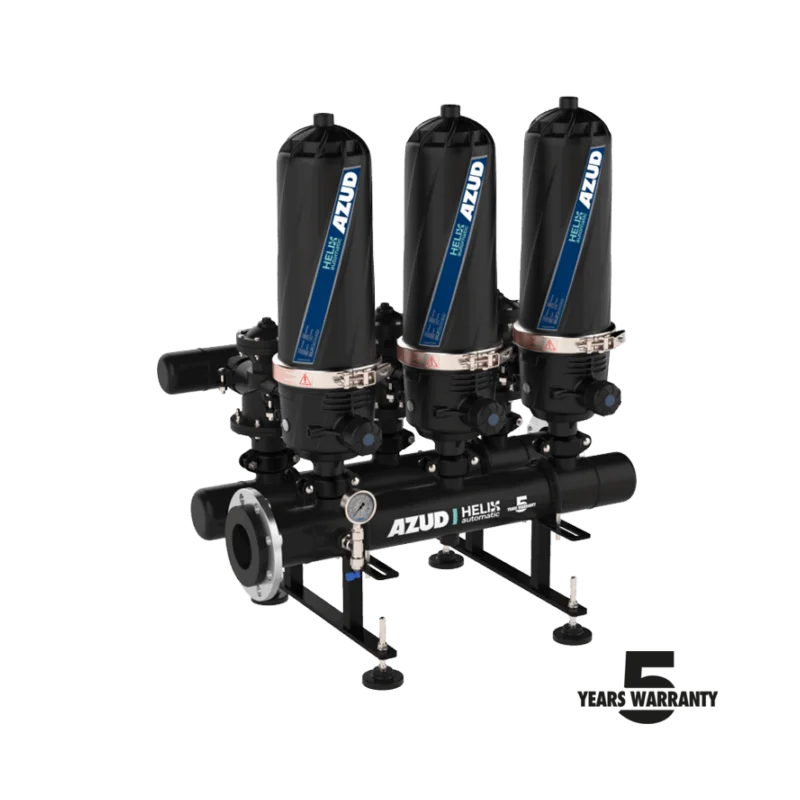
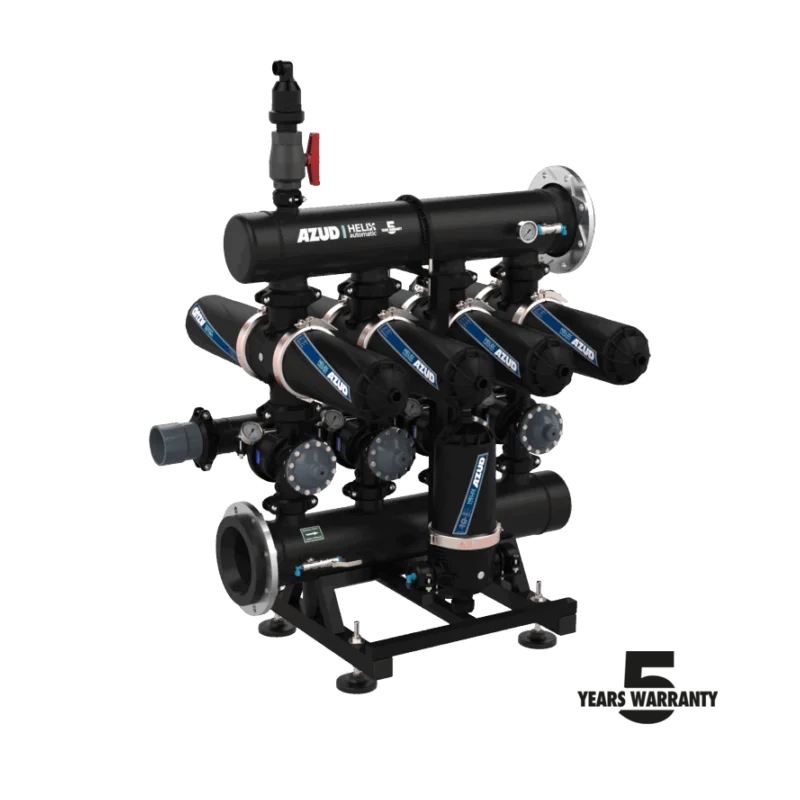
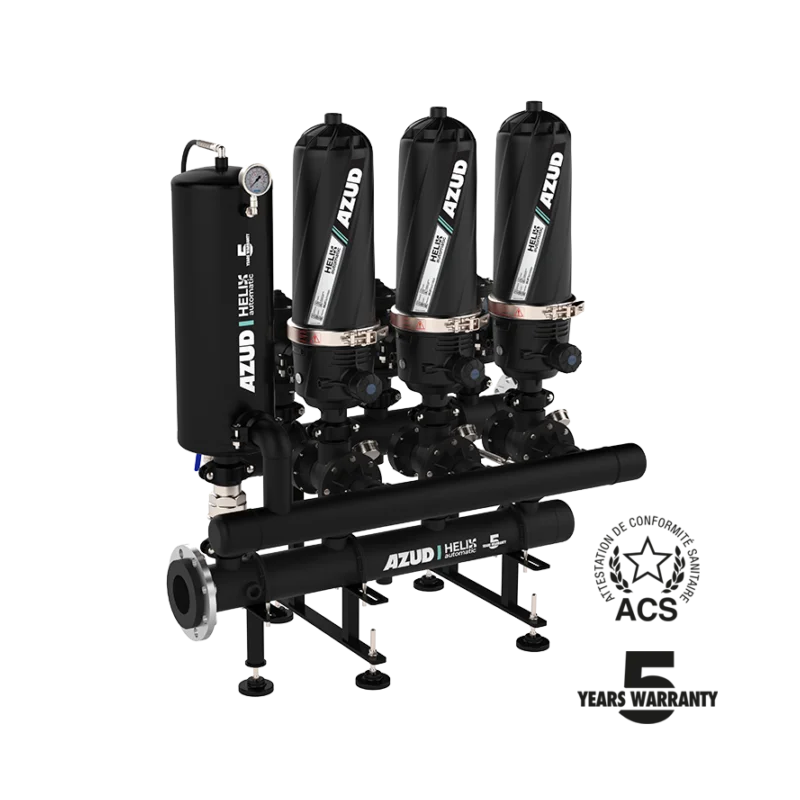
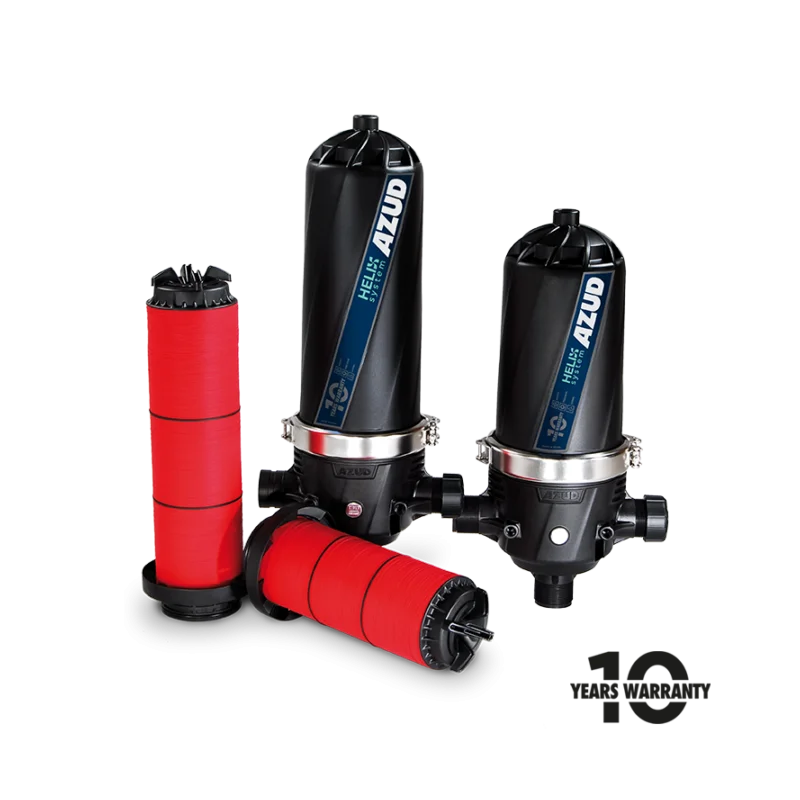
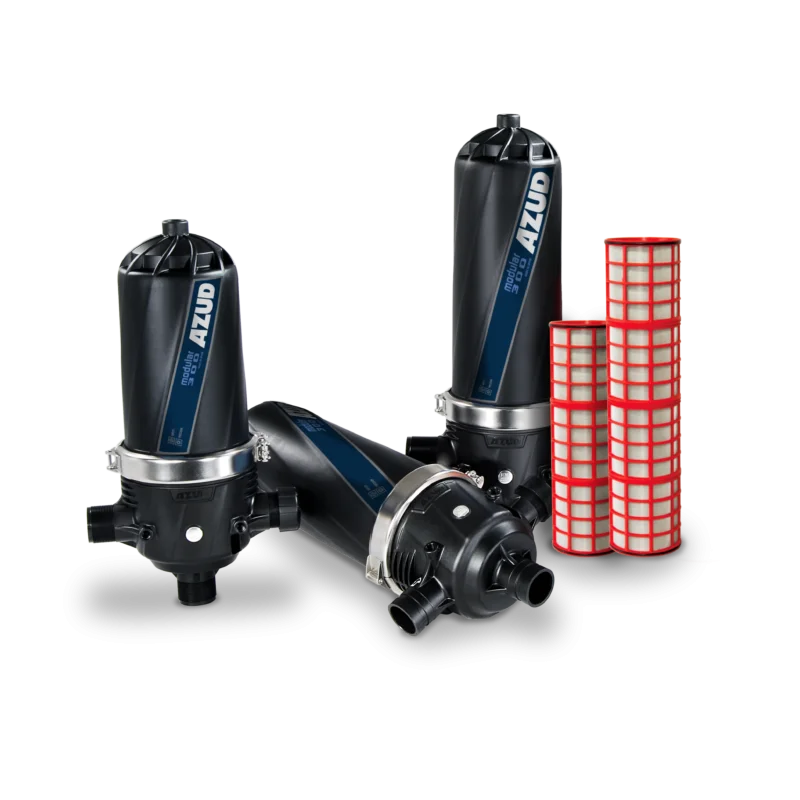
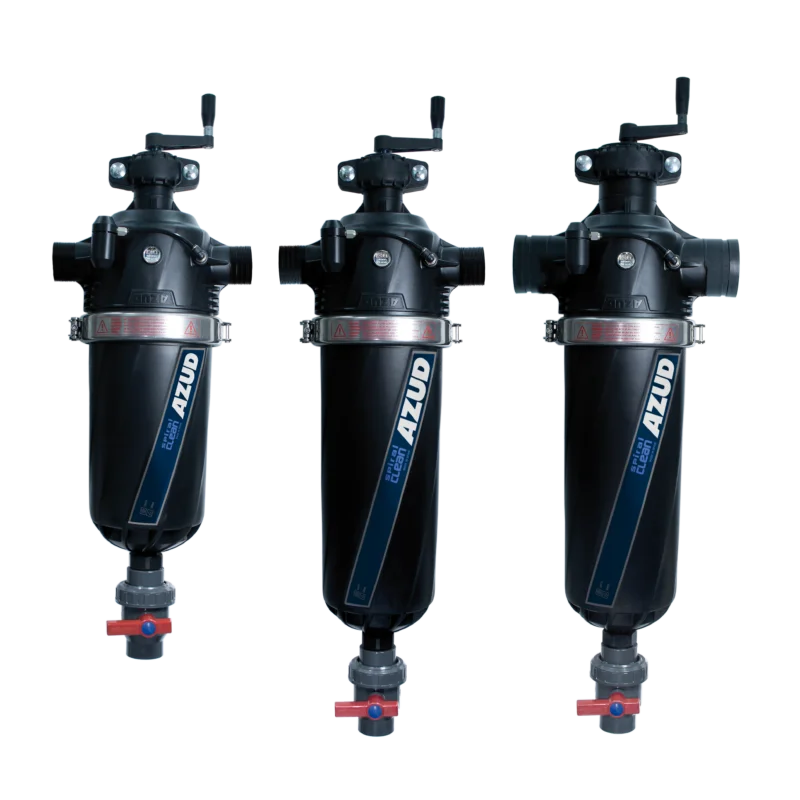
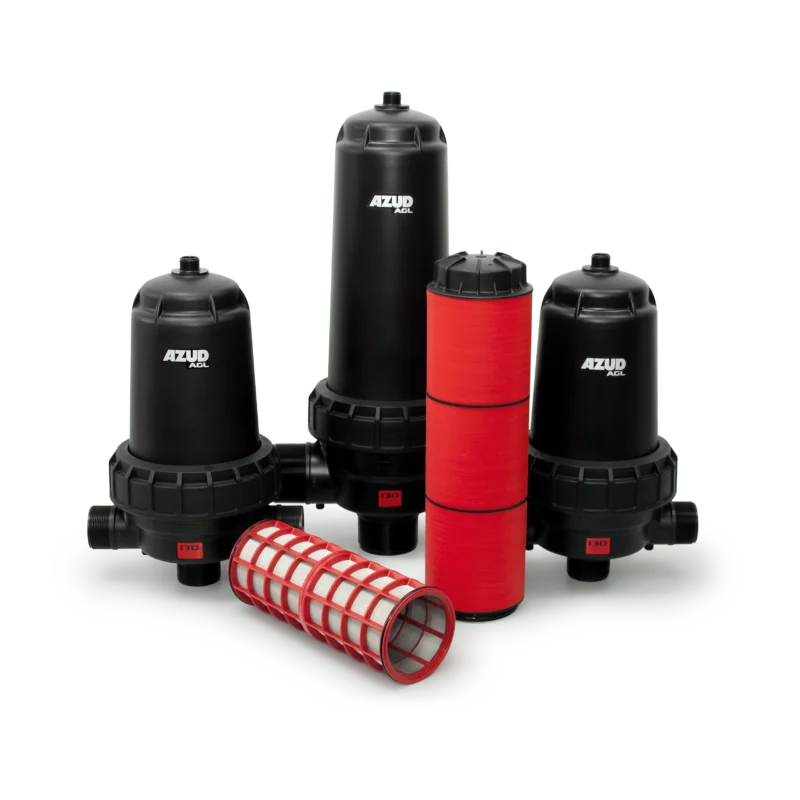
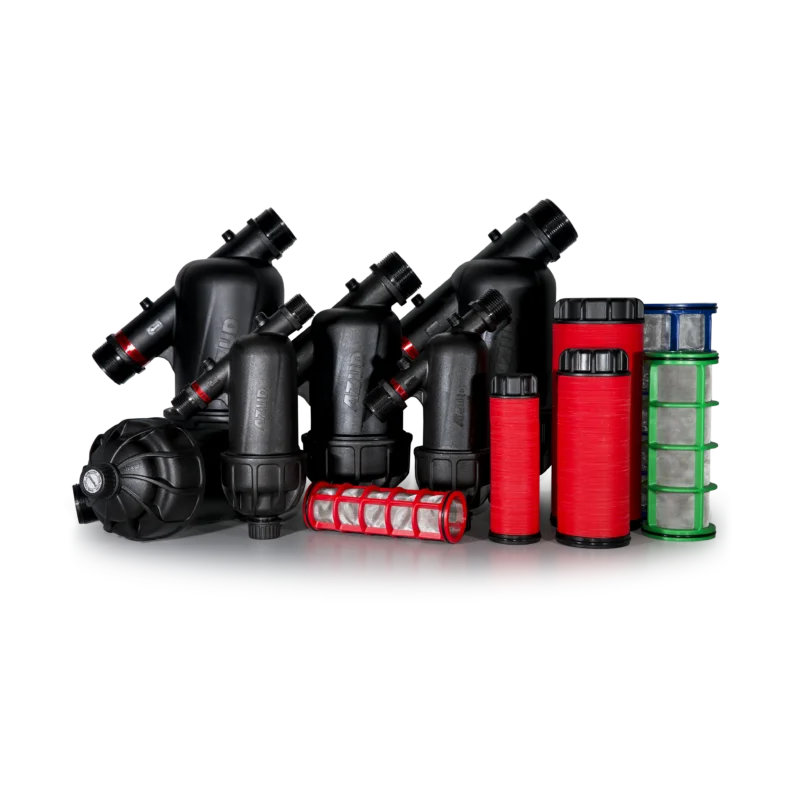
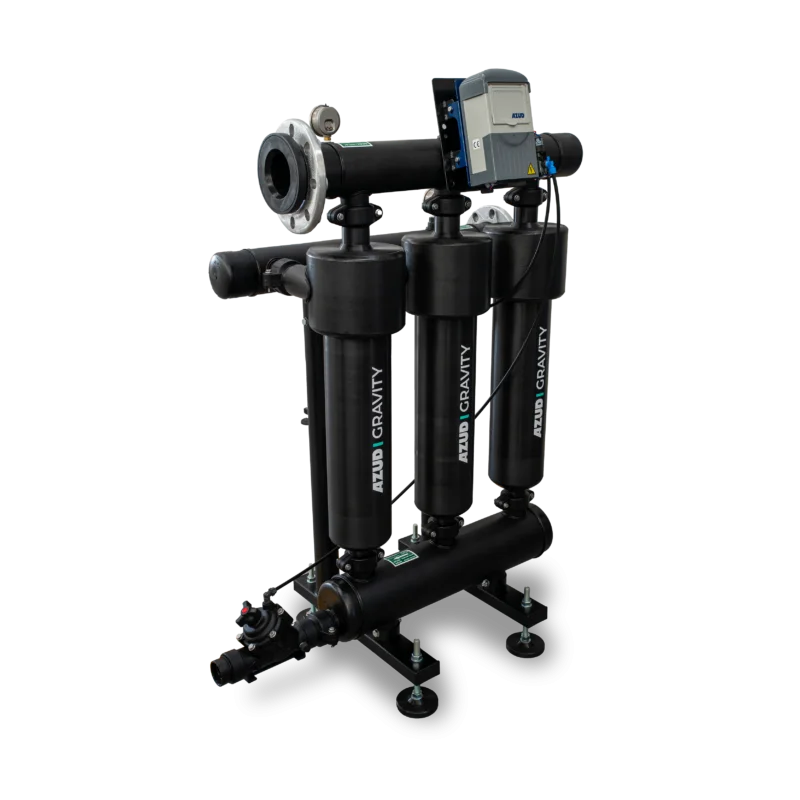
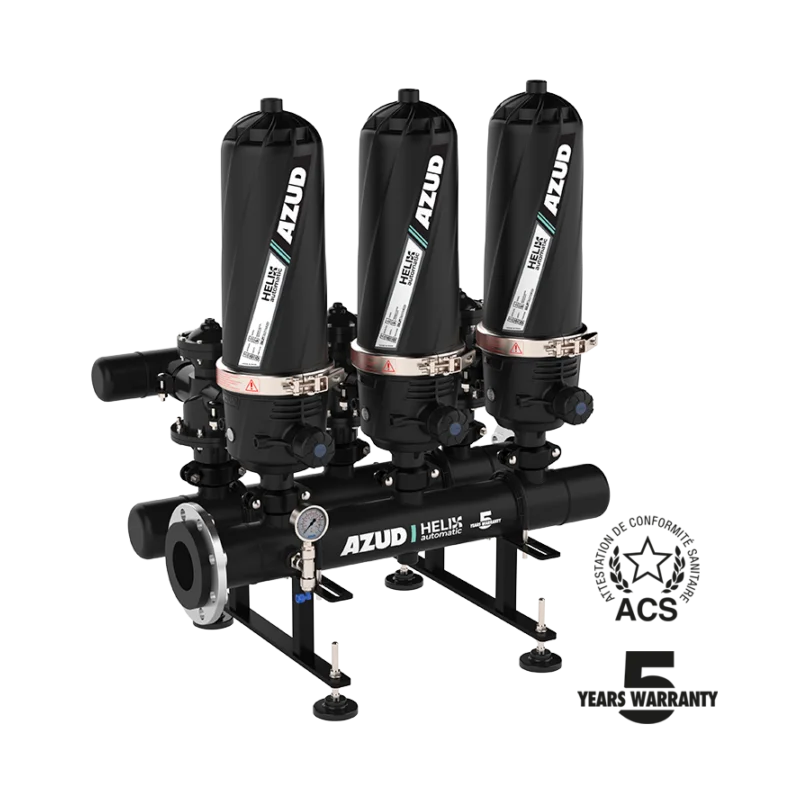
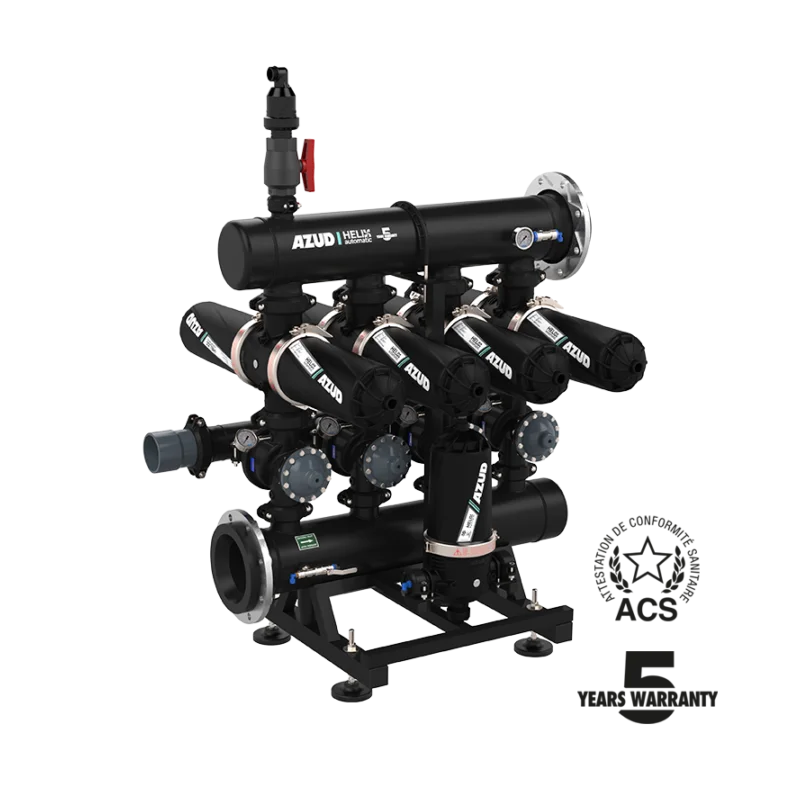
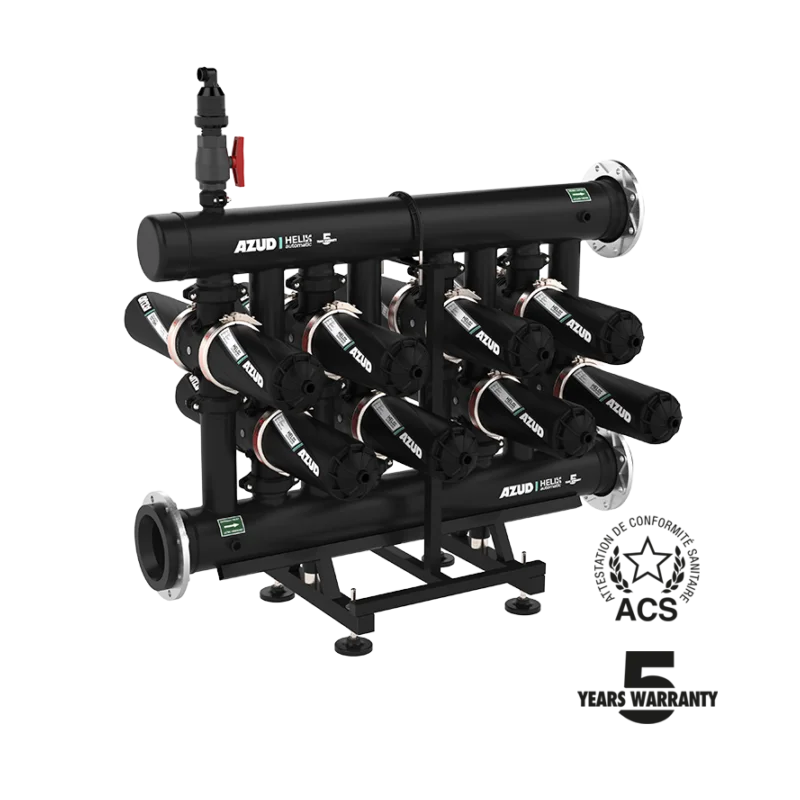
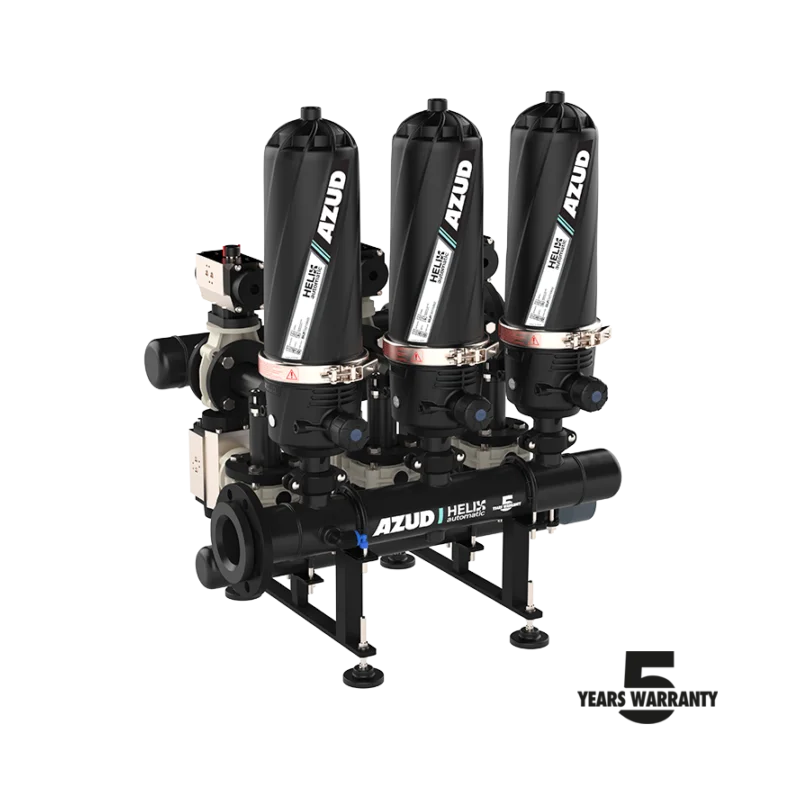
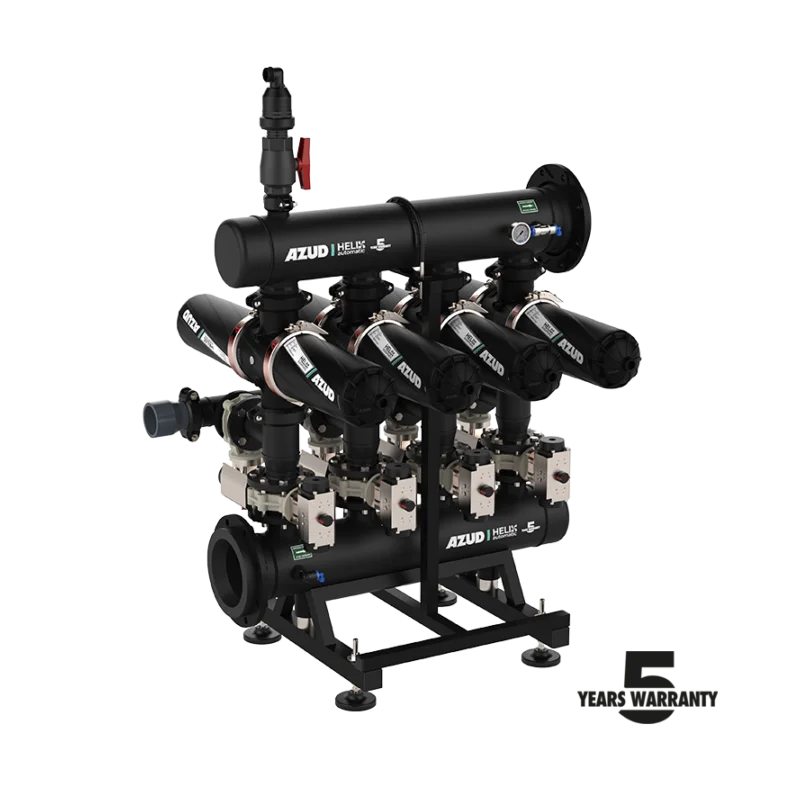
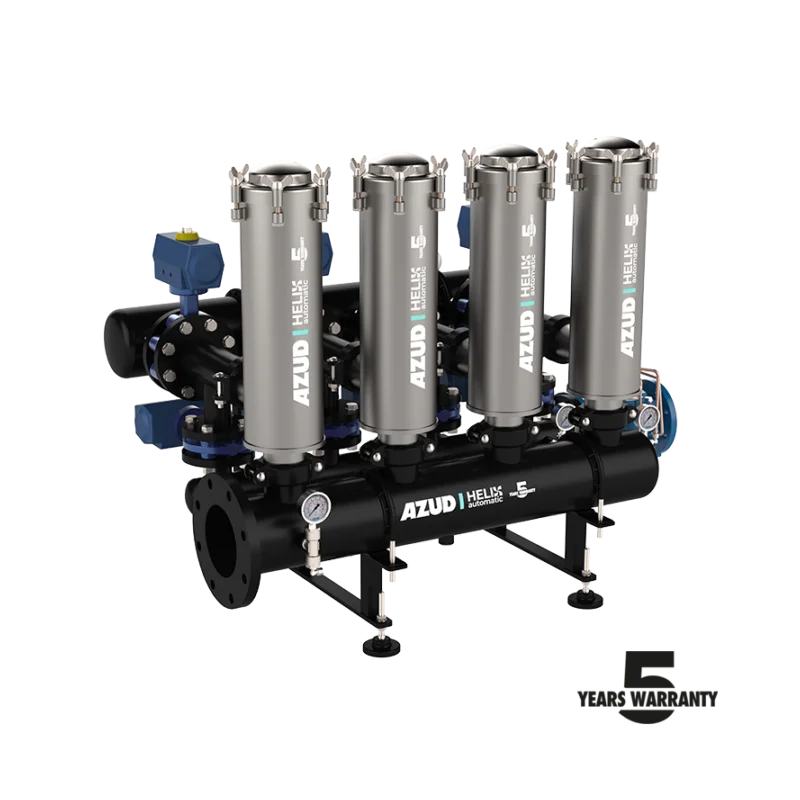
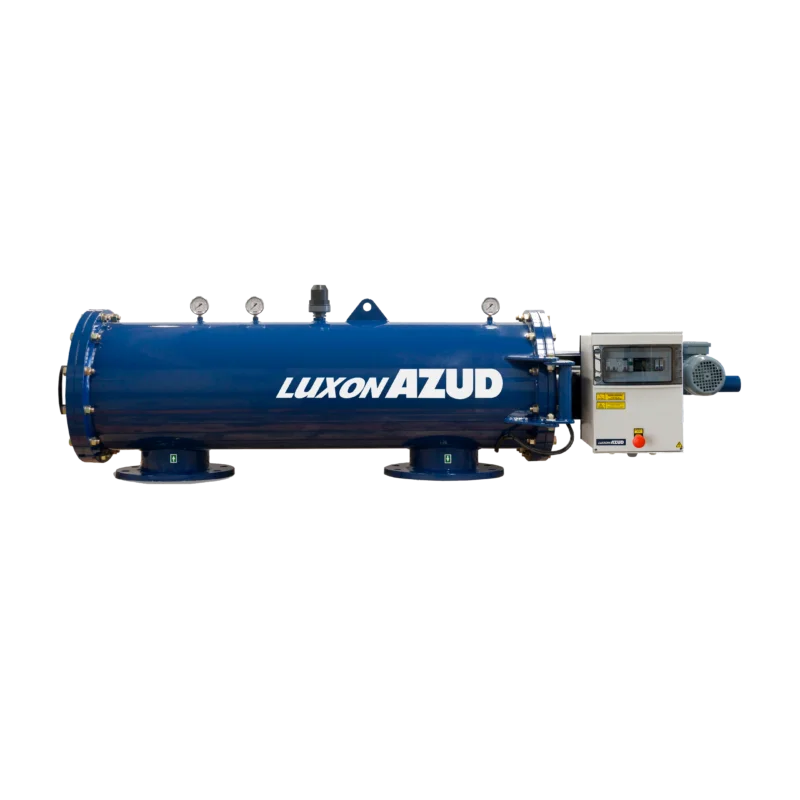
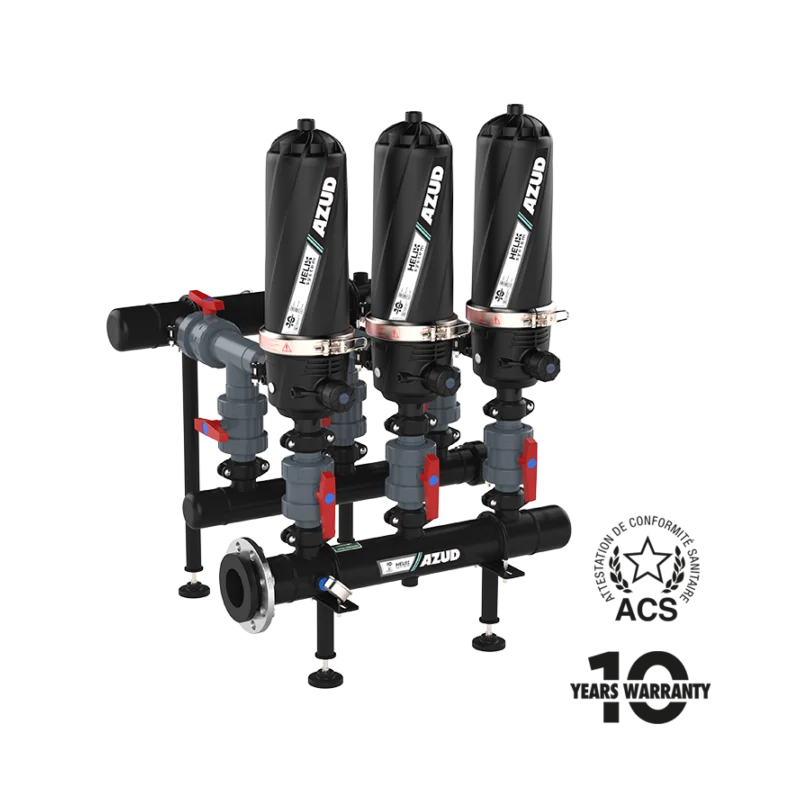
If you have manually cleaned filtration equipment, these can cause greater pressure loss due to dirt buildup than automatic systems. This pressure loss must be compensated for by the pump system, which, in turn, increases the system’s electricity consumption.
One of the main advantages of the filtration equipment One feature of the automatic cleaning system is that the maximum head loss is set at around 0.4–0.5 bar; these are the values at which cleaning begins. Therefore, the pressure difference is always maintained below those values throughout the entire irrigation period.
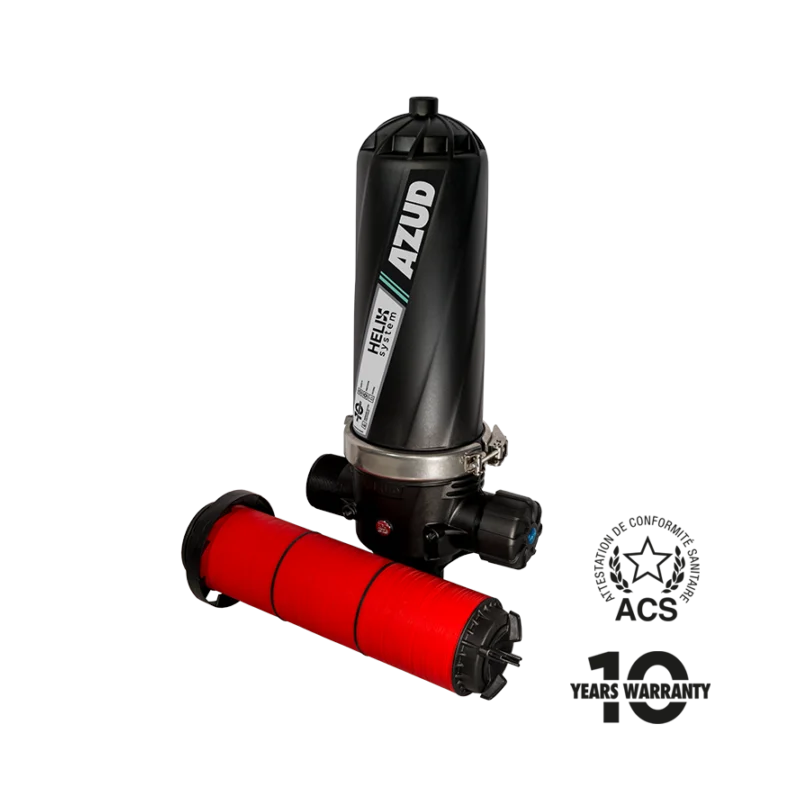
Currently, there is self-cleaning filtration equipment on the market for disc filters capable of self-cleaning at just 1.5 bar, which results in additional energy savings during the cleaning process.
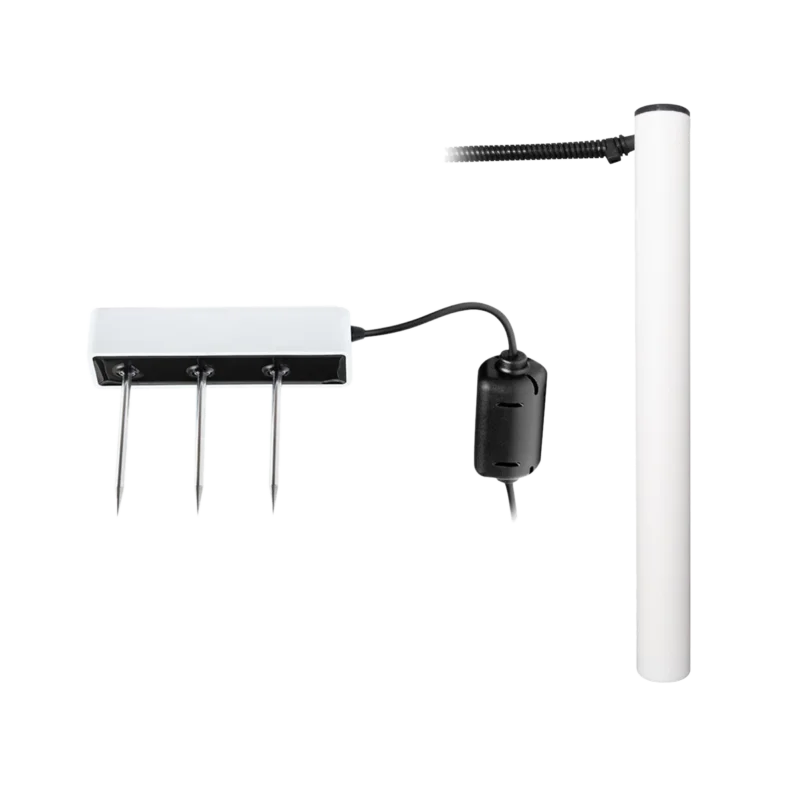
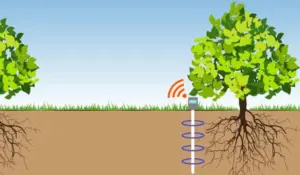
Install moisture probes to monitor the crop
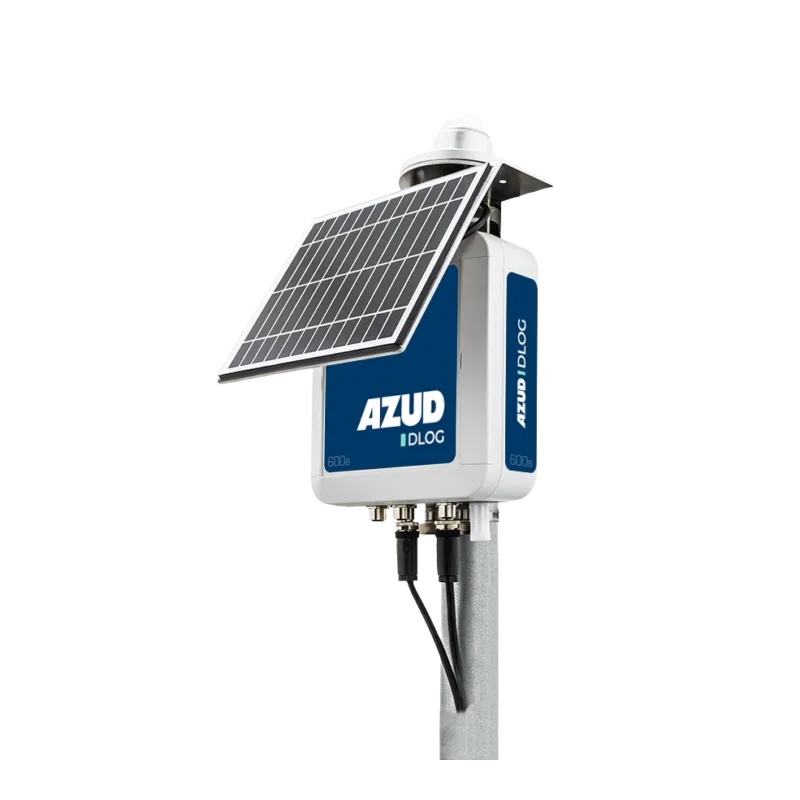
The humidity sensors offer relevant data that allows for adjustments to Irrigation to the crop’s needs.
Thanks to the information and data that they offer can lead to a water conservation With regard to facilities that lack this device, where the frequency of significant water losses due to seepage is high.
Lower water consumption leads to lower electricity consumption.
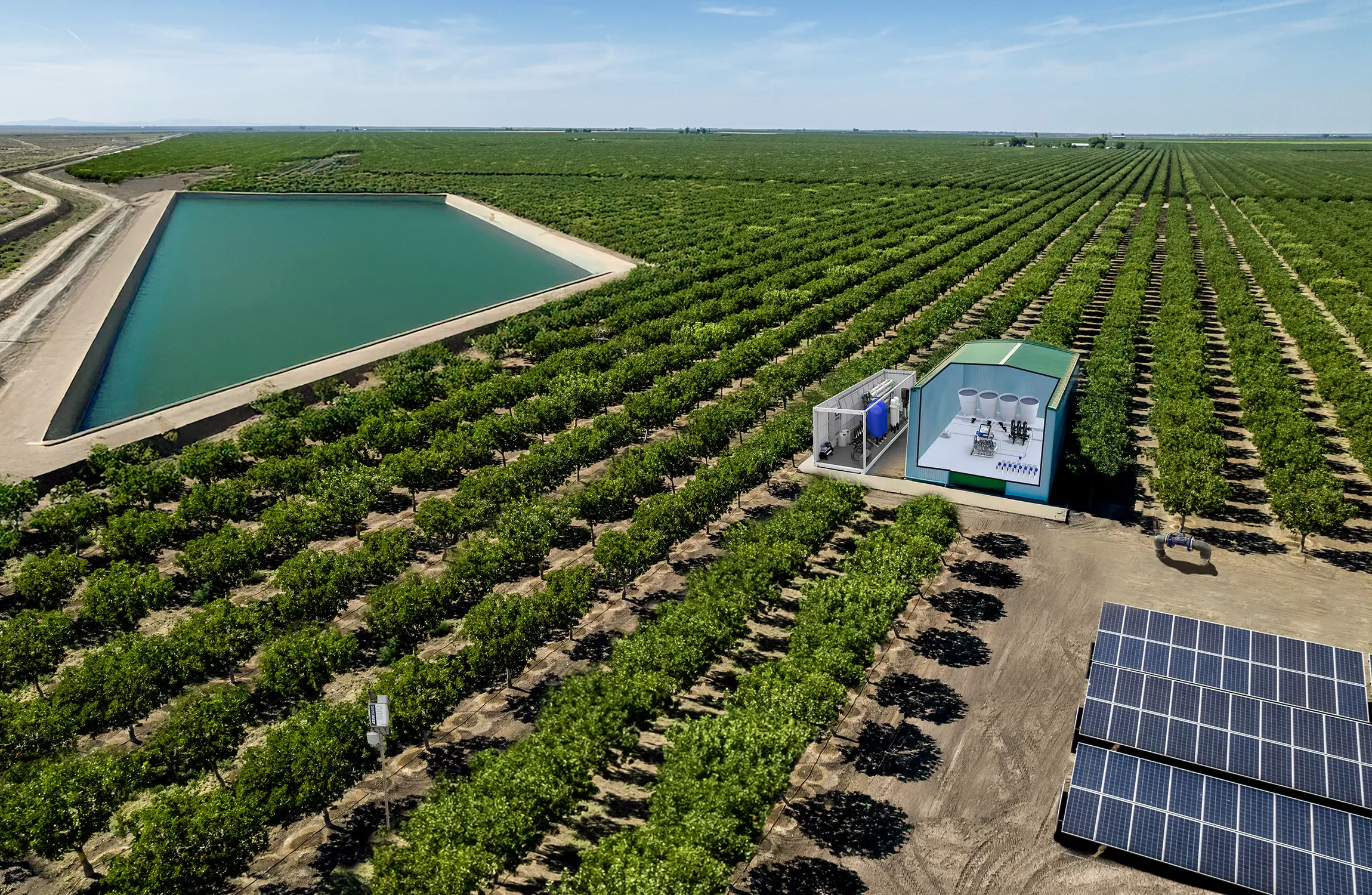
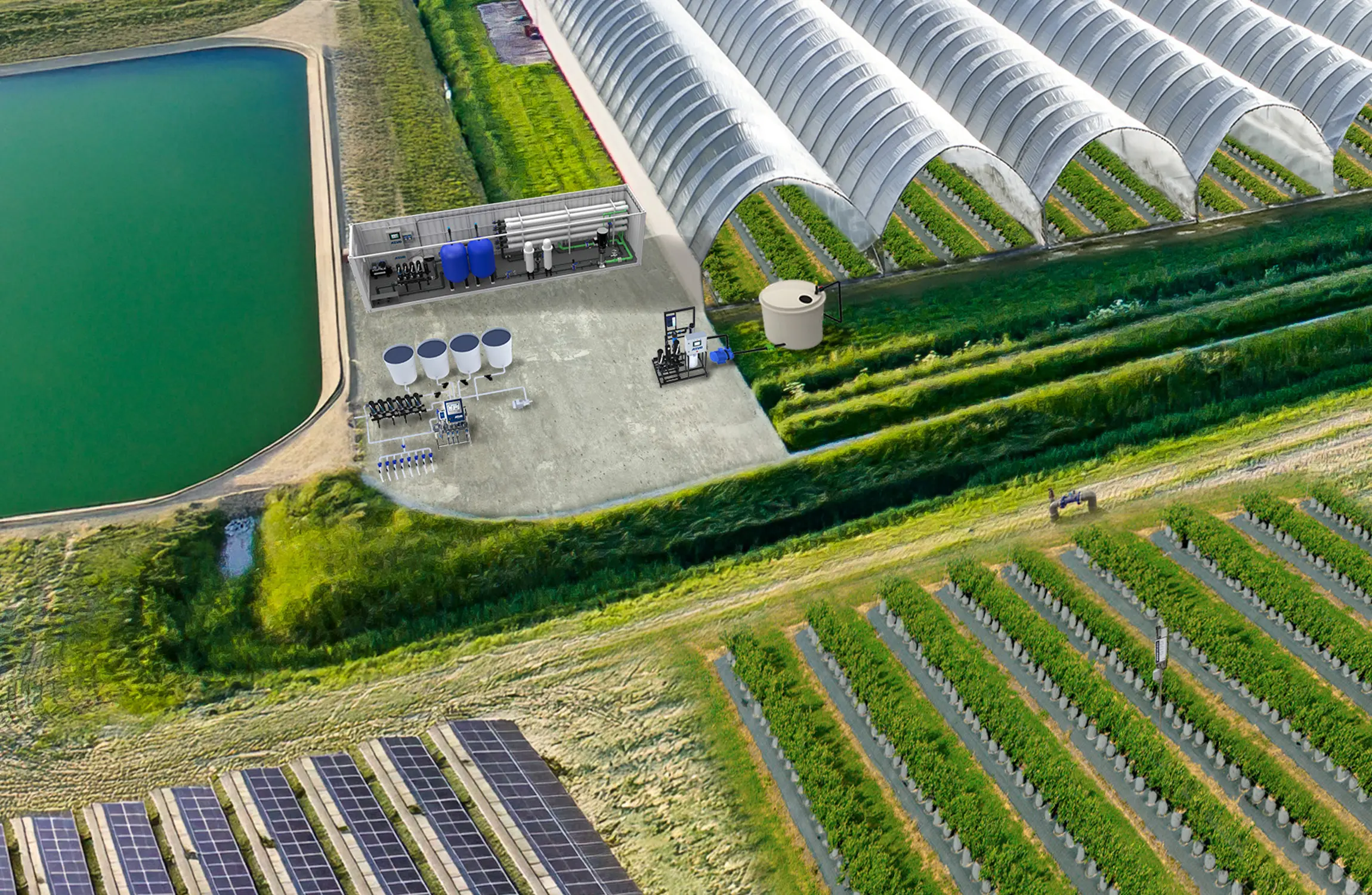
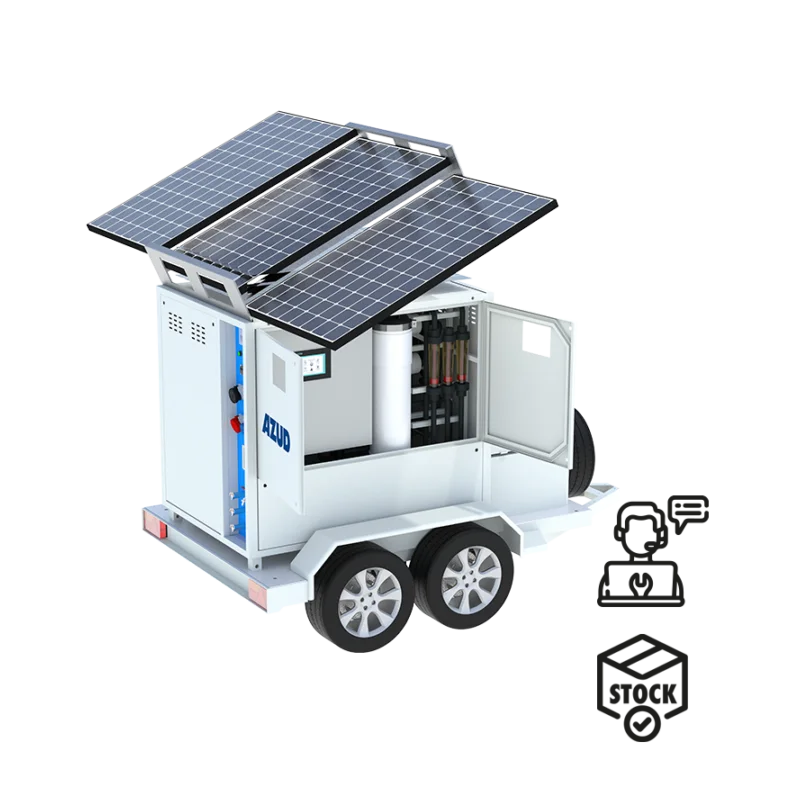
It uses photovoltaic solar energy
Using solar energy to power an irrigation system is undoubtedly one of the best options, both both to ensure profitability and to promote sustainable production.
One of the main barriers to this option is the initial investment cost, but more and more people are becoming aware of the multiple benefits in the medium and long term.
The system could pay for itself in 4 to 8 years, depending on whether you qualify for the various government grants available.
In conclusion, there are many options you can implement to reduce electricity consumption in an irrigation system and achieve greater precision, sustainability, and profitability in operations.
If you’d like to learn more about the solutions we offer at AZUD, Please feel free to contact us here.