








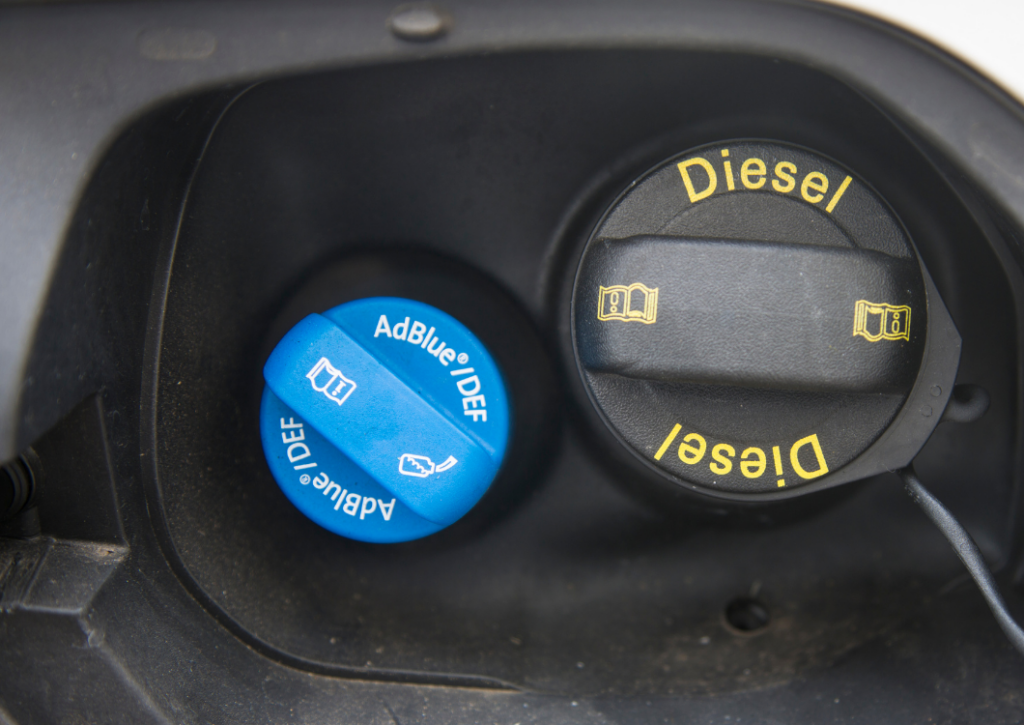
In the ongoing effort to reduce harmful nitrogen oxide (NOx) emissions from diesel engines, the AdBlue as a key ally. This liquid, composed of urea and water, has not only become a standard for reducing pollution but has also revolutionized the way diesel vehicles comply with environmental regulations.
What is AdBlue?
AdBlue is a highly purified, colorless liquid that contains demineralized water and urea in a 32.5% solution. Its primary application is in diesel engines, and outside of Europe, it is known by various names, such as DEF, ARLA 32, or AUS 32.

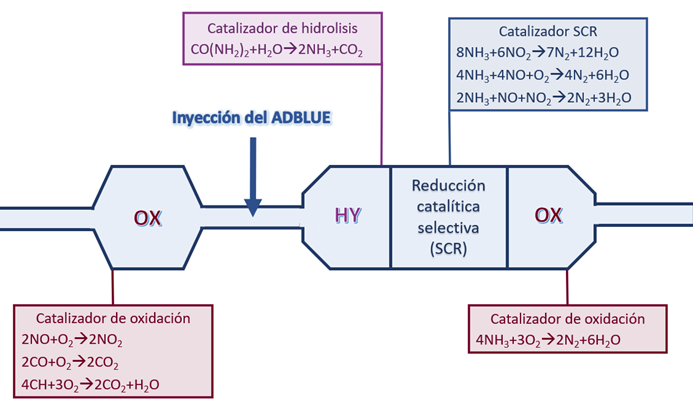
This liquid is injected into the SCR (Selective Catalytic Reduction) system’s catalyst, triggering a chemical reaction that reduces NOx emissions in the exhaust gases generated during the combustion process.
When AdBlue comes into contact with hot exhaust gases, it releases ammonia, a substance that facilitates the reaction in the catalytic converter, converting nitrogen oxides into molecular nitrogen and water. SCR, an emissions control technology, converts nitrogen oxides (NOx) into molecular nitrogen (N2) and water (H2O) using a catalyst and a gaseous reductant—usually ammonia—applied to the engine’s exhaust gases.
AdBlue Manufacturing Process
How do you get AdBlue?
Urea and purified water are required to manufacture AdBlue, and this process takes place in large industrial plants.
Urea is produced through the reaction of ammonia with carbon dioxide, yielding urea, water, and excess ammonia. The CO2 and ammonia gases are recovered, and filtration of the urea takes place. Subsequently, to reduce the content of dissolved impurities, the urea undergoes an evaporation and condensation process, resulting in the formation of urea granules ready for use.
The next step involves removing impurities from the water. After it is collected, it is filtered to remove dirt and impurities, and then undergoes photocatalytic treatment. Using ultraviolet light and a catalyst, the levels of contaminants and oxygen in the water are reduced.
A solution containing 80% urea is extracted from the urea manufacturing process and mixed with high-quality demineralized water in a static Mixer. Once cooled, the solution is continuously analyzed to maintain the proper AdBlue concentration (32.5% urea and 67.5% water). This balance is achieved by automatically adjusting the flow rates of water and urea into the Mixer.
Filtration for AdBlue Production
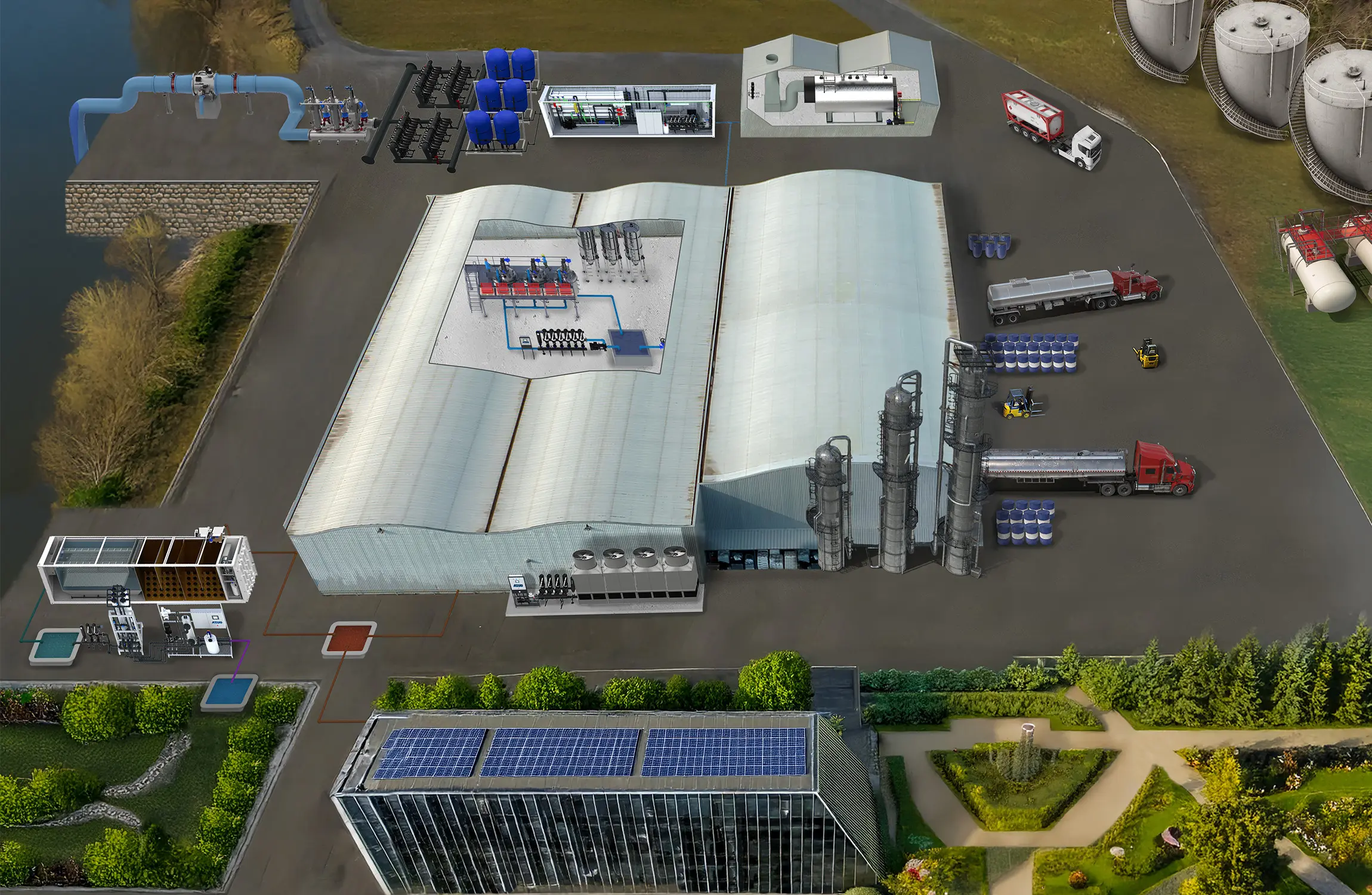
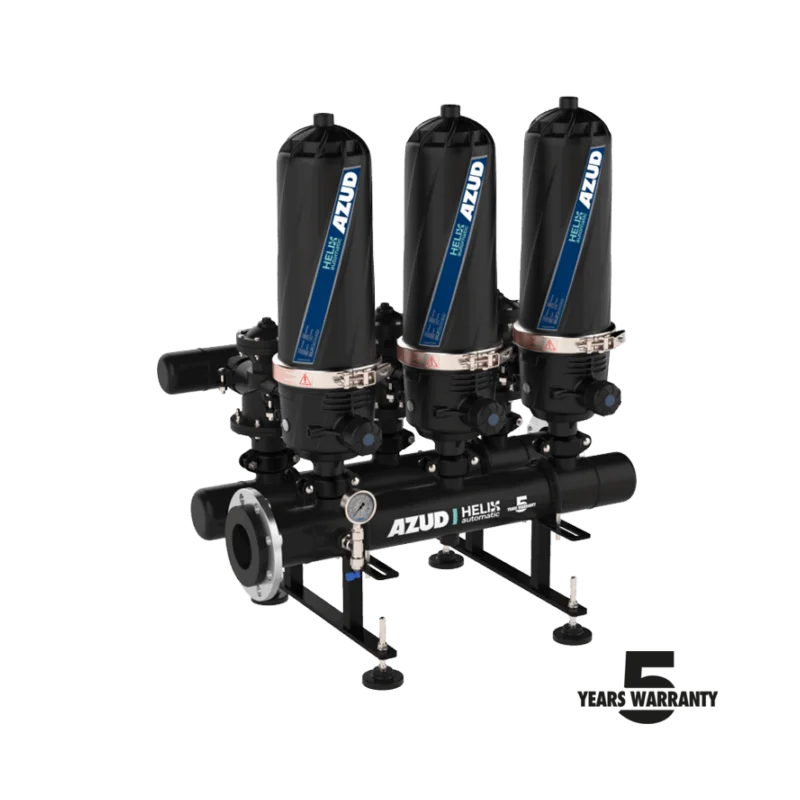
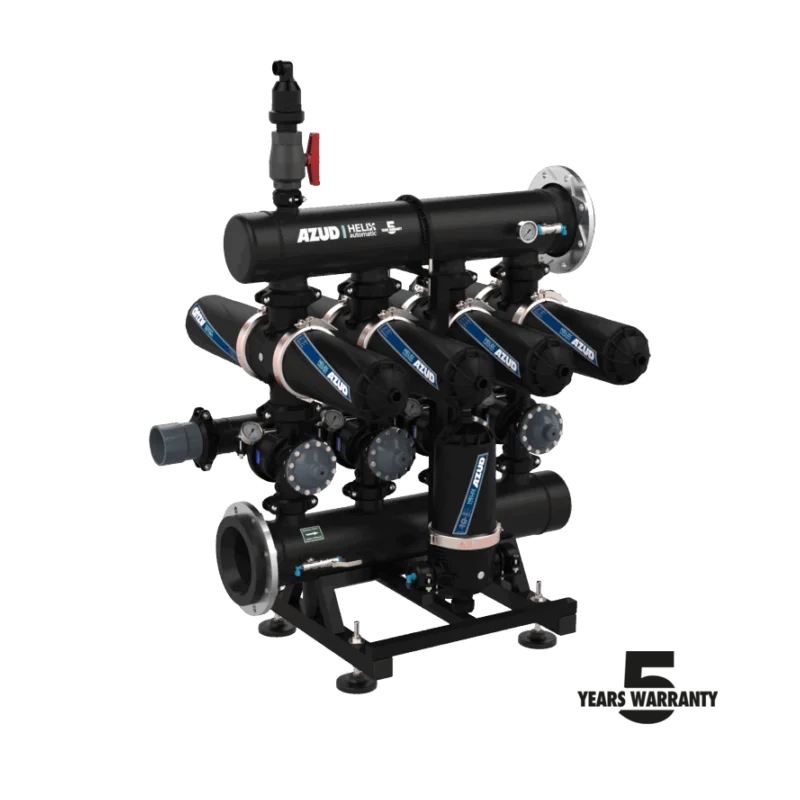
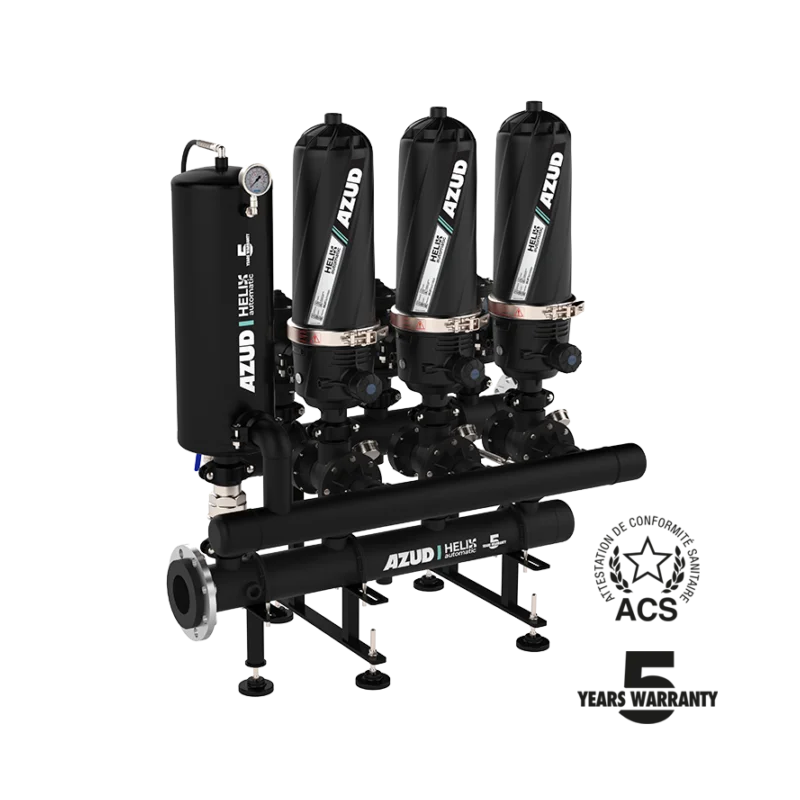
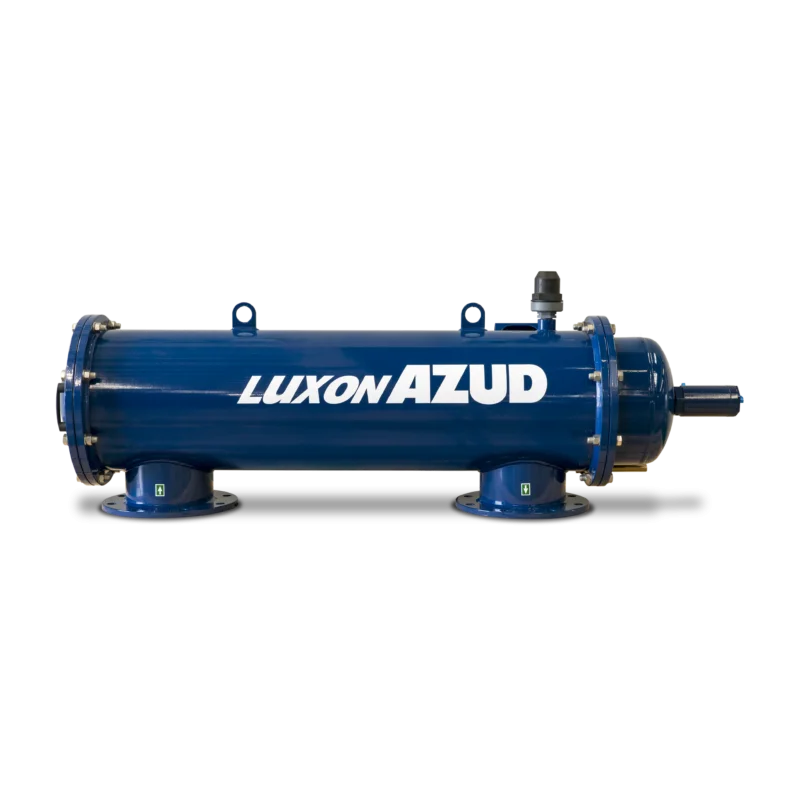
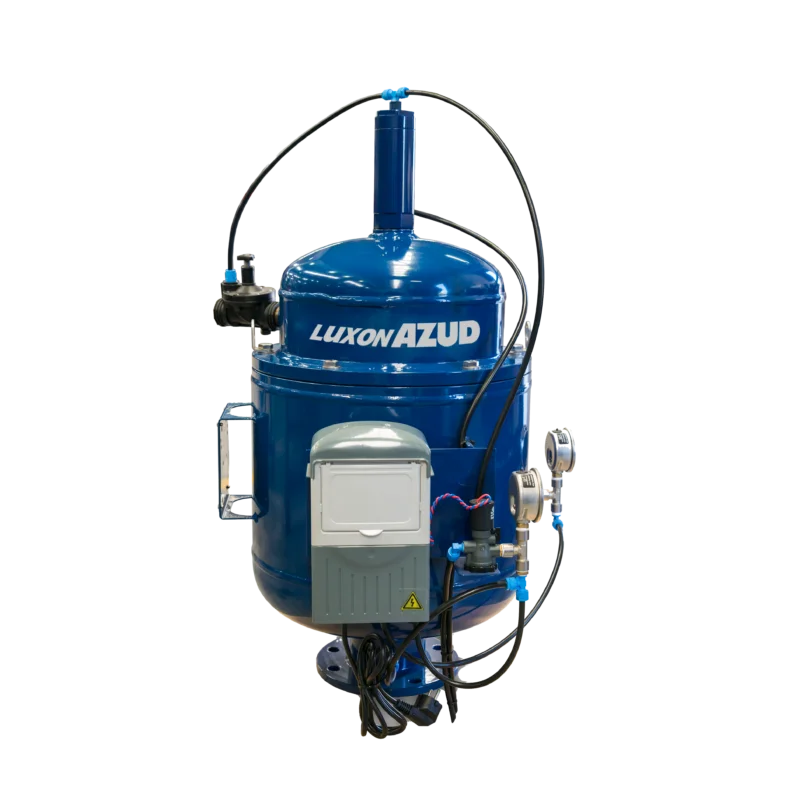
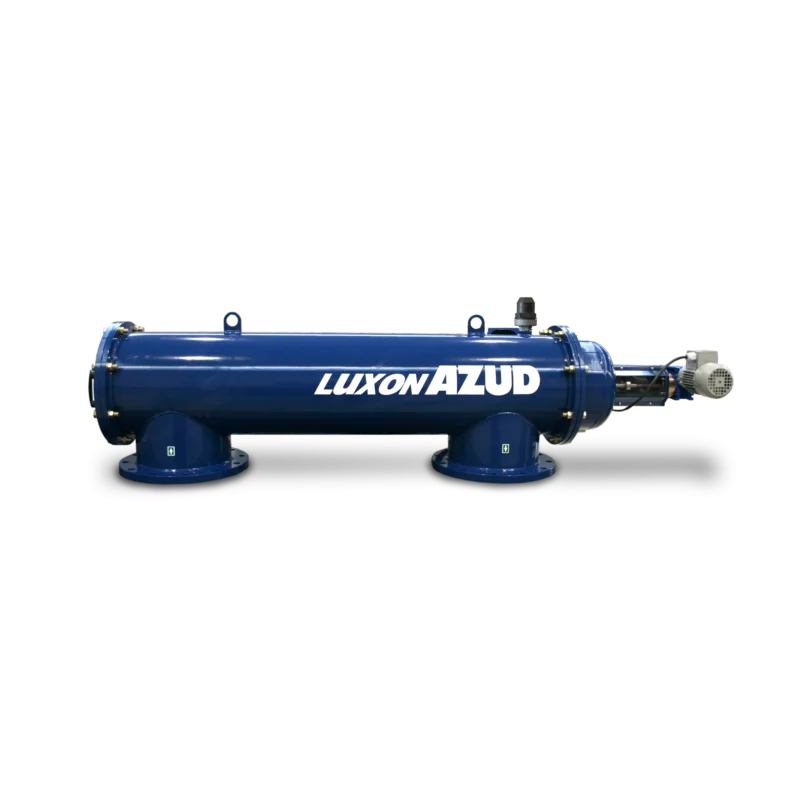
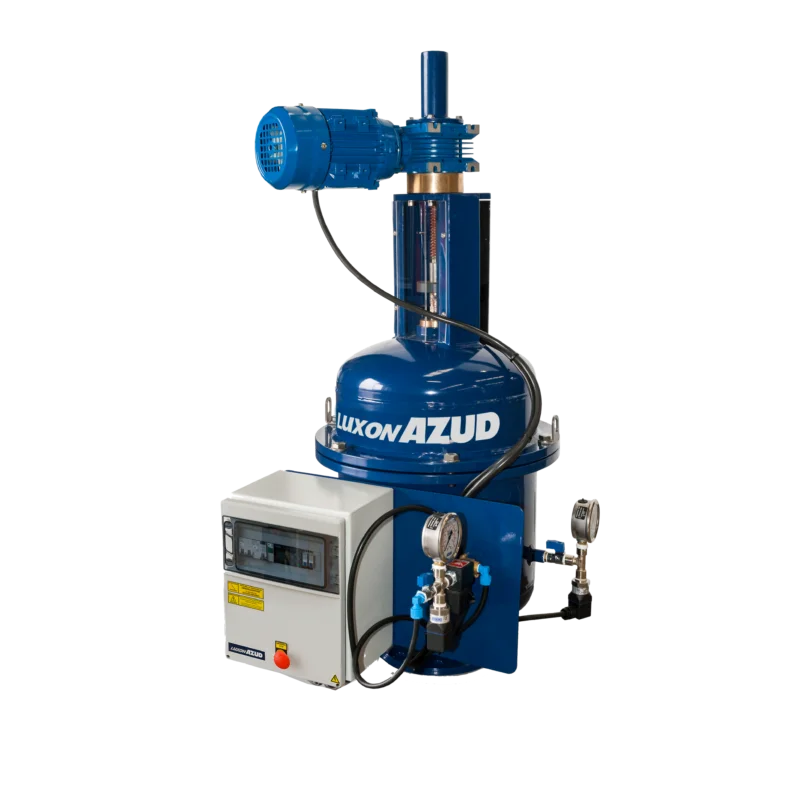
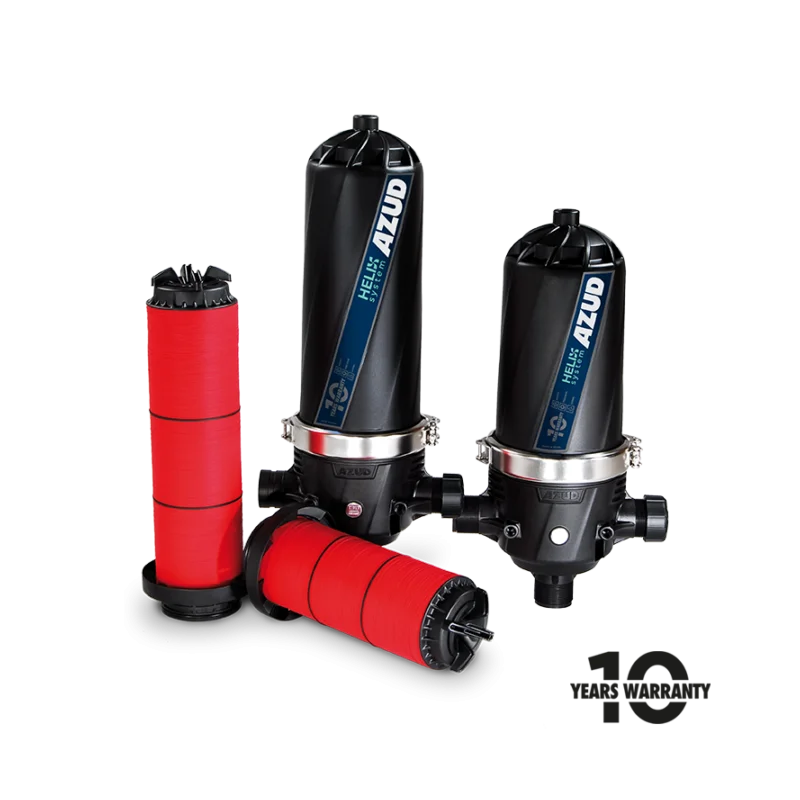
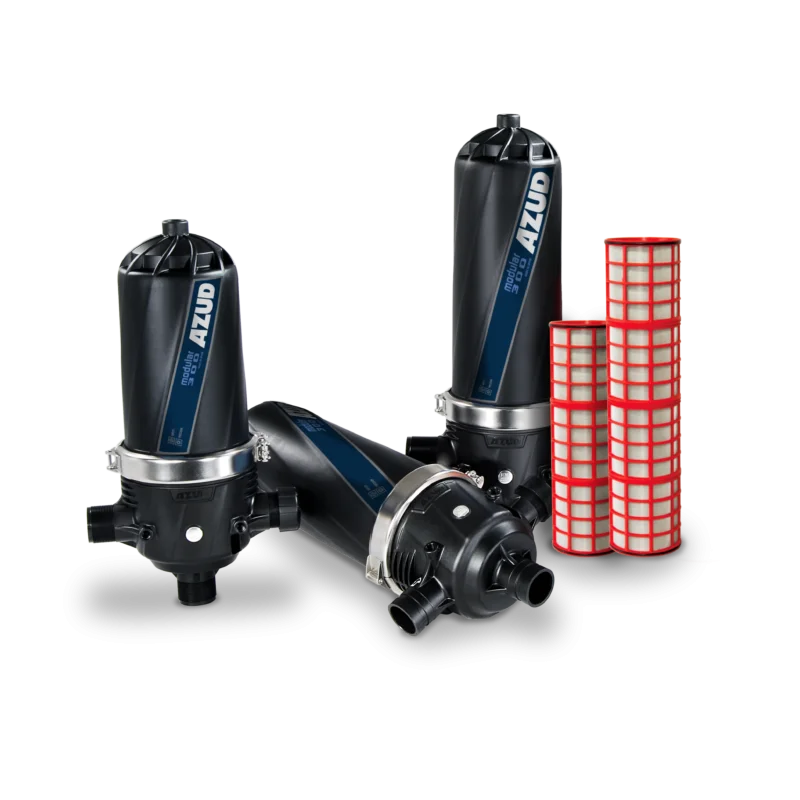
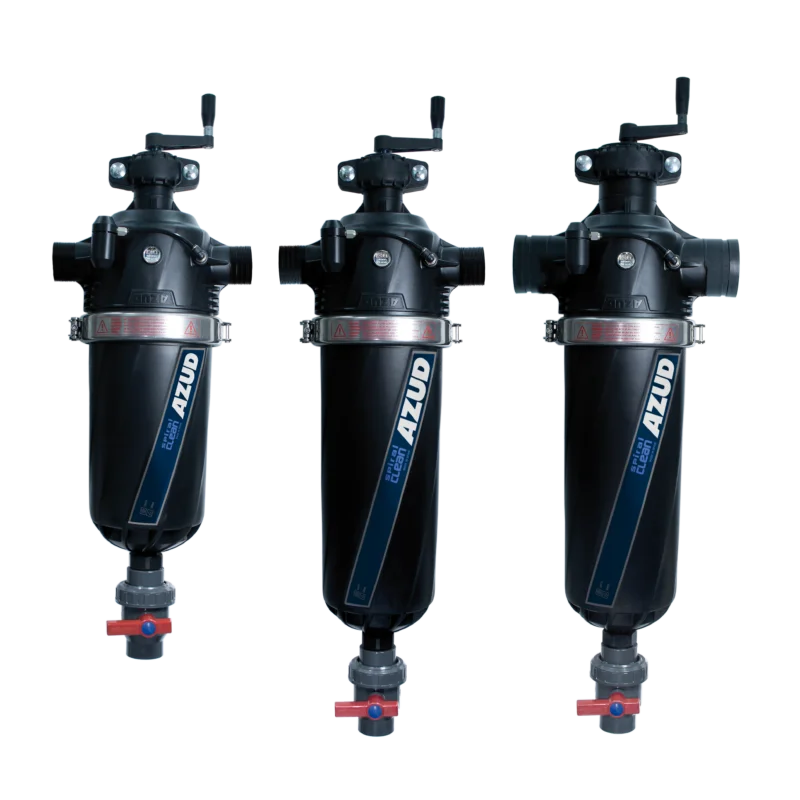
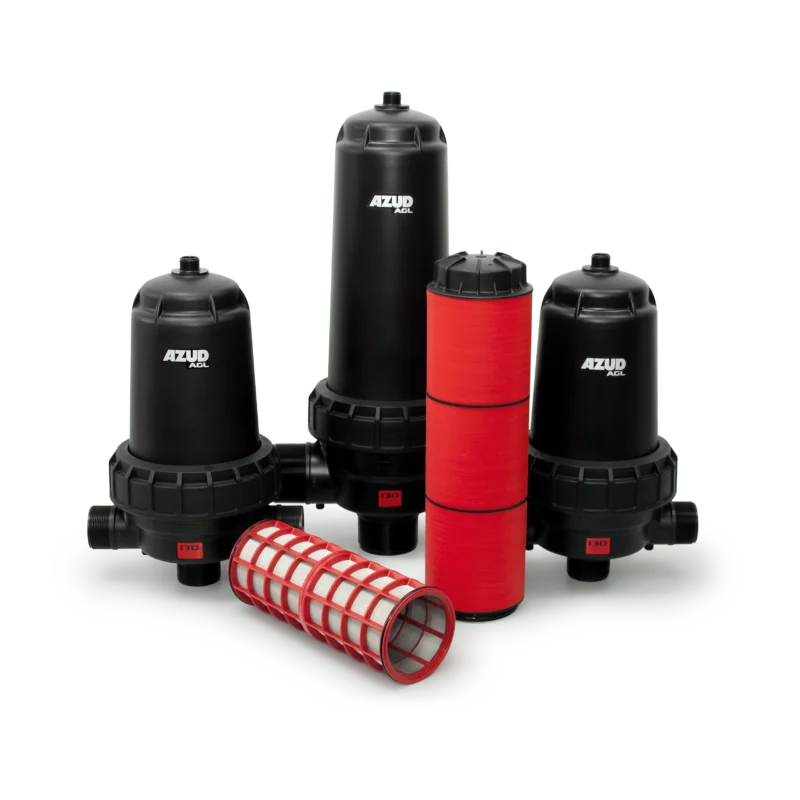
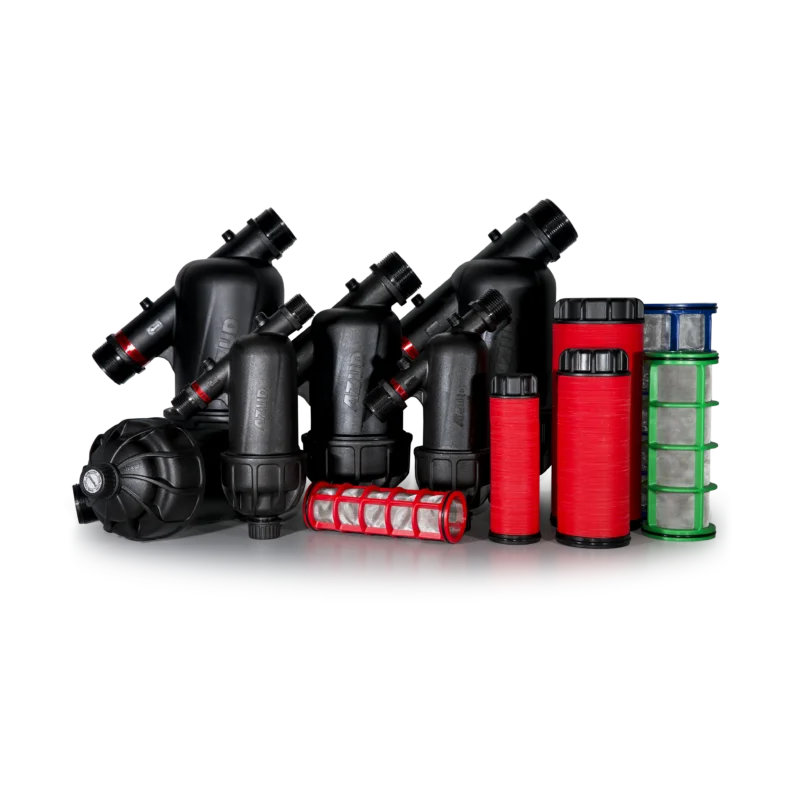
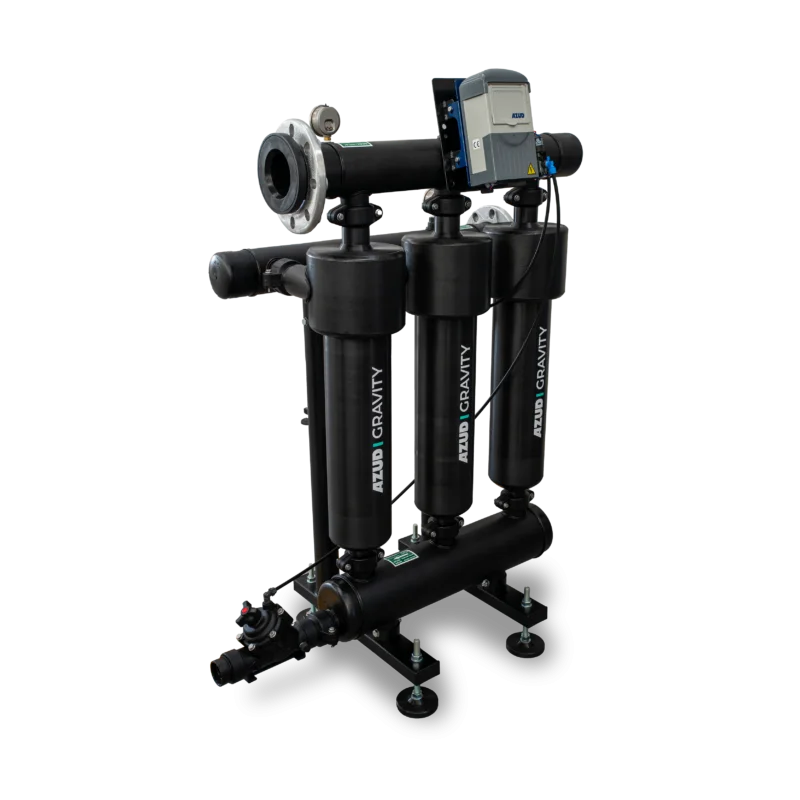
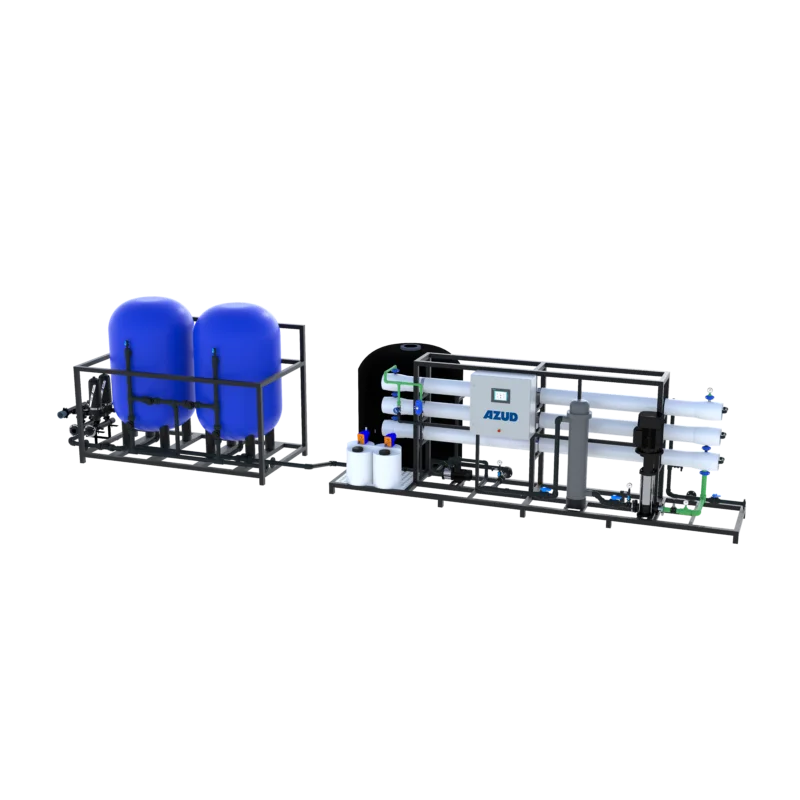
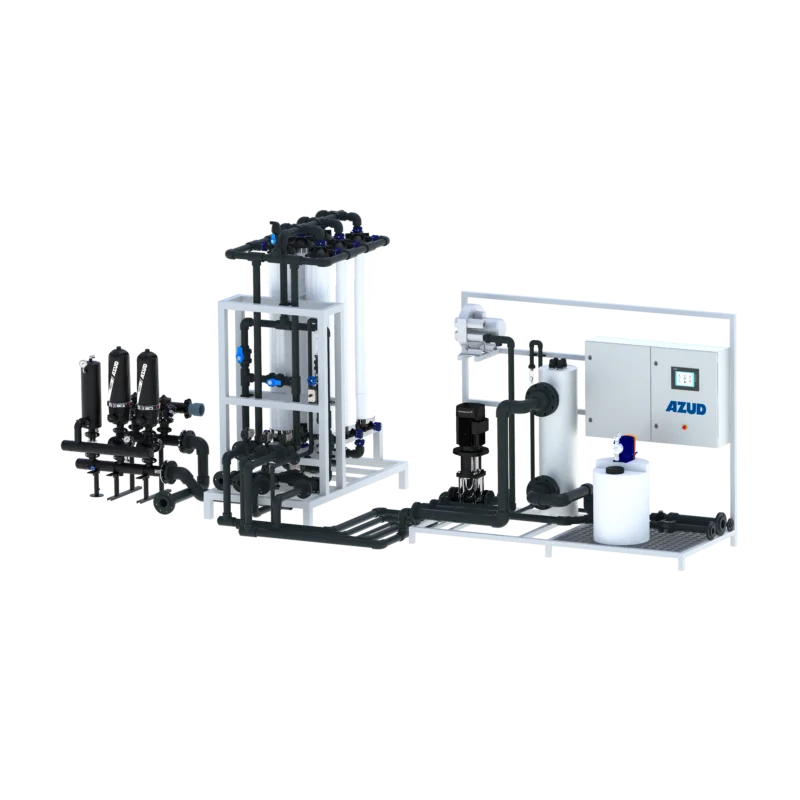
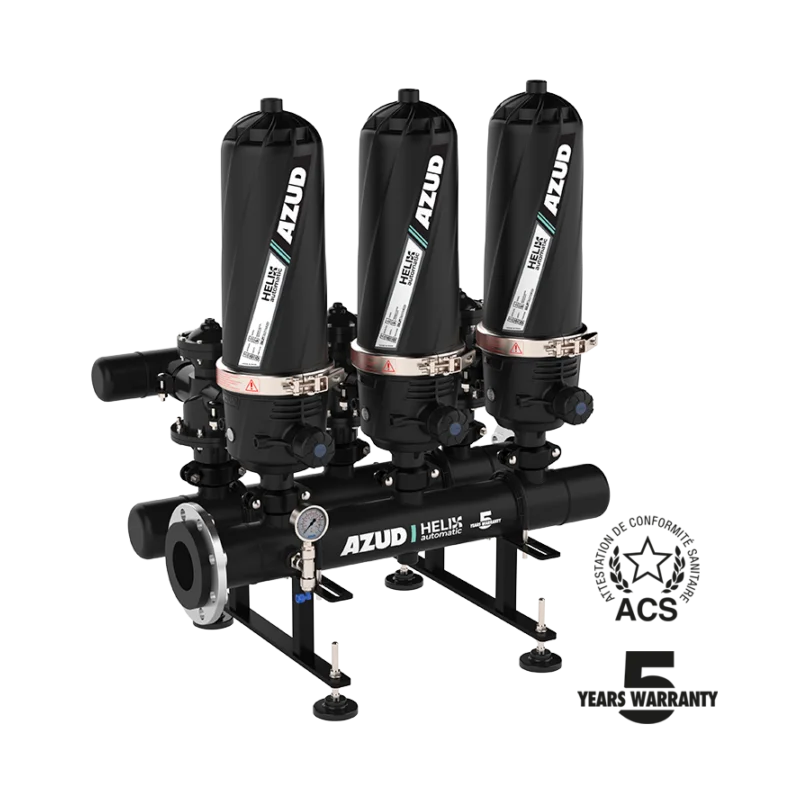
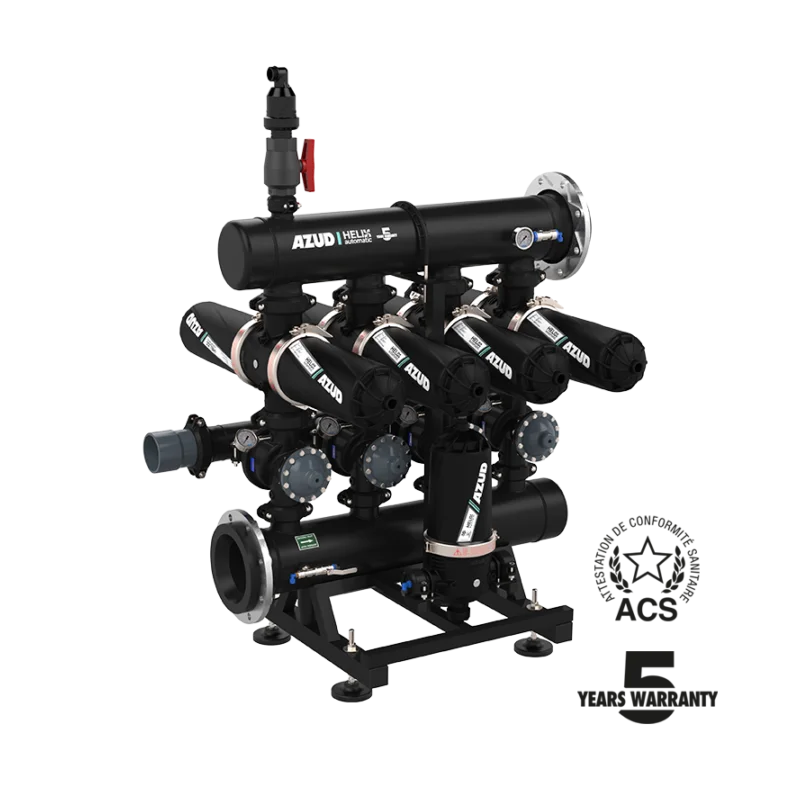
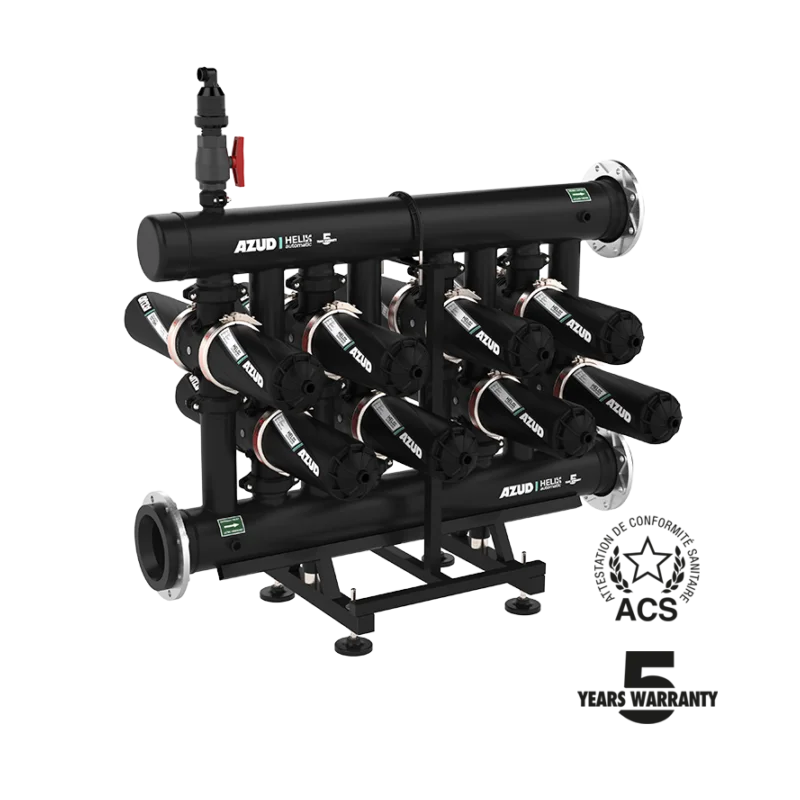
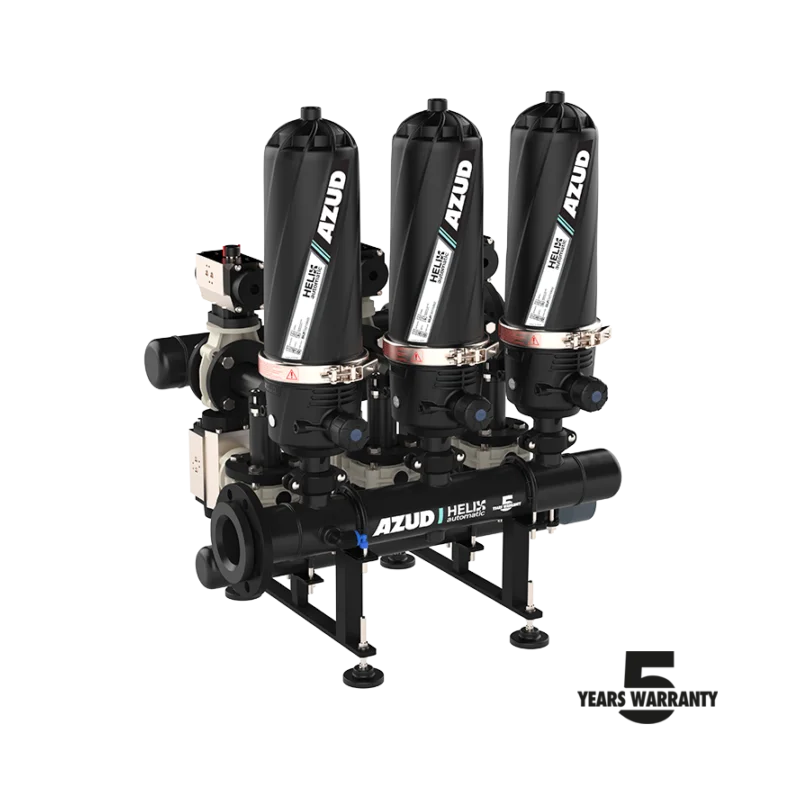
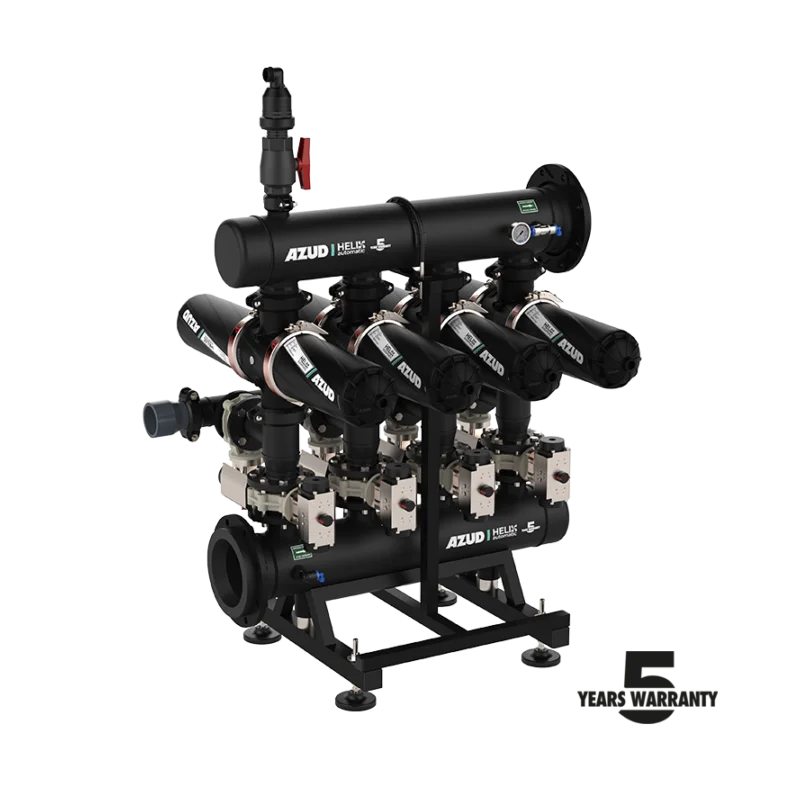
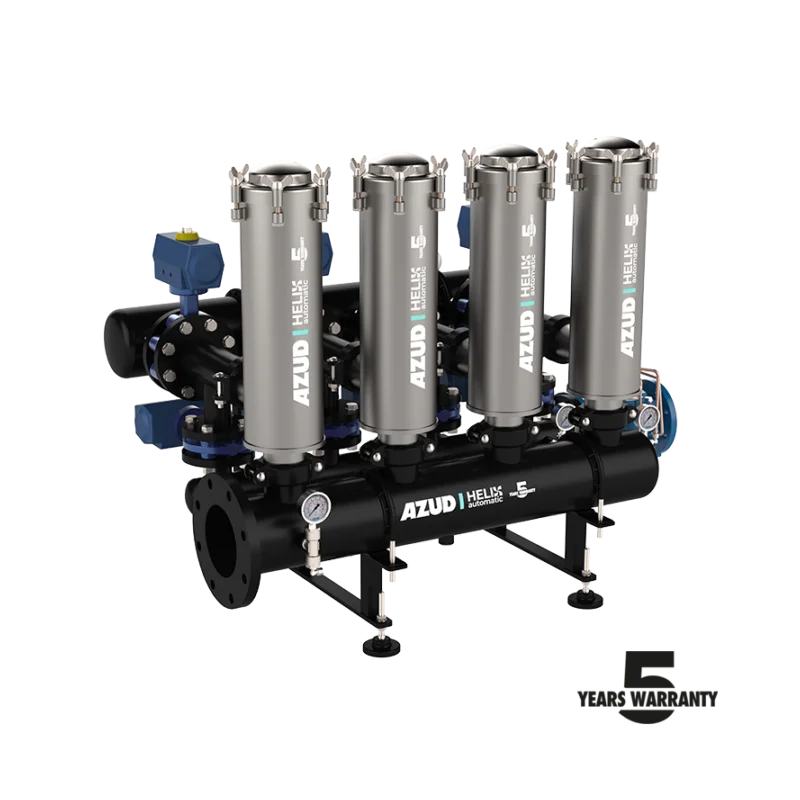
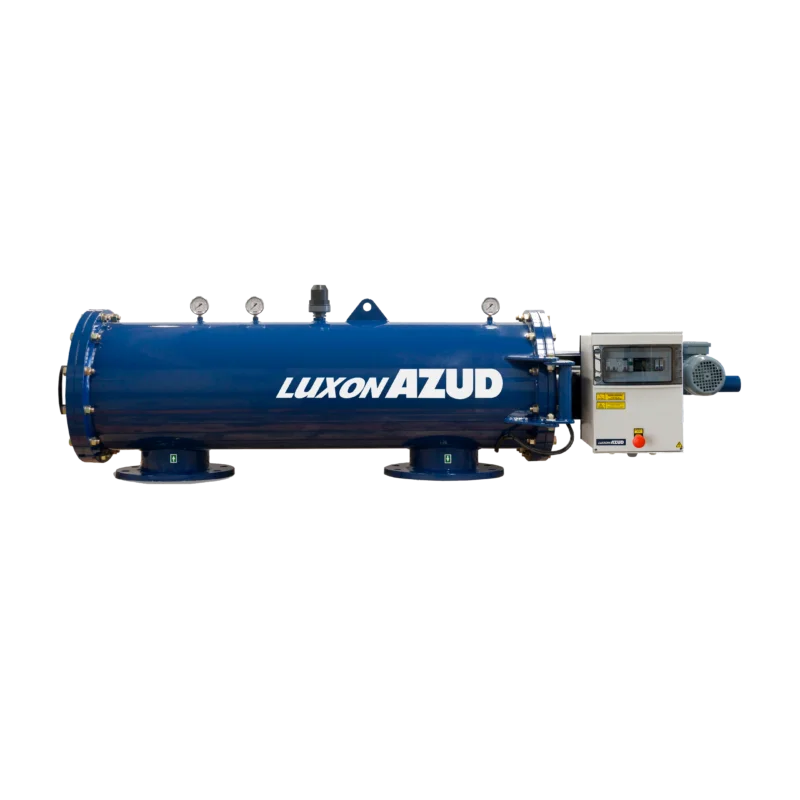
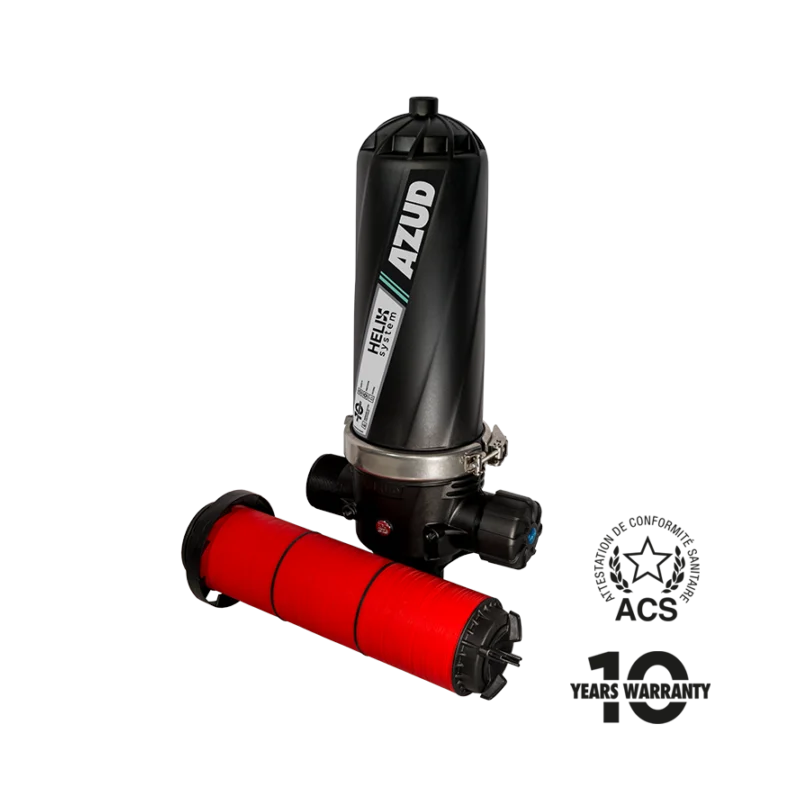
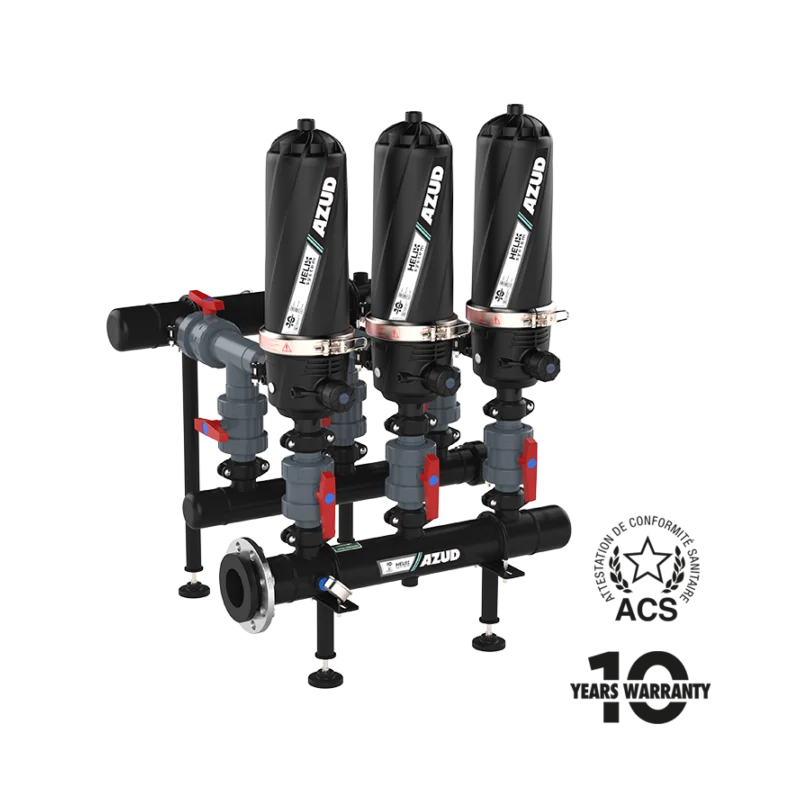
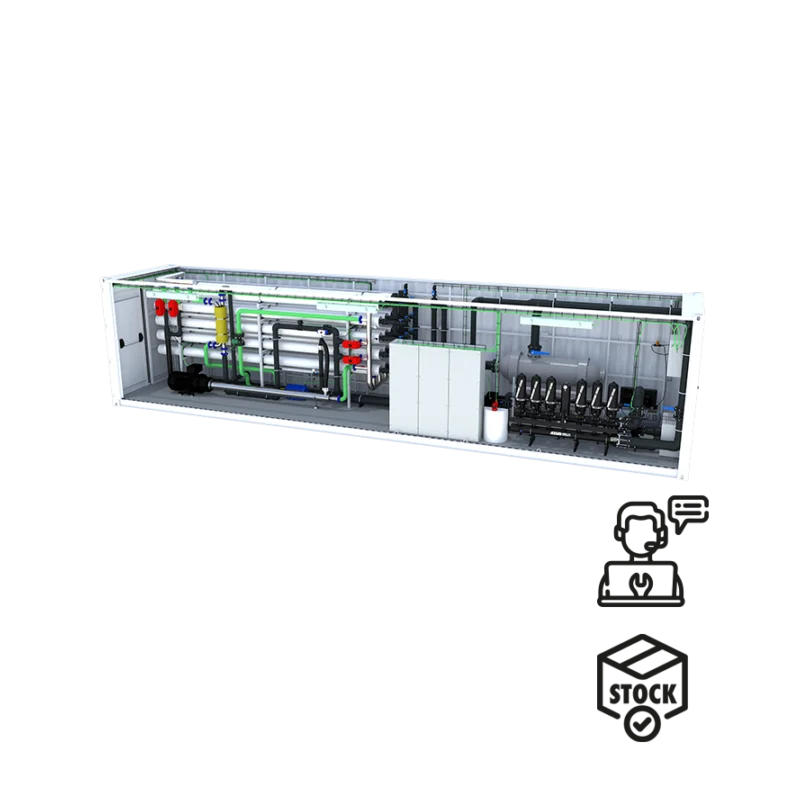
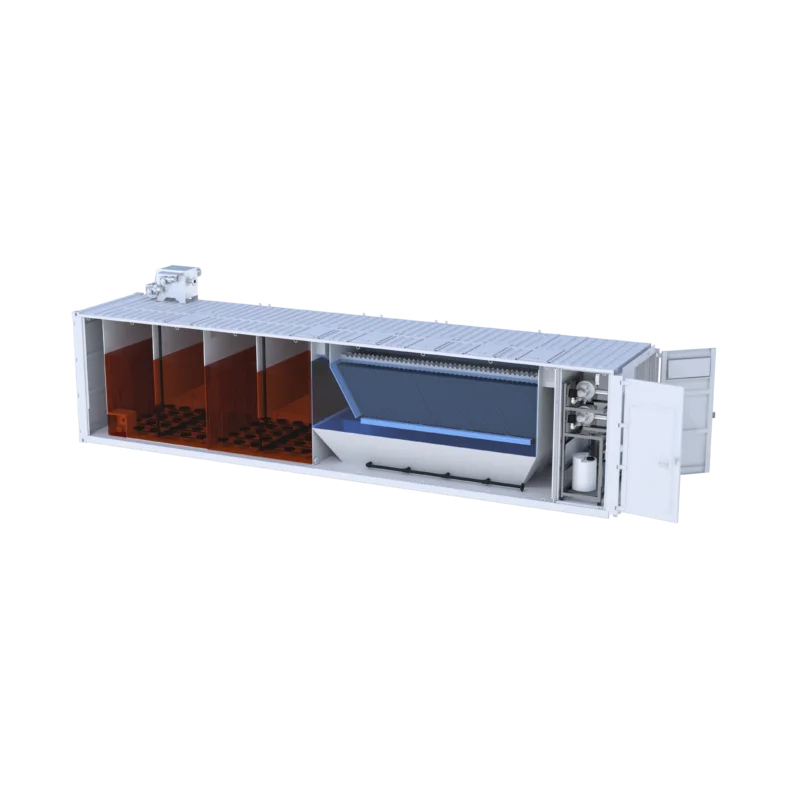
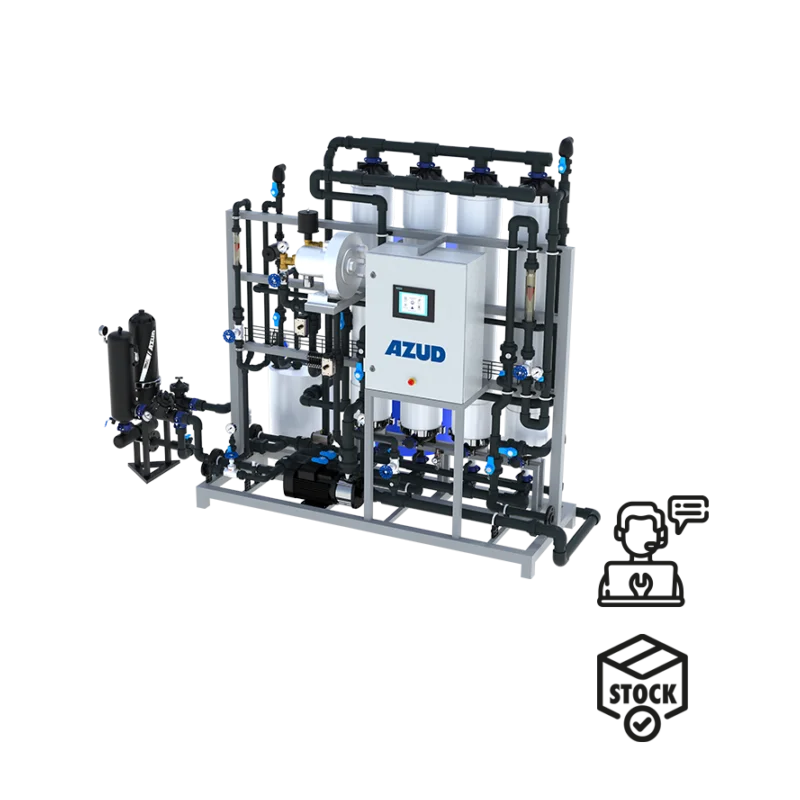
During the production of AdBlue, a process is carried out in which Filtration to remove any inert materials present. This is where the AZUD Filtration Solutions come into play and offer numerous benefits when it comes to filtering and reusing process water.
Efficiency in removing impurities.
AZUD’s filtration systems provide precise and efficient removal of unwanted particles, resulting in a significant improvement in the quality of the feedwater and ensuring compliance with the standards required for AdBlue production.
Process optimization.
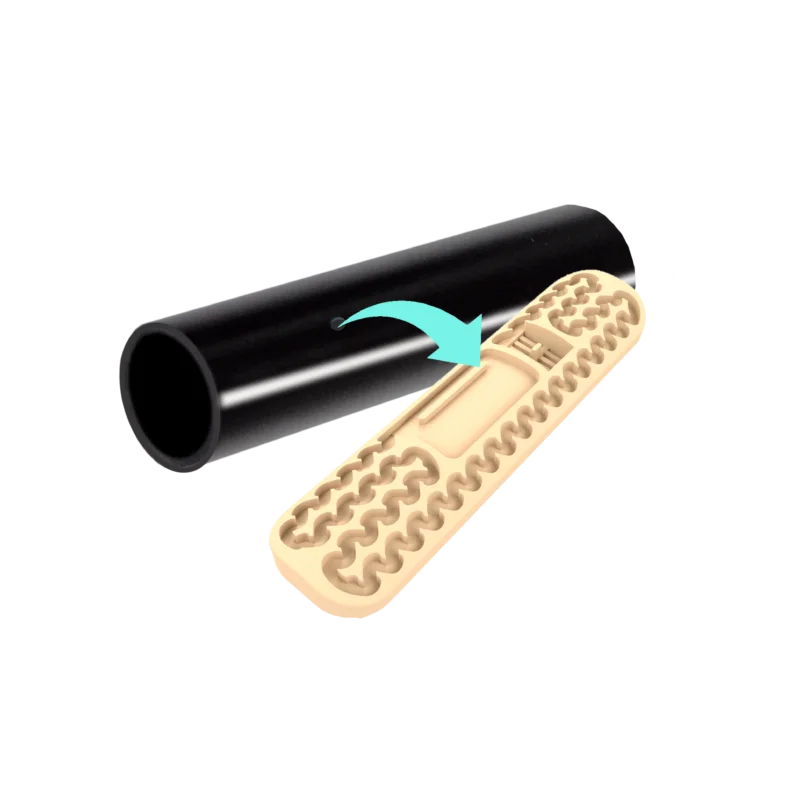
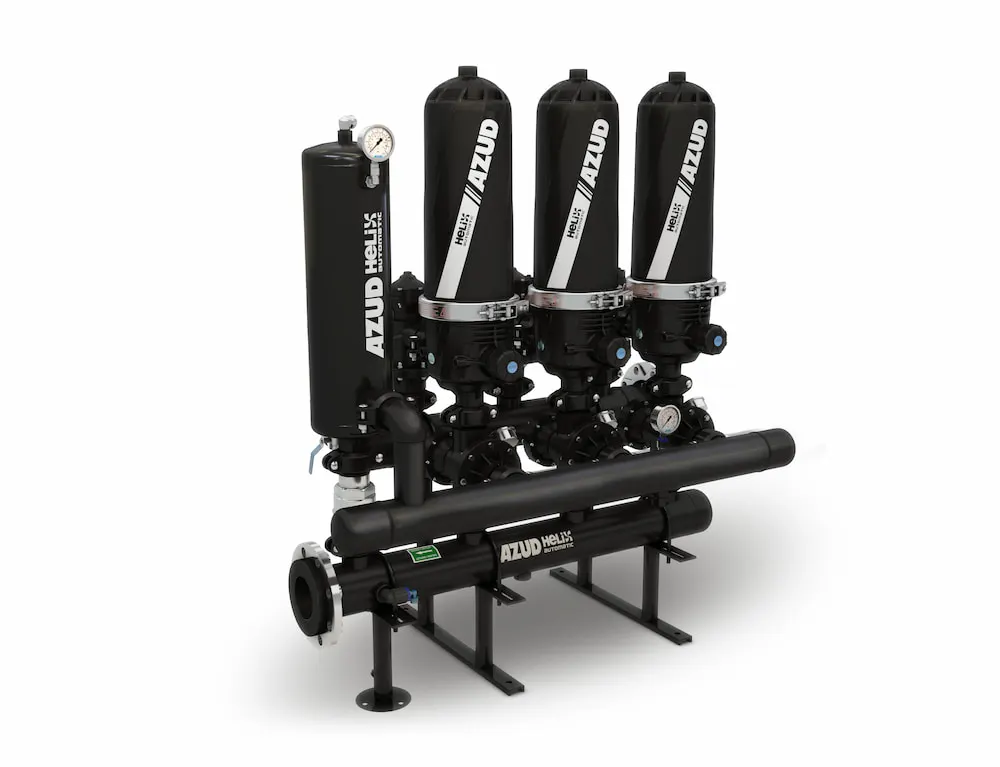
AZUD filtration systems help ensure optimal AdBlue quality by improving the purity of the solution and increasing the compound’s catalytic capacity. In addition, AZUD filtration with air-assisted cleaning, AZUD HELIX AUTOMATIC AA, it ensures a constant flow rate and quality of filtered AdBlue without any AdBlue consumption during backflushing.
Versatility and adaptability.
Thanks to the materials they are made of, these filters are capable of filtering polar compounds without forming films on the plastic discs. This feature makes them useful for other chemical production processes, such as the production of ethylene glycol, among others, demonstrating their versatility and wide range of applications.
The accuracy and efficiency of AZUD’s filtration Not only are they essential to the AdBlue manufacturing process, but they also extend to other industrial processes, ensuring optimal water treatment and consistent quality in the solutions produced.
If you’d like to learn more about our filtration solutions, please feel free to contact Our team of experts is here to help!