

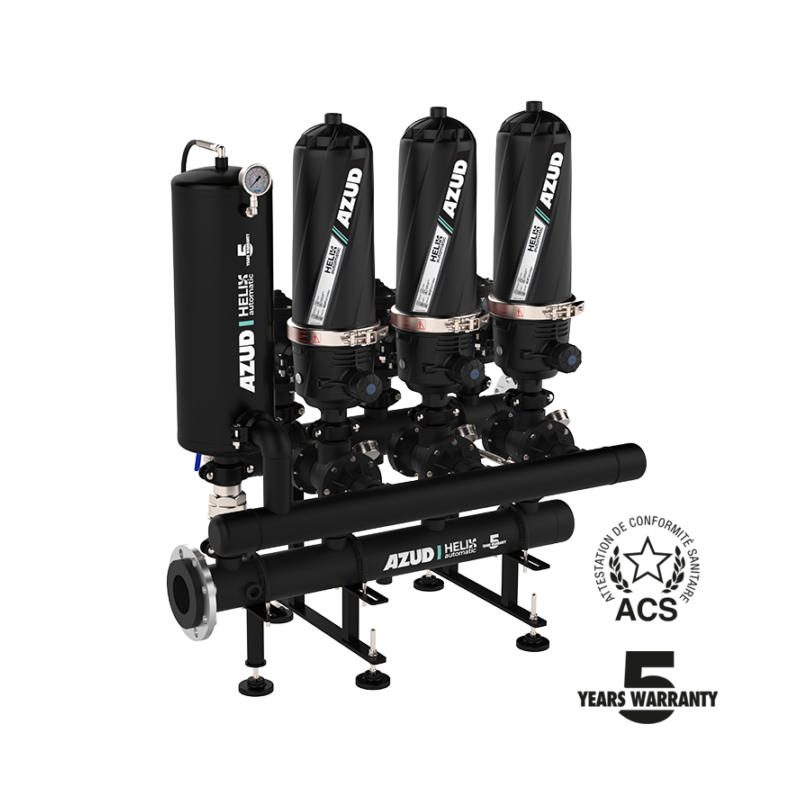
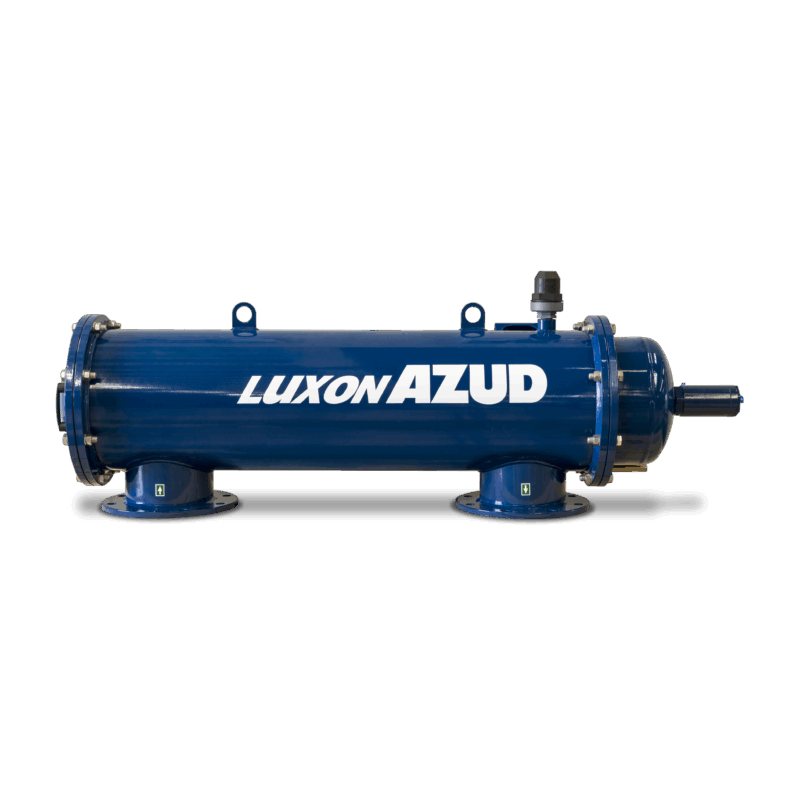
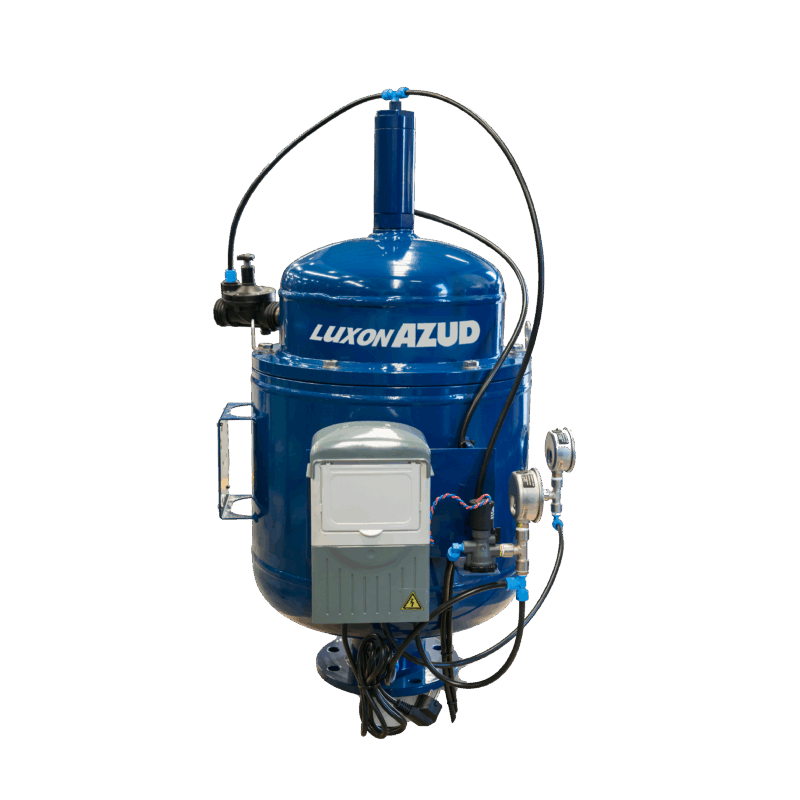
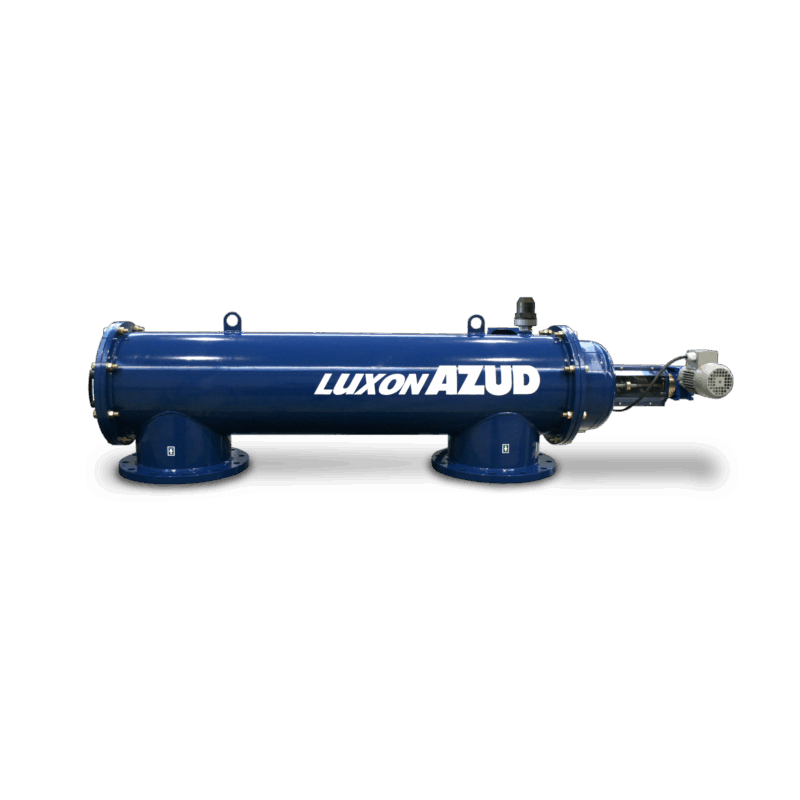
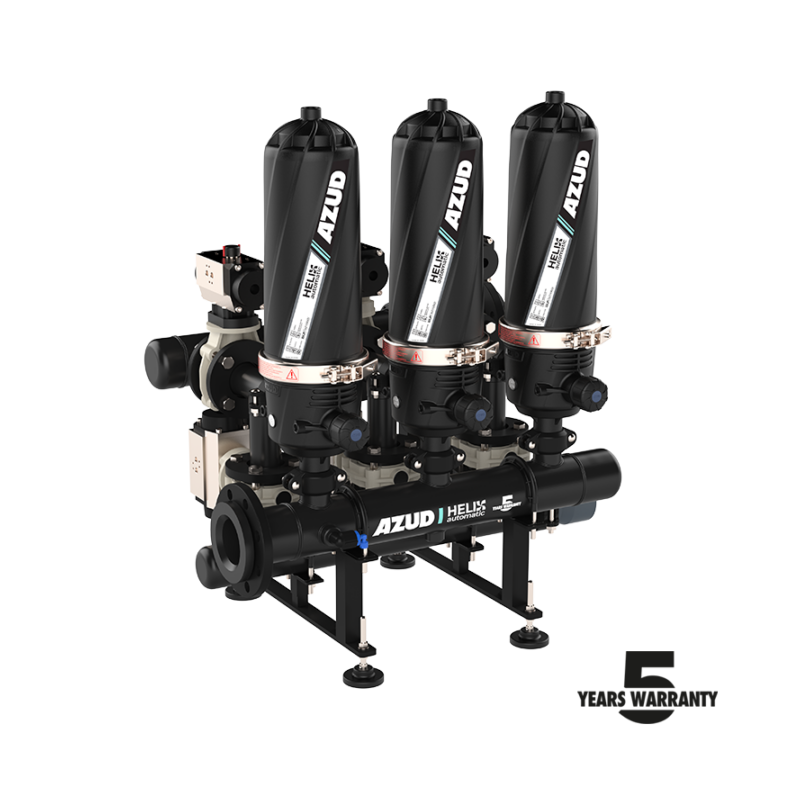
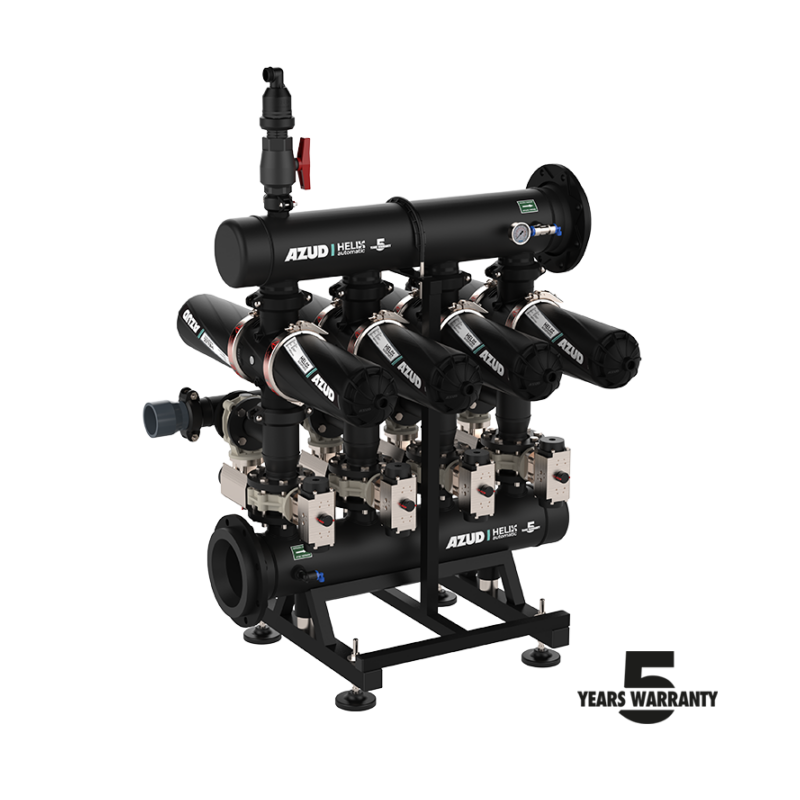
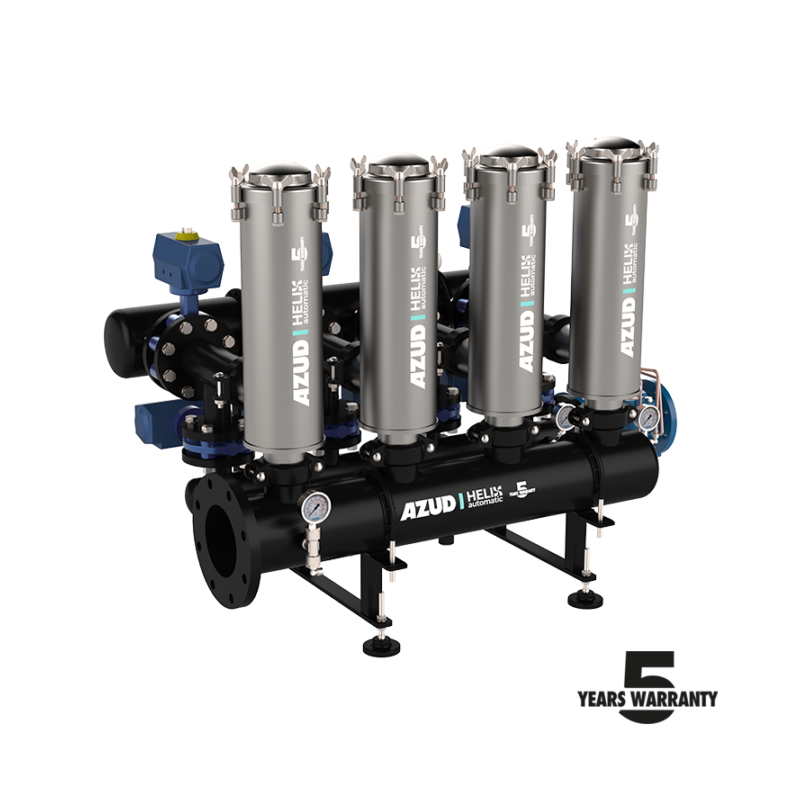
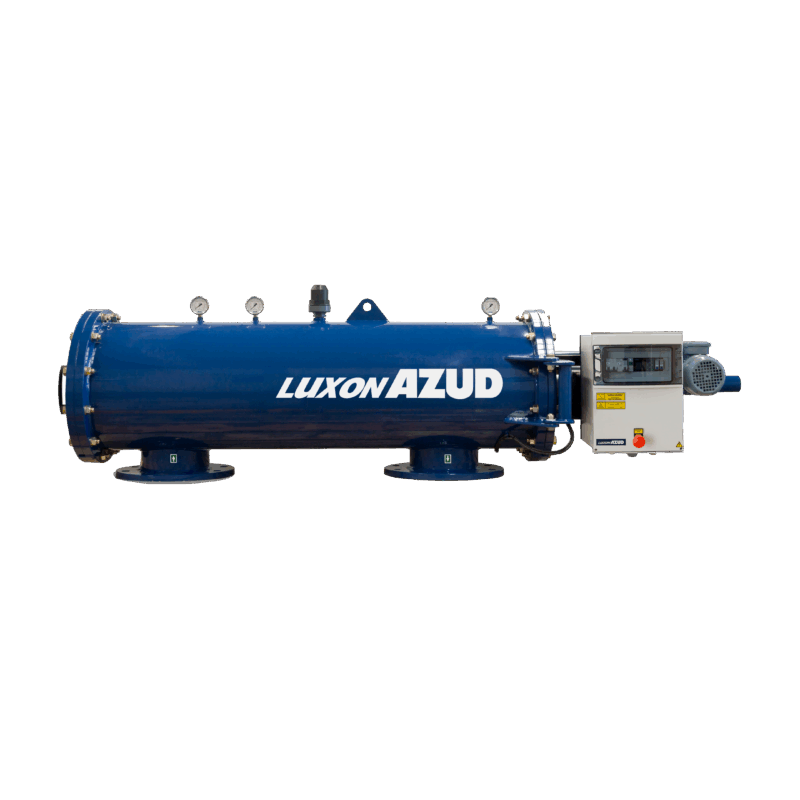
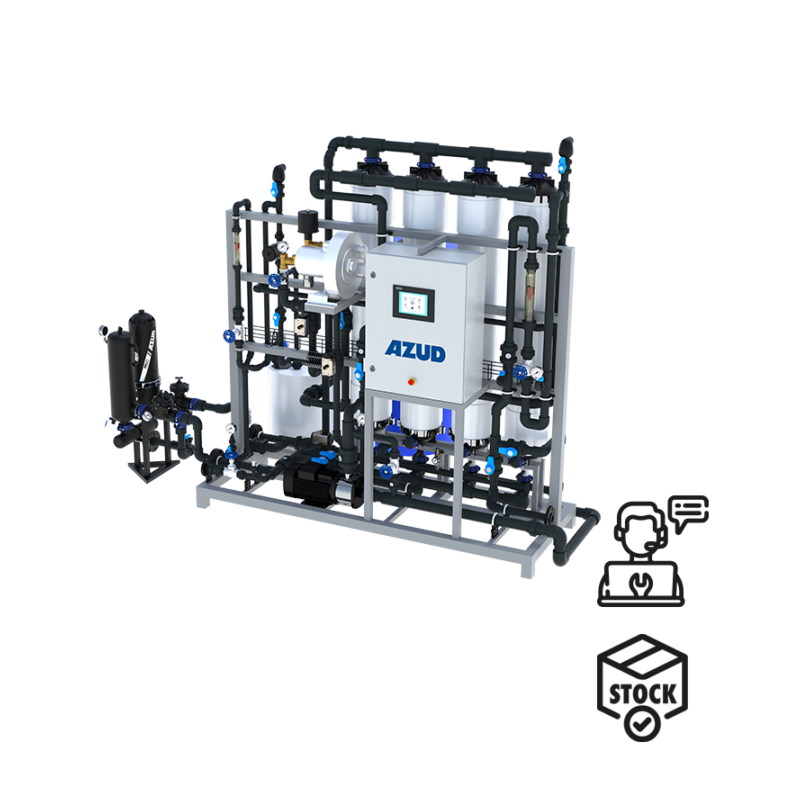
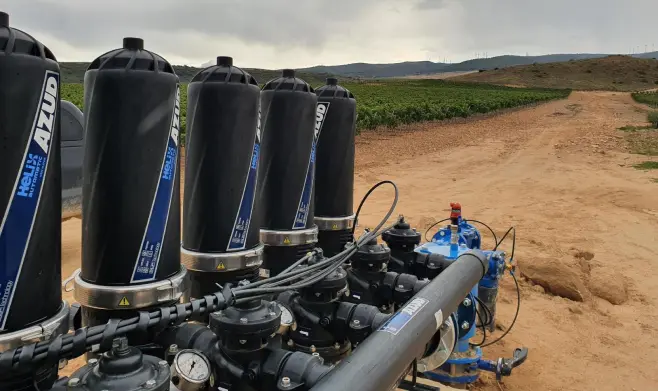
Plastic Filtration Systems: Structural, Functional, and Application Engineering Advantages
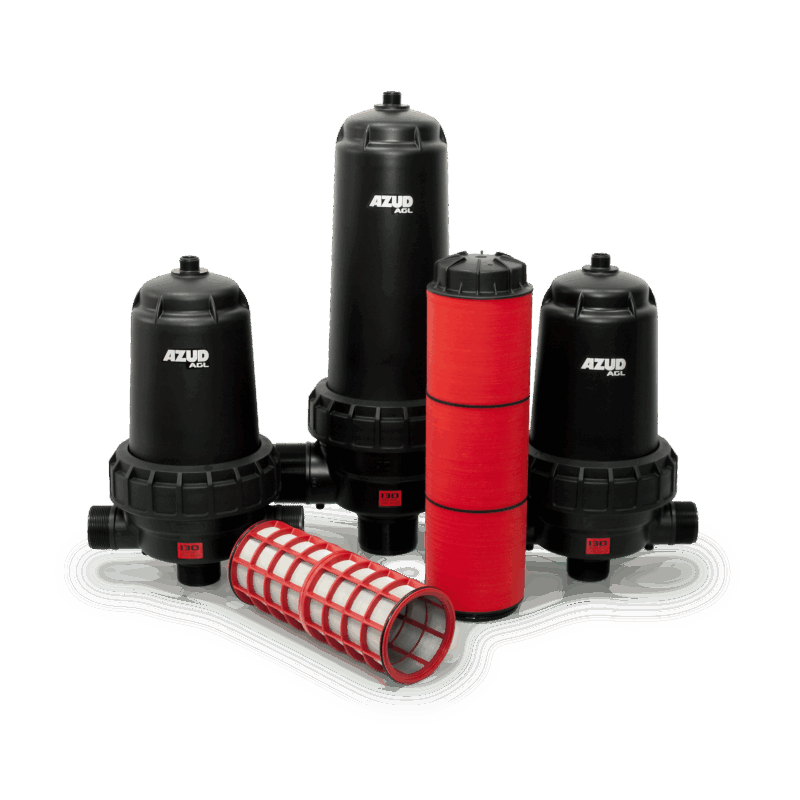
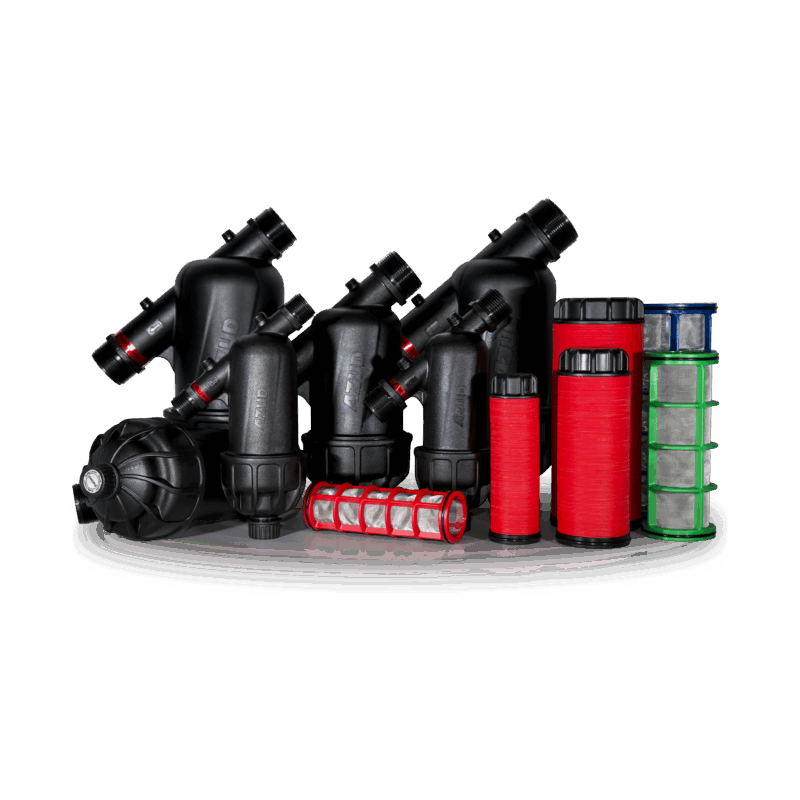
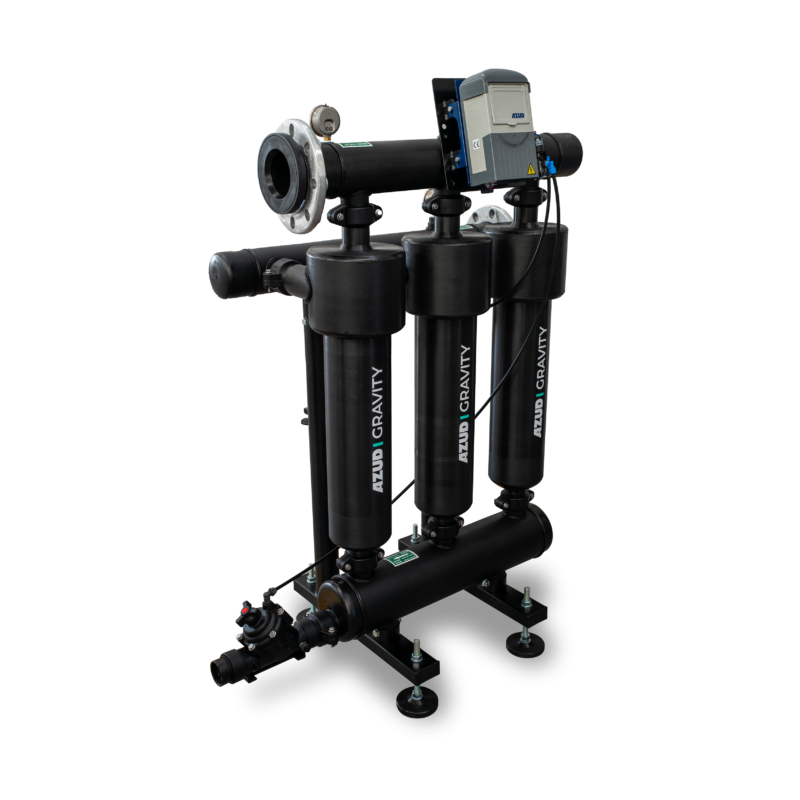
Thanks to their versatility and wide range of applications, plastics are now found in every aspect of daily life, as well as in the healthcare, architectural, aerospace, industrial, and agricultural sectors.
Characteristics and Functional Behavior of Plastic Filtration Systems
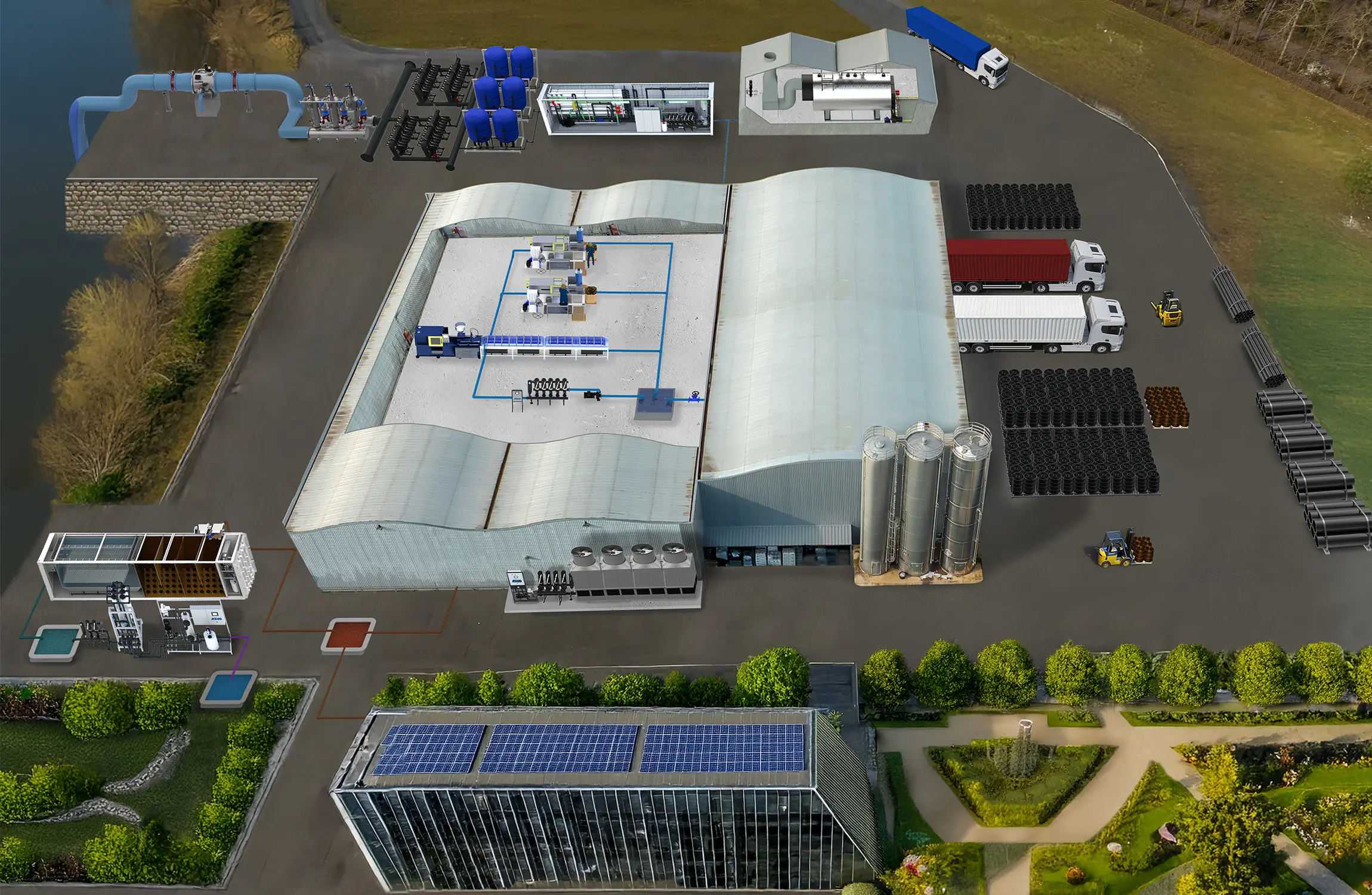
The wide range of engineering plastics available for conversion into components via the Injection process allows for the selection of the material with the most suitable characteristics and performance properties, in accordance with the anticipated exposure conditions and the specific requirements of each component.
The Injection process enables the manufacture of components with innovative shapes and specific surface finishes, thereby facilitating the development of highly functional products designed to optimize performance and, from an aesthetic standpoint, achieve a customized brand image.
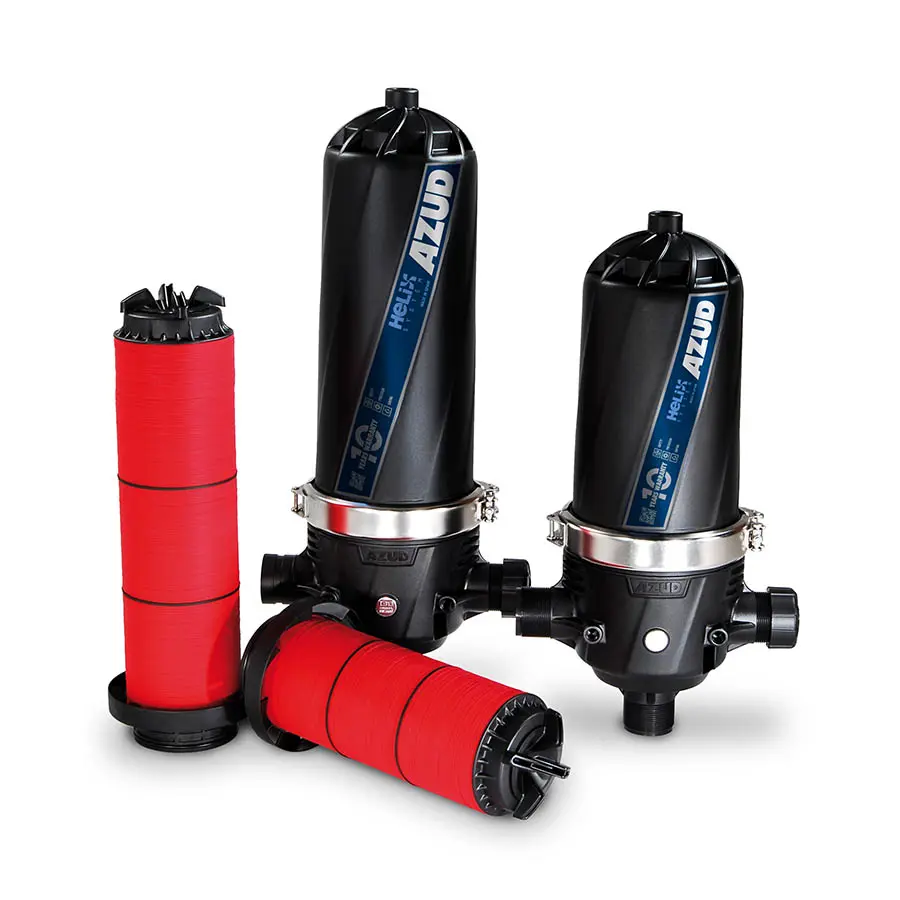
Advantages of Plastic Filtration Systems in Contact with Water
Characteristics and functional behavior of products made from engineering plastics that come into contact with irrigation water and chemicals:
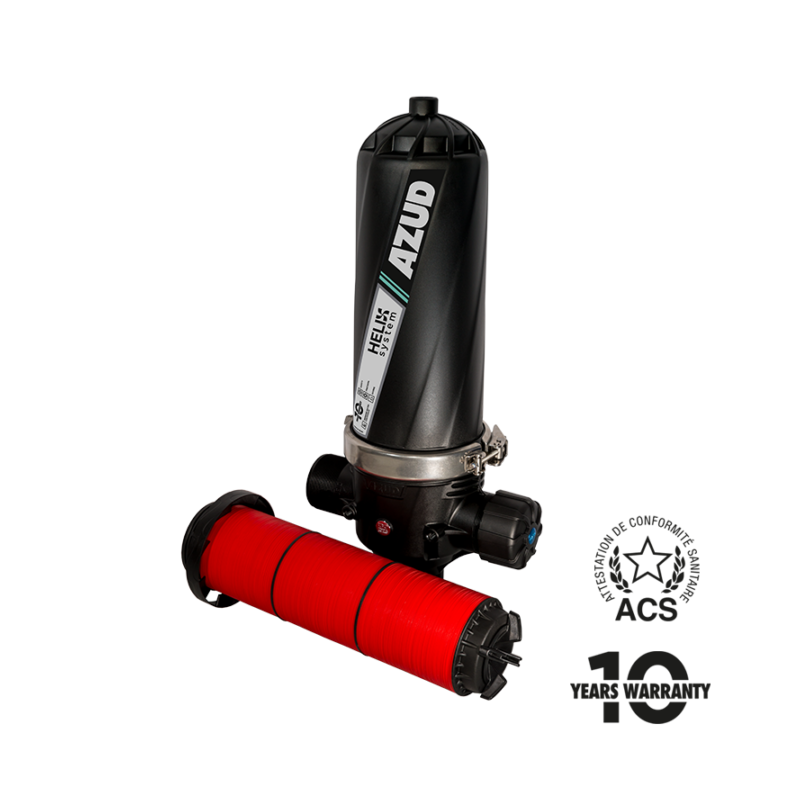
No corrosion. The surfaces of components made from engineering plastics do not require surface protection treatment after fabrication, unlike metallic materials, which require both internal treatment and an external coating. They do not corrode under environmental conditions or upon contact with water or with chemicals commonly used for crop nutrition and Irrigation system maintenance.
The low relative roughness, together with the inherent characteristics of the material used, has a favorable effect on:
High resistance to microbial attack.
Surfaces that come into contact with water do not provide a suitable environment for the establishment and colonization of microorganisms capable of proliferating (fungi, bacteria, etc.).
No scale buildup.
The unique characteristics of its surface finish minimize the risk of any type of scale forming on the inner walls that come into contact with water.
Abrasion resistance.
Internal surfaces with low friction and high resistance to abrasive erosion caused by the friction of inorganic particulate matter present in the water source.
The specific characteristics and properties of each material determine its hydraulic performance and its mechanical and chemical resistance to exposure conditions; these, combined with the benefits of the design and manufacturing processes, enable the development and production of solutions tailored to the demanding requirements of the various applications in which filtration systems are needed.
Functional, Environmental, and Application Engineering Benefits
The main advantages of filtration systems made of plastic, from a functional, environmental, and application engineering perspective, are:
Transportation, installation, and operation.
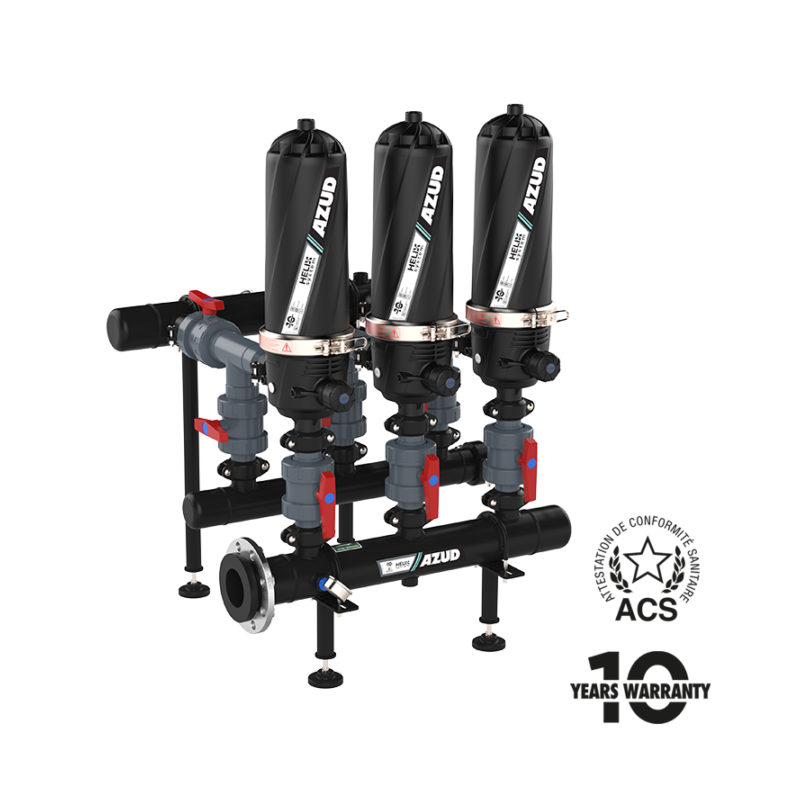
Its low modulus of elasticity gives it high impact resistance, which, combined with its relatively low weight compared to other materials and the modular design of the filtration equipment, greatly facilitates transportation, installation, and operation.
Environmental exposure conditions.
The specific properties of each plastic material, combined with the use of antioxidants that are incorporated into the plastic prior to processing, provide these materials with high resistance to environmental conditions. The filtration systems used to protect the dripline pipes are subjected to environmental conditions that include seasonal periods of high relative humidity and splashing, a wide range of temperatures, and high levels of incident ultraviolet radiation.
Service Life and Maintenance
Longer service life, less frequent and less intensive maintenance, and filtered water quality that remains uncompromised due to the absence of deterioration of the surfaces in contact with water and the chemicals added.
Mechanical operating conditions.
Its optimized design, combined with the use of appropriate materials, ensures high resistance to operating pressure, high differential pressure values, and resistance to factors related to flow rate and water quality (abrasion, corrosion).
Application Engineering for Filtration Systems
The current trend emphasizes technical rigor and applied engineering in decision-making aimed at optimizing the use of scarce resources and achieving greater water productivity. At the same time, there is a clear increase in environmental awareness and a shift in the criteria for selecting the functional components of irrigation systems, with priority given to functionality and service life, along with their ability to adapt to the new reality, aimed at:
Crop Nutrition.
Increased use of organic crop nutrition products—not synthetically derived—that contain an insoluble fraction and solids that can cause problems in distribution networks and significantly increase the risk of clogging in dripline pipes.
The use of filtration systems compatible with the addition of fertilizers upstream of the Filtration system, which allows for the use of products with high nutritional value and their introduction into the field system completely free of particles that could compromise application uniformity and the service life of the dripline pipes.
Soil microbiome
Greater awareness of the benefits of proper soil microbiota development, of the measures to promote its development and conservation, along with a significant increase in the use of microorganisms to improve crop nutrition and health. Oxidizing agents used to clean irrigation systems have high biocidal potential, which reduces the diversity and concentration of soil microorganisms.
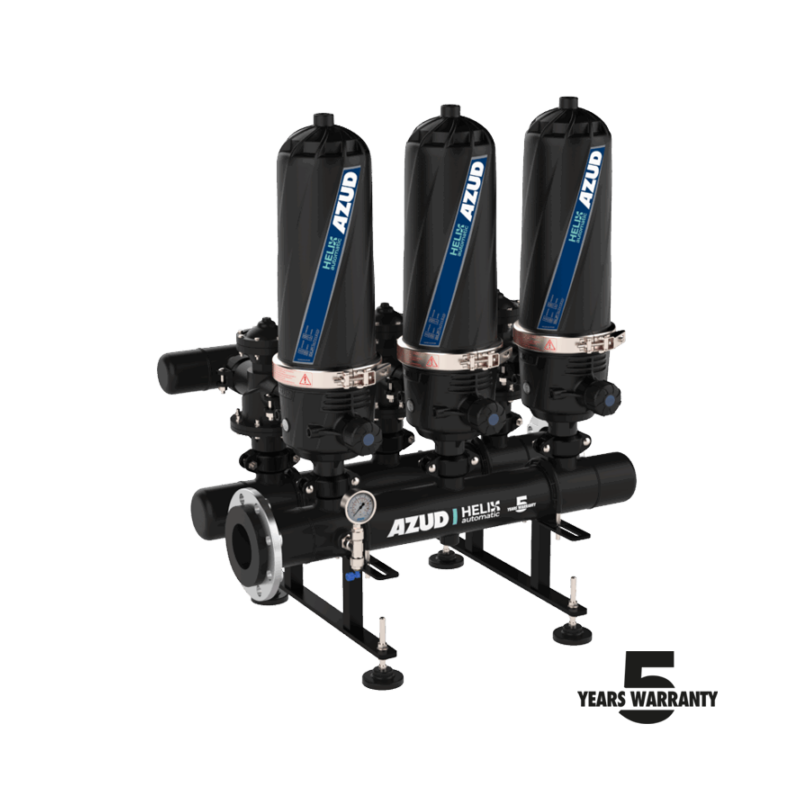
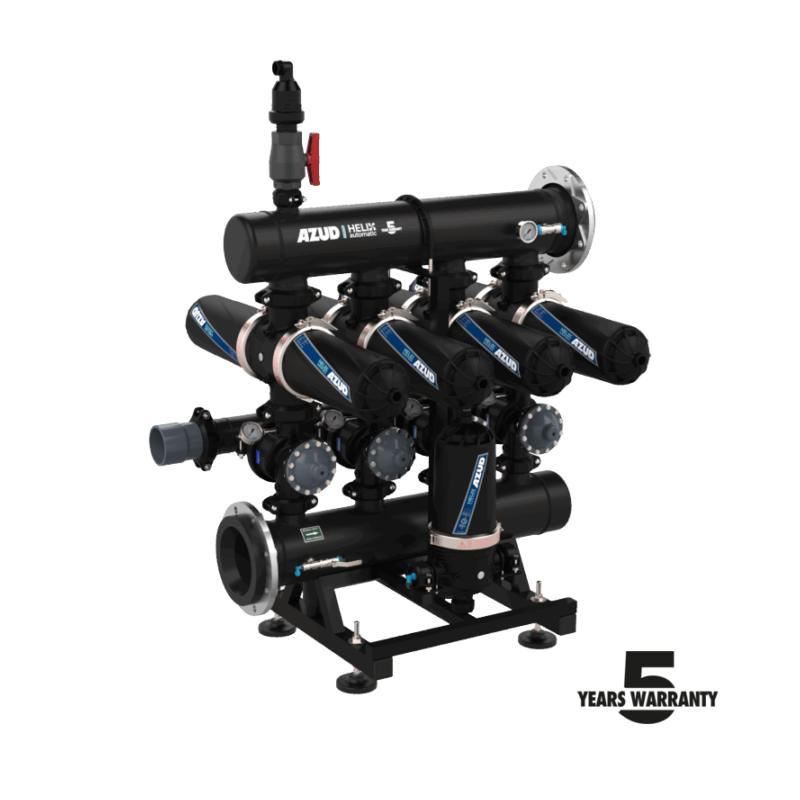
In order to reduce the use of oxidizing chemical products intended for cleaning the distribution network and dripline pipes—which can compromise the soil microbiota—the focus is on selecting filtration equipment in which all components in contact with water are made of engineering plastics, and choosing filtration media with more selective filtration grades, by applying stricter criteria in the selection of dripline pipes with low clogging potential, and by exercising greater rigor in the performance of maintenance tasks.
Environmental Impact of Irrigation Practices.
Growing environmental awareness is driving the adoption of new design criteria and a more rigorous selection of components, along with irrigation and maintenance practices aimed at achieving and maintaining a high degree of uniformity in water application and extending the service life of the distribution pipes.
All of this is aimed at reducing the environmental impact associated with agricultural activity, increasing water use efficiency to reduce the water footprint associated with the production of commercially valuable plant parts, and to ensure high uniformity of water application in the field to achieve a uniform crop response and reduce the carbon footprint.