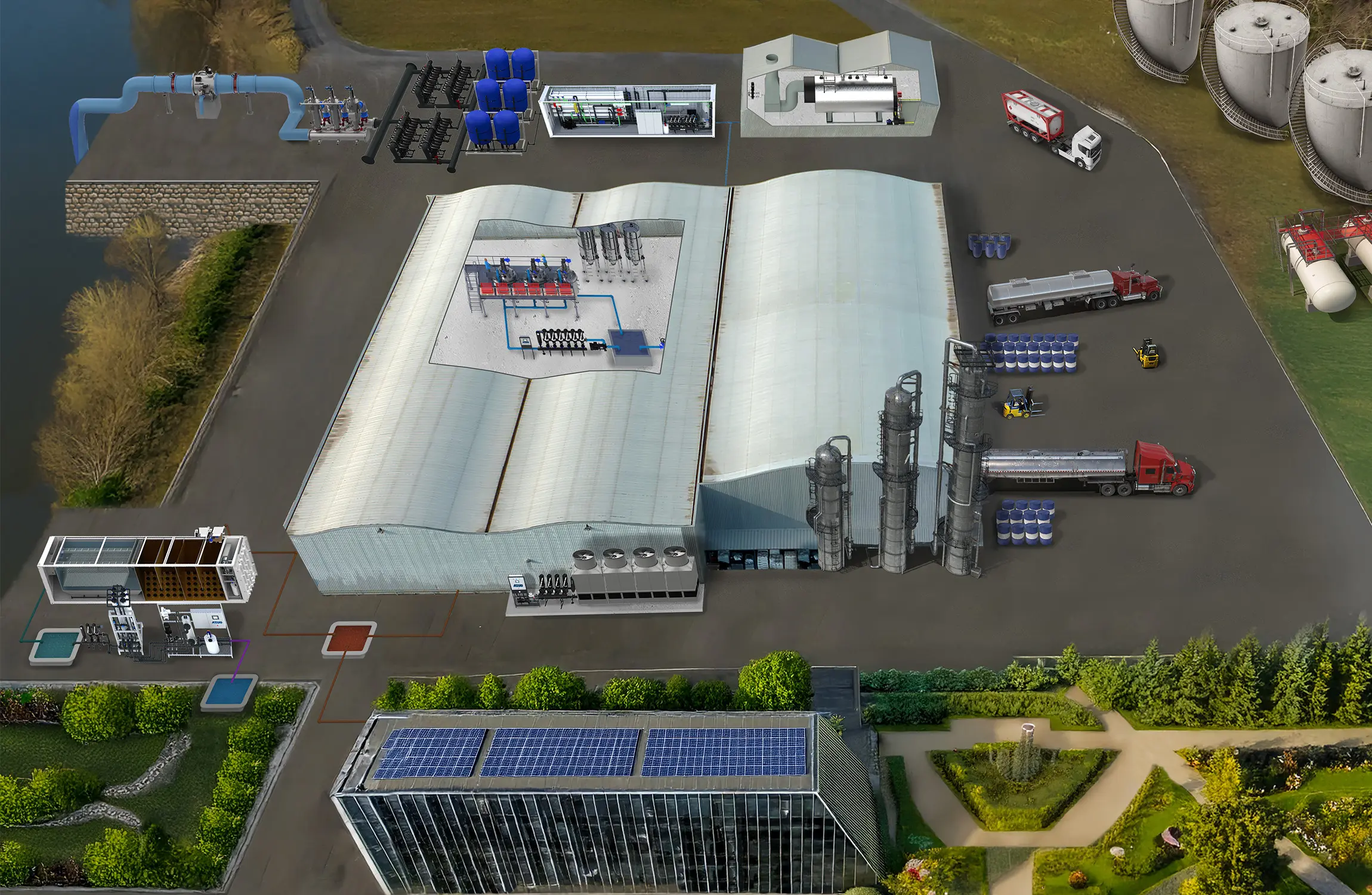

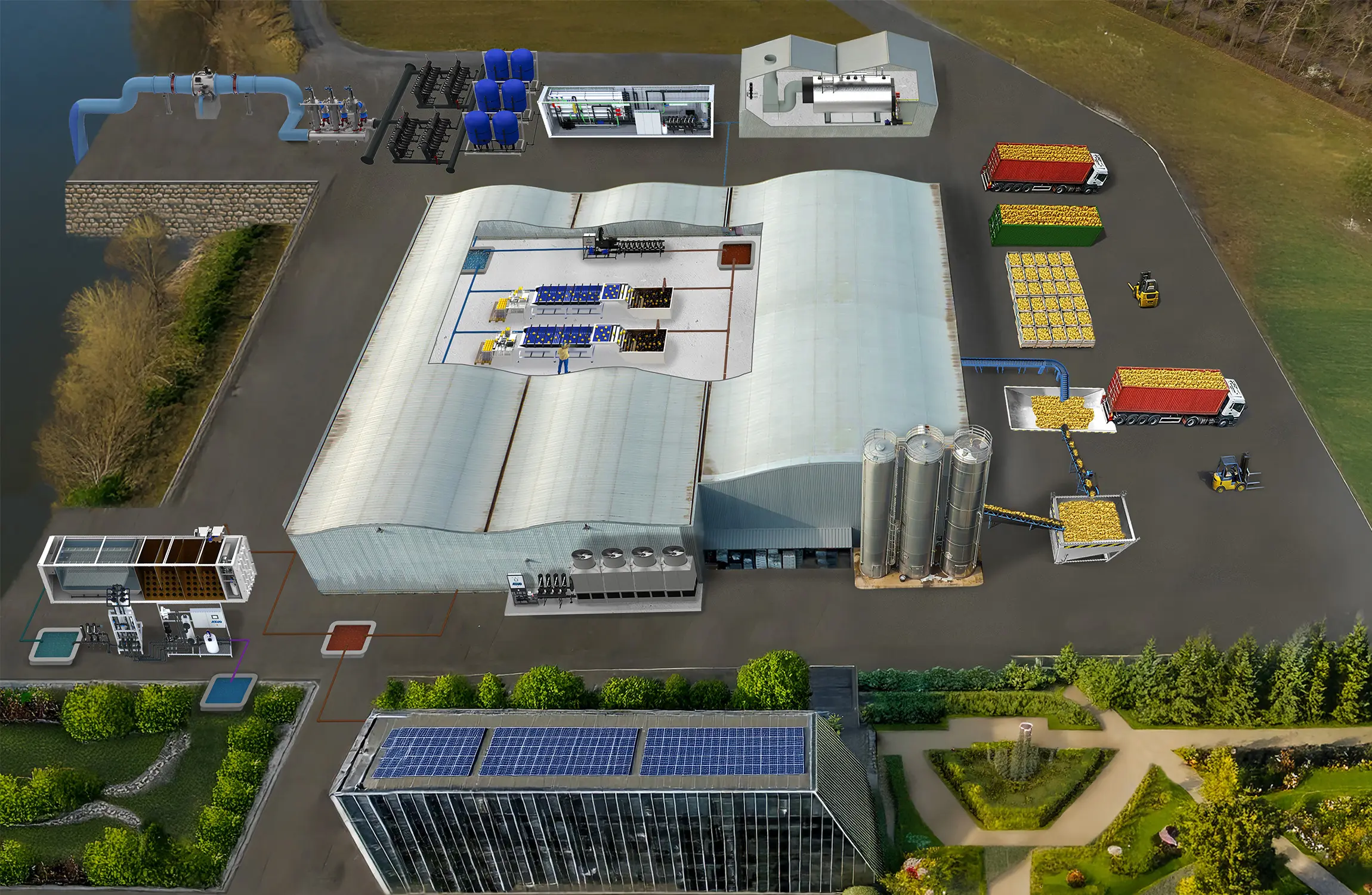
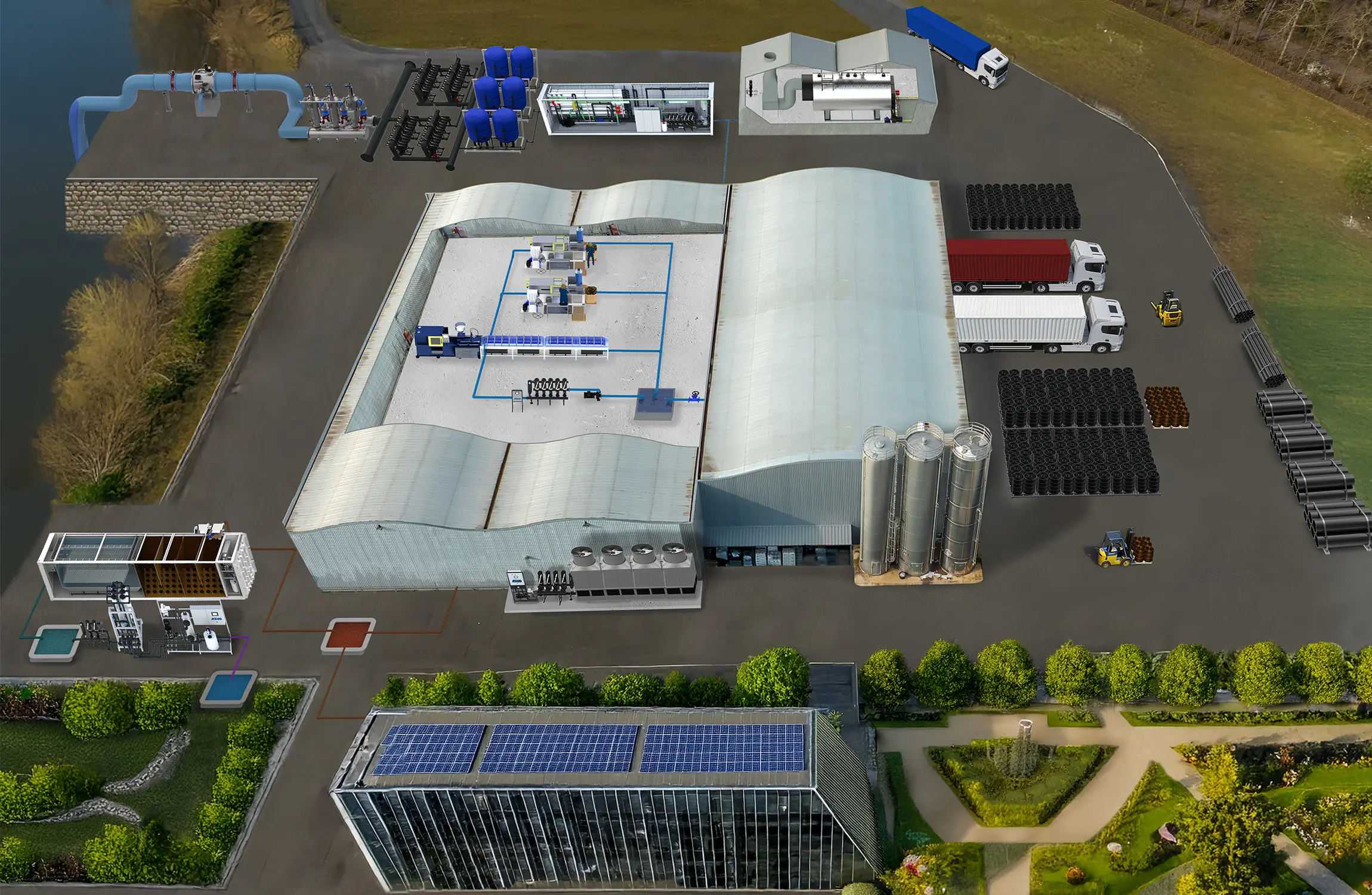






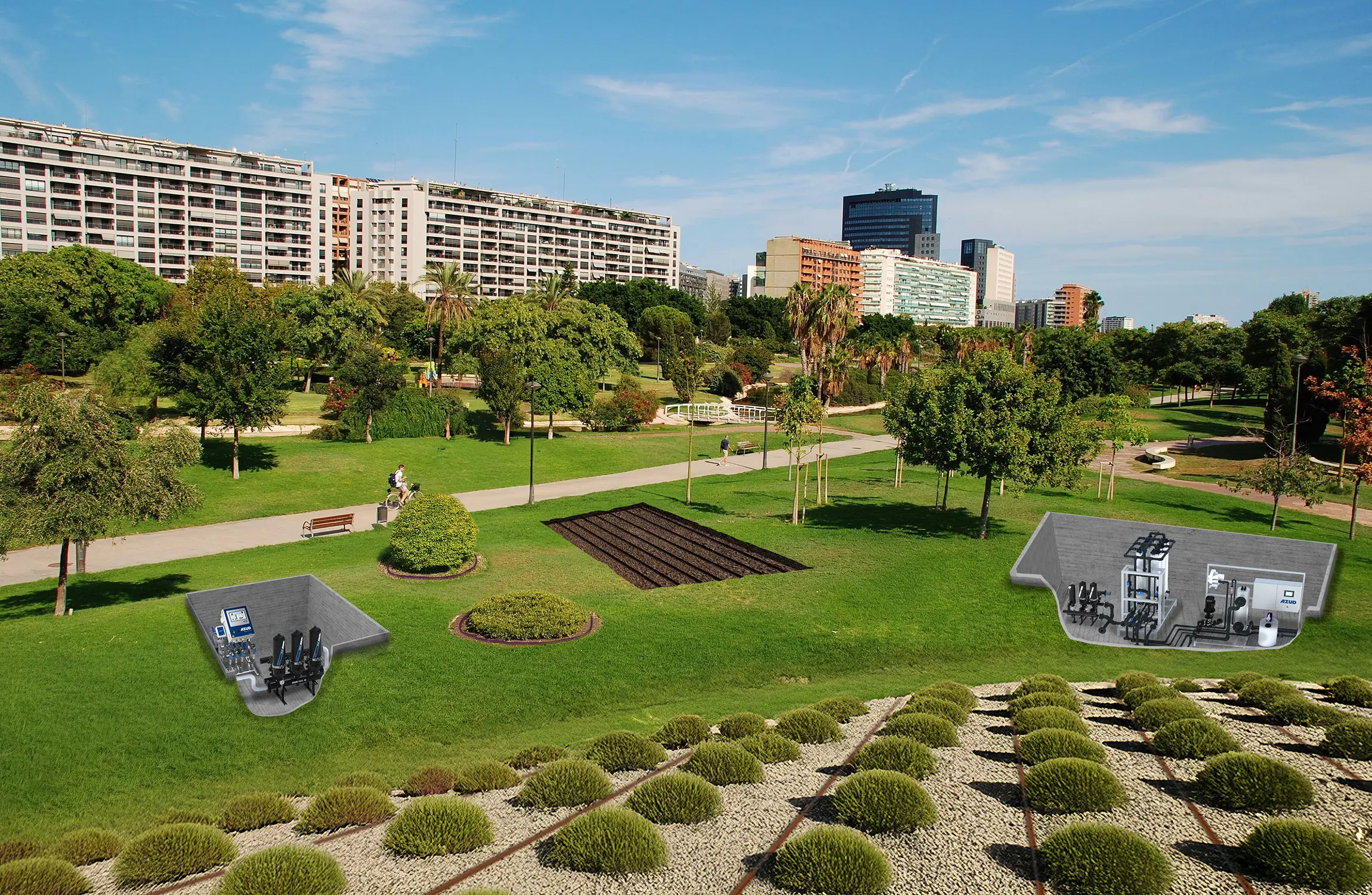


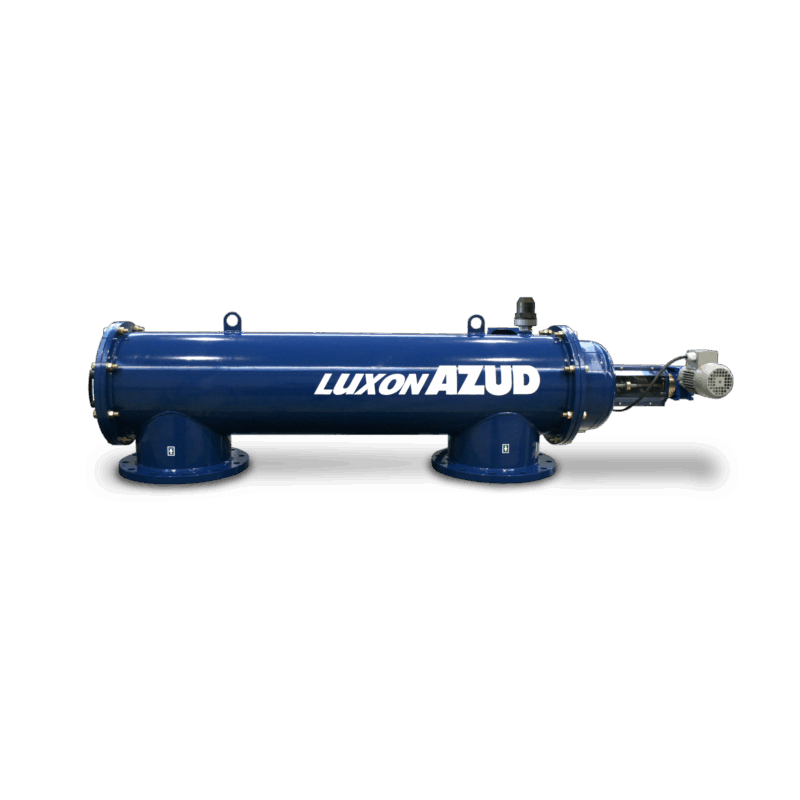
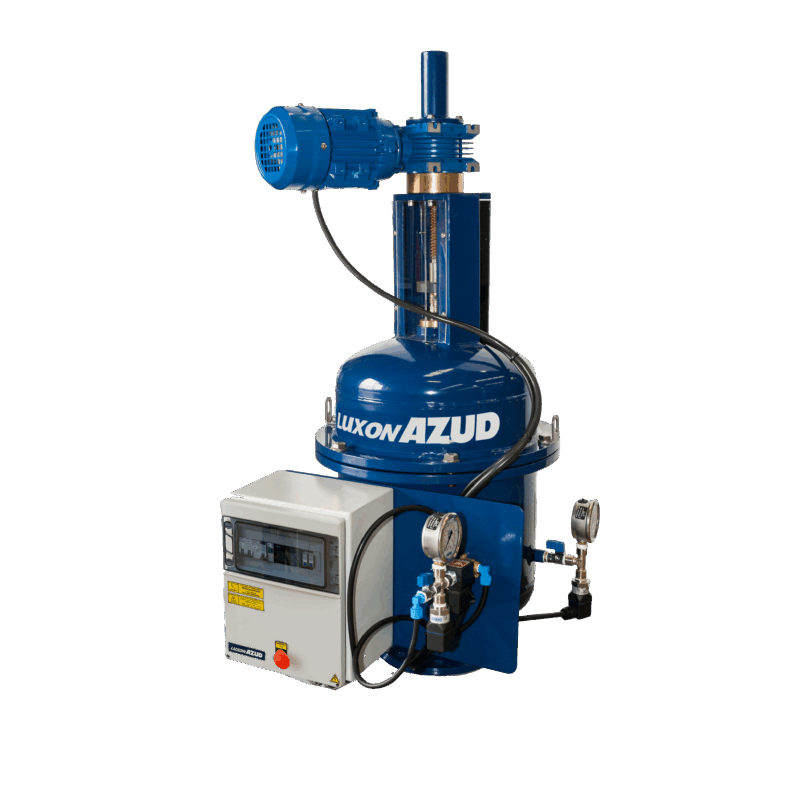
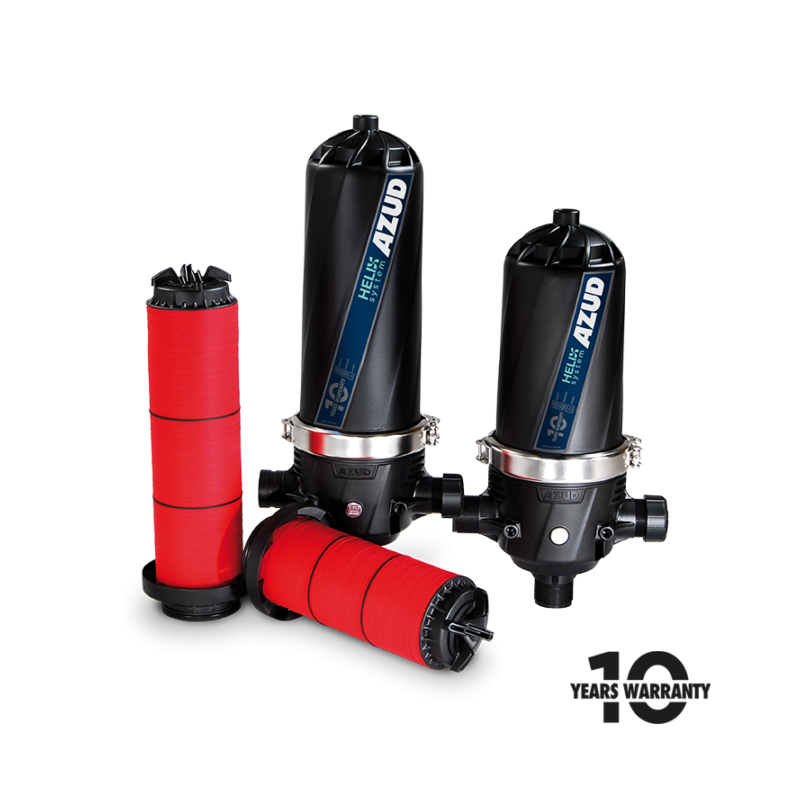
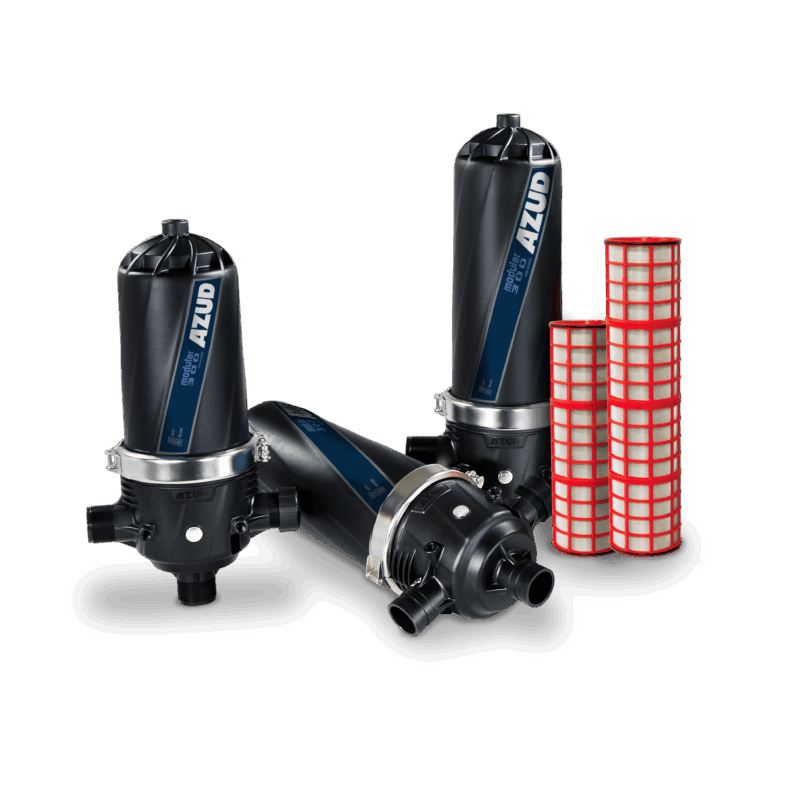

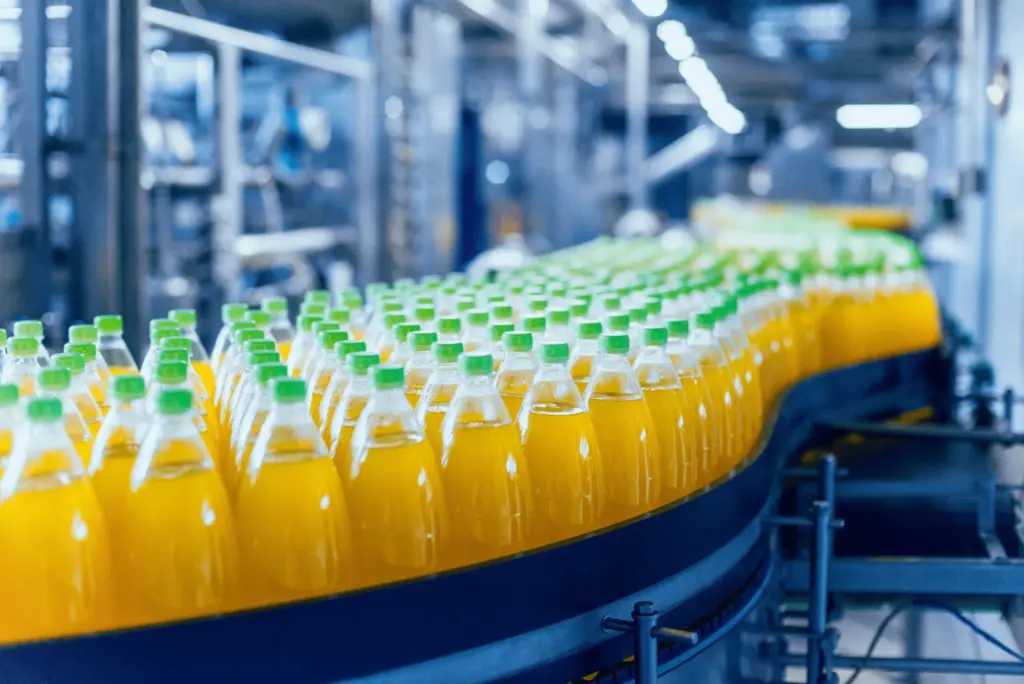
The beverage industry faces the ongoing challenge of optimizing water consumption and ensuring water quality at every stage of the production process. Disc filtration solutions from AZUD They enable these objectives to be met through specific applications that not only ensure the quality of process water but also improve operational efficiency and reduce the environmental impact of bottling plants.
Below are four key applications in which AZUD’s disc filtration systems have proven to be essential partners for this industry.
Filtered during the bottle disinfection/pasteurization process
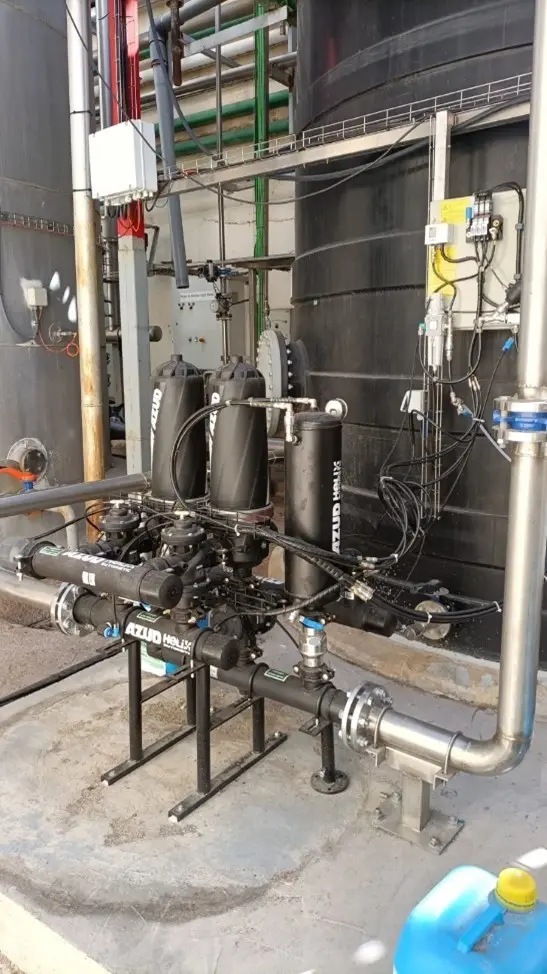
In glass bottle reuse lines, it is essential to disinfect the bottles before filling to ensure product safety and quality. This disinfection process requires high-quality water, as any impurities could compromise the sterility of the bottles.
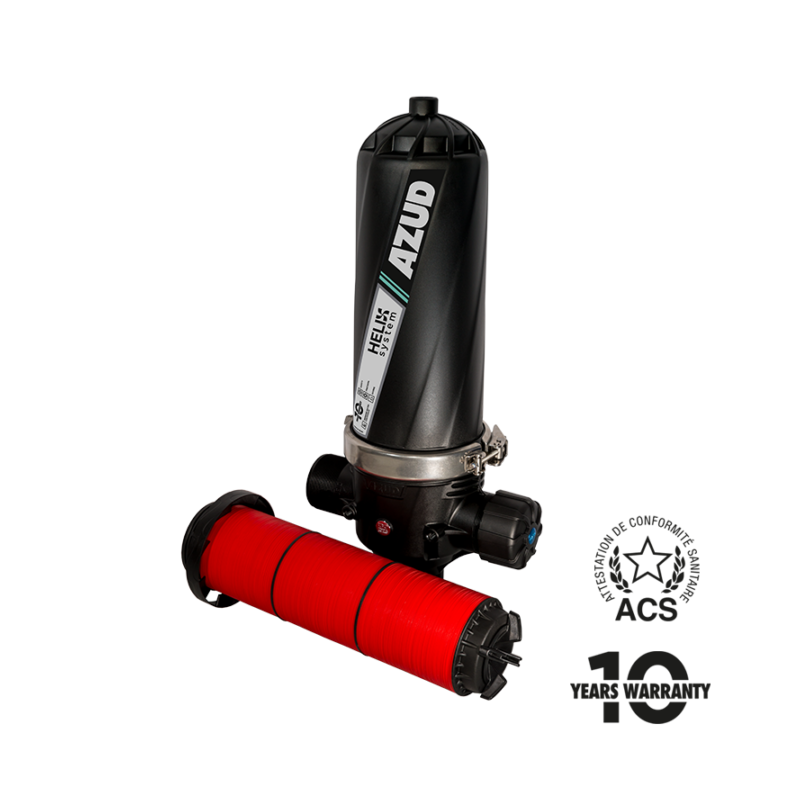
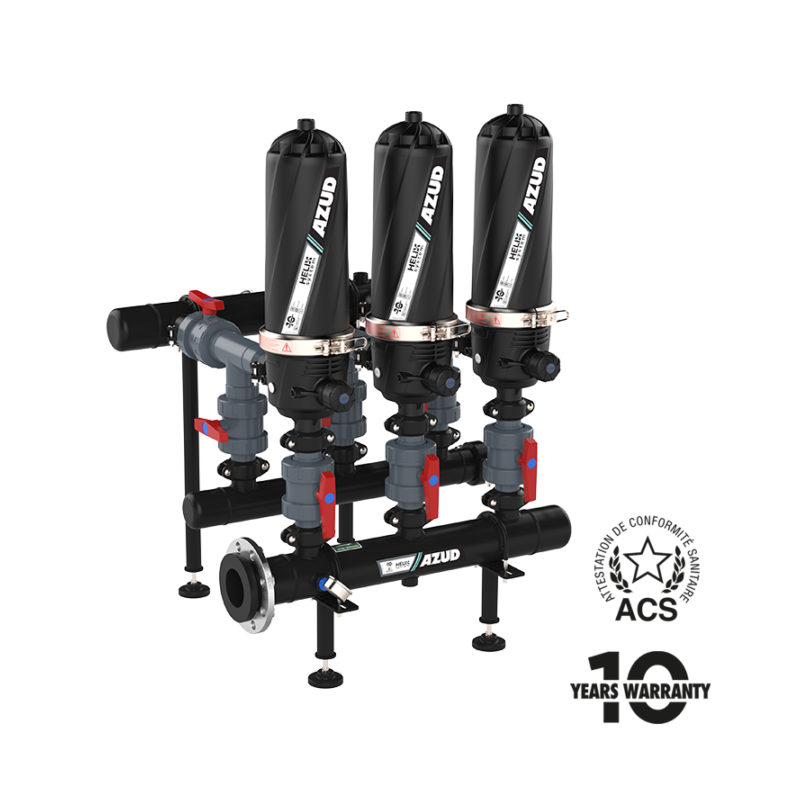
AZUD disc filtration technology effectively removes suspended solid particles from the disinfection line, allowing for the reuse of a large portion of this water.
This not only reduces water consumption but also decreases the amount of chemicals needed for disinfection and energy consumption by reusing process water maintained at a temperature of 50°C.
Thanks to this technology, bottling plants not only optimize their resources but also reduce their environmental impact, helping to improve their sustainability metrics.
Filtration of Groundwater
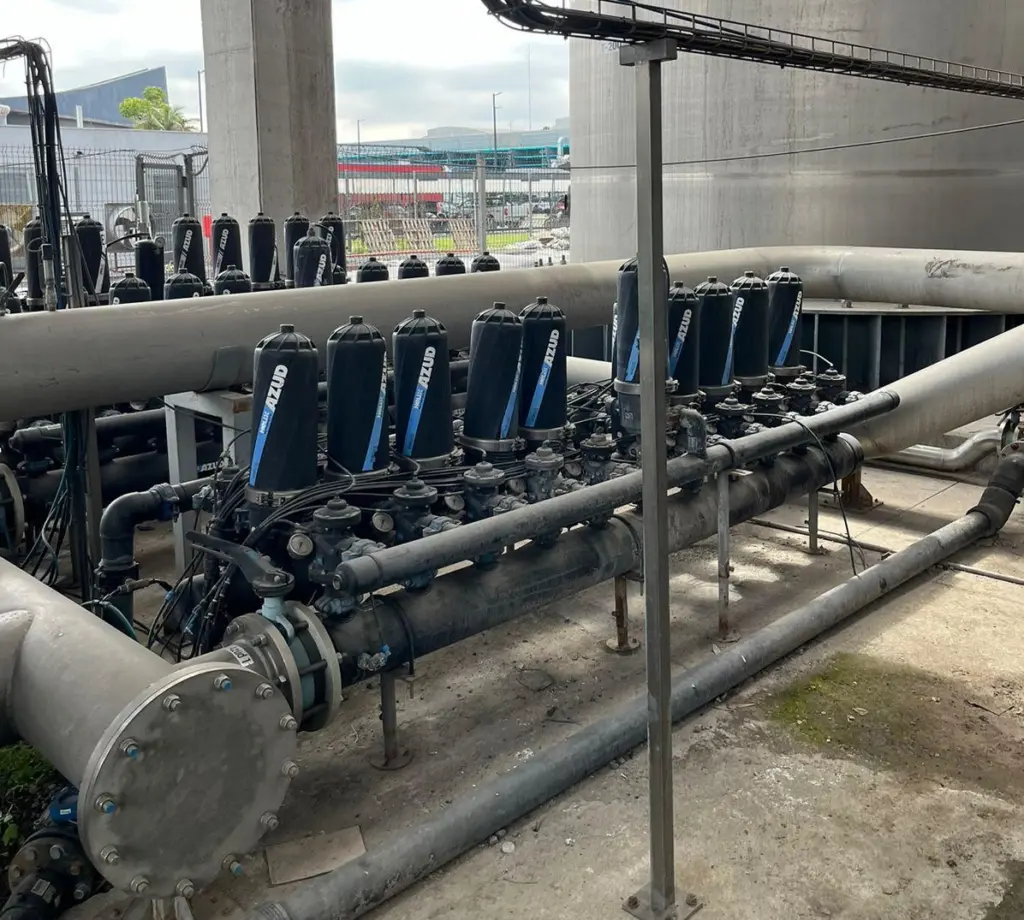
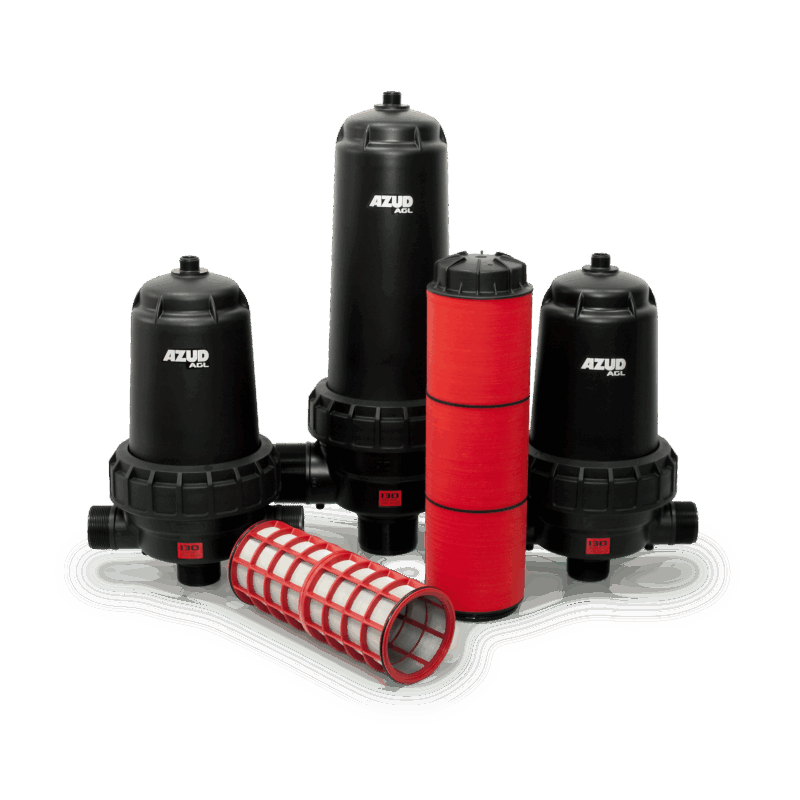
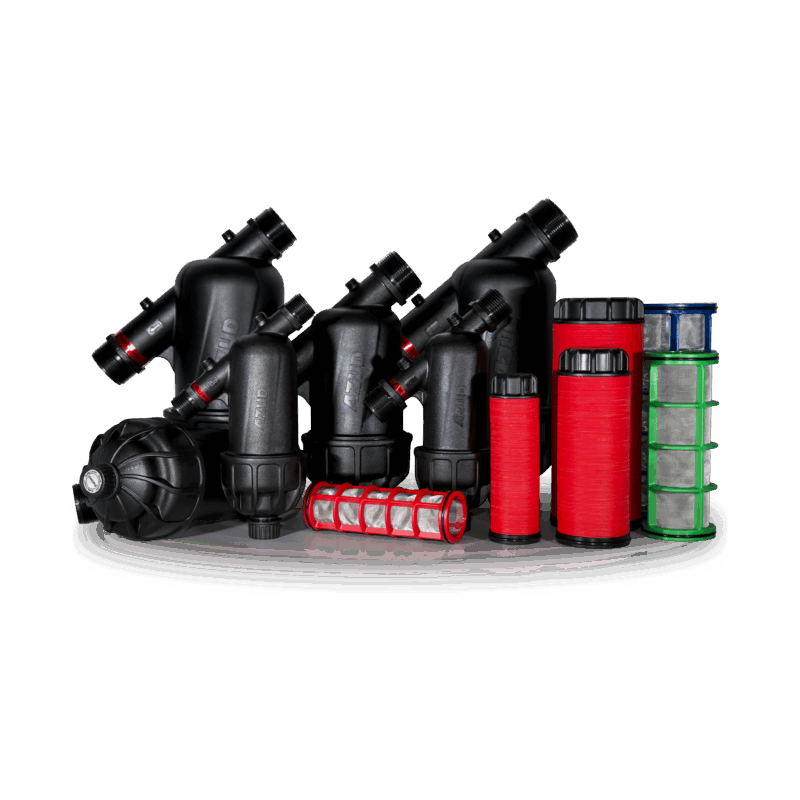
Intake water, whether from wells or surface sources, often contains suspended solids that must be removed to ensure quality in production processes. AZUD’s disc filters are designed to remove particles ranging from 5 to 400 microns, ensuring high-quality source water from the start of the bottling process.
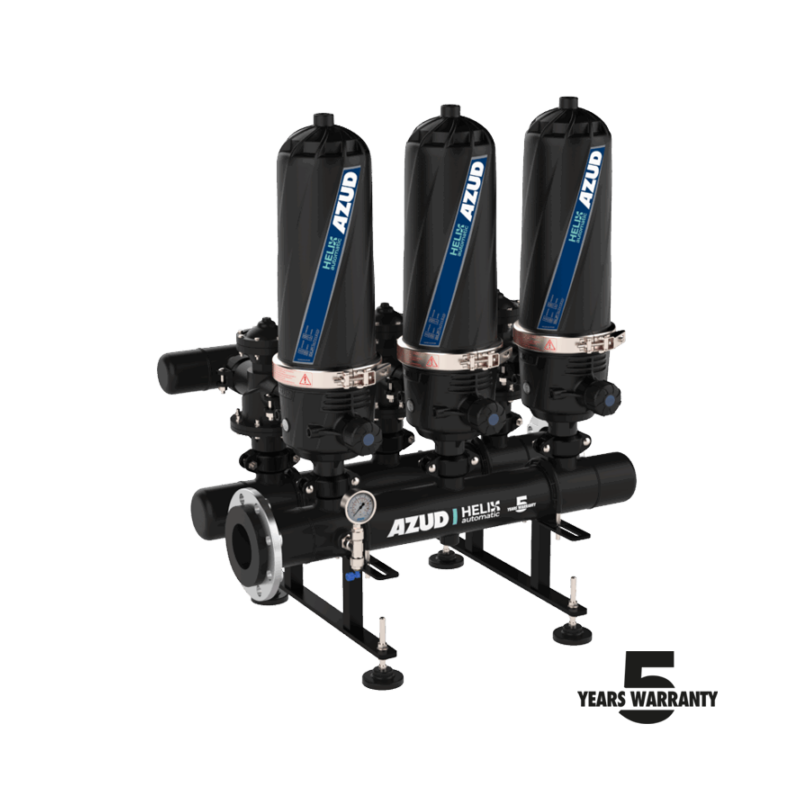
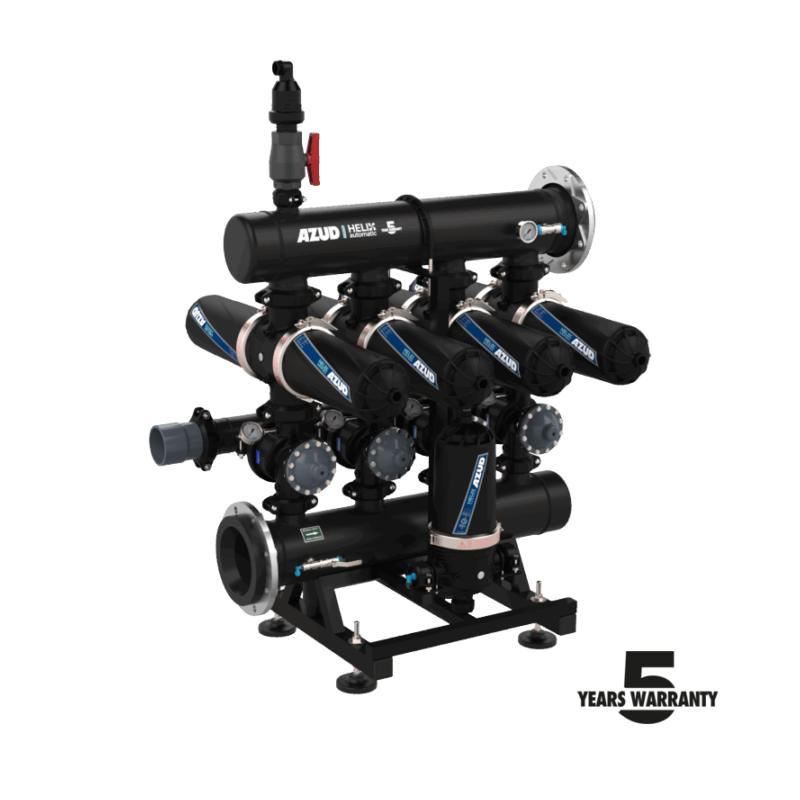
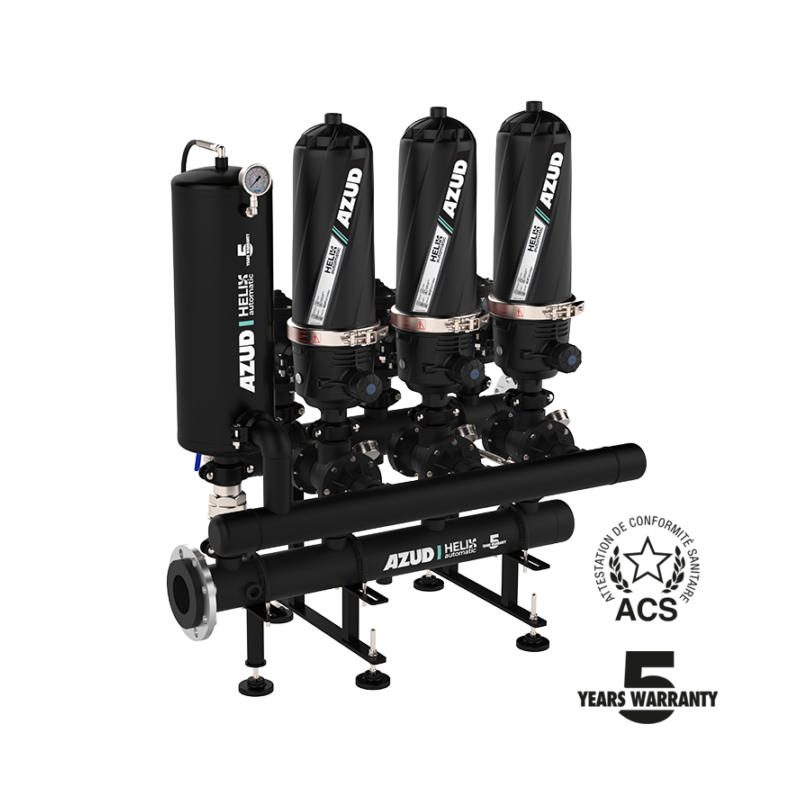
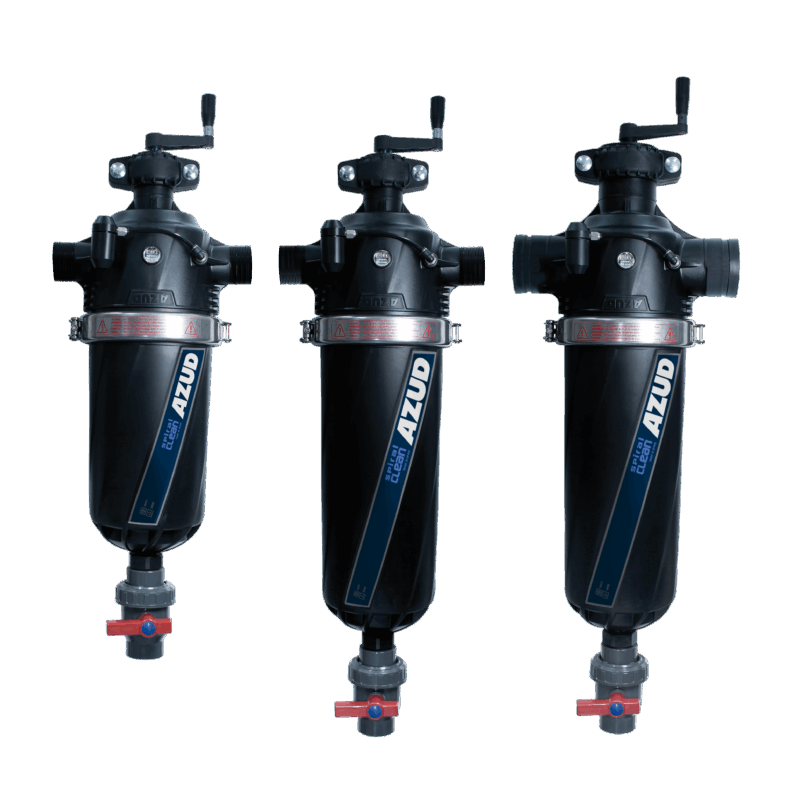
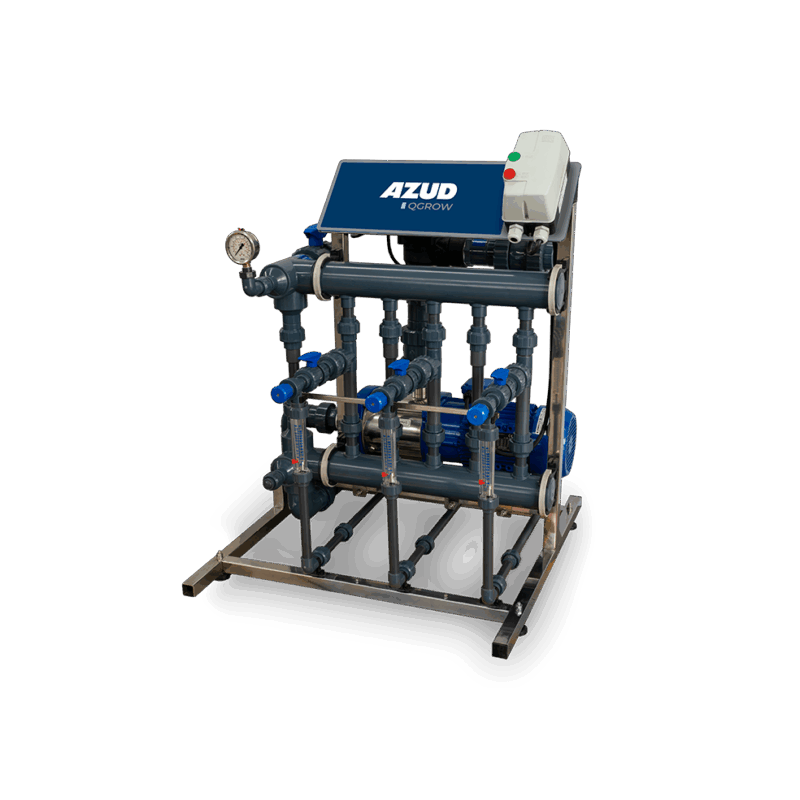
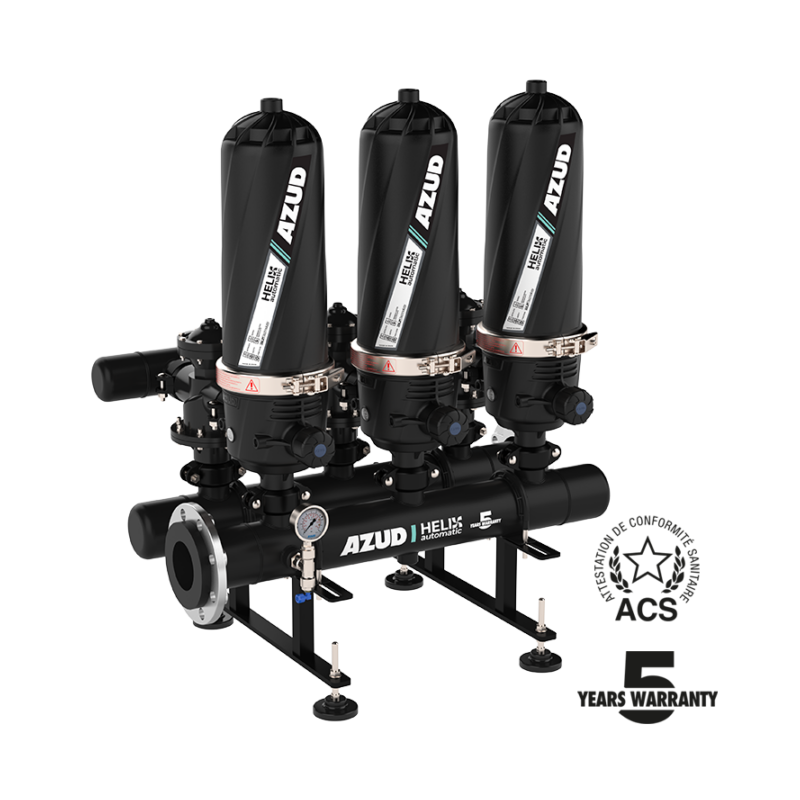
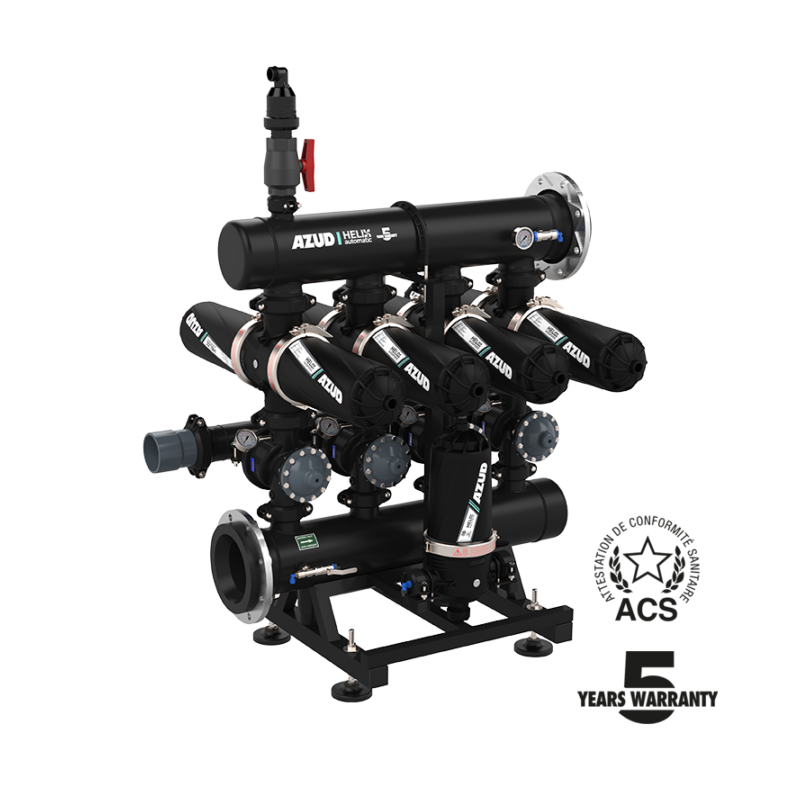
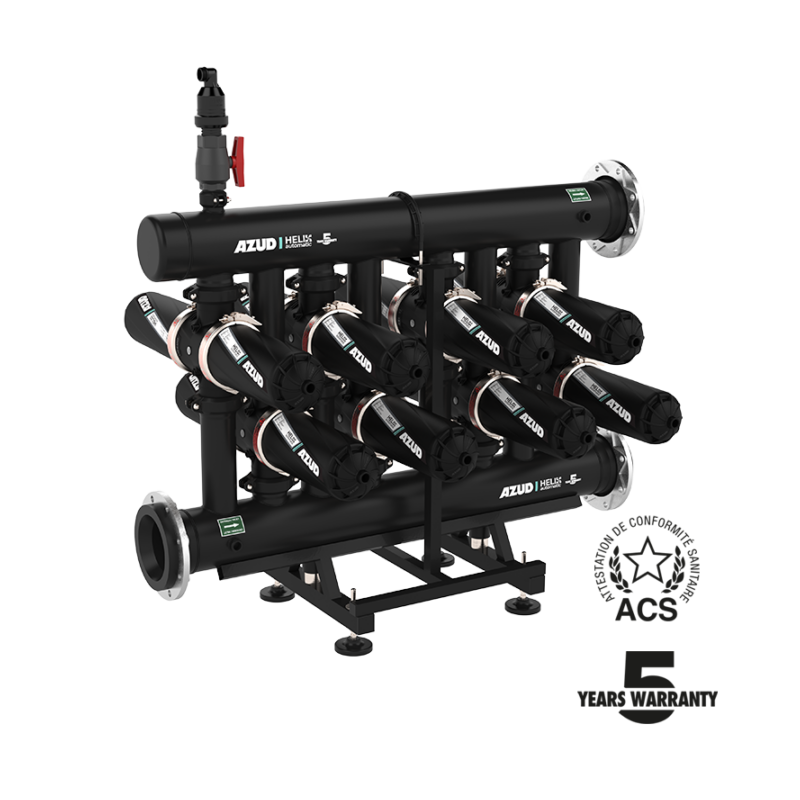
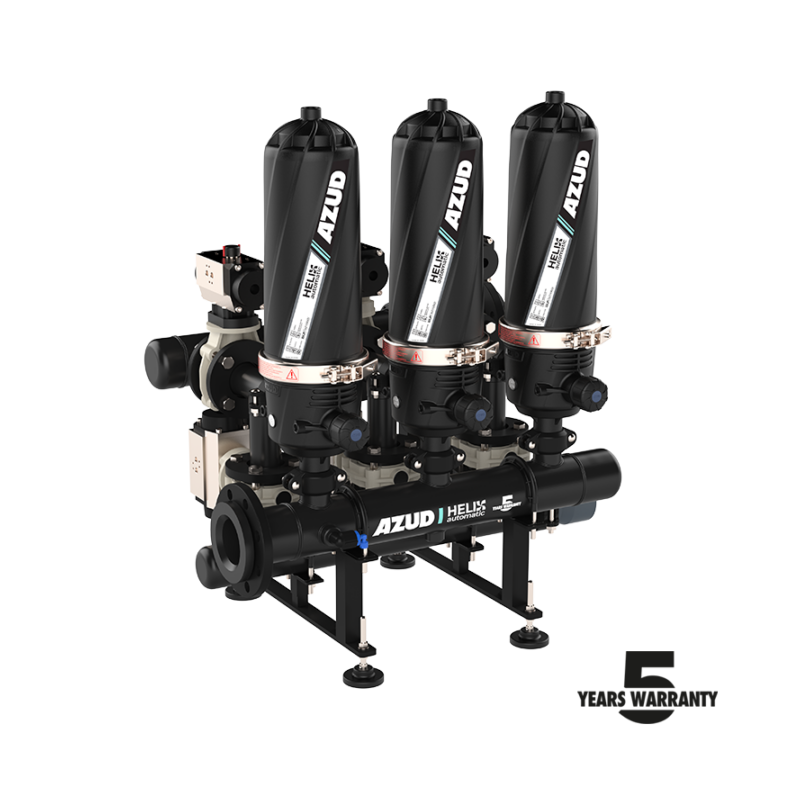
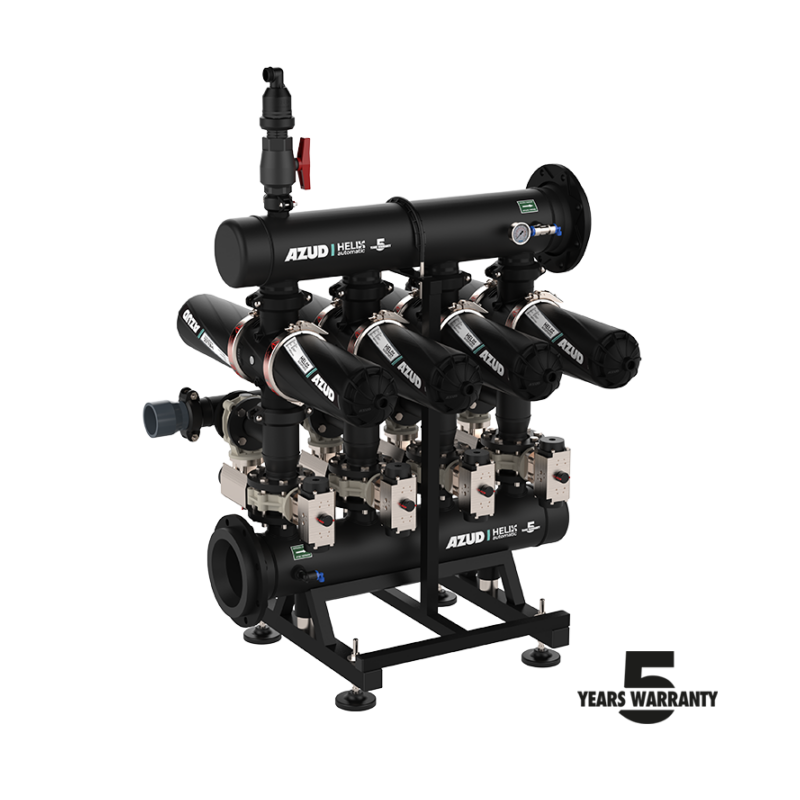
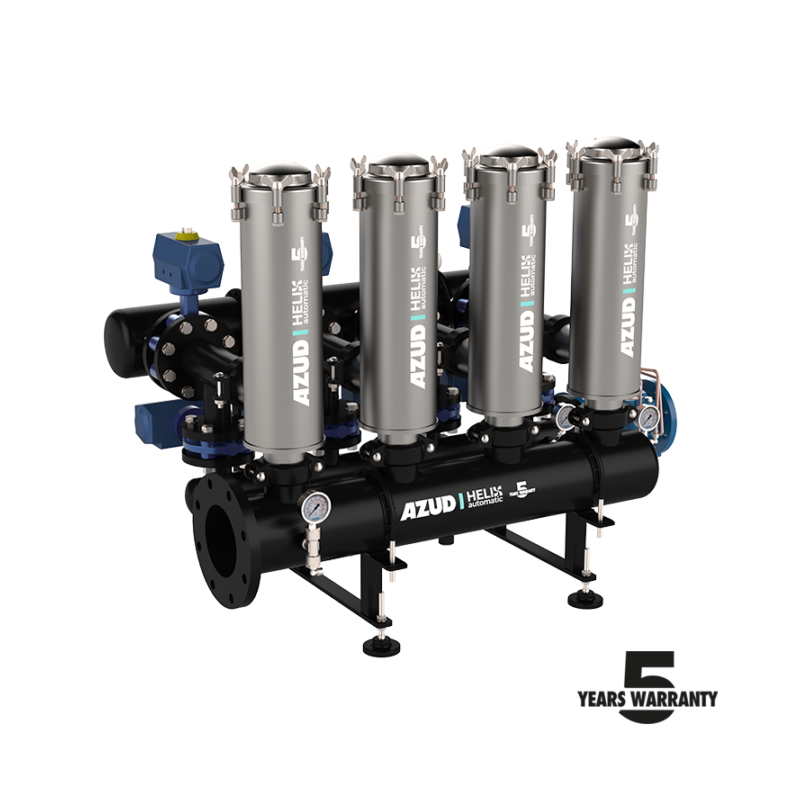
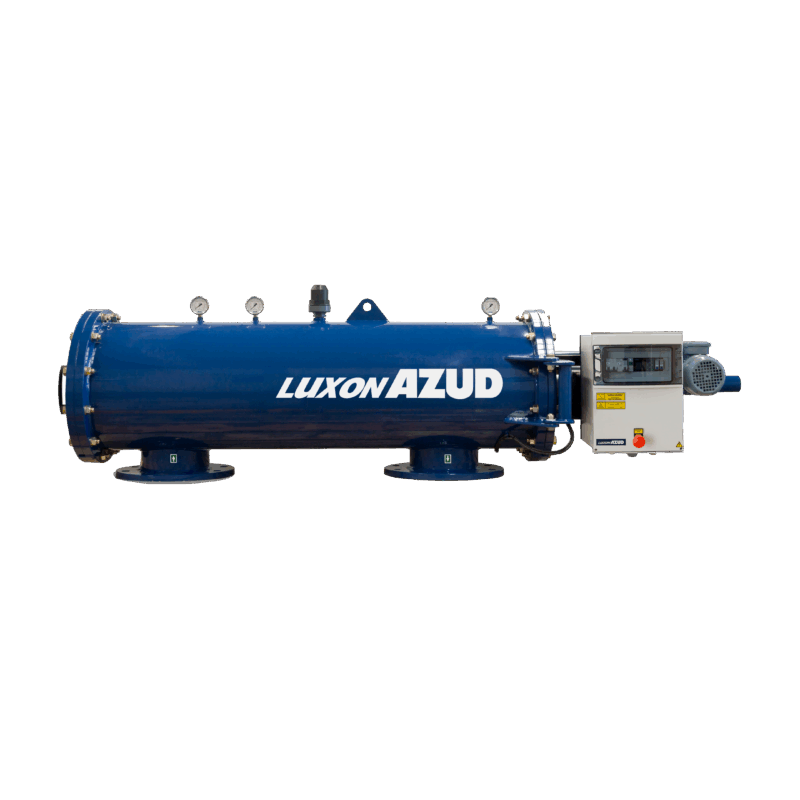
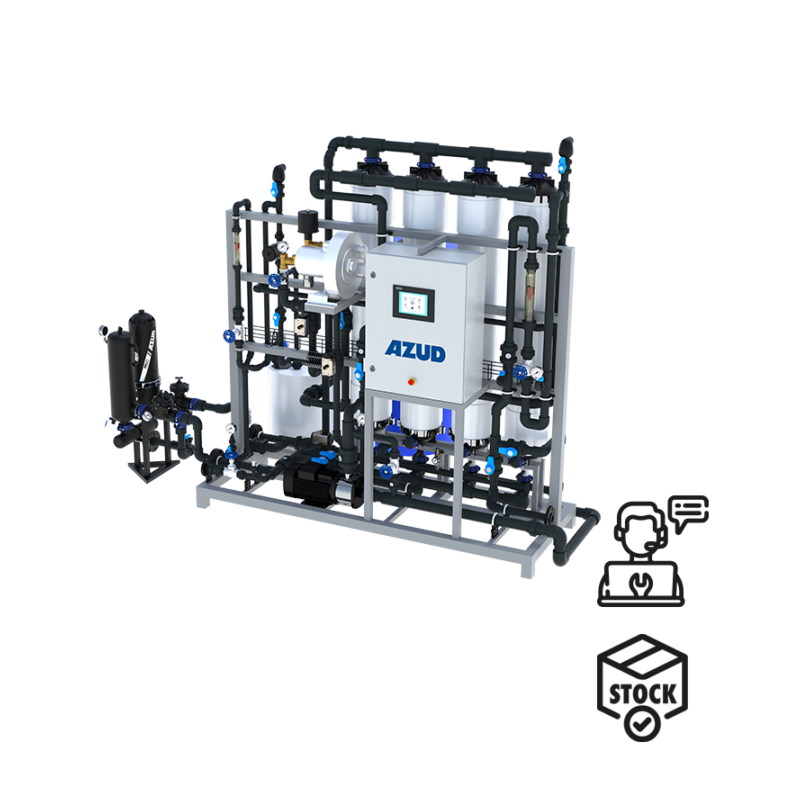
A notable example is the company EMBOTELLADORA ANDINA, where the filtration systems AZUD HELIX AUTOMATIC They protect the well water intake system by preventing suspended particles from entering downstream processes. By implementing these systems, bottling companies improve their plant’s overall efficiency and optimize water consumption, ensuring smooth, high-quality operations.
Filtration Media Protection
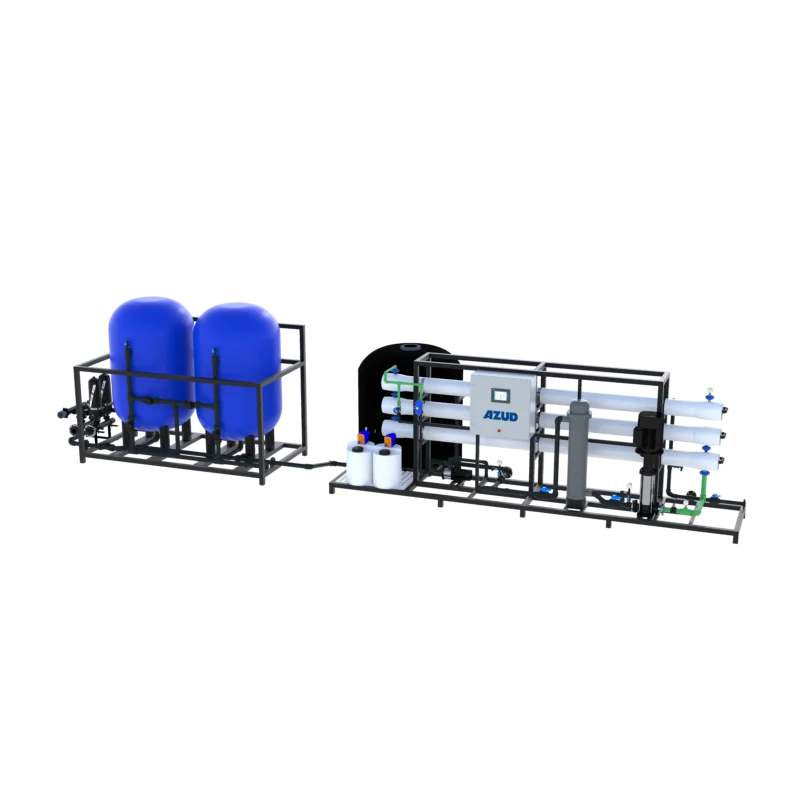
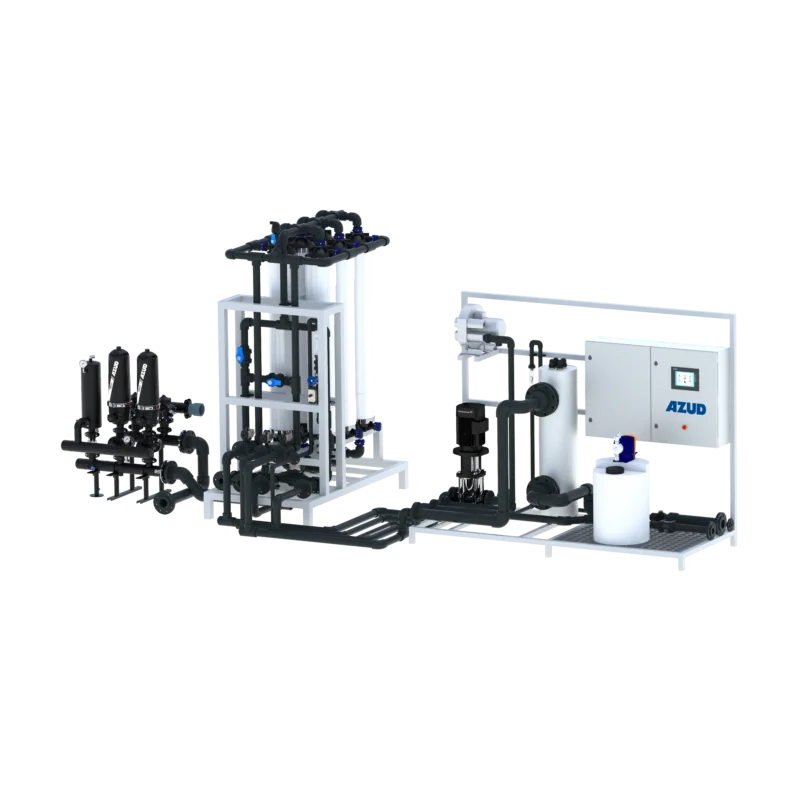
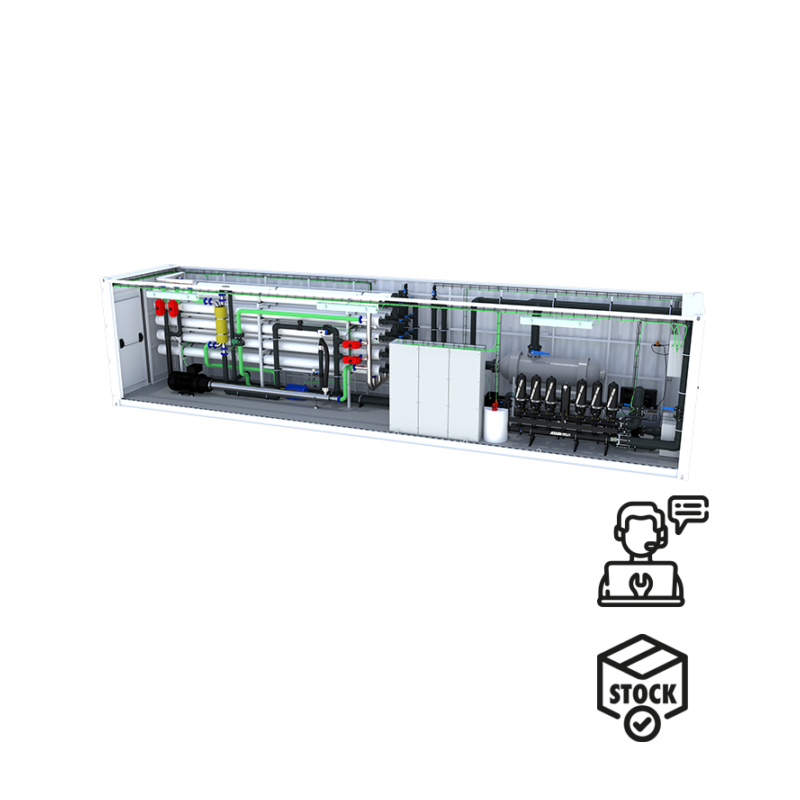
When used in combination with other filtration technologies, AZUD disc filters act as pre-filters, extending the service life of specific filtration media, such as sand filters, microfiltration cartridges, and ultrafiltration and reverse osmosis membranes. When used upstream of sand or activated carbon filters, disc filters significantly reduce the frequency of backwashing, resulting in significant water savings and improved efficiency in sand filters.
In plants with membrane systems, these disc filters serve as an effective barrier against particles that could clog microfiltration cartridges and damage membranes during periods of poor water quality. By reducing filter wear and protecting the membranes, this solution helps bottling plants optimize both water consumption and their water footprint, ensuring continuous and reliable operation.
Protection of Heat Exchangers
Heat exchangers and cooling towers in the beverage industry rely on impurity-free water to maintain thermal efficiency and minimize the use of chemicals and the purges required to control concentration cycles.
AZUD disc filtration systems in these applications ensure that the water reaching the heat exchangers is free of particles, thereby ensuring optimal heat transfer and preventing deposits on heat transfer surfaces. This not only reduces chemical consumption and purges but also enables a more efficient and sustainable cooling system with minimal water consumption.
Improves water quality and reduces the water footprint
AZUD’s disc filtration solutions enable the beverage industry to address challenges related to quality, sustainability, and water use efficiency. From filtration and bottle disinfection to the protection of heat exchangers, AZUD’s filtration equipment not only optimizes the bottling process but also reinforces bottlers’ commitment to sustainability and responsible resource management. This innovative approach positions AZUD as a strategic partner for bottlers seeking to maximize their water efficiency and contribute to a more sustainable future in the beverage industry.