






















In our tireless quest for clean and safe water, a an invisible but serious threat has emerged: PFAS. These seemingly harmless chemical compounds have become a significant problem for drinking water quality worldwide. In this article, we will explore in detail what they are and why they pose a major challenge to our health and the environment, as well as highlight methods for their removal.
What are PFAS?
The perfluoroalkyl and polyfluoroalkyl substances (PFAS) are a group of chemical compounds characterized by their unique molecular structure, which includes a very strong carbon-fluorine bond. This characteristic makes them highly resistant to water, grease, and heat, which has led to their inclusion in a wide variety of industrial and consumption products. PFAS are found in numerous applications, ranging from nonstick coatings on frying pans to water-resistant products such as raincoats and fire extinguishers.
Problems Associated with PFAS
Despite their usefulness, PFAS pose a number of significant problems. One of the most notable is their environmental persistence, since they do not break down easily and can accumulate over time. This makes them environmental pollutants, affecting water and soil quality.
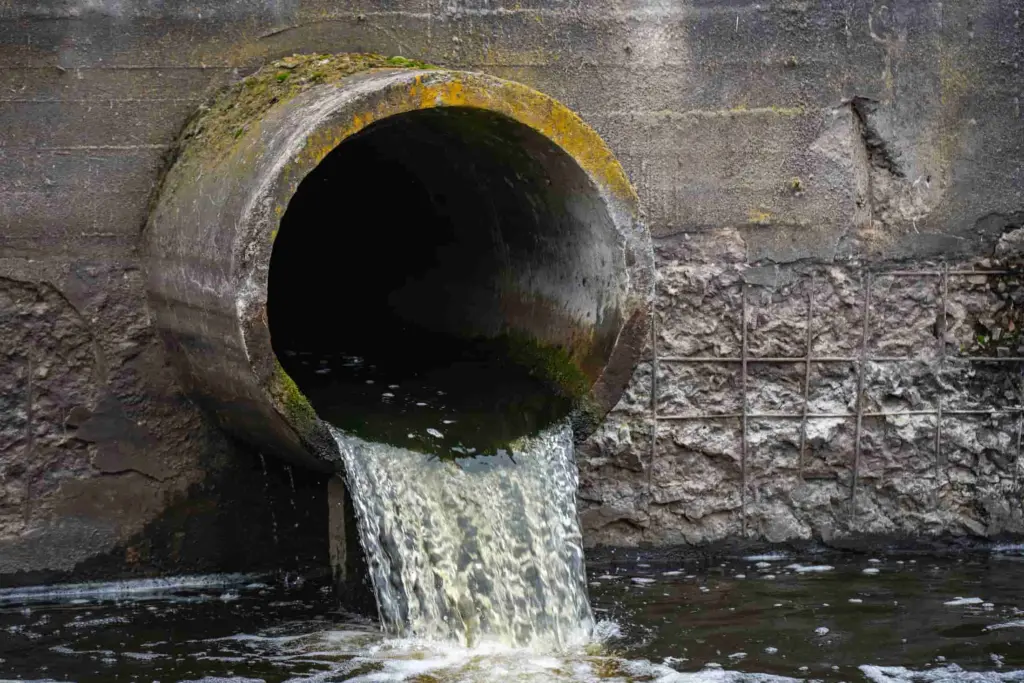
A particularly troubling problem is the drinking water contamination. PFAS can seep into aquifers and water supply systems, leading to the presence of these compounds in the water we drink and use for cooking. Furthermore, prolonged exposure to PFAS has been linked to serious health problems. The primary route of exposure for humans is through consumption of contaminated water and food.
Water Filtration Solutions by AZUD
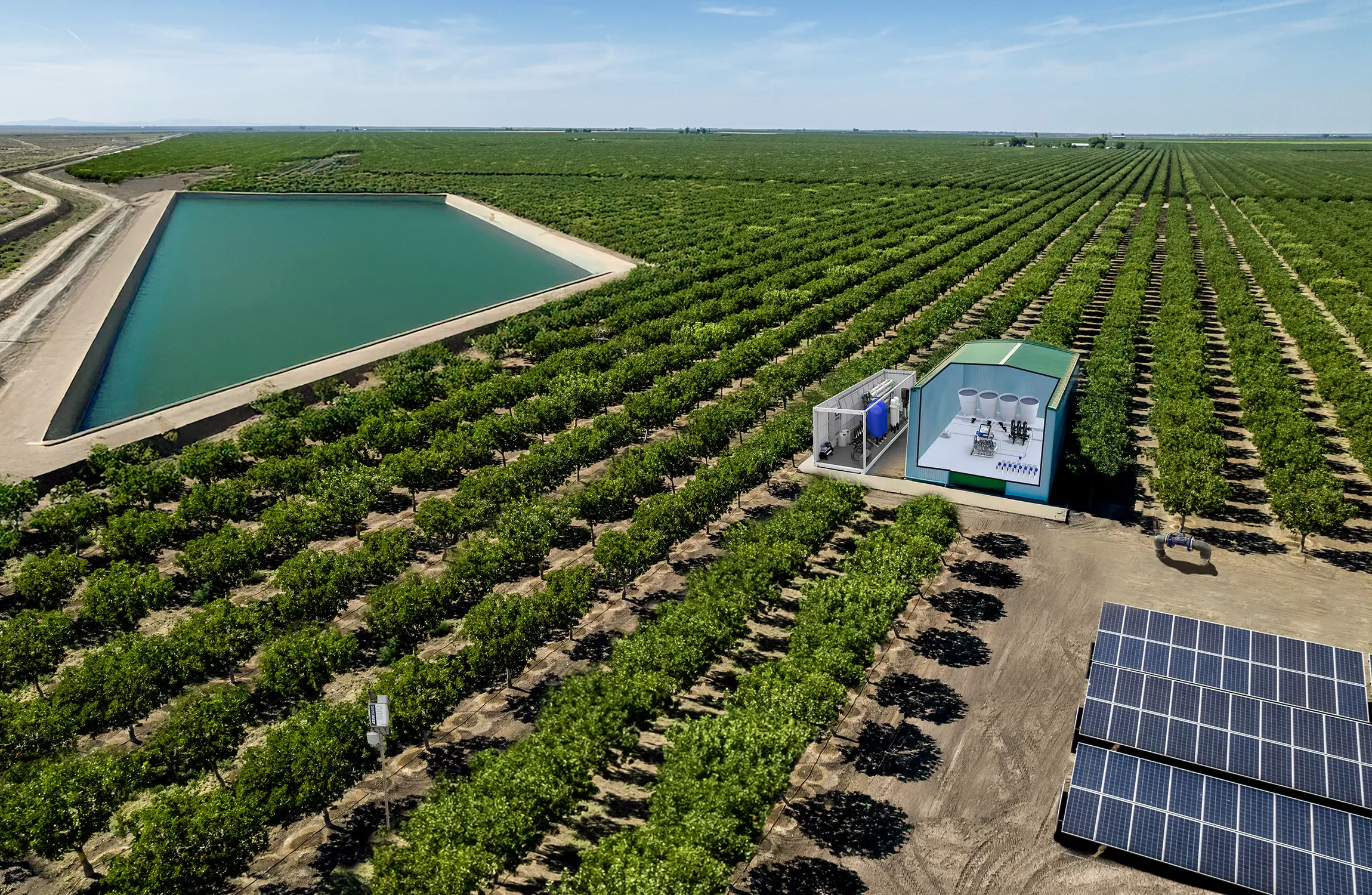
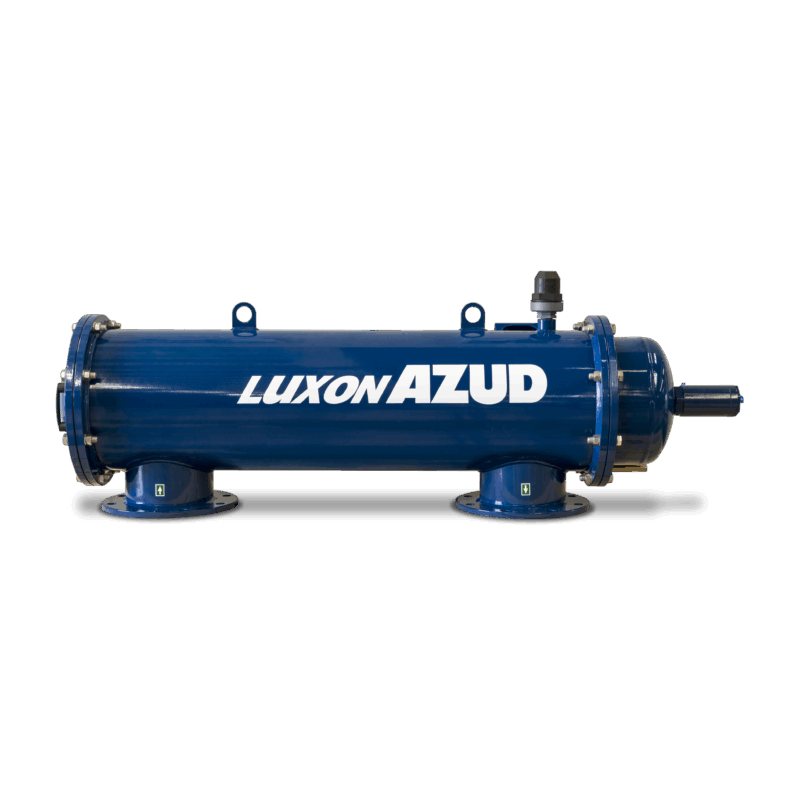
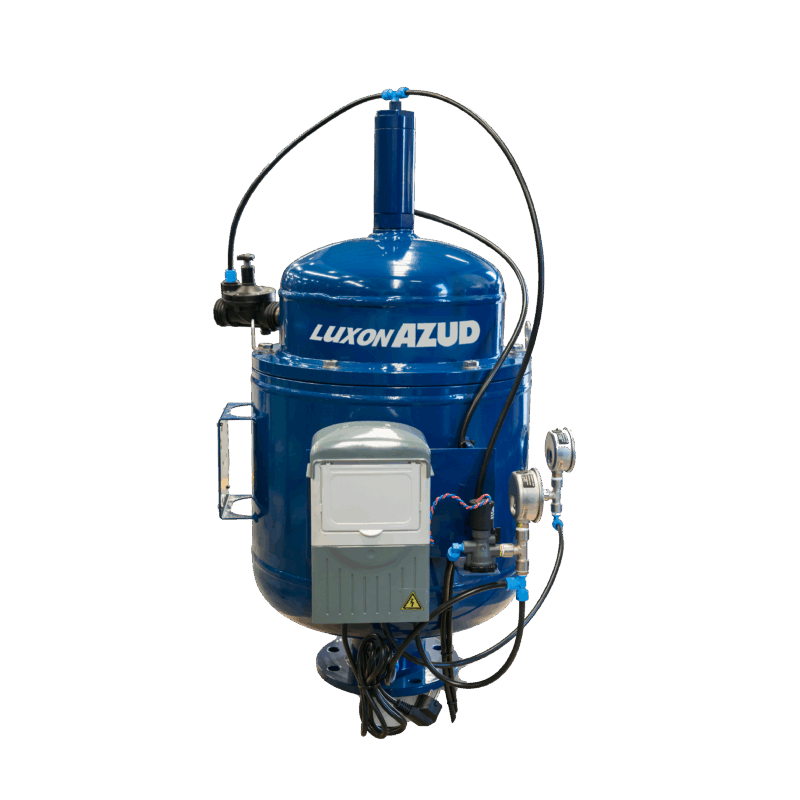
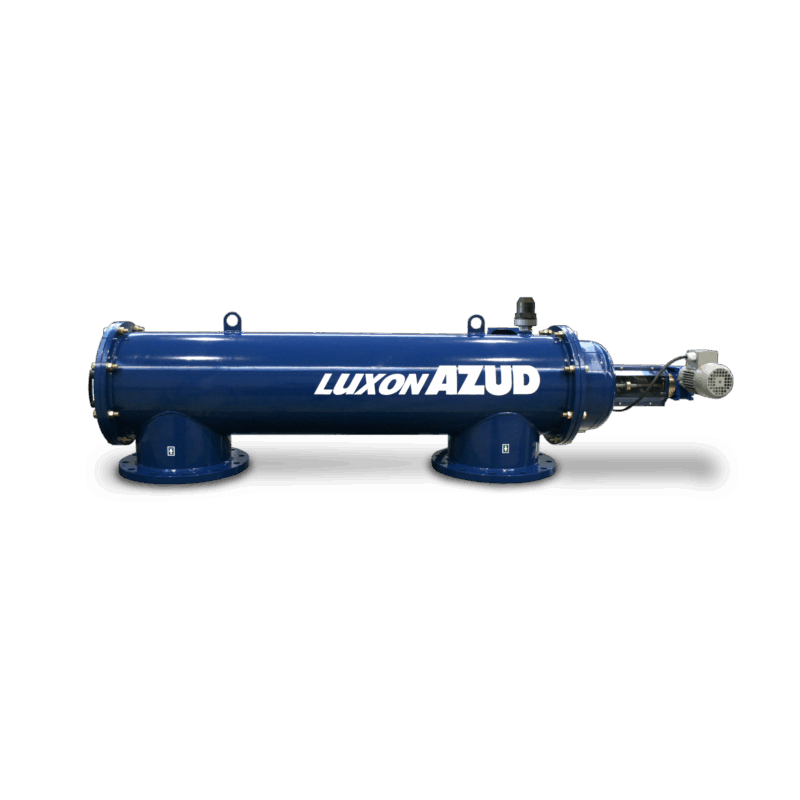
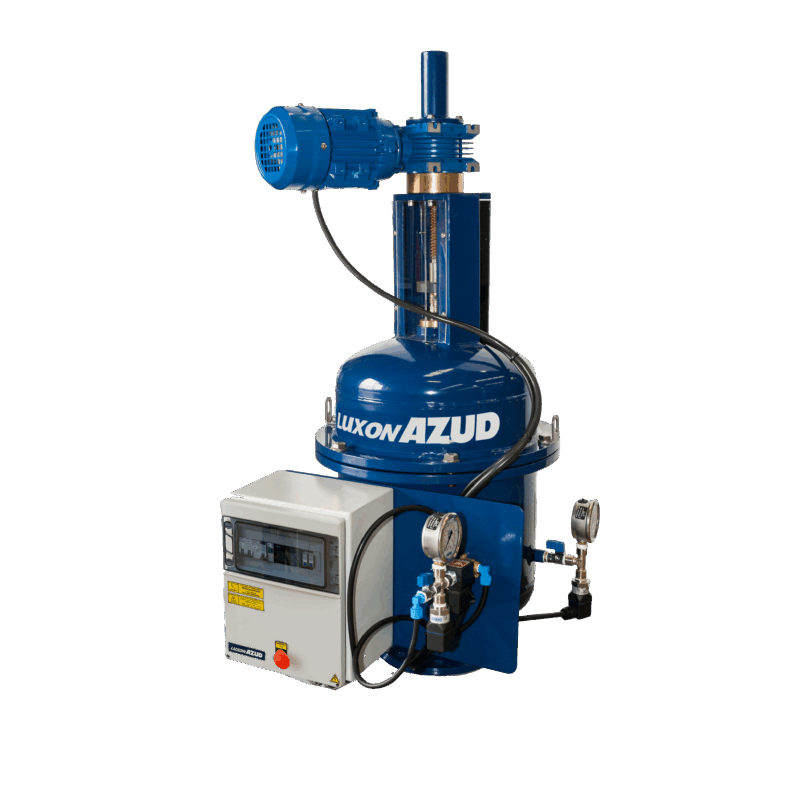
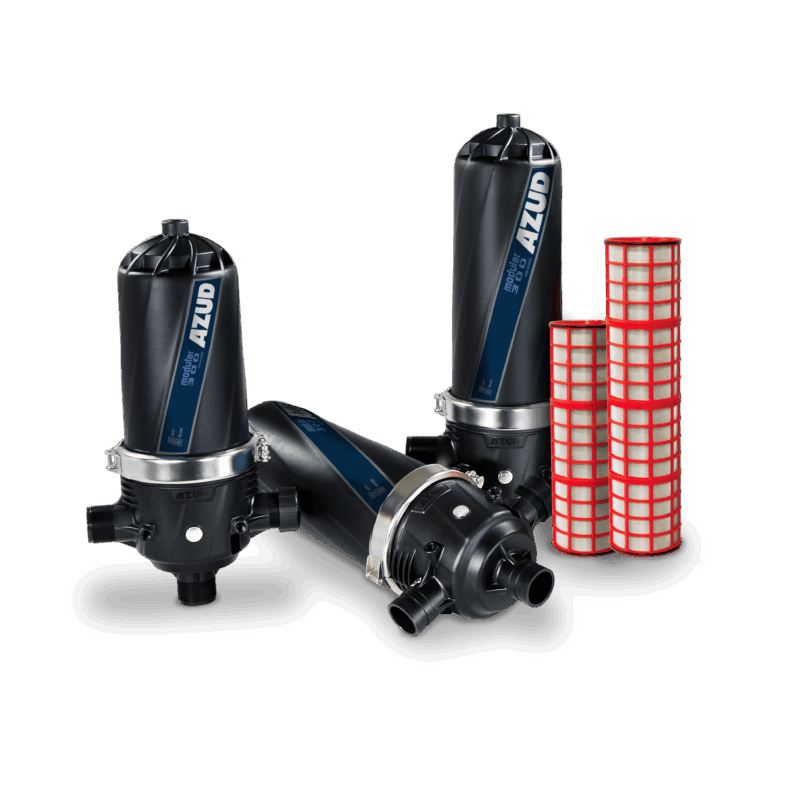
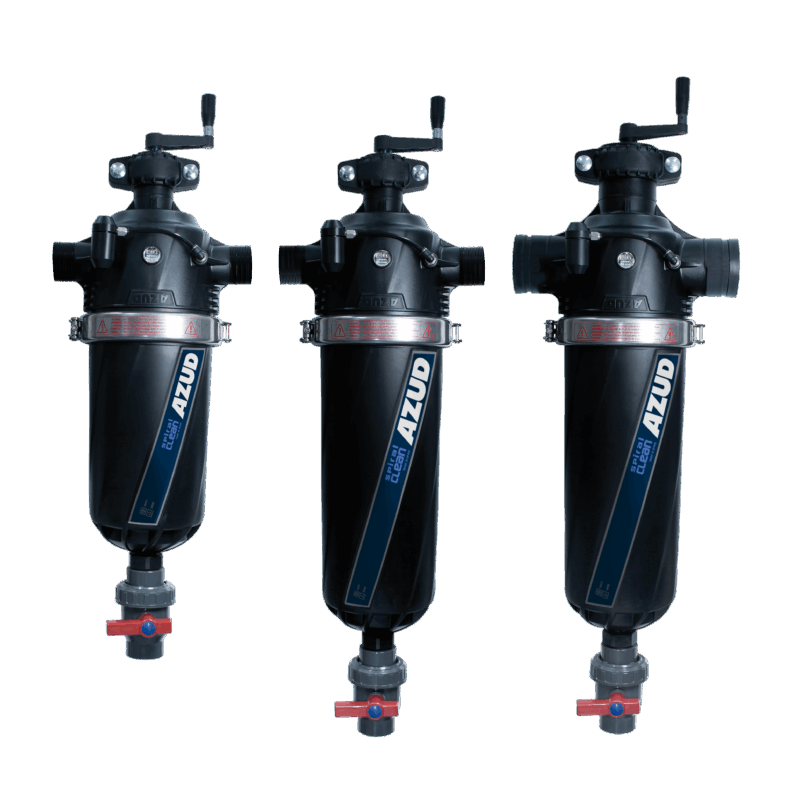
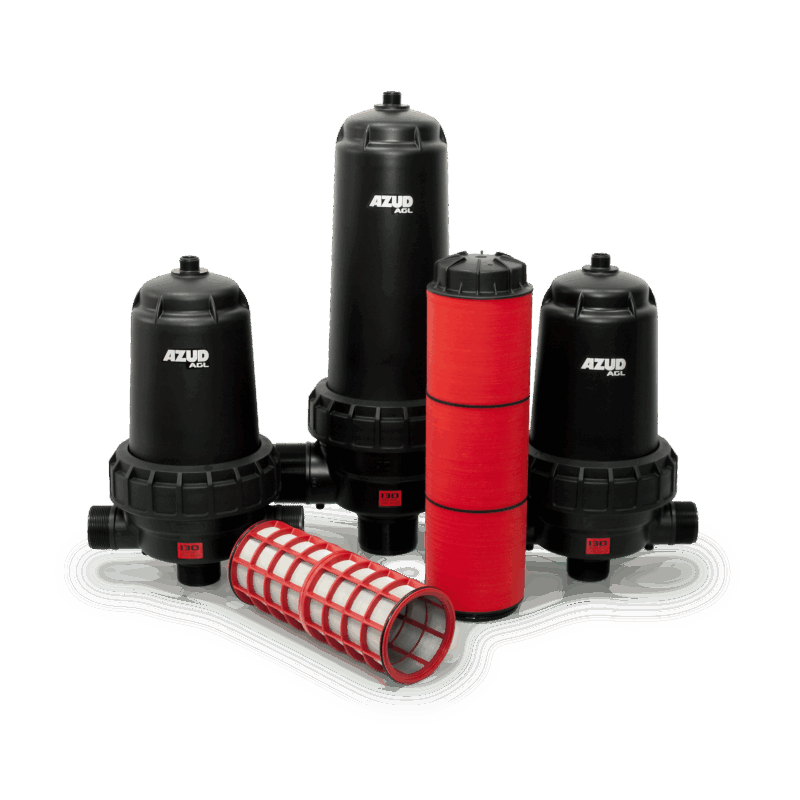
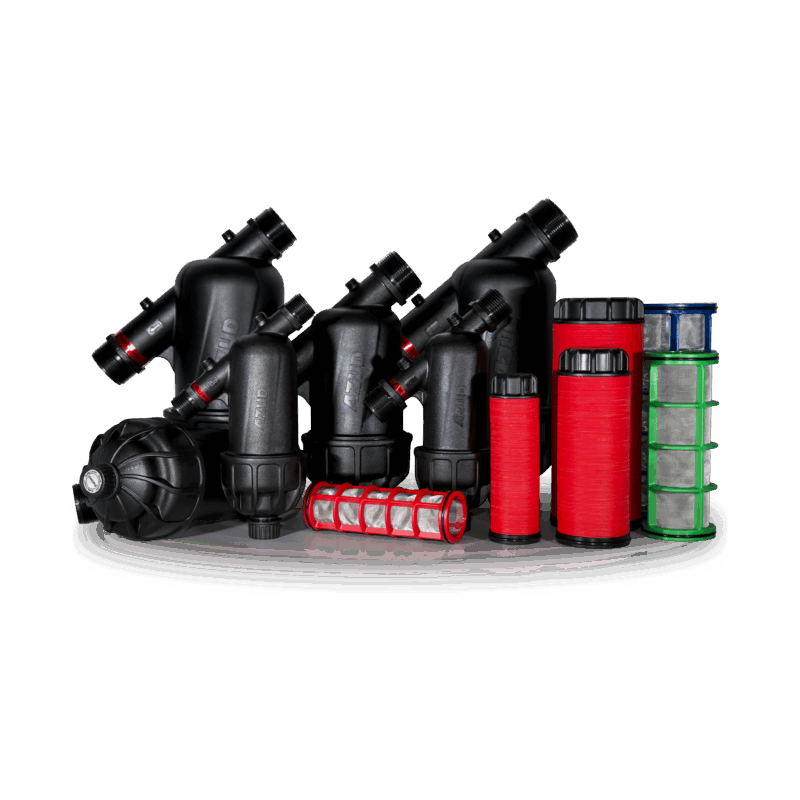
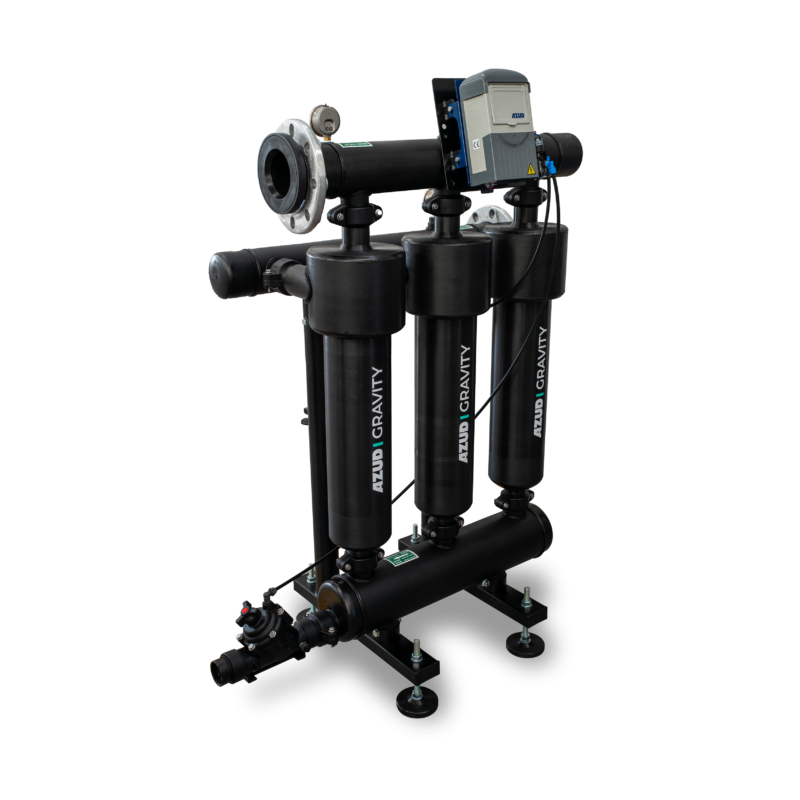
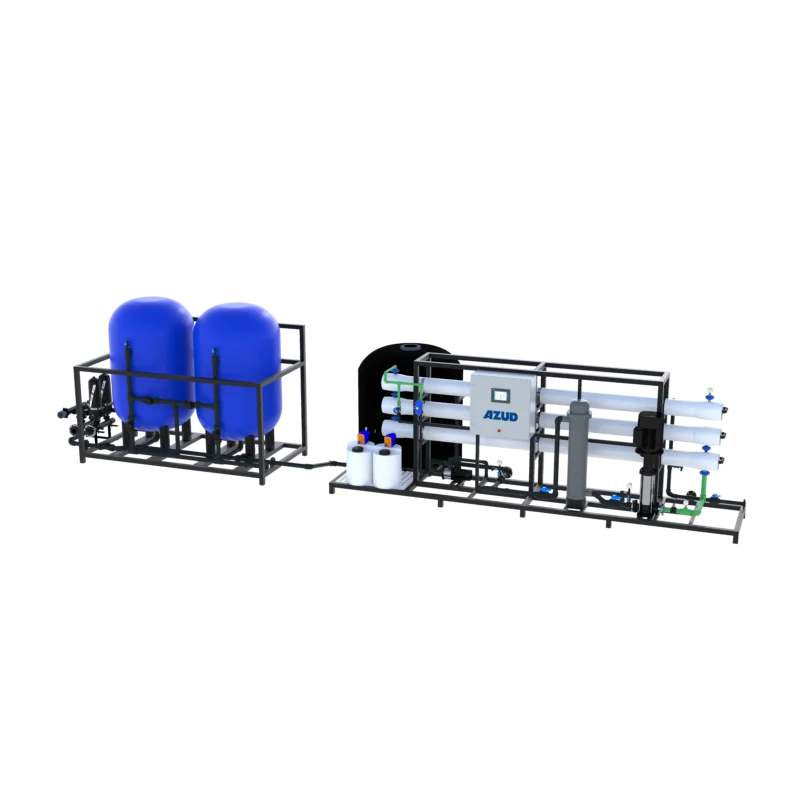
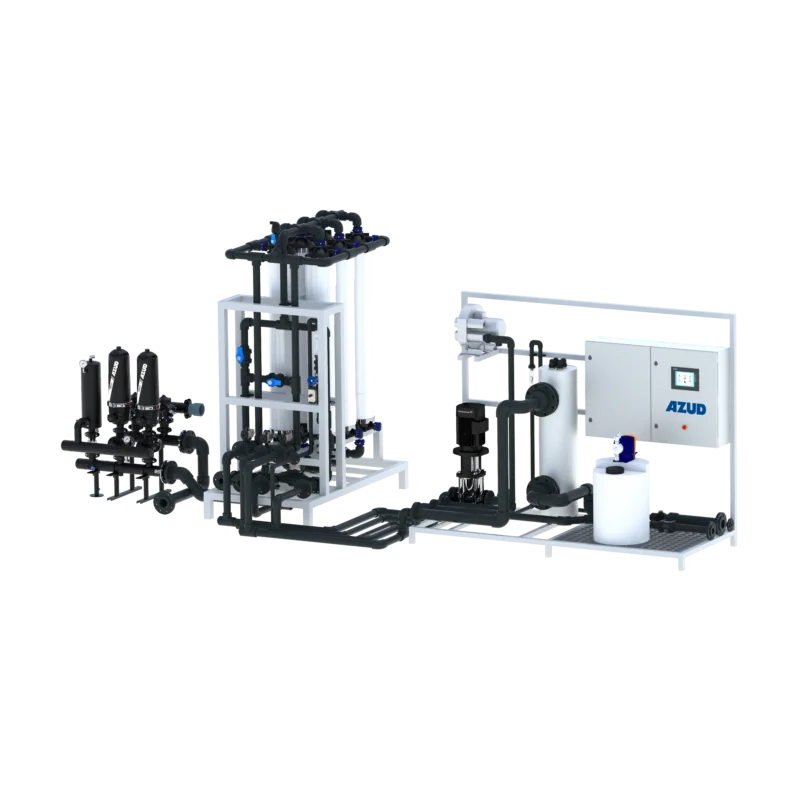
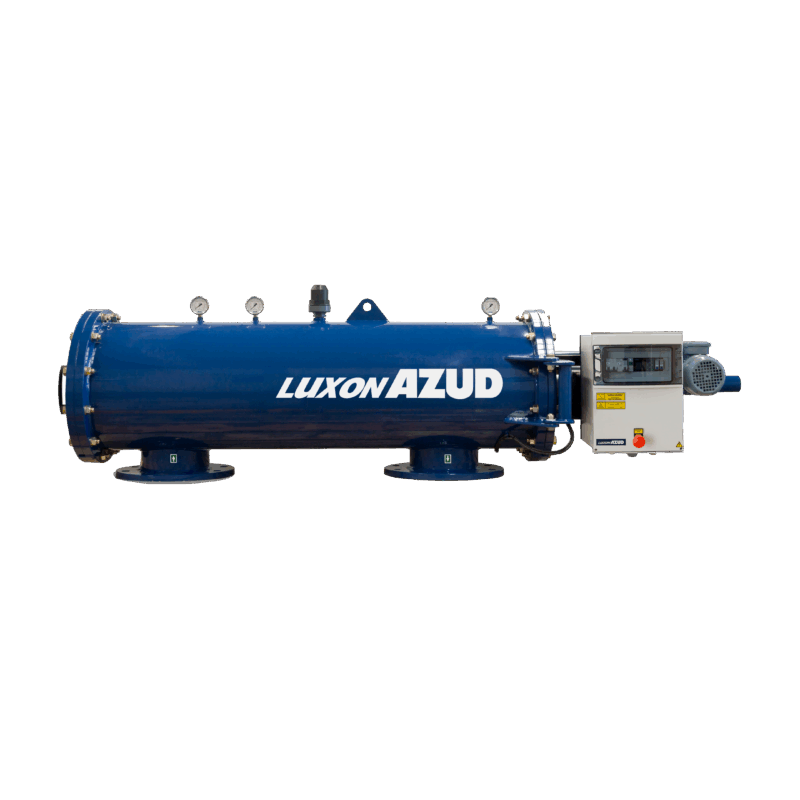
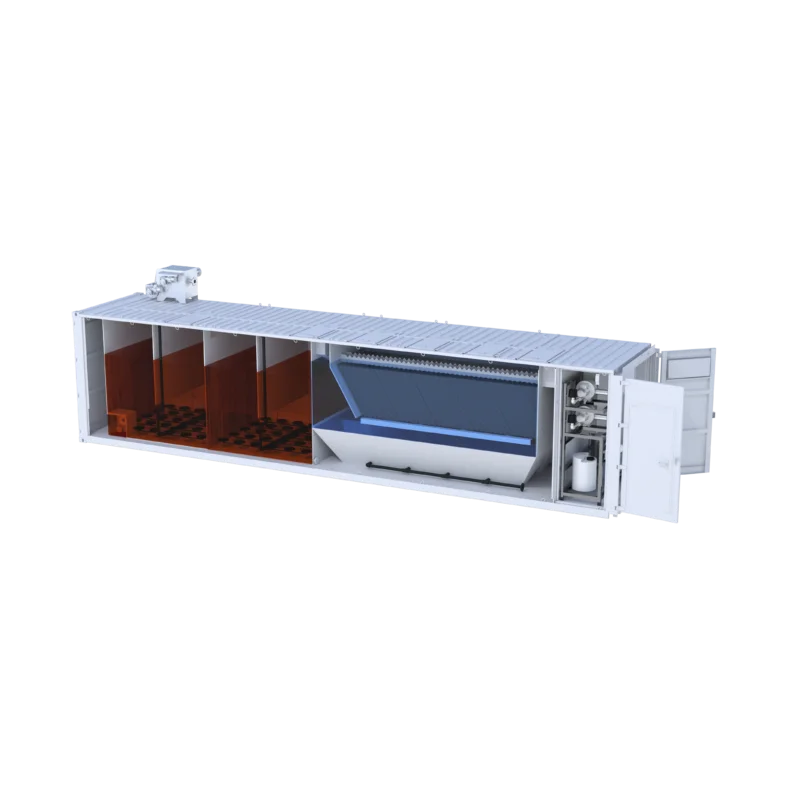
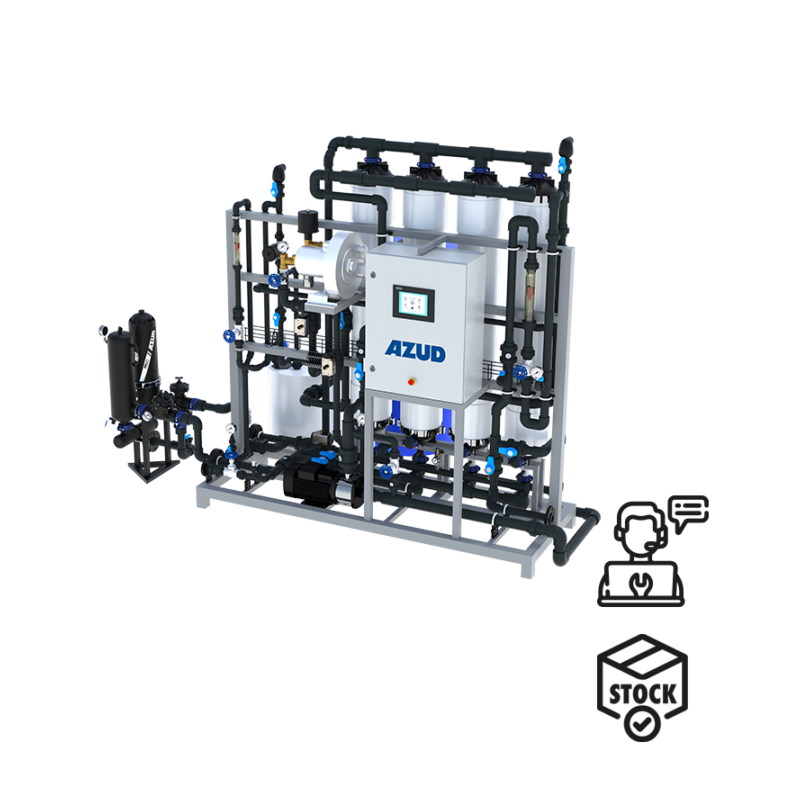
To address PFAS contamination in drinking water, it is essential to have advanced filtration technologies and effective. In this regard, AZUD offers innovative solutions that can help reduce PFAS concentrations to safe levels. The filtration technologies offered include disc filters and ultrafiltration, both of which are highly efficient at removing particles and contaminants.
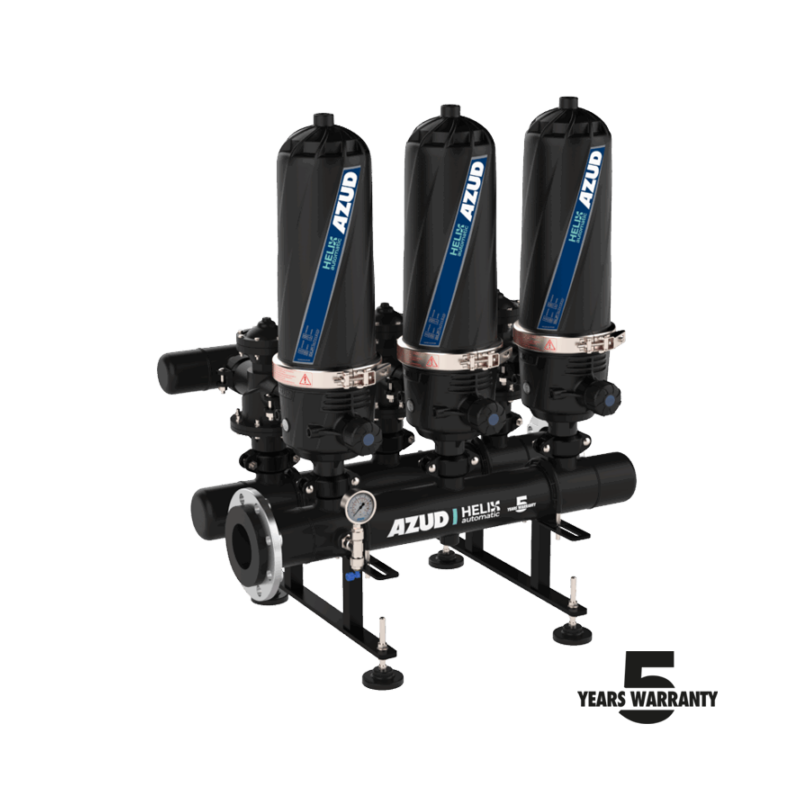
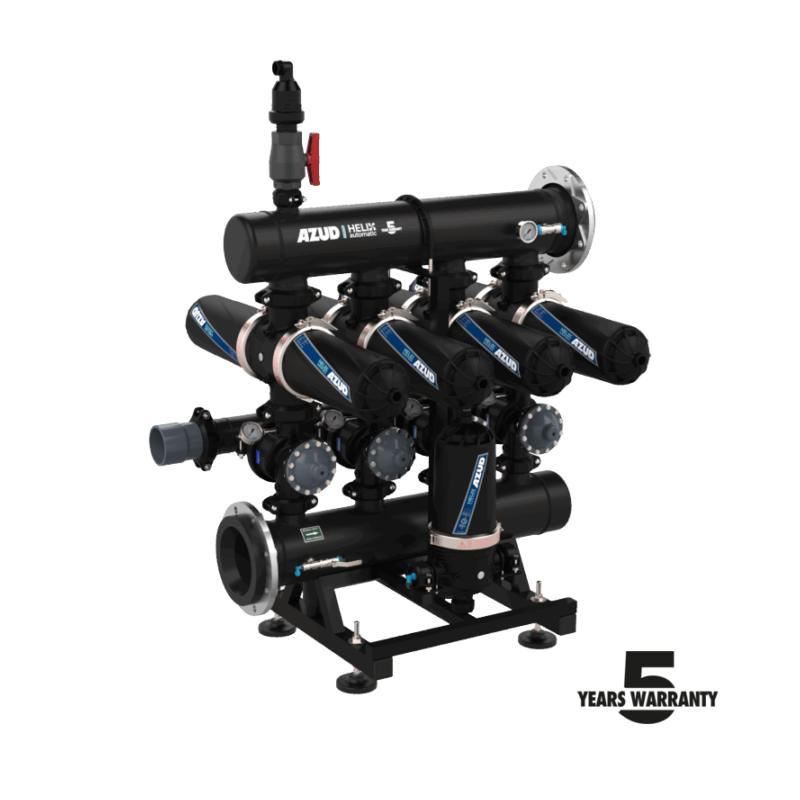
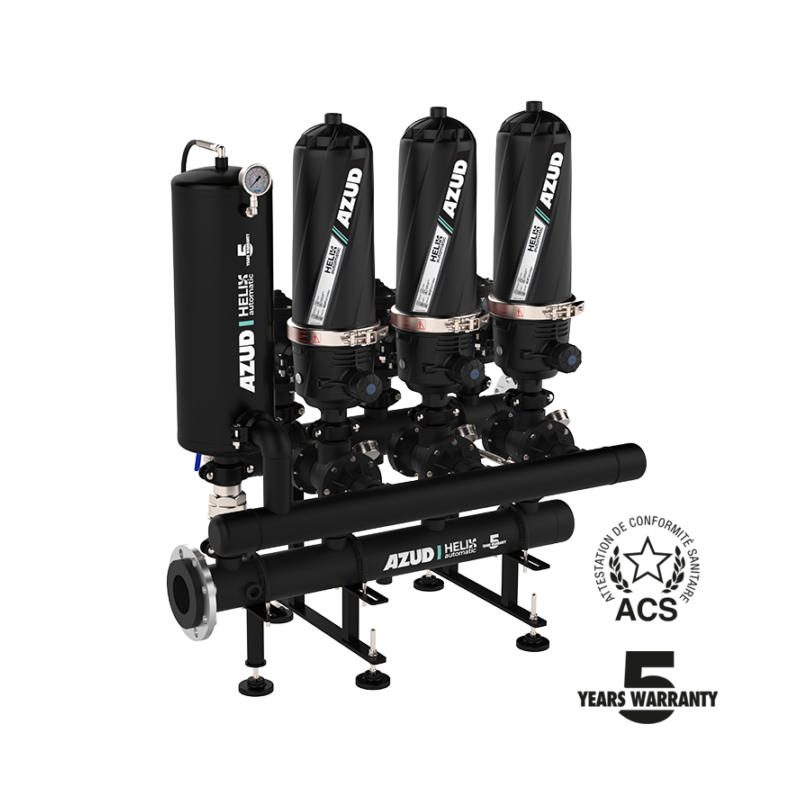
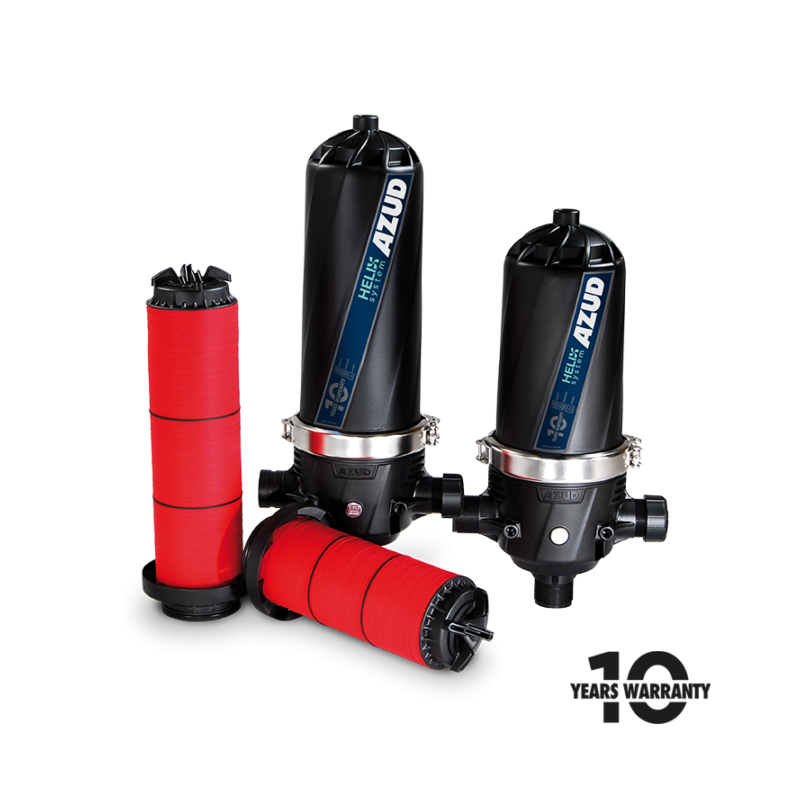
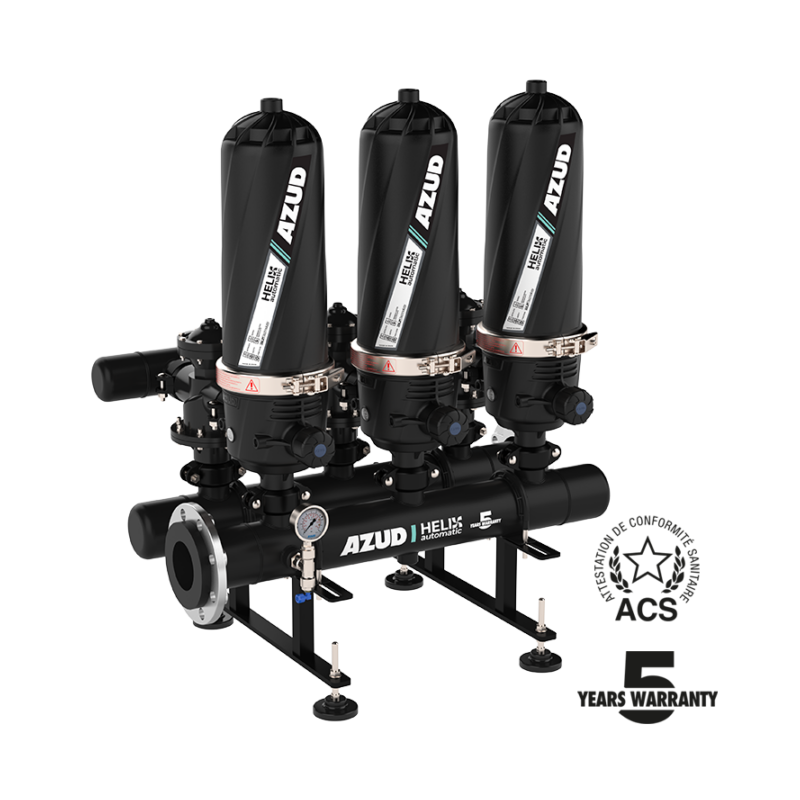
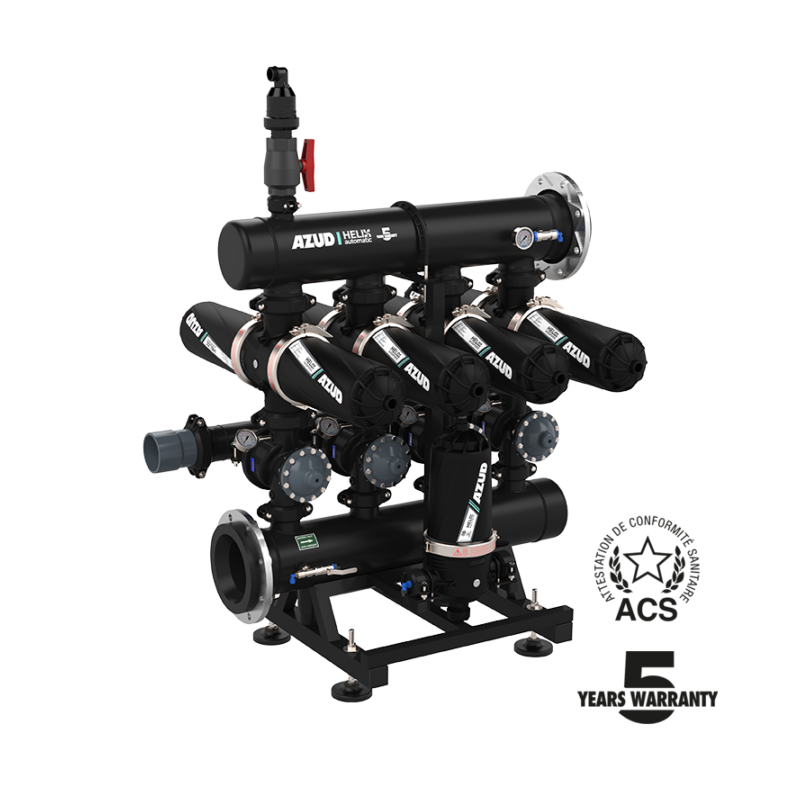
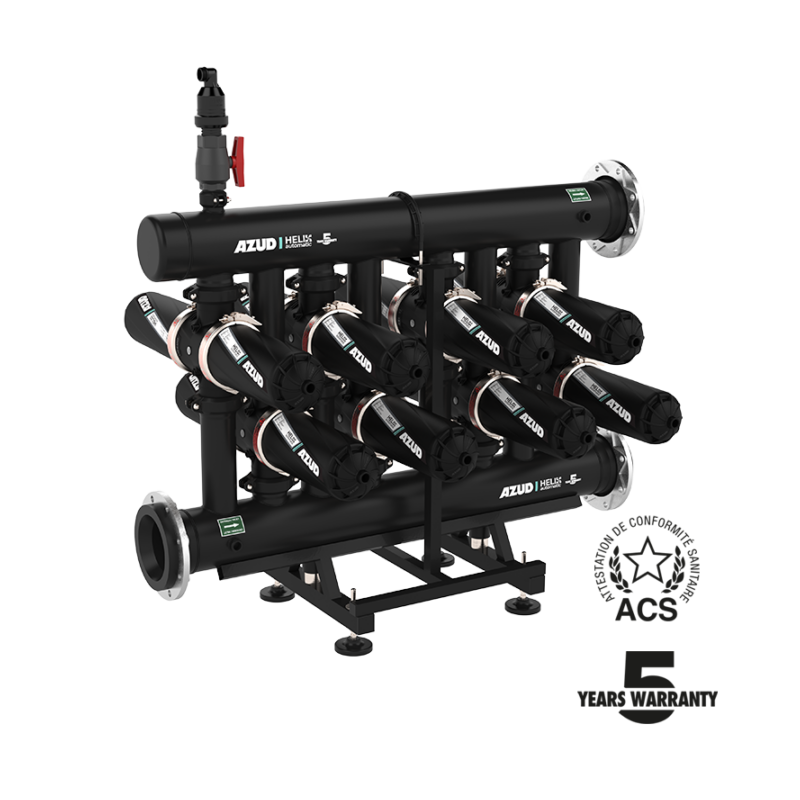
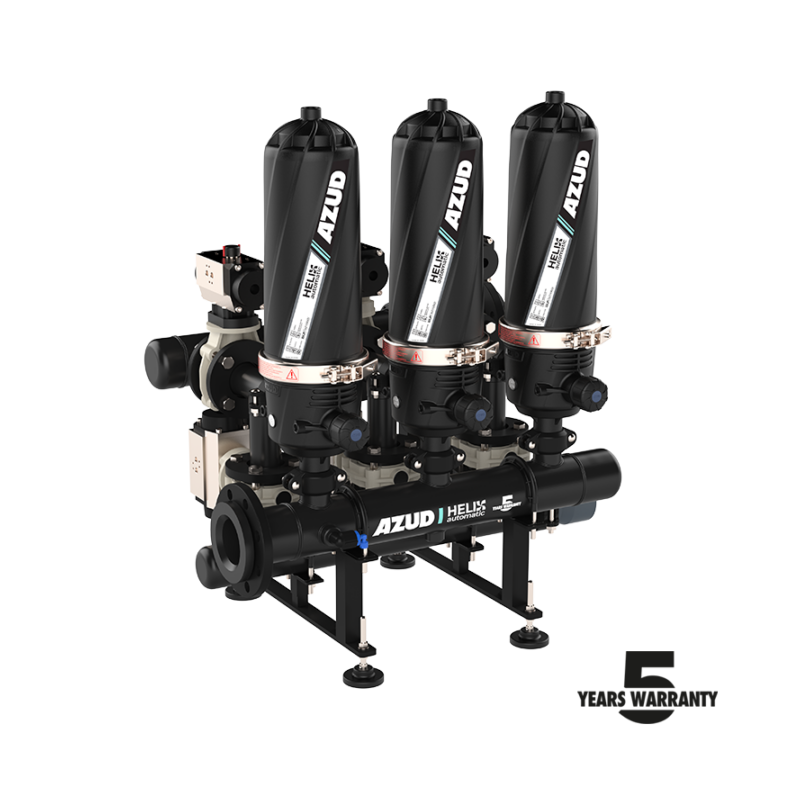
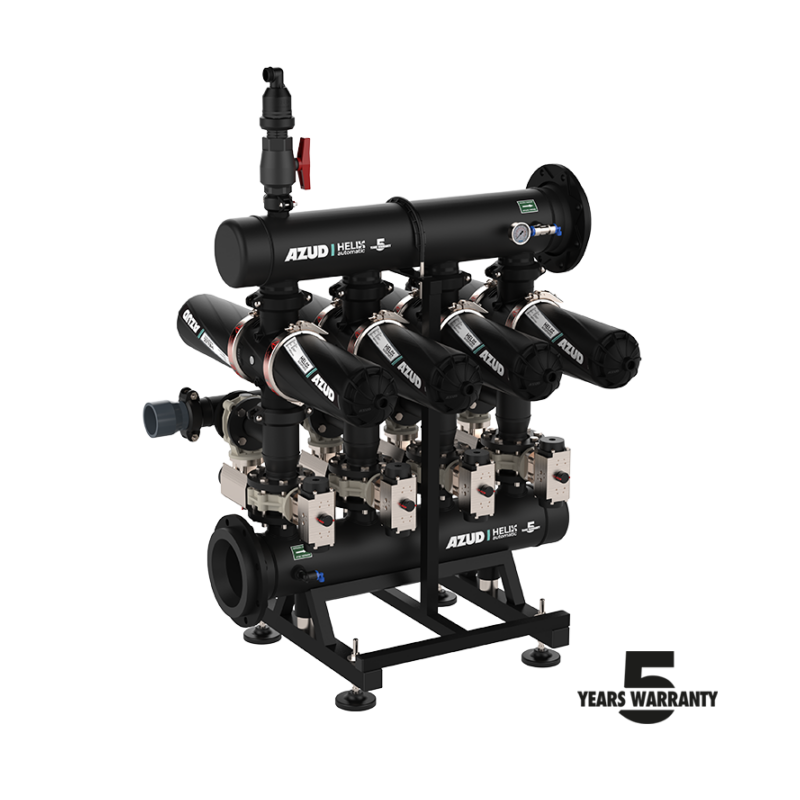
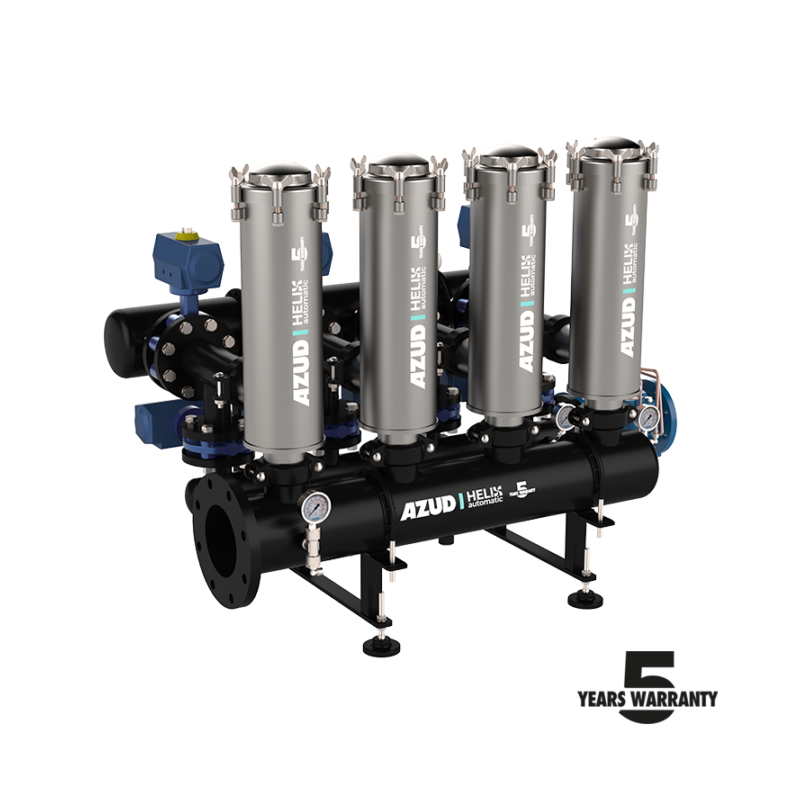
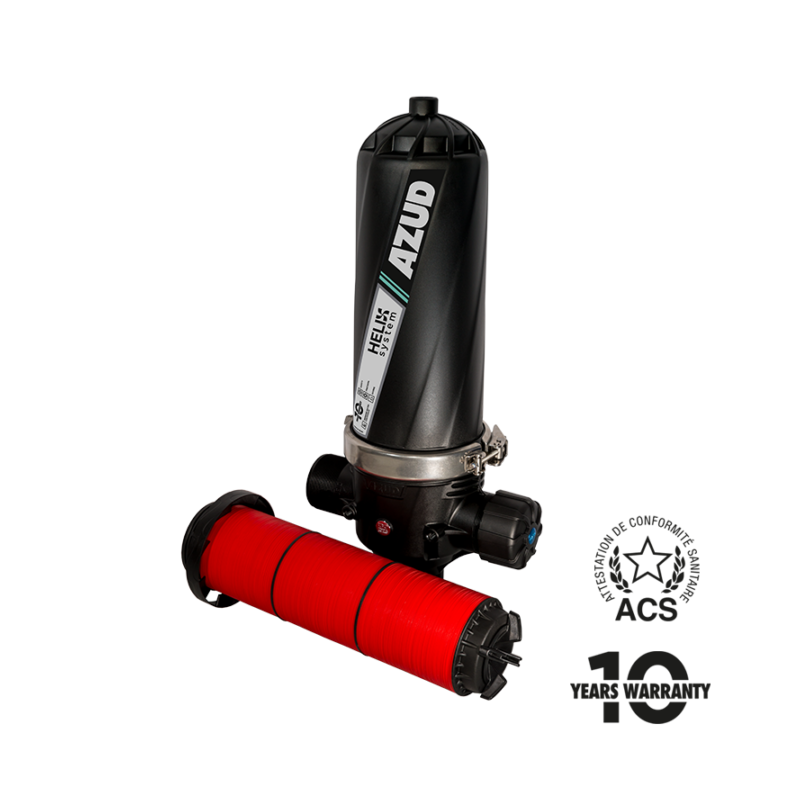
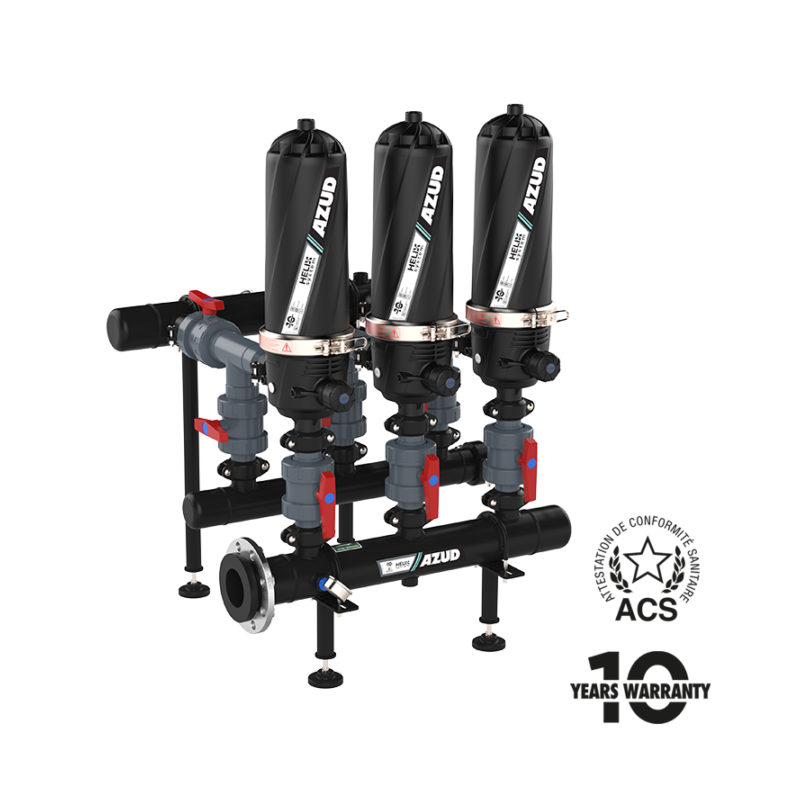
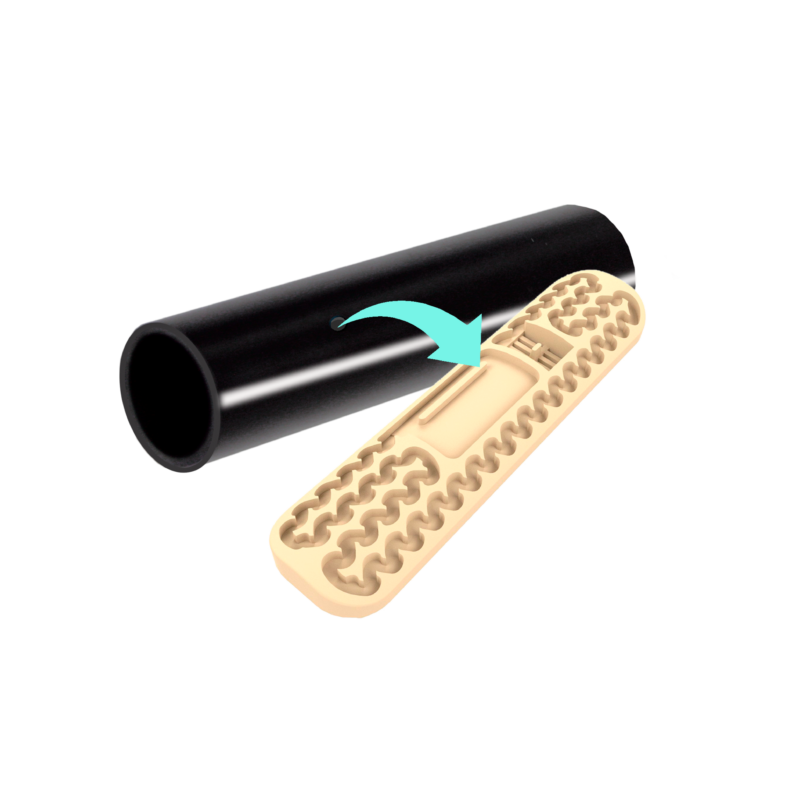
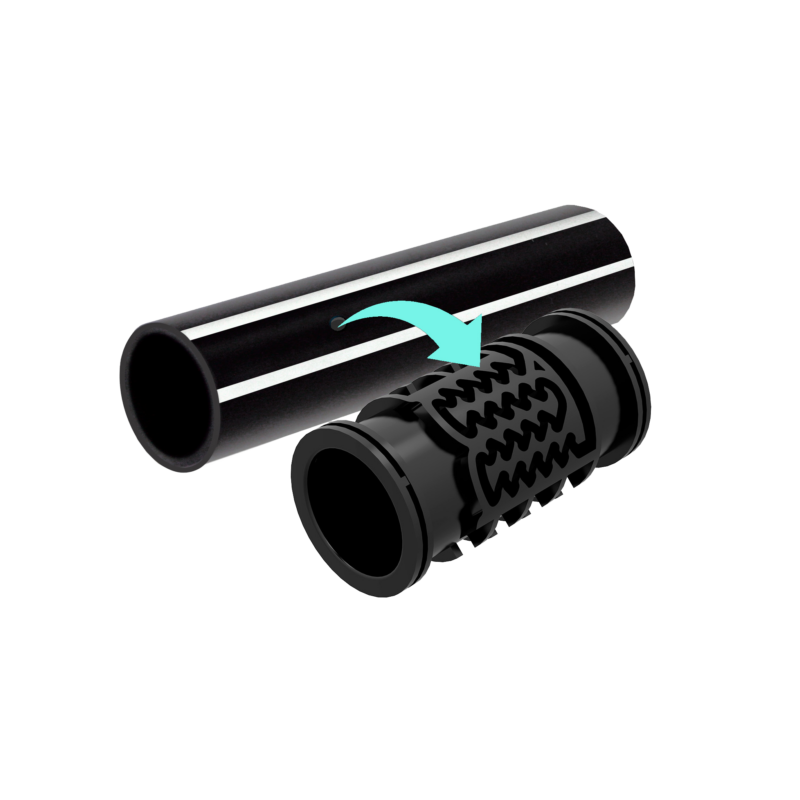
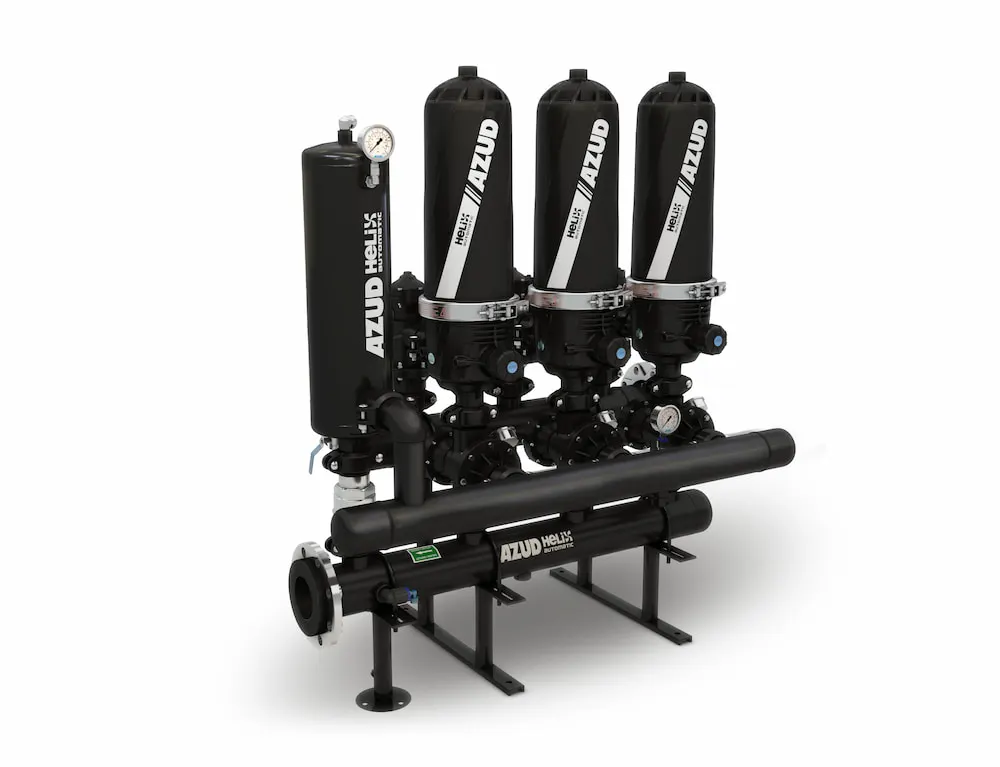
Disc filtration systems AZUD HELIX AUTOMATIC AA, thanks to their combination of technologies, provide a double effect of filtration—both surface and in-depth particles filtration. In this way, they offer a comprehensive solution for removing inorganic and organic particles larger than the filtration degree.
Global Restrictions
In recent years, various national authorities and the European Union have taken measures to address the threat posed by PFAS. Countries such as Denmark, Germany, the Netherlands, Norway, and Sweden have assessed the risks posed by these compounds and submitted a joint proposal to the European Chemicals Agency (ECHA) to restrict more than 10,000 PFAS substances. The European Commission’s final decision is expected in 2025. In addition, New Zealand is considering a phase-out of PFAS in cosmetics to align with the European Union’s restrictions.
This global initiative reflects the growing awareness among risks associated with PFAS and a commitment to protecting health and the environment.