


Irrigation Filtration Systems: The Importance of Filtration During Droughts
Filtration systems are essential components of any irrigation system, as they are responsible for removing suspended particles that could cause clogging of the emitters. Filtration equipment is therefore responsible for ensuring irrigation uniformity and fertilization, and it is a key component in today’s precision agriculture practices.
Implementing an efficient irrigation water filtration system not only helps protect crops and optimize irrigation efficiency but also contributes to the long-term preservation of irrigation system components. By removing sediment and undesirable particles, wear and clogging of driplines and equipment are reduced, which extends the service life of components and reduces the need for maintenance.
Selection and Sizing of Filtration Equipment
To properly select and size a filtration system, it is necessary to know at least the filtration flow rate, the characteristics of the emitter, and the quantity and size of the suspended particles in the water.
The filtration flow rate is a known value calculated based on the plants’ water requirements, soil characteristics, and the design of the irrigation system. The characteristics and/or requirements of the emitter are also known and provided by the manufacturer.
However, the quantity and size of suspended solids in the water are values that are sometimes unknown and frequently variable; they can increase considerably in certain situations and prevent the proper operation of an irrigation system if the correct filtration system has not been selected.
Prolonged periods of drought that lead to water shortages are precisely the times when the amount of suspended solids increases significantly, worsening the quality of the irrigation water.
Impact of Drought on Irrigation Water Quality
One of the main problems associated with drought is the increase in the amount of suspended solids in water used for irrigation. This deterioration in water quality can negatively affect the system’s equipment and emitters, reducing their efficiency and increasing the need for maintenance.
Irrigation water quality plays a crucial role in the selection and sizing of filtration equipment. During periods of drought, when water quality tends to deteriorate, having an efficient and reliable filtration system becomes even more important and is a key factor for any irrigation system.
There are several reasons for the decline in irrigation water quality, which we can classify according to their source:
River water and open canals:
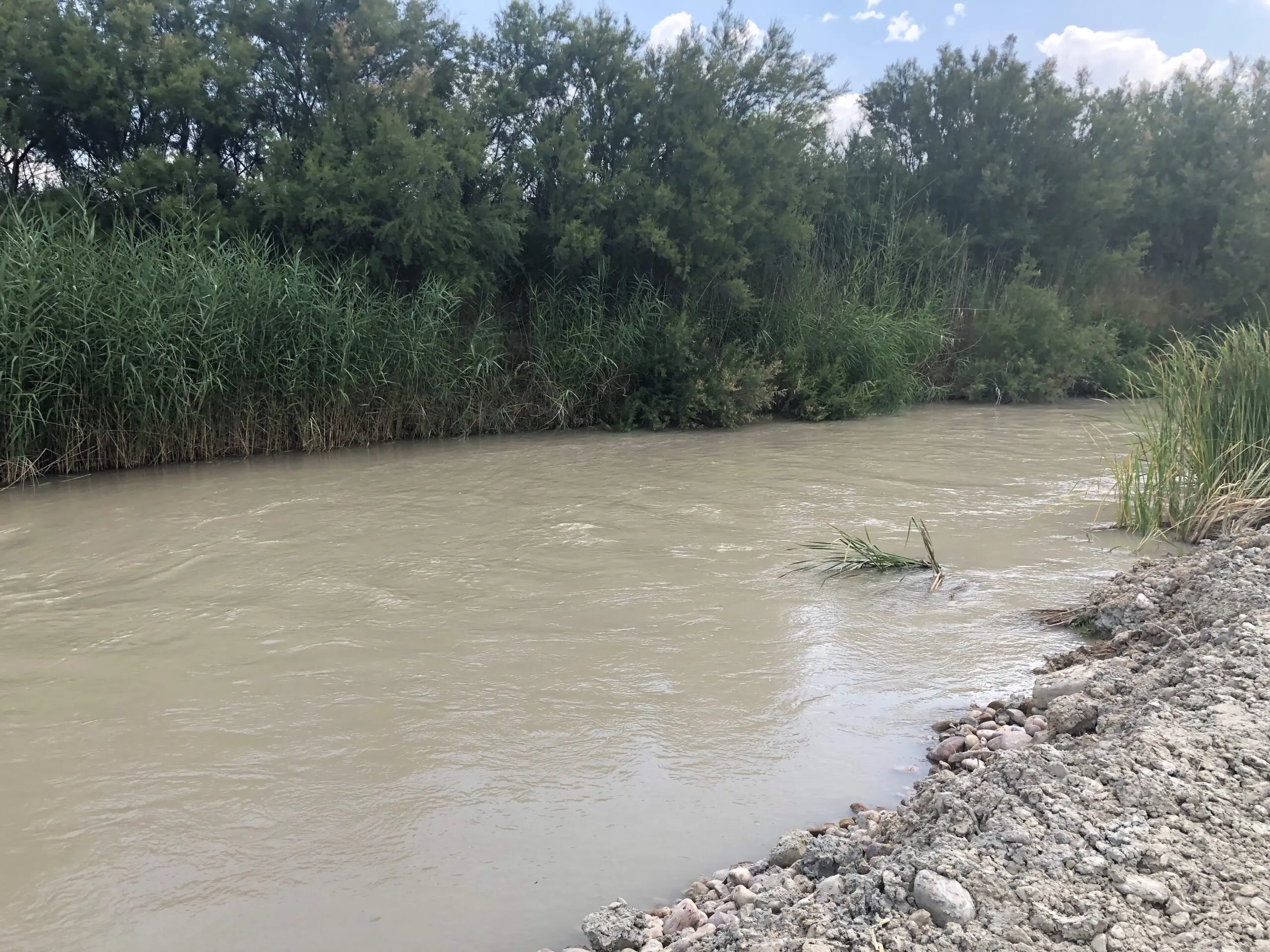
During periods of drought, the water levels in rivers and canals drop, leading to an increase in the concentration of suspended solids—usually silt.
Furthermore, in areas where the current is slower, this promotes the growth of microorganisms and aquatic fauna that have a direct impact on water quality.
On the other hand, storms that occur after long periods of drought cause erosion and the washing away of soil unprotected by vegetation, generating a large amount of sediment that enters rivers and temporarily worsens the quality of water for Irrigation.
Reservoir water:
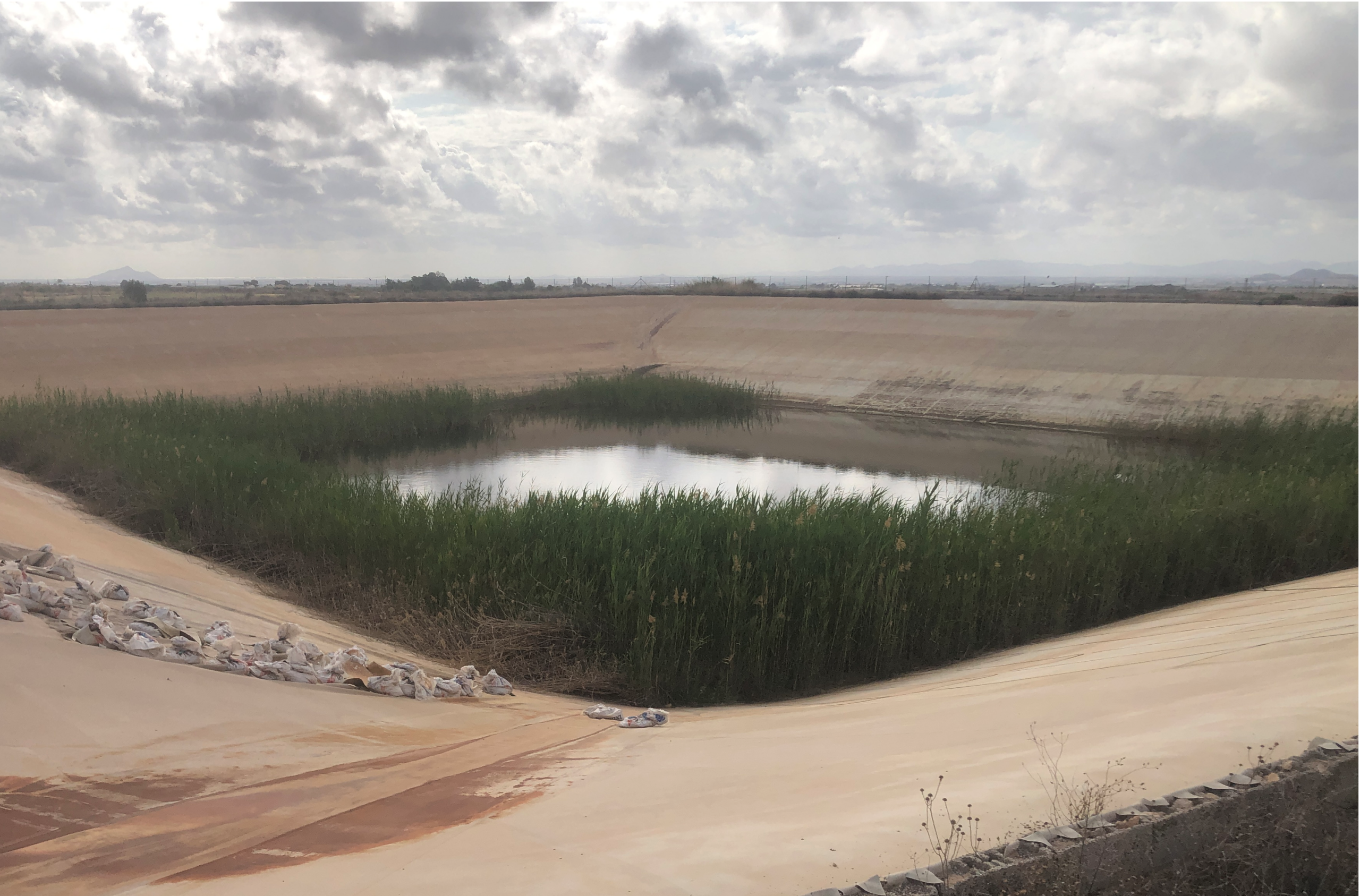
For the same reason, a drop in the water level of irrigation reservoirs leads to an increase in the concentration of solids at the intake point.
Furthermore, a lower volume of water contributes to a rise in temperature, creating conditions conducive to the growth of algae and bacteria that degrade the quality of irrigation water. This situation can be significantly exacerbated when water from wastewater treatment plants with high nutrient loads is introduced into the reservoir.
Well water:
A lack of rainfall reduces groundwater recharge, and the water table may drop.
When the water table in a well drops, it is common to have to lower the Impulsion equipment or increase its power, causing more sand to be carried along during the water extraction process.
How Drought Affects the Choice of a Filtration System
The quality of irrigation water is a key factor in selecting and properly sizing a filtration system. Therefore, during periods of drought when water quality deteriorates, having an efficient and reliable filtration system becomes particularly important and adds value to any irrigation system.
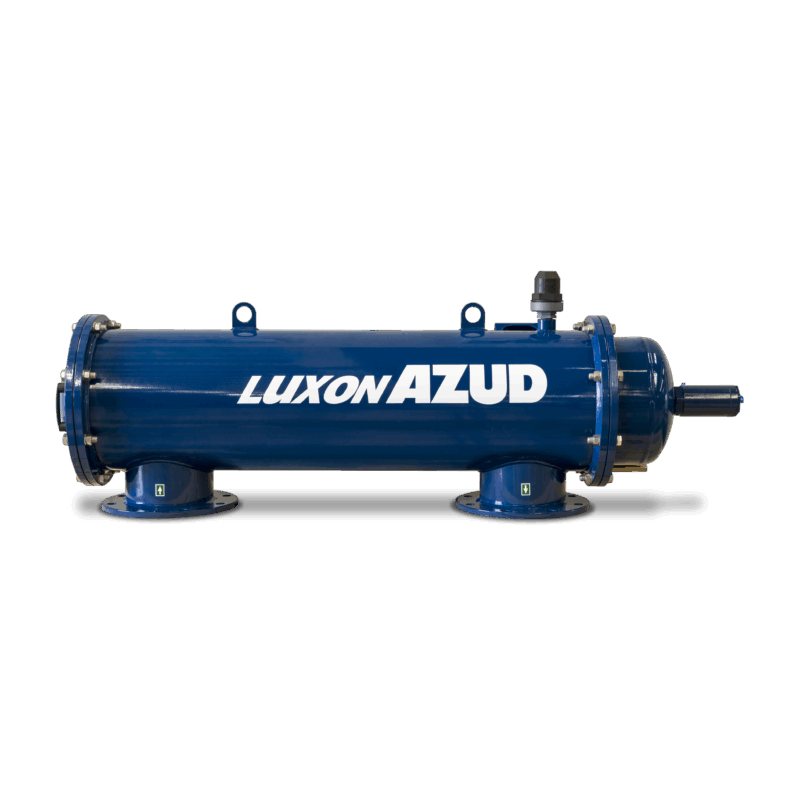
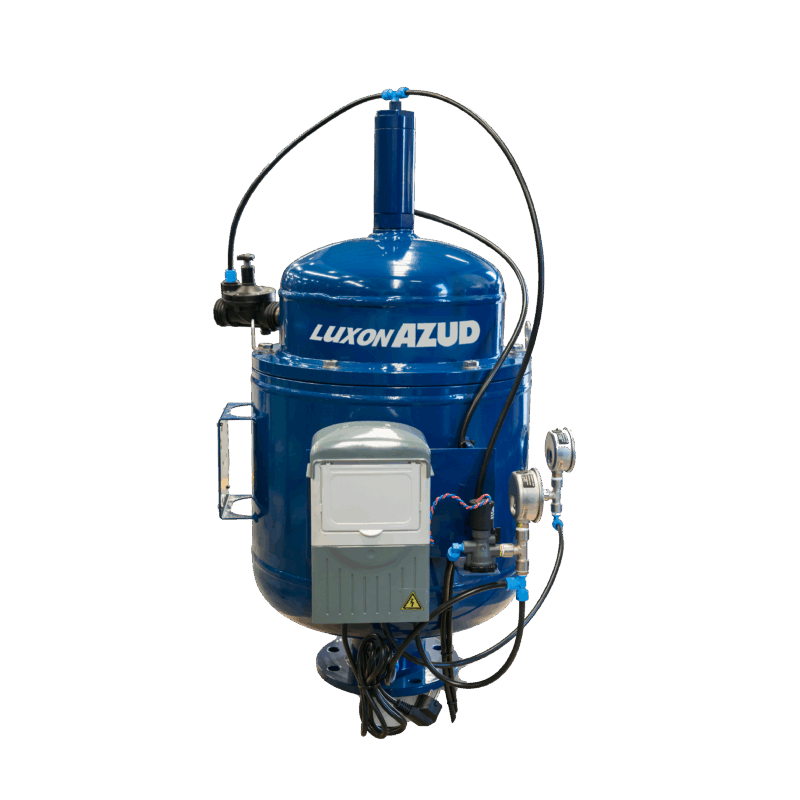
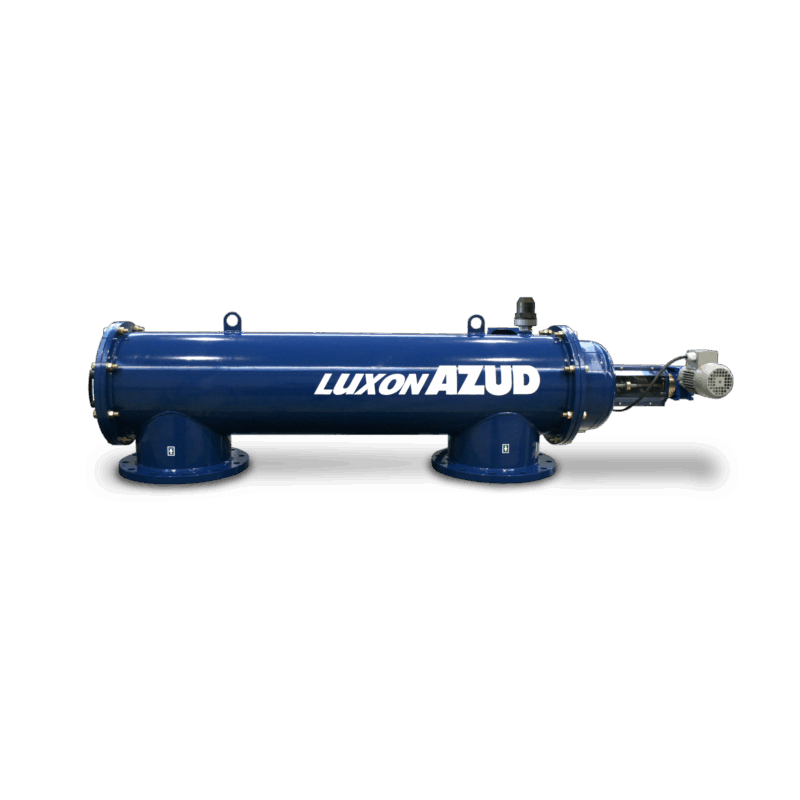
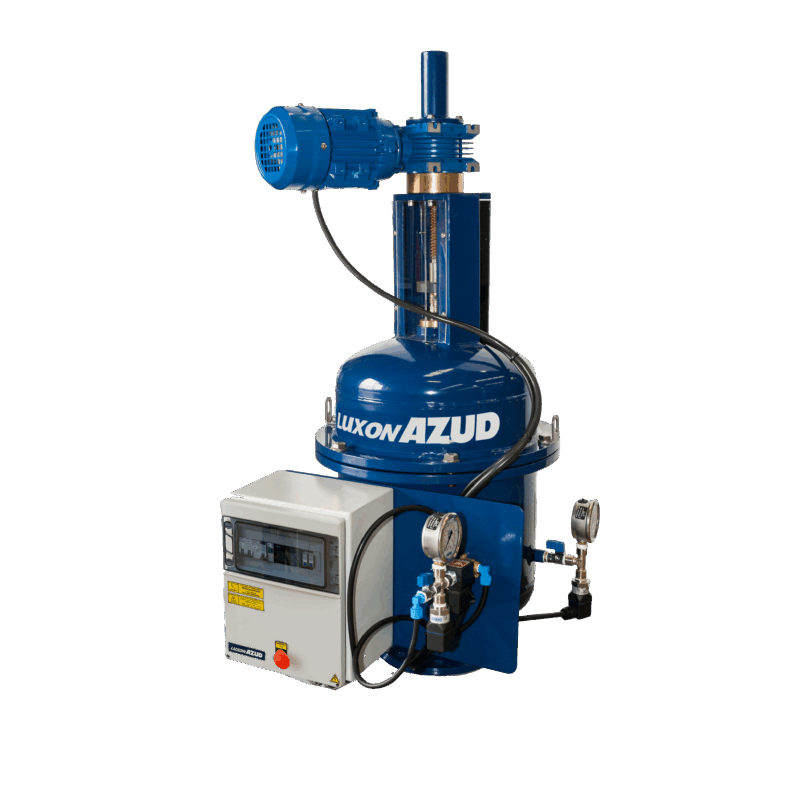
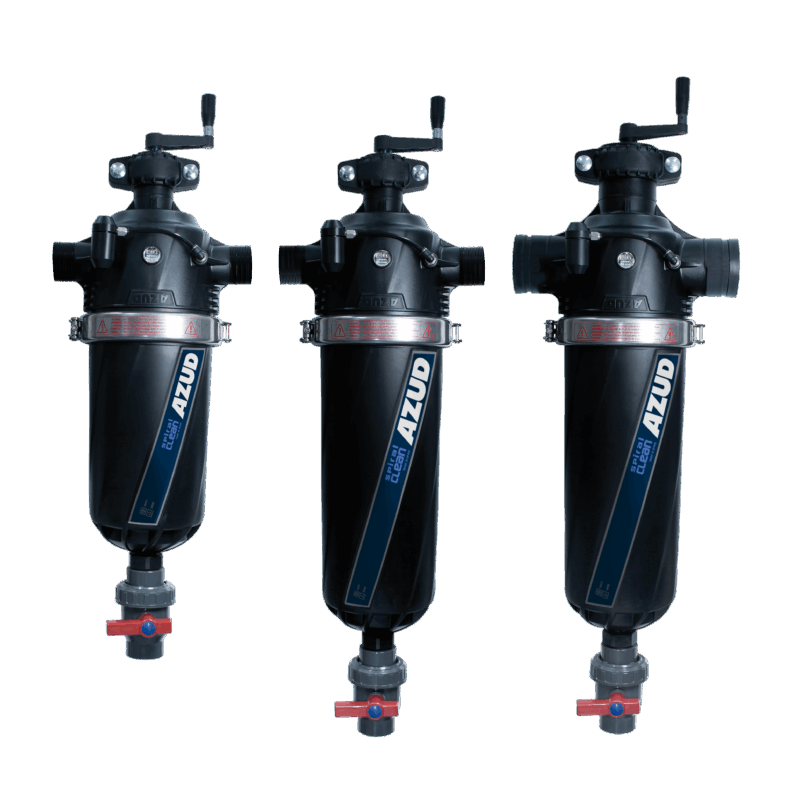
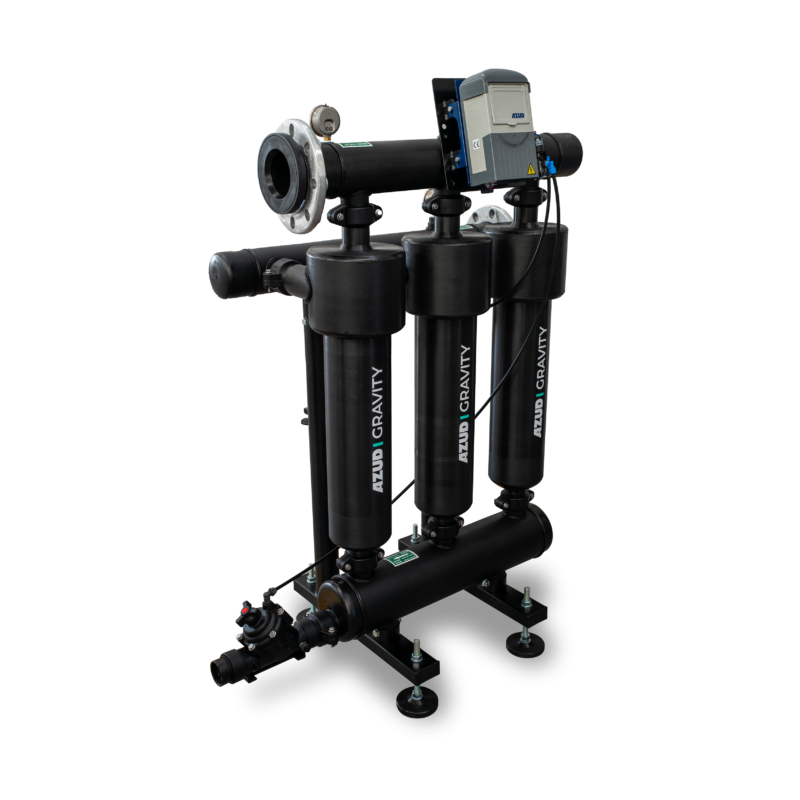
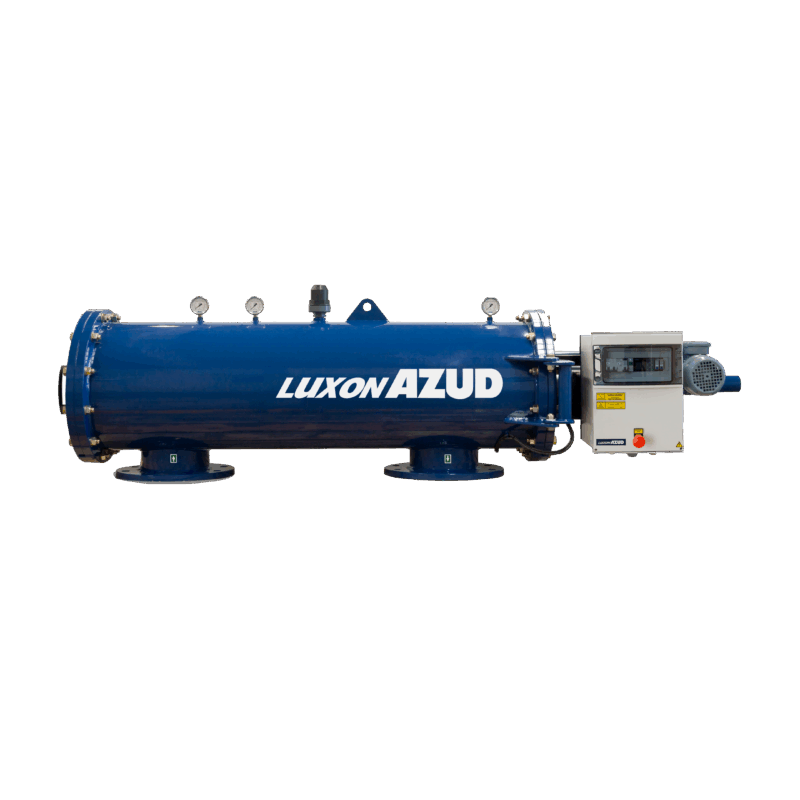
Automatic filtration systems are particularly valuable during these periods when the need for cleaning is greatest, as they are designed to clean themselves automatically, thereby minimizing the need for manual intervention and reducing maintenance work. These systems typically feature built-in self-cleaning mechanisms or systems that remove particles trapped in the filtration media without interrupting the water supply. This simplifies operation and ensures continuous, efficient operation.
How AZUD Can Help You Choose Filtration Equipment
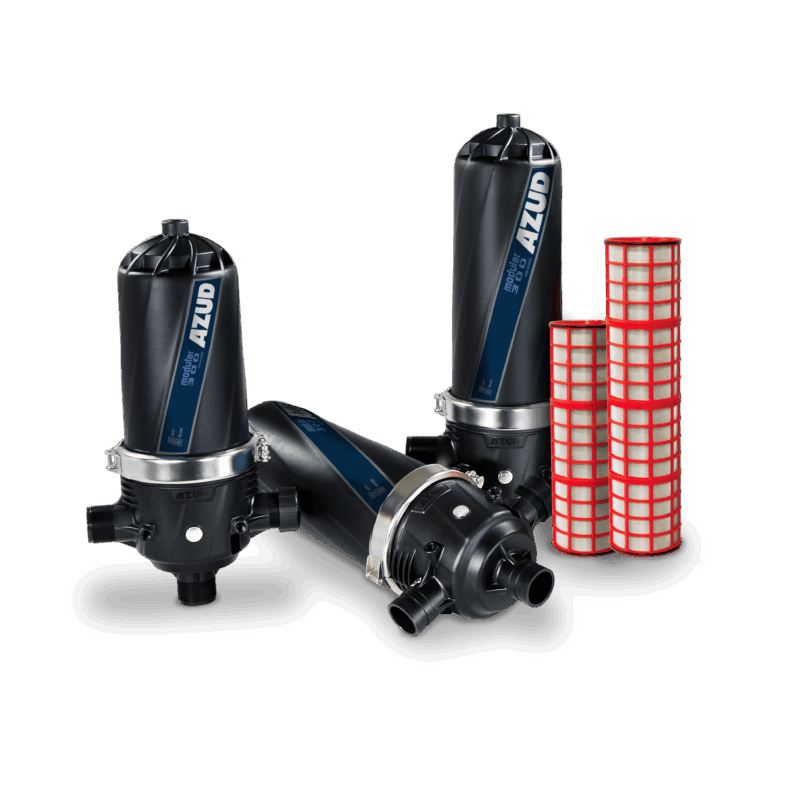
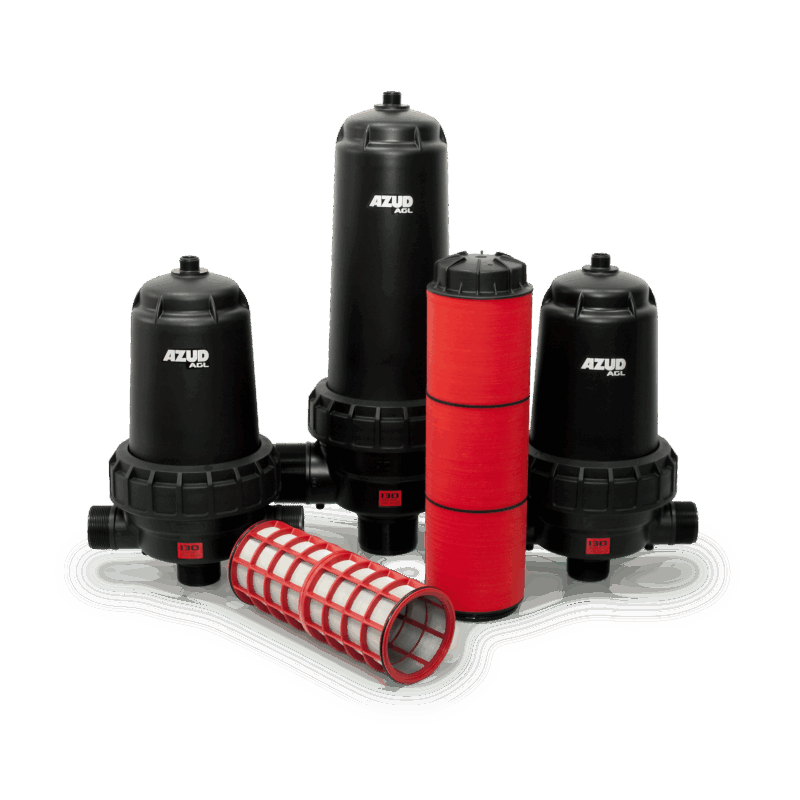
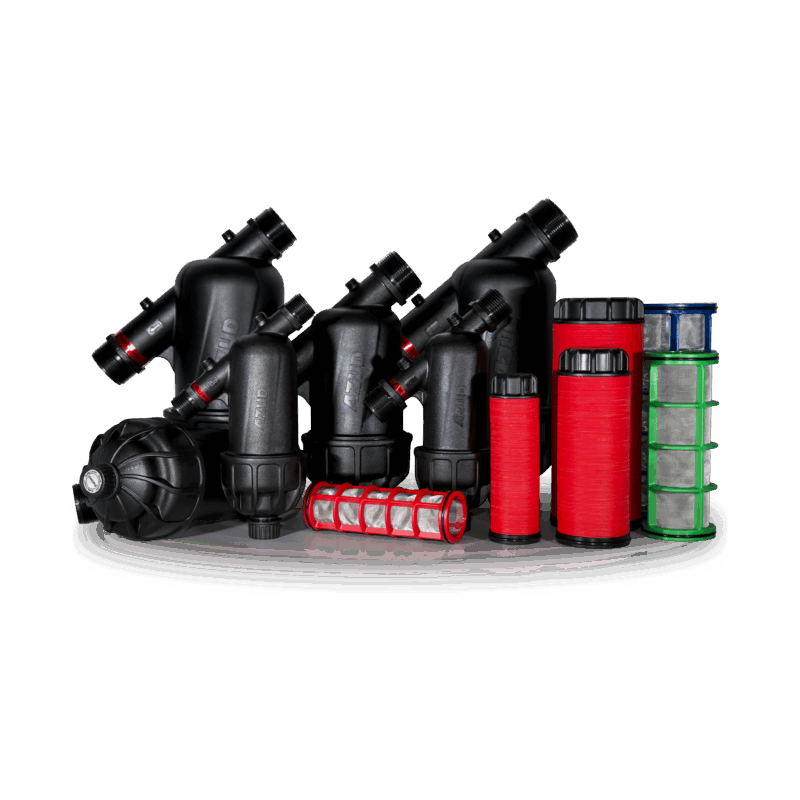
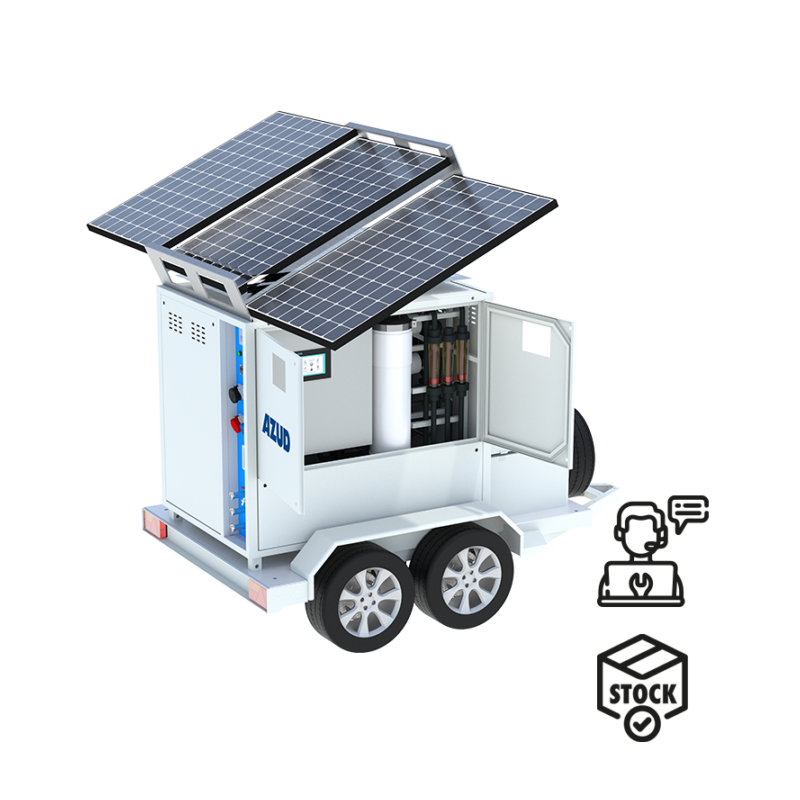
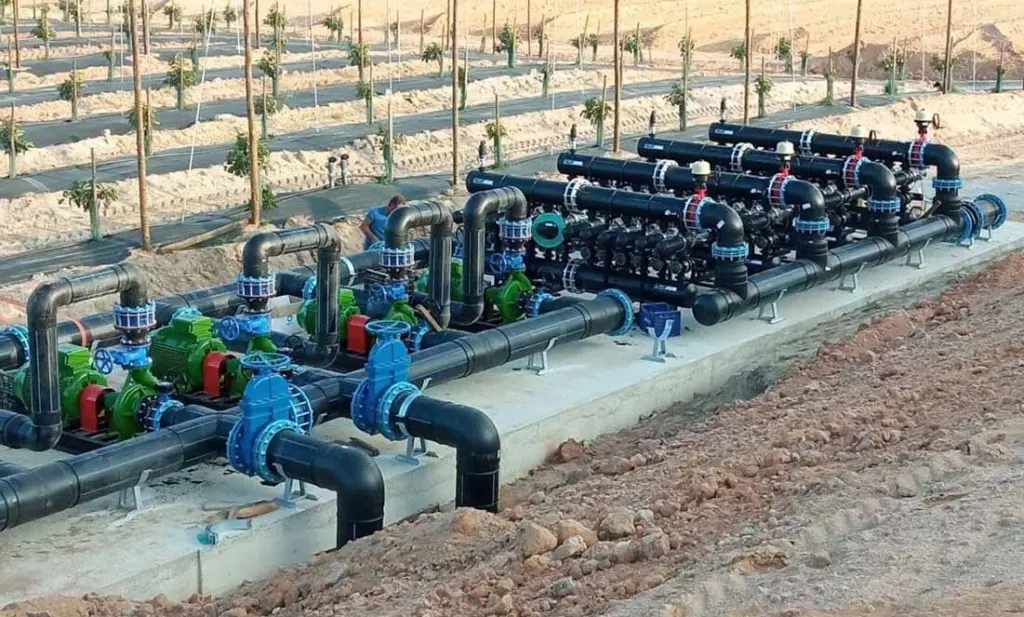
At AZUD, we understand the importance of having an efficient filtration system even during periods of drought, and how choosing the right filtration equipment can add value to any irrigation system. That is why we offer a wide range of disc and mesh filtration products—including manual, semiautomatic, and automatic cleaning models—that ensure irrigation uniformity and fertilization regardless of the quality of the irrigation water.
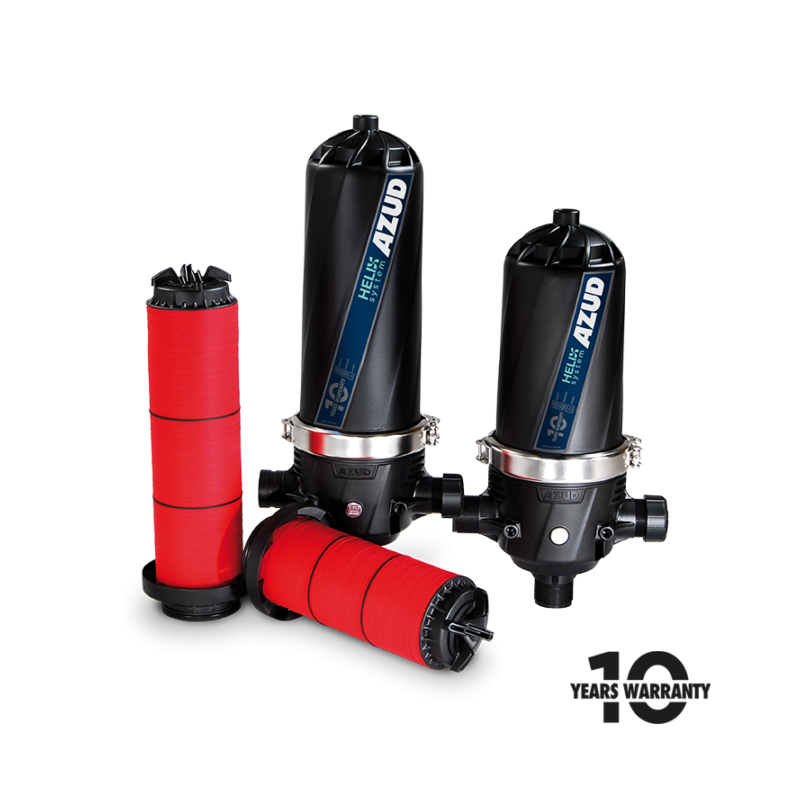
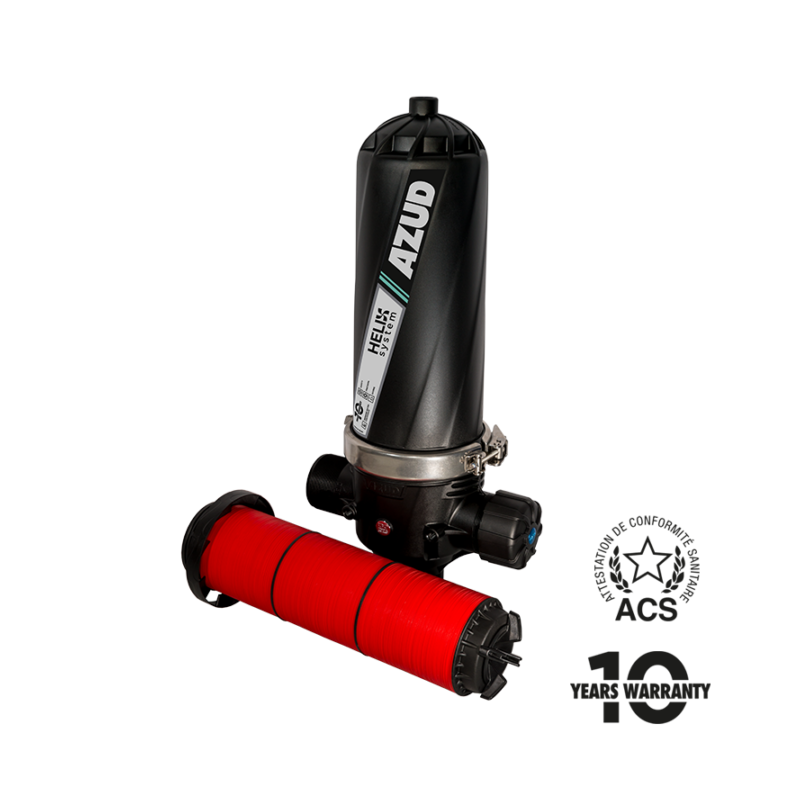
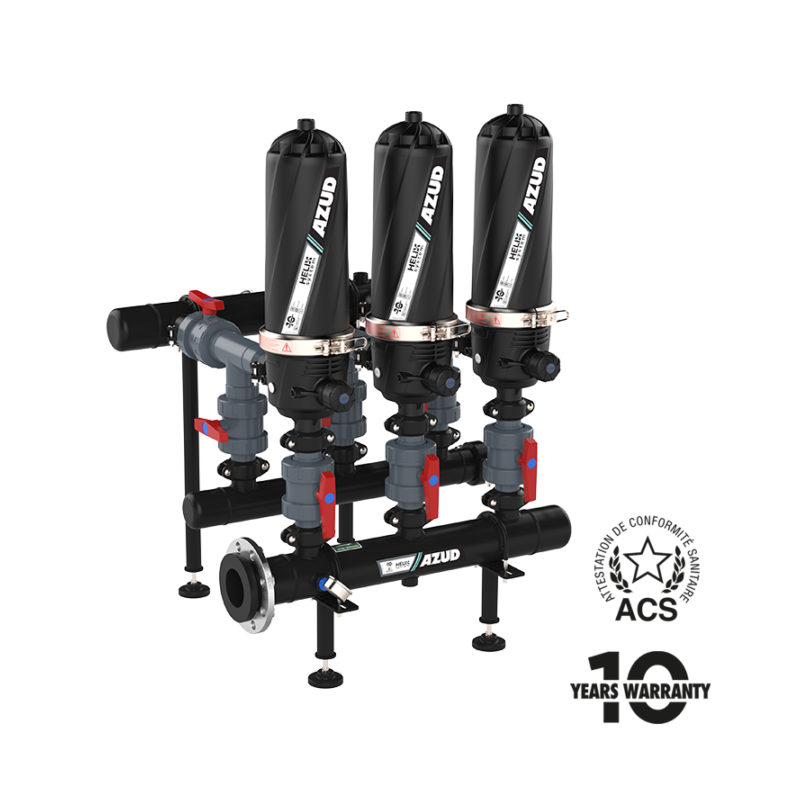
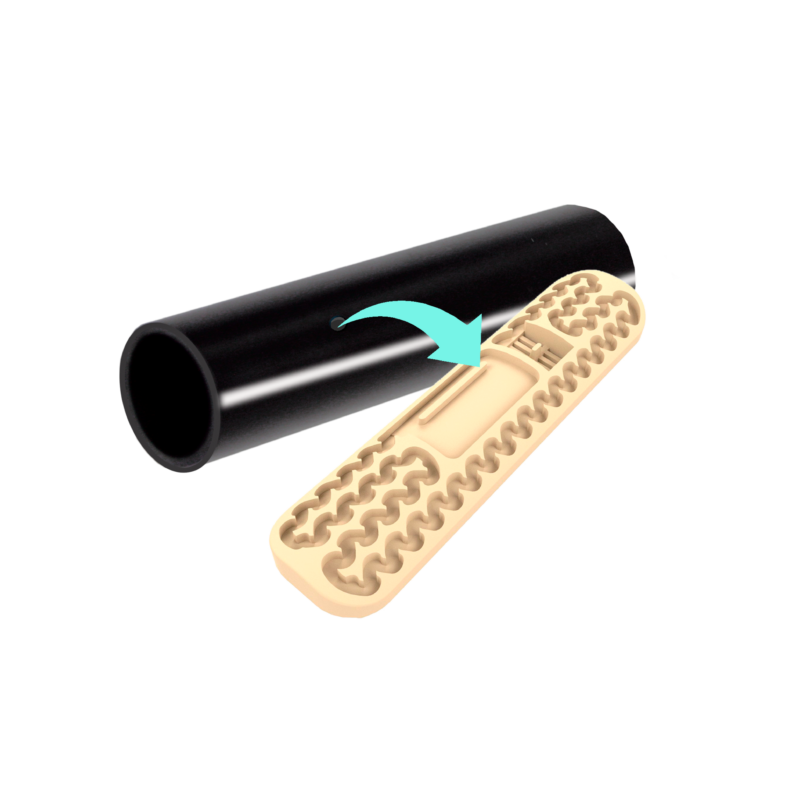
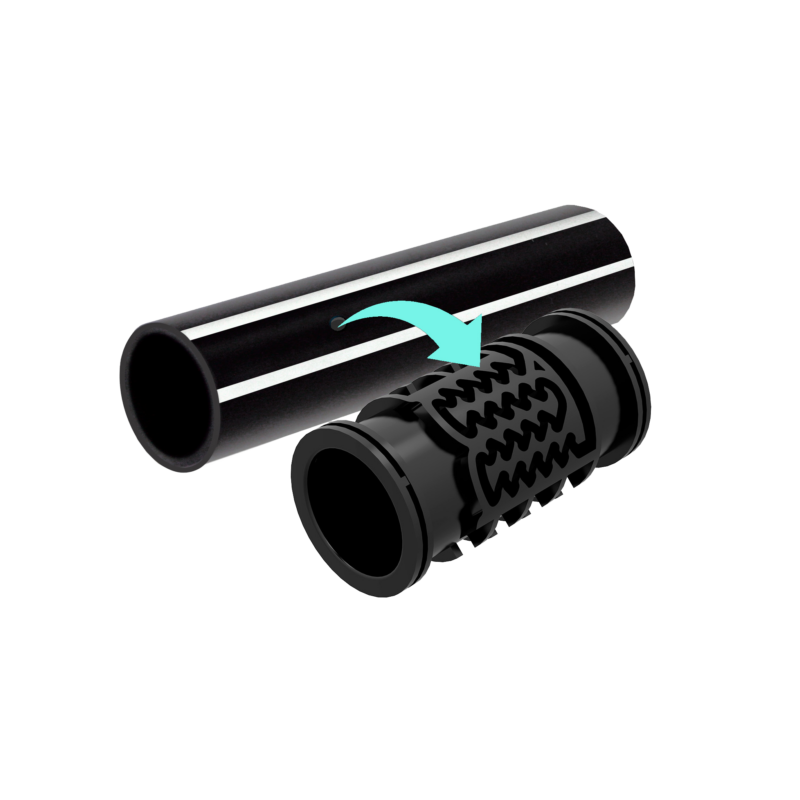
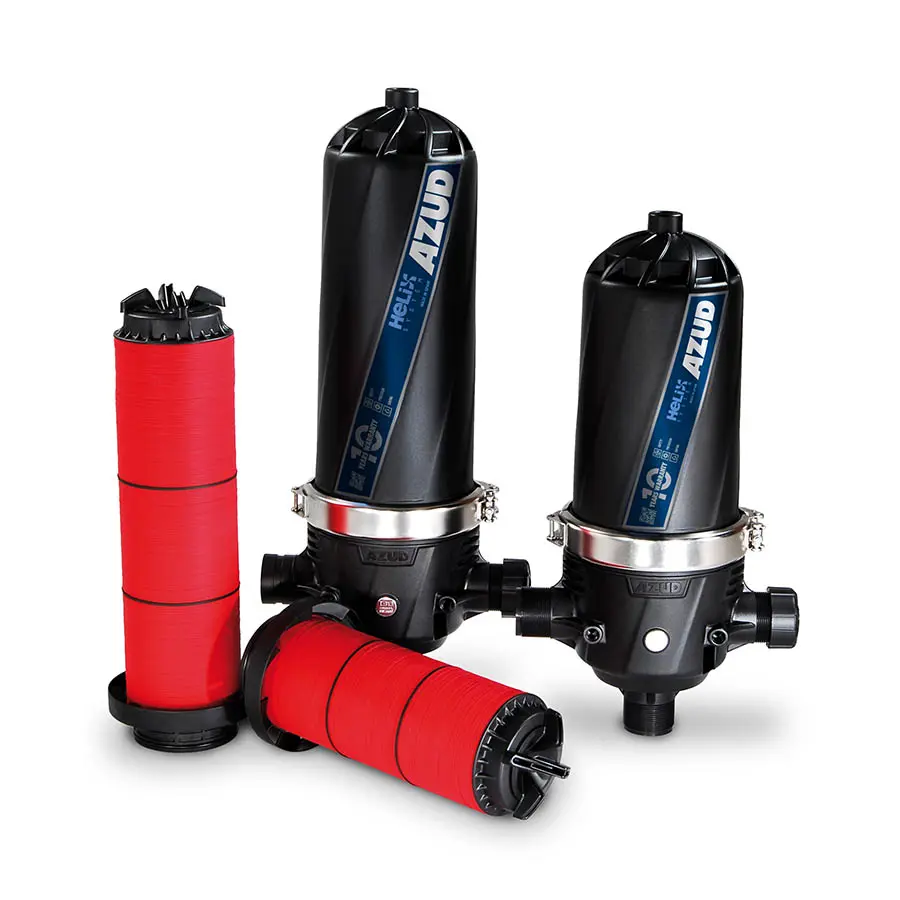
Manual disc filters AZUD HELIX SYSTEM They are market leaders and stand out for their robustness, durability, and filtration quality, regardless of the nature of the particles in the water.
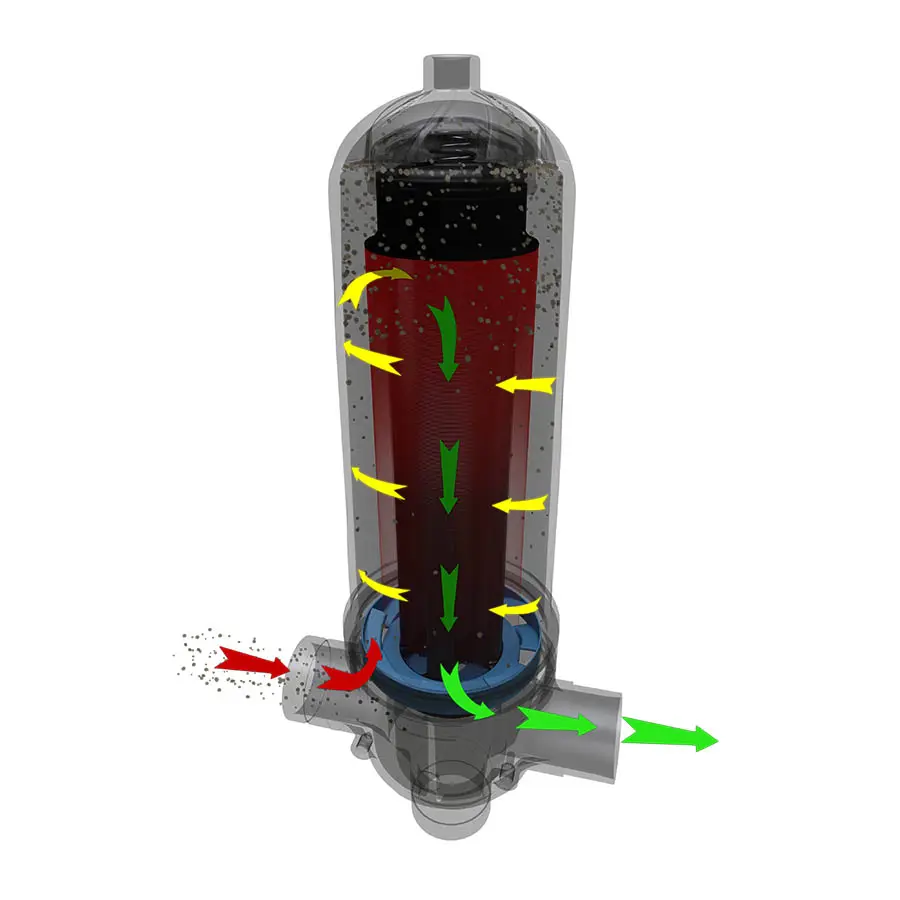
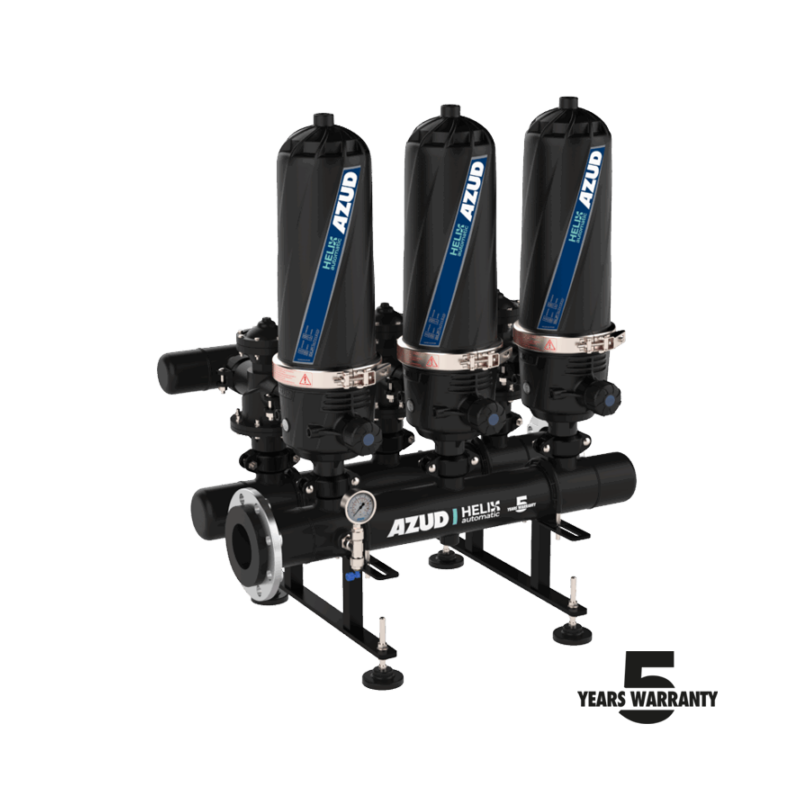
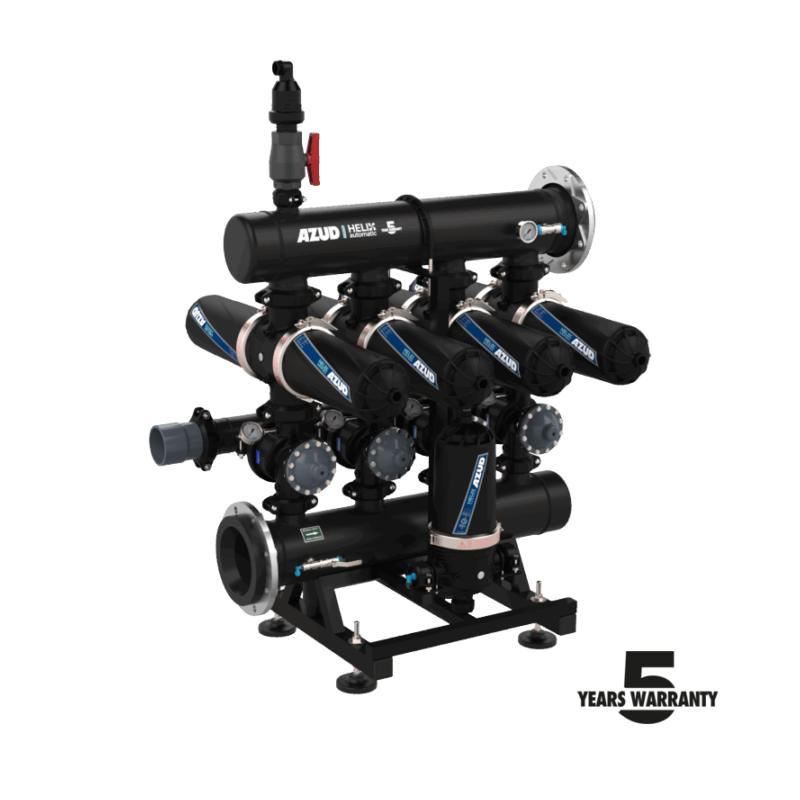
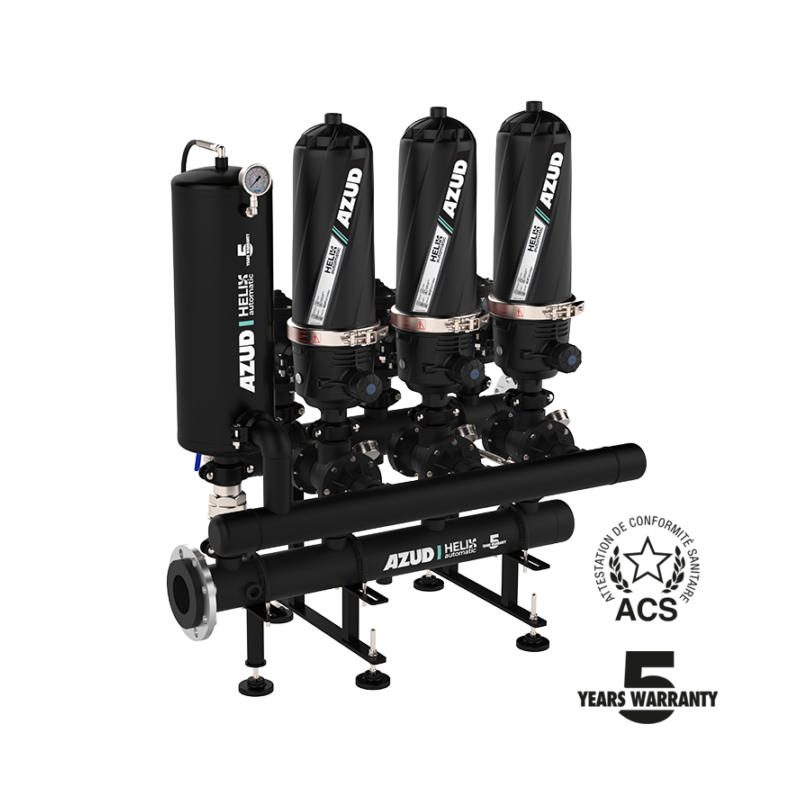
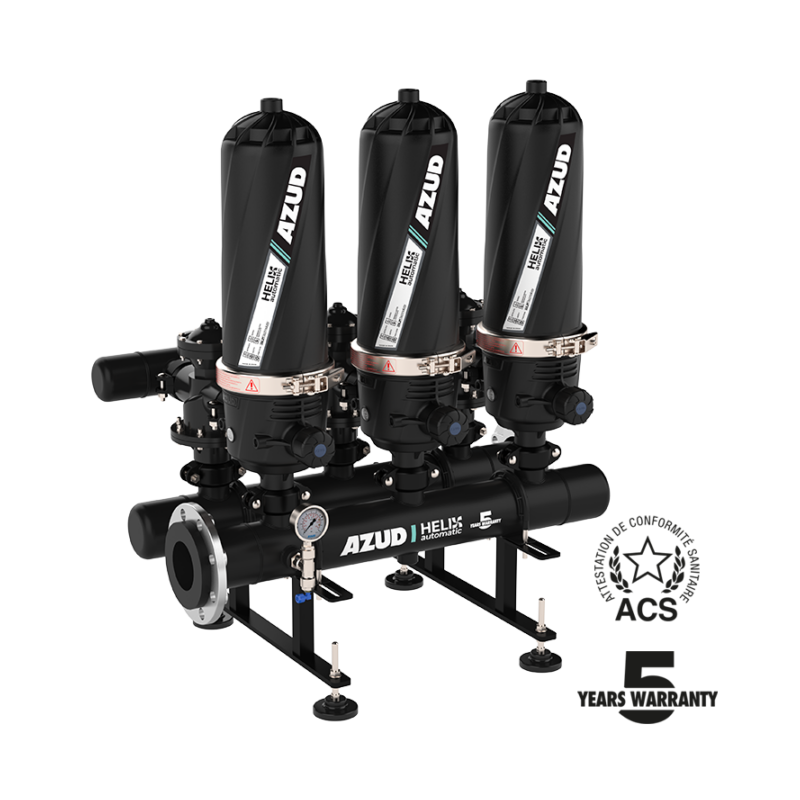
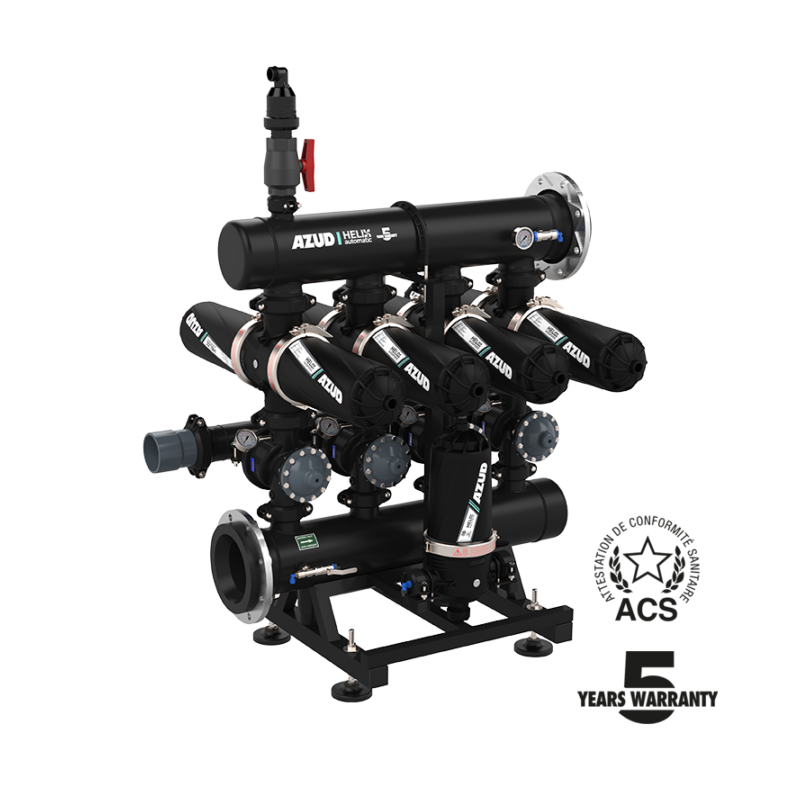
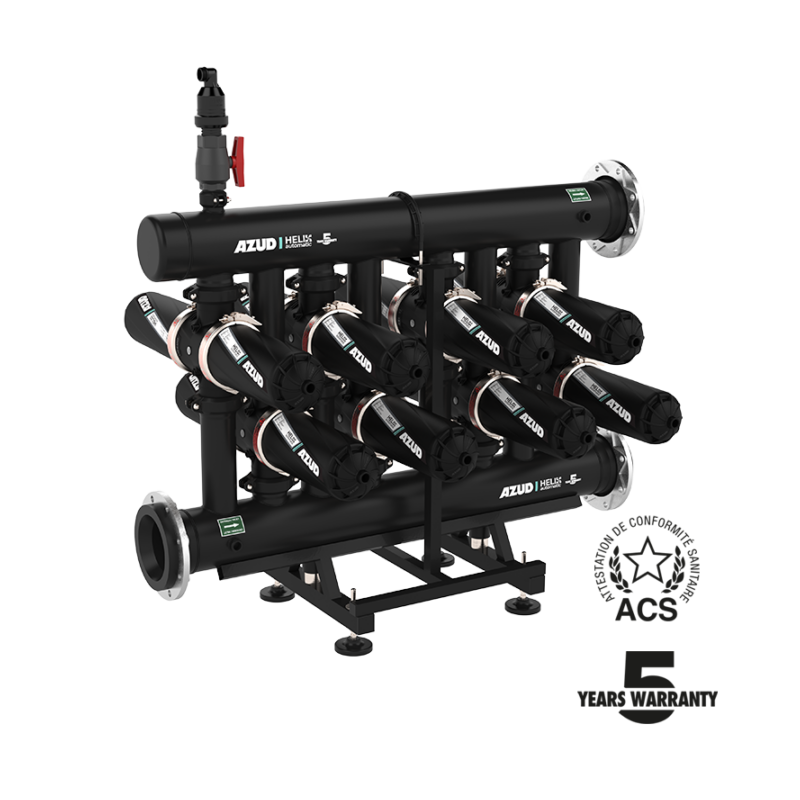
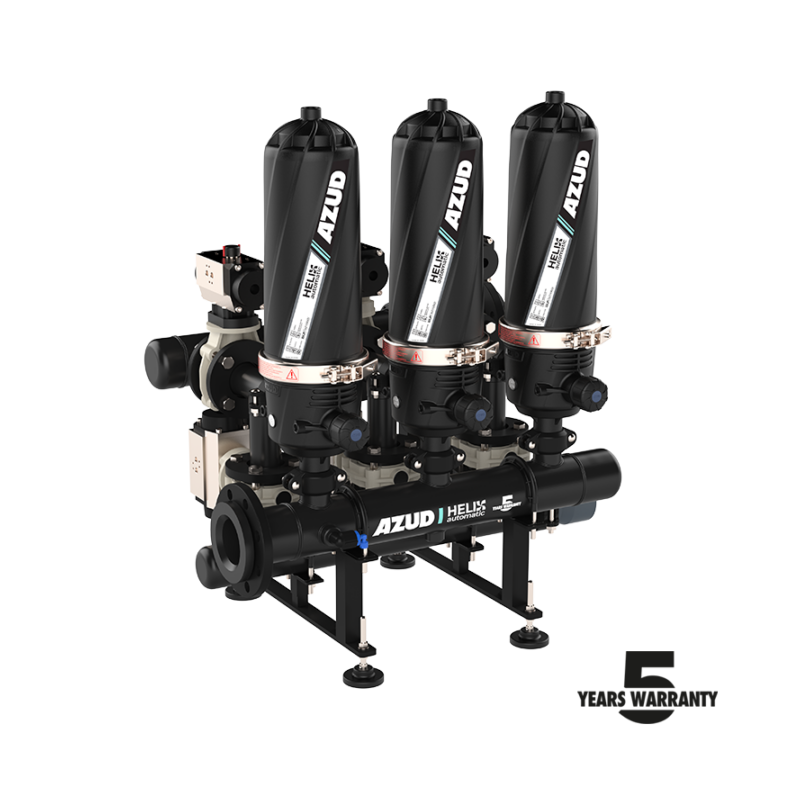
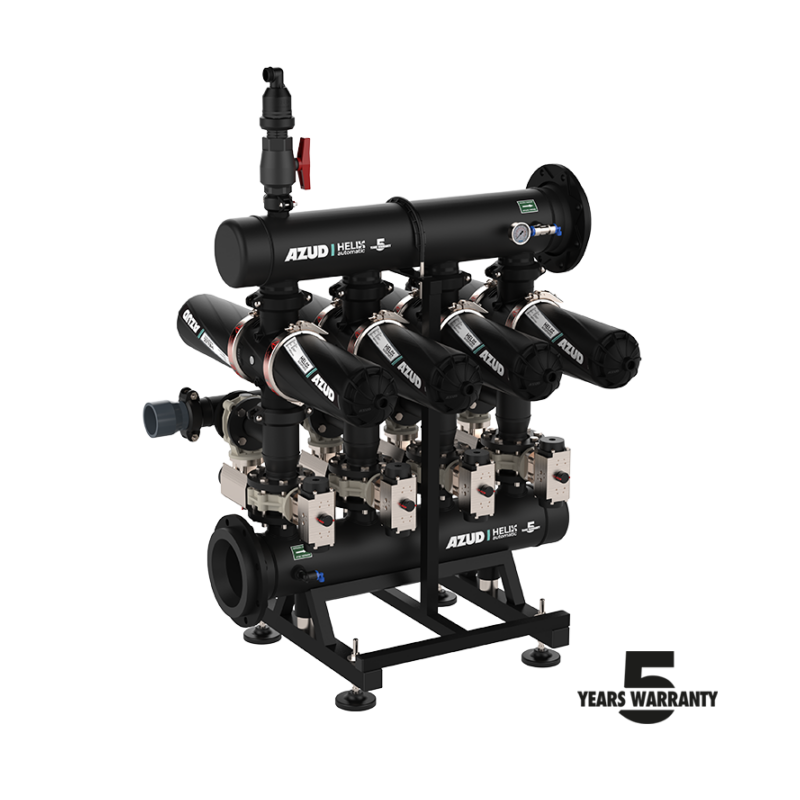
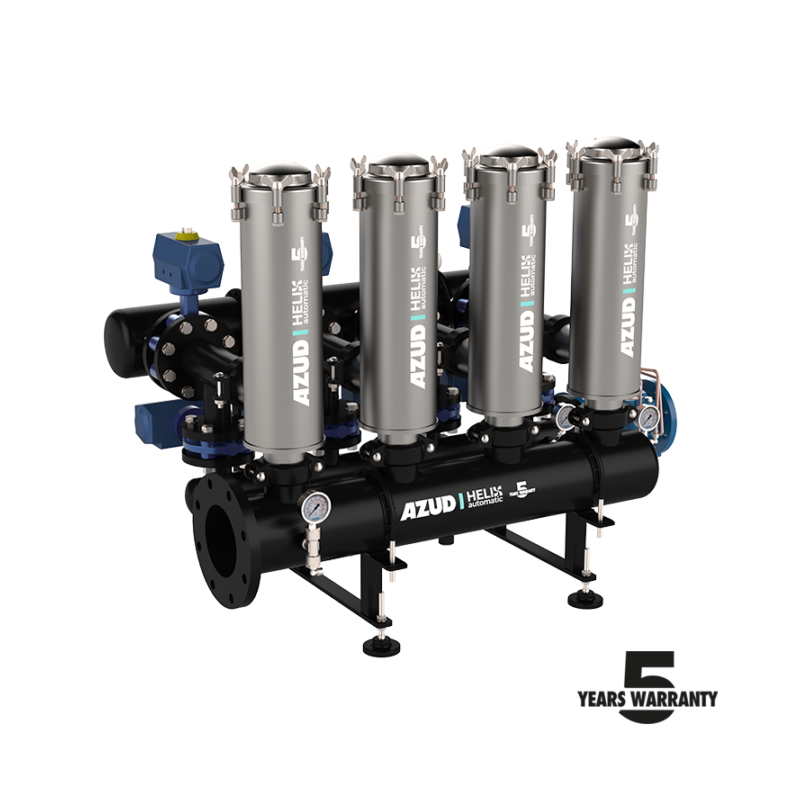
Self-cleaning filtration systems AZUD HELIX AUTOMATIC They also stand out for their reliability, efficiency, low energy consumption, and ease of maintenance.
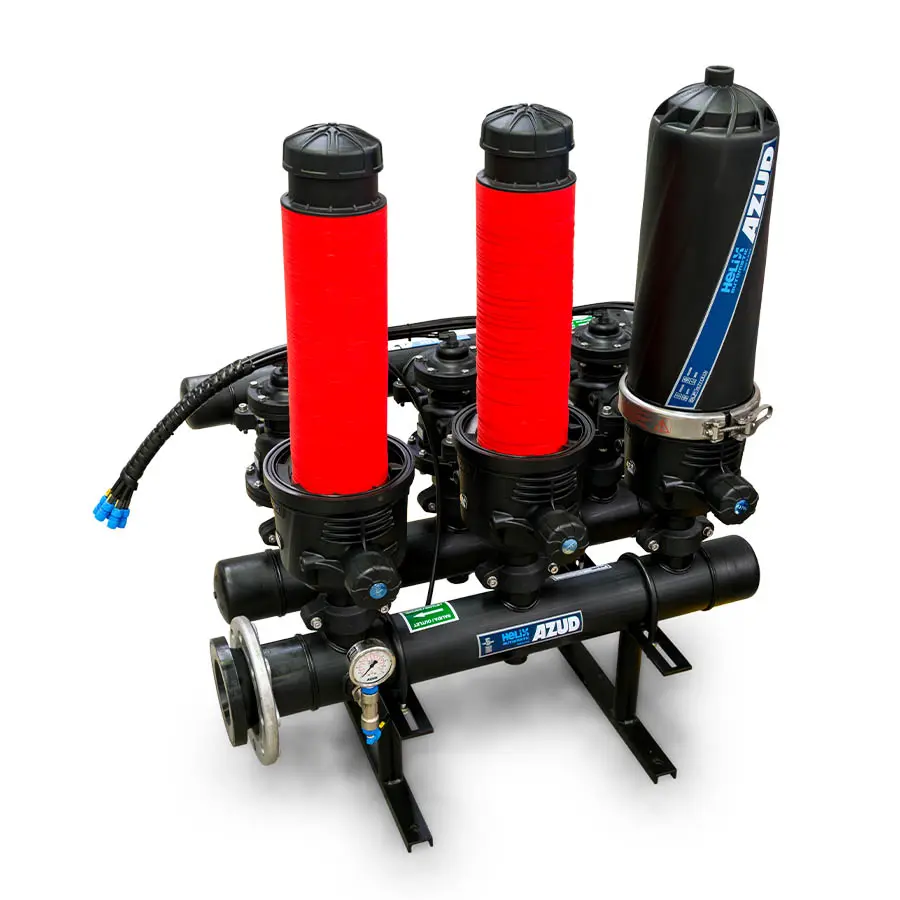
All filters offer a wide range of filtration degrees to meet the requirements of the emitters in each irrigation system.
At AZUD, we are experts in selecting and sizing the appropriate filtration equipment, taking into account the characteristics of the irrigation water, the flow rate of irrigation water, the characteristics of the emitter, and the quantity and size of suspended particles in the water. In this way, we ensure maximum efficiency and durability for the irrigation systems. Furthermore, our extensive experience and proven customer satisfaction have made us the first brand on the market to offer up to a 10-year free warranty on our filters.