Types of Irrigation Drippers and Their Differences
When considering the option of installing a drip irrigation system, we must choose What type of dripper should we install?
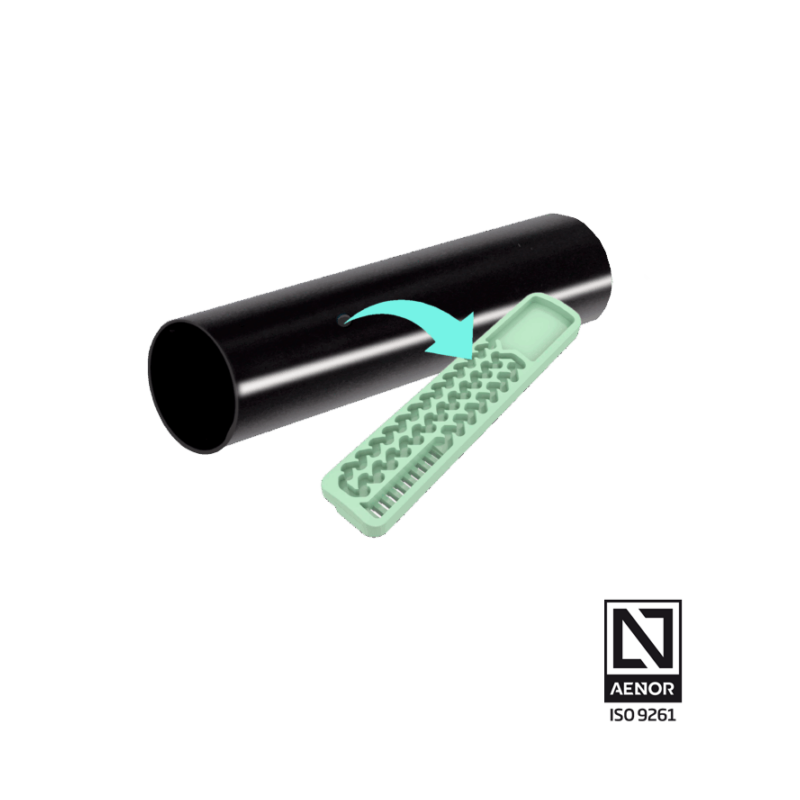
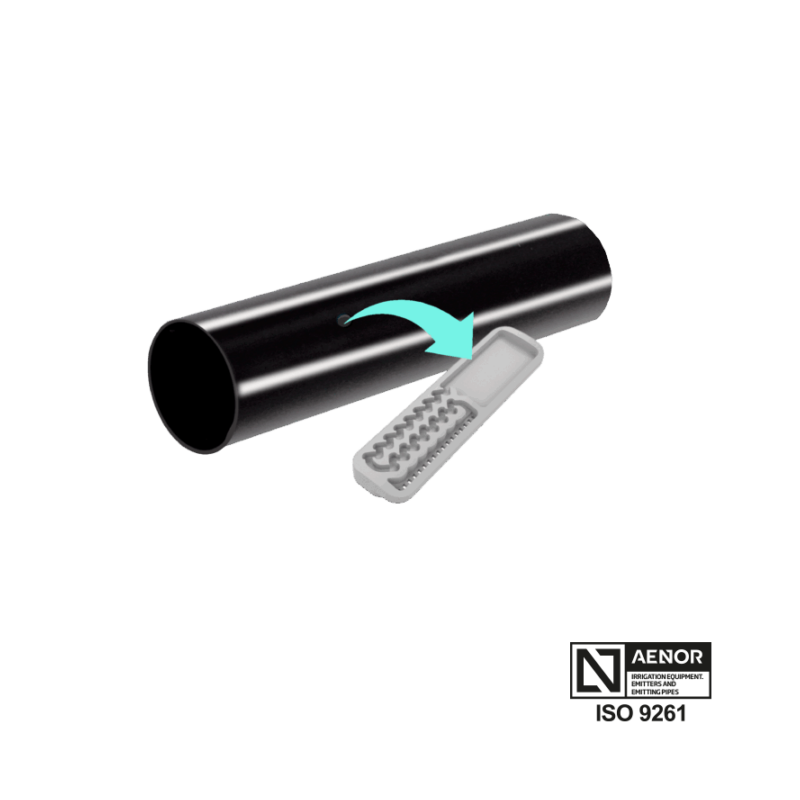
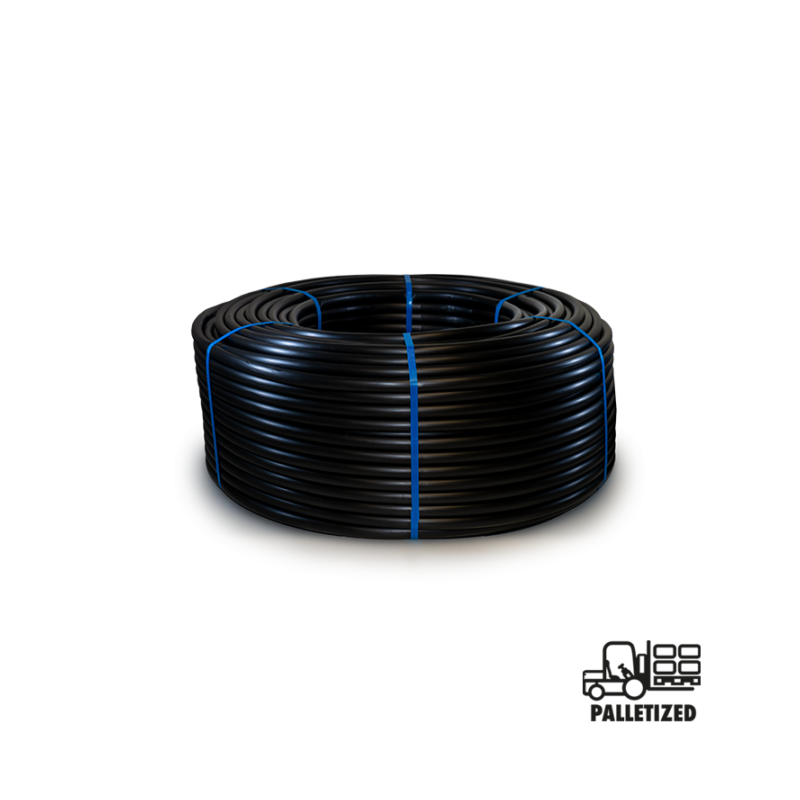
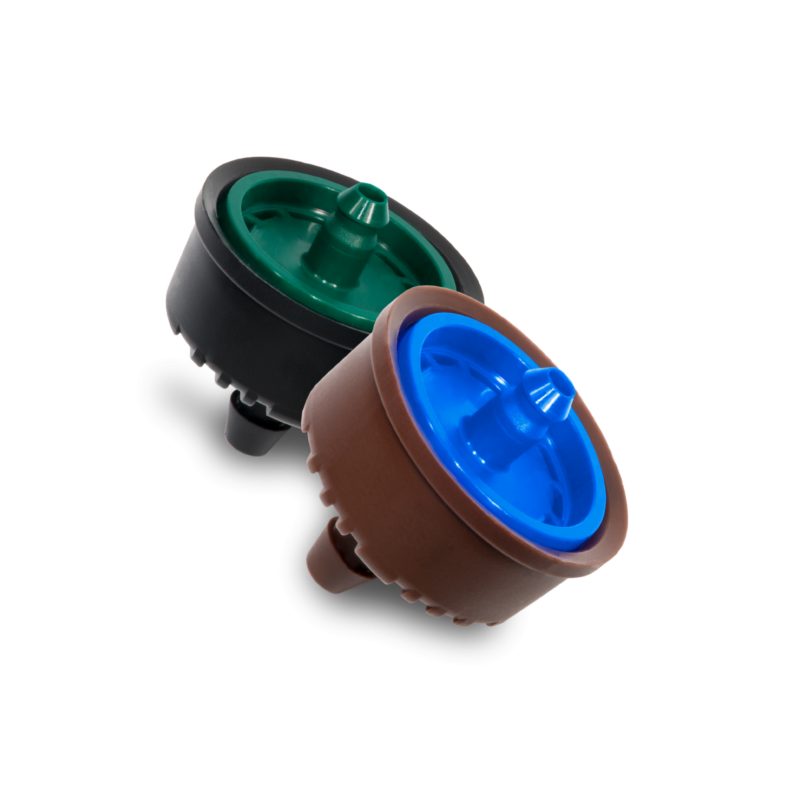
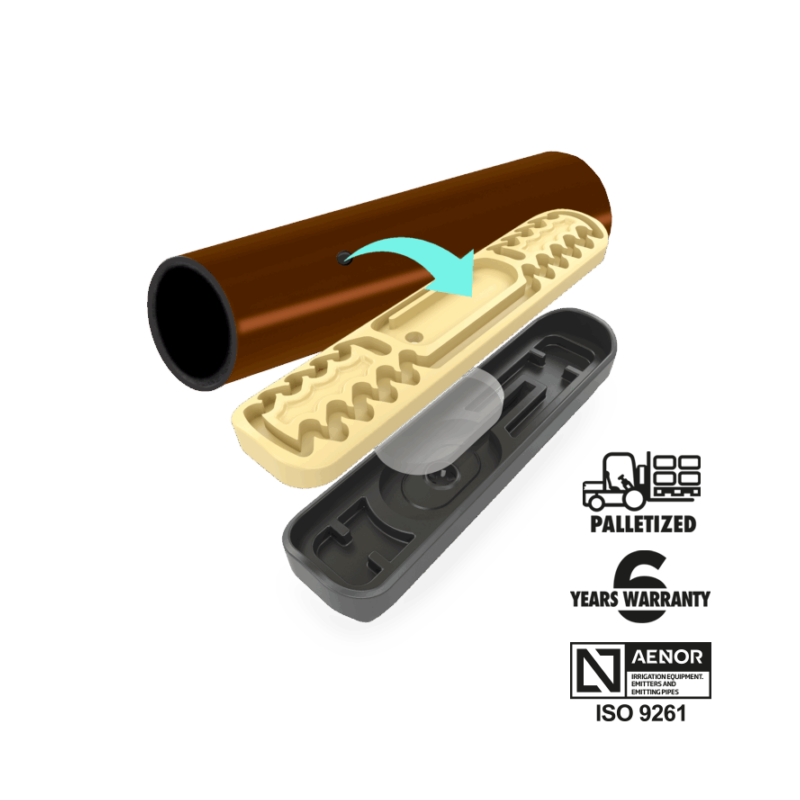
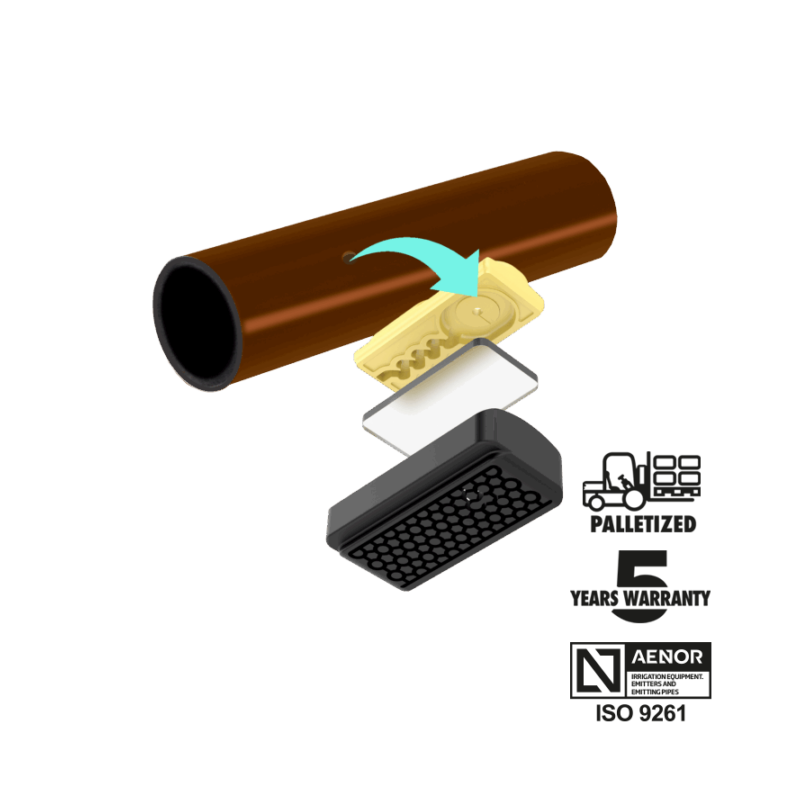
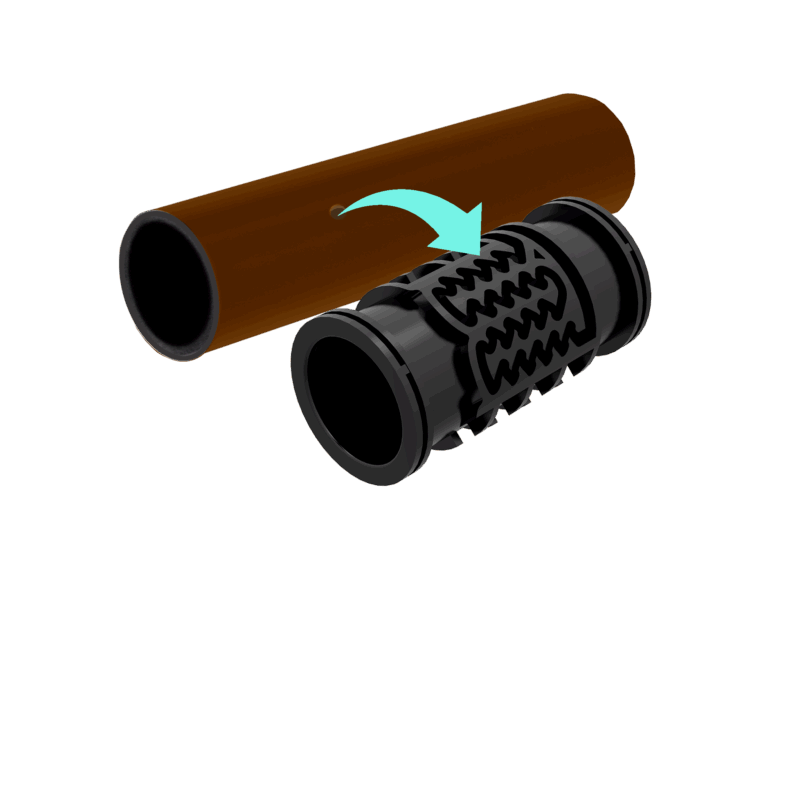
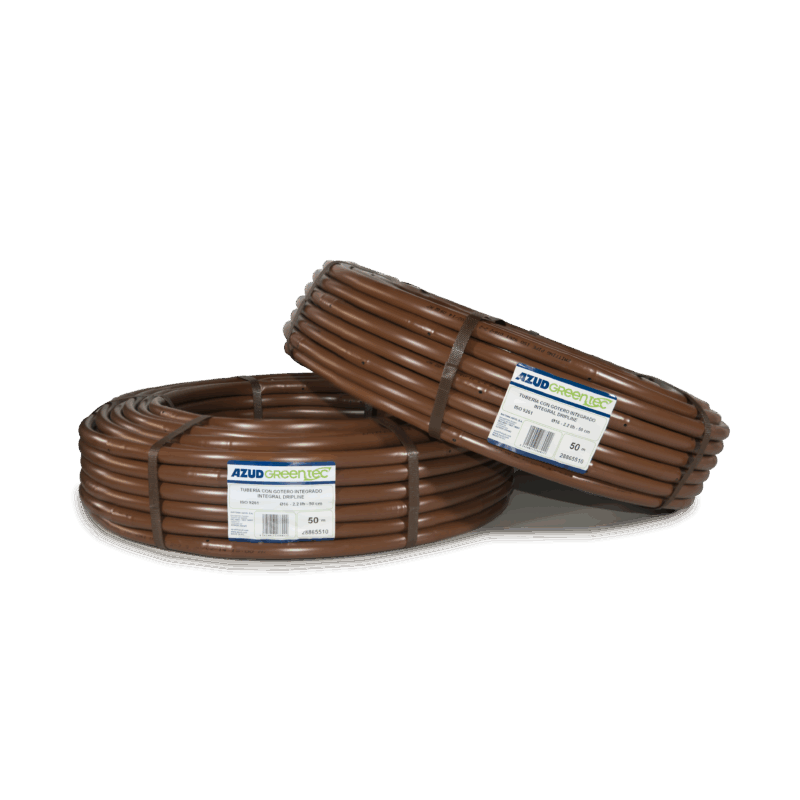
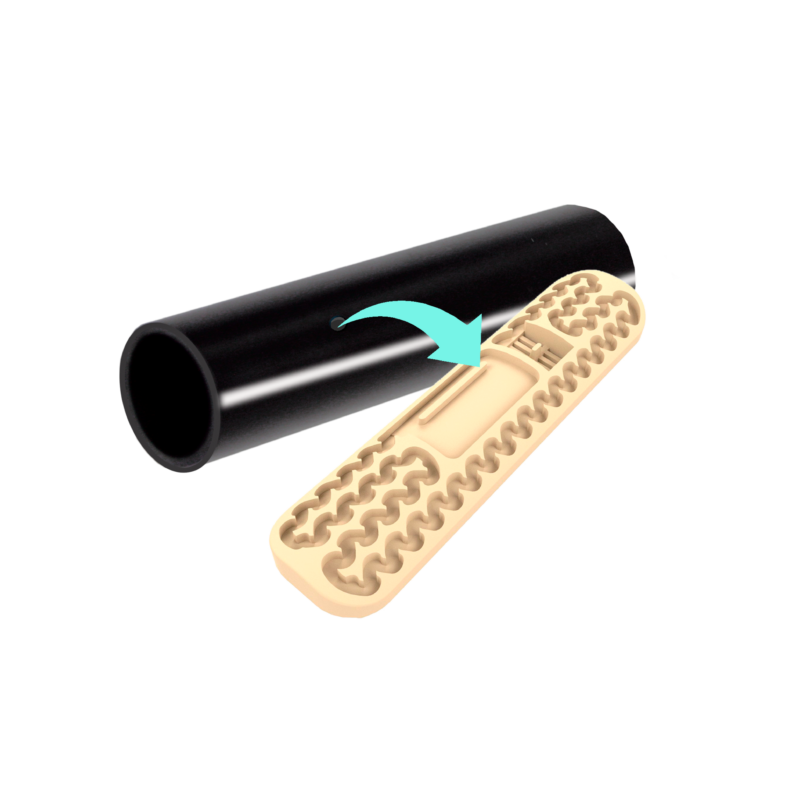
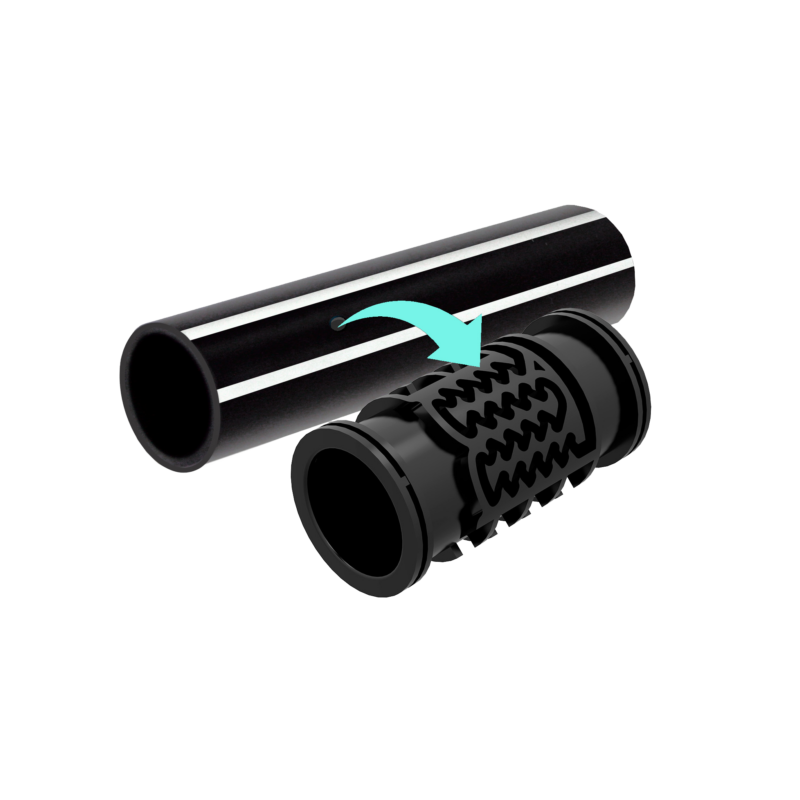
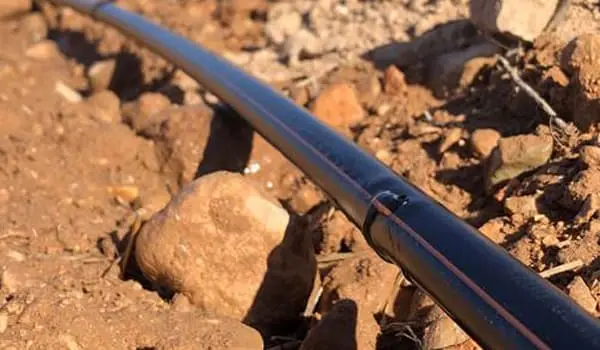
There is a wide variety of dripline tubing with built-in drippers. These can be turbulent, self-compensating, anti-siphon, or anti-drain.
In this article, we’ll briefly explain the differences between these models to help you choose the one that best suits your needs.
Turbulent Dripper
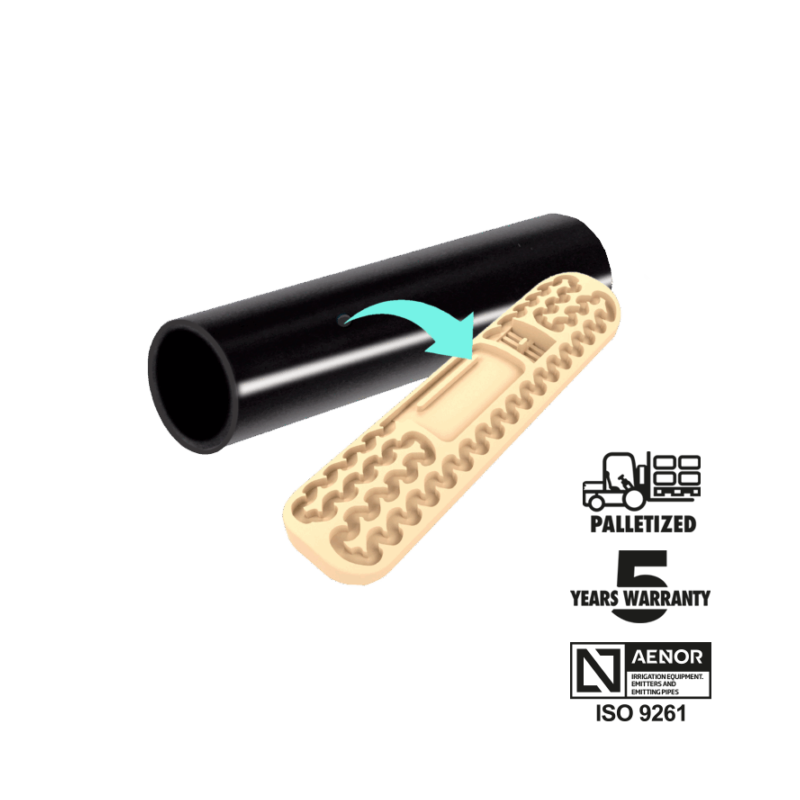
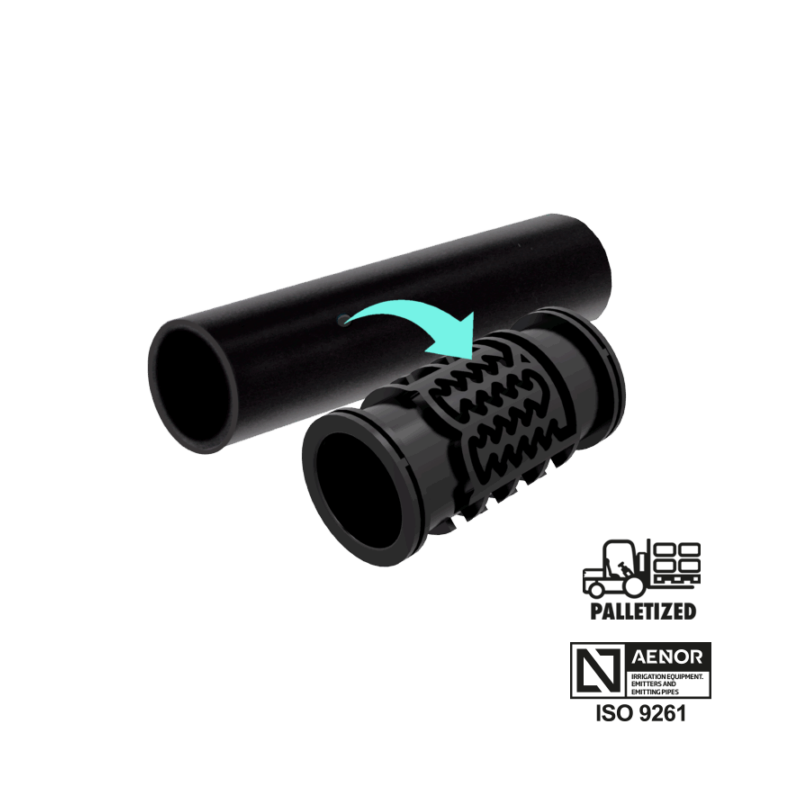
A Turbulent regime or turbulent-flow dripper, is a type of irrigation dripper whose flow rate varies depending on the pressure it receives; the flow rate is higher when the pressure increases and lower when the pressure decreases.
A dripper is defined by the flow rate in liters per hour it delivers at a pressure of 1 bar.
This model, which is frequently used in crops that are not very demanding in terms of uniformity and in flat lots when the length of the drip line branches is below certain limits recommended by the manufacturer.
Even under these conditions, There will always be a difference in flow rate between the first drippers on each line and the last ones., which are subjected to less pressure.
Self-compensating dripper
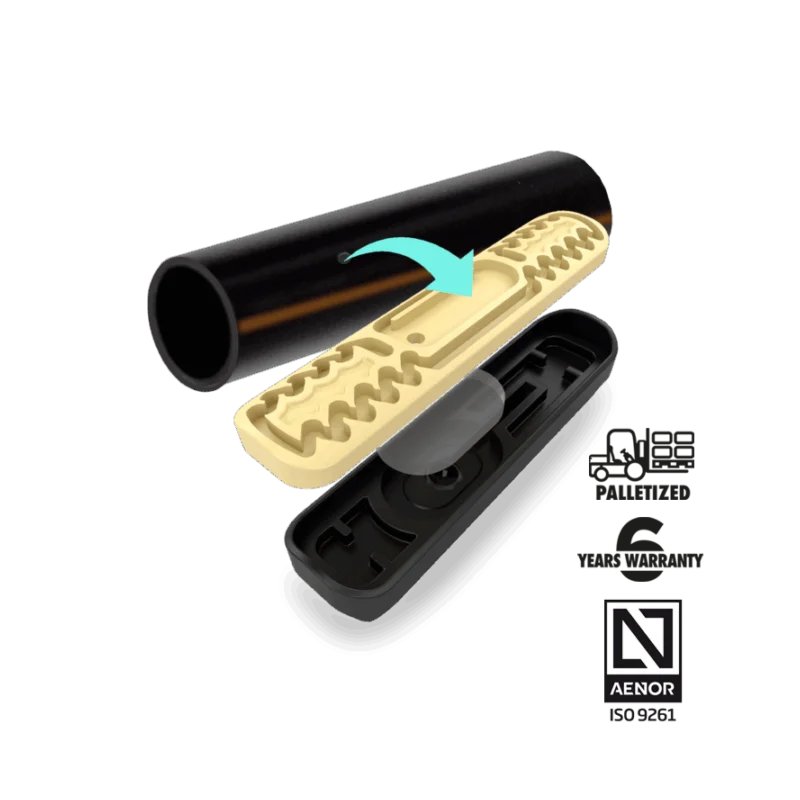
A self-regulating dripper is one that has a membrane inside it that regulates the flow of water based on the pressure it receives so that The flow rate remains constant within a pressure range. Most of the best-known models have an operation range between 0.5 and 4 bar.
The function of the self-compensating irrigation dripper is improve irrigation uniformity and nutrition throughout the plantation.
Anti-Drain Dripper
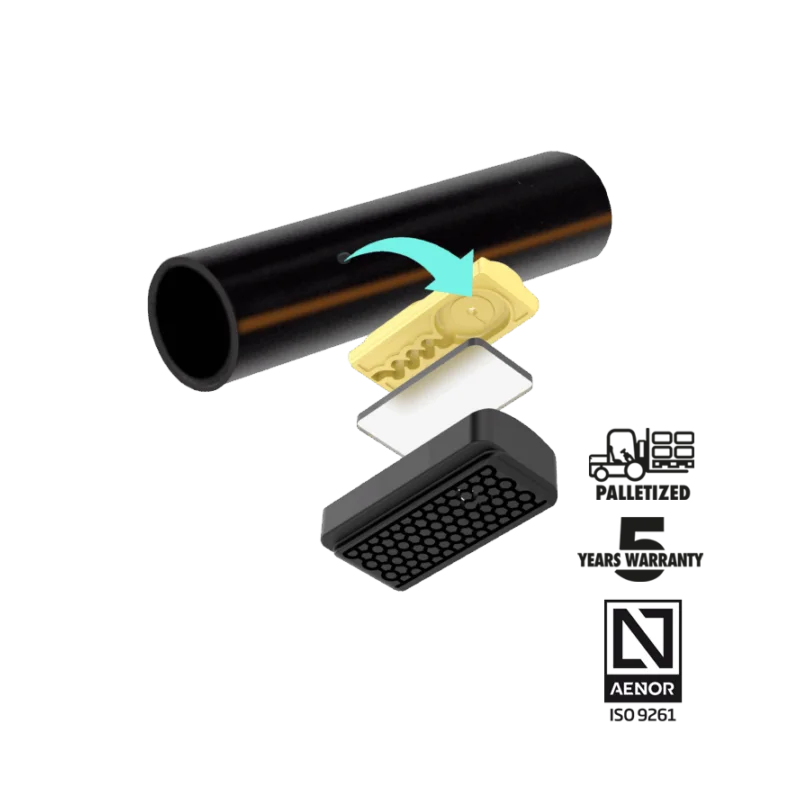
The anti-drain dripper is a version of the self-compensating dripper in which the Membrane shuts off the water flow when the pressure drops below a certain level, preventing the volume of water in the facility’s piping system from draining out once irrigation is complete.
One of the major benefits of this type of irrigation dripper is that it prevents the lower areas of a plantation from receiving more water than the rest, due to drainage from the irrigation system after watering.
Another advantage is that irrigation begins simultaneously throughout the same sector of the system since it is not necessary to fill the system at the start of each irrigation cycle.
Anti-Siphon or Anti-Suction Dripper
The anti-siphon dripper is another version of the self-compensating dripper. Its internal mechanism acts as a check valve, preventing water from flowing in the opposite direction to the normal flow from the dripper.
With this system, soil particles are prevented from entering the dripper.
This anti-siphon feature is very important in Subsurface Drip Irrigation (SDI) Systems to prevent drippers from clogging.

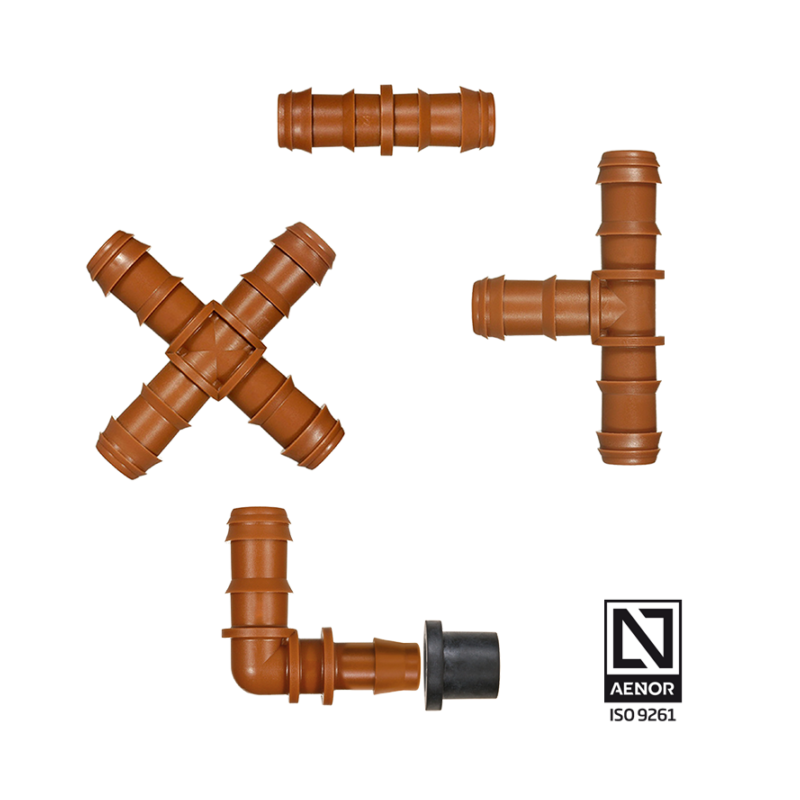
All models are available on the market in 16- and 20-mm dripline diameters, with a wide range of flow rates, thicknesses, and dripper spacing to suit the needs of the crop and the conditions of each installation.
Are you looking for advice on the best type of dripper for your irrigation system?
At AZUD, we offer a wide range of products from drip irrigation that help you save more water and achieve greater precision.
Our experts will be happy to advise you here!